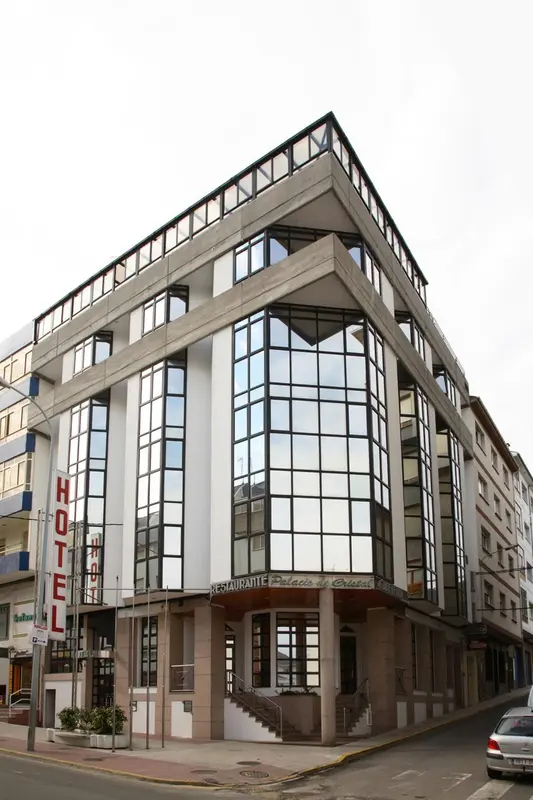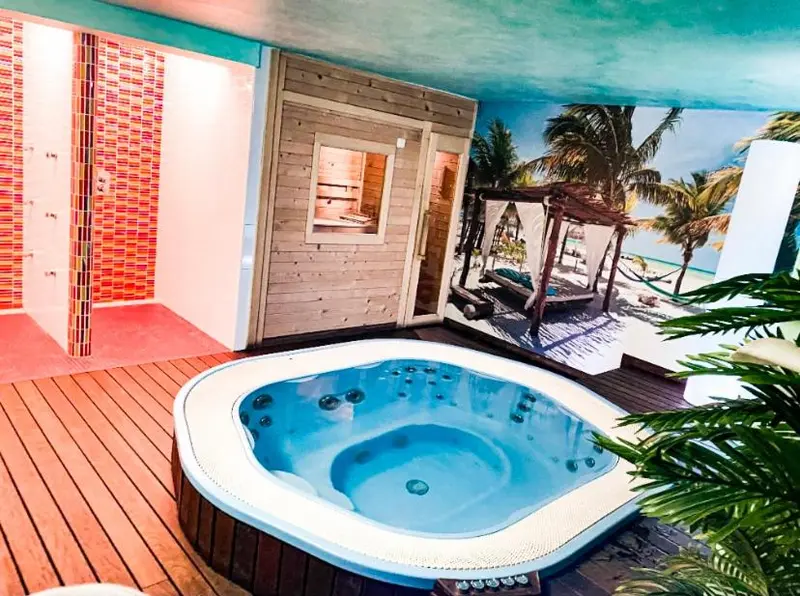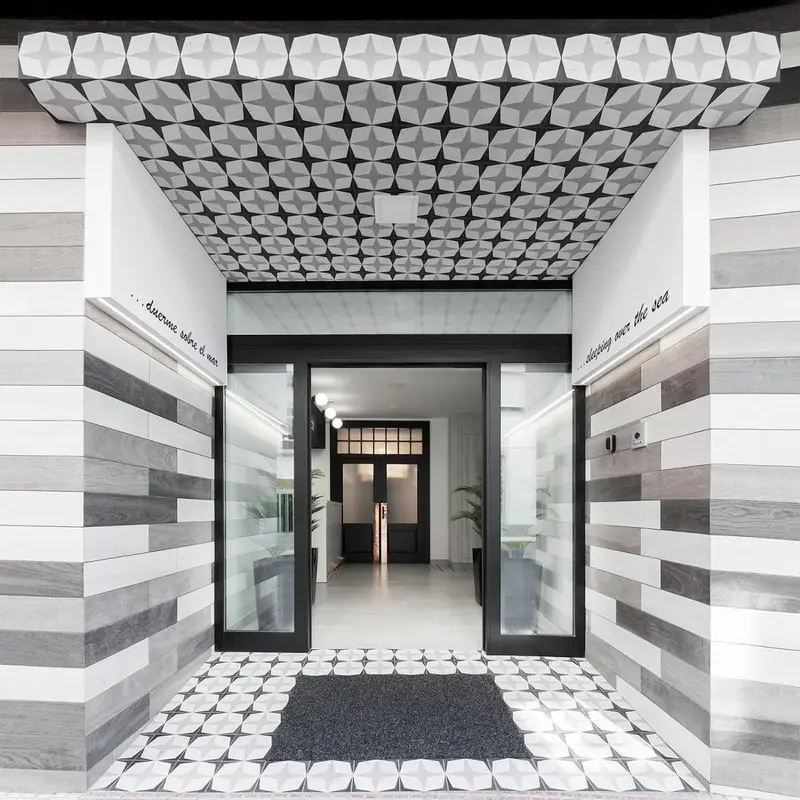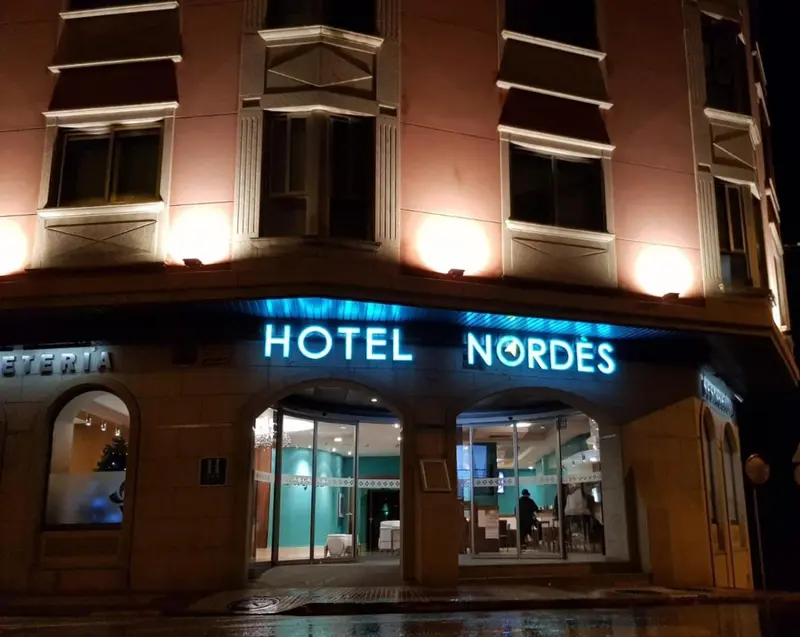
Hotel Nordés
★★★
Google 4.4/5 (1,468 reviews)
Spain · Mediterranean
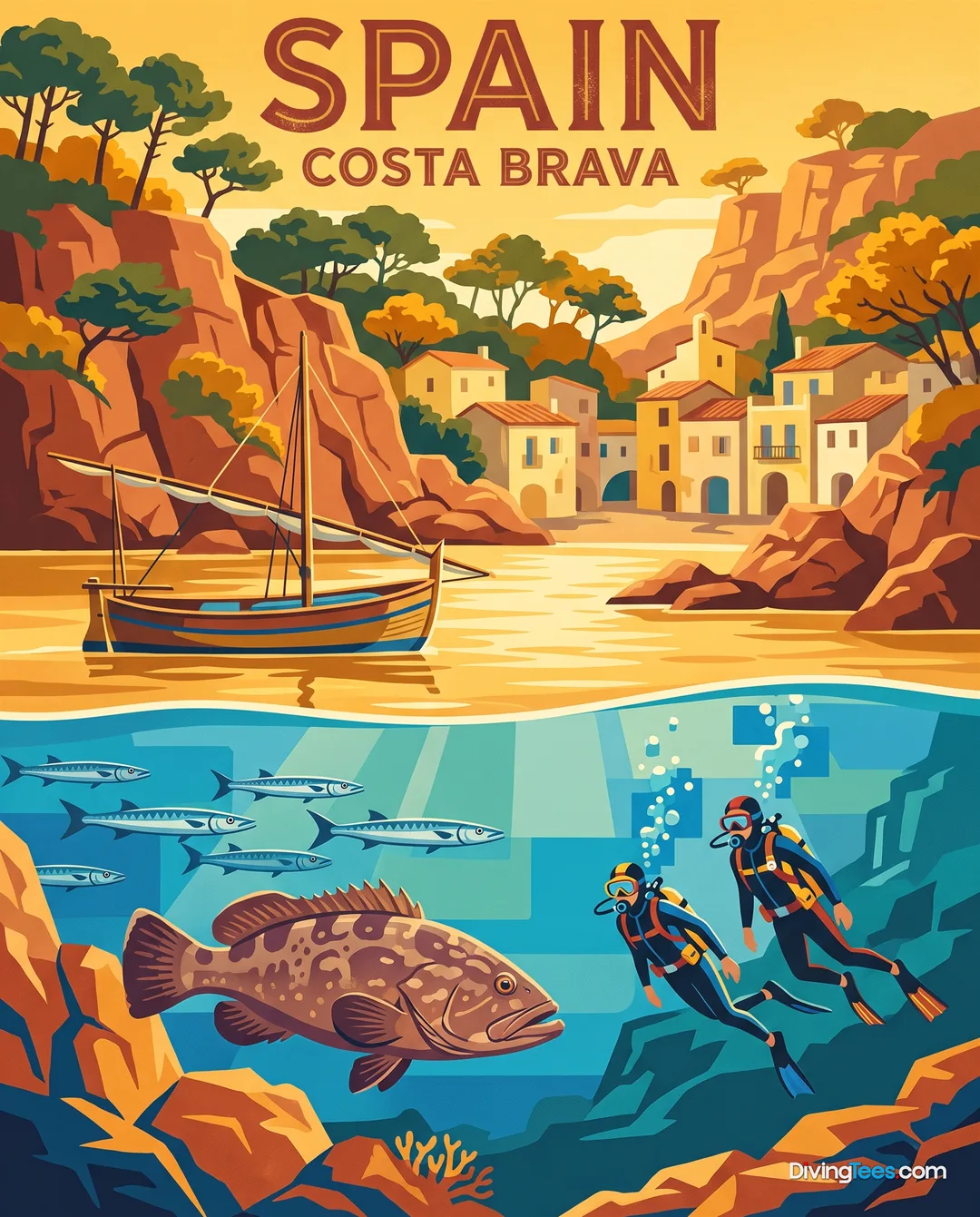
Rocky reliefs, algal forests, the Caraveka VIII at 15–20 metres and the deeper Galdstar shape Burela’s distinctly Atlantic underwater character.
For subtitles in English: start the video firstthen click the gearat the top right of the video, select “Subtitles/CC”, then “Auto-translate” and choose “English”.
Rocky reliefs and algal forests set the tone around Burela, with wrecks adding a more technical edge along the wider Mariña Lucense. This is a place for divers who enjoy temperate Atlantic water, changing sea conditions and a working harbour rather than coral gardens or a resort built solely around diving. Some outings leave directly from Burela, while others involve nearby Foz, Viveiro or Ribadeo. The sensible format is a land-based stay with several possible diving days.
Underwater, expect rock, algal growth and wreckage rather than a tropical reef. Sites near the Farallons include the Caraveka VIII, described at roughly 15–20 metres, while the Galdstar lies on sand in the ria de Viveiro at about 40–45 metres and changes the character of the outing completely. Currents are variable, and tides and sea state influence both the timing and the comfort of a dive. Visibility can be affected by swell and coastal run-off, so this is not a destination for assuming identical conditions every morning. Boat trips leave from Burela or from centres elsewhere along the Mariña Lucense. The result is a proper Atlantic outing, with the possibility of a straightforward wreck dive one day and a deeper, more committed profile on another.
The marine character comes from the habitat itself: dark rocky ground, algal forests, sandy patches beneath wrecks and the structures of the wrecks themselves. These are Atlantic surroundings, so the interest lies in examining the rock and metal closely rather than expecting a procession of named tropical species. The Caraveka VIII offers a relatively shallow wreck setting near the Farallons, while the Galdstar provides a deeper artificial structure in the ria de Viveiro. There is no dependable seasonal wildlife calendar to build a trip around. Plan instead for changing underwater detail, shaped by tide, swell and visibility, and allow enough time to appreciate the algae-covered surfaces and the contrast between open rock and sand.
Burela does not lend itself to a single guaranteed best month. The practical season is the period when the sea and tides give the boat a workable window, and that can vary from one day to the next. Build flexibility into the calendar rather than fixing one isolated dive day, particularly if the itinerary includes an exposed site near the Farallons. A stay with several available days gives the local team room to move outings around the sea state. The same approach matters for the deeper Galdstar, where conditions and the planned profile deserve more than a last-minute decision.
Some outings and introductory dives suit beginners, provided the day’s sea and tidal conditions are appropriate. Qualified divers from BSAC, PADI or SSI can use Burela as a base, but should be comfortable with temperate-water boat diving and changing conditions. The Caraveka VIII is described at around 15–20 metres, whereas the Galdstar at roughly 40–45 metres is a substantially more demanding proposition. Confirm the depth, experience and equipment expectations before committing to the deeper wreck.
From London Heathrow, London Gatwick or Manchester, the practical journey is a flight to a Galician or Asturian airport followed by a road journey to Burela. There is no ferry crossing or domestic flight forming part of the route. Allow generous margin between the flight and the first boat, because departure times depend on tides and sea conditions. Once in Burela, the harbour, centre and beaches are close enough for some accommodation-to-boat journeys on foot or by a short local transfer. If the chosen outing starts in Foz, Viveiro or Ribadeo, treat that as a separate road journey and arrange transport rather than assuming an inter-town diving shuttle.
Keep more than one day available for diving. Tides and sea state can shift a departure, and a single fixed date leaves little room when an exposed outing near the Farallons is moved. Before travelling to the harbour, check exactly where the boat leaves: a booking in the Mariña Lucense may mean Burela, Foz, Viveiro or Ribadeo. Ask whether the plan is for the shallow Caraveka VIII area or for the ria de Viveiro, because the profiles are not interchangeable. Treat the Galdstar as a serious deep-wreck choice at around 40–45 metres, not as a nearby variation on a 15–20 metre coastal dive. Keep a road transfer available if the centre is outside Burela, and do not build a tight flight connection after the final sea outing. Staying close to Burela’s port removes one avoidable daily transfer when the local departure is confirmed.
A Burela stay works best from the port and town, with the beaches and promenade close at hand and the fishing harbour providing a genuine local setting. Diving can be mixed with day trips to Foz, Viveiro or Ribadeo when the planned outing starts there. Non-divers have the waterfront, beaches, coastal walks and surface activities, including the more exposed A Marosa beach when conditions permit. There is no liveaboard format to organise around, so the rhythm is accommodation ashore, boat days and road excursions along the Mariña Lucense.
Hello, I'm Marina, DivingDeal.com's AI assistant. I guide you through destinations, areas and countries.
Thinking about the whole trip and the flights? Talk it over with Edith →
Marina is an AI. Some links are affiliate links: DivingDeal may earn a commission, at no extra cost to you. Bookings are made with the partner.
Burela does not have a single guaranteed best month. Plan around workable sea and tidal conditions, which can change from day to day. Keep several possible diving days available so the local team can move outings when swell, currents or sea state affect an exposed site near the Farallons.
Burela can suit beginners on introductory dives or suitable outings when sea and tidal conditions cooperate. Qualified BSAC, PADI and SSI divers should be comfortable with temperate-water boat diving and changing conditions. The Caraveka VIII is a shallower wreck option, while the Galdstar requires a substantially more demanding deep-wreck profile.
Expect rocky reliefs, algal forests, sandy patches and wreck structures in temperate Atlantic water rather than tropical reefs. The Caraveka VIII offers a relatively shallow wreck setting near the Farallons. The Galdstar lies on sand in the ria de Viveiro, adding a deeper artificial structure to the area’s underwater character.
Choose a land-based stay near Burela’s port, with beaches and the harbour close by, and keep more than one day available for diving. Confirm whether your boat leaves from Burela, Foz, Viveiro or Ribadeo, and arrange road transport for outings outside town. Leave flexibility around tides and sea conditions.