
Mon Diving Denia
Google 4.9/5 (374 reviews)
Spain · Mediterranean
Rock walls, passages and small caves around Dénia, Las Rotas and Cape San Antonio, with occasional conger eels and sunfish in spring.
For subtitles in English: start the video firstthen click the gearat the top right of the video, select “Subtitles/CC”, then “Auto-translate” and choose “English”.
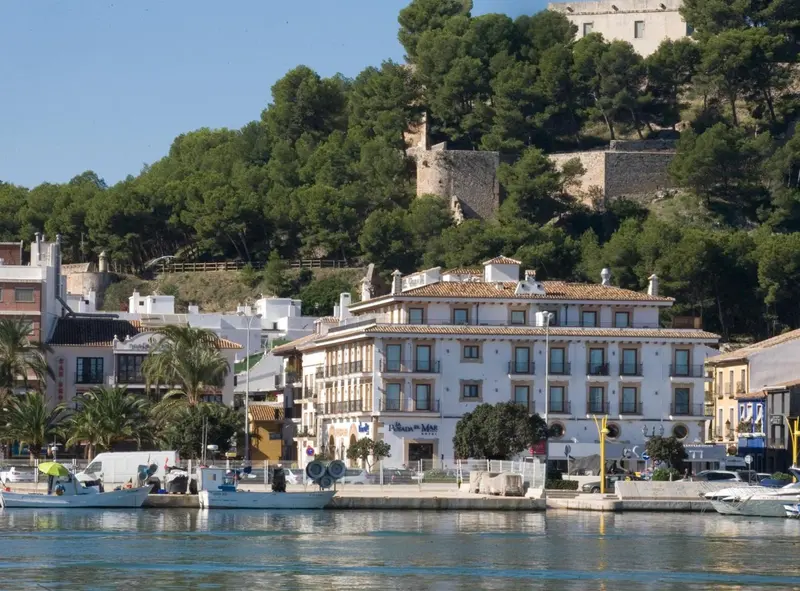
Rock walls, passages and small caves give Dénia its underwater character, with Cape San Antonio, Las Rotas and nearby Jávea providing the main setting. This is a shore-based Mediterranean holiday rather than a liveaboard destination, with local boats and shore entries allowing the plan to change with the weather and the diver. Beginners have suitable coastal options, while more experienced divers can look towards deeper, more intricate relief. Above water, beaches, coves, cliffs and Dénia’s old town make it workable for a mixed diving and holiday party.
Expect rocky seabeds, walls, cavities, passages and small caves rather than coral reef scenery. Dives leave from the shore or by boat, with the choice shaped by the conditions and the group’s actual experience. Currents are variable, so a calm coastal site may be sensible one day while a more exposed wall or passage suits another. Visibility also depends on local sea conditions, and should not be treated as a fixed feature of the destination. The practical appeal is the spread between Dénia, Las Rotas, Cape San Antonio and Jávea, which gives centres room to adapt the outing. A first dive can therefore be shallow and straightforward, while an experienced diver may spend the same holiday moving through more sculpted rock and confined terrain. Cape San Antonio brings an extra planning point: bottle diving in the marine reserve requires prior authorisation.
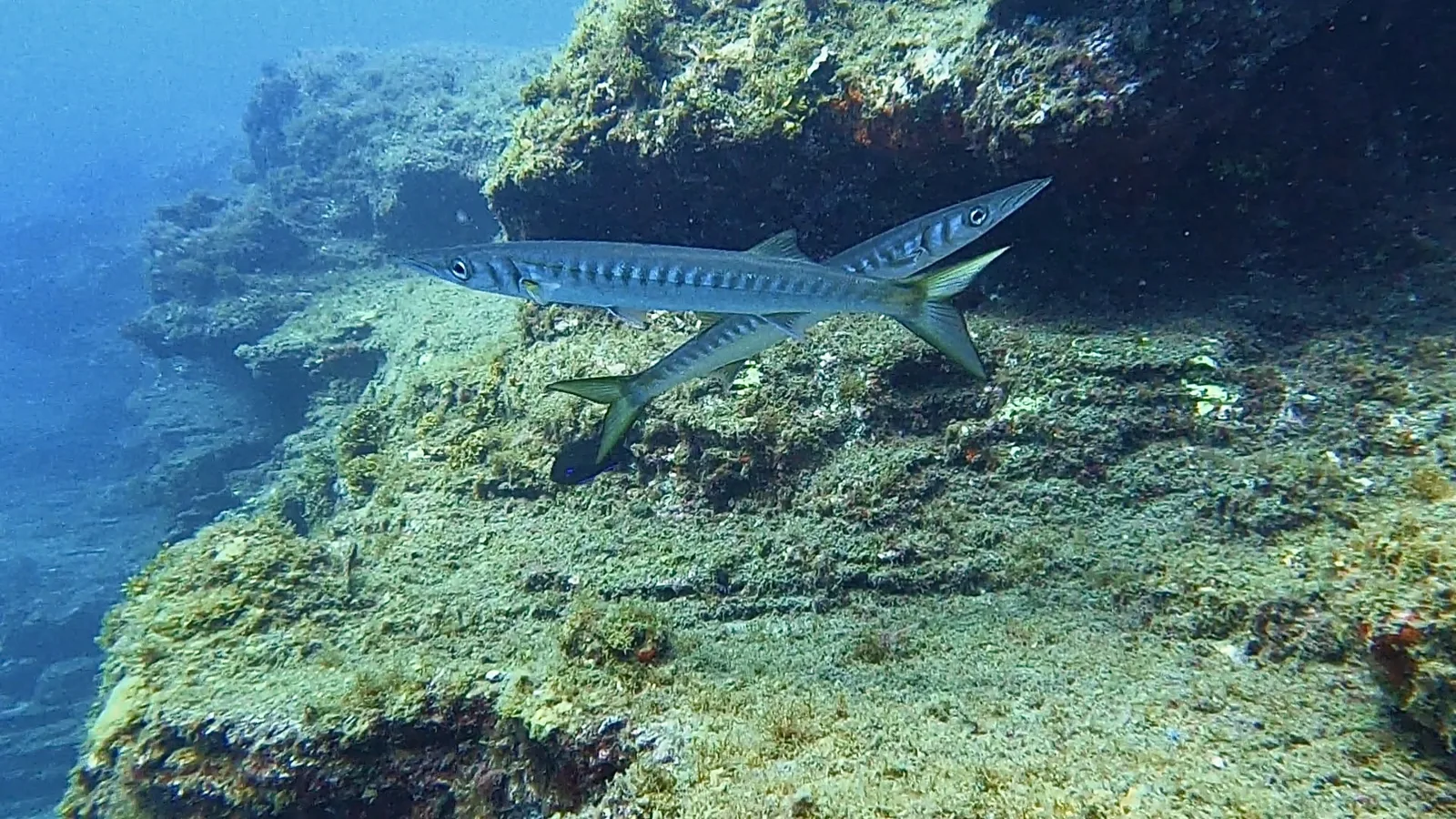
The wildlife is Mediterranean rather than tropical, and the attraction lies in finding life among the rock, walls and cavities. Conger eels and slipper lobsters may be encountered at any time of year, depending on the site. From April to June, local operators report occasional sightings of ocean sunfish, while whales and dolphins may be seen migrating offshore during the same period. These are possibilities, not fixtures, so the appeal of a spring trip should rest on the combination of quieter conditions and a better chance of pelagic encounters, not on a promised animal list. The protected waters around Cape San Antonio also add a regulated setting for observing the area’s varied Mediterranean fauna without turning the dive into a wildlife spectacle.
April to June and September to October are the most sensible months for a Dénia diving holiday. Marine activity is reported in the spring window, and the autumn months offer a quieter alternative after the main summer rush. July and August remain perfectly possible for diving, but the coast, boats and popular sites are busier. April to June also offers the occasional chance of ocean sunfish or migrating whales and dolphins offshore. Since site choice depends on the day’s sea conditions, a five to seven-day stay gives useful flexibility rather than forcing every dive into a fixed sequence.
Dénia suits all levels, provided the site is matched to the diver rather than chosen for its name. Beginners can use accessible coastal sites and shallower introductory dives. Advanced divers will get more from the walls, passages and caves, particularly where depth and confined terrain add complexity. An Advanced qualification is useful for the more demanding options, while BSAC, PADI and SSI divers should discuss their recent experience and comfort in overhead-looking terrain before booking. Certification alone is not a substitute for cave experience.
From London Heathrow, London Gatwick or Manchester, the practical route is to fly towards Valencia or Alicante and continue by road to Dénia. The total journey commonly takes a day when the flight and road transfer connect smoothly, but the exact timing depends on the departure city, connection and onward transfer. Dénia has no airport of its own, so allow room for delays rather than building a dive around a tight arrival. Once there, accommodation near the harbour or seafront may allow walking to a centre. From outlying parts of town, a taxi or hire car is more useful. Ferries from Dénia to Ibiza and other Balearic islands are an optional maritime excursion, not a required part of reaching the destination.
The first question to settle is whether the planned dive lies inside the Cape San Antonio marine reserve. Bottle diving there needs prior authorisation, and a certification card on its own does not replace that process. Check the paperwork with the local centre before travelling, rather than assuming it can be sorted at the harbour. Do not book the whole week around one named site either. Keep Dénia, Las Rotas, Cape San Antonio and Jávea in play, since the sea may make one sector unsuitable on a particular day. Tell the guide your real level, especially before entering a passage or cave. If this is a first visit, accepting a shallow site chosen on the day is wiser than insisting on a more ambitious relief. July and August are the busiest months, so spring or early autumn makes more sense if boat space and a less crowded coast matter. Keep one day free for the cliffs, coves or Dénia itself, and consider April to June if occasional sunfish or migrating cetaceans are part of the appeal.
Plan Dénia as a five- to seven-day stay, with several diving days spread across the coastal sectors and a spare day for a weather change. Harbour or seafront accommodation makes morning logistics simpler, while peripheral areas are easier with a taxi or vehicle. Non-divers have beaches, coves, coastal walks, surface-water activities, the castle and old town, plus the option of a ferry outing to Ibiza or another Balearic island.
Hello, I'm Marina, DivingDeal.com's AI assistant. I guide you through destinations, areas and countries.
Thinking about the whole trip and the flights? Talk it over with Edith →
Marina is an AI. Some links are affiliate links: DivingDeal may earn a commission, at no extra cost to you. Bookings are made with the partner.
April to June and September to October suit a Dénia diving holiday. Spring brings occasional ocean sunfish and possible migrating whales or dolphins offshore, while autumn offers a quieter alternative. July and August remain possible but are busier, and local sea conditions can affect visibility and site selection.
Dénia has coastal options for beginners, including shallower introductory dives. More experienced divers can explore walls, passages and small caves, where depth and confined terrain add complexity. Discuss your recent experience and comfort with overhead-looking terrain, because certification alone does not replace suitable cave experience.
Diving in Dénia focuses on rocky seabeds, walls, cavities, passages and small caves rather than coral reefs. Conger eels and slipper lobsters may appear throughout the year. From April to June, you may occasionally encounter ocean sunfish, while migrating whales and dolphins may be seen offshore.
Plan Dénia as a shore-based Mediterranean holiday using local boats and shore entries across Dénia, Las Rotas, Cape San Antonio and Jávea. Keep plans flexible for sea conditions, and check prior authorisation for bottle diving in the Cape San Antonio marine reserve. Harbour or seafront accommodation simplifies access to dive centres.