
Mola Mola Technical Diving
Google 4.7/5 (10 reviews)
Spain · Mediterranean
The Ratón de Getaria shelters boat dives from shallow training ground to 35 metres, with rocky relief, the harbour and the Basque coast close at hand.
For subtitles in English: start the video firstthen click the gearat the top right of the video, select “Subtitles/CC”, then “Auto-translate” and choose “English”.
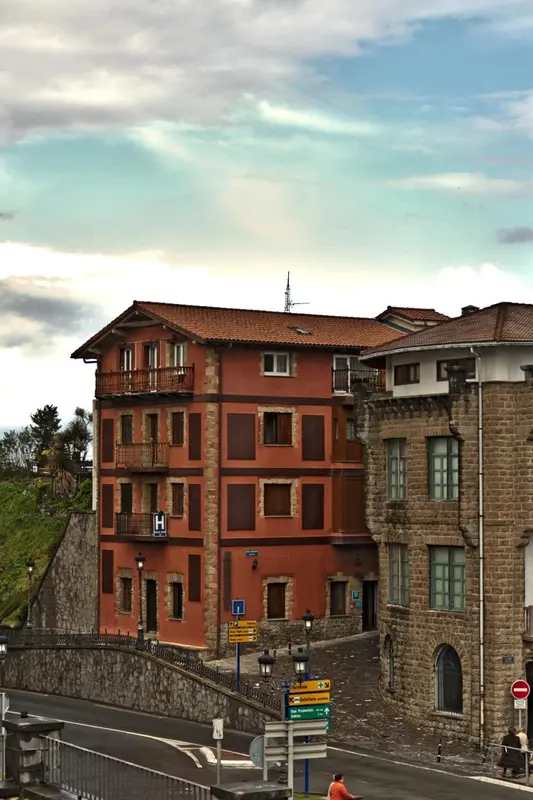
The Ratón de Getaria is the defining feature here, a rocky headland beside the harbour and the starting point for boat diving along the neighbouring coast. From shallow water suited to an introduction, the terrain rises in depth towards sites around 32 to 35 metres. That makes Getaria useful for a mixed group, provided everyone accepts that this is Atlantic diving rather than a tropical reef holiday. Dives, food, maritime heritage and beaches all fit naturally into a stay on land.
Most organised diving leaves Getaria harbour by boat, heading around the Ratón or along the coast towards Zarautz, Orio and Igeldo. The underwater character is rocky coastal relief, with shallow areas for training and deeper points such as Kmeiga and Moi Reef. Depths vary widely, so the same base can accommodate a first sea dive or a more committed deep outing. Currents are variable rather than a defining daily feature, and an exposed Atlantic coast means the state of the sea can decide whether the boat runs. Visibility is not something to take for granted: swell and sandy bottoms can reduce it. Ask whether the plan is a sheltered local dive or a longer run along the coast, because the experience changes with both the route and the weather.
Getaria is not a destination to book around a particular named animal or a guaranteed seasonal wildlife encounter. The interest underwater lies in exploring the rocky coastal setting around the Ratón, the harbour approaches and the neighbouring headlands, where visibility and sea state influence what can be appreciated on the day. On a good run, the changing relief gives the dive its rhythm: shallow ground for orientation, then steeper or deeper sections for experienced divers. Treat marine life as part of the Atlantic setting rather than the sole reason for travelling, and leave room in the itinerary for the sea to dictate which site is enjoyable.
June to September is the most practical period, because boat departures are scheduled more frequently in summer and the coastal village is fully geared to a sea-based stay. Getaria can be dived at other times of year, but outside that window you should check the operating days before building a trip around repeated dives. There is no rainy season or monsoon pattern to plan around here. The useful rule is simpler: summer gives you more choice, while Atlantic swell can still cancel or alter a departure at any time.
Beginners can use the shallow sites and introductory outings, while qualified divers can choose relief descending to roughly 32 to 35 metres. PADI, SSI and BSAC qualifications should be discussed with the local centre in the normal way, particularly if you want Kmeiga, Moi Reef or another deep point. Experience with boat entries, changing Atlantic conditions and careful gas planning becomes increasingly useful as depth and exposure increase. The destination suits mixed groups, but not divers who assume every departure is an easy sheltered shallow dive.
From London or Manchester, treat Getaria as a road-and-coast journey rather than a destination reached by a dedicated domestic connection. The final approach runs along the coast from San Sebastián or Bilbao, using the regional road through Zarautz and Zumaia. No ferry leg is needed to reach the diving area, and the boat leaves from Getaria harbour. Build time into the overland connection, particularly if you are arranging transport separately from the diving. Once in the village, accommodation near the harbour can make dive mornings walkable. Stay farther away and you will need land transport or a taxi, as a regular shuttle should not be assumed.
Ask for the actual plan before committing to a day of diving. Local departures may stay around Getaria or run towards Zarautz, Orio and Igeldo, and those are not interchangeable experiences. Check the maximum depth of the proposed point, especially if Kmeiga or Moi Reef is mentioned, rather than assuming that a boat leaving the same harbour means an easy dive. Keep the schedule flexible for Atlantic swell, even though the port and the Ratón provide some shelter. In summer, there are usually more opportunities, while outside it you should confirm the operating days well ahead. Do not book the trip on the expectation of a liveaboard, coral reef or tropical wildlife programme: Getaria is a shore-based Basque stay with coastal Atlantic diving. Staying near the harbour also removes an avoidable transfer each morning.
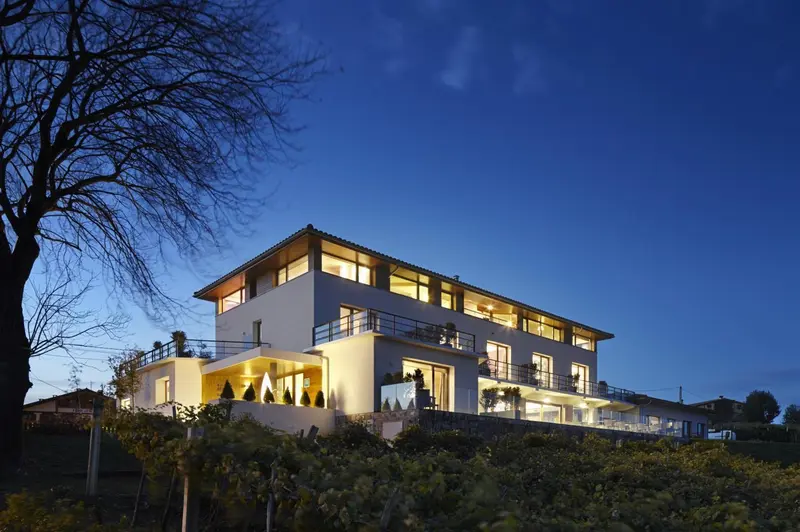
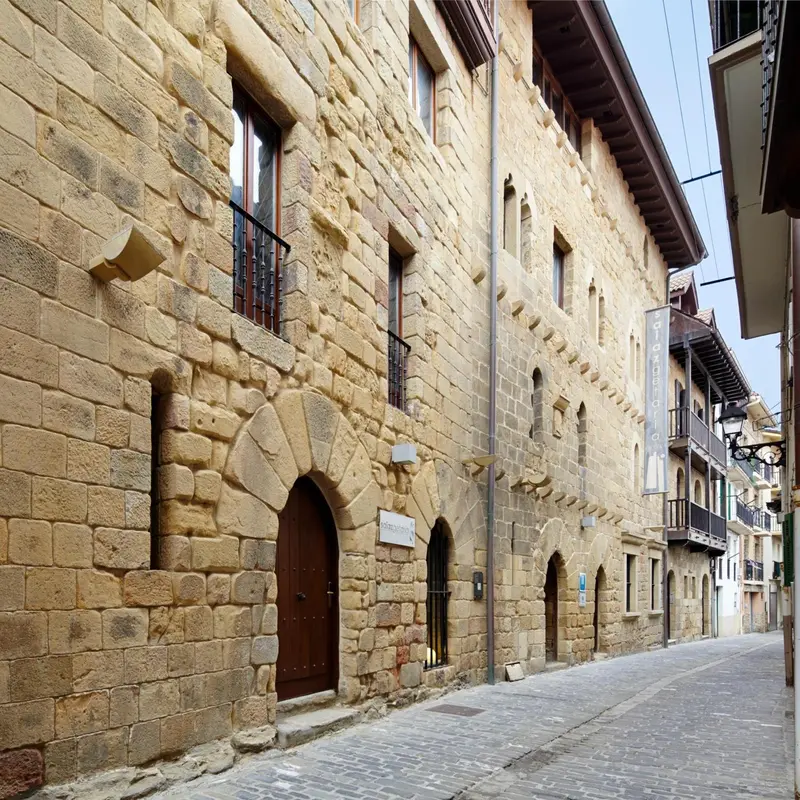
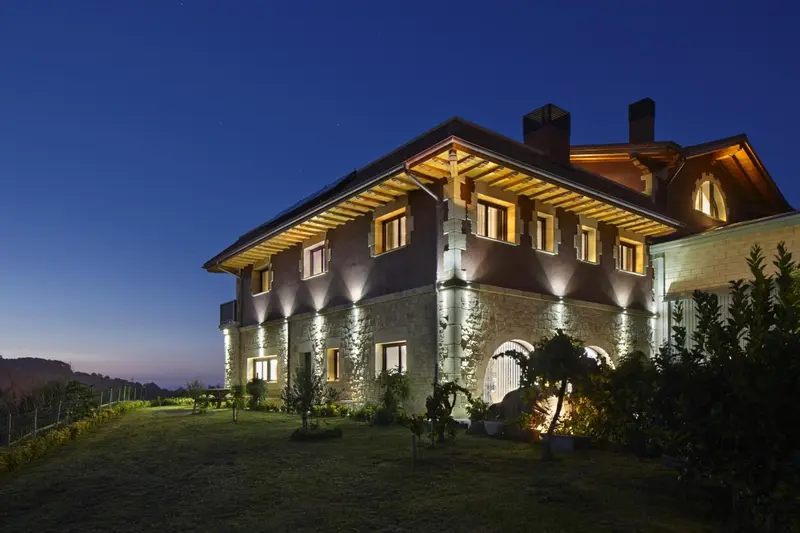
Organise the stay around the harbour, where the boat departs and where a village-based room can simplify early starts. Leave time above water for Getaria’s port, maritime heritage, beaches and coastal walks towards Zarautz, Zumaia and Orio. Surfing, stand-up paddleboarding, kayaking and coasteering provide alternatives when the sea allows, while the village’s maritime identity and local gastronomy give non-divers a proper reason to come along. A few days can therefore combine diving with a broader Basque coastal break rather than relying on the boat schedule alone.
Hello, I'm Marina, DivingDeal.com's AI assistant. I guide you through destinations, areas and countries.
Thinking about the whole trip and the flights? Talk it over with Edith →
Marina is an AI. Some links are affiliate links: DivingDeal may earn a commission, at no extra cost to you. Bookings are made with the partner.
Plan a diving stay in Getaria from June to September, when boat departures are scheduled more frequently and the village is geared to sea-based visits. Atlantic swell can still change or cancel a departure, so keep your itinerary flexible. Outside summer, check operating days before arranging repeated dives.
Getaria suits beginners through introductory outings and shallow training areas, while qualified divers can choose deeper rocky relief. Discuss your certification with the local centre before planning Kmeiga, Moi Reef or another deep site. Boat experience, changing Atlantic conditions and careful gas planning become increasingly useful as depth and exposure increase.
Underwater, Getaria offers rocky coastal relief around the Ratón, harbour approaches and neighbouring headlands. Shallow ground provides orientation before the terrain reaches steeper, deeper sections. Visibility depends on swell and sandy bottoms, while sea conditions shape what you appreciate. Marine life forms part of the Atlantic setting rather than the main focus.
Organise your Getaria stay around the harbour, where boats depart and nearby accommodation can make dive mornings walkable. Confirm the route, depth and operating days, and allow for Atlantic swell to alter plans. Leave time for the port, maritime heritage, beaches, coastal walks, local gastronomy and other activities when conditions allow.