
Buceo Cabo La Nao
Google 4.9/5 (1,467 reviews)
Spain · Mediterranean
Rock walls, sea caves, posidonia meadows and barracuda shape boat dives around Javea, with coves, cliffs and old-town walks for non-divers.
For subtitles in English: start the video firstthen click the gearat the top right of the video, select “Subtitles/CC”, then “Auto-translate” and choose “English”.
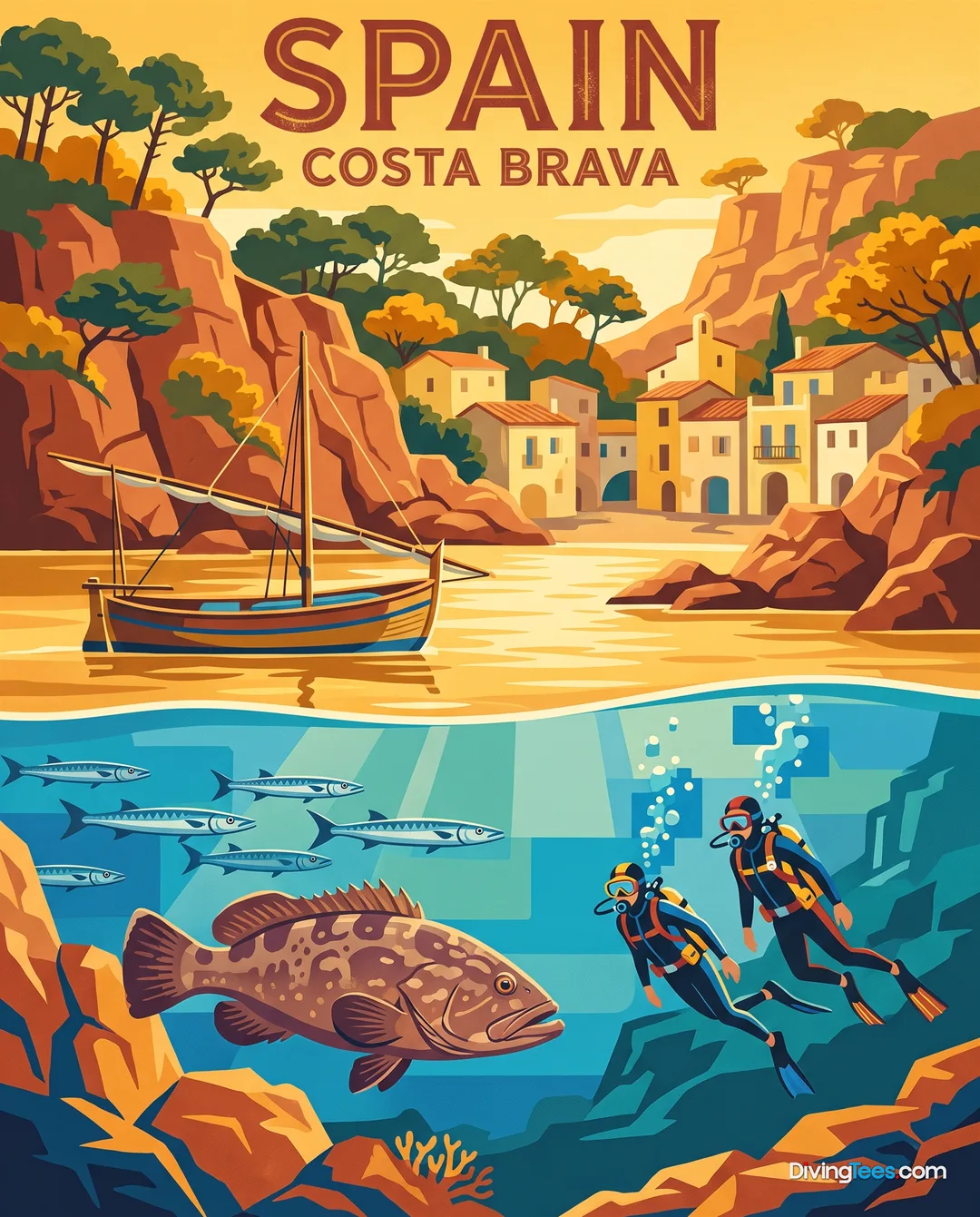
Rock walls, sea caves and posidonia meadows define Javea underwater, particularly around the Cap de San Antonio. This is a shore-based Mediterranean holiday rather than a liveaboard destination, with boat dives reaching cliffs, tunnels and rocky islets, alongside selected cove dives when conditions suit. The appeal is the change of scenery from one outing to the next, while companions can walk the coast, kayak, visit Xabia's old town or spend time on the beaches.
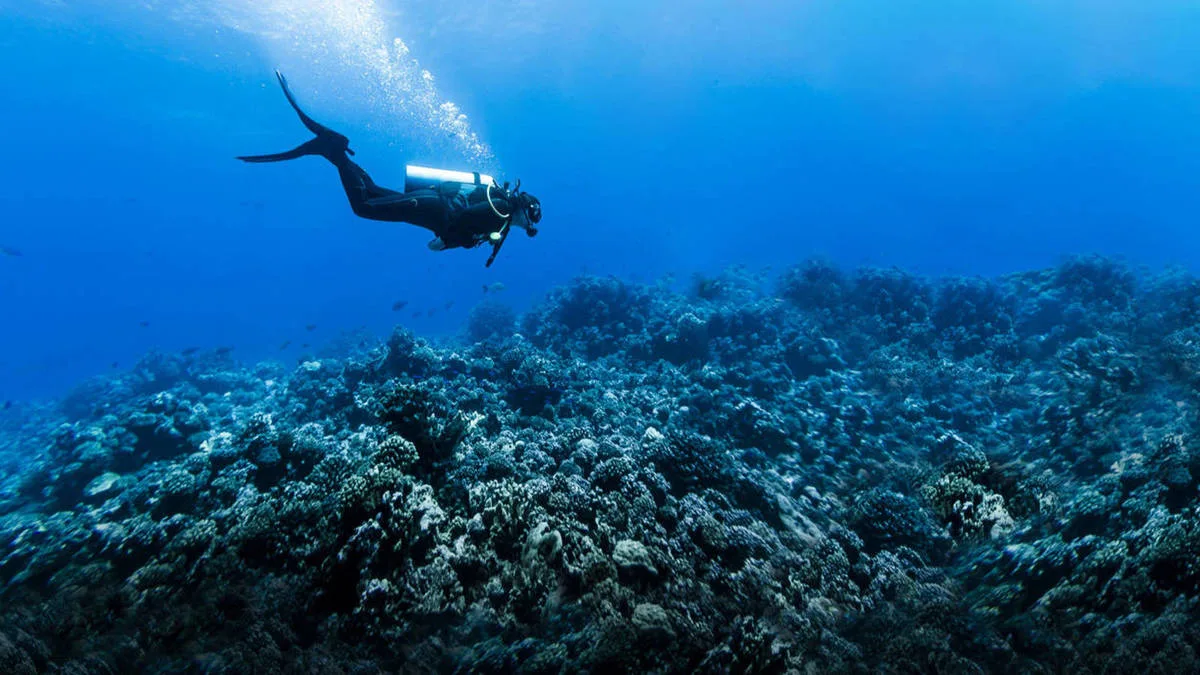
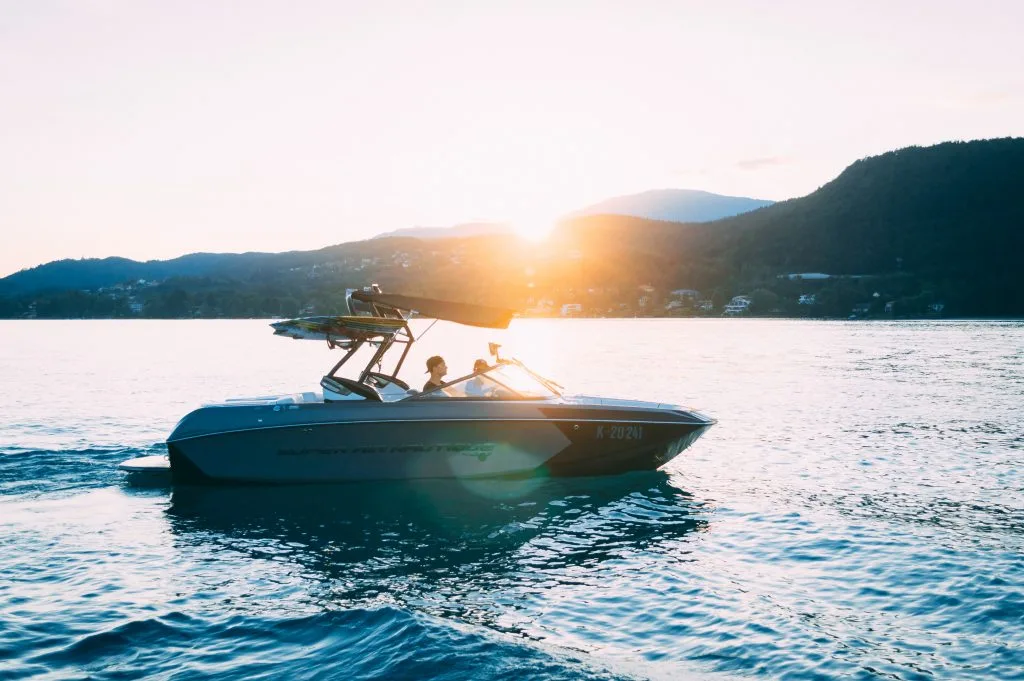
Javea's diving is built around Mediterranean rock: walls, blocks, cracks, ledges, overhangs, caves and open tunnels, with posidonia meadows spreading across gentler ground. The Cap de San Antonio, Portitxol, Granadella and the Cabo de la Nao coast each give a different balance of shelter, relief and boat access. Some outings begin from a cove, but the more dramatic walls and offshore sites are reached by boat, normally after a short run from the coast. Currents are variable rather than a defining feature, so a drift dive or downcurrent cannot be assumed. Visibility can be very good in calm weather, but it is reduced by swell and coastal runoff, making a fixed expectation of twenty metres unwise. Caves and tunnels are open-water features only when the guide describes them that way, not invitations to push into overhead territory.
Expect familiar Mediterranean life rather than tropical spectacle. Groupers hold around rock, moray eels peer from cracks, and octopus disappear among blocks and ledges. Bream, salema, wrasse, scorpionfish and nudibranchs add movement and close-up detail, while barracuda may appear in open water. Ocean sunfish are occasional visitors rather than a dependable seasonal feature. Posidonia meadows are important habitat in their own right, with small life often easier to find by slowing down over the grass than by scanning the blue. The Cap de San Antonio reserve is intended to protect these rocky bottoms and meadows, and its controlled access helps preserve the chance of seeing fish at close range. There is no reliable calendar for the larger visitors, so come for the habitat and treat sunfish or barracuda as a bonus.
May and June offer the start of the main diving season, while September and October combine warm water with quieter coves and less pressured boat logistics. High summer brings more pleasure craft to the popular shore-access sites, so early morning departures make practical sense then. Late spring and early autumn are also good months for combining boat dives with coastal walks without making every day revolve around peak-season traffic. No month needs to be ruled out outright, but sea state still decides which exposed headlands are comfortable. If swell affects the Cap de San Antonio or Cabo de la Nao, a sheltered cove may remain the better plan.
Javea can suit beginners, certified divers returning to the sport and experienced divers who enjoy natural rock rather than wrecks. PADI, SSI and BSAC divers should find the relevant recreational approach straightforward, with the site chosen around experience and conditions. The reserve requires an authorised, controlled arrangement, and caves, tunnels, walls and changing currents deserve more than basic confidence. Stay with the guide's route in overhead-looking terrain, especially where a passage narrows or the bottom can be disturbed.
From London Heathrow, London Gatwick or Manchester, the journey is an air trip to a regional airport at Valencia or Alicante, followed by a road transfer to Javea. There is no structural ferry leg, and the destination is not reached by a domestic flight. Allow time for the change from airport to road transport, particularly if diving is booked around an arrival or departure day. Once in Javea, centres operate from different coastal sectors. Some accommodation will be walkable to a departure point, but a car or taxi may be needed for another harbour, cove or meeting place. A single transport arrangement should not be assumed to cover the whole destination, so check where each day's boat leaves before settling on accommodation.
Before booking, ask specifically whether the planned outing enters the Cap de San Antonio reserve and whether the operator is handling the required authorisation. Do not turn up expecting to make an independent private dive there. Ask whether the day is aimed at the Cap, Granadella, Portitxol or Cabo de la Nao, because a sheltered cove and an exposed headland are very different propositions. Keep the first morning flexible if the forecast is unsettled, and use early starts in summer to avoid the busiest boat traffic around the coves. Bring small personal items of kit if you prefer not to rely on local availability, but match thermal protection to the season rather than packing on a fixed assumption. In caves and tunnels, follow the described open passage exactly. Do not anchor on rocky bottoms or posidonia, and do not mistake a sea cave for a cave-diving site. A promise of permanently clear water is another expectation worth leaving at home.
Four to seven days works well for a Javea stay. That allows boat diving to be mixed with a cove dive when conditions permit, while leaving time for the coast and the inland landscape. Base yourself according to the departure points you intend to use, since the centres are spread along Javea's shore. Non-divers have plenty to fill a surface interval or a full day, from the Cap de San Antonio paths and Montgo scenery to kayaking, beaches, snorkelling and Xabia's old town.
Hello, I'm Marina, DivingDeal.com's AI assistant. I guide you through destinations, areas and countries.
Thinking about the whole trip and the flights? Talk it over with Edith →
Marina is an AI. Some links are affiliate links: DivingDeal may earn a commission, at no extra cost to you. Bookings are made with the partner.
May and June begin the main diving season, while September and October offer warm water, quieter coves and less pressured boat logistics. High summer brings more pleasure craft to popular shore sites, so early departures are practical. Sea state still determines whether exposed headlands or sheltered coves are comfortable.
Javea suits beginners, certified divers returning to the sport and experienced divers who enjoy natural rock rather than wrecks. Recreational divers from PADI, SSI and BSAC can find suitable options, with sites selected around experience and conditions. Walls, tunnels, caves and changing currents require careful guiding and following the planned route.
Javea offers Mediterranean rock walls, blocks, ledges, overhangs, sea caves, open tunnels and posidonia meadows. You may encounter groupers, moray eels, octopus, bream, salema, wrasse, scorpionfish and nudibranchs. Barracuda and ocean sunfish are occasional sightings, so the habitat and smaller life provide the more dependable focus.
Plan a shore-based stay with boat dives from the coastal sectors around Cap de San Antonio, Portitxol, Granadella or Cabo de la Nao, adding a cove dive when conditions permit. Check each departure point before choosing accommodation, arrange reserve authorisation through the operator, and keep your first morning flexible if the forecast is unsettled.