
Centre Immersio Cap De Creus
Google 4.8/5 (161 reviews)
Spain · Mediterranean
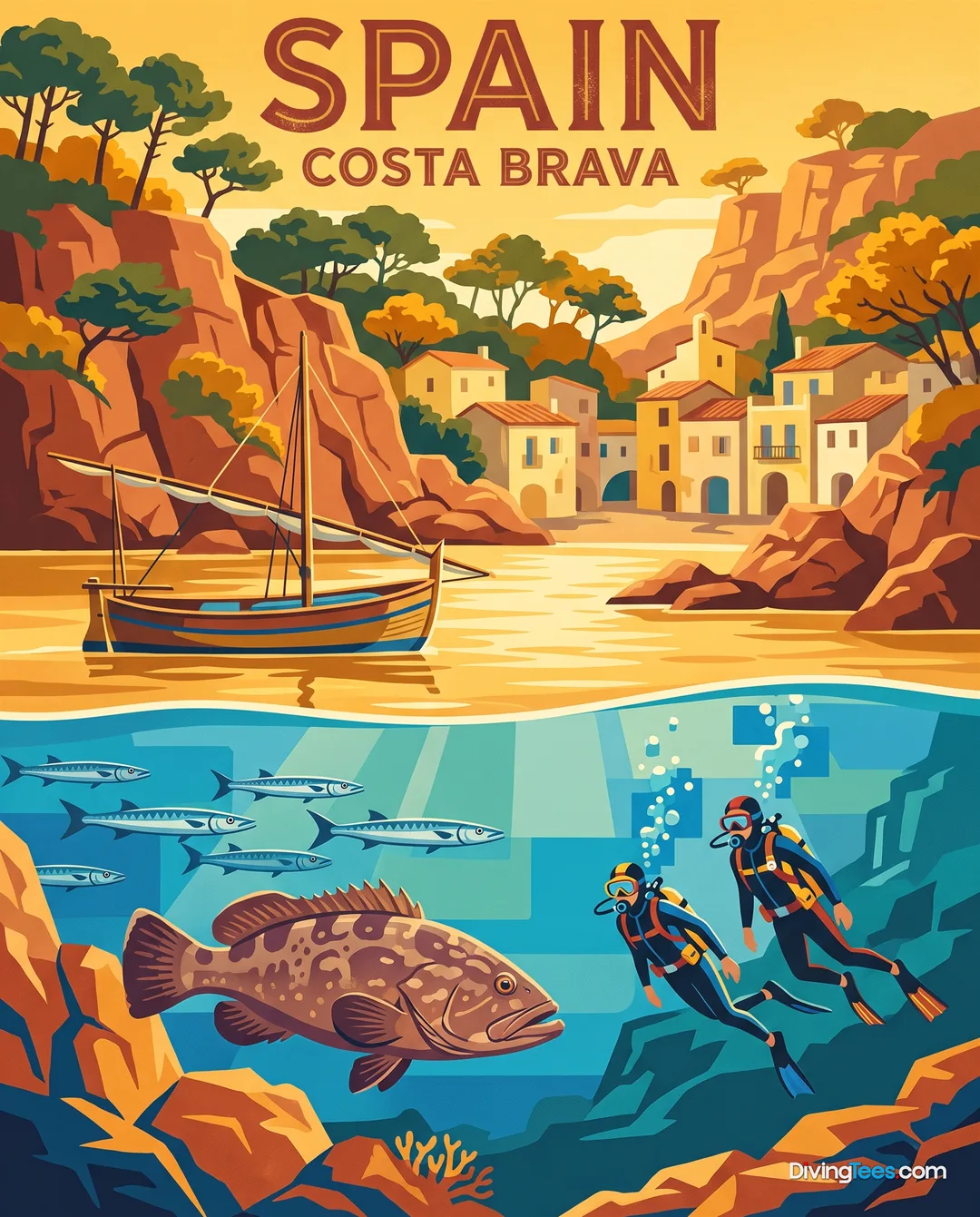
Rocky walls, red coral, gorgonians and grouper meet in the Cap de Creus marine park, with shallow routes beside deeper boat dives.
Underwater, Llançà means leaving the harbour by boat for the northern Cap de Creus, where irregular rock, walls and crevices replace a built-up shoreline. The Parc Natural del Cap de Creus protects the marine setting, while local diving ranges from shallow ground to 20, 30 and 40-metre descents. That spread makes it workable for a first experience or a mixed-ability group, provided the tramontana is given a say in the plan.
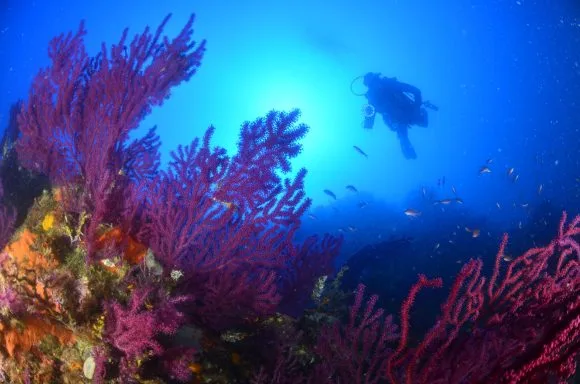
The scenery is rock rather than sand: uneven walls, overhangs and crevices carrying gorgonians, sponges, corals and anemones. Depths vary sharply, so a boat trip can be planned around shallow ground or a more committed descent to 20, 30 or 40 metres. Currents are variable rather than reliably absent, and the tramontana can turn an otherwise manageable outing into a rough boat ride or a difficult departure. Visibility is sometimes excellent and can exceed 20 metres, but wind, surface chop and current may reduce it. Diving is primarily by boat from Llançà, reaching a largely roadless stretch of the Cap de Creus coast. The attraction is the changing rock relief, not a single signature wreck or artificial feature, and each outing depends on matching the site to the day’s sea state.
The rock holds the familiar Mediterranean cast, but the detail rewards a slow pace. Gorgonians, sponges, corals and anemones cover the walls, while grouper and shoals of rock fish work the open water. Look into cracks for moray eels, conger eels and lobsters, especially where the relief becomes broken and three-dimensional. Red coral is an occasional find rather than something to build an entire dive around. April and May are the useful window for nudibranchs, making spring particularly appealing to divers who carry a magnifying glass or simply spend time scanning the rock. The same sites can therefore suit a wide-angle descent through gorgonians or a patient search among sponges and crevices.
The most practical months are May, June, September and October, when the main diving season stretches from spring into autumn without relying entirely on the busiest part of summer. Spring brings the added interest of nudibranchs, especially in April and May. September and October offer another sensible window for boat diving after the summer period. The qualification is the tramontana: this wind can roughen the sea, alter currents and make departures difficult in any month. Build the trip around a weather-aware plan rather than assuming that a booked day will automatically become a dive day.
Llançà suits beginners as well as experienced divers because local centres offer introductory dives and training, while the area includes shallow sites alongside deeper descents. BSAC, PADI and SSI divers should match their certification and recent experience to the planned depth and conditions. A 30 or 40-metre dive is a different proposition from an easy shallow outing, particularly when current is present. Mixed-ability groups can work well if the boat plan keeps those differences explicit.
From London Heathrow, London Gatwick or Manchester, plan the journey around reaching Llançà and its harbour rather than treating the dive coast as a separate resort. The onward connection to the village needs allowing for, particularly if flights and ground transport are booked separately. Once in Llançà, the diving centres are in the harbour and town area. Some accommodation will be close enough to walk to the boat, while other addresses will need a short local transfer. The boats then carry divers along the Cap de Creus coast, where the northern sites are not linked by coastal roads. Confirm the harbour meeting point and transfer arrangements before fixing tightly timed dive days.
Check the tramontana before committing to a run of boat dives. Keep one day flexible, because the wind can make the sea rough, complicate departure and change which sites are sensible. Do not assume that a site described as suitable for mixed abilities makes every part of the area suitable for everyone: ask about the planned depth, current and exposure, from shallow ground to 20, 30 or 40 metres. Book summer boat places ahead, but avoid packing every dive into one date. Relying only on shore access is a poor fit here, since the northern Cap de Creus coastline is largely without roads. Keep a shallow alternative available when wind limits exposed sites. Spring visitors should bring their macro attention for nudibranchs. Finally, respect the park’s rules: do not anchor in Cala Murtra, Cala Jugadora or Cala Galladera, and leave no waste in the park.
This is a shore-based diving holiday, with Llançà harbour as the daily starting point rather than a liveaboard. Accommodation and diving centres are concentrated around the port and town, so some divers can walk to the boat while others will need a short local journey. Non-divers can join organised snorkelling or explore the coves, natural coastline and villages of the Alt Empordà. The result is an easy-to-understand routine: sleep ashore, sail out for the day, and return to the village.
Hello, I'm Marina, DivingDeal.com's AI assistant. I guide you through destinations, areas and countries.
Thinking about the whole trip and the flights? Talk it over with Edith →
Marina is an AI. Some links are affiliate links: DivingDeal may earn a commission, at no extra cost to you. Bookings are made with the partner.
May, June, September and October are practical months for diving in Llançà. April and May add interest for nudibranchs, especially if you enjoy slow macro searches. Plan around the tramontana in any month, because it can roughen the sea, change currents and make boat departures difficult.
Llançà can suit beginners through introductory dives and training, while experienced divers can choose deeper sites. Shallow routes work for less experienced divers, but descents to 20, 30 or 40 metres require suitable certification and recent experience. Mixed-ability groups should agree depth, current and exposure before boarding.
In Llançà, expect irregular rock, walls, overhangs and crevices covered with gorgonians, sponges, corals and anemones. Grouper and rock fish use the open water, while moray eels, conger eels and lobsters hide in cracks. Red coral appears occasionally, and April and May can bring nudibranchs for patient observers.
Base yourself near Llançà harbour and town, where diving centres are located and some accommodation is walkable from the boats. Allow time for onward travel and confirm the harbour meeting point. Keep a day flexible for tramontana, retain a shallow alternative, and remember that northern Cap de Creus sites require boat access.