
Buceo Hispania
Google 4.9/5 (662 reviews)
Spain · Mediterranean
Posidonia meadows, Cabo Tiñoso pinnacles, shallow training coves and wrecks beyond 40 metres all sit within a land-based Spanish diving holiday.
For subtitles in English: start the video firstthen click the gearat the top right of the video, select “Subtitles/CC”, then “Auto-translate” and choose “English”.
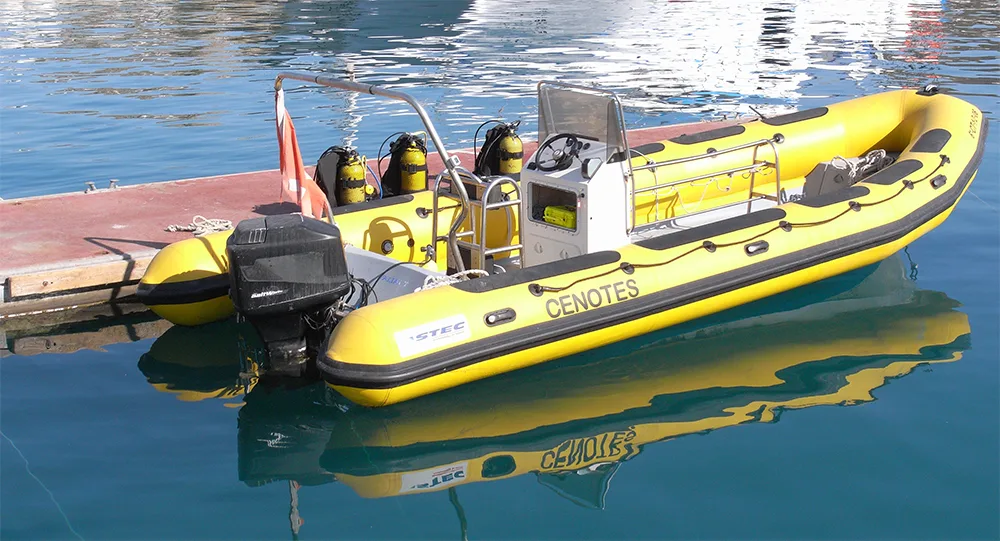
Mazarrón is a shore-based diving base where a morning can begin over shallow Mediterranean rock and continue towards the pinnacles, caves and drop-offs of Cabo Tiñoso. Around Puerto de Mazarrón, Isla de Paco and Cala del Faro keep the first dive straightforward, while the reserve and deeper wrecks give experienced divers more demanding objectives. The useful distinction is between an easy coastal holiday and a day on a boat to a regulated marine reserve. Both are available, with beaches, promenades and Cartagena adding substance for non-diving days.
The underwater character changes with the sector. Close to Puerto de Mazarrón, expect accessible coastal dives, shallow relief and Posidonia meadows. Isla de Paco reaches about 14 metres, while Cala del Faro runs from roughly 2 to 9 metres, making both practical for a first immersion or a gentle return to diving. Cabo Tiñoso brings the stronger visual structure: pinnacles, drop-offs, caves and reserve sites reached by boat in about 20 minutes from local departure points. Currents are variable rather than a constant feature, but the wind can alter both visibility and whether a boat trip is sensible. Visibility is generally good, with June to October often offering clearer conditions. Wreck diving adds a different profile, from the Nalón to Bajo de Fuera, where some wrecks lie beyond 40 metres.
The most characteristic living landscape is the Posidonia meadow. It gives the shallower coastal dives their texture and forms part of the Mediterranean habitat protected around Cabo Tiñoso. Around the meadows, rocky relief, pinnacles and wrecks provide contrasting surfaces and shelter for local biodiversity, so the interest lies in moving between habitats rather than following a promised list of animals. The reserve is particularly worthwhile for divers who want to see those habitats in a more structured, less built-up setting. June to October is the most favourable period for seeing the terrain clearly, because the local centres associate that season with warmer, clearer water. No special wildlife calendar is needed to make sense of a Mazarrón trip.
June to October is the practical window for Mazarrón. Local operators associate the period with easterly winds, warmer water and clearer conditions, although those same months bring the greatest activity on the boats and along the coast. Visibility is usually good outside summer as well, but wind direction remains the deciding factor rather than the calendar alone. The destination still works beyond the high season, particularly if quieter surroundings matter more than the most settled combination of sea conditions and water clarity. Keep some flexibility in the plan, since a change in wind can affect a reserve outing while leaving coastal alternatives available.
Mazarrón suits all levels, provided the dive is matched to the site. Isla de Paco and Cala del Faro are sensible starting points for beginners, a refresher or a first visit to the area. Cabo Tiñoso adds boat procedures, reserve access and more varied terrain, while the deeper wrecks require appropriate experience and qualification. Advanced Open Water, or an equivalent BSAC, PADI or SSI qualification, is useful for wrecks and sites beyond 30 metres. Bajo de Fuera is not a beginner option, with some wrecks deeper than 40 metres.
From London Heathrow, London Gatwick or Manchester, fly to the Murcia region or Alicante, then continue by hire car or road transfer to Puerto de Mazarrón. The journey is normally a half-day travelling from Britain, before adding the road leg and any connection time. There is no ferry or internal flight to build into the route. A car is useful once there because Puerto de Mazarrón, La Azohía, Isla Plana and Bolnuevo are separate sectors rather than one compact harbour front. Accommodation near a harbour may allow walking to a centre, but elsewhere you should expect to use a car or taxi. Cabo Tiñoso sites are reached by boat.
Ask before booking which sector a day actually serves. Puerto de Mazarrón, La Azohía and Cabo Tiñoso are not interchangeable, and a reserve trip involves a date-specific authorisation, limited diving and boat quotas. Reserve those outings early, then keep one day flexible in case wind or sea conditions make the planned departure unwise. On the day, an early boat avoids the busiest summer departures, while a coastal site can provide a useful alternative. Isla de Paco or Cala del Faro makes more sense than a deep profile for a refresher. Carry certification evidence and your logbook for reserve, wreck and deeper diving. Do not assume every local wreck is recreationally accessible: some Bajo de Fuera wrecks exceed 40 metres. A car also prevents the separate coastal sectors becoming an unnecessary transport problem.
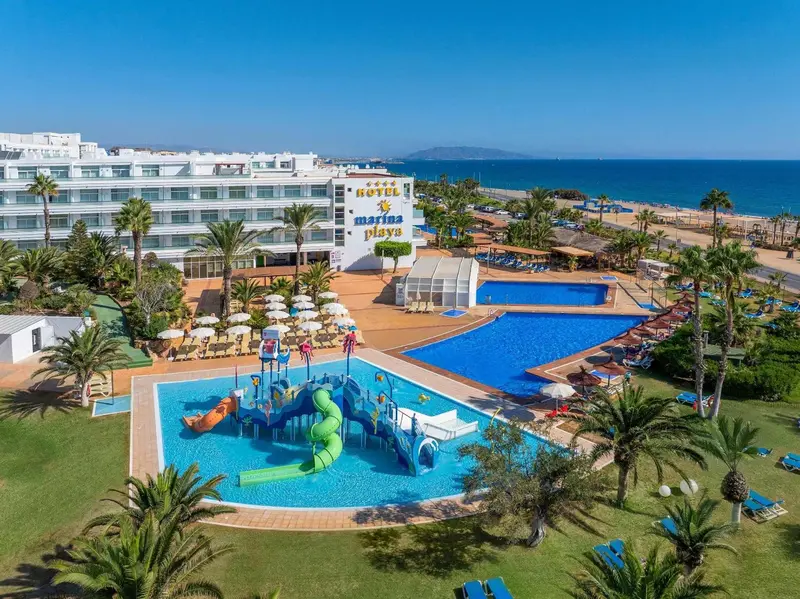
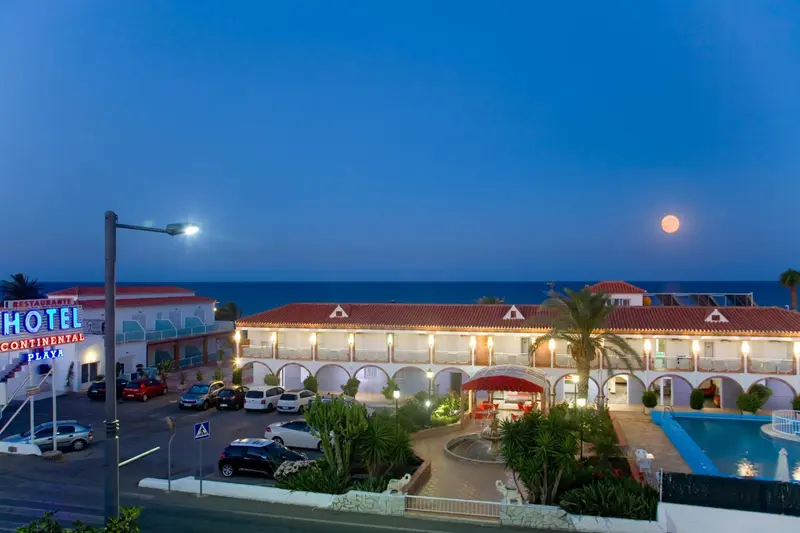
Allow five to seven days to combine easy coastal dives, a Cabo Tiñoso boat day and deeper or wreck objectives without making the whole holiday depend on one sea day. Puerto de Mazarrón is the convenient base for repeated harbour departures, while La Azohía and nearby sectors suit a more spread-out plan. Accommodation near the port reduces early starts, but a car is worthwhile if the itinerary includes Isla Plana, Bolnuevo and several different launch points. Beaches, coastal walks, Mazarrón’s mining heritage and a day in Cartagena give companions a genuine alternative to diving.
Hello, I'm Marina, DivingDeal.com's AI assistant. I guide you through destinations, areas and countries.
Thinking about the whole trip and the flights? Talk it over with Edith →
Marina is an AI. Some links are affiliate links: DivingDeal may earn a commission, at no extra cost to you. Bookings are made with the partner.
June to October is the practical window, with warmer water and clearer conditions, although boats and the coast are busier. Visibility is generally good outside summer too. Wind direction matters more than the calendar, so keep your itinerary flexible and retain coastal alternatives if conditions affect a Cabo Tiñoso boat trip.
Mazarrón suits beginners, returning divers and experienced visitors when you choose an appropriate site. Cala del Faro and Isla de Paco offer shallow, straightforward options. Cabo Tiñoso involves boat procedures and varied terrain, while wrecks beyond thirty metres require suitable experience and qualification. Bajo de Fuera is not suitable for beginners.
Diving in Mazarrón ranges from Posidonia meadows, shallow Mediterranean rock and coastal relief to Cabo Tiñoso pinnacles, caves, drop-offs and reserve habitats. Wrecks add another character, including the Nalón and deeper sites at Bajo de Fuera. The appeal comes from moving between meadows, rocky structures, pinnacles and wrecks.
Use Puerto de Mazarrón as a convenient base, but check which sector each day serves because Puerto de Mazarrón, La Azohía and Cabo Tiñoso are separate areas. Reserve Cabo Tiñoso outings early, keep a day flexible for wind, carry certification evidence and your logbook, and consider a car for different launch points.