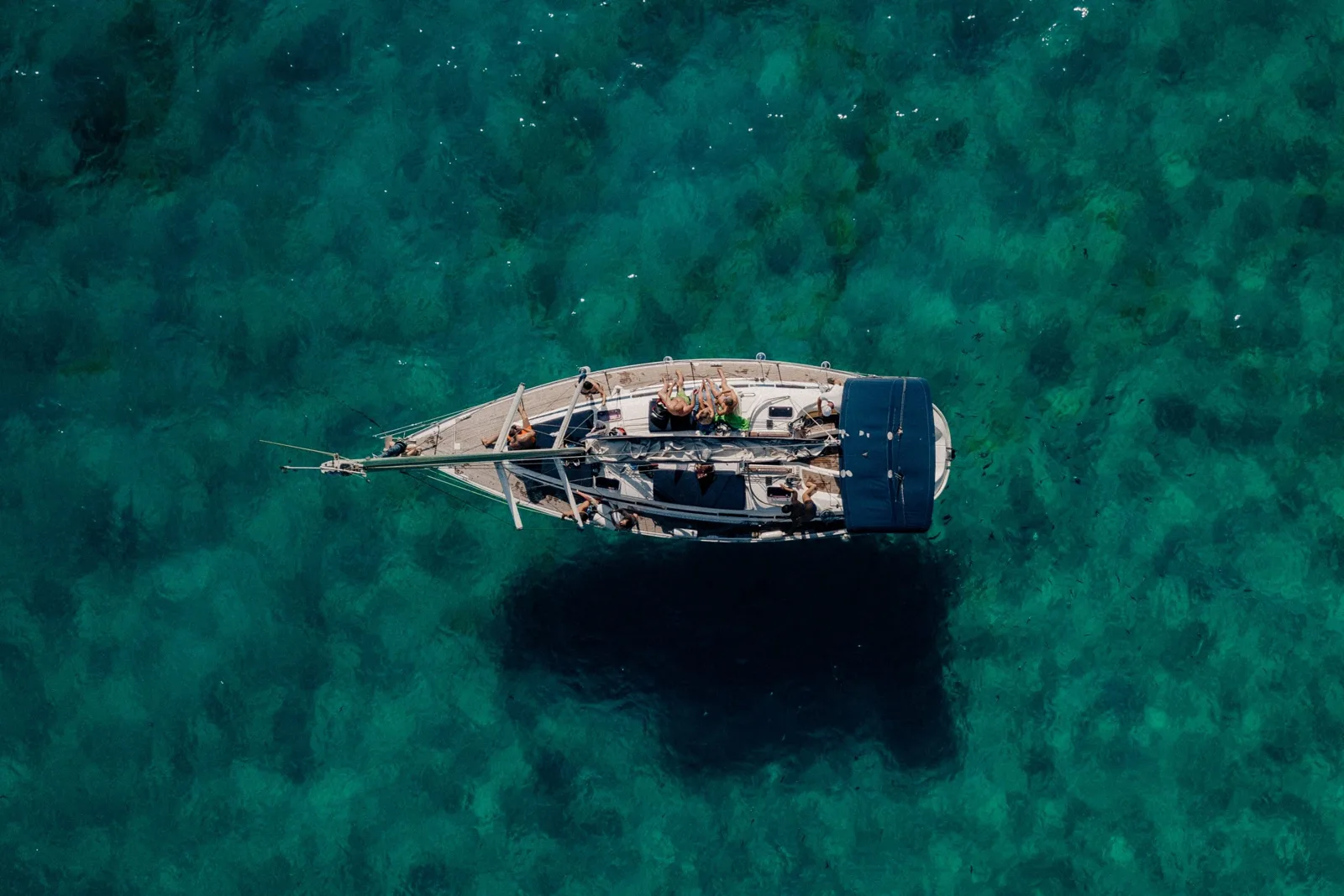

Diving & Adventure Mallorca
Google 4.8/5 (1,057 reviews)
Spain · Mediterranean
Rocky walls, dark cavities, harbour wrecks, barracudas and groupers make Palma a Mediterranean base where easy coastal dives sit alongside deeper challenges.
For subtitles in English: start the video firstthen click the gearat the top right of the video, select “Subtitles/CC”, then “Auto-translate” and choose “English”.
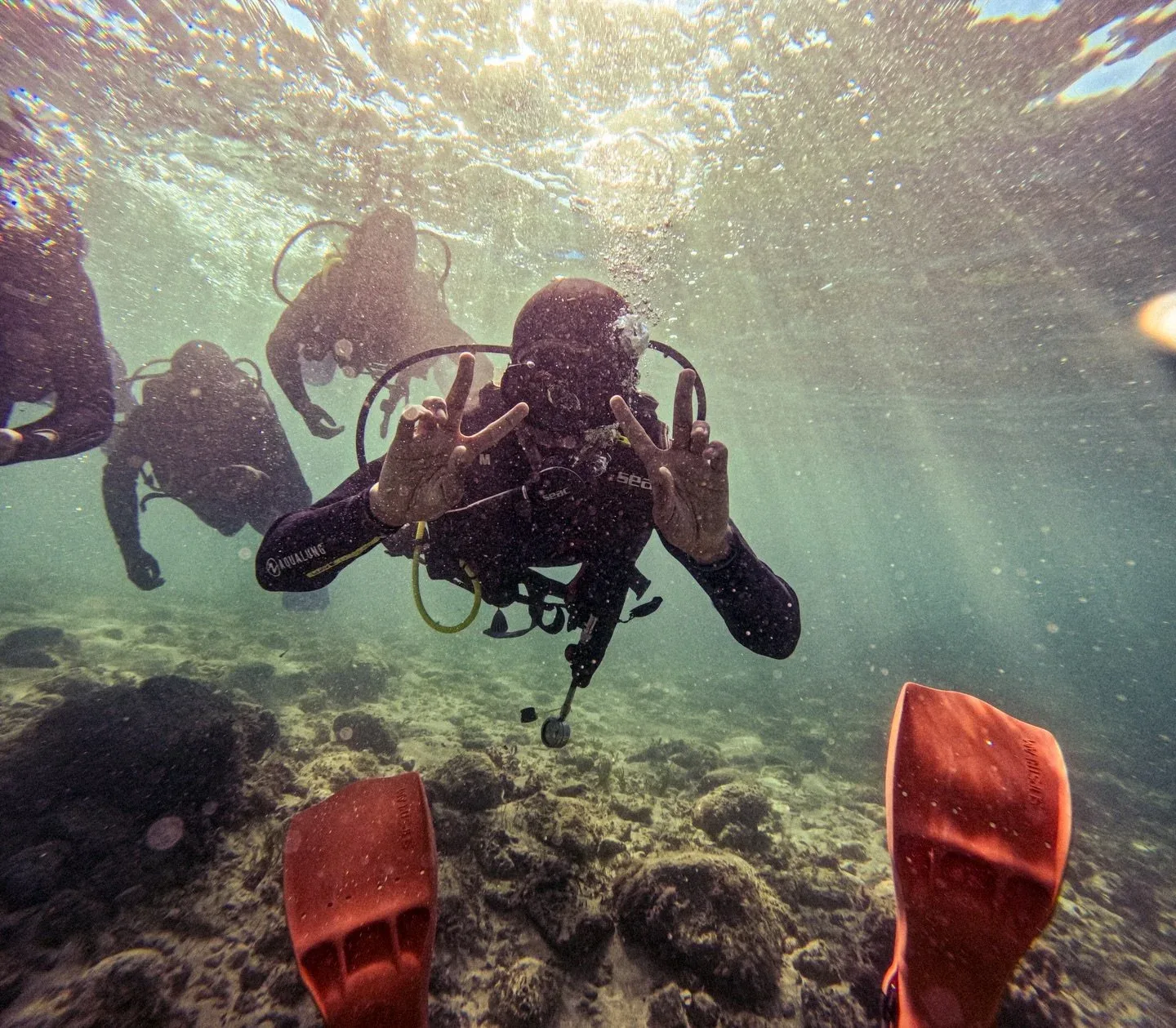
Palma puts several distinctly different Mediterranean dives within reach of one stay. Close to the city, the bay offers shore and boat diving over rocky ground, walls, cavities and arches, with wrecks near the harbour for those wanting greater depth. Further south-west, El Toro and the Malgrats Islands shift the emphasis towards marine reserves, groupers, barracudas and rock fish. It is a practical base for beginners and training, but it does not run out of interest for experienced divers.
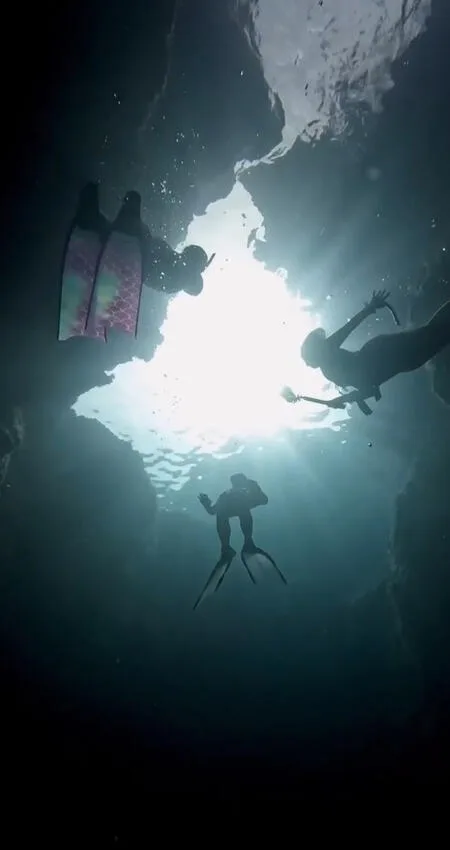
The underwater character changes with the sector. In the bay, expect rocky bottoms, walls, cavities and arches, with boat dives alongside shore-based training sites. The harbour wrecks bring greater depth and, where permitted, the possibility of entering structures. El Toro and the Malgrats Islands are more about rock relief and watching fish hold station around protected ground. Currents are variable rather than a constant feature, so the same site may feel straightforward one day and less forgiving after a change in weather. Visibility is commonly between 10 and 30 metres, but swell, poor weather, coastal run-off and plankton can reduce it. Use the bay as the practical fallback when the more exposed south-western sectors are uncomfortable. Most outings are short boat trips or shore dives, with the reserves requiring a longer road journey.
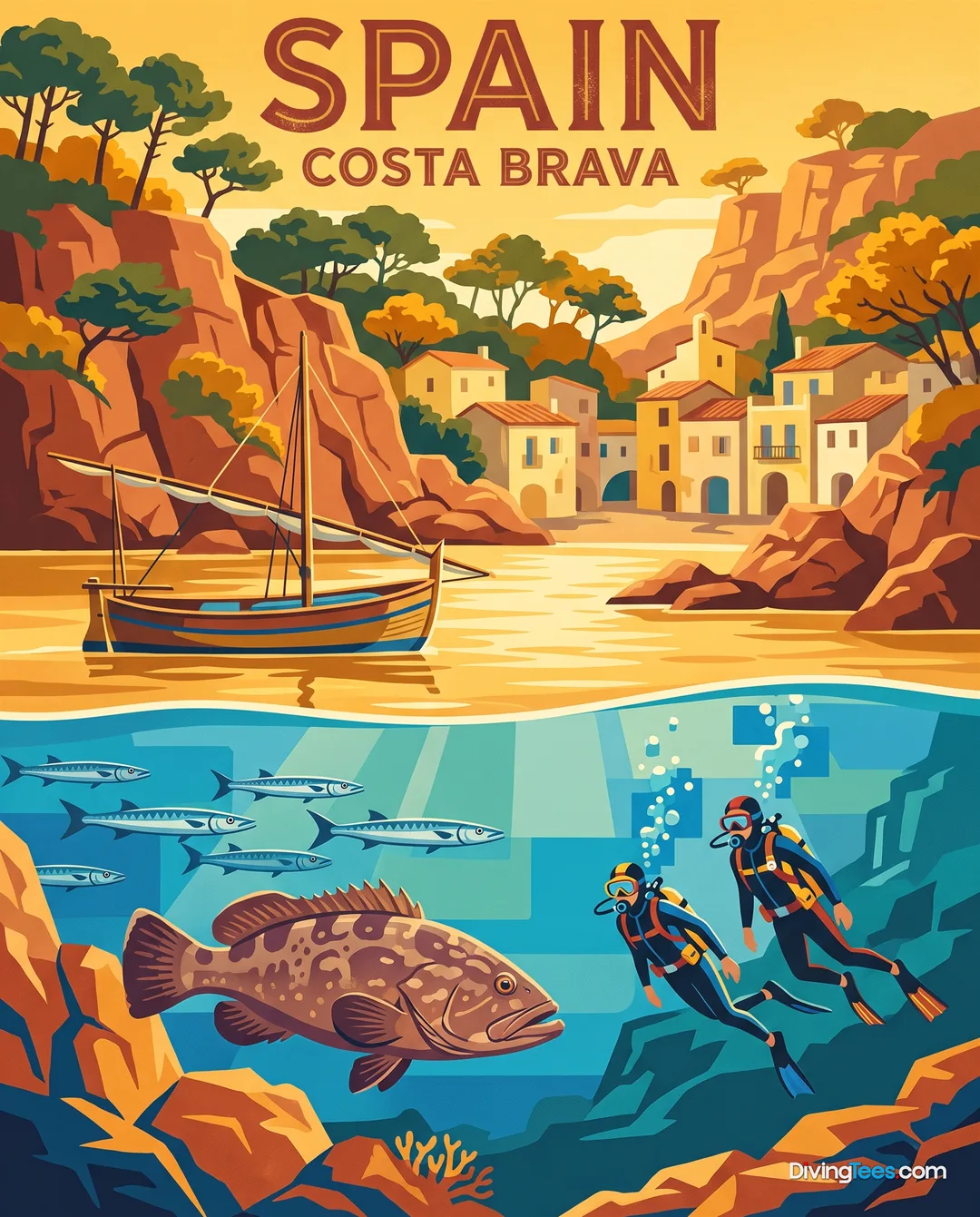
Groupers are a regular sight through the diving season, particularly in the marine reserves, where protected rocky ground gives larger fish reason to stay. Barracudas are regularly encountered from May to October, adding a moving silver presence to the open water above the rock. Octopuses can be found throughout the year, as can nudibranchs, although finding the latter depends closely on the site and the day’s conditions. Around the walls, arches and cavities, expect the smaller rock-dwelling life of a Mediterranean reef rather than a parade of large animals. El Toro and the Malgrats are the places to prioritise when fauna matters most. The bay remains useful for close-looking dives, especially when weather sends the boat back towards Palma.
The most dependable diving runs from spring into autumn, with May, June, September and October offering a sensible balance between sea conditions and crowding. Late spring and summer generally bring the clearest water, while early autumn can still provide good visibility. July and August are the busiest months for boats and water activities, so early morning departures are worthwhile. November through March brings more days when weather prevents a sea outing, even though diving may still be possible between unsettled spells. May to October also gives the best chance of seeing barracudas. Plan the exposed south-western sites after several settled days rather than immediately after a spell of swell.
Palma suits all levels, from first open-water experiences and training in the bay to experienced divers looking for deeper wrecks. Advanced Open Water or an equivalent qualification is useful for the deeper wrecks, while entering a structure requires an appropriate wreck qualification and proper equipment. Depth, overhead environments and changing conditions matter more here than the holiday atmosphere might suggest. Divers should be comfortable with buoyancy, gas planning and controlled ascents before choosing the more demanding harbour dives.
From London Heathrow or Gatwick, or from Manchester, Palma is normally reached by air in roughly half a day, depending on the seasonal service and any connection. Flight availability varies between departure city and time of year, so the journey needs checking before fixing a diving schedule. Palma can also be reached by ferry from mainland Spain, but that is a substantially longer option and makes most sense when bringing a vehicle or diving equipment. Once there, bay sites are generally only a short drive from the city, sometimes just a few minutes and usually no more than about half an hour depending on the sector. A taxi, local transport or arranged transfer may cover city-based diving, while a hire car becomes useful for the south-western reserves.
Treat Palma as several diving areas, not as one compact departure point. Ask exactly whether a booking means the bay, El Toro, the Malgrats Islands or another coastal sector, then allow for the extra road time before the boat leaves. Keep a day for a reserve outing rather than trying to squeeze it between quick city dives. For the exposed sites, wait for settled weather, and use the bay as your fallback after swell. In July and August, favour the first boat of the morning, when traffic is usually lighter. Before a wreck dive, check the planned depth, certification requirement and whether penetration is actually allowed. A lamp is sensible for cavities, arches and wrecks, but do not enter without the training, line and equipment for an overhead environment. Ask about the current marine-reserve zoning, including mooring and anchoring rules. Leave a no-diving day before the flight home, especially after deep or repetitive wreck diving.
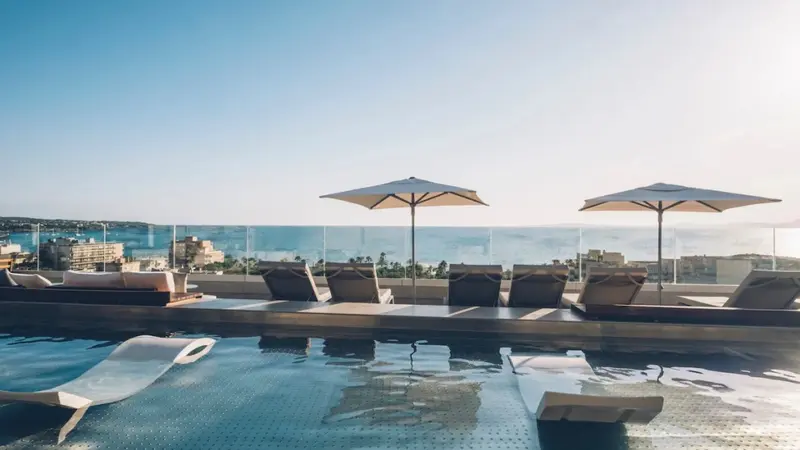
A five- to seven-day stay gives enough room to combine Palma Bay with a dedicated day at El Toro or the Malgrats Islands, while retaining flexibility for weather. Staying near the waterfront or port can simplify bay departures and reduce reliance on transport. A car is more useful once the itinerary reaches the south-western reserves and other outlying shore sites. Non-divers have Palma’s old town and cathedral, beaches, coves, coastal walks, kayaking, paddleboarding, boat trips, markets and island excursions to fill the surface days.
Hello, I'm Marina, DivingDeal.com's AI assistant. I guide you through destinations, areas and countries.
Thinking about the whole trip and the flights? Talk it over with Edith →
Marina is an AI. Some links are affiliate links: DivingDeal may earn a commission, at no extra cost to you. Bookings are made with the partner.
Choose Palma de Mallorca from spring into autumn, with May, June, September and October offering a sensible balance between sea conditions and crowding. Late spring and summer generally bring the clearest water. Barracudas are encountered from May to October, while July and August are busier, so early morning departures are worthwhile.
Palma de Mallorca suits you whether you are beginning open-water training or seeking deeper wrecks. The bay offers practical sites for beginners, while the harbour wrecks demand greater depth and careful gas planning. Advanced Open Water or an equivalent qualification is useful there, and entering structures requires suitable wreck training and equipment.
In Palma de Mallorca, you can explore rocky walls, arches, cavities and harbour wrecks, with visibility commonly ranging from ten to thirty metres. El Toro and the Malgrats Islands feature groupers, barracudas and rock fish around protected ground. Octopuses and nudibranchs occur throughout the diving season, alongside smaller Mediterranean reef life.
Plan Palma de Mallorca as several diving areas rather than one departure point. Confirm whether your booking visits the bay, El Toro or the Malgrats Islands, allowing extra road time for the reserves. Keep flexibility for weather, use the bay as a fallback after swell, and leave a no-diving day before flying home.