Ocean Free & Ocean Freedom - Cairns Premier Great Barrier Reef & Island Tours
Google 4.9/5 (1,552 reviews)
157 km away as the crow flies
Great Barrier Reef · Australia · Pacific
Max. depth · 24 mA large kidney-shaped pinnacle rising from 24 metres to near the surface, known for intense feeding activity among reef species.
For subtitles in English: start the video firstthen click the gearat the top right of the video, select “Subtitles/CC”, then “Auto-translate” and choose “English”.
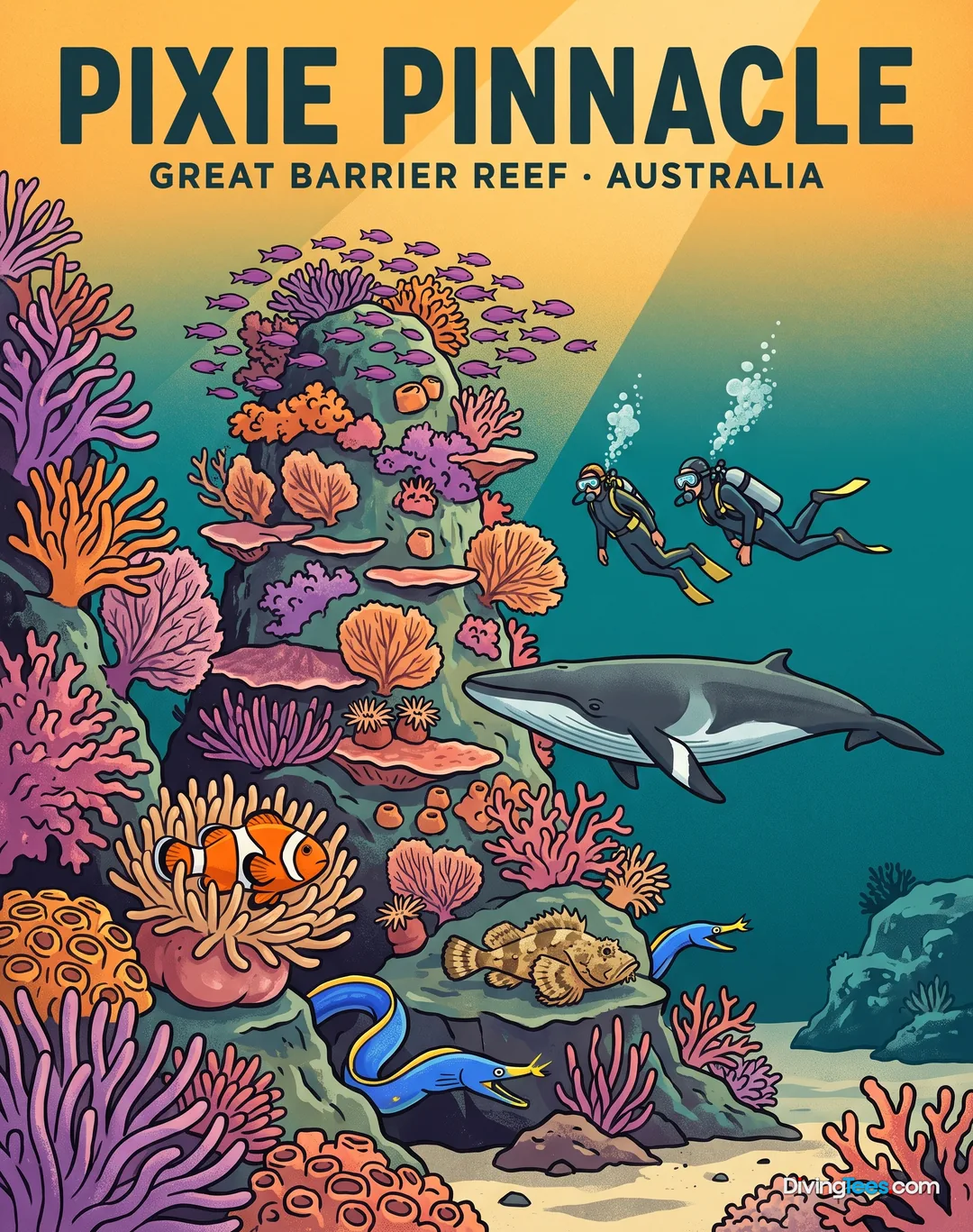
The Temple of Doom is a large, kidney-shaped coral bommie that stands as an isolated landmark within the Ribbon Reefs. It rises from a sandy seabed at approximately 24 metres and reaches up to within 3 metres of the surface. This vertical structure acts as a focal point for marine life in the open water, providing a complex habitat in an otherwise expansive area. The topography offers a variety of surfaces for corals and sponges, creating a rich ecosystem that functions independently from the larger reef systems.
A typical dive profile involves descending toward the base of the pinnacle to establish buoyancy before beginning an ascent. Most divers choose to spiral or circle the bommie, moving slowly around its perimeter to observe different depth zones. By circling the structure, you can transition from the darker, more sheltered lower reaches up through the brightly lit upper sections. This method allows for a comprehensive view of the various life stages and species that occupy the different vertical layers of the pinnacle.
The site earns its name from the high level of predator and prey interaction observed by divers. The biological energy concentrated on this single structure results in constant movement as many fish species feed heavily on others. You will frequently see schooling fish like fusiliers and bluefin trevally moving in response to the activity on the reef. This constant cycle of feeding makes the Temple of Doom one of the more active sites for observing natural marine behaviours.
Resident reef fauna are abundant across the various surfaces of the bommie. You can find anemonefish among the soft corals, alongside diverse species of butterflyfish, angelfish, and surgeonfish. Smaller organisms like sea squirts, flatworms, and feather stars add detail to the close-up observations. Trumpetfish and batfish are also common, often hovering near the structure, while yellow goatfish can be seen foraging on the sand around the base.
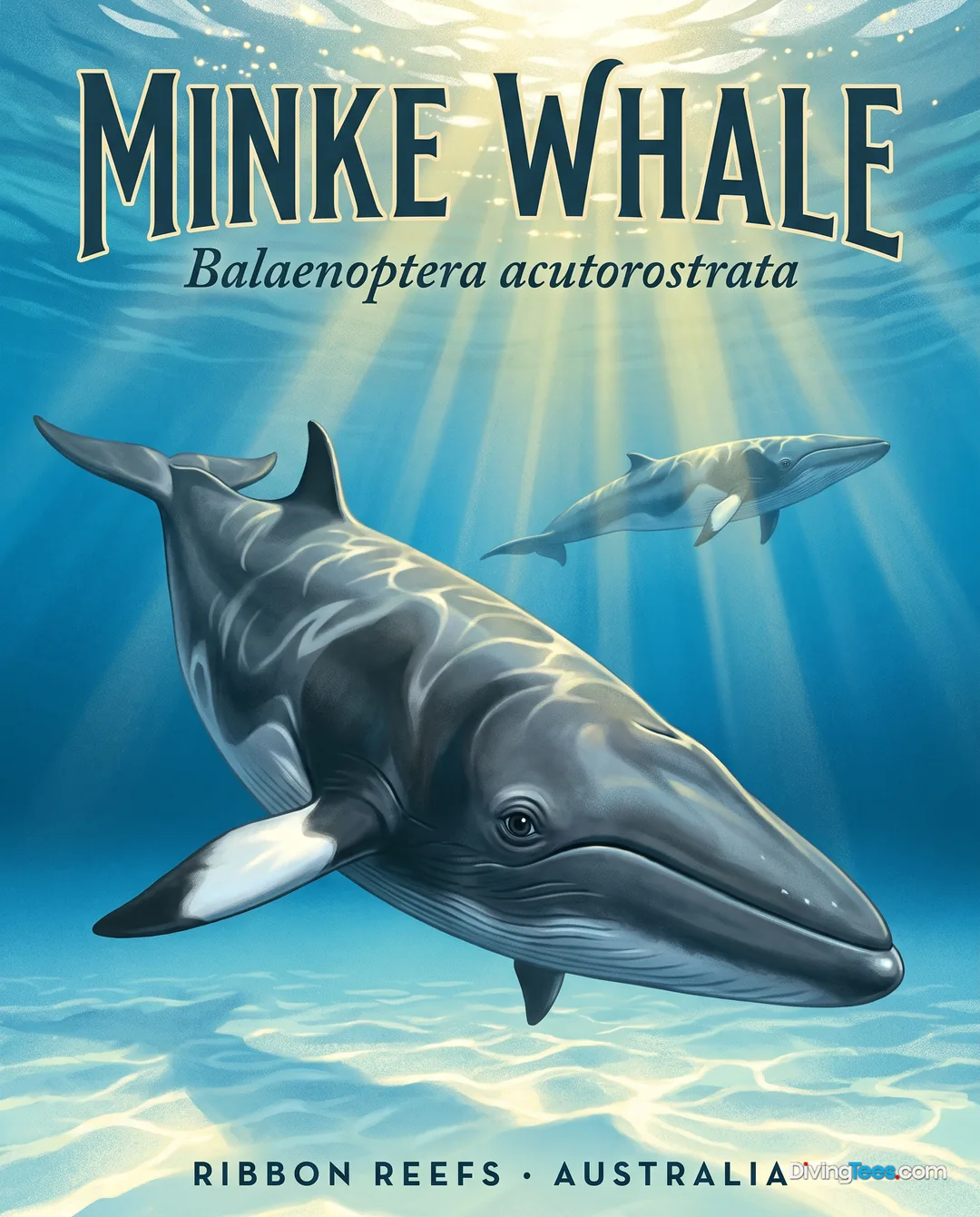
Pelagic activity adds another dimension to the experience, particularly depending on the time of year. The site is known for attracting larger species that patrol the edges of the pinnacle, including reef sharks. During the winter months, there is a specific opportunity to encounter dwarf minke whales in the region. Seeing these larger animals in the open water surrounding the bommie sets this site apart from more sheltered reef locations in the Great Barrier Reef.
The positioning of the Temple of Doom as an offshore pinnacle means that water conditions can change rapidly. Because it is not protected by a continuous reef line, it is subject to the direct influence of passing currents. While some days offer calm, stable conditions for easy observation, other days can bring stronger flows that require more active buoyancy control. Being aware of your position relative to the structure is essential for maintaining a steady course during these shifts.
Light penetration is generally excellent due to the pinnacle's proximity to the surface, which enhances the visibility of the colours on the coral. As you move from the 24-metre depth up through the mid-water layers, the change in light intensity affects how you perceive the resident fauna. The upper reaches, sitting just 3 metres below the surface, provide a highly illuminated environment that is particularly conducive to seeing the activity of smaller reef inhabitants and the movement of larger pelagics.
The site reaches depths of 3 to 24 metres and requires an Advanced level certification; divers should be comfortable in open water on an exposed offshore bommie. Currents are variable and can be strong depending on daily conditions. The best period for potential dwarf minke whale encounters is during the winter months from June to August.
You have potential opportunities to encounter dwarf minke whales at Temple Of Doom during the winter months from June to August. The offshore pinnacle also attracts pelagic animals, including reef sharks, while its resident reef life remains active across the coral structure and surrounding sandy seabed.
You need Advanced level certification to dive Temple Of Doom. You should also be comfortable in open water around an exposed offshore bommie. The isolated pinnacle lies within the Ribbon Reefs, where conditions can change quickly because the site is not protected by a continuous reef line.
Temple Of Doom ranges from three to twenty-four metres deep. The coral pinnacle rises from a sandy seabed at approximately twenty-four metres and reaches within three metres of the surface. You can descend toward the base, establish buoyancy, and circle upward through different depth zones.
Currents at Temple Of Doom are variable and can be strong depending on daily conditions, so you need active buoyancy control and awareness of your position around the bommie. You can see reef sharks, bluefin trevally, fusiliers, anemonefish, butterflyfish, angelfish, surgeonfish, trumpetfish, batfish, and yellow goatfish.