Ocean Free & Ocean Freedom - Cairns Premier Great Barrier Reef & Island Tours
Google 4.9/5 (1,552 reviews)
51 km away as the crow flies
Great Barrier Reef · Australia · Pacific
Max. depth · 30 mA horseshoe-shaped platform reef offering everything from shallow lagoons to deep walls.
For subtitles in English: start the video firstthen click the gearat the top right of the video, select “Subtitles/CC”, then “Auto-translate” and choose “English”.
Hastings Reef is defined by its distinct horseshoe shape, acting as a massive platform in the outer Great Barrier Reef. This structural layout creates a significant variation in depth and topography across the site. You will find shallow reef flats measuring between 1 and 3 metres that transition into much deeper sections. This variety allows the reef to host several distinct sub-sites, each offering a different underwater landscape.
The topography of the reef is much more complex than a simple slope. You will encounter bowl-shaped depressions that act as natural fish aggregations and narrow gutters that catch water movement. In some areas, tongue-like coral formations have been shaped over time by prevailing winds. These features provide plenty of visual interest and create a variety of micro-habitats for the local marine life.
For those looking for depth, the windward side of the reef features steeper walls that drop down to 30 metres. These deeper sections are often home to larger coral structures and more varied terrain. Specific locations like Split Bommie offer isolated coral heads rising from 20 metres, creating challenging and interesting environments for navigation. This vertical relief is key to the reef's ability to support such high levels of biodiversity.
The reef is widely recognized for its abundance of resident reef species. You will frequently see large schools of various fish including parrotfish, surgeonfish, and rabbitfish. Large coral trout and various snapper species are common inhabitants of the reef structure. These species move between the shallow flats and the deeper ledges depending on the light and current conditions.
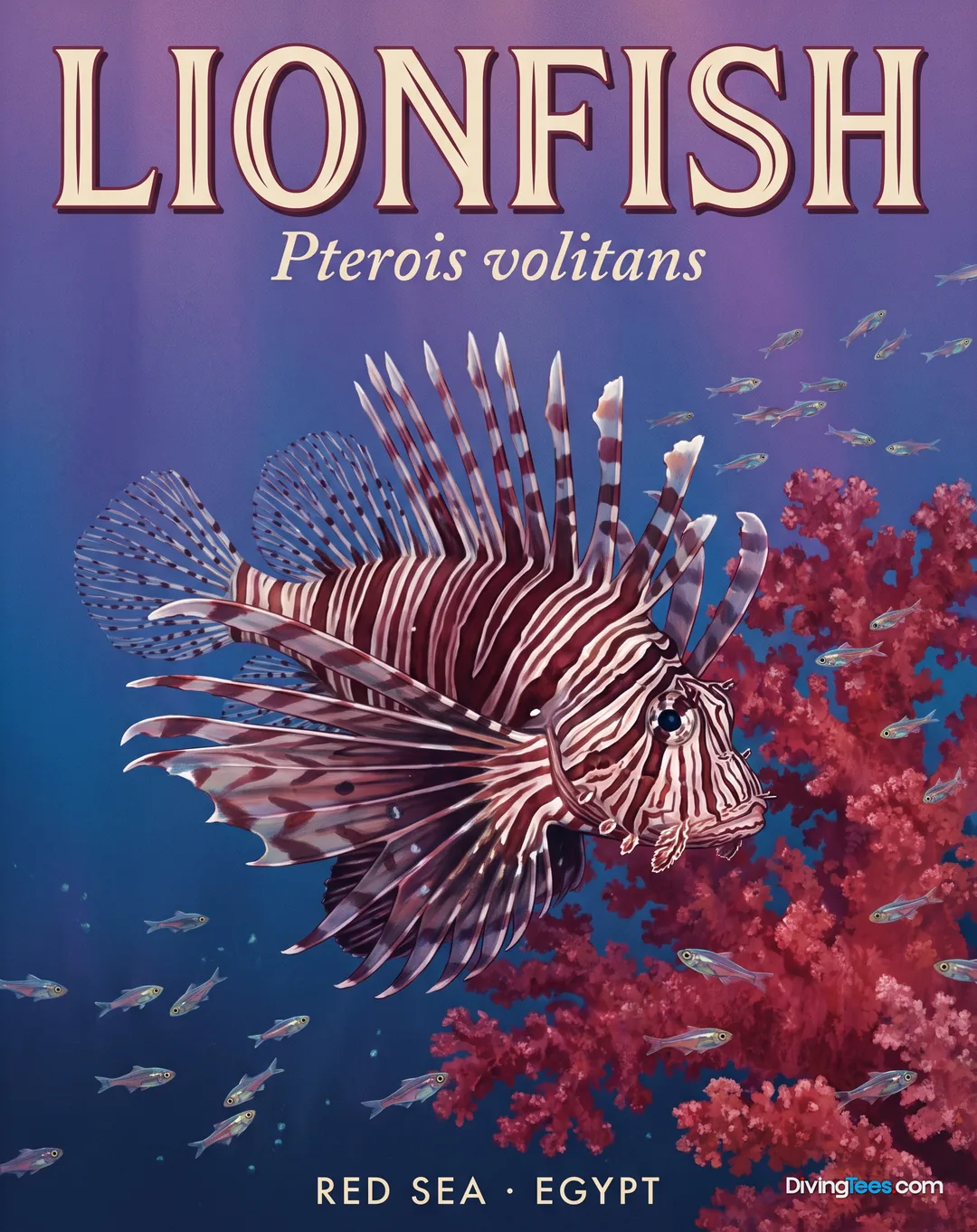
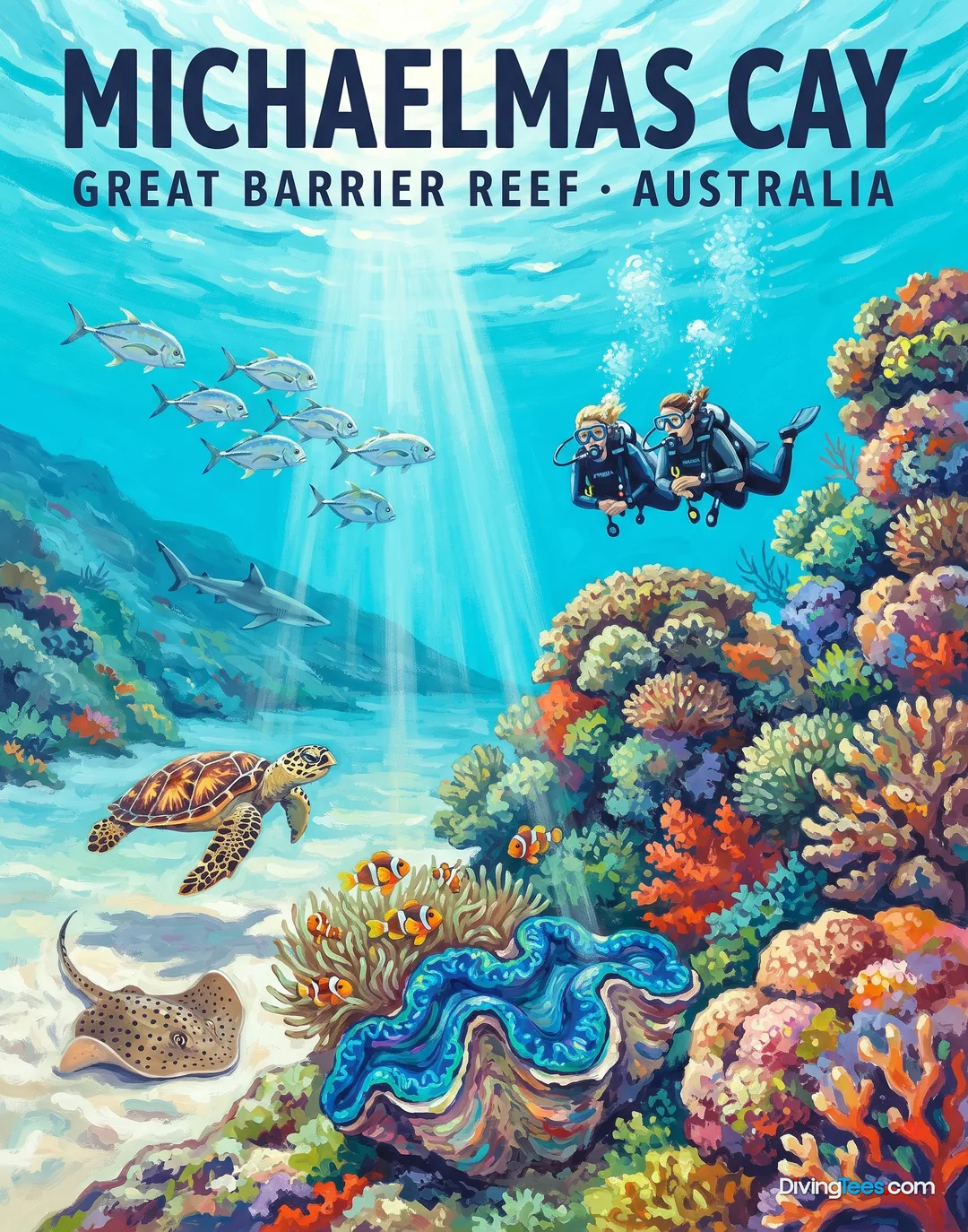
The biodiversity at Hastings Reef extends to more specialized residents often found in the crevices of the coral. You can observe moray eels, lionfish, and various species of anemonefish tucked into the reef. Large giant clams are often found anchored to the hard substrate, while blue-spotted lagoon rays patrol the sandy patches. The reef structure provides the necessary complexity to support these varying life forms.
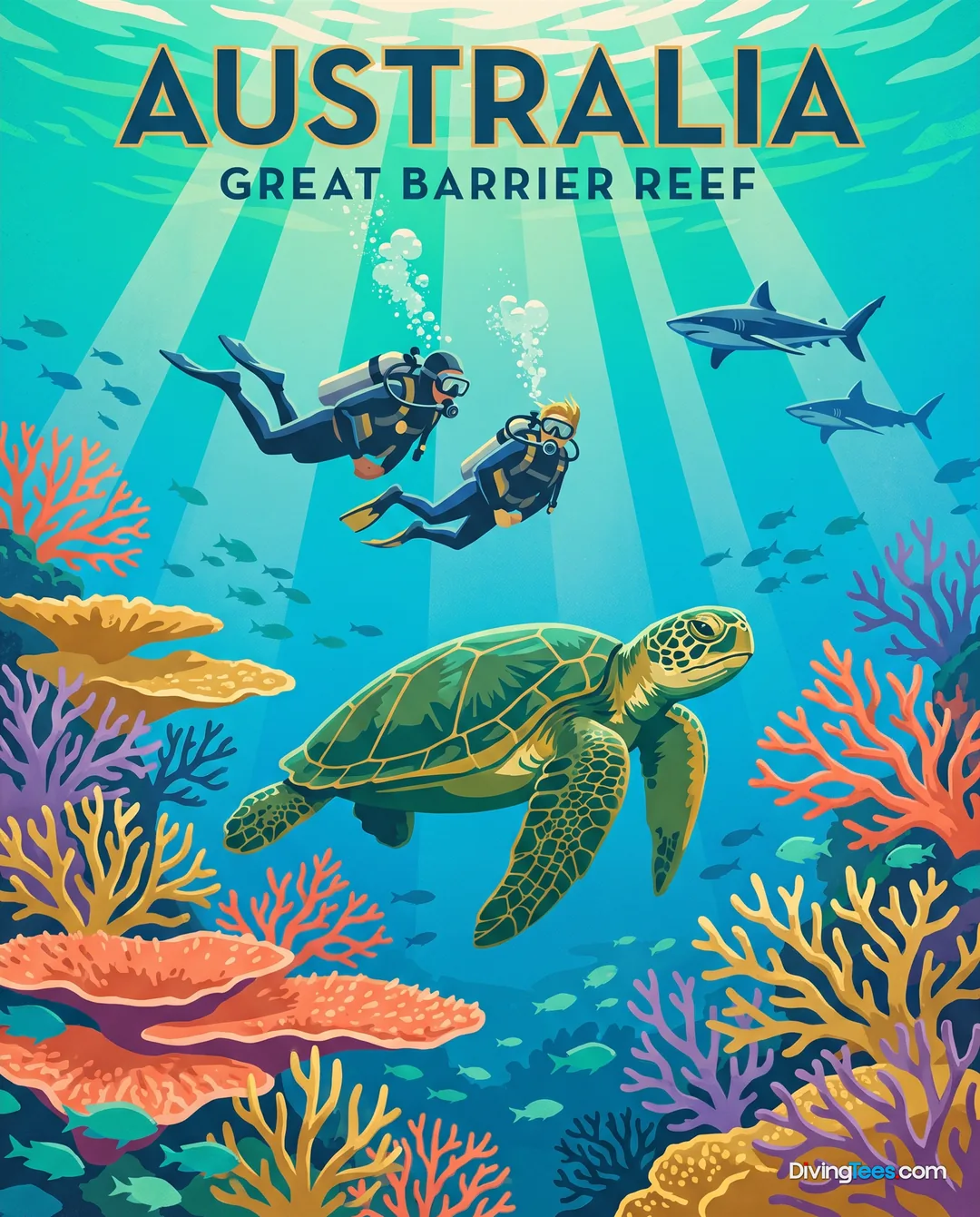
Pelagic life is a significant part of the experience, particularly near the deeper walls and exposed sections. You may encounter tuna, mackerel, and barracuda patrolling the edges of the reef. Reef sharks are also documented here, often appearing as part of the natural ecosystem of the outer reef. These larger predators are typically found where the reef edge meets the open ocean.
One of the most useful aspects of Hastings Reef is its versatility for different diving styles. The site can accommodate everything from a calm, shallow reef-flat dive to a more demanding wall dive. This is possible because the reef's various moorings, such as Fish Bowl or Blue Lagoon, offer different levels of protection. The ability to choose specific sub-sites allows for a tailored experience depending on the current and the diver's expertise.
Depths range from 1 metre on the reef flats to 30 metres on the deeper walls. The site is accessible from Open Water Diver level, though the deeper, more exposed sections like Split Bommie require more experience. Visibility typically ranges between 15 and 28 metres. Currents are generally light in the shallow lagoon areas, but can become strong on the southern and exposed walls, such as Split Bommie, depending on the tide and wind direction. This variability makes site selection crucial for safety.
You can dive Hastings Reef from Open Water Diver level, especially on the shallow reef flats and protected areas such as Fish Bowl or Blue Lagoon. If you plan to explore deeper, more exposed sections such as Split Bommie, you need more experience because the terrain and conditions are more demanding.
At Hastings Reef, shallow reef flats range from 1 to 3 metres, while the site reaches 30 metres on its deeper walls. Isolated bommies such as Split Bommie rise from 20 metres. This range lets you choose between shallow reef landscapes, deeper ledges, and steep wall sections.
Currents at Hastings Reef are generally light in the shallow lagoon areas. They can become strong on the southern and exposed walls, including Split Bommie, depending on the tide and wind direction. Gutters can also catch water movement, so choosing a suitable sub-site is important for safe diving.
At Hastings Reef, you can see schools of parrotfish, surgeonfish, and rabbitfish, along with coral trout and snapper. Crevices may shelter moray eels, lionfish, and anemonefish, while giant clams and blue-spotted lagoon rays occur around the reef. Deeper edges may bring tuna, mackerel, barracuda, and reef sharks.