Ocean Free & Ocean Freedom - Cairns Premier Great Barrier Reef & Island Tours
Google 4.9/5 (1,552 reviews)
55 km away as the crow flies
Great Barrier Reef · Australia · Pacific
Max. depth · 40 mTwo large coral formations rise steeply from the depths to create a varied topography of ridges, caves, and sandy lagoons.
For subtitles in English: start the video firstthen click the gearat the top right of the video, select “Subtitles/CC”, then “Auto-translate” and choose “English”.
Twin Peaks is defined by its unique geological structure, consisting of two large coral pinnacles that rise sharply from the seabed towards the surface. These formations are positioned offset from the main body of Saxon Reef, creating a distinct destination for divers looking for vertical relief. The two peaks are connected by a submerged ridge, forming a continuous underwater circuit that allows for long, varied dive profiles. As you descend, you move between these steep coral walls and the sandy lagoon that sits between them.
The topography provides a complex environment for exploration, featuring various structural elements such as ledges, small caves, and deep crevasses. These features offer different micro-habitats, where the surge and light change depending on your proximity to the coral faces. Navigating the ridge between the two peaks allows you to transition from the open water of the lagoon to the more sheltered areas of the reef structures. This combination of vertical walls and horizontal reef connections ensures that the landscape remains interesting throughout the entire dive.
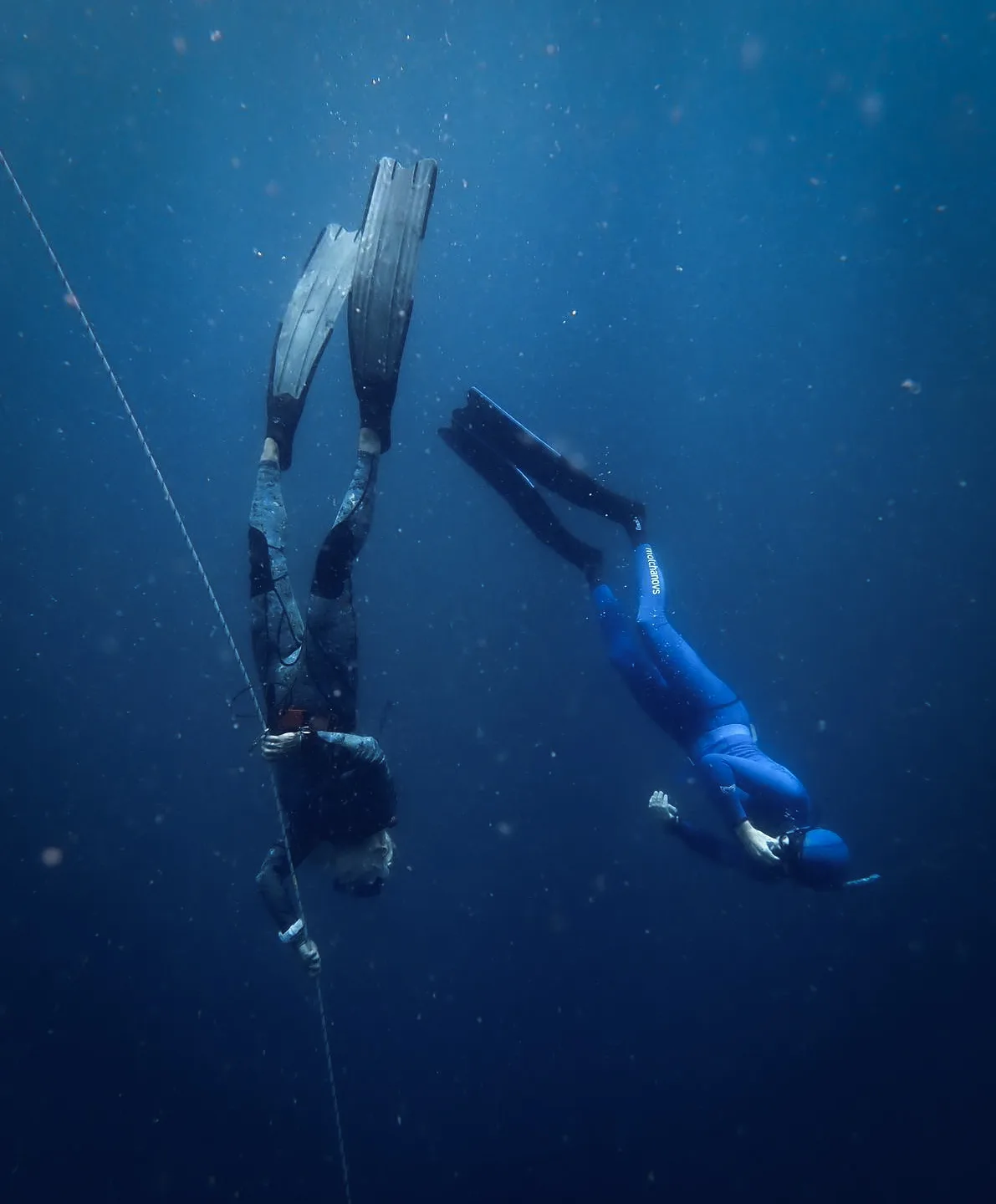
A typical dive begins with a descent toward the deeper sections of the pinnacles, where the light begins to fade and the reef structure becomes more pronounced. You can choose to follow the steep slopes down to the maximum depth of 40 metres or spend more time exploring the mid-depth zones around 20 metres. The transition from the deeper, more shadowed areas to the shallower, sunlit portions of the reef provides a constant change in visual perspective. This depth range allows for multiple dive profiles depending on your experience and nitrogen limits.
The current at Twin Peaks is generally light and manageable, often influenced by the prevailing wind or the tidal state rather than being a site-specific drift. This relatively calm condition allows you to spend more time hovering near the coral walls or exploring the smaller crevices without constant effort. Even when the water is still, the site offers enough structure to prevent a sense of stagnation. You can expect a predictable environment that facilitates careful observation of the reef's finer details.
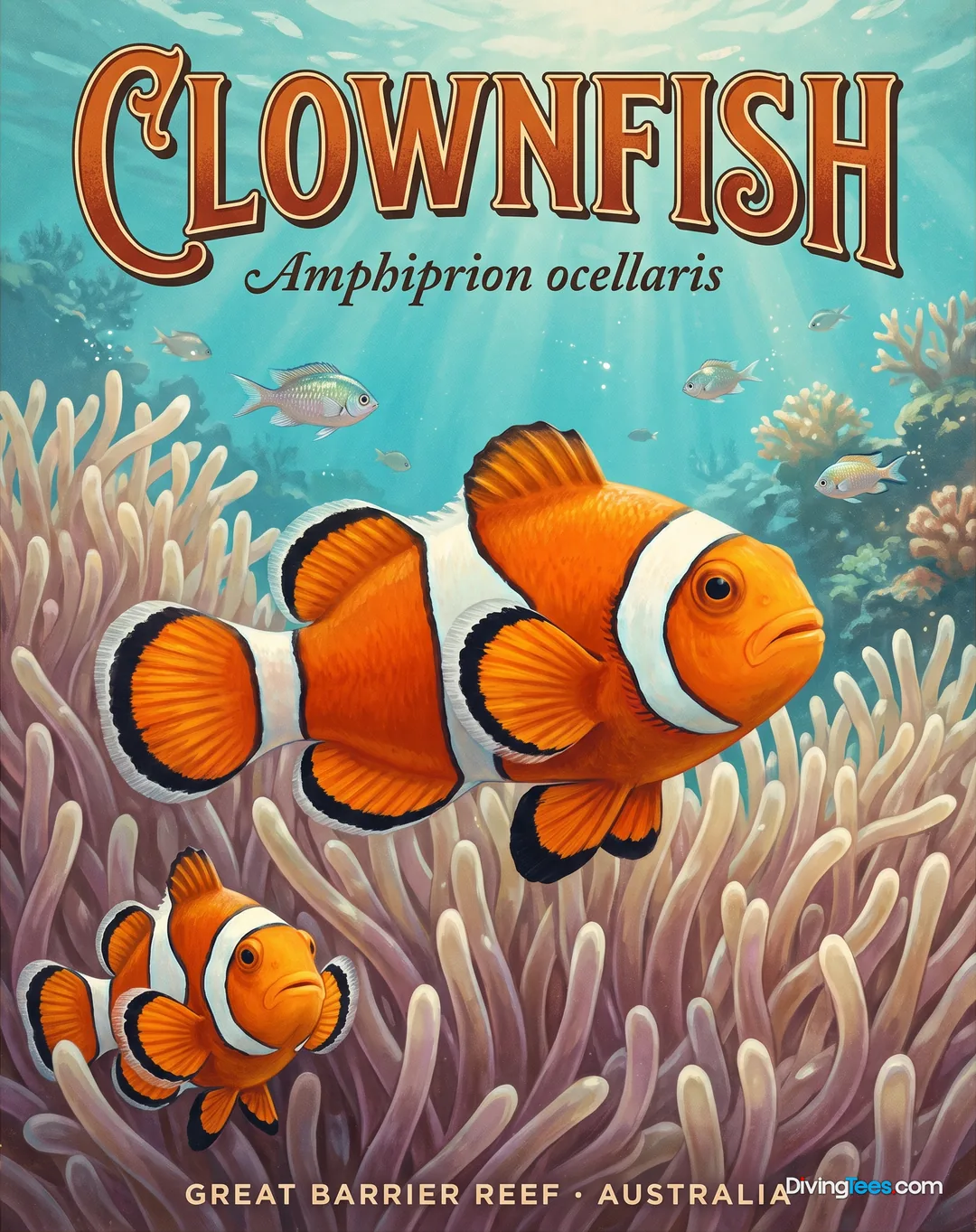
The reef is inhabited by a consistent variety of resident species, including coral trout, angelfish, and butterflyfish. You will frequently encounter anemonefish (clownfish) tucked into their hosts and smaller gobies navigating the sandy patches near the base of the pinnacles. Larger reef residents like snappers and various species of cod move through the mid-water columns or rest near the ledges. Moray eels are also common, often found partially concealed within the cracks and small caves that line the coral faces.
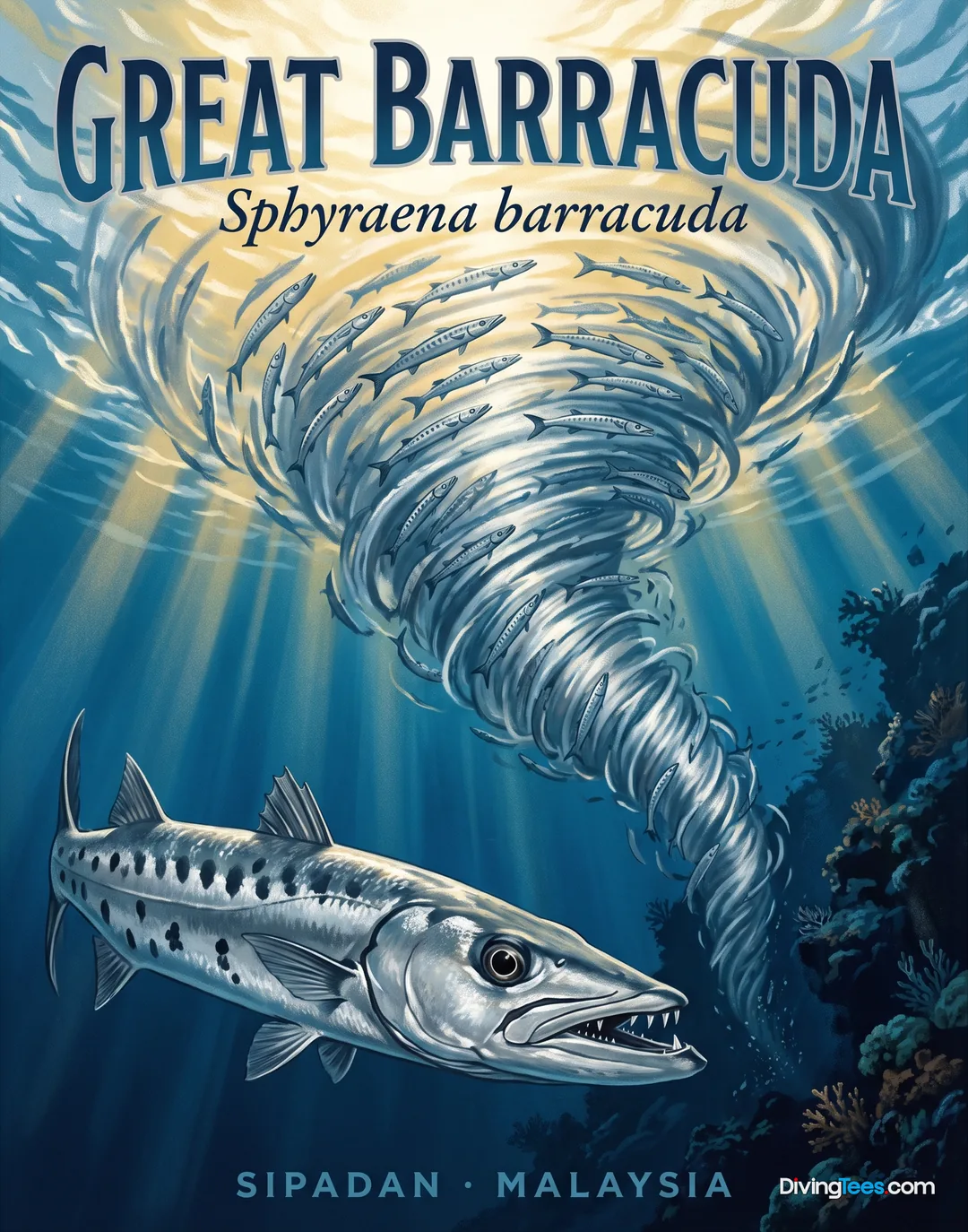
For those looking toward the blue, the site is a known meeting point for larger fish that patrol the edges of the pinnacles. It is common to see schools of barracuda and trevally moving through the water column, often staying at a distance from the reef structure. Whitetip reef sharks are also frequently observed in the area, cruising near the bottom or along the deeper slopes. These larger animals add a dynamic element to the dive, especially when they appear near the edges where the reef drops away.
The visibility at Twin Peaks is typically high, ranging from 10 to 30 metres, which significantly enhances the experience of diving the vertical structures. High visibility allows you to see the full scale of the twin peaks from a distance and makes spotting camouflaged species easier. When the water is clear, the silhouettes of the pinnacles against the deeper blue are particularly striking. This clarity is essential for navigating the ridge and observing the larger pelagic visitors as they pass through the area.
Depths range from 5 to 40 metres. This site is best suited for Advanced Open Water (AOW) or CMAS** divers, particularly those comfortable with deeper profiles. Visibility typically ranges between 10 and 30 metres, and currents are generally light.
Twin Peaks is suited to Advanced Open Water or CMAS** divers, particularly those comfortable with deeper profiles. You can explore steep coral walls, a connecting ridge, ledges, caves and crevasses while choosing between deeper sections and mid-depth areas according to your experience and nitrogen limits.
Twin Peaks ranges from 5 to 40 metres. You can follow the steep slopes toward the maximum depth of 40 metres, or spend more time exploring mid-depth zones around 20 metres. The pinnacles rise toward the surface, with a sandy lagoon between them and a submerged ridge connecting the formations.
Currents at Twin Peaks are generally light and manageable. They are often influenced by the prevailing wind or tidal state rather than by a site-specific drift. These conditions allow you to hover near the coral walls, explore smaller crevices and observe reef details without constant effort.
At Twin Peaks, you can see two large coral pinnacles, vertical walls, ledges, small caves, deep crevasses and a connecting ridge. Marine life includes coral trout, cod, angelfish, butterflyfish, anemonefish, gobies and moray eels, along with whitetip reef sharks, schooling barracuda and trevally in the blue.