

Tawali Dive Center
Google 4.6/5 (89 reviews)
22 km away as the crow flies
Milne Bay · Papua New Guinea · Pacific
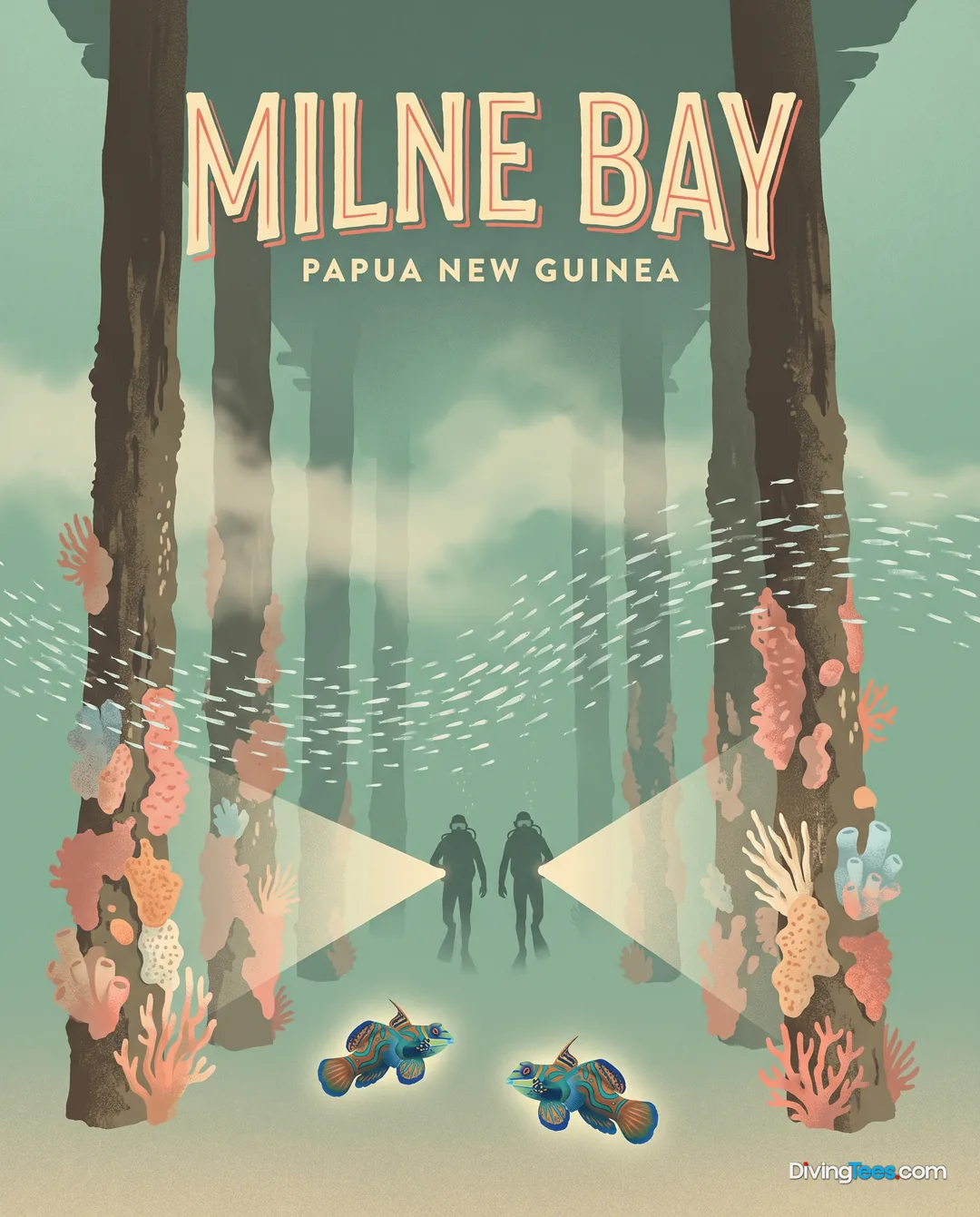
Max. depth · 200 mAt Wahoo Point, Milne Bay, prepare for dramatic encounters with pelagic giants as a vibrant plateau cascades into a profound wall, a true meeting point of the oceanic and the reef.
For subtitles in English: start the video firstthen click the gearat the top right of the video, select “Subtitles/CC”, then “Auto-translate” and choose “English”.
Wahoo Point anchors the northern continental side of Milne Bay, presenting a topography that immediately captivates. You'll begin your descent over a vibrant plateau, ranging from 15 to 50 feet (4.5 to 15 meters) in depth, where the light plays beautifully, illuminating a tapestry of reef life. This shallower section serves as a perfect area for open water divers to explore, boasting a rich display of anemones and the occasional large elephant ear sponges that add to its unique character, creating a striking foreground for the deeper adventures that await.
Beyond the plateau, the true spectacle of Wahoo Point unfolds: a dramatic vertical wall that plunges well past 200 feet (60 meters). This sheer drop is where the nutrient-rich waters of Milne Bay truly invite the 'big stuff'. Advanced divers will find themselves hugging this impressive face, often encountering large schools of barracuda that swirl against the blue, their silvery bodies flashing under the deeper light. The transition from the sun-drenched plateau to the deep, silent expanse of the wall provides a thrilling dive profile.
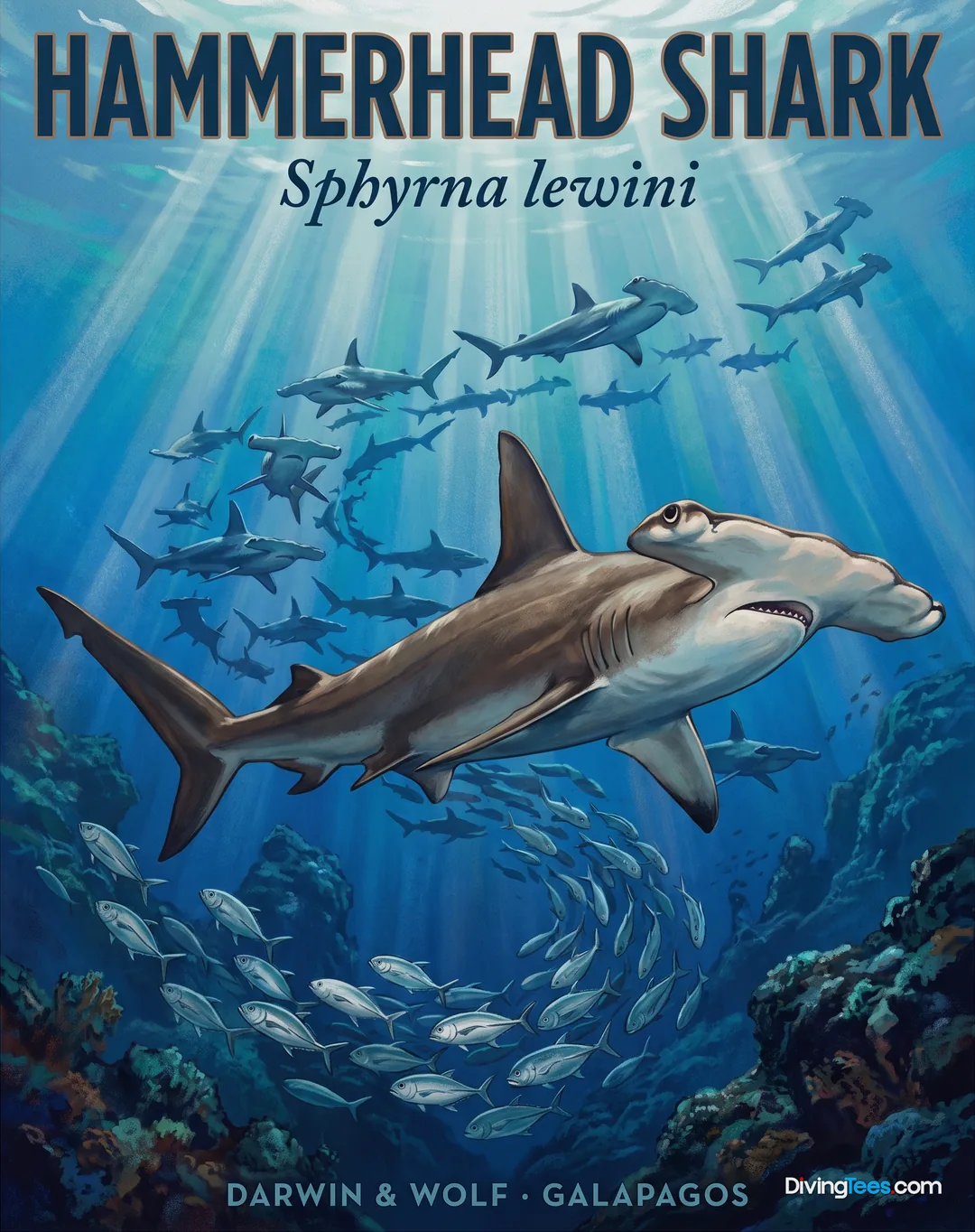
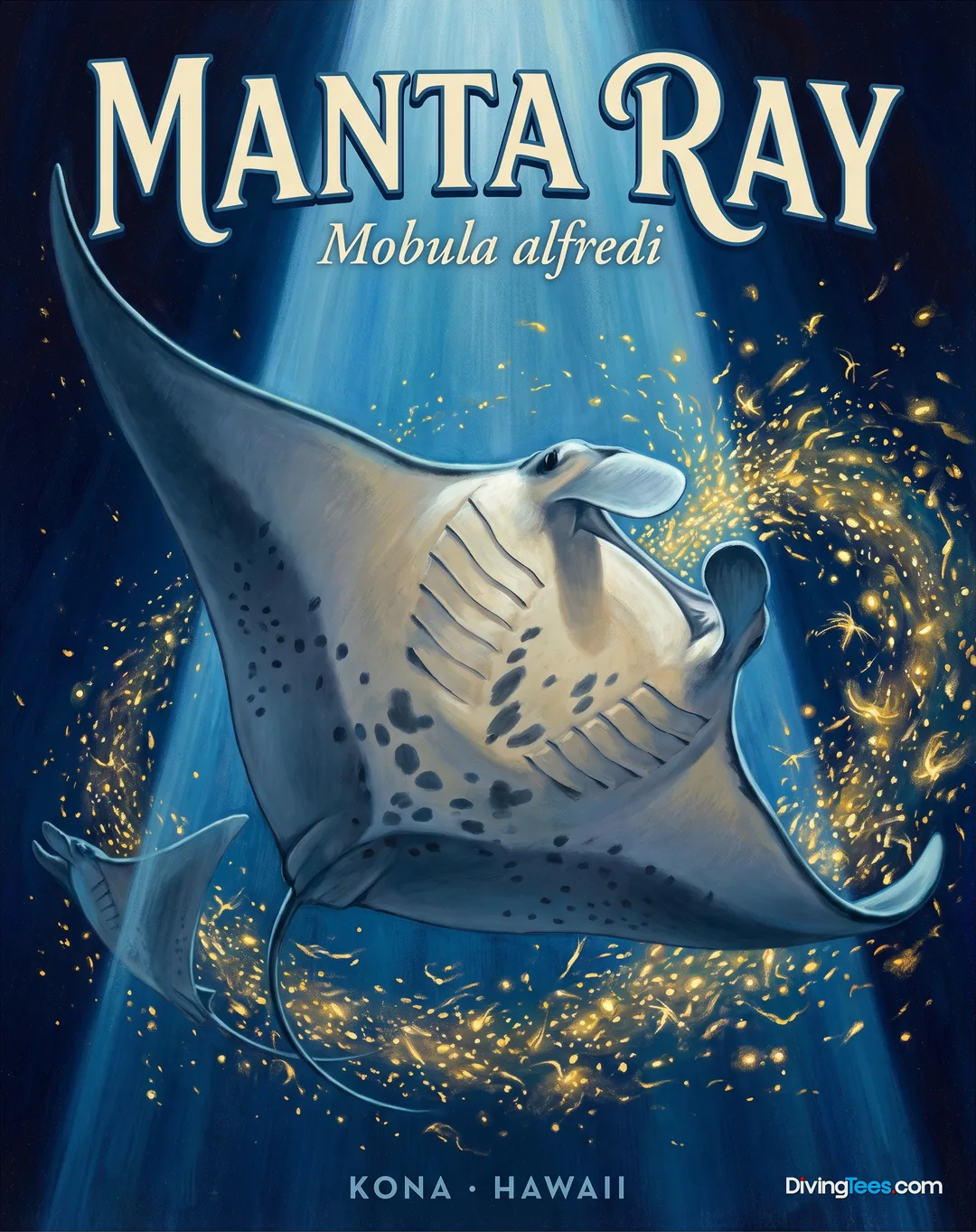
What truly sets Wahoo Point apart is its reputation as a magnet for oceanic pelagics. It's a site frequently visited by hammerheads (Sphyrna lewini), often seen patrolling the deeper blue beyond the wall's edge, a sight that never fails to elevate the heart rate. Manta rays (Mobula alfredi) make their graceful appearances, gliding effortlessly through the currents, offering divers those iconic wide-angle photographic moments that define a truly world-class dive experience.
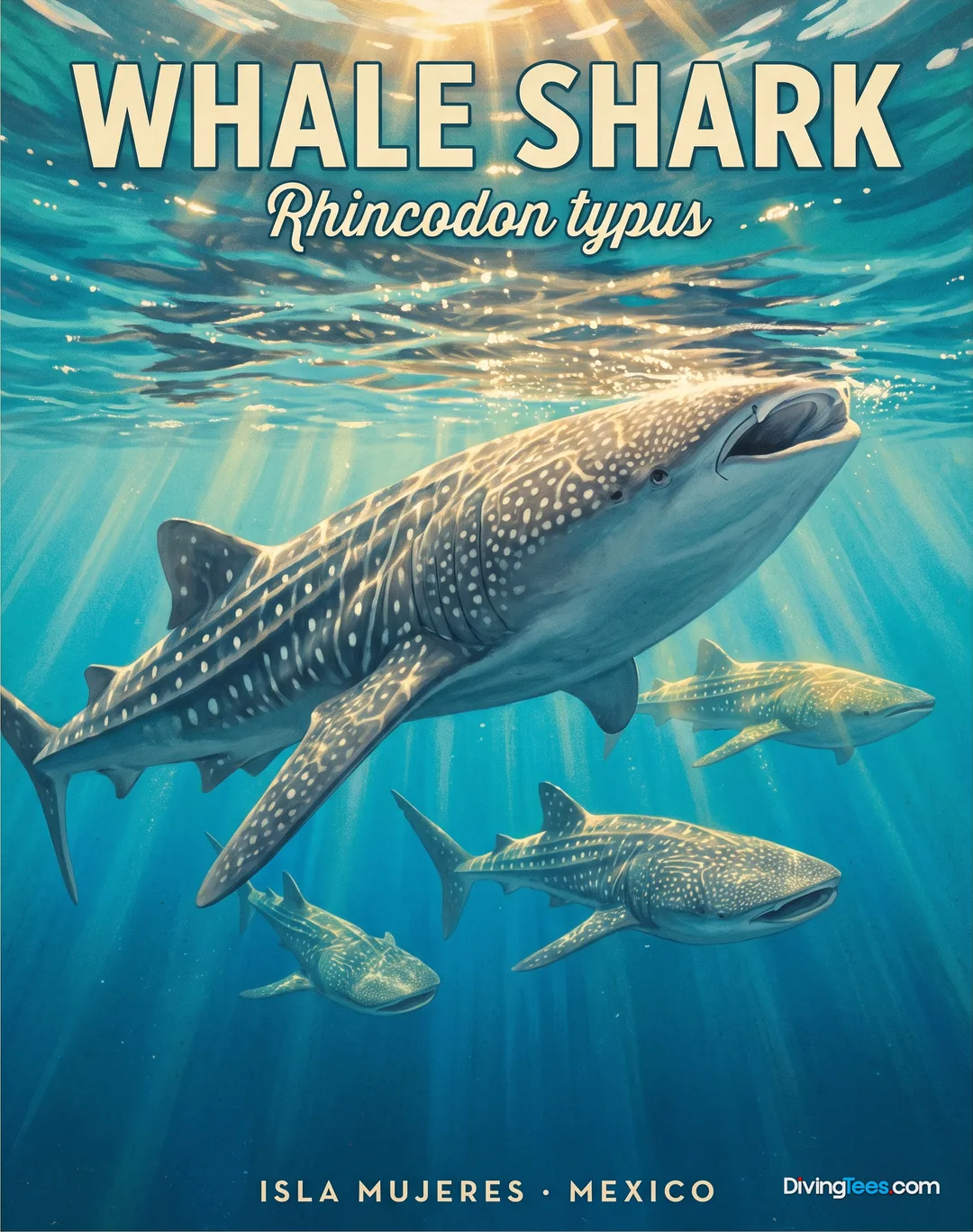
Beyond the regulars, Wahoo Point holds a special allure for unexpected encounters. Whale sharks (Rhincodon typus) occasionally grace the waters, their immense forms a dream for any diver lucky enough to share the moment. Less common, but recorded, are sightings of 'mini-whales' and, on two occasions, orcas (Orcinus orca), underscoring the raw, wild nature of this remote corner of Papua New Guinea. These rare visitors cement Wahoo Point's status as a premier location for exceptional marine life encounters.
Diving at Wahoo Point is accessible across a wide range of experience levels, with the plateau starting at a minimum depth of 15 feet (4.5 meters) and the wall descending to a maximum of 200 feet (60 meters). Milne Bay experiences water temperatures ranging from 25°C to 29°C, offering consistently warm diving conditions. The region's currents vary from mild to strong across different sites, and while no specific current information is available for Wahoo Point, a general awareness of current dynamics is always advised when exploring points in dynamic waters.
You can explore Wahoo Point across a wide range of experience levels. Open water divers can stay on the shallow plateau, which begins at 15 feet and extends to 50 feet. Advanced divers can follow the vertical wall into much deeper water, where schools of barracuda and pelagic encounters may occur.
You can begin on Wahoo Point’s plateau at 15 feet, with the shallower section continuing to 50 feet. Beyond it, the vertical wall descends well past 200 feet. This creates a profile ranging from a sunlit reef area to a deep wall suited to advanced divers exploring deeper water.
You should remain aware of current dynamics at Wahoo Point. Milne Bay has currents ranging from mild to strong across different sites, while no specific current information is available for this site. Manta rays are seen gliding through the currents, and the deeper blue beyond the wall attracts pelagic animals.
At Wahoo Point, you can see abundant anemones, occasional large elephant ear sponges, and schools of barracuda along the deeper wall. Hammerheads and manta rays are frequent sightings, while whale sharks, mini-whales, and orcas occur occasionally. The site also offers wide-angle photography opportunities around its varied topography.