Loloata Island Resort
★ 8.4/10 (141 reviews)
less than 1 km away as the crow flies
Dive centre · Port Moresby · Papua New Guinea
4.4513 Google reviewsExplore over 29 pristine dive sites, from WWII wrecks to vibrant coral gardens, via fast boats departing from Loloata Island.
For subtitles in English: start the video firstthen click the gearat the top right of the video, select “Subtitles/CC”, then “Auto-translate” and choose “English”.
Loloata Island Resort is situated in Bootless Bay, a short 20-minute drive from downtown Port Moresby to the Tahira mainland base, followed by a ferry transfer. This location provides a secluded island experience while remaining accessible to those travelling through the capital.
The resort operates with a strong commitment to marine conservation and sustainability, collaborating with the University of Papua New Guinea and the Conservations Environment Protection Authority PNG. These efforts include coral planting, mangrove restoration, and supporting marine research, particularly concerning epaulette walking sharks.
The dive centre is PADI-affiliated and staffed by an experienced team of instructors and dive guides. To ensure a high standard of safety and personal attention, the centre maintains a ratio of two divers per guide.
Beyond standard instruction, the team facilitates various activities including guided snorkeling safaris to Lion Island and marine research support. The resort operates on a cashless basis and requires bookings in advance for day visitors.
The centre offers a comprehensive range of PADI courses for all experience levels. Beginners can start with Discover Scuba Diving or the Open Water Diver course, while those looking to refresh their skills can utilise the ReActivate Scuba Refresher Program.
More advanced divers can progress through the Advanced Open Water Diver and Deep Diver certifications. The curriculum also includes specialised training such as the PADI Navigation course and Digital Underwater Photography.
The centre utilises fast boats to access the surrounding dive sites, which are typically less than a 30-minute boat ride away. These vessels allow for efficient transit to the diverse array of reefs and wrecks located around the island.
The dive shop is fully equipped for both recreational and professional divers, providing a complete range of rental kit. This includes regulators, wetsuits, fins, and torches for night diving.
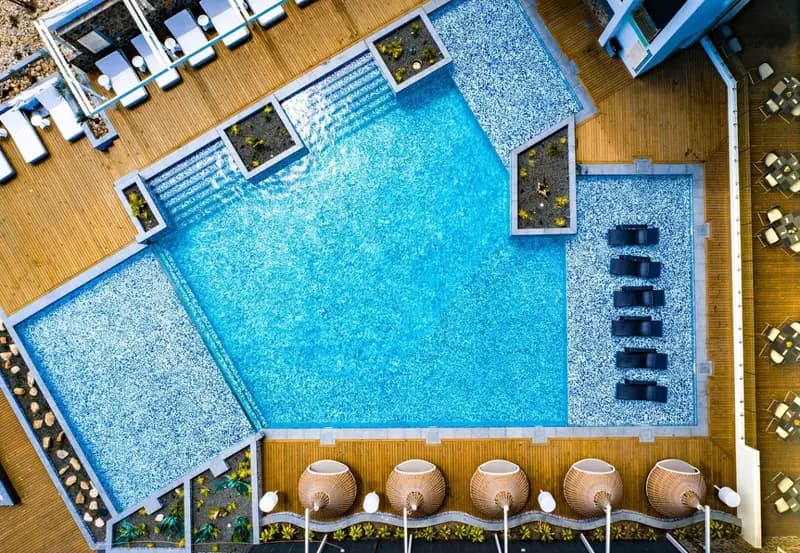
For those staying on the island, the resort offers luxury accommodation ranging from oceanview rooms to two-bedroom overwater villas. On-site facilities include a swimming pool, a Sea Salt Spa, and two restaurants.
The A 20 Havoc is a WWII American bomber wreck resting on a sand bottom at depths between 5 and 18 metres. It is fully intact and features a pleasant hard coral garden within the safety stop zones.
Nadine’s Passage is a spectacular wall and ridge site ranging from 5 to 50 metres. It is characterised by massive gorgonians, expansive soft coral fields, and pink seawhips.
Sandy Passage is a pass where you can encounter large gorgonian fans, barrel sponges, and huge Tubastraea coral trees. It is a prime location for spotting sharks, eagle rays, and potentially manta rays.
Quayles Reef is a shallow site between 4 and 12 metres known for its intense colour. It is a reliable spot for finding resident Rhinopias (Merlett's scorpionfish) and Harlequin ghost pipefish.
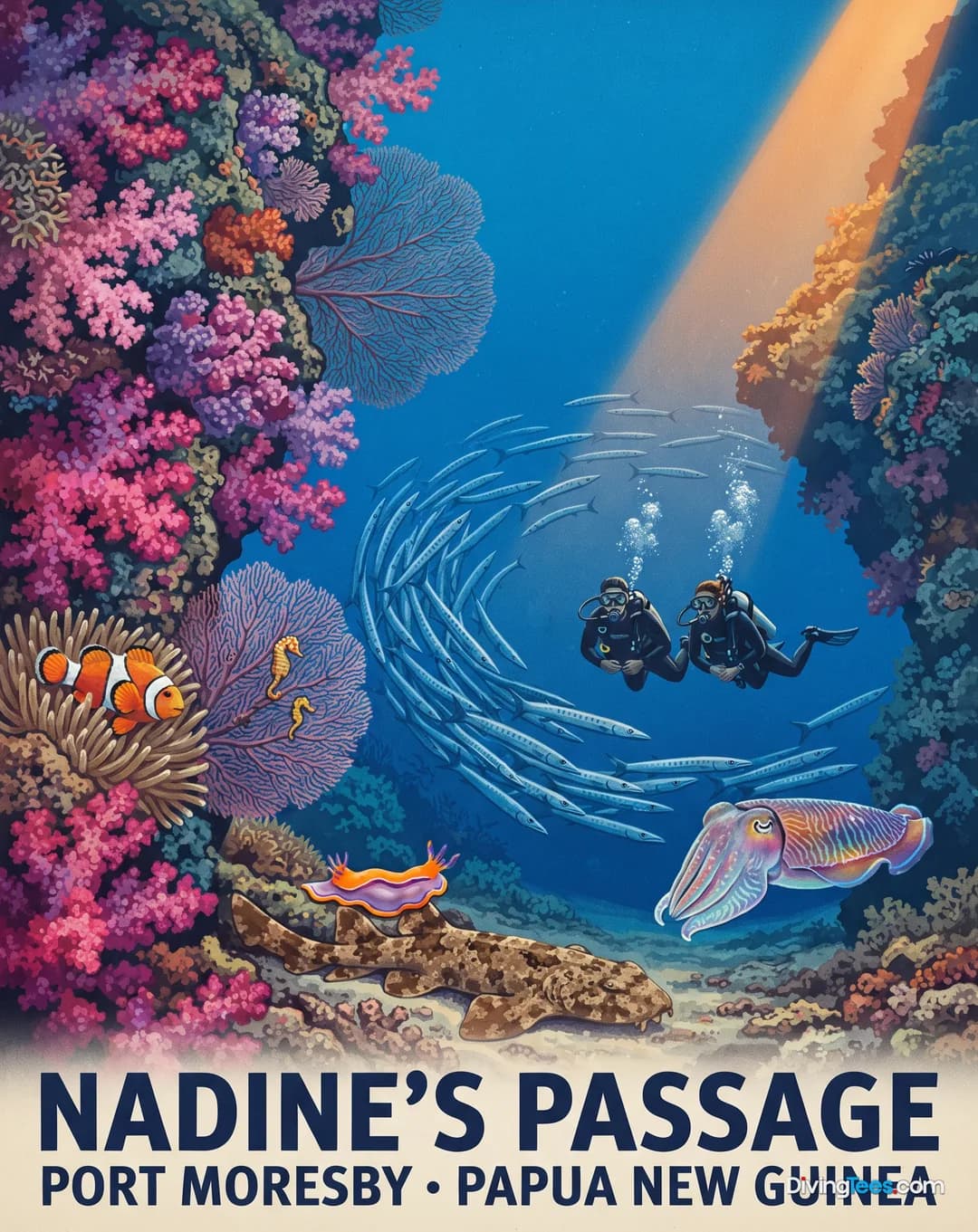
down to 50 m
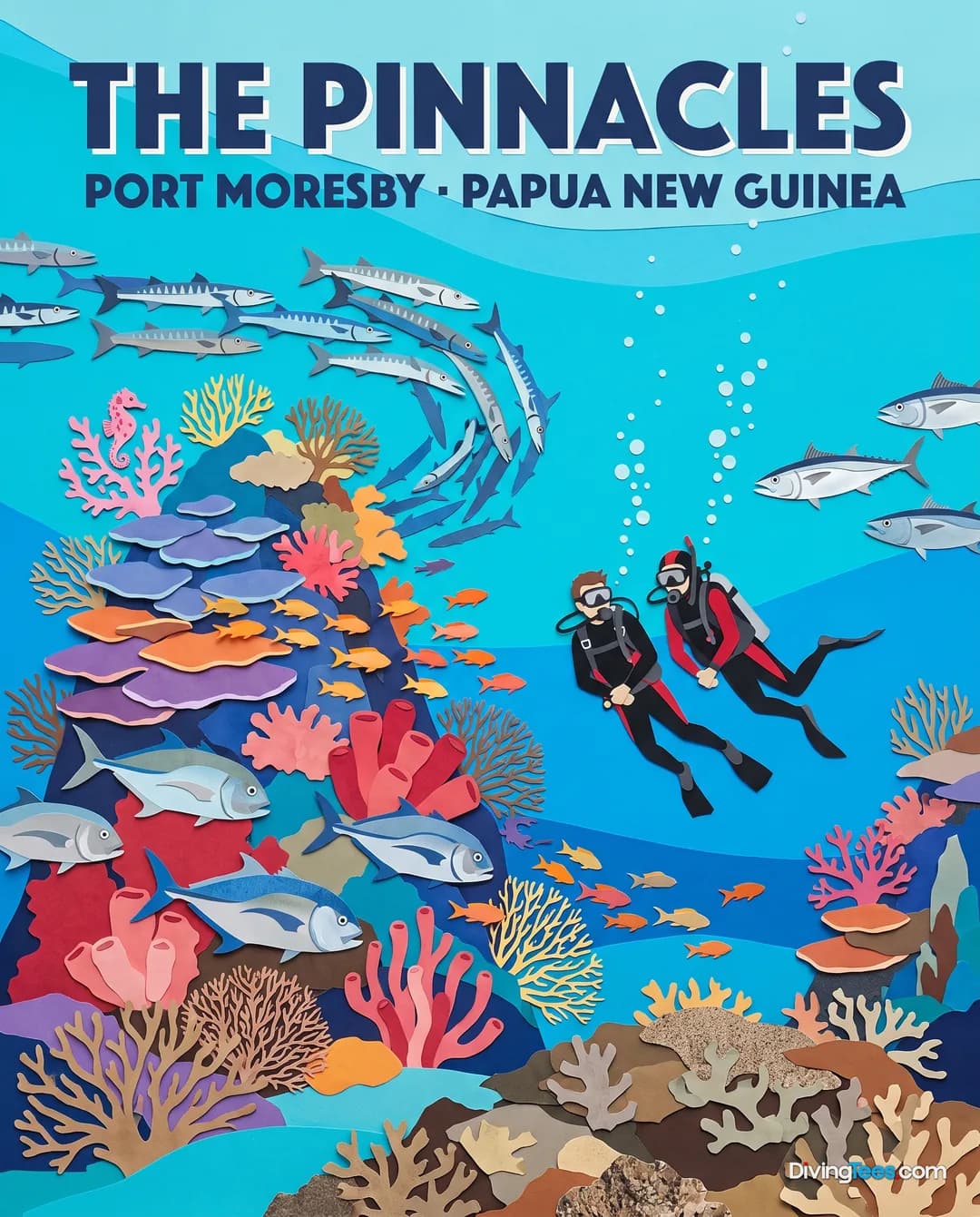
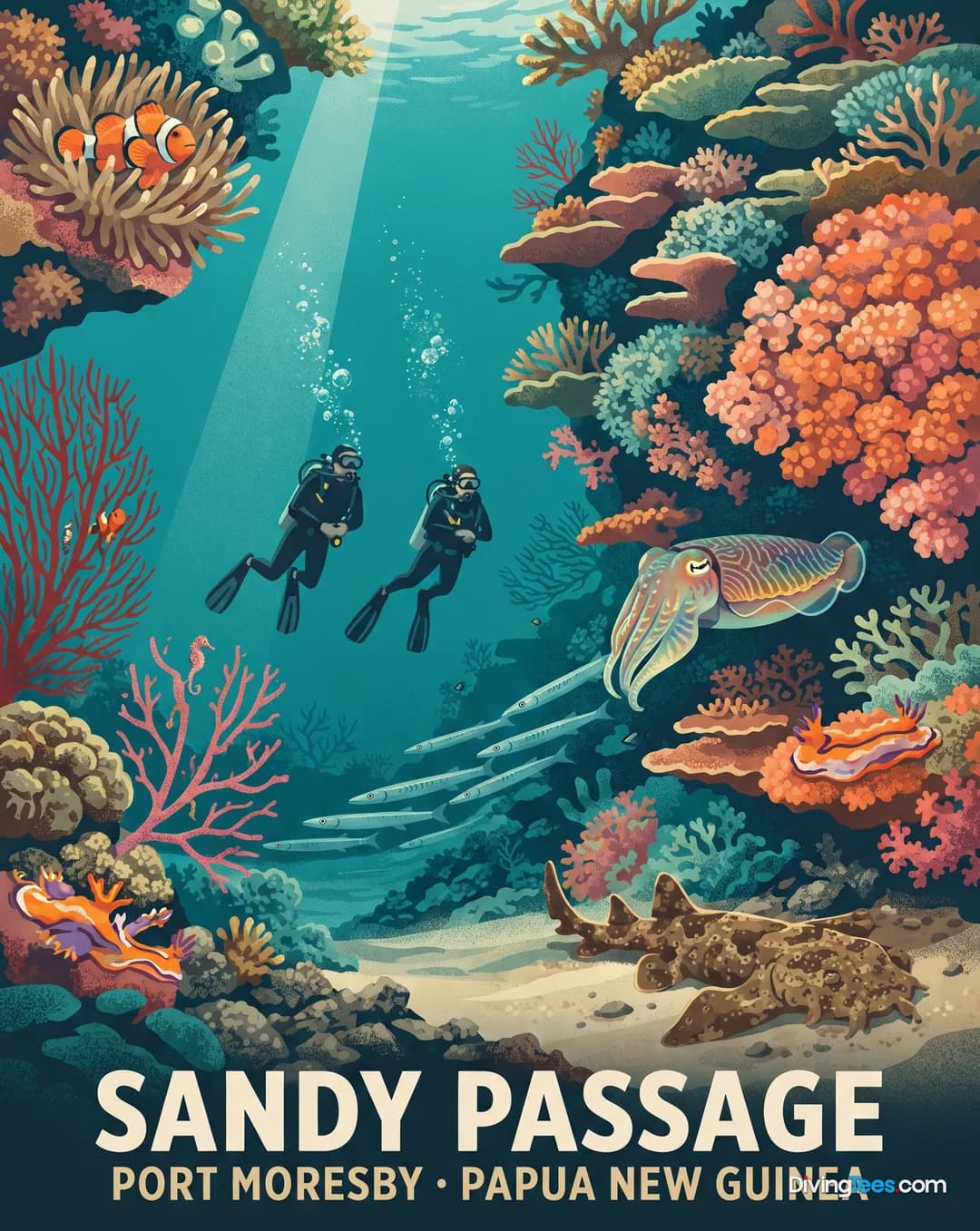
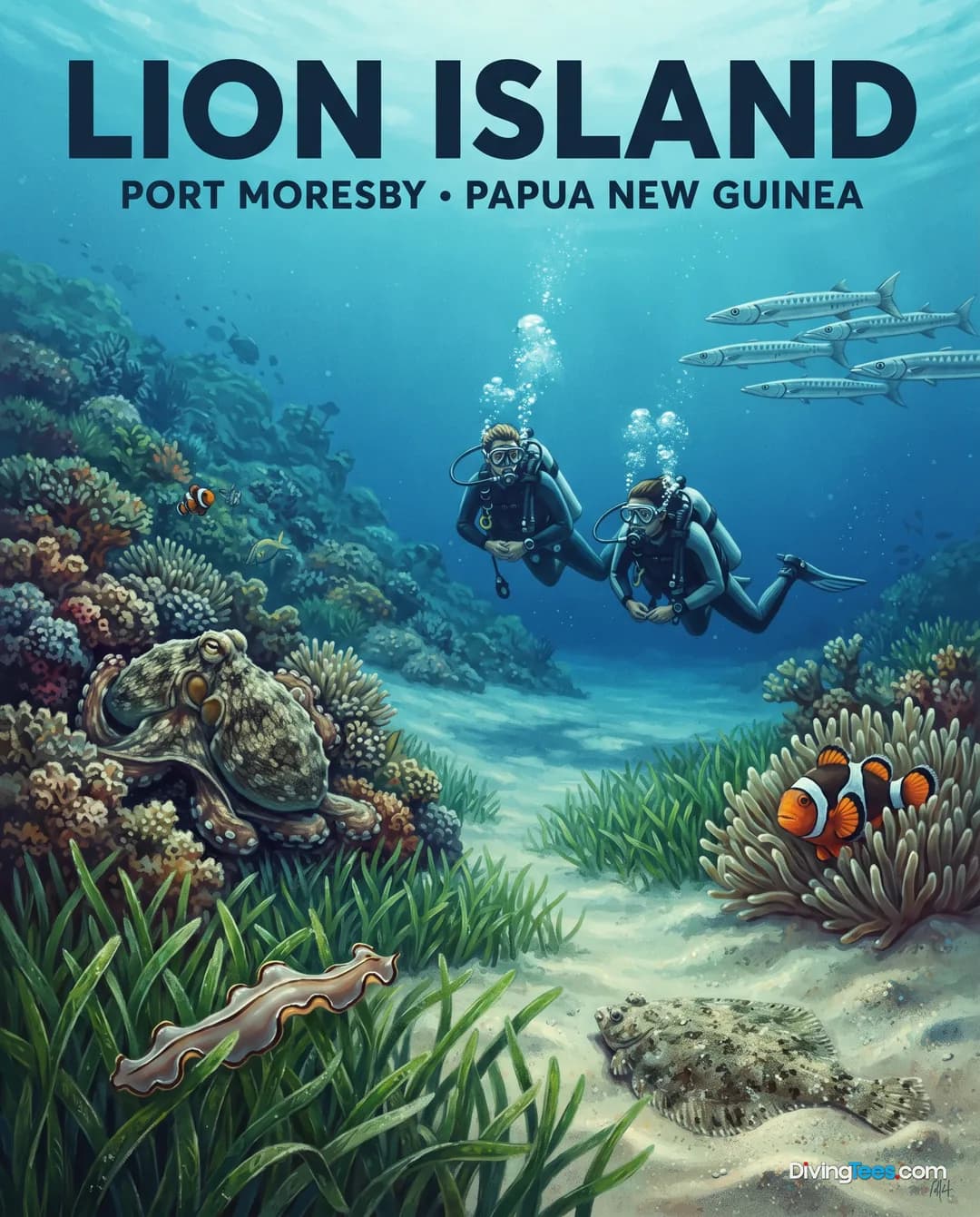
down to 25 m
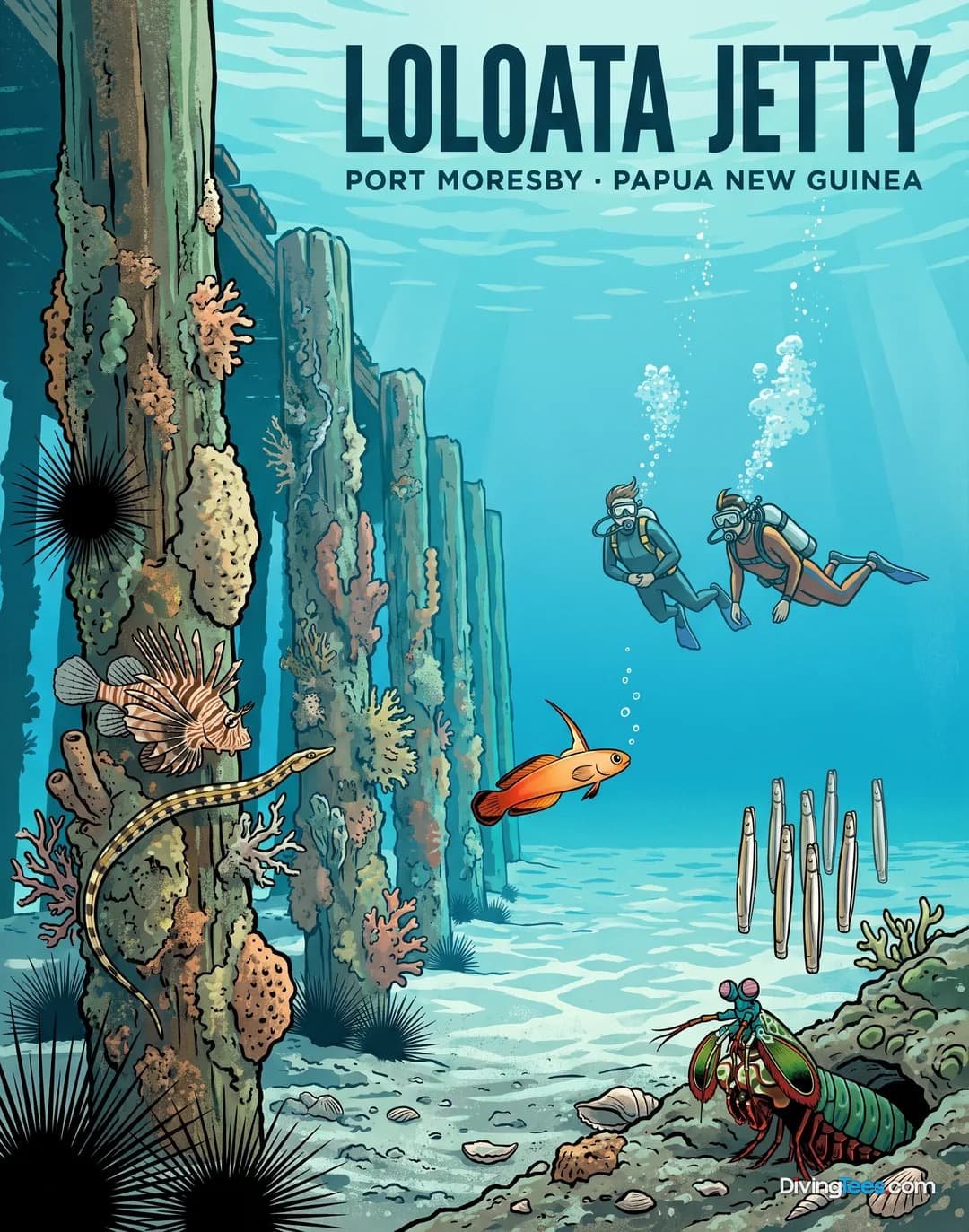
down to 10 m
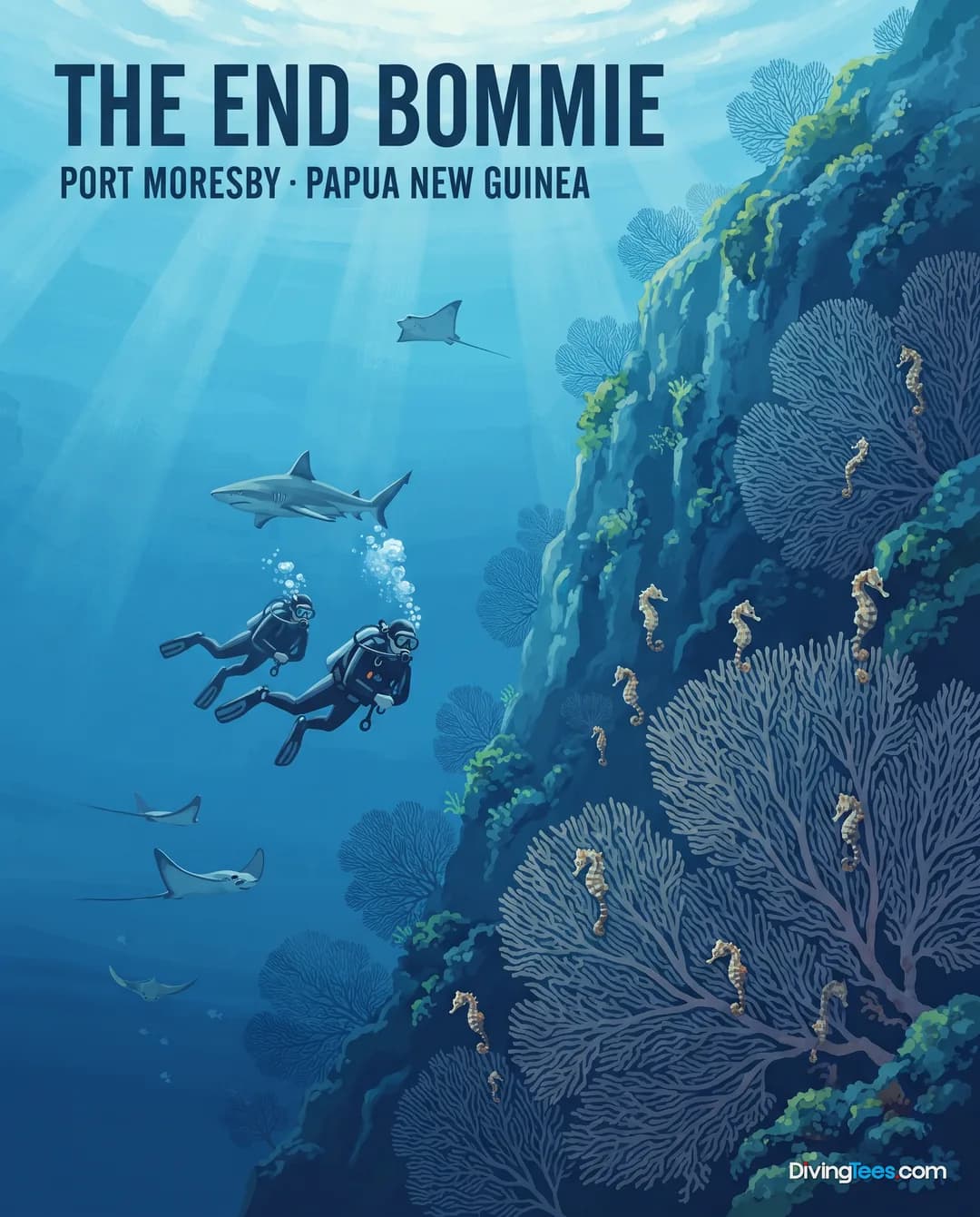
down to 30 m
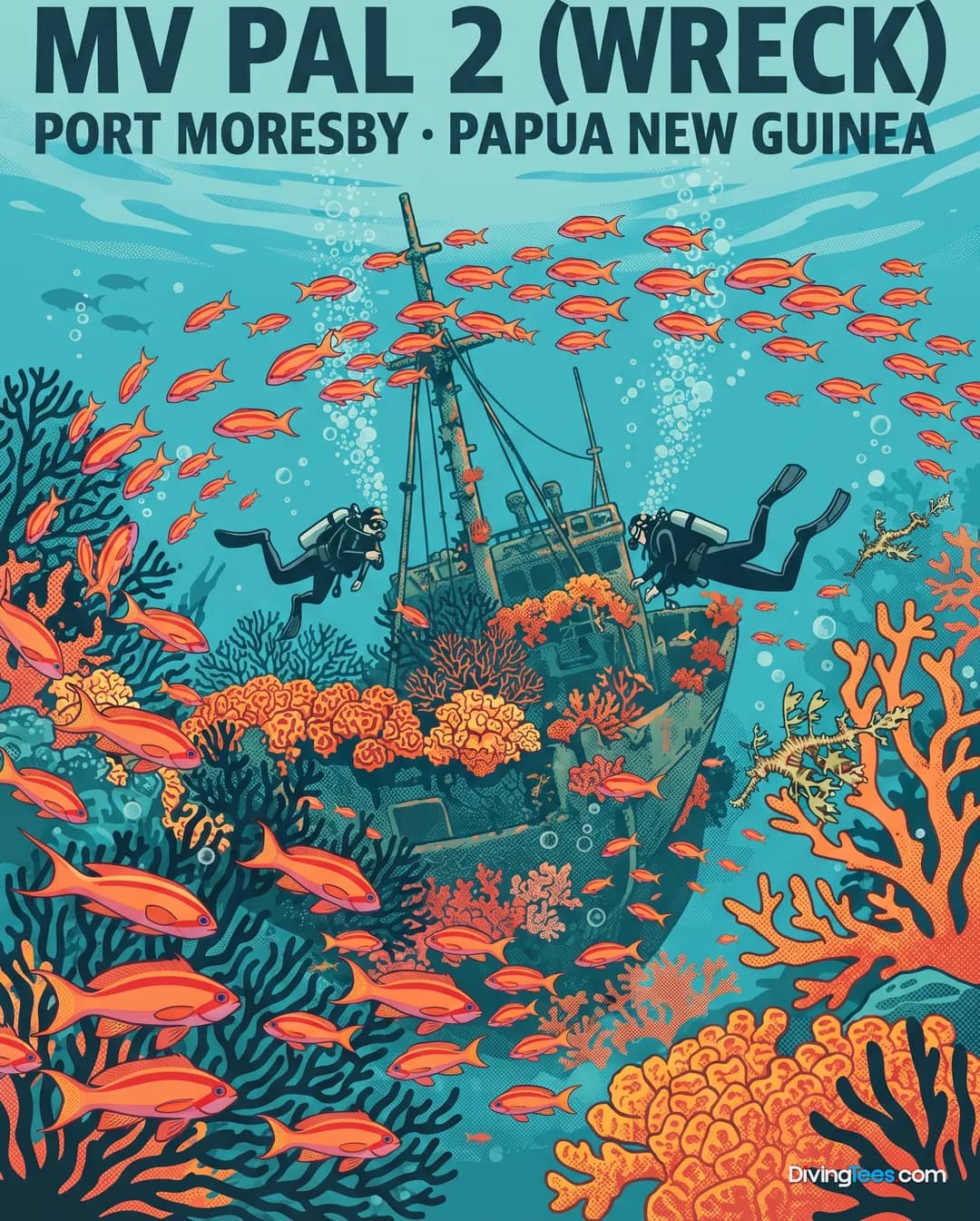
down to 35 m
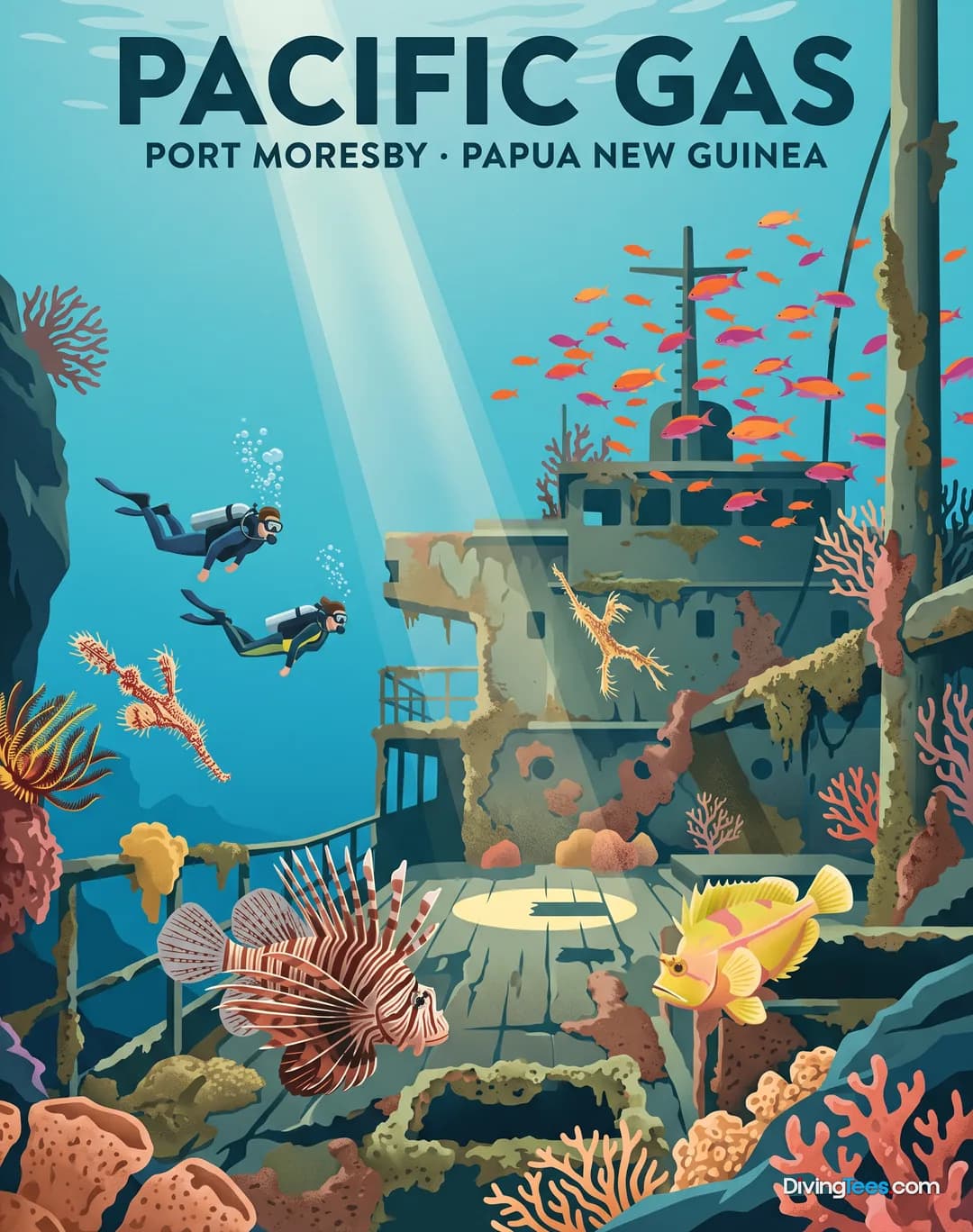
down to 45 m
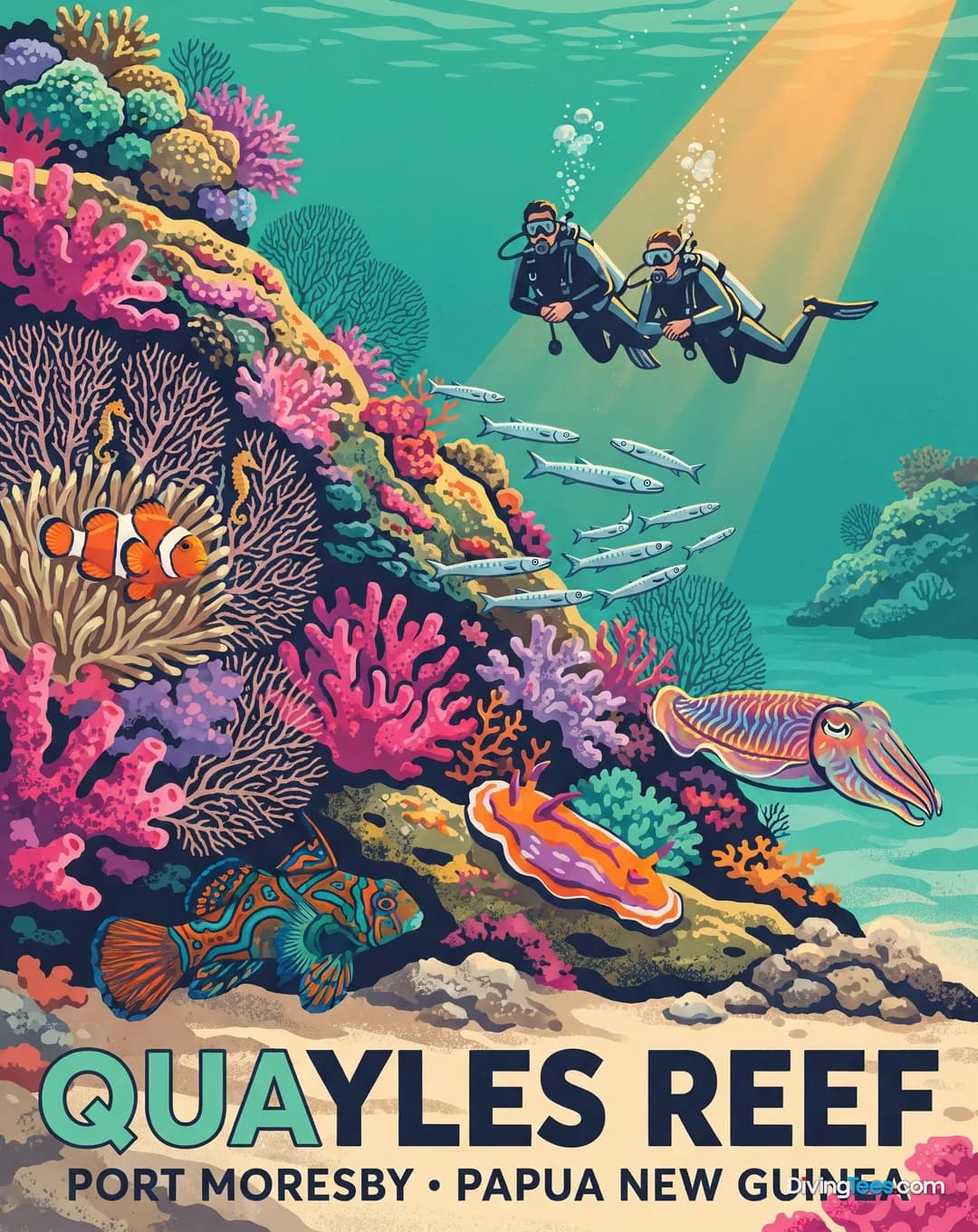
down to 12 m
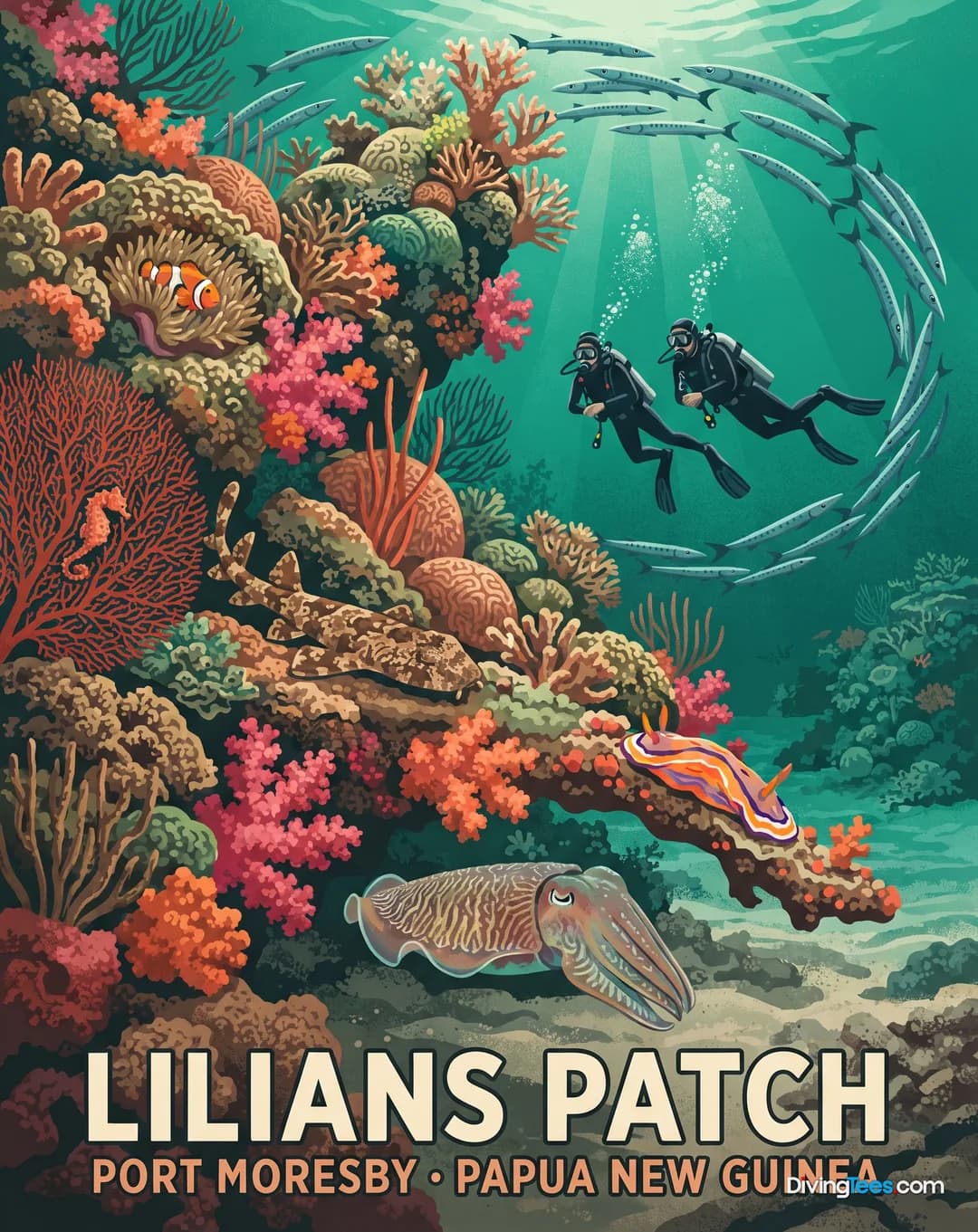
down to 20 m
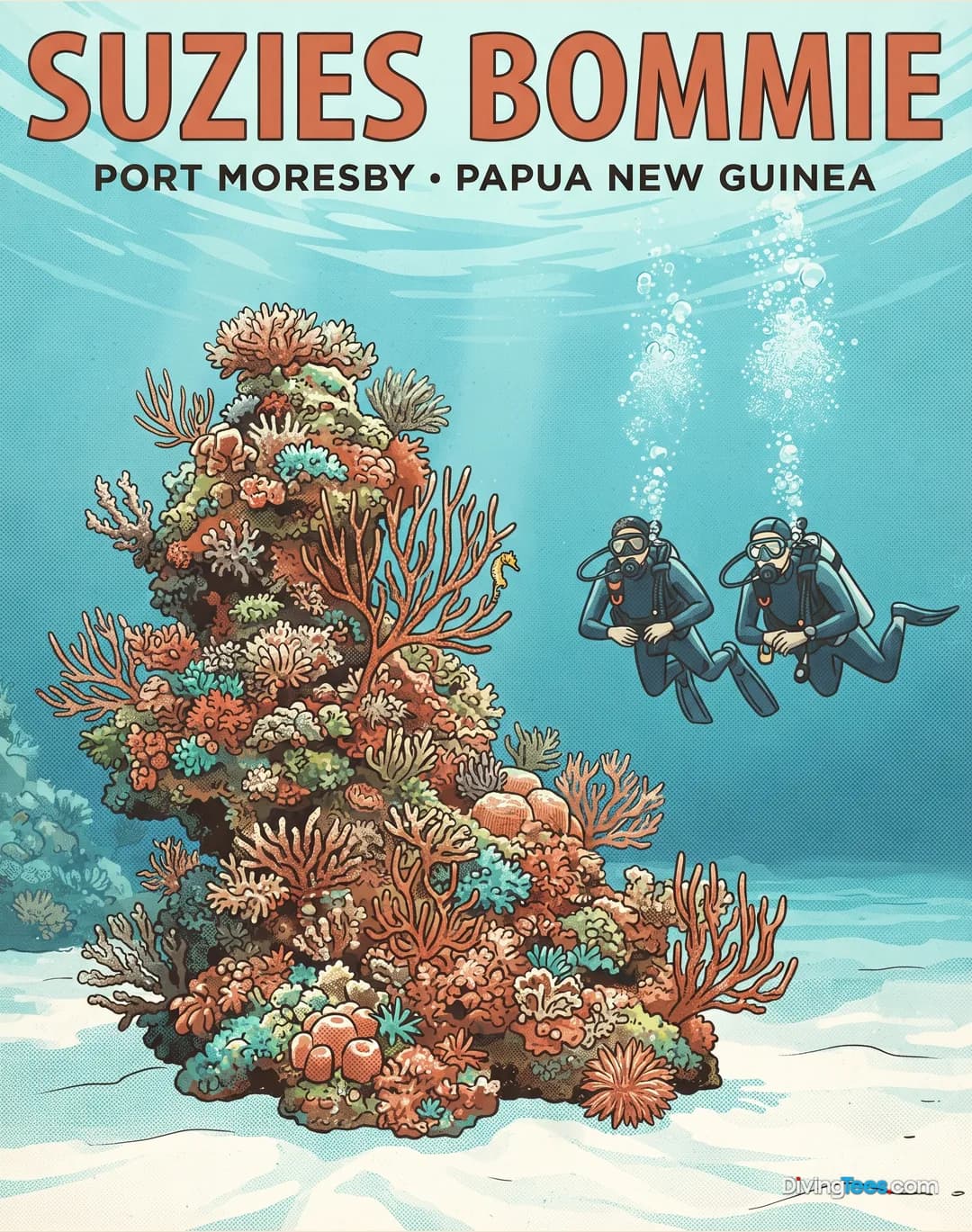
down to 30 m
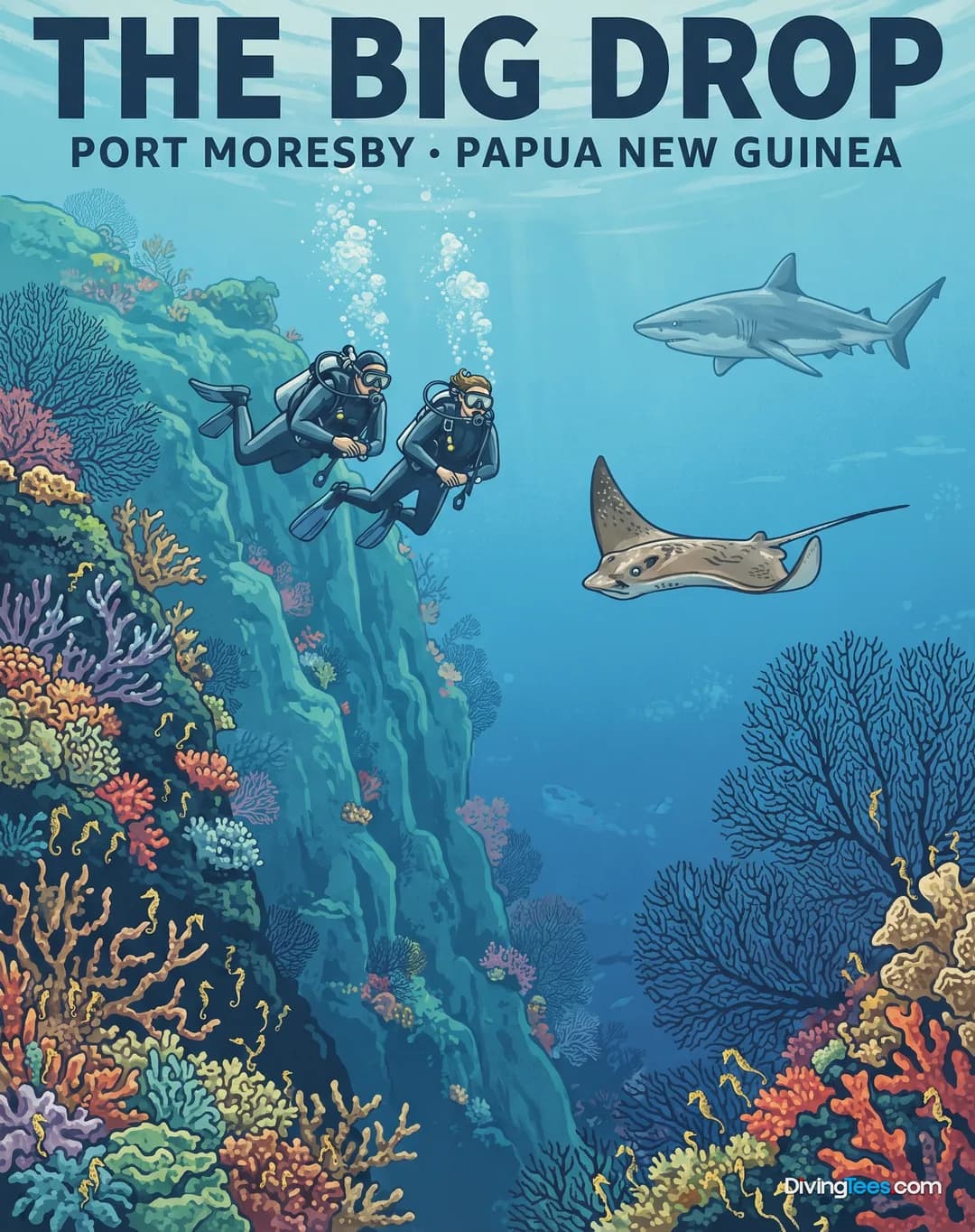
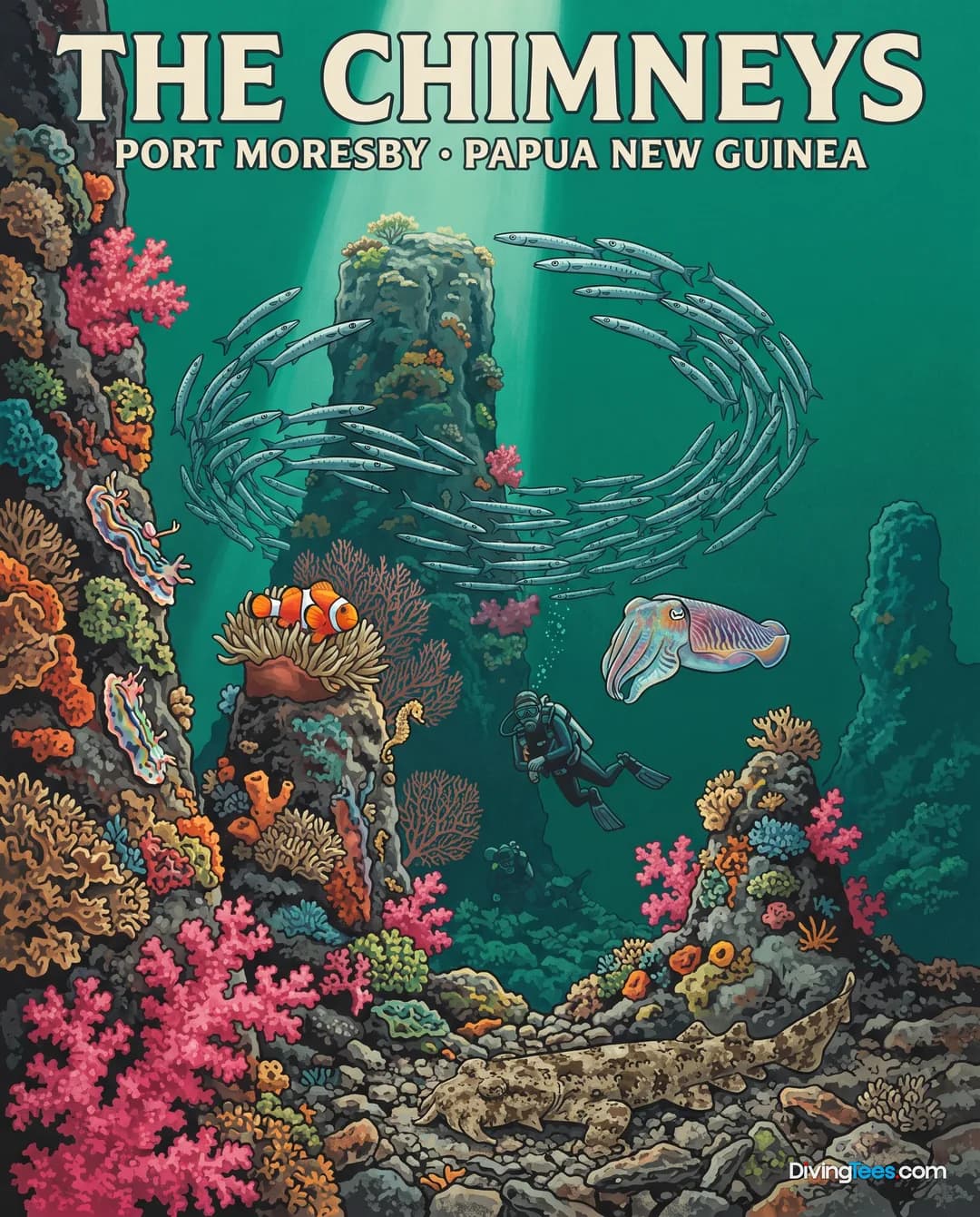
down to 30 m
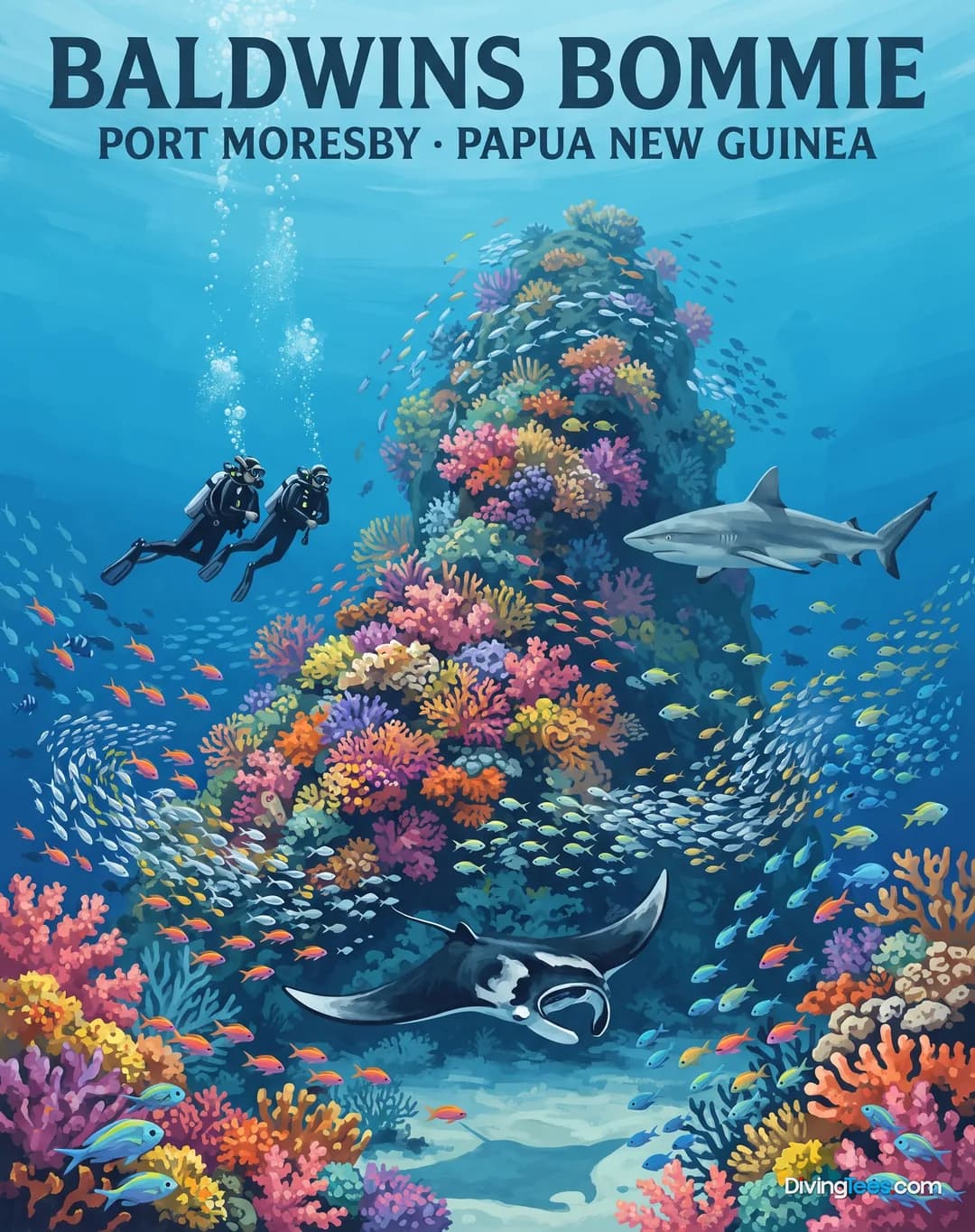
down to 35 m
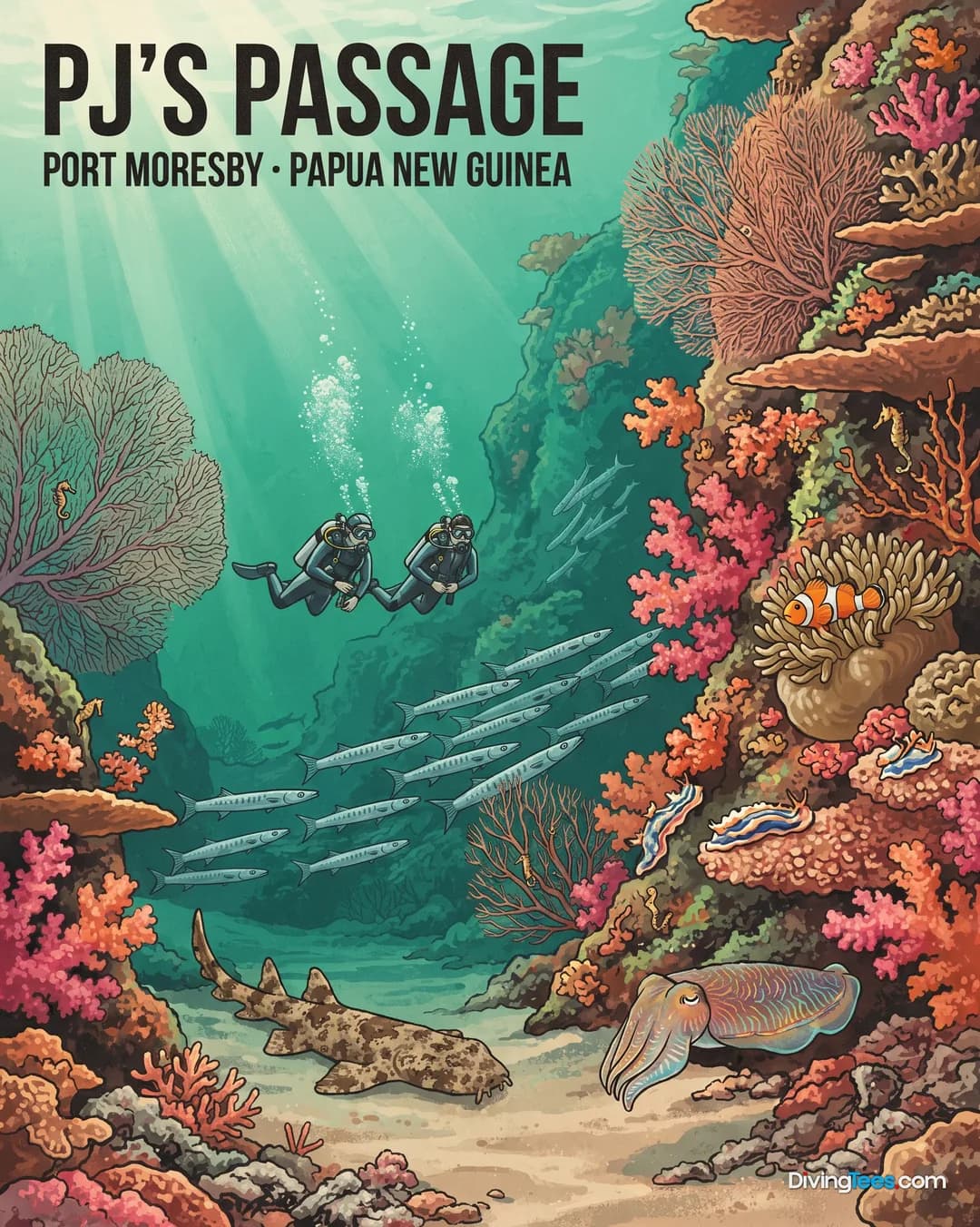
down to 40 m
And some of the dive sites the centre runs.
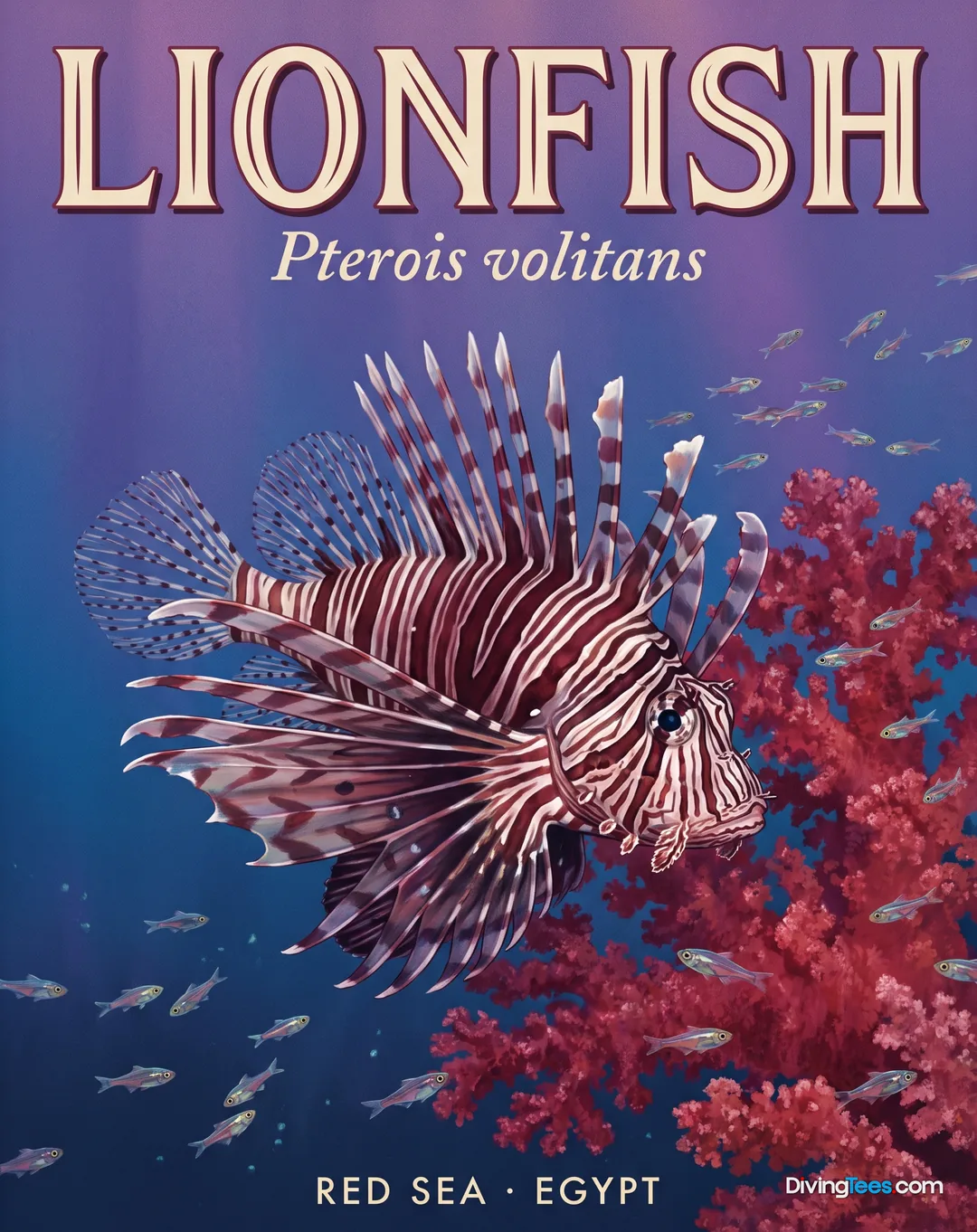
The marine life at Loloata is remarkably diverse, with many sites offering excellent opportunities for macro photography. You can find a wide array of specialised species including pygmy seahorse (Hippocampus bargibanti), Harlequin ghost pipefish, leaf scorpionfish, and ghost pipefish. Scorpionfish (Scorpaenidae), lionfish (Pterois volitans), and various species of pipefish such as ringed pipefish and seagrass pipefish inhabit the reef structures.
On the walls and deeper reef sections, the scenery is defined by gorgonian sea fans, sea whips, black corals, and Tubastraea coral. These structures support a high density of reef fish, including red lined anthias (Anthias), red (black) firefish, and various species of snapper (Lutjanus) and sweetlips (Plectorhinchus).
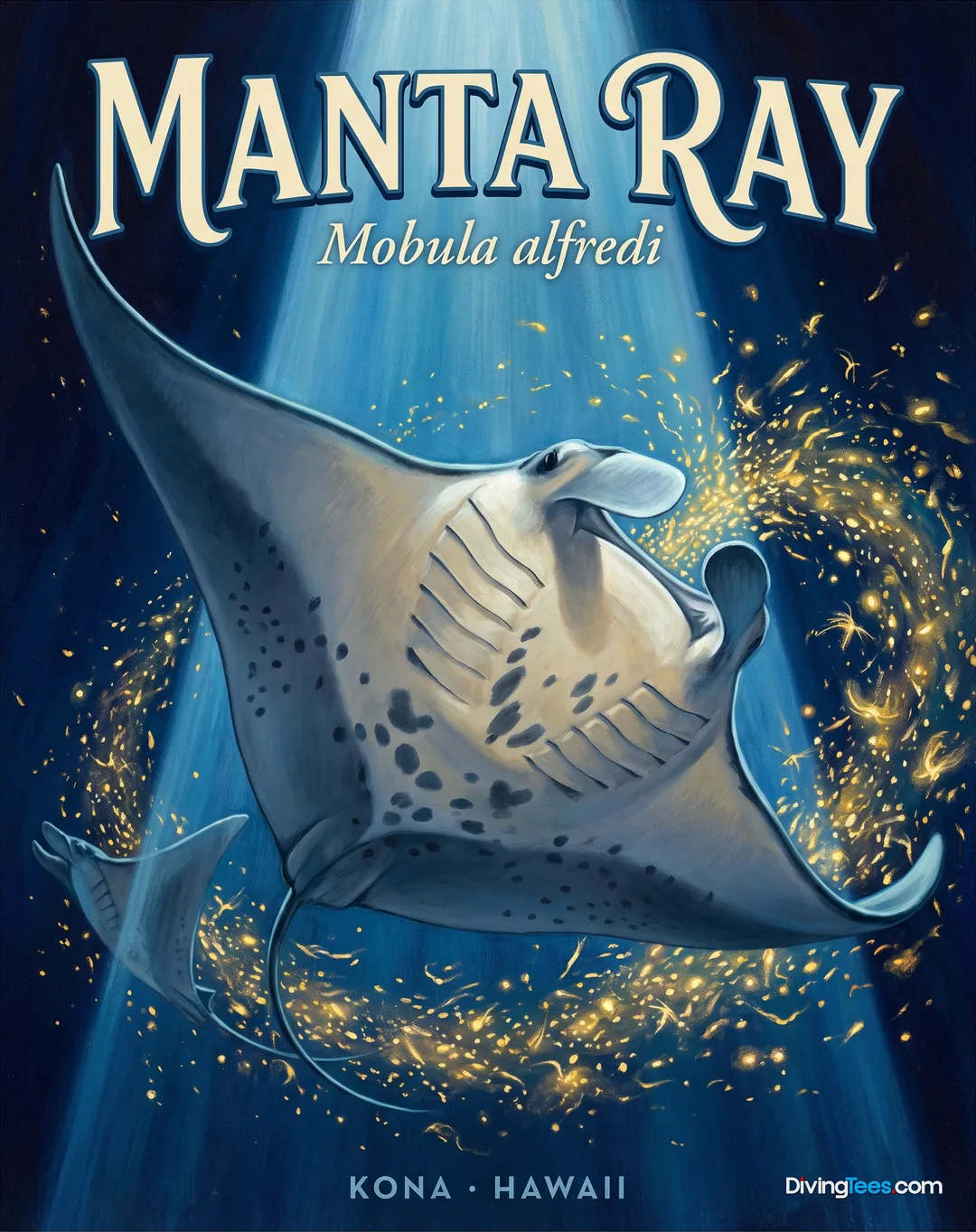
For those looking for larger pelagics, the area hosts sharks (Selachimorpha), eagle rays (Aetobatus), and mobula rays. You may also encounter manta rays (Mobula alfredi) and sea snakes (Hydrophiinae) while exploring the passages and outer reefs.
The best time to dive is from late October until early December, when the area benefits from calm seas and good visibility. During this period, water temperatures typically range between 25°C and 30°C.
Avoid diving from late December until early April due to the wet season, which can cause visibility to decline. Between early June and early October, the southeast trade winds can make the sea quite choppy.
Hello, I'm Marina, DivingDeal.com's AI assistant. I answer in detail about hotels, dive centres and liveaboards.

Thinking about the whole trip and the flights? Talk it over with Edith →
Marina is an AI. Some links are affiliate links: DivingDeal may earn a commission, at no extra cost to you. Bookings are made with the partner.
Your last day stays dry: no diving in the 18-24 hours before a flight the perfect window to see the destination from another angle.
Ratings and reviews collected by Viator and Tripadvisor.