Liveaboards · Egypt
Bismarck — a new Egyptian Red Sea liveaboard built around serious diving and generous space
What makes this boat unique
- Built in 2023, Bismarck carries up to 34 guests in 17 air-conditioned cabins.
- Two tenders serve a shaded dive area with a platform, rinse tanks, DIN adapters and separate camera-rinse facilities.
- Nitrox, technical diving, sidemount and rebreather diving are supported on board.
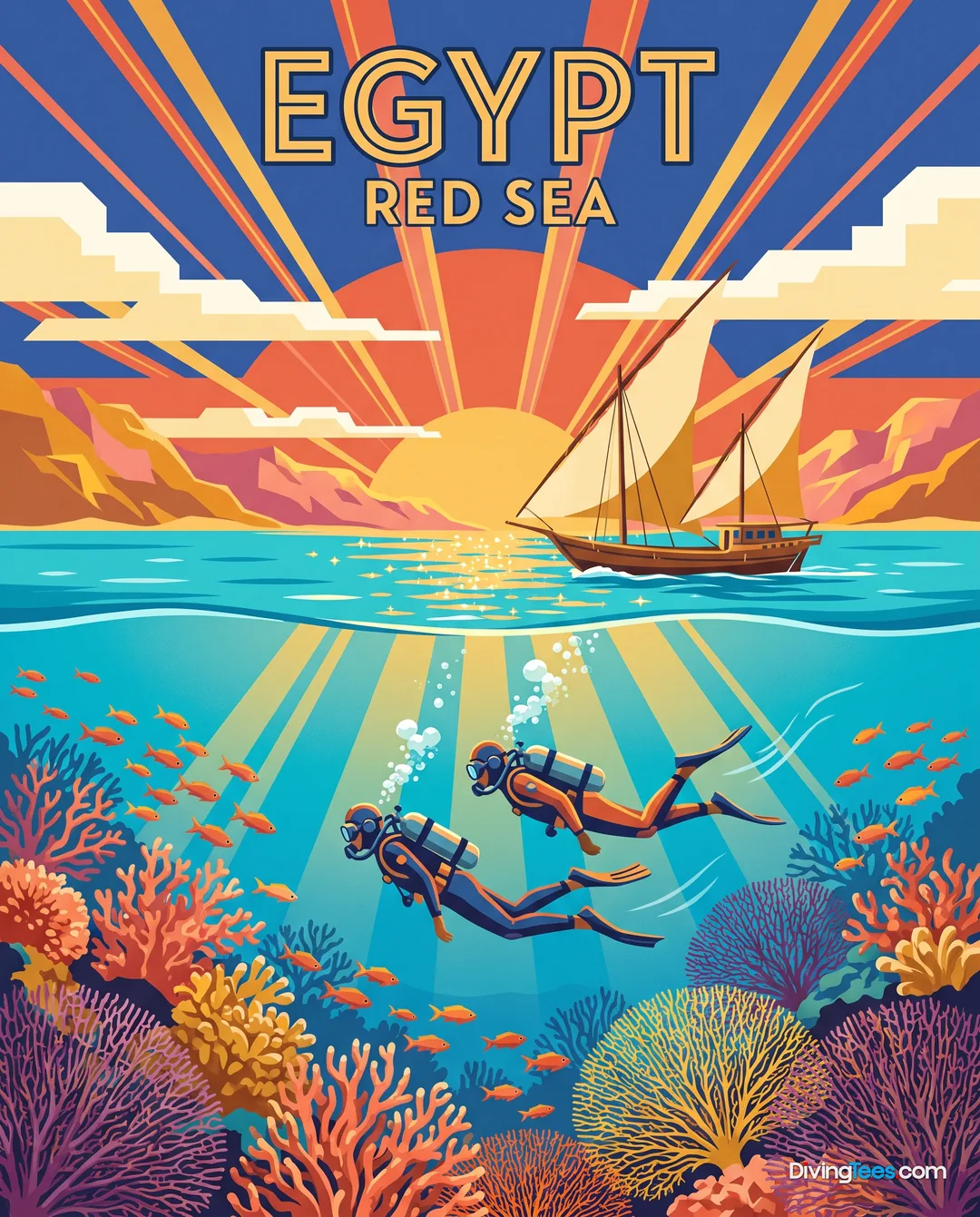
- The route programme covers northern and southern Red Sea itineraries, including the Brothers, Daedalus, Elphinstone, Ras Mohammed and the S.S. Thistlegorm.
- The boat has a jacuzzi, panoramic cabin windows, private bathrooms, Wi-Fi and welcoming arrangements for non-diving snorkellers.
For subtitles in English: start the video firstthen click the gearat the top right of the video, select “Subtitles/CC”, then “Auto-translate” and choose “English”.
The invitation
Bismarck suits divers who want access to the Red Sea’s demanding sites without giving up the space and recovery time that make a week of diving enjoyable. The draw is the combination: a purpose-built dive platform, two tenders, technical-diving support and routes that reach the Brothers, Daedalus, Elphinstone, Ras Mohammed, Dahab and the S.S. Thistlegorm. The boat also leaves room for people who do not dive every day, with a jacuzzi, sun decks, an air-conditioned saloon and cabins with panoramic windows. Come aboard for walls, wrecks, current and pelagic possibilities; stay because the practical side of the trip has been thought through.
Boarding
From the dock, Bismarck presents as a large, modern steel yacht rather than an old safari boat with its working life showing through every surface. The 2023 build matters here: the boat was designed for contemporary liveaboard use, with diving equipment and guest areas planned together instead of adding one around the other later. Inside, five decks divide the working parts of the trip from the places where divers eat, dry off and disappear between dives. The impression is clean and orderly, with enough movement through the boat that the maximum guest load does not have to mean one crowded common room. The dive platform is the practical centre of the vessel; above it, the sun deck gives the boat its open, easy side. Bismarck is a sizeable boat, but its layout keeps the week from feeling like a floating corridor.
The atmosphere on board
The atmosphere is shaped less by luxury features than by a crew that stays involved in the difficult parts of the day. Divers describe the staff as attentive from boarding onward, quick with equipment and steady when conditions change. That matters on offshore reefs, where a calm guide and a tender in the right place are worth more than polished language. The crew speaks English, French, Spanish, Turkish and Italian, which helps briefings and small practical requests move cleanly through a mixed group. By evening, the boat’s three bars, indoor saloon and open decks give people room to regroup without forcing the whole boat into one activity. The feedback is unusually strong on crew, food and overall value, while diving scores slightly below those categories; that suggests the boat’s people are a central part of what guests remember, especially when the sea or marine life does not deliver every hoped-for encounter.
The sites you’ll dive
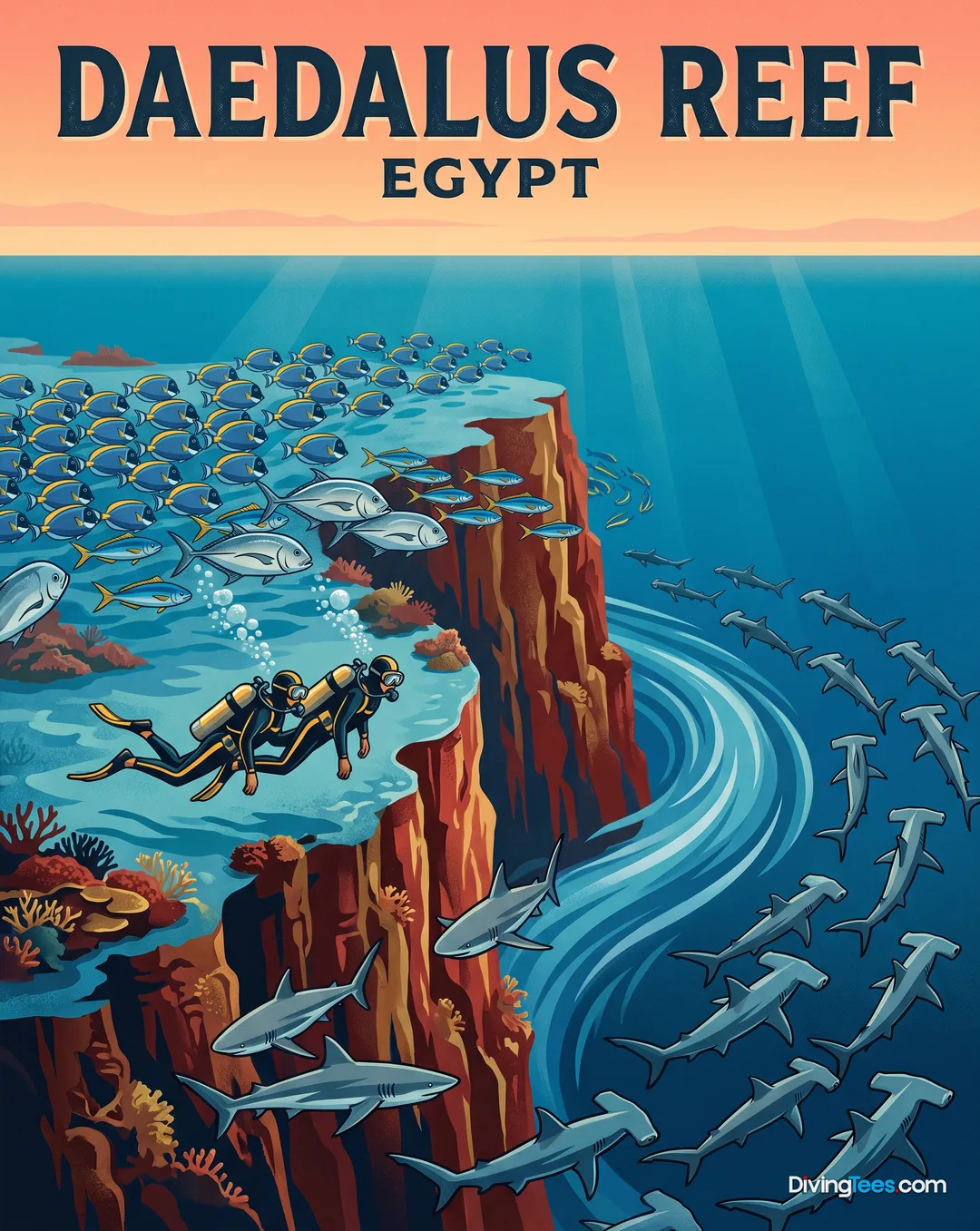
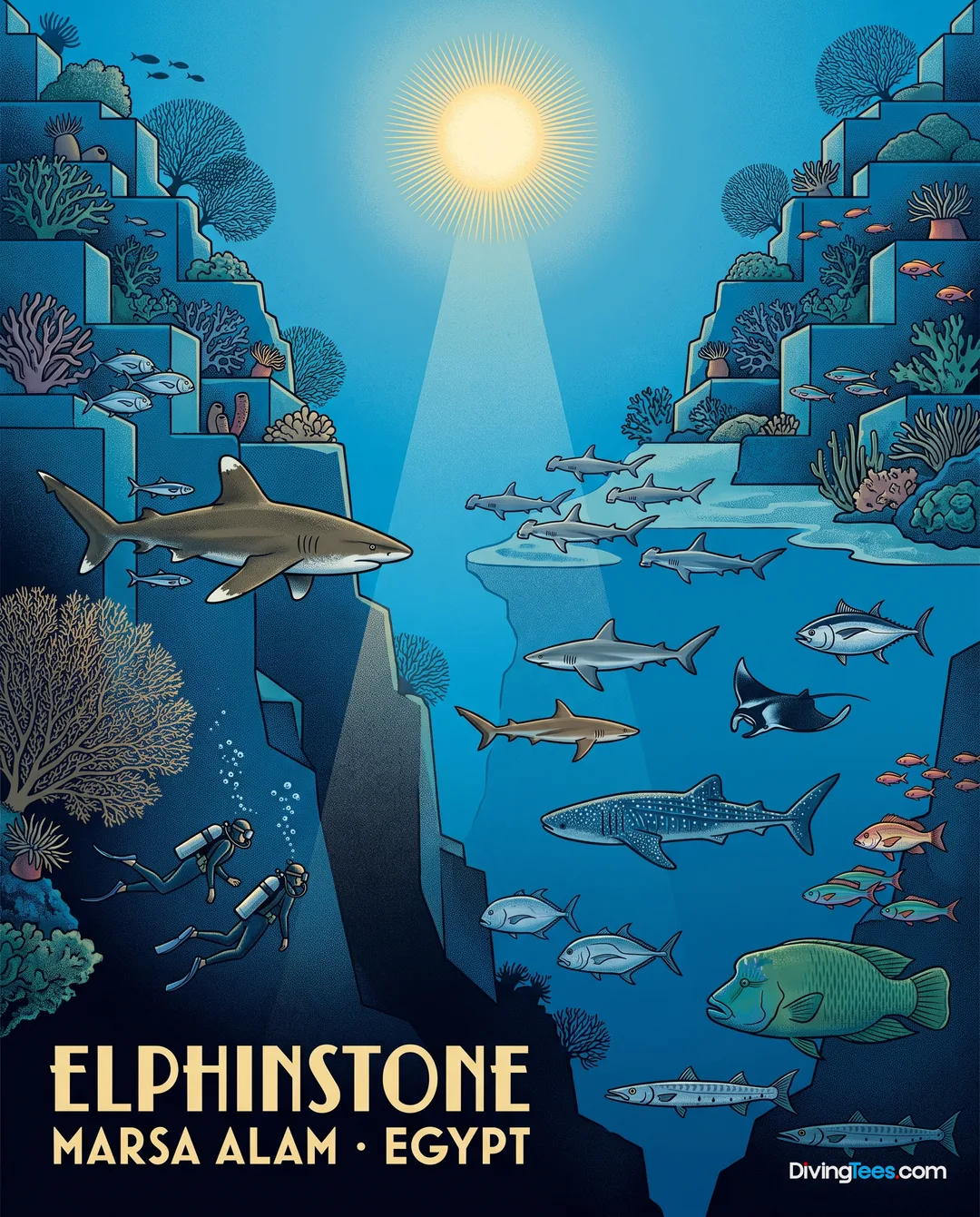
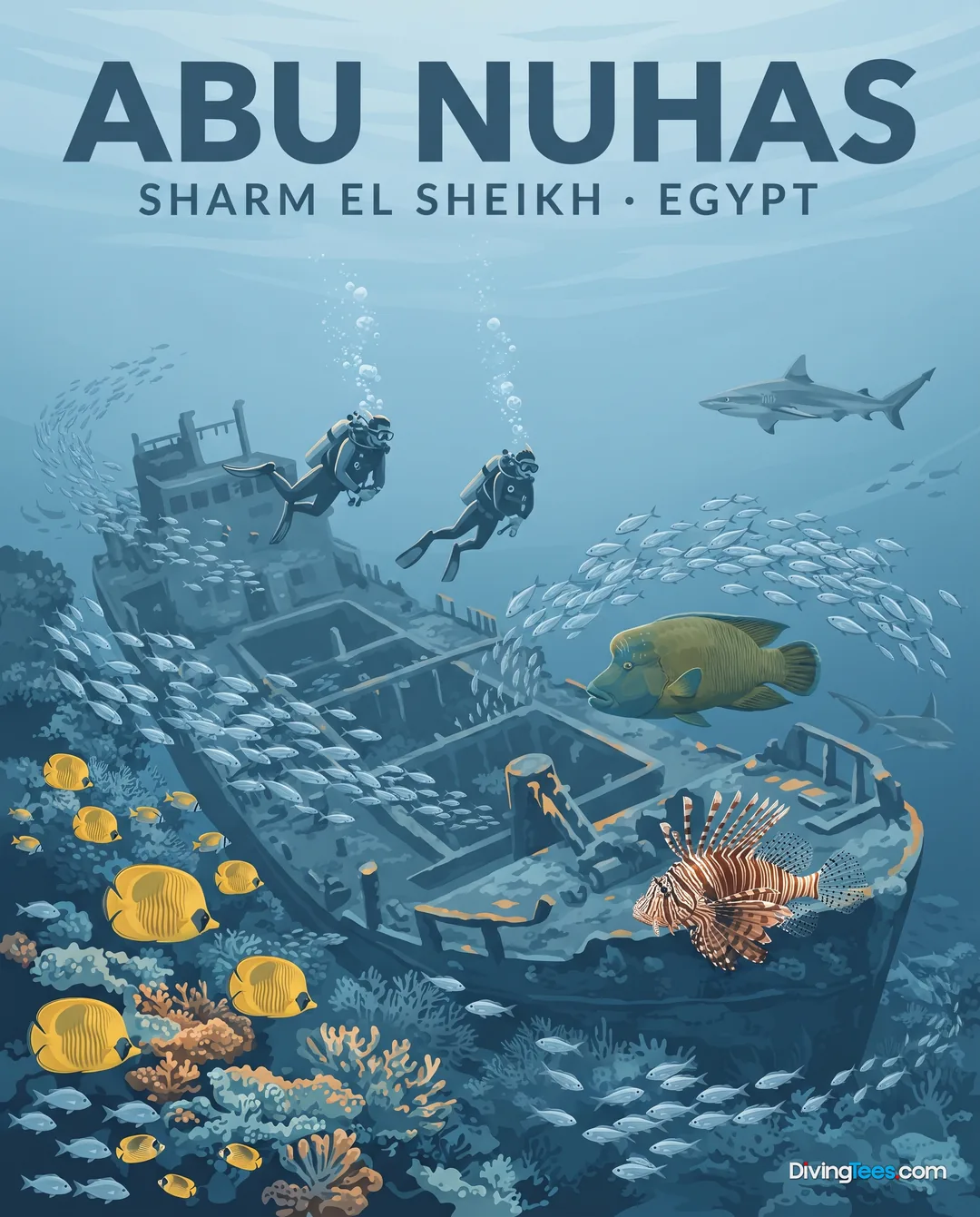
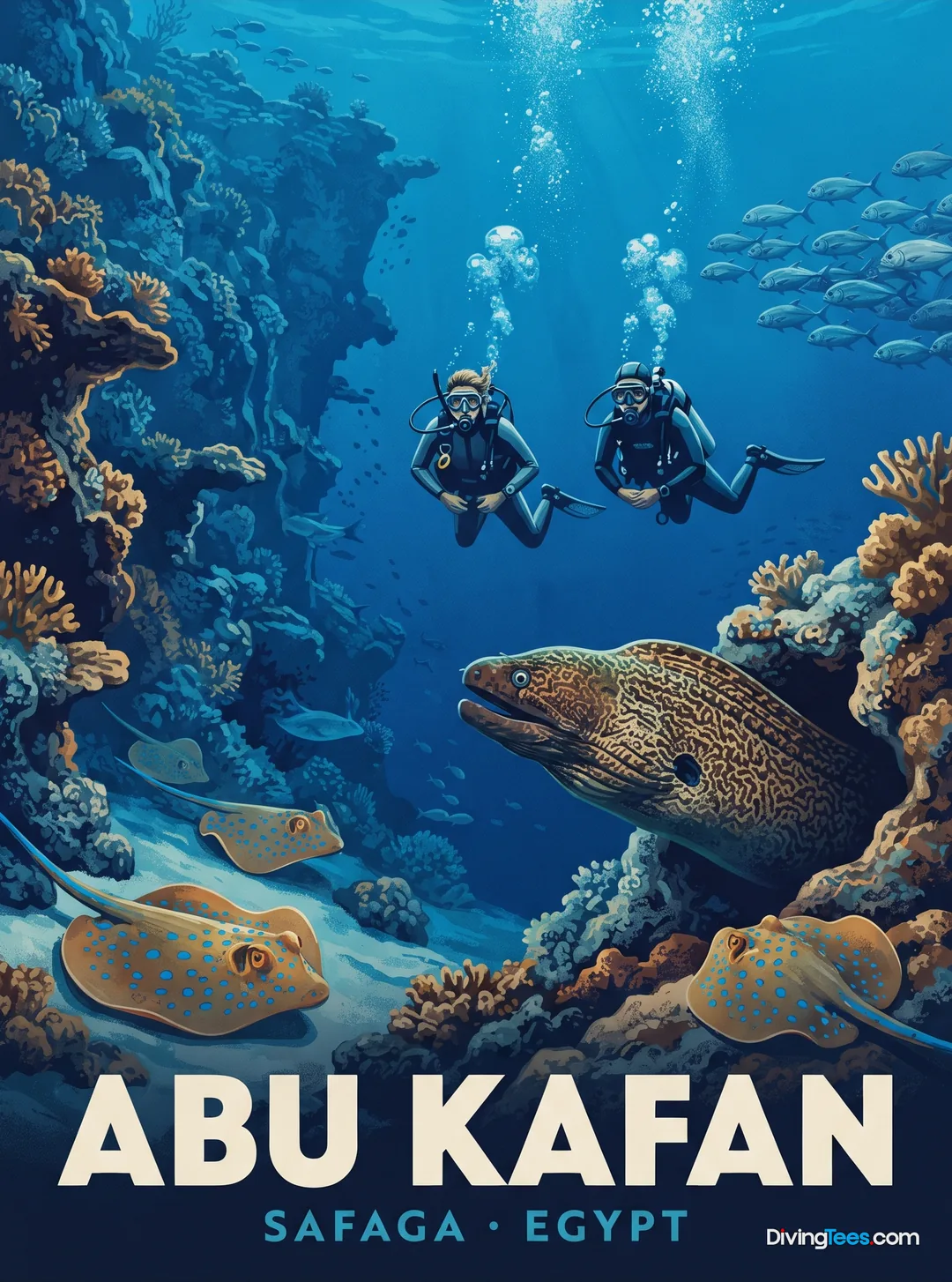
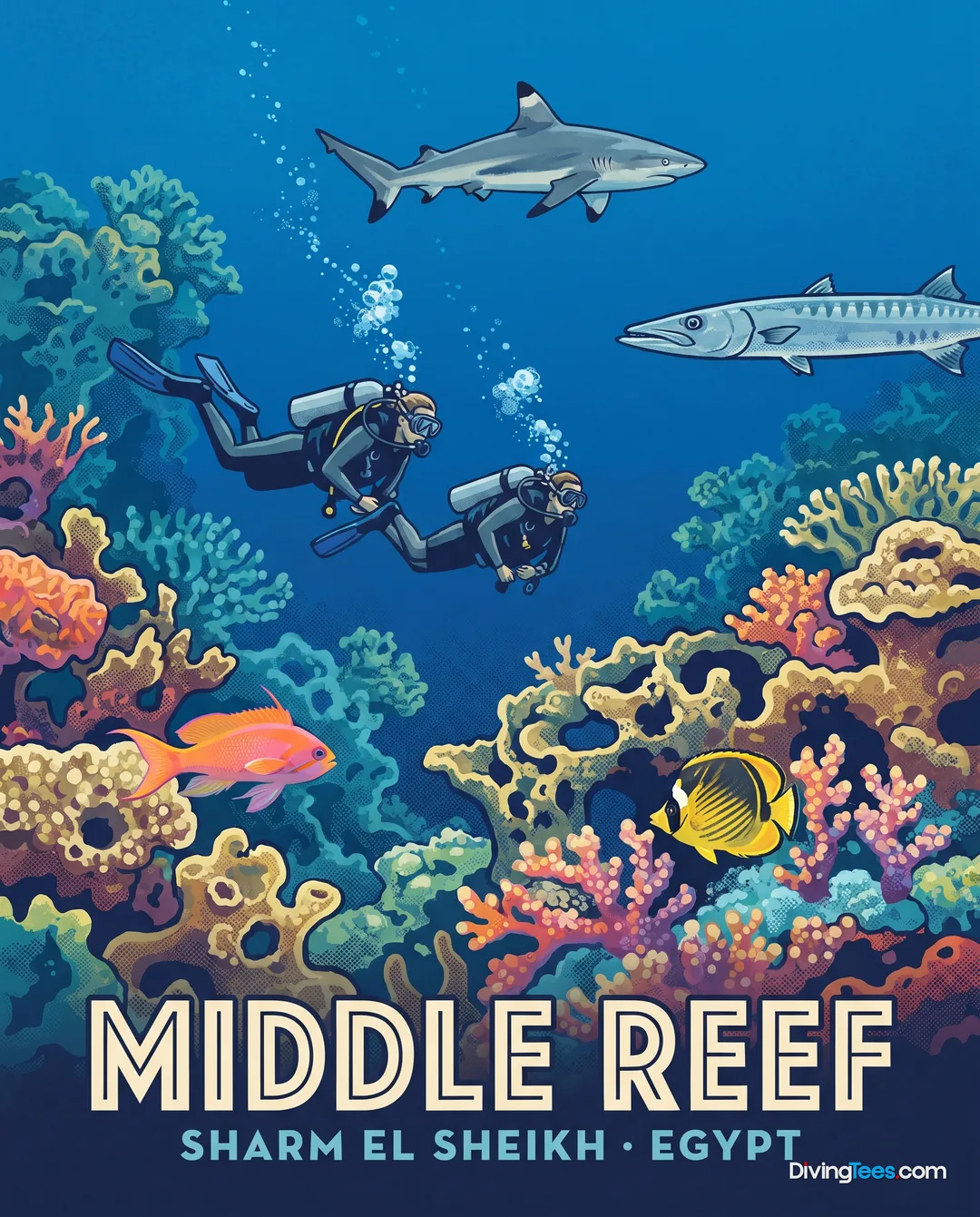
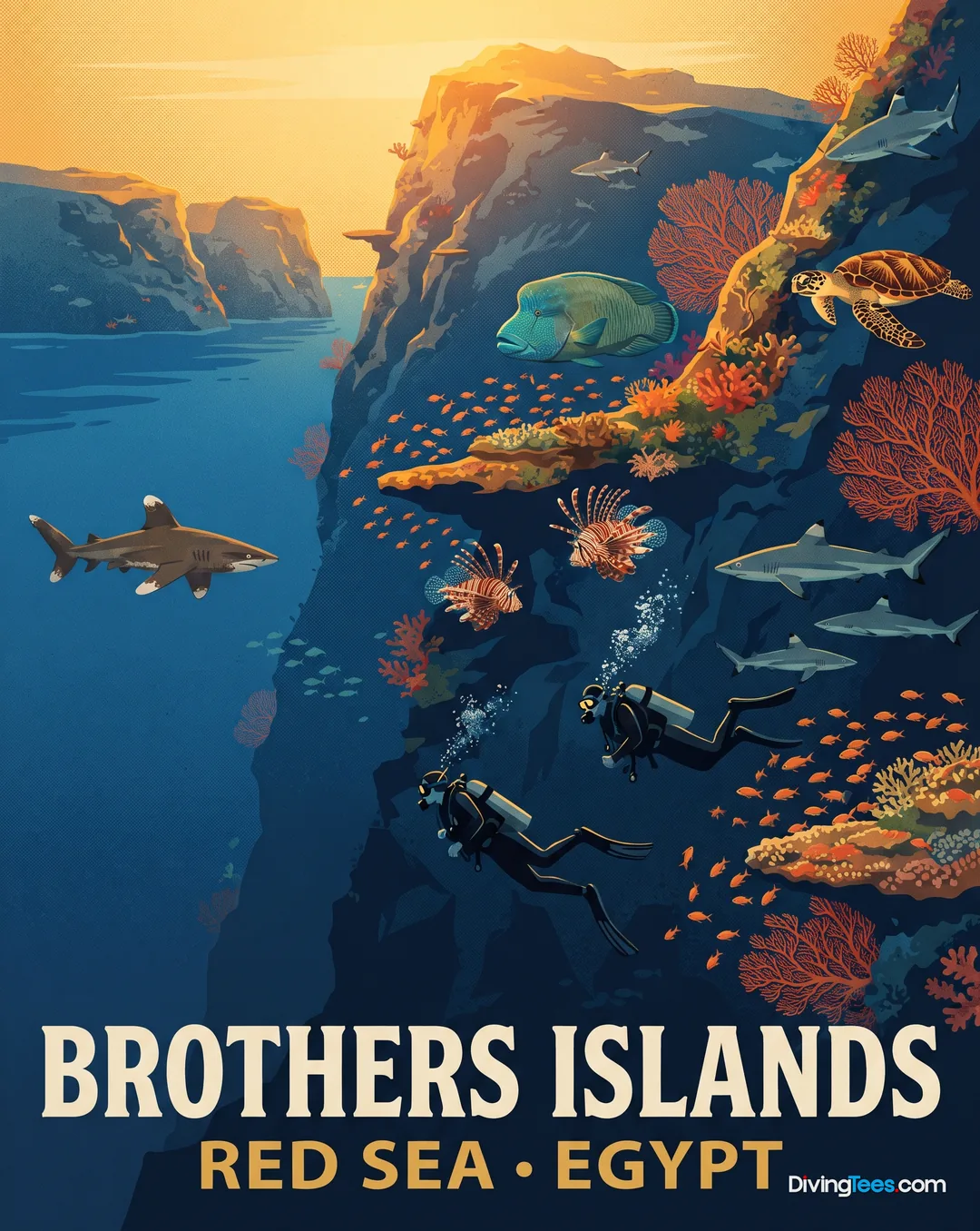
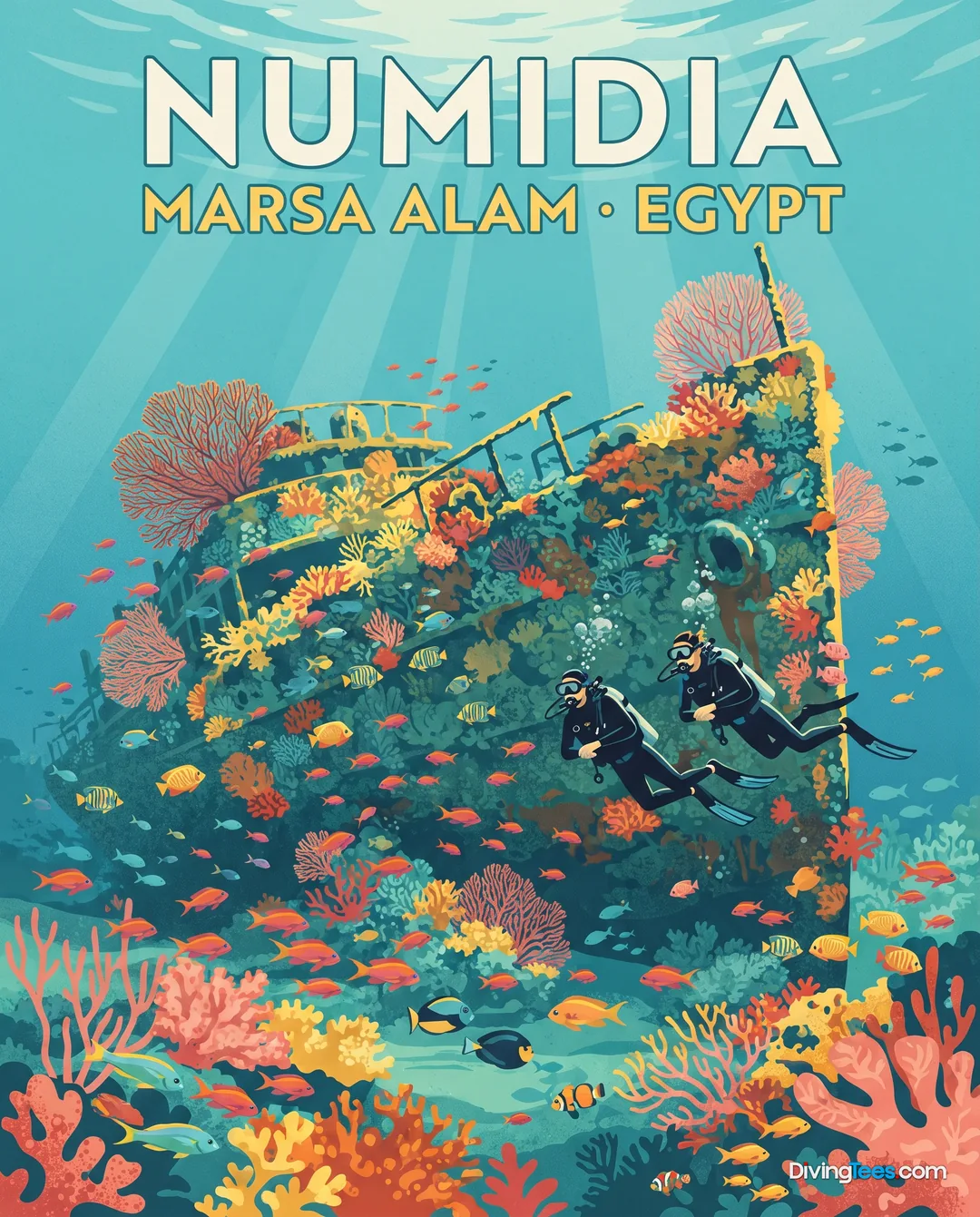
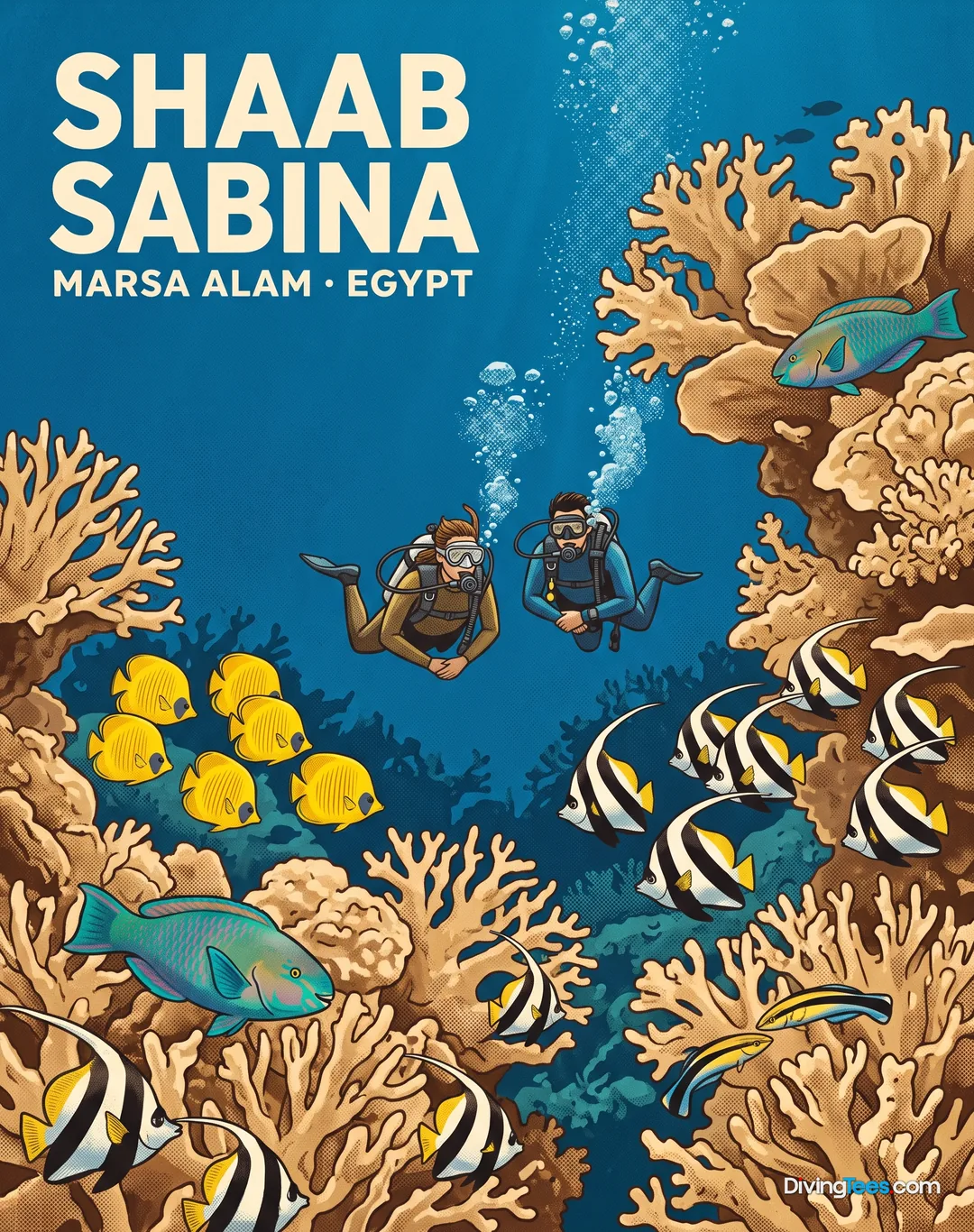
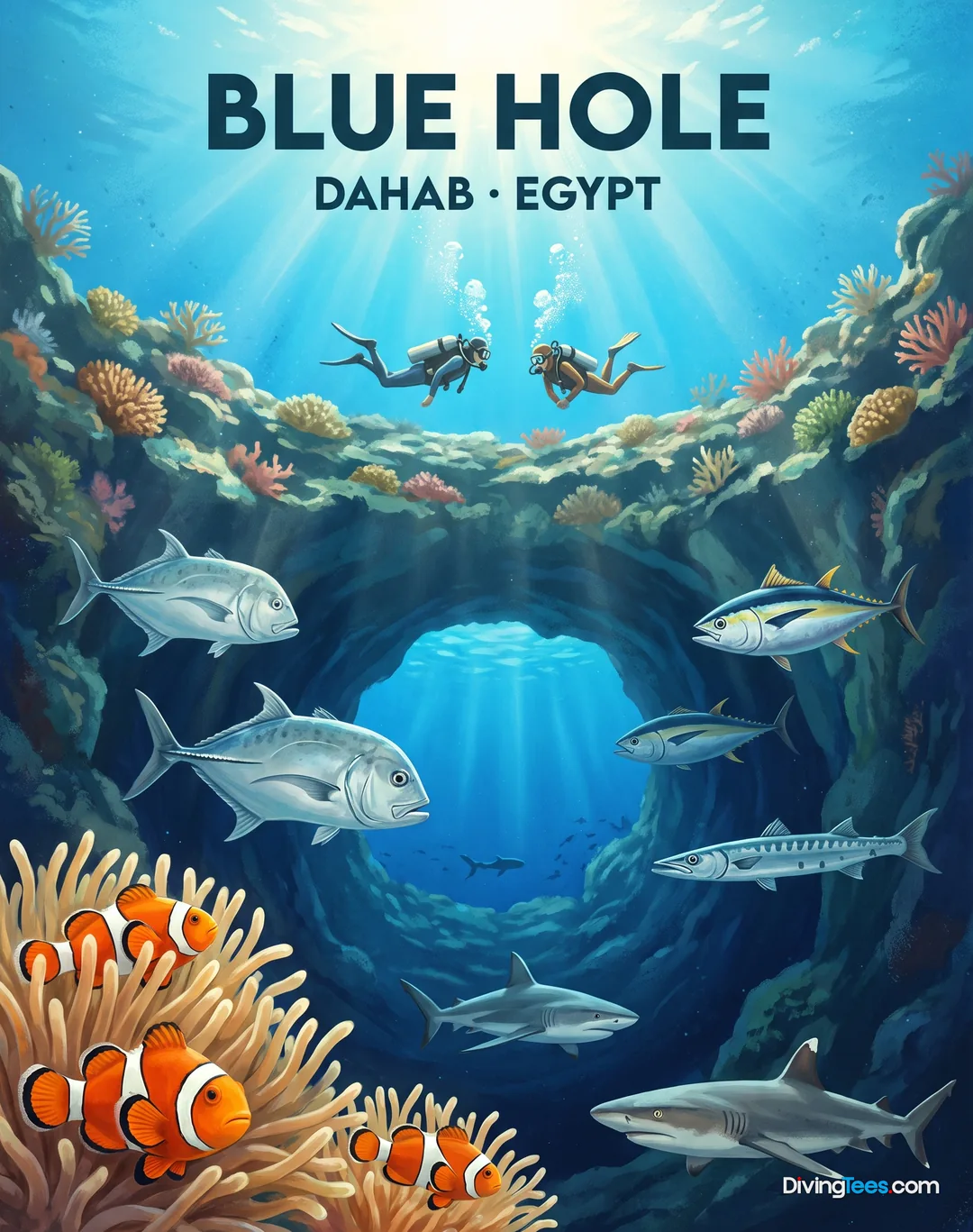
Bismarck’s eight-day, seven-night programme links the northern and southern Red Sea, with routes from Hurghada to Hurghada and one Brothers–Daedalus–Elphinstone departure from Marsa Ghalib to Hurghada. The northern itineraries can combine Tiran, Ras Mohammed, Dahab, Abu Nuhas and the S.S. Thistlegorm. At Thistlegorm, the wreck lies at a maximum of -32m in the site write-up: wartime trucks, motorcycles and other cargo remain in the holds, while barracudas, batfish and crocodile fish move around the structure. Abu Nuhas concentrates four wrecks close together. The southern routes bring the current and walls of Abu Kafan, the coral maze of Middle Reef and the Brothers Islands, where isolated oceanic reefs descend to a maximum of -85m and the Numidia and Aida wrecks add structure to the shark dives. Elphinstone reaches -60m and is the route’s major wall-and-pelagic proposition. Other listed sites range from the shallow coral garden of Shaab Sabina at -14m to the technical depth of the Blue Hole at -130m. The guide chooses sites according to weather, sea conditions, other boats and the experience of the group.
What you’ll meet underwater
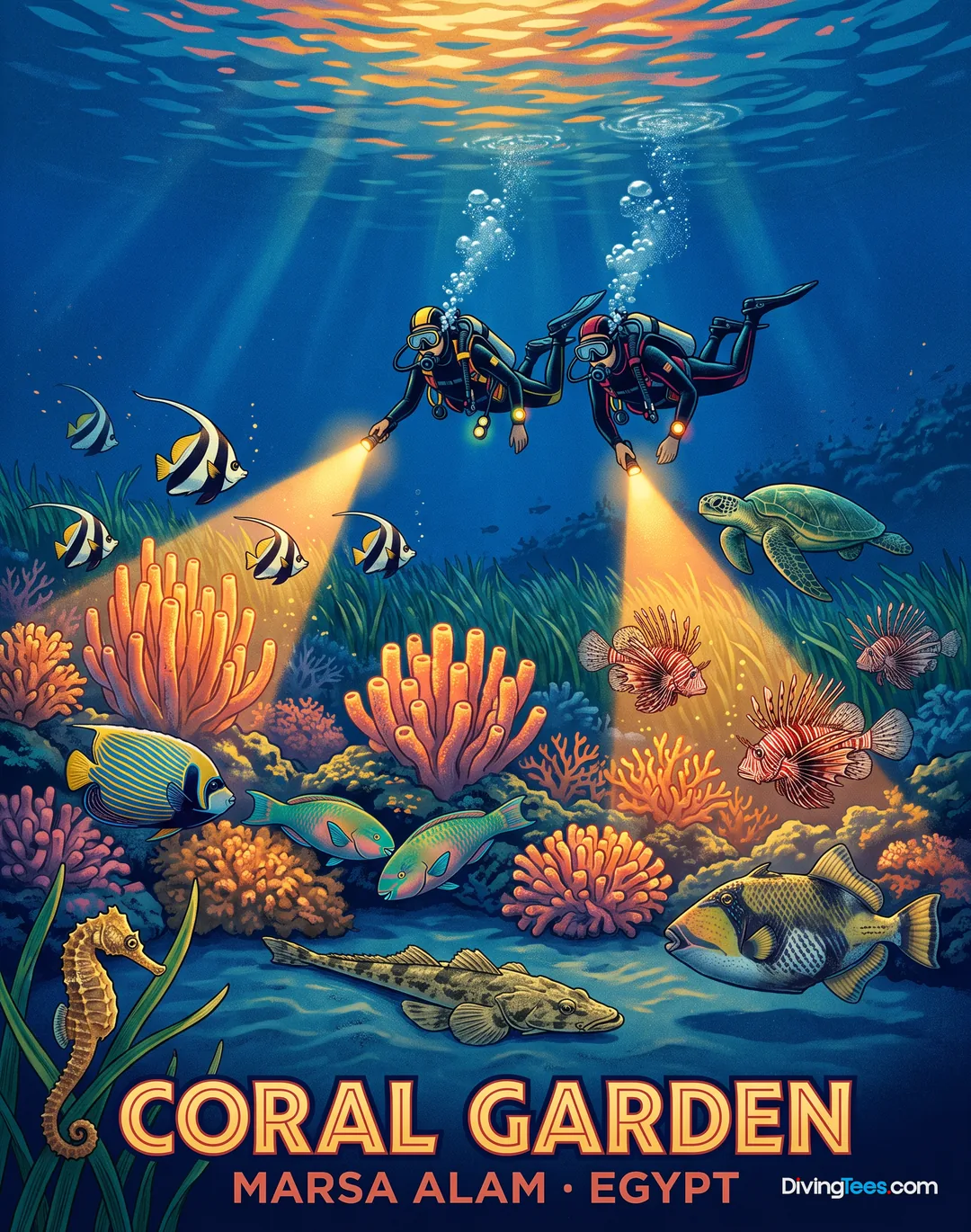
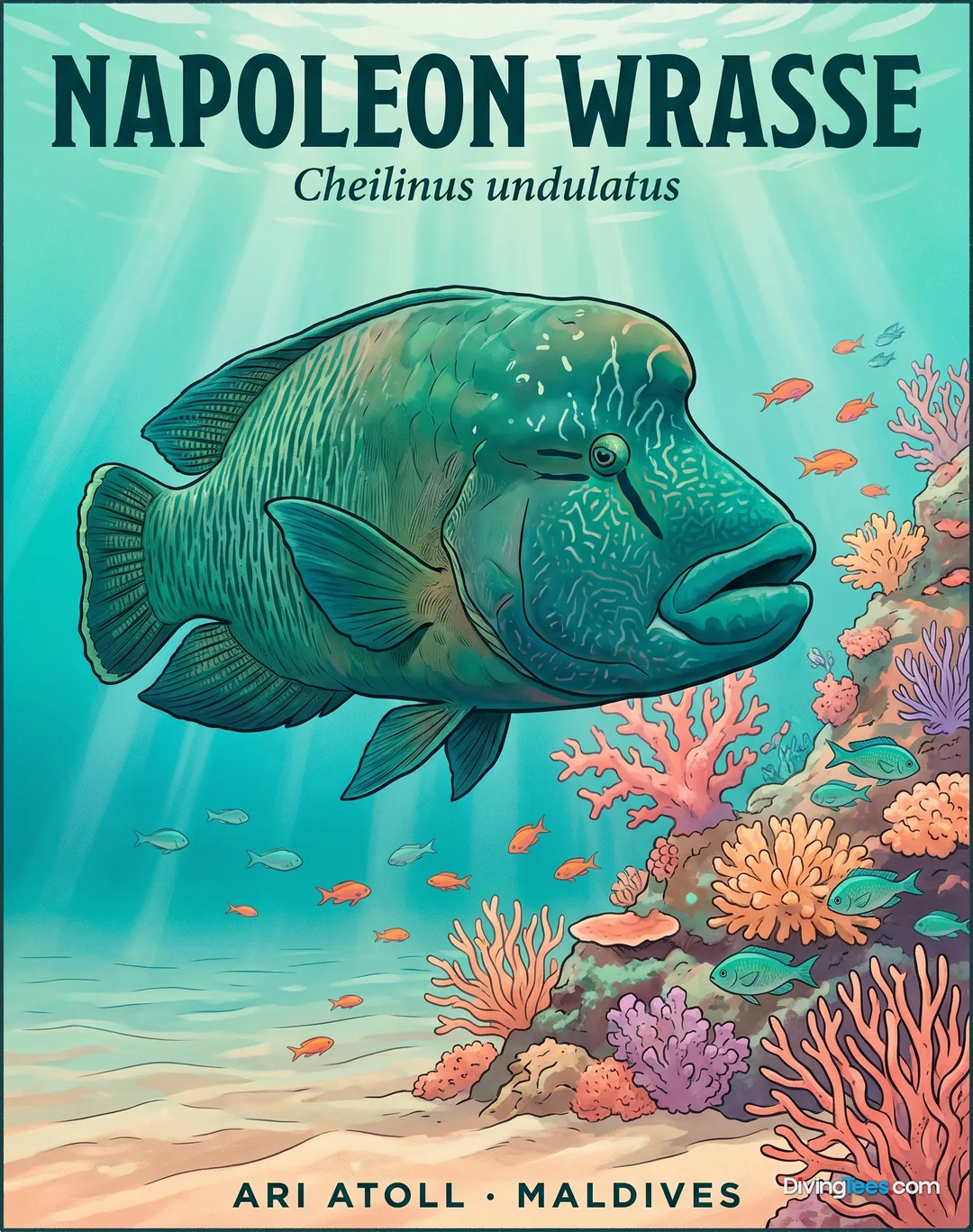
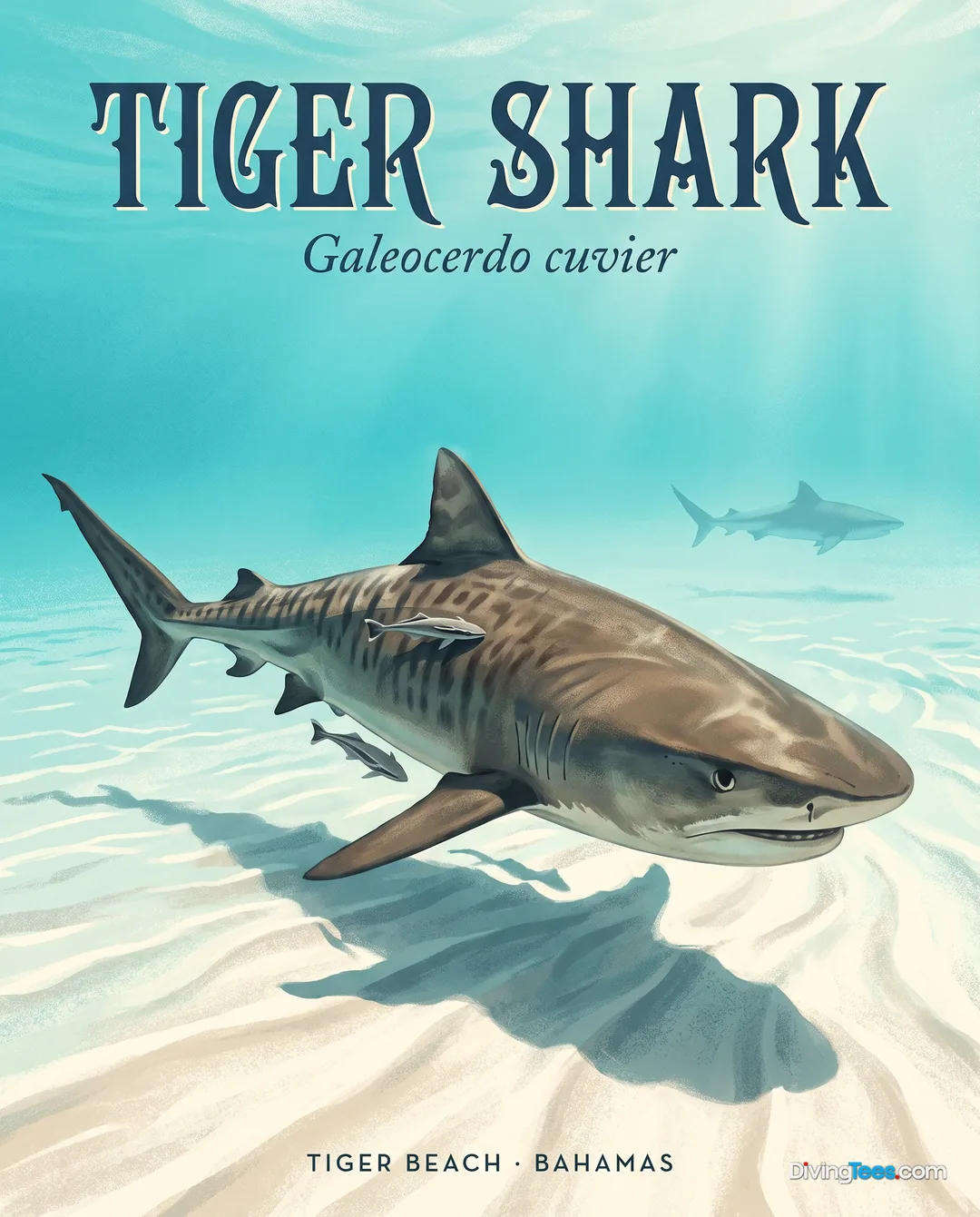
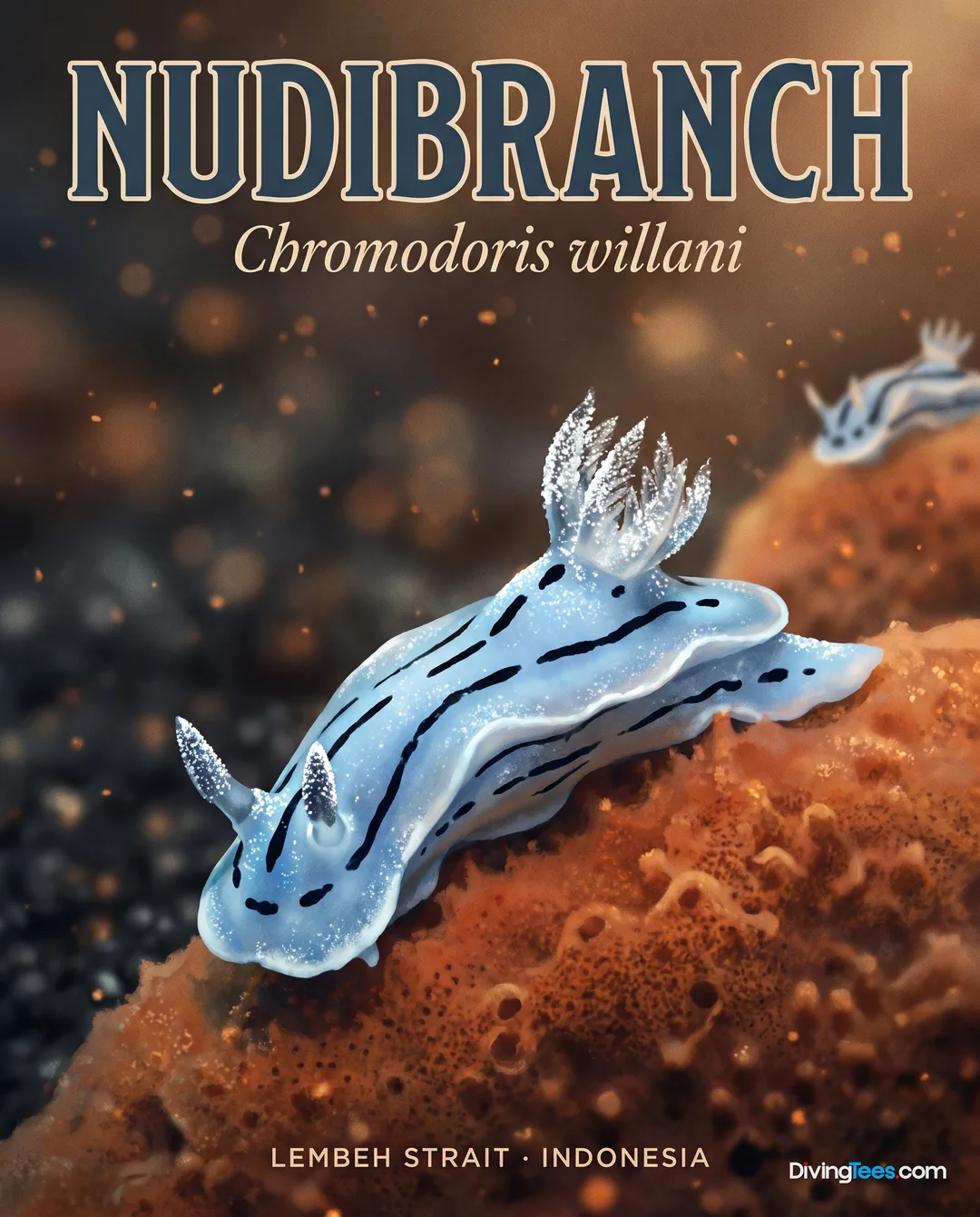
Across this route, the Red Sea’s recurring cast is made up of reef sharks, napoleon wrasse, tuna, turtles, barracudas, grey reef sharks, groupers, carangids, morays, anthias, butterflyfish, scorpionfish, fusiliers and parrotfish. The spectacle changes with the site: walls and current bring the larger fish into the blue, while coral gardens keep the eye busy with reef life and cleaning activity. Elphinstone is the place where the list becomes more unusual, with possible sightings of oceanic whitetips, blacktip sharks, tiger sharks, hammerheads and gorgonians. Shaab Ruhr Umm Gamar is the only listed site for the giant grouper, among pinnacles and the remains of at least three wrecks. At Blue Hole, triggerfish add a different shape and behaviour to the reef scene. Shaab Sabina offers the only listed record of damselfish, while El Fanadir is associated with gaterins and a cleaning station on a shallow coral pinnacle. Thistlegorm holds the route’s only listed nudibranch and batfish records. At Ras Abu Galum, look for the only listed octopus and bigeye trevally. None of these encounters is guaranteed; the sites give the reasons to look.
Who puts you in the water
Dives are guided, with no more than 8 to 10 experienced divers assigned to each guide. Mahmoud is listed as a dive guide, and the wider team includes instructors working across the Blue Shades operation; the crew speaks English, French, Spanish, Turkish and Italian. Liveaboard divers are generally expected to hold Advanced Open Water certification and have more than 50 logged dives, although selected itineraries accept Open Water divers with at least 20 logged dives who complete an Advanced course on board. A valid certification card or digital e-card is required. Briefing attendance is mandatory, as is a buddy check before every dive. Maximum depth follows certification, and dives normally stay within 30 metres unless the diver holds the relevant deeper-level qualification. Oxygen, first-aid kits, trained first-aid crew, radios and satellite communications are carried on board. Guides can stop a diver joining a dive when safety or site rules require it.
The dive deck and the gear
The dive operation is built for more than standard recreational kit. The shaded dive area has a platform, two tenders, rinse tanks, DIN adapters, charging stations and a separate rinse area for cameras. Nitrox is available as an optional extra, and the boat also supports technical diving, rebreathers and sidemount configurations. The equipment list includes rental gear, but brands and tank construction are not given, so divers with a particular regulator, harness or camera setup should ask before travelling. SMBs can be provided on board; every diver is encouraged to carry one, although one per buddy team is enough to signal the tender. If a diver separates from the group, the procedure is to search for no more than one minute, ascend, deploy the SMB at 7 metres and complete the safety stop while the Zodiac collects them. After surfacing, the BCD is inflated and the guide’s pickup instructions are followed.
Between dives
Between dives, Bismarck gives divers several ways to come down from the water. The shaded dive area is the natural place to sit with a towel, check a camera and watch the tender bring back the last divers. The sun decks and terrace are there for people who want heat and open sky; the air-conditioned saloon is the better choice when the Red Sea has done enough for one afternoon. A jacuzzi and massage area offer a slower reset than another discussion about visibility. There are also photo facilities, charging stations and a separate camera-rinse area, so photographers can work without treating the dining or lounge spaces as a drying room. When the boat is under way, the movement between sites gives the day a different tempo. On a no-dive afternoon, the boat’s value is simple: there is enough deck and enough separation to read, sleep, edit images or sit outside without being in the way of the working dive operation.
A day on board
The day begins with a dive briefing, followed by the first entry from the platform or tender. After surfacing, the crew brings divers back to the boat, where breakfast, water and a place in the shade come before the next briefing. The same pattern returns through the day: prepare, dive, recover, eat, then move on when the boat needs to reposition. Dives may be shorter than the planned maximum because of air use, no-decompression limits or the boat schedule, and a three-minute safety stop at 5 metres is required before surfacing. Night dives are included in the dive package when conditions and the itinerary allow them. The final drink can wait until the last dive is over; alcohol is prohibited before and between dives, including for snorkellers. In the gaps, guests spread across the sun deck, saloon, terrace and jacuzzi. The day is not a timetable printed in stone. It is a sequence governed by briefings, currents, meals and the tender waiting above.
What you eat aboard
Meals are served buffet-style, with Western and local cooking alongside vegetarian and vegan options. Non-alcoholic drinks, tea, coffee and snacks are available through the day, so the galley supports the repeated cycle of diving rather than forcing everyone to eat at one fixed moment. Breakfast follows the first dive, with later meals and snacks filling the gaps between water time; the exact timing follows the diving plan. The useful thing on a four-dive day is not culinary theatre but food that is ready when divers return hungry, with enough choice for different diets and appetites. A special dinner and barbecue-style meals are part of the on-board offering, and outdoor dining gives the evening a change of setting. The table becomes a meeting point between dives, where wet kit, current and the next site are discussed over a plate rather than in a formal dining room.
Nights at sea
The cabins are arranged across the lower deck, main deck, jacuzzi deck and sun deck, with twin cabins, jacuzzi-deck suites, a master suite and sun-deck twin cabins among the choices. Each has air conditioning, a private bathroom and a panoramic window, so the difference between categories is mainly where the cabin sits and how much private space and view it offers. The upper cabins make the most of the boat’s height and open water; lower cabins keep the night quieter and the movement to a minimum. After a late dive, that matters more than decorative detail. The boat’s jacuzzi and sunbeds give guests somewhere else to go when the saloon is busy, while the air-conditioned indoor areas provide a proper retreat from the Red Sea heat. Nights here are comfortable and functional, not hotel-like in isolation: the sea remains close, and the next dive is always part of the calculation.
Lower Deck Twin Cabin
Main Deck Twin Cabin
Jacuzzi Deck Suites
Master Suite
Sun Deck Twin Cabin
What to know before boarding
The listed cruises generally depart from and return to Hurghada; one Brothers–Daedalus–Elphinstone itinerary departs from Marsa Ghalib and returns to Hurghada. Airport and hotel transfers can be arranged as optional services, so flight details and the hotel name are needed when a transfer is requested. Arriving the night before is the sensible way to protect the start of the cruise from a delayed flight. Check the exact departure and return port for the itinerary booked.
Deck plan
- Year built
- 2023
- Length
- 46 m
- Beam
- 10.5 m
- Maximum number of passengers
- 34
- Number of cabins
- 17
- Number of bathrooms
- 20
- Engines
- 3 Mercedes
- Cruising speed
- 15 knots
- Tenders
- 2
- Website
- blueshadesdiving.com ↗
Hello, I'm Marina, DivingDeal.com's AI assistant. I answer in detail about hotels, dive centres and liveaboards.

Thinking about the whole trip and the flights? Talk it over with Edith →
Marina is an AI. Some links are affiliate links: DivingDeal may earn a commission, at no extra cost to you. Bookings are made with the partner.