Brothers Islands · Egypt · Red Sea
Max. depth · 80 mNumidia Wreck Dive: Marsa Alam's Coral-Covered Steel
Descend into the Red Sea's history on the 1901 wreck of the Numidia, a 150-meter vessel now completely encrusted with vibrant hard and soft corals.
What makes this site special
- Explore a 150-meter long steamship wreck.
- Witness complete coral coverage on the entire hull.
- Discover a vibrant artificial reef ecosystem.
- Dive various sections from 5 to 80 meters.
- Observe dense growths of hard and soft corals.
- Encounter large gorgonian fans adorning the wreck.
Numidia about the site
Dropping down onto the Numidia is to enter a world where history and nature have inextricably intertwined. This colossal 150-meter wreck, a steamship that met its end in 1901, lies dramatically on the northern side of a reef. You'll encounter the wreck from as shallow as 5 meters, with its upper structures hinting at the vastness beneath. The sheer scale is immediately apparent, even before you begin your careful exploration along its length.
As you follow the massive hull deeper, the true extent of the Numidia unfolds. The wreck continues all the way down to a staggering 80 meters, offering a full spectrum of diving experiences from recreational to technical depths. What truly sets this site apart is the life that has claimed it; the entire structure is now completely blanketed in a vibrant tapestry of hard and soft corals. Everywhere you look, new growth has taken hold, transforming steel into a dynamic, living reef.
Glide along the deck or penetrate carefully into the more open sections, and you'll find the intricate metalwork providing countless nooks and crannies for resident marine life. The profusion of gorgonian fans adds an elegant dimension, swaying gently with any subtle water movement and creating a feeling of diving through an underwater garden. The light penetration changes dramatically as you descend, casting shadows and illuminating new formations of coral, inviting closer inspection.
The journey along the Numidia is not just about the wreck itself, but also the vibrant ecosystem it supports. The sheer volume of coral growth means this site functions as a thriving artificial reef, attracting a comprehensive array of reef fish. You'll find yourself slowly exploring the exterior, observing how different species have adapted to this unique man-made environment. The interaction between the industrial past and the flourishing present is the compelling narrative of this dive site.
Diving conditions
The Numidia is accessible from a minimum depth of 5 meters, plunging dramatically to a maximum depth of 80 meters. Divers of varying experience levels can find sections to explore, but the deeper reaches certainly require advanced planning and appropriate certification.
Two dives not to miss
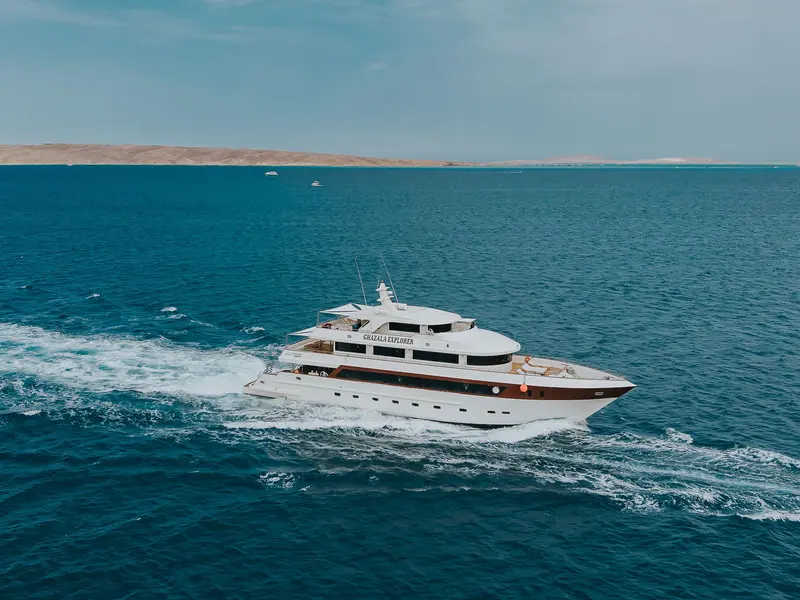
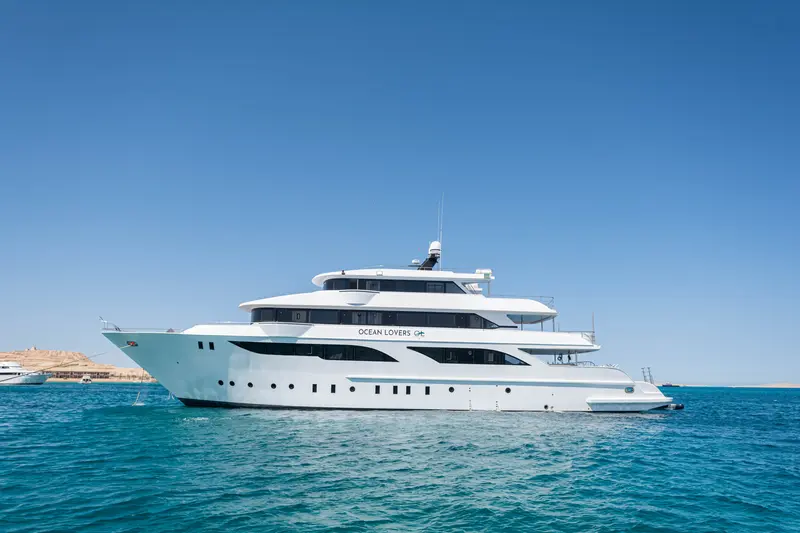
Dive liveaboards Brothers Islands
52 liveaboards run trips to Brothers Islands.
Frequently asked questions about Numidia
What level of experience do you need for Numidia?
Numidia offers sections for divers with varying experience levels. You can explore shallower parts of the wreck, while its deeper reaches require advanced planning and appropriate certification. This allows you to choose an area suited to your experience, without treating the entire site as a single level of dive.
How deep can you dive on Numidia?
You can encounter Numidia from a minimum depth of 5 meters, while the wreck continues down to 80 meters. Its sections range from recreational to technical depths, so your planned route and certification should match the depth you intend to explore along this 150-meter steamship wreck.
What can you see while diving Numidia?
You can explore a 150-meter steamship wreck covered completely in coral, with dense hard and soft coral growth across the hull. Large gorgonian fans adorn the structure, while metalwork creates spaces for resident reef life. The wreck also supports a vibrant artificial reef ecosystem and attracts reef fish.
How should you approach the deeper sections of Numidia?
As you follow Numidia deeper, the wreck extends from its upper structures toward 80 meters. You should approach the deeper reaches with advanced planning and appropriate certification. The site offers changing light, open sections for careful penetration, and a long hull whose coral-covered structure continues well below the shallower areas.