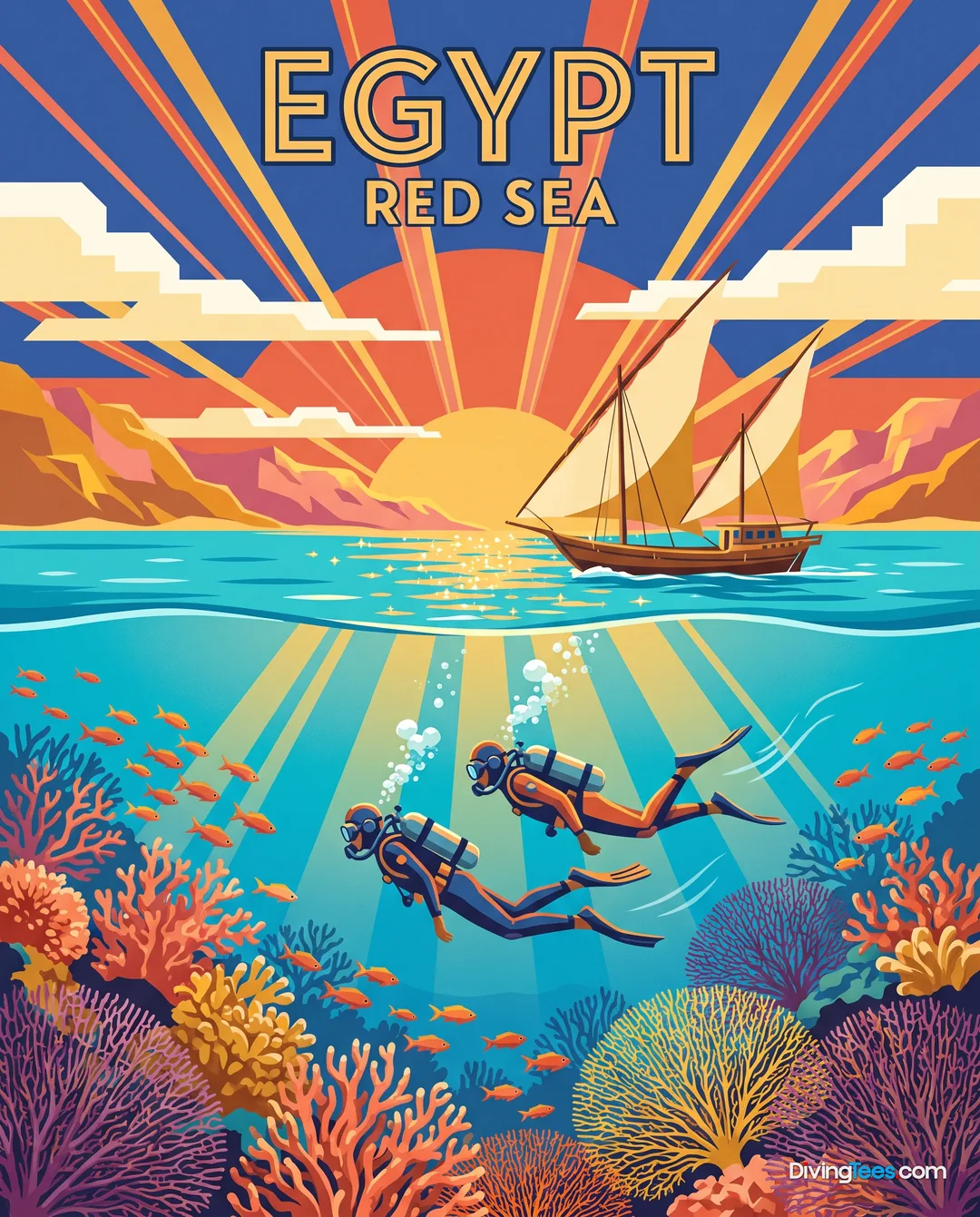
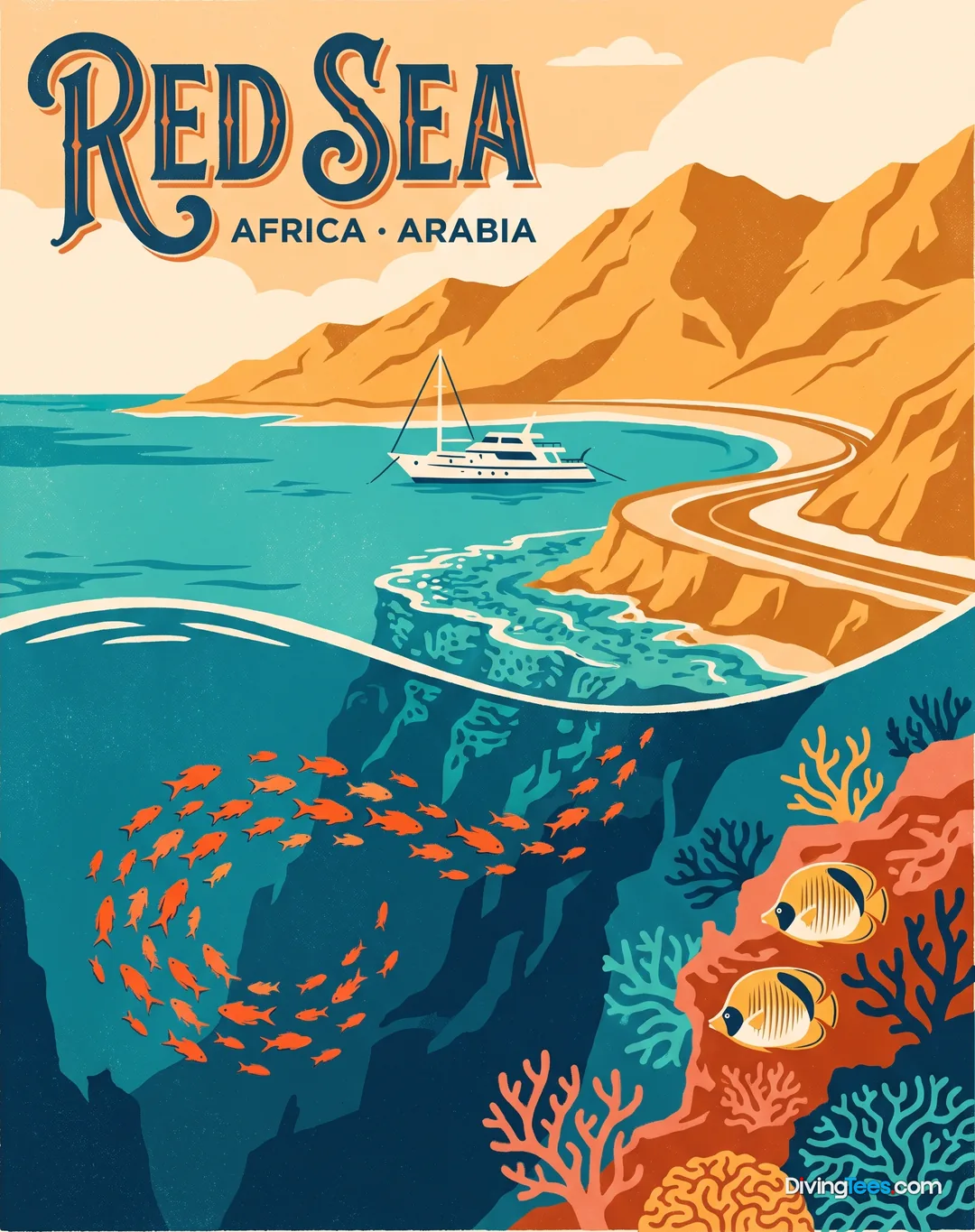
Liveaboards · Egypt
SS Glorious Miss Nouran — a modern Red Sea dive boat built around the diving
What makes this boat unique
- The boat was built in 2020 and renovated in 2022, with a modern interior and a panoramic-window suite.
- Nitrox is free for certified divers, with DIN adapters, camera facilities, separate camera rinse tanks and support for technical and rebreather diving.
- The shaded dive area connects to a lower platform by two stairways, while two tenders collect divers from the surface.
- Eight-day, seven-night routes reach the Brothers, Daedalus, Elphinstone, Fury Shoals, Rocky, Zabargad and St. John's.
For subtitles in English: start the video firstthen click the gearat the top right of the video, select “Subtitles/CC”, then “Auto-translate” and choose “English”.
The invitation
SS Glorious Miss Nouran suits divers who want serious Red Sea routes without stepping onto one of the fleet's largest boats. The point is not a resort at sea; it is a purpose-built platform for repeated dives, with a modern interior waiting at the end of the day. Choose it for remote reefs, current-swept walls and pelagic possibilities, then return to a boat that keeps the practical parts simple: free Nitrox, shaded kitting space, two tenders and a crew used to mixed levels of experience. The BDE route is the clearest reason to come: Brothers, Daedalus and Elphinstone put three offshore names in one week. Southern routes instead reach Fury Shoals, Rocky, Zabargad or St. John's. The boat works best for divers who would rather spend their square metres on the dive operation than on oversized public rooms.
Boarding
From the dock, SS Glorious Miss Nouran presents clean lines rather than the character of an old wooden coaster. The 2020 build and 2022 renovation show in the clear, modern finish, the uncluttered saloon and the orderly decks. Once aboard, movement is straightforward: the saloon and dining area form the social centre, the upper deck adds a bar and shaded seating, and two broad sun decks leave room to lie down between dives. The hull is large enough not to feel cramped with a full group, but not so large that the people around the table remain strangers. The boat carries 26 passengers, so the atmosphere is more intimate than on the fleet's bigger vessels. There is a proper dive-first layout below, with stairs leading from the main dive deck to the lower platform. It feels like a boat renovated for working divers, not a floating hotel dressed in nautical language.
The atmosphere on board
The atmosphere is built by a crew that keeps the practical work moving without making a show of it. Divers describe clean cabins, a spacious dining area, plenty of loungers and deck crew whose movements are well coordinated. That matters when the same group is kitting up several times a day: tanks appear where they should, returns are handled quickly, and the dive operation does not turn every transition into a queue. Guides and crew work in several languages, which helps when a group includes different levels and nationalities. Evenings settle around the saloon, bar or open deck rather than a formal programme. The boat feels social without demanding constant participation. It is a good fit for a mixed group that wants capable organisation and good food, but does not need a silent, expedition-style vessel or a luxury yacht with a crew behind every chair.
The sites you’ll dive
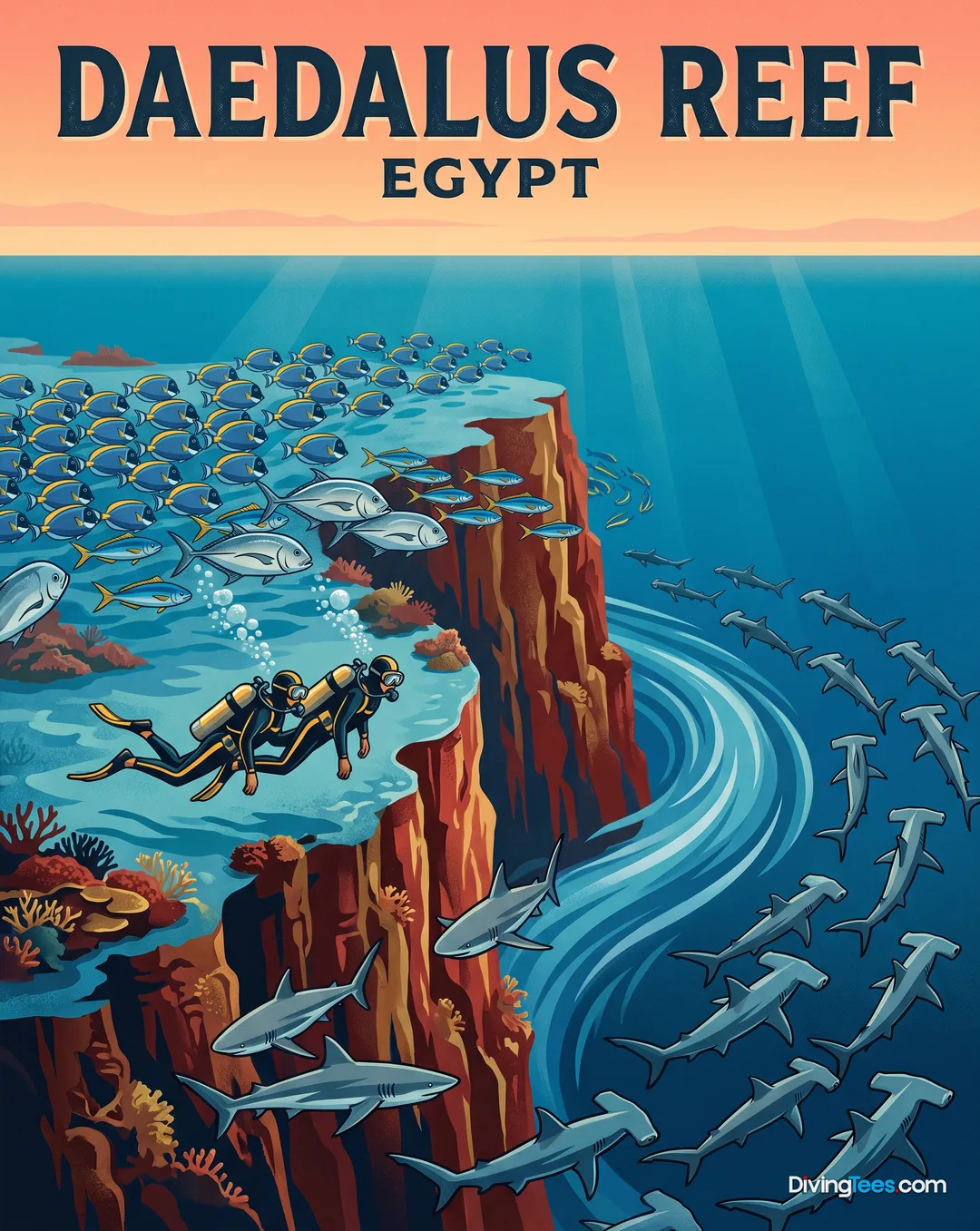
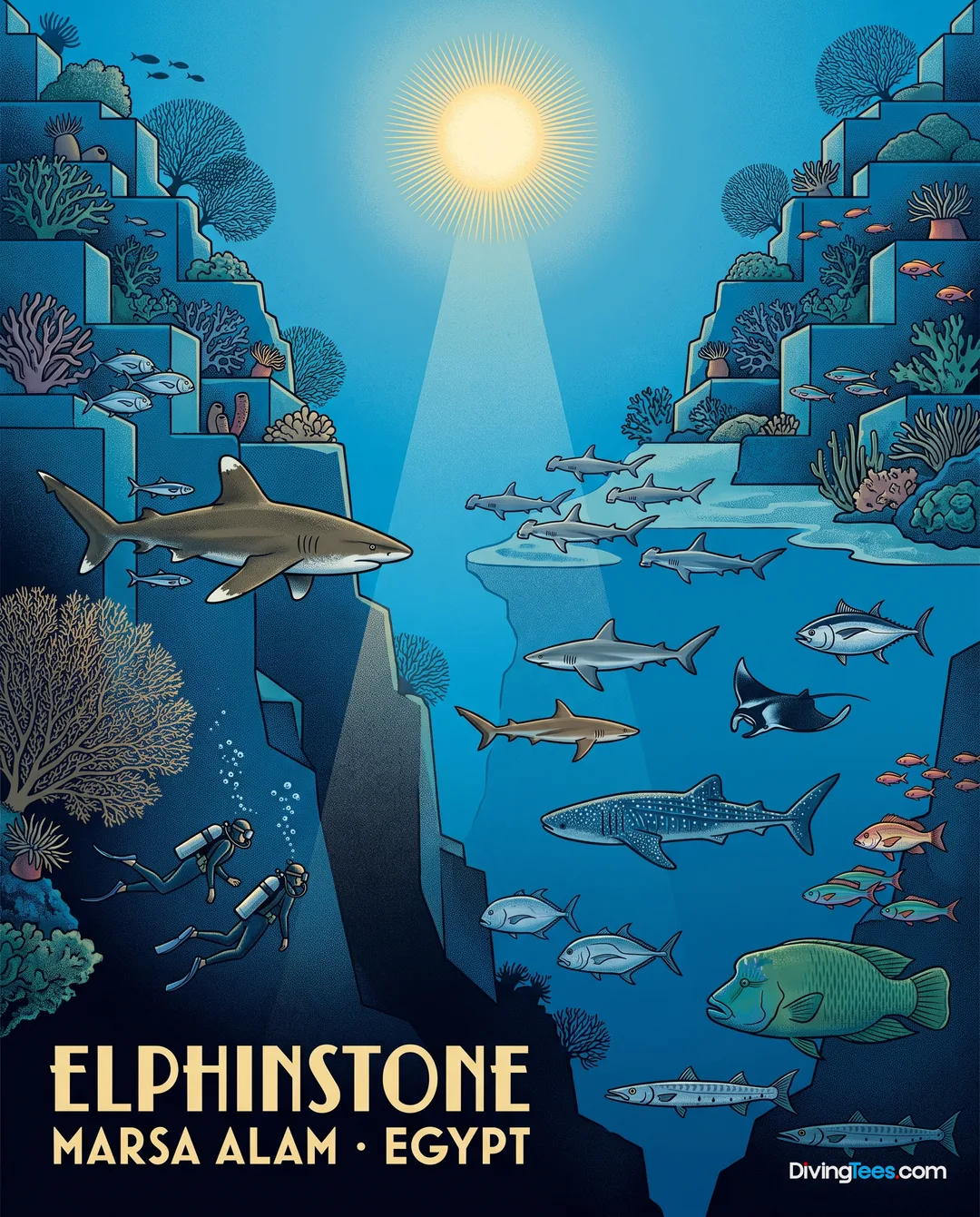
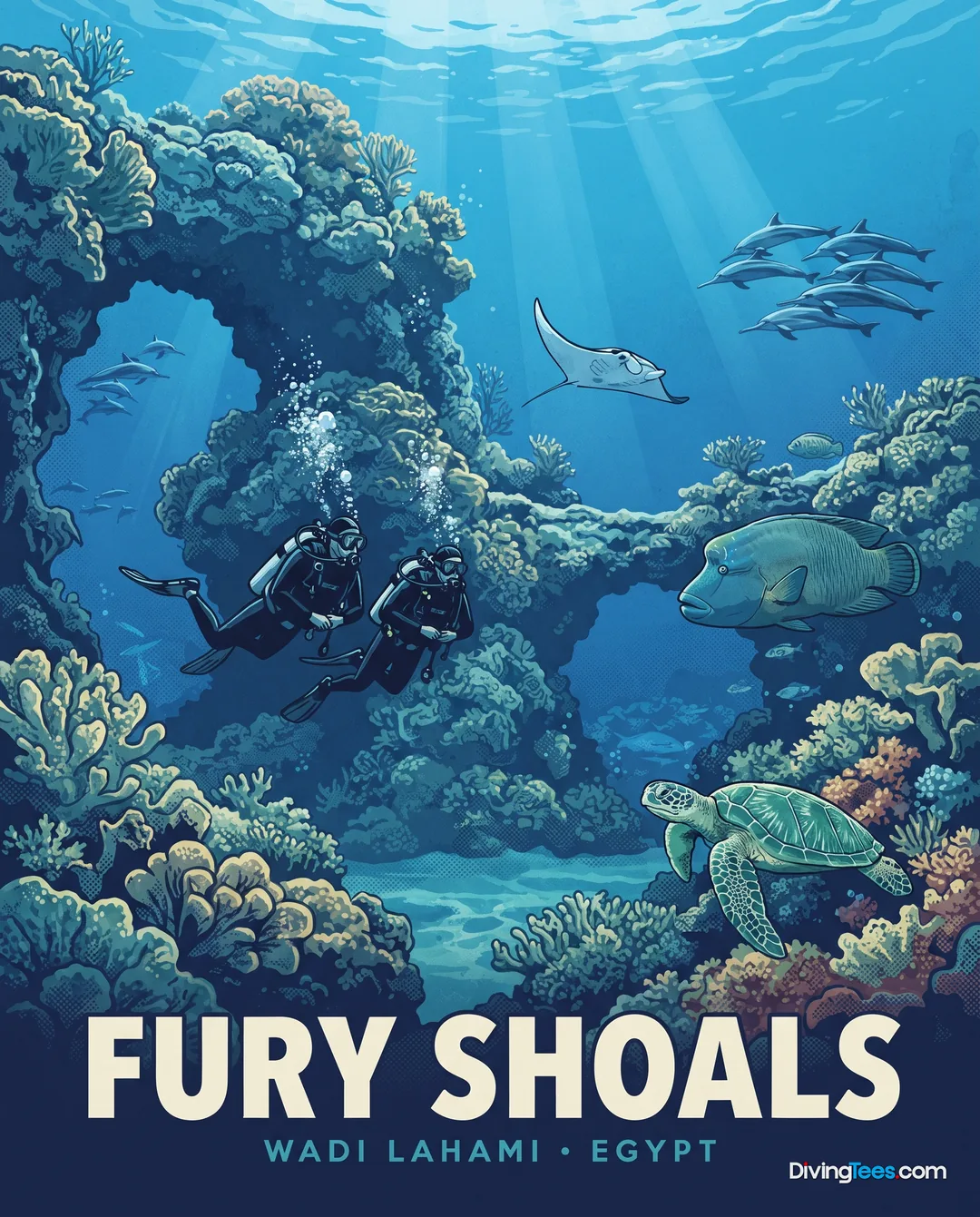
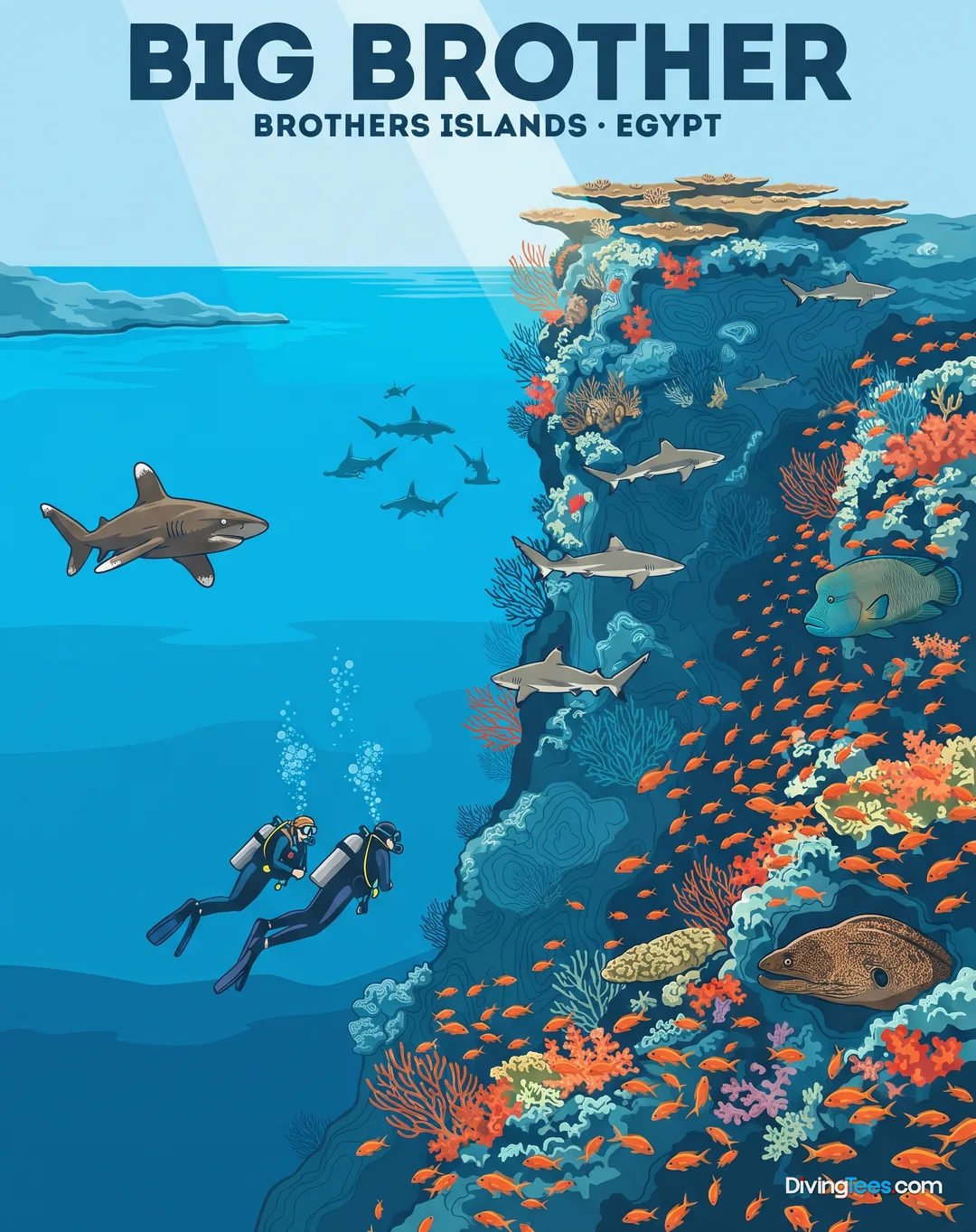
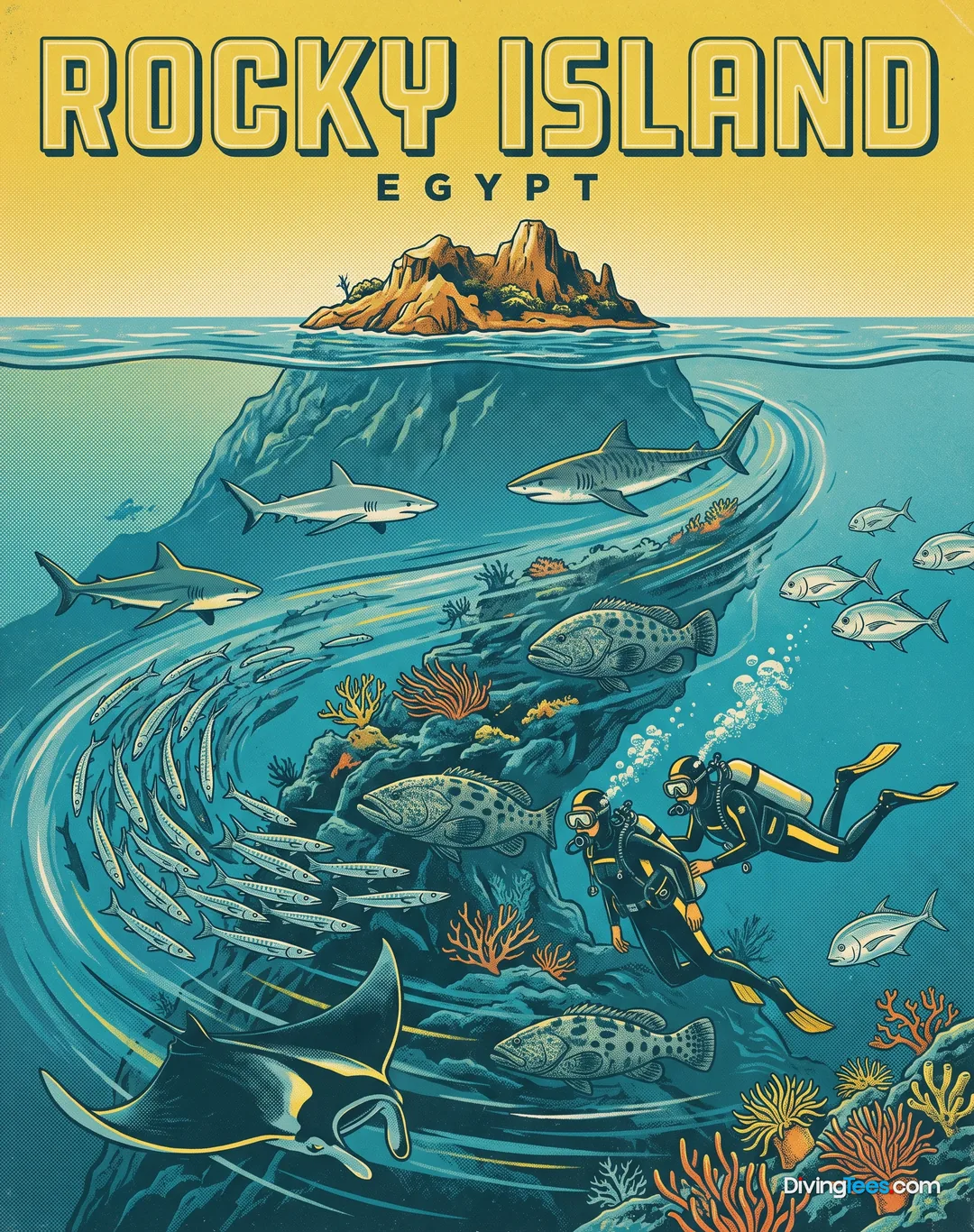
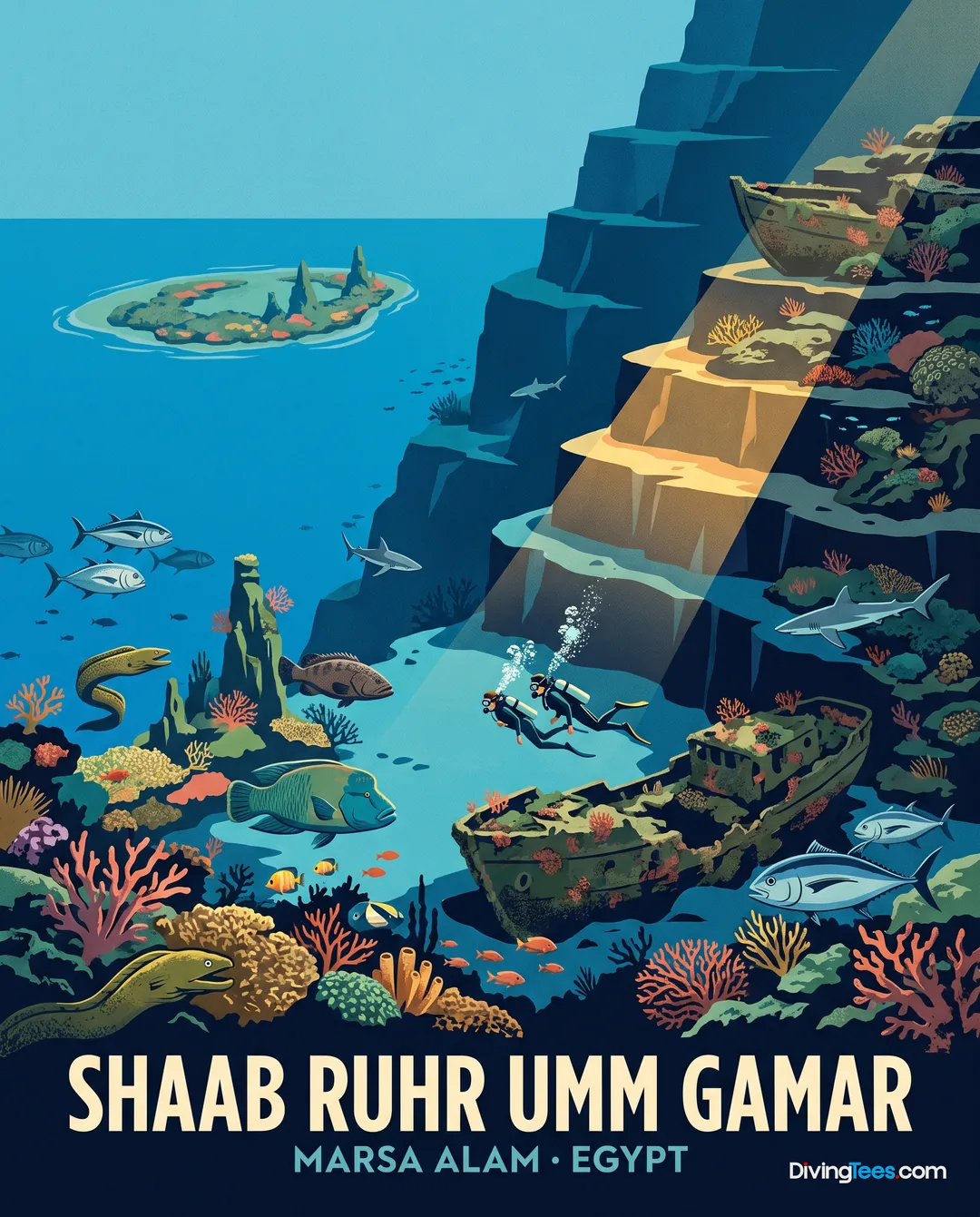
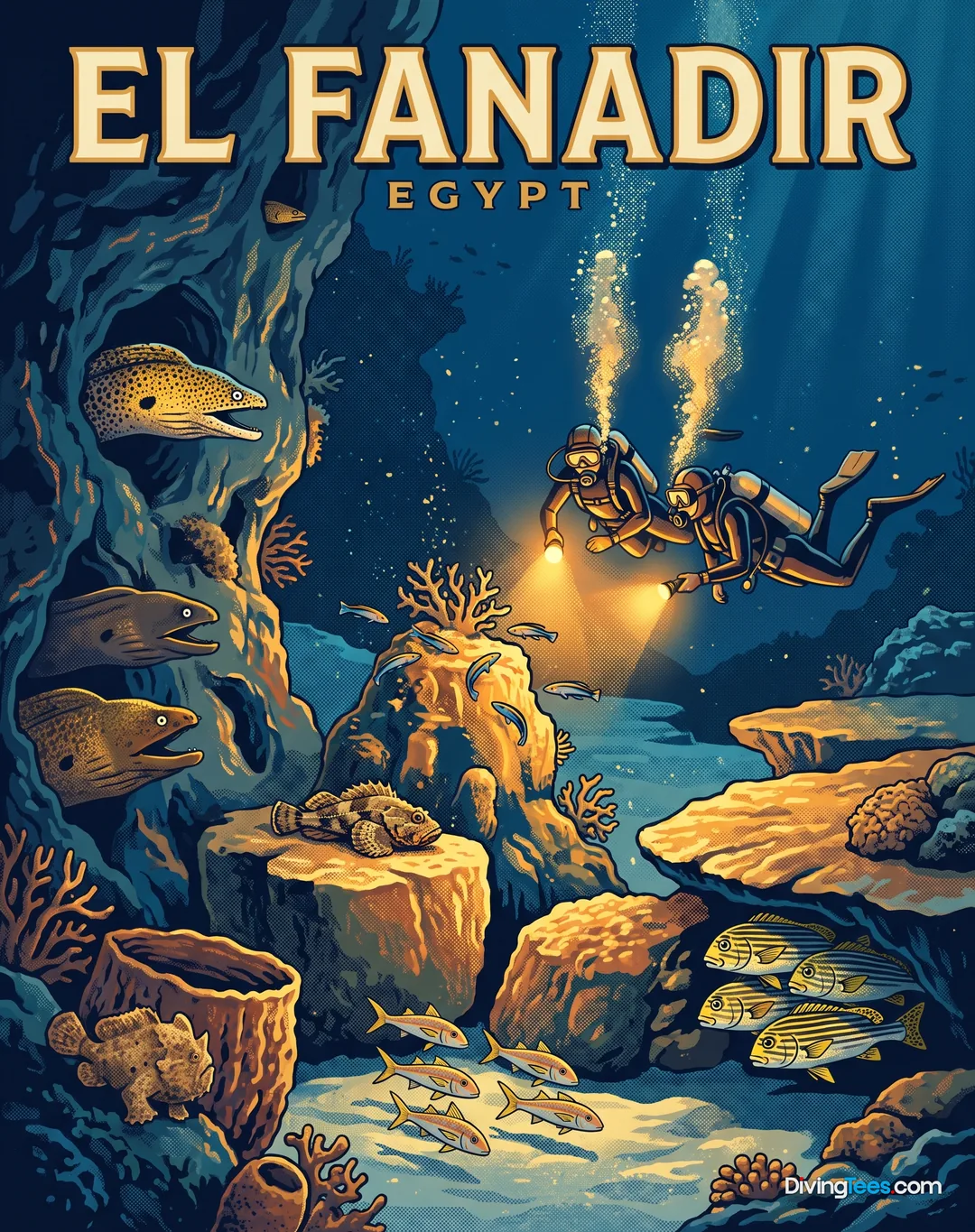
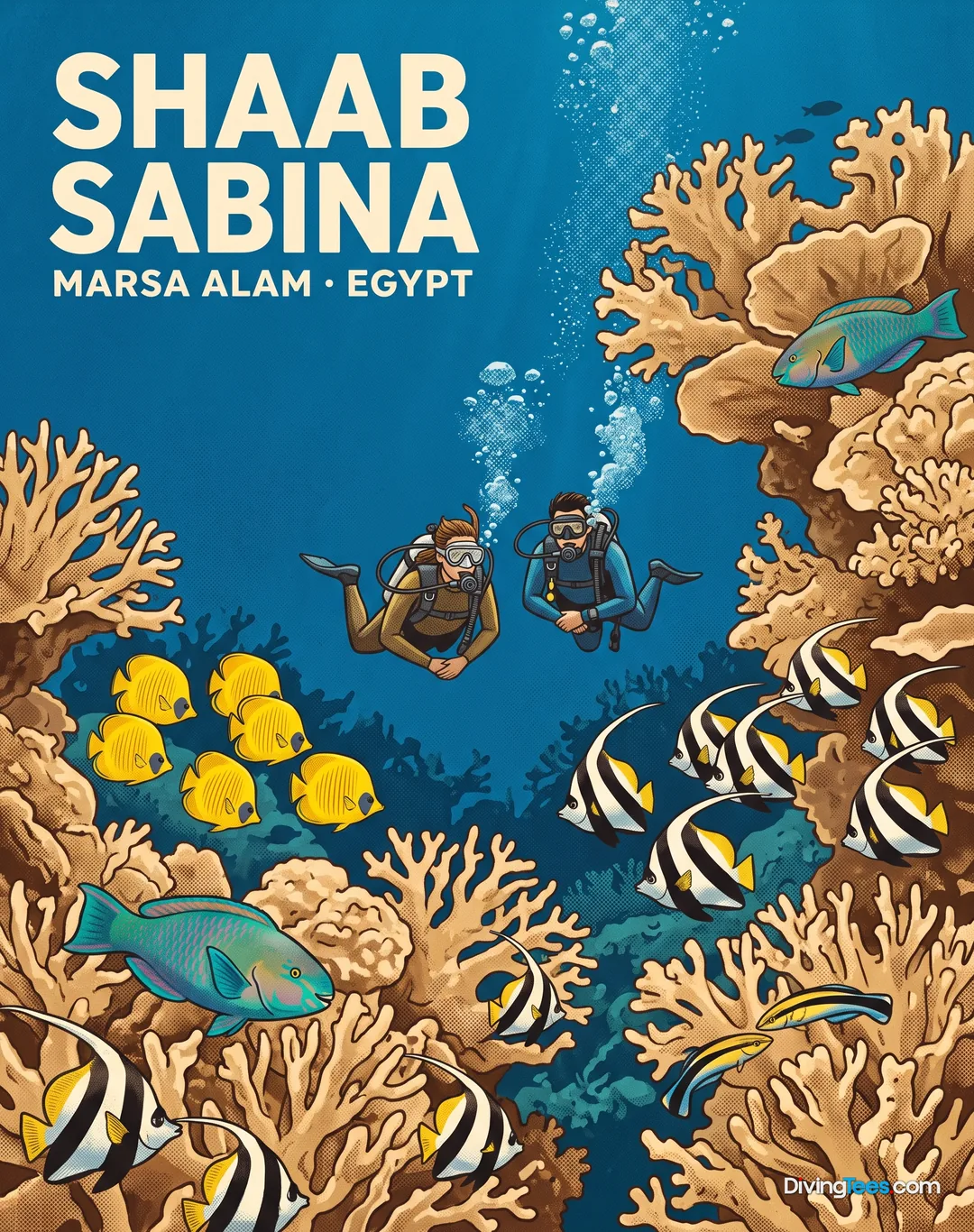
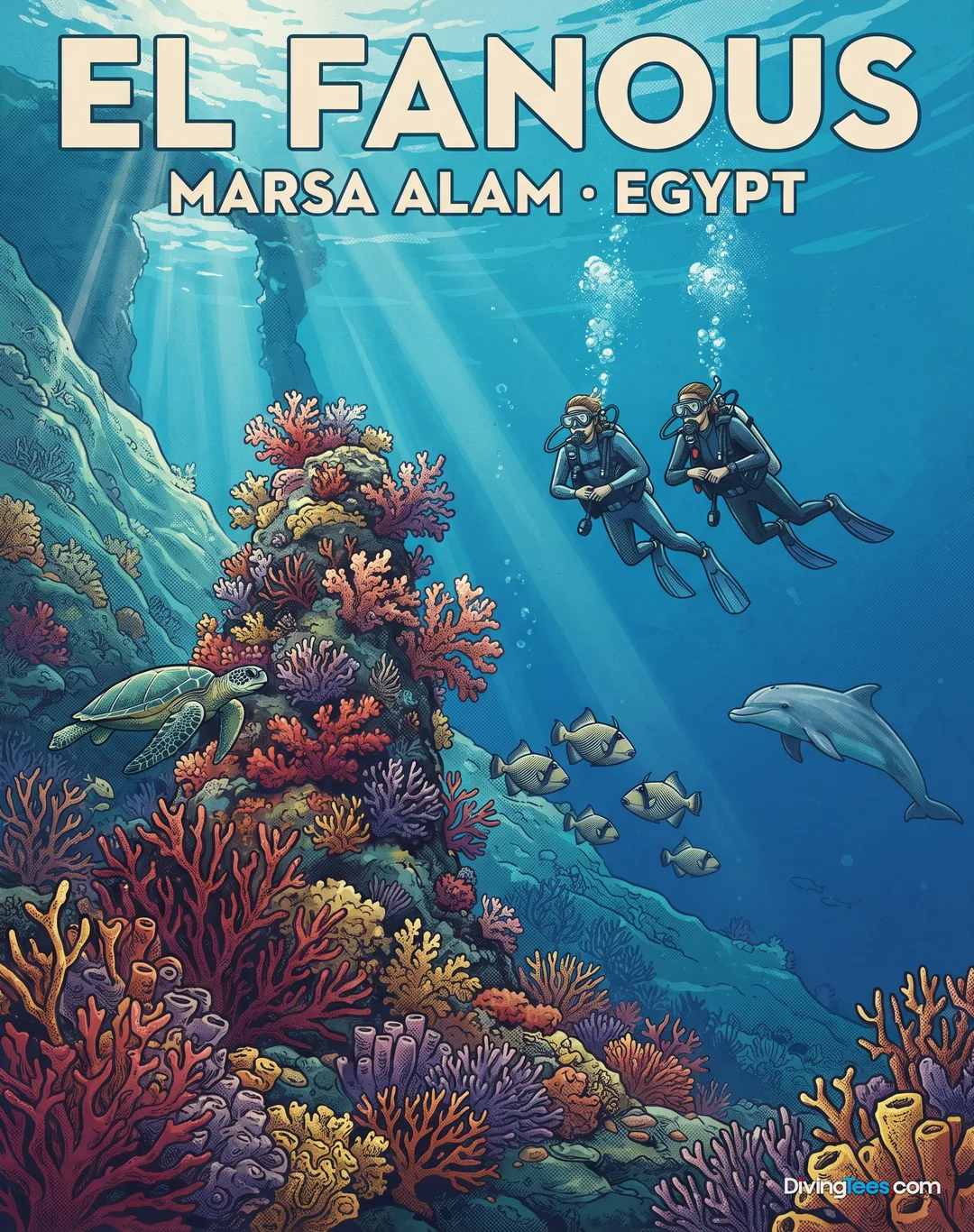
The route menu is the reason to book this boat. Eight-day, seven-night departures include Brothers–Daedalus–Elphinstone, Fury Shoals, Daedalus–Zabargad–Rocky, St. John's and Rocky–Zabargad–St. John's, departing from Hurghada or Port Ghalib depending on the itinerary. Elphinstone drops to -60m on steep walls where pelagic sharks may pass. Brothers reaches -85m and combines isolated walls, current and the wrecks around Big Brother. Daedalus is a remote pinnacle with dramatic walls and pelagic potential, while Rocky Island brings strong current around submerged rocks, swim-throughs and schooling barracuda. Zabargad is more than a name on a route card: its remote walls carry soft and fan corals, with nesting turtles and pelagic life possible. Fury Shoals is an enormous reef complex near Hamata, cut by hard-coral canyons. Closer sites add variety: Shaab Ruhr Umm Gamar reaches -40m and transitions from a fish-filled reef to pinnacles and the remains of at least three wrecks; El Fanadir reaches -40m with a wall, cleaning station and shallow coral pinnacle; Shaab Sabina stays at -14m in a labyrinthine coral garden. El Fanous West and East offer protected shallow reefs at -15m and -18m, while Big Brother reaches -40m on dramatic walls with two iconic wrecks.
What you’ll meet underwater
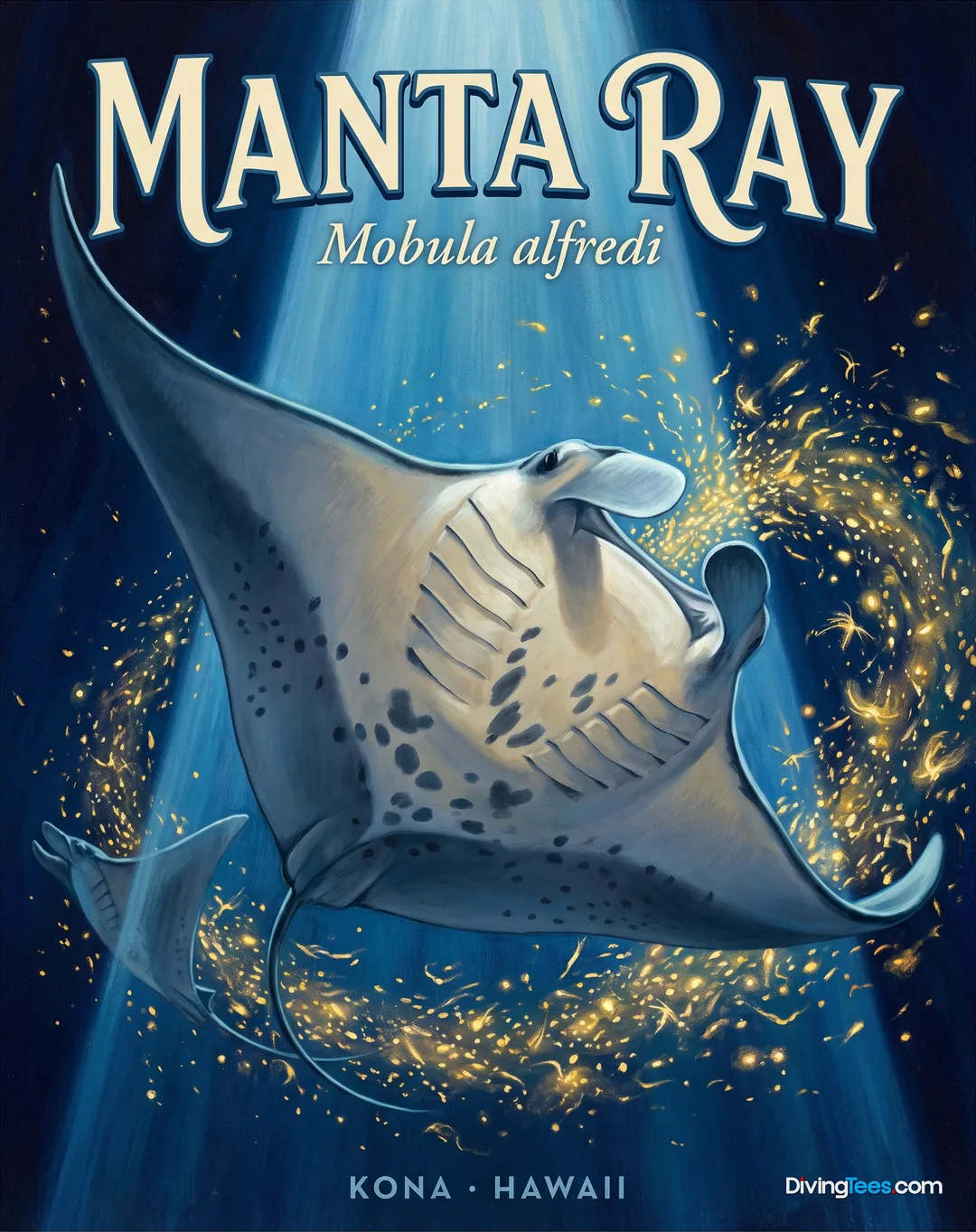
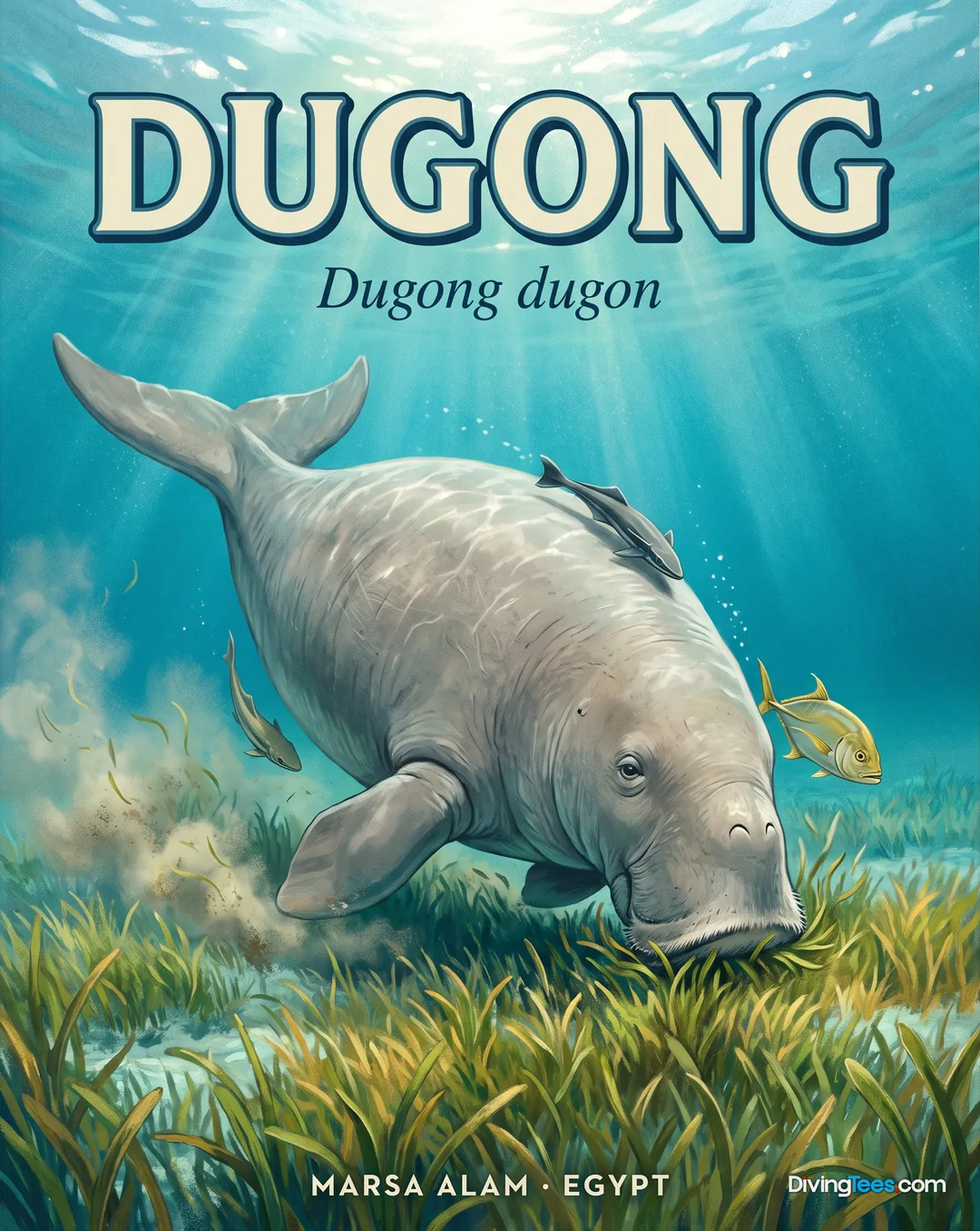
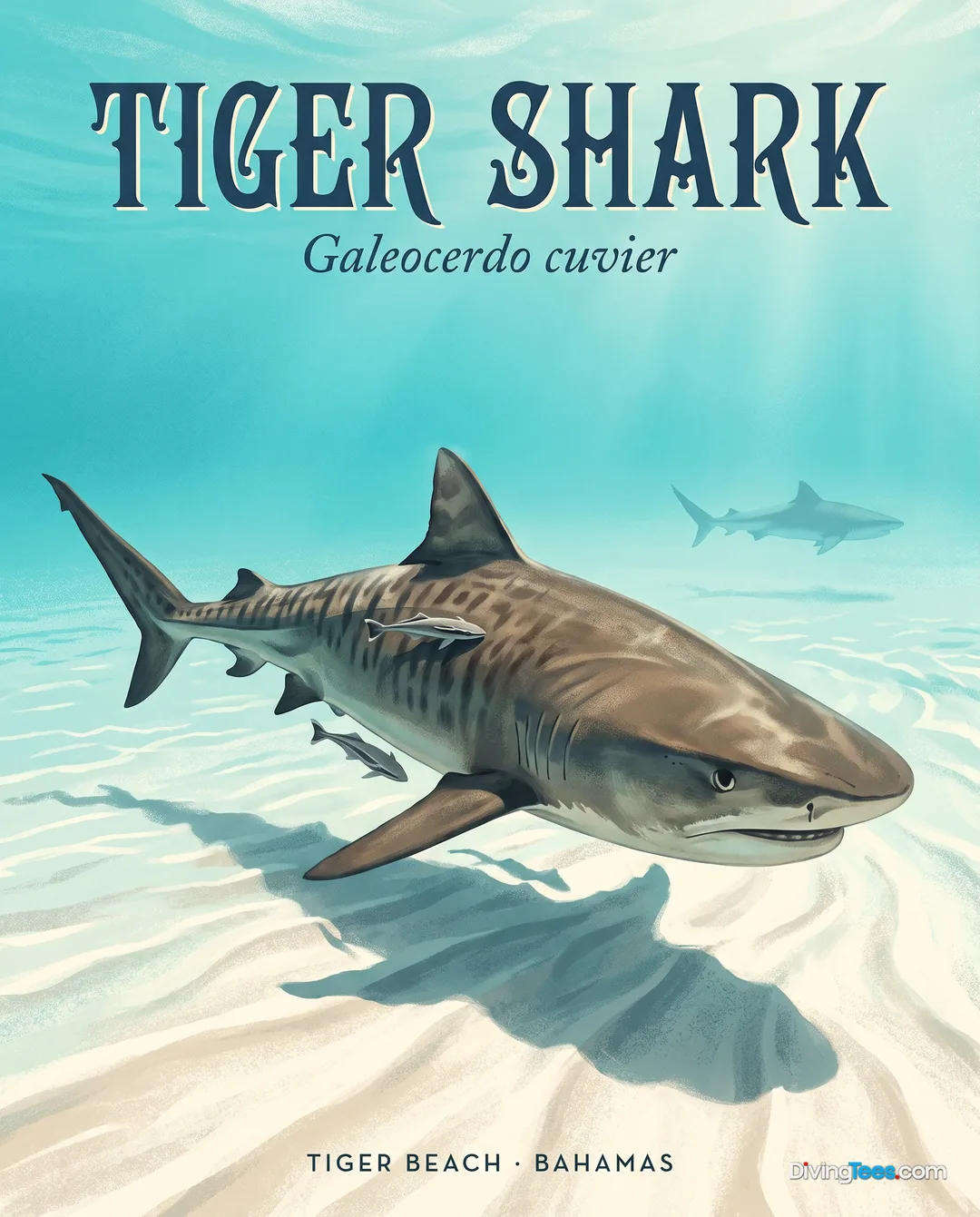
Manta rays, dolphins, hammerheads and sea turtles are the recurring promise of this route, supported by soft coral, reef sharks, barracuda, trevally, anthias, morays, parrotfish and hard coral. Currents and offshore walls are what bring the larger animals into the picture; they are possibilities, not guarantees. The site-specific sightings give each stop its own reason to exist. Zabargad is the place where a dugong may turn a remote reef into the story of the week. Shaab Ruhr Umm Gamar is the only listed site for the giant grouper, among its pinnacles and wreck remains. Elphinstone is associated with blacktip and tiger sharks, as well as gorgonians and labrids around its walls. Brothers Islands are notable for anemones and the pelagic sharks drawn to isolated reefs. Fury Shoals adds triggerfish among its hard-coral canyons. Daedalus is the site for bigeye trevally. At El Fanadir, look for sweetlips around the cleaning station; at Shaab Sabina, damselfish fill the shallow coral garden. Shaab El Erg is the place on this list for an octopus, while dolphins are recorded across several of the route's reefs.
Who puts you in the water
The guides and instructors speak English, German, French, Spanish, Russian, Polish and Italian. The crew can run SSI courses on board, including Advanced Open Water and specialties such as Nitrox, deep and wreck diving. The boat welcomes divers across different experience levels, but the route decides the real standard: Brothers, Daedalus, Elphinstone and other marine-park sites can involve strong current, offshore walls and advanced conditions. No fixed minimum number of logged dives or guide-to-diver ratio is stated, so the briefing and grouping remain important parts of the first day. Safety begins with a boat tour, emergency briefing and fire drill at check-in. Oxygen and first-aid equipment are carried on board, alongside radar, sonar, GPS, VHF/DSC/SSB radio, an emergency beacon, life rafts and fire detection equipment. On marine-park routes, guides may stop a diver from joining a particular dive when conditions or experience make it unsuitable.
The dive deck and the gear
The dive deck is the boat's strongest argument. It is shaded, close to the water and linked by two stairs to a lower dive platform, so the final steps into the sea are direct rather than theatrical. Three compressors support the operation, with a stated capacity of 750 litres per minute. Nitrox 28–32% is free for certified divers; DIN adapters are available, and Nitrox certification can be completed on board. The setup also supports technical diving, single-cylinder sidemount and rebreathers, although the boat is not presented as a full Trimix blending station. Tank volume and tank material are not stated. A separate camera rinse, camera station and charging points protect photographic equipment from the general kit-up area. Two Yamaha 25HP tenders take divers to and from the sites and collect them where they surface. Rental equipment can be arranged, but it should be requested before sailing rather than assumed to be waiting on the deck.
Between dives
Between dives, the boat gives divers a choice that is more useful than a long amenity list. The shaded upper-deck bar and seating are the natural place to dry off, talk through the last dive and stay out of the strongest sun. The two sun decks are for lying flat, reading or watching the coastline fall away while the boat moves to the next reef. The air-conditioned saloon offers the quieter alternative, with a library and audio-visual entertainment for the hours when the body has had enough heat. Photographers have a dedicated camera area, charging stations and a separate rinse tank, so wet hands and camera gear do not take over the dining space. A non-diver or snorkeler can come along, but the boat's best use of time remains the next descent.
A day on board
A day starts before the sun has properly reached the deck, with the compressor already part of the background and the first briefing setting out the current, entry and exit plan. The first dive is followed by breakfast or a substantial recovery period, then the boat moves or holds position while divers eat, sleep and prepare again. Most safaris run three to four dives a day, with the exact number shaped by the itinerary and marine-park rules. Morning dives are where the remote walls and pelagic sites make their demand; later dives can move to a shallower reef, coral garden or wreck. Night dives are included, except where marine-park rules prohibit them. Meals divide the day into clear sections, but the dive deck is the clock: kit up, descend, surface, hand over to the tender, rinse gear, eat, repeat. At some point the engines come back under the boat and the next reef replaces the last one on the horizon. Then the cycle starts again.
What you eat aboard
Meals cover Egyptian and European cooking, with local seafood, buffet service and fresh-baked products. Vegetarian and vegan requests are catered for, and the boat also lists gluten-free and other dietary options. The useful part of the arrangement is its fit with diving: breakfast comes before the first water entry, food returns after the morning dives, and snacks remain available through the day rather than forcing a diver to wait for one fixed meal. Lunch and dinner mark the longer pauses, while outdoor dining depends on the weather. Non-alcoholic drinks, tea and coffee are included; beer and wine are available separately. The table is not an afterthought on a four-dive day. It is where divers compare the visibility, current and sightings from the last reef before checking the next briefing.
Nights at sea
The cabin categories are Standard Twin Lower Deck, Standard Twin Upper Deck and Upper Deck Suite. All have private bathrooms, air-conditioning and sea views in the upper-deck cabins; the suite adds a panoramic window and a double bed. The practical difference is where the cabin sits in the boat and how much daylight reaches the bunk, not a different standard of basic equipment. After several dives, that matters. The saloon is air-conditioned and separate from the dining area, so a tired diver can read or sit quietly without remaining in the meal space. Outside, the shaded upper-deck seating and padded sun decks offer the better places for a last look at the water before turning in. The boat's overnight character is modern and tidy, with daily housekeeping rather than decorative clutter. What is not claimed is silence: a liveaboard still has engines, compressors and deck activity, and cabin choice remains part of the comfort equation.
Standard Twin Lower Deck Cabins
Standard Twin Upper Deck Cabins
Upper Deck Suite
What to know before boarding
Departures use Hurghada or Port Ghalib, and the port can vary with the boat's schedule and itinerary. Return airport and hotel transfers are included, with the arrival and departure instructions provided by the staff for the specific trip. Hurghada airport to Hurghada port is about 15 minutes; Hurghada airport to Port Ghalib is around three hours, while Marsa Alam airport to Port Ghalib is about 15 minutes. Arriving the night before is the sensible choice, especially for a Port Ghalib departure.
Deck plan
- Year built
- 2020
- Year renovated
- 2022
- Length
- 40 m
- Beam
- 7.5 m
- Maximum number of passengers
- 26
- Number of cabins
- 13
- Number of bathrooms
- 15
- Engines
- 2 × 1100 hp MAN
- Cruising speed
- 10 knots
- Tenders
- 2 × Yamaha 25 hp
- Website
- seaserpentfleet.com ↗
Hello, I'm Marina, DivingDeal.com's AI assistant. I answer in detail about hotels, dive centres and liveaboards.

Thinking about the whole trip and the flights? Talk it over with Edith →
Marina is an AI. Some links are affiliate links: DivingDeal may earn a commission, at no extra cost to you. Bookings are made with the partner.