
Atlantik Diving Center
Google 5/5 (451 reviews)
El Quseir · Egypt · Red Sea
Cannon Reef, also known as Shaab Bagul, offers a diverse reef dive where small fish thrive and larger pelagics like eagle rays and dolphins make occasional appearances.
Descending onto Cannon Reef, you enter a vibrant reef system that stretches approximately one kilometre across. This is not a wall or a wreck dive; instead, you'll find a sprawling coral landscape that rewards close observation. The initial descent brings you into a world teeming with small reef fish, darting between the intricate coral structures. The focus here is on the details, the smaller inhabitants that make up the bulk of the Red Sea's biodiversity, showcasing a healthy and active ecosystem.
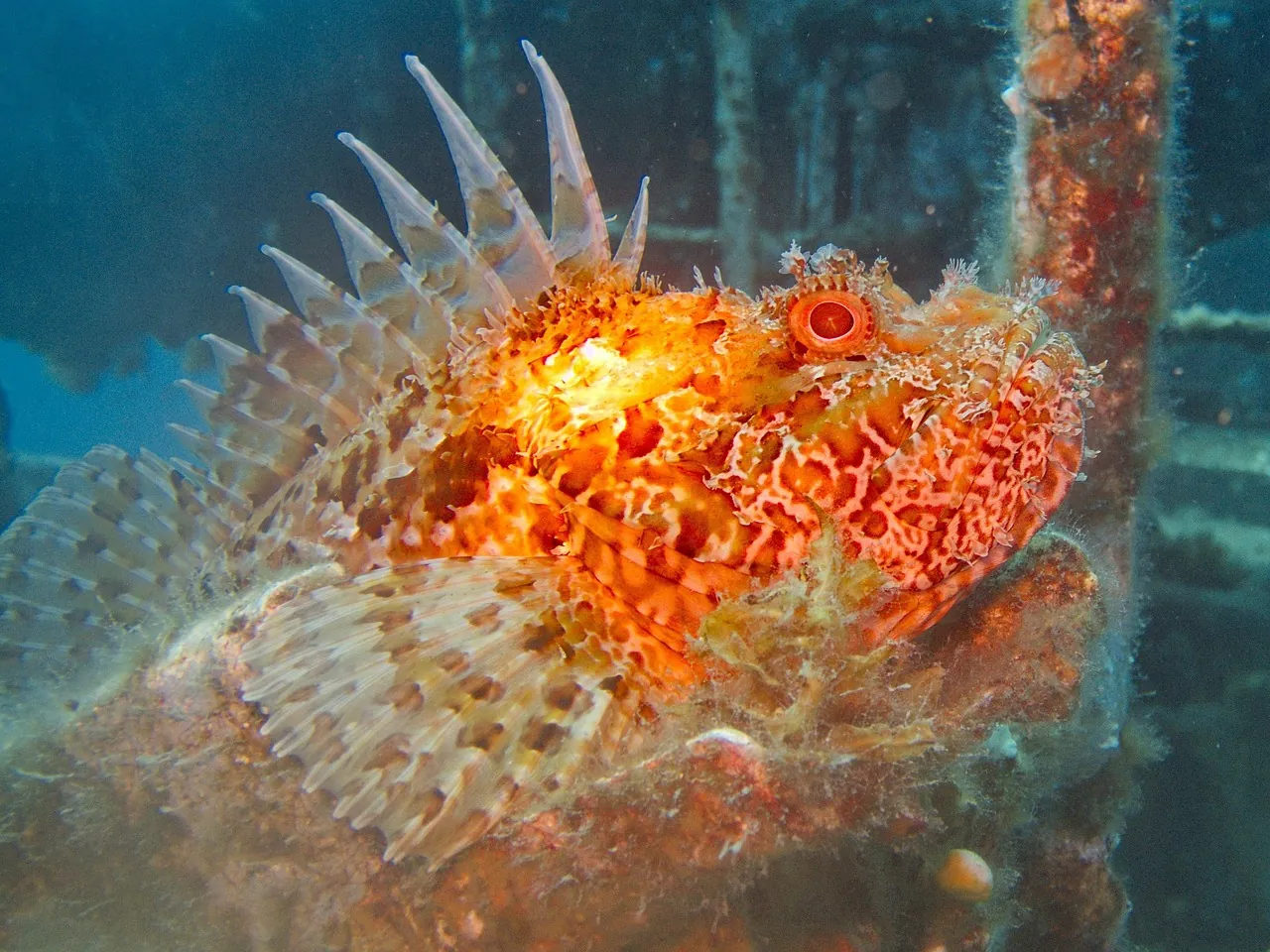
The reef's topography, while not explicitly detailed as plateaus or pinnacles, provides ample hiding spots and feeding grounds for a multitude of species. As you navigate the coral gardens, you'll encounter various reef fish, each contributing to the site's constant activity. This environment encourages a slower pace, allowing you to appreciate the subtle interactions and behaviours of the resident marine life. Patience here often reveals creatures nestled within crevices or camouflaged against the coral.
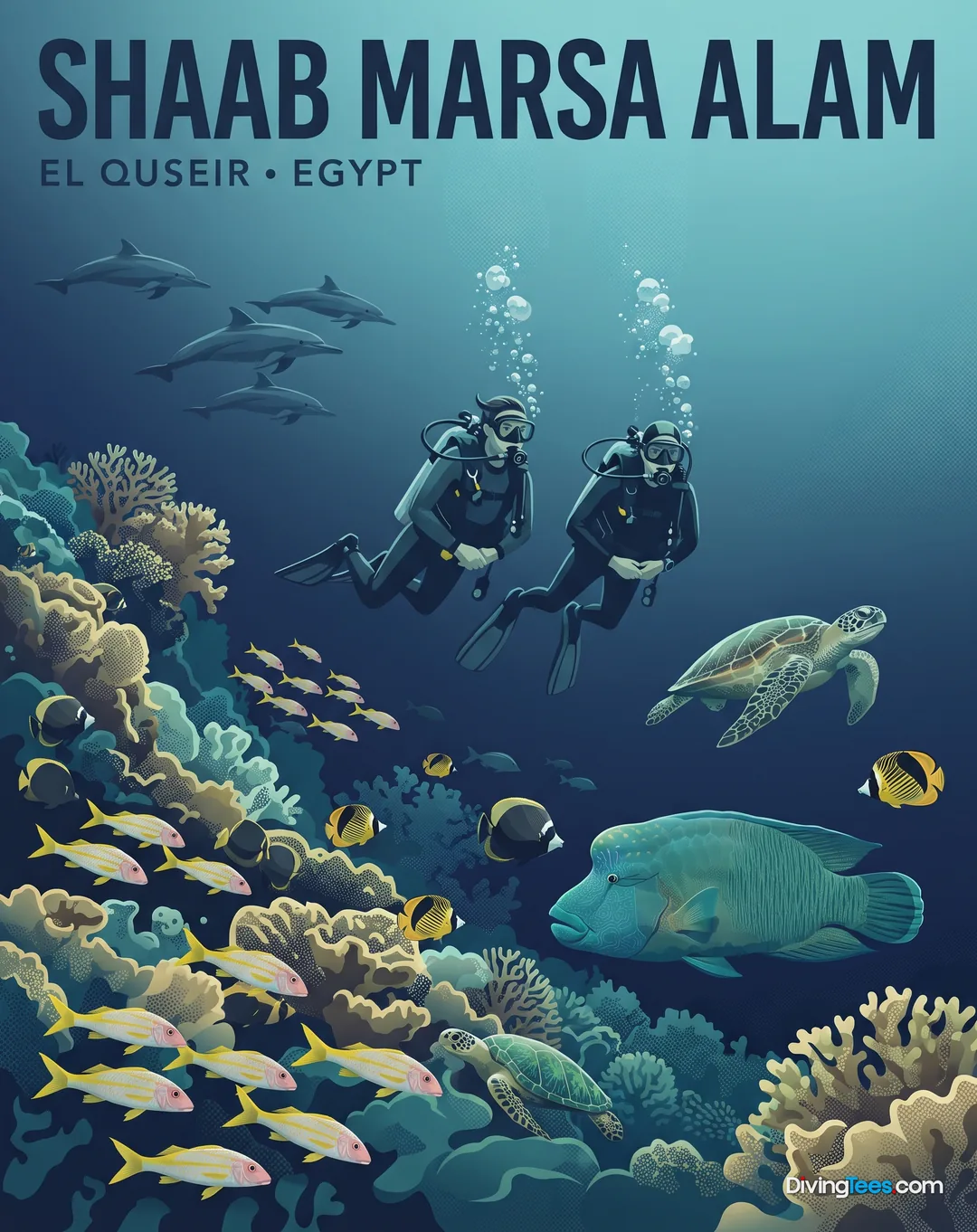
While the reef itself is a hub of activity, Cannon Reef also acts as a transit route for larger, more transient visitors. Maintaining awareness of the open blue water beyond the reef edge can lead to encounters with pelagic species. You might spot the distinct silhouette of a green sea turtle (Chelonia mydas) or a hawksbill turtle (Eretmochelys imbricata) gliding past. These graceful reptiles are a common sight, moving with purpose through the water column.
Beyond turtles, the site offers opportunities to observe eagle rays (Aetobatus narinari) as they cruise in the distance, their distinctive flapping motion easily identifiable. These encounters add another dimension to the dive, reminding you that even on a reef celebrated for its smaller inhabitants, the unexpected can always occur. The presence of these larger animals underscores the health of this particular offshore reef system.
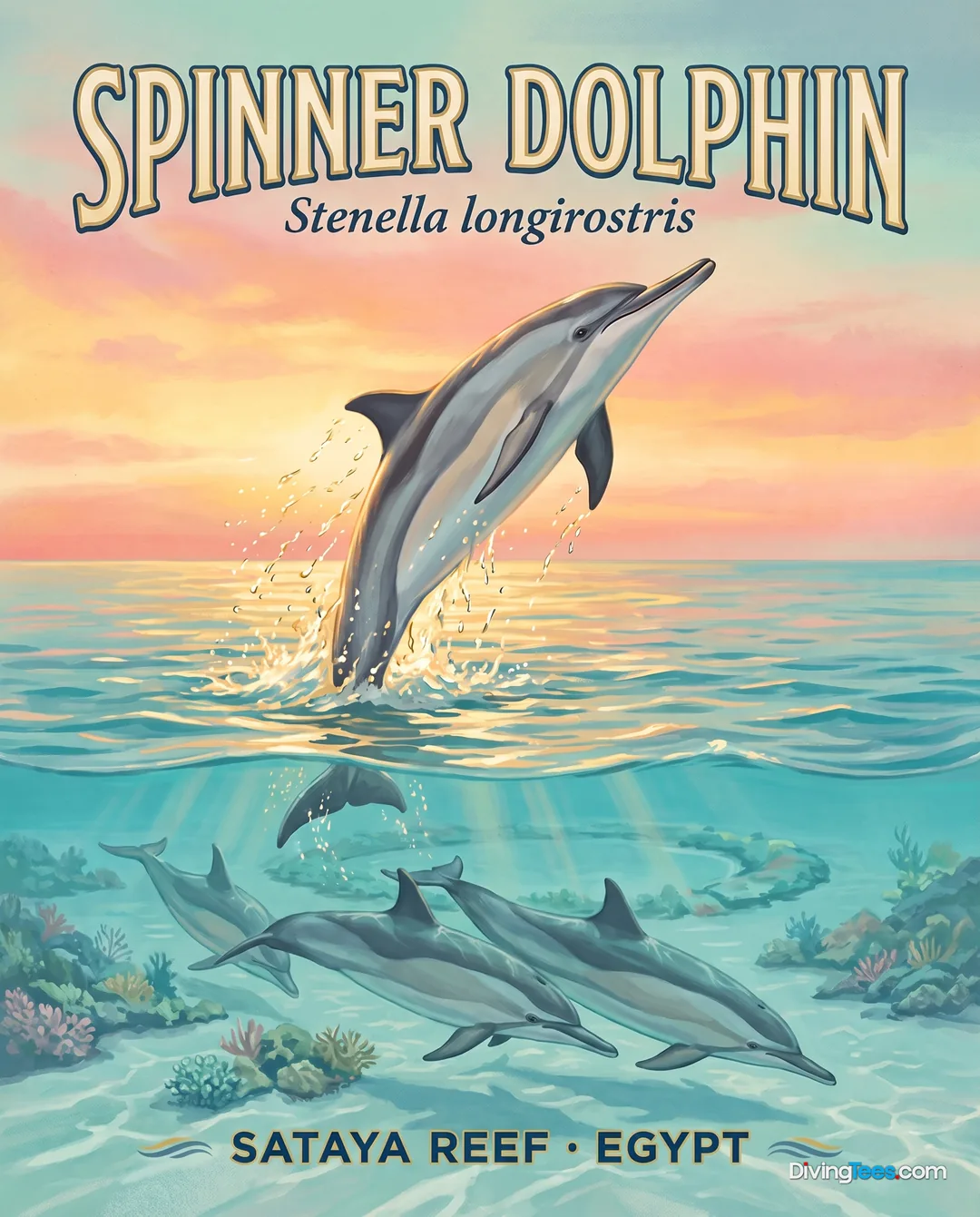
Dolphins are also known to visit Cannon Reef, though their appearances are less predictable. These intelligent marine mammals can pass through the area, offering a memorable experience if you are fortunate enough to be in the water at the right time. Such sightings highlight the dynamic nature of this offshore environment and its connection to the wider Red Sea ecosystem.
The site's versatility means it caters to a broad range of diving experience. For those new to the Red Sea or still developing their skills, the shallower, more protected sections of the reef provide a gentle introduction. These areas allow for comfortable exploration and skill refinement without demanding conditions. The rich biodiversity here ensures that even a shallower dive offers plenty to observe and learn from.
More experienced divers will find deeper sections of Cannon Reef to explore, allowing for extended bottom times and opportunities to focus on specific behaviours or species. The sheer size of the reef system means that each dive can be tailored to individual interests, whether that's macro photography, observing specific fish interactions, or simply enjoying the vastness of the coral landscape. This adaptability makes Cannon Reef a site that can be revisited multiple times, always offering something new.
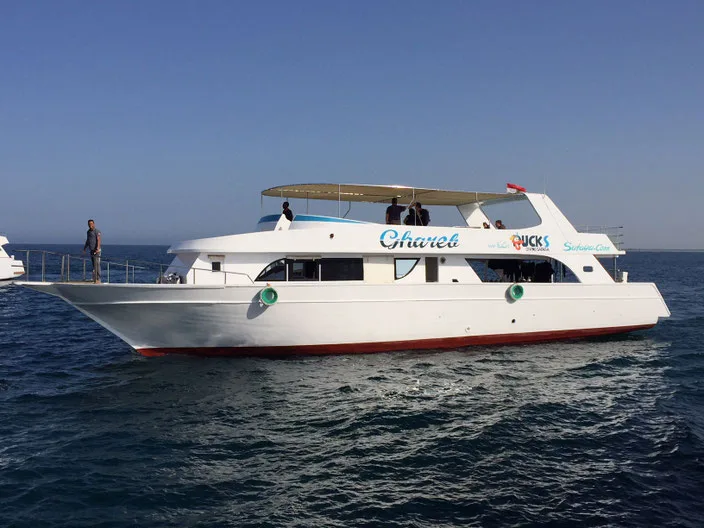
Access to Cannon Reef is exclusively by boat, typically involving a journey of around 80 minutes from the dive centres in El Quseir. This offshore location contributes to its pristine condition and the likelihood of encountering a diverse range of marine life. The boat journey itself provides a transition, moving from the coastal waters to the open Red Sea, setting the stage for the dive ahead.
Cannon Reef is accessible for both beginner and advanced divers. The current at the site can be variable, reflecting its offshore location and exposure to open Red Sea conditions. Divers should be prepared for potential shifts in current strength during the dive. While specific depth ranges are not provided, the site accommodates a broad spectrum of underwater exploration.
Cannon Reef / Shaab Bagul accommodates both beginner and advanced divers. Shallower, more protected reef sections allow newer divers to explore comfortably and refine their skills, while experienced divers can investigate deeper areas and focus on particular species or behaviours. The broad coral landscape also supports different diving interests and paces.
Cannon Reef / Shaab Bagul has no specified depth range. The site includes shallower, more protected sections suited to comfortable exploration, as well as deeper areas for experienced divers. Its broad reef system allows you to tailor the dive to your interests, whether you prefer observing coral details, reef fish, or specific animal behaviour.
At Cannon Reef / Shaab Bagul, the current can be variable because of the site's offshore position and exposure to open Red Sea conditions. You should be prepared for changes in current strength during the dive. This dynamic setting also connects the reef with open water where larger visiting animals may pass.
At Cannon Reef / Shaab Bagul, you can explore rich coral formations filled with small reef fish and varied reef life. Green sea turtles, hawksbill turtles, and eagle rays may appear, while dolphins visit occasionally. Looking closely around the coral can reveal animals sheltering in crevices or blending with the reef.