
Volkert Dive Center, Paradise Divers Safaga
Google 4.9/5 (167 reviews)
15 km away as the crow flies
Safaga · Egypt · Red Sea
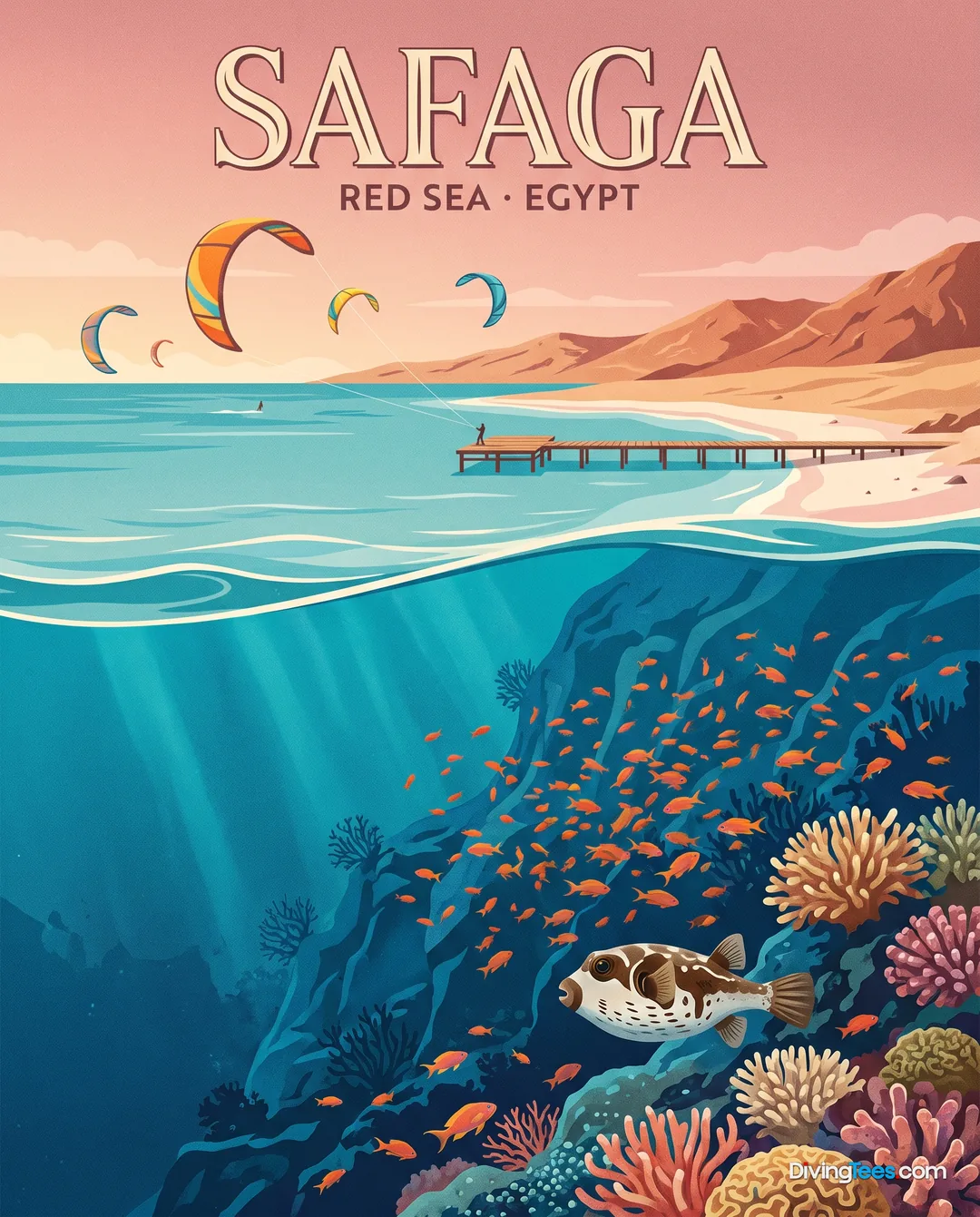
Panorama Reef offers a dynamic Red Sea wall and plateau dive, teeming with both resident reef life and the exhilarating possibility of pelagic encounters.
Panorama Reef is a prominent, large, oval-shaped reef, a testament to its compelling nature as an offshore Red Sea site. It stands as a significant feature within the 'Safaga, Brothers & Elphinstone' liveaboard itinerary. As a purely reef dive, it offers a stark contrast to wreck explorations, focusing instead on the intricate architecture of living coral formations and the life they sustain. The site's mooring points are situated on its southwest side, from where divers often approach, preparing to discover a dynamic environment sculpted by the prevalent currents.
The dive profile typically involves an initial descent along one of its impressive walls or plateaus. The reef presents a significant wall dive, a characteristic feature often sought in the Red Sea. The topography here is classic Red Sea, with a main reef structure extending into the deep, adorned with hard and soft corals that thrive in the nutrient-rich waters. This structure creates numerous hiding spots and gathering points for marine life, encouraging close observation as you drift along. Beyond the sheer wall, the topography includes a vast plateau to the northwest and another to the southeast, providing varied exploration opportunities.
Dropping down the wall, the structure itself provides shelter and hunting grounds for a diverse range of marine life. On the southern plateau, it is common to observe Napoleon wrasse (Cheilinus undulatus) moving through the corals. This area offers a chance to spend time at a more consistent depth, examining the reef top and its inhabitants. The constant flow of water around the reef provides a perpetual food source, maintaining the health and diversity of the coral garden.
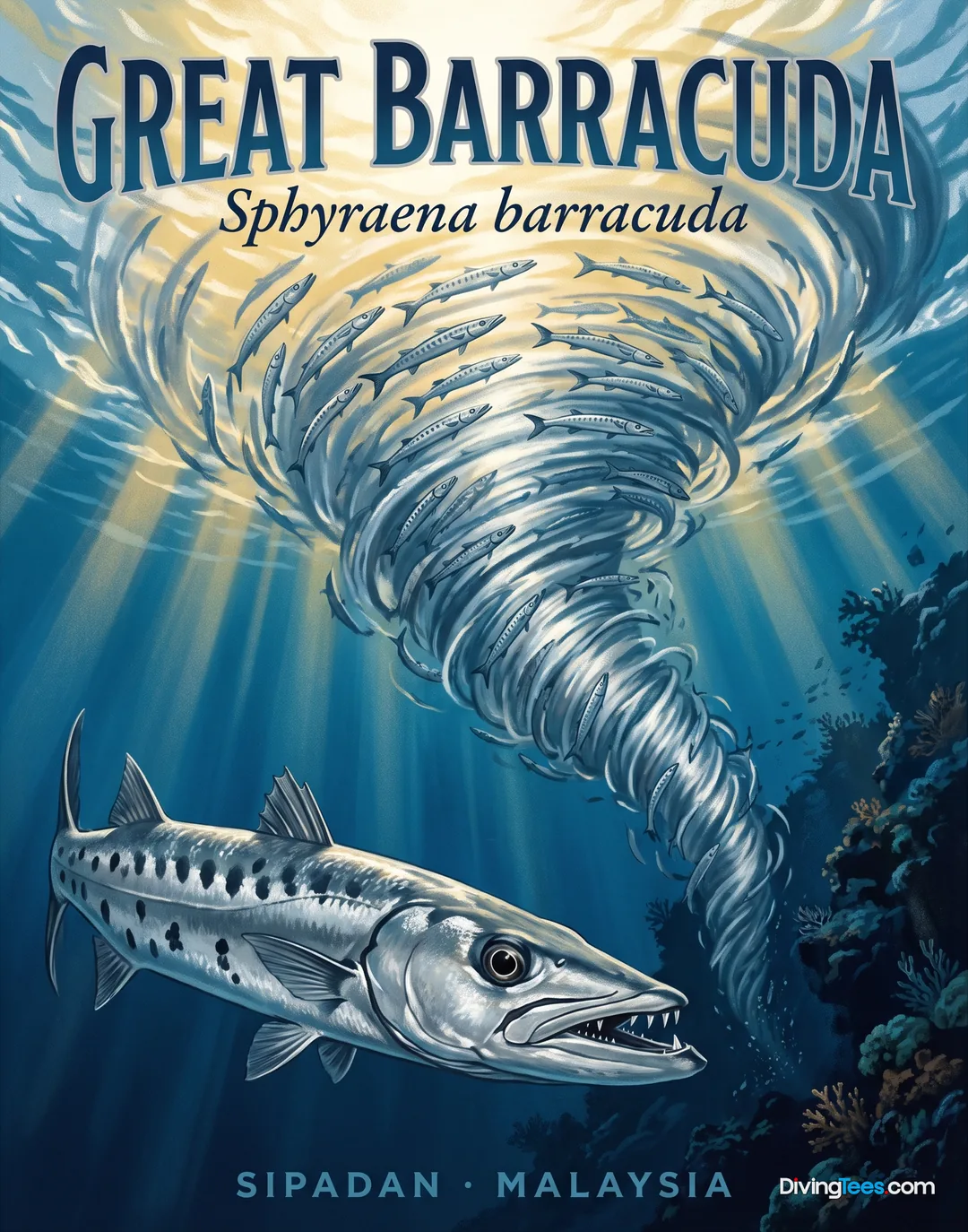
Beyond the reef structure, the open water at Panorama can be active. Pelagic species like tuna (Thunnus spp.) are known to pass by, particularly where currents might be present, allowing them to hunt. Larger predators, including bigeye trevally (Caranx sexfasciatus) and barracuda (Sphyraena barracuda), can often be seen hunting in schools of fusiliers (Caesionidae spp.). Encounters with sharks are a possibility here, adding another dimension to the dive. Whitetip reef sharks (Triaenodon obesus) are present, often patrolling the reef edges. Gray reef sharks (Carcharhinus amblyrhynchos) and silky sharks (Carcharhinus falciformis) have also been sighted. The presence of larger, more transient species like the oceanic whitetip shark (Carcharhinus longimanus) underscores the connection Panorama has to the wider ocean.
While not permanent residents, their occasional appearances suggest the site functions as an important point of interest for them, likely due to the food source provided by the schooling fish. Eagle rays (Aetobatus narinari) are also part of the occasional pelagic show, gliding gracefully in the blue. This mix of resident reef inhabitants and passing pelagics distinguishes Panorama from many other Red Sea sites.
The experience of diving Panorama Reef is defined by its untouched reef ecosystem and the feeling of being in a truly wild environment. Unlike some shore-based dives, this site’s offshore location means less human impact and a more pristine setting. You'll navigate its contours, perhaps finding a sheltered nook for a moment of quiet observation before moving back into the gentle sweep of the current, always keeping an eye on the blue.
This site is suited for all certified diver levels. Depths are accessible for recreational limits, allowing ample bottom time on the plateaus and wall. Be prepared for potentially unpredictable and strong currents, particularly on offshore reefs, as drift diving is common in the region. Always be mindful of your buoyancy and positioning relative to the reef structure. Visibility is typically good, as is common in the Red Sea.
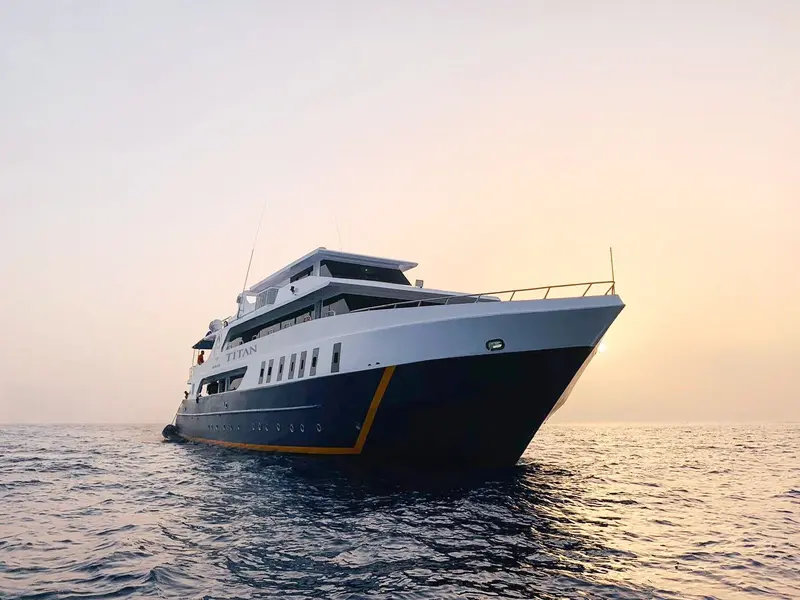
1 liveaboard departs from Safaga another way to explore the region, over several days at sea.
Panorama is suited to all certified diver levels. You can explore its wall and plateaus within recreational diving limits, with ample bottom time for observing the reef and marine life. You should still maintain careful buoyancy and positioning as you move around the reef structure.
Panorama has no stated maximum depth, but its wall and plateaus are accessible within recreational diving limits. You can spend ample bottom time exploring the reef topography, including the southern plateau, while following a profile suited to your certification and the conditions during your dive.
You should be prepared for potentially unpredictable and strong currents, especially around the offshore reef. Drift diving is common in the region, and the current supports active pelagic hunting. Maintain careful buoyancy and stay aware of your positioning relative to the reef structure throughout the dive.
You can explore vibrant coral formations, extensive plateaus, and a Red Sea wall while looking for Napoleon wrasse on the southern plateau. Tuna, bigeye trevally, barracuda, whitetip reef sharks, other shark species, and eagle rays may appear around the reef edges or in the blue.