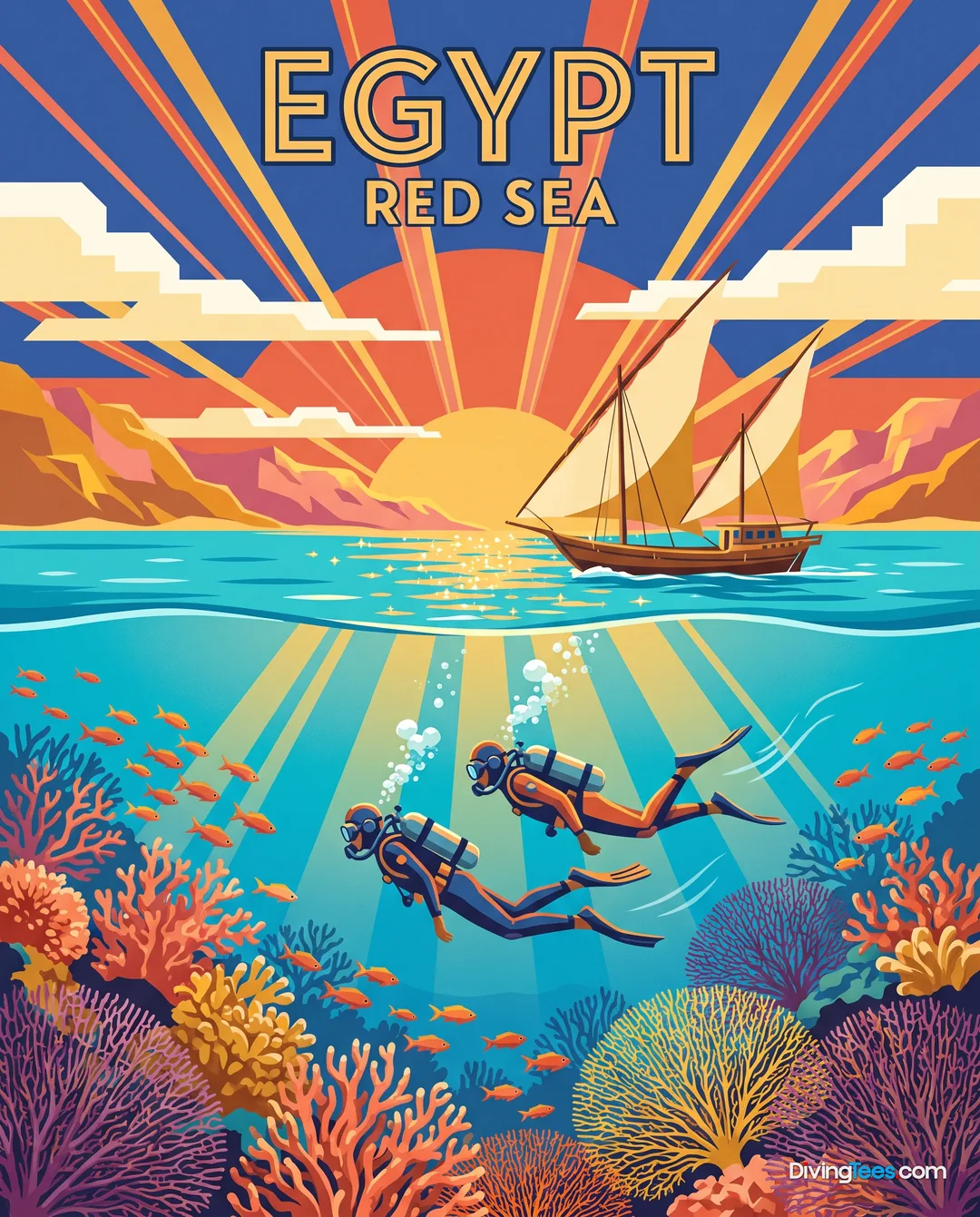
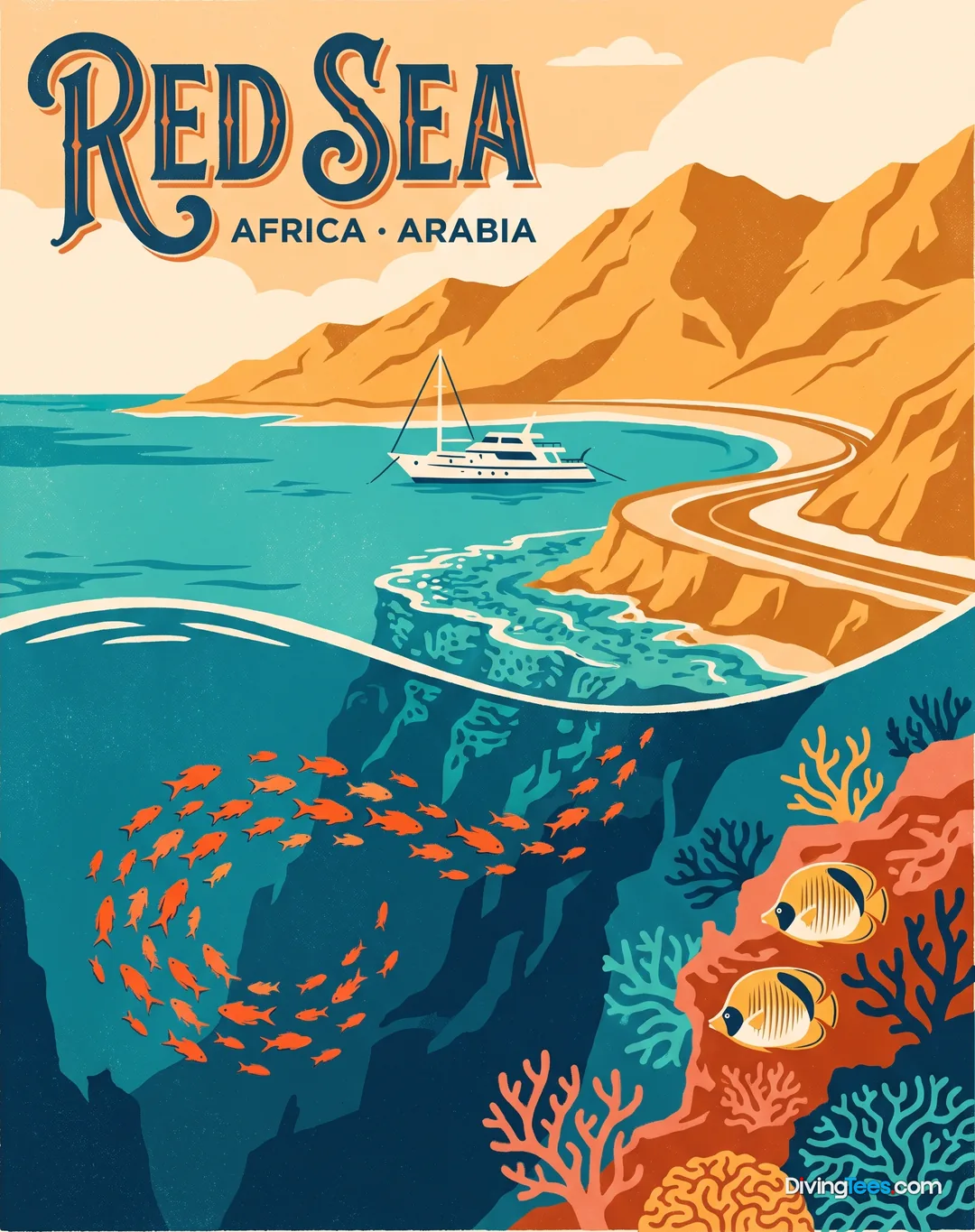
Liveaboards · Egypt
Dune Titan — a spacious, practical Red Sea dive liveaboard
What makes this boat unique
- A 39-metre diving liveaboard with 15 air-conditioned cabins, each with a private bathroom.
- Nitrox is included for certified divers, with DIN adapters, camera facilities, rinse tanks and two tenders.
- The boat carries up to 30 passengers and welcomes snorkellers on selected departures.
- Recorded cruises run for 8 days and 7 nights, covering routes from Safaga or Marsa Ghalib.
The invitation
The Dune Titan is for divers who want access to Egypt’s major Red Sea routes without giving up space between dives. Its layout is built around diving: a stern dive deck, camera station, rinse tanks and tenders that take groups out to the reef. Above it, the boat gives people somewhere to disappear after a dive—a large air-conditioned lounge, a shaded upper deck with a bar and a sun deck. That balance is the point. The Titan is not presented as an intimate yacht or a luxury retreat; it is a sizeable, purpose-built platform for chaining together classic reefs and demanding offshore sites. Free Nitrox makes the diving more efficient, while the range of departures lets a diver choose between northern reefs, Ras Mohammed, Tiran, Daedalus, Elphinstone and Fury Shoals.
Boarding
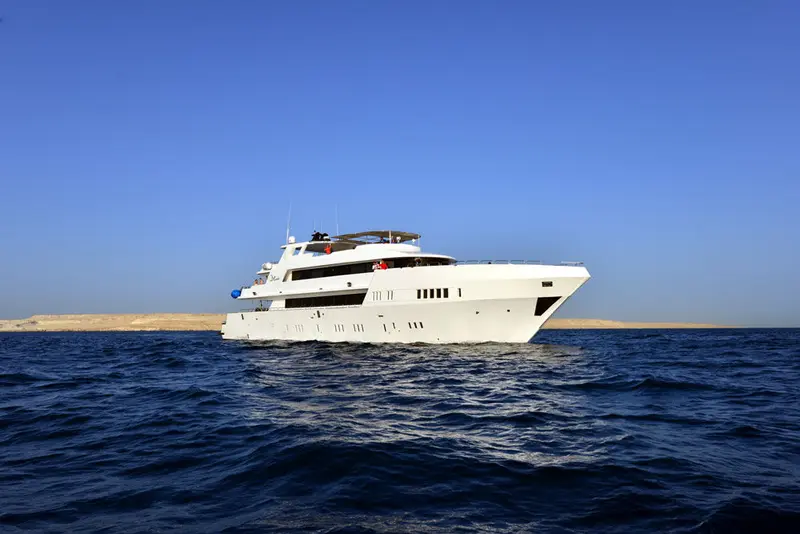
The Titan makes its impression as a working dive vessel rather than a floating boutique hotel. The useful spaces are easy to understand on arrival: dining and indoor life on the main deck, shaded outdoor seating and a bar above, then the dive operation concentrated at the stern. Movement between those areas matters more than decoration when several dives are packed into a day. The boat was launched in 2009 and was designed specifically for Red Sea diving, so the layout starts with equipment, water entries and recovery rather than adding a dive deck as an afterthought. It is large enough to carry a full group without making the common areas feel like a corridor, but anyone looking for a small-boat atmosphere should choose accordingly.
The atmosphere on board
The Titan’s atmosphere is practical and social rather than formal. With a full passenger load, the large common areas matter: meals bring the group together, the indoor lounge gives everyone a place to review the day, and the shaded upper deck with bar becomes the natural meeting point after diving. The boat carries a sizeable crew, and the rest of the onboard service is experienced as warm and helpful. The important qualification is that the dive guides are the less convincing part of the experience; passenger impressions are more positive about the wider crew than about guiding. Divers who want strong personal guiding should discuss expectations before boarding, while self-reliant buddy teams may value the Titan’s equipment-focused setup and broad route choice.
The sites you’ll dive
The recorded cruises last 8 days and 7 nights, departing and returning to Safaga on northern routes, or running from Marsa Ghalib on the southern Daedalus–Elphinstone–Fury Shoals itinerary. The sites explain the choice. Elphinstone is the deep, remote wall, dropping to -60m, where oceanic whitetips, hammerheads, grey and silky sharks, mantas and whale sharks may pass. Daedalus combines dramatic walls with pelagic possibilities to -40m. Fury Shoals brings hard-coral canyons; Abu Kafan pairs towering walls with current and big fish. In the north, the Strait of Tiran reaches -40m across four offshore reefs, while Eel Garden in Ras Mohammed slopes to -35m among garden eels. Shallower sites add variety: Fanadir North to -30m, Shaab Claude to -22m, Safaga Soraya and Shaab Hamdallah to -20m, and Gotha Abu Nugar North to -9m. Middle Reef and Tiran complete the route options with hard-coral formations and four distinct reef environments.
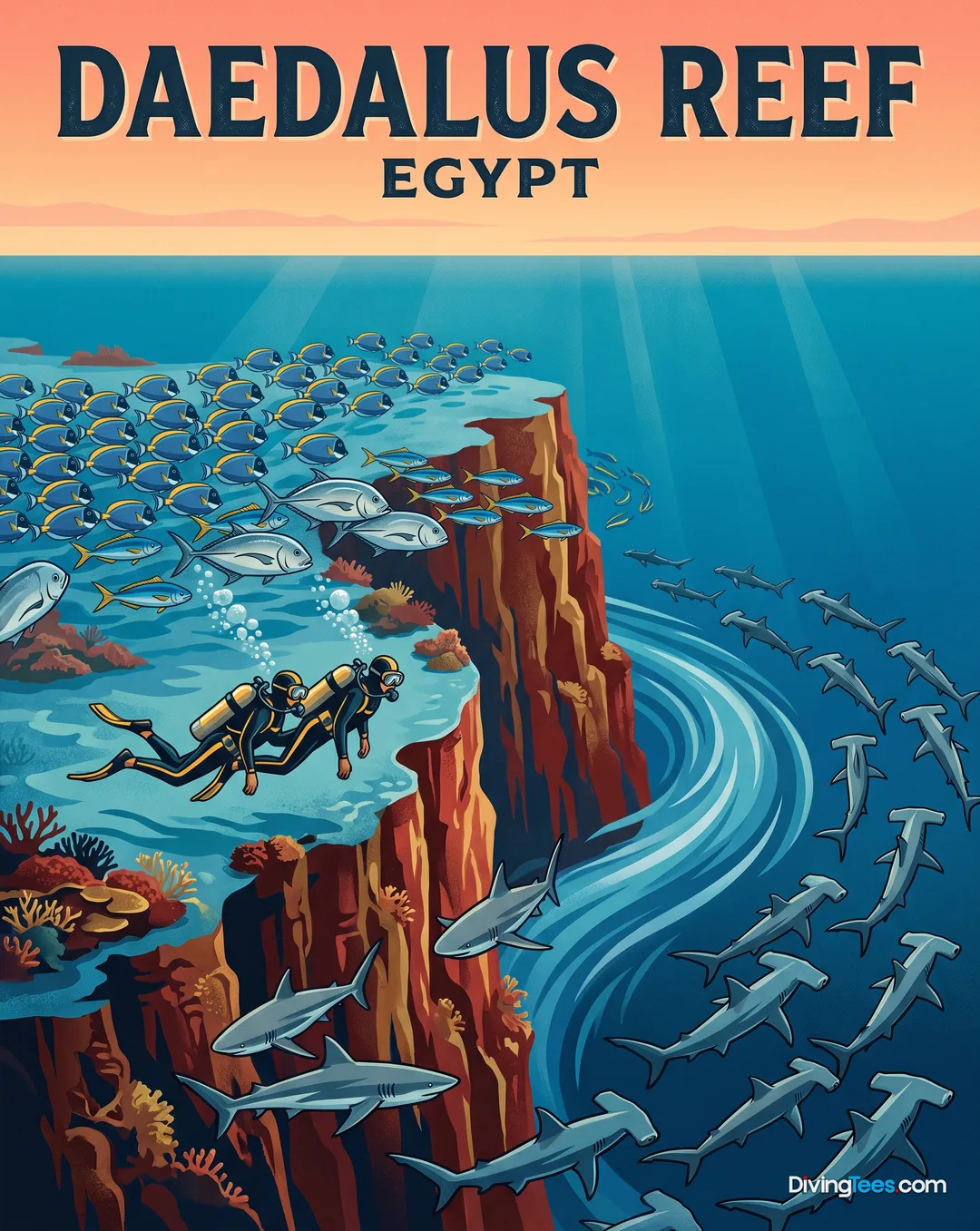
Daedalus →
Max. depth · 40 m
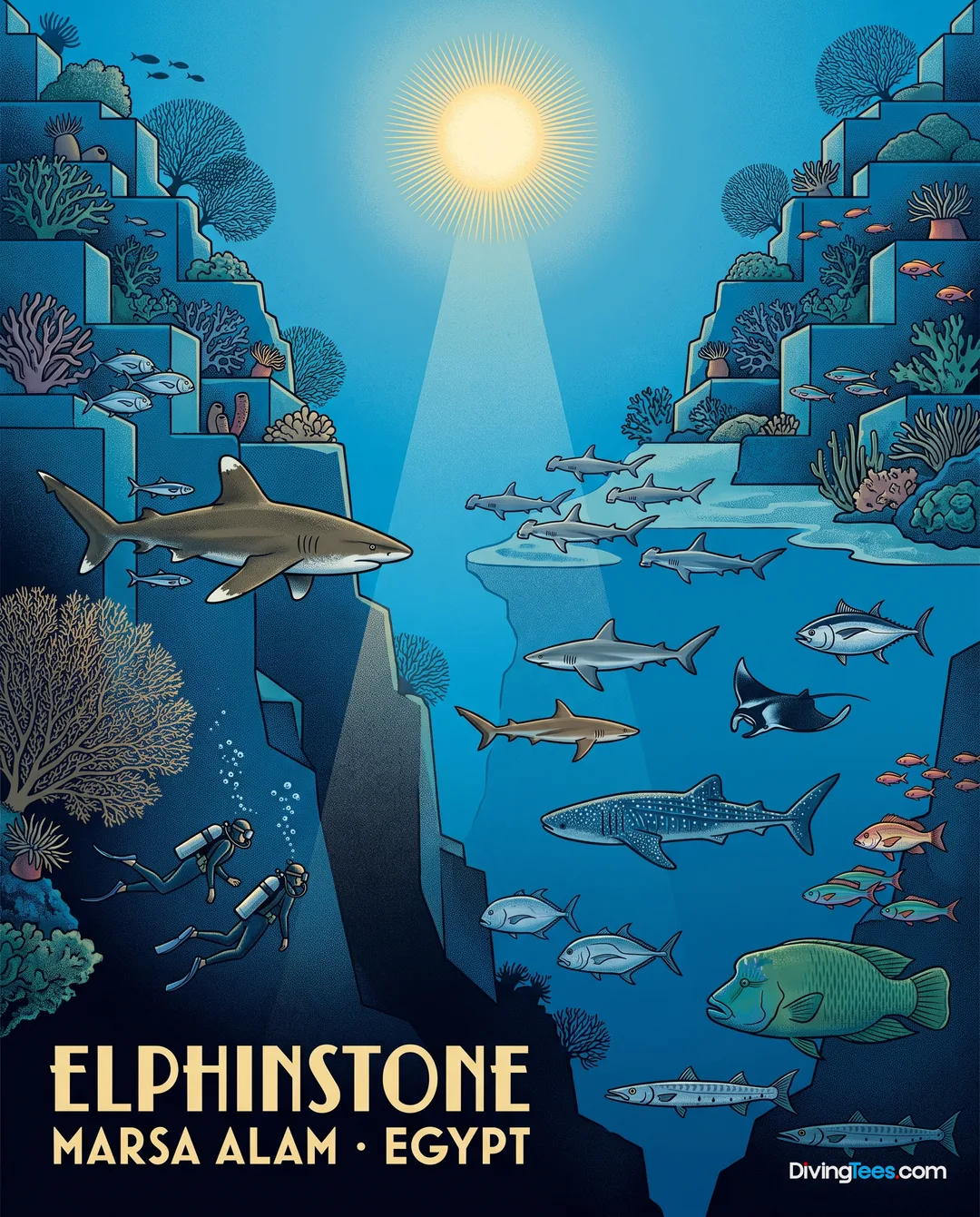
Elphinstone →
Max. depth · 60 m
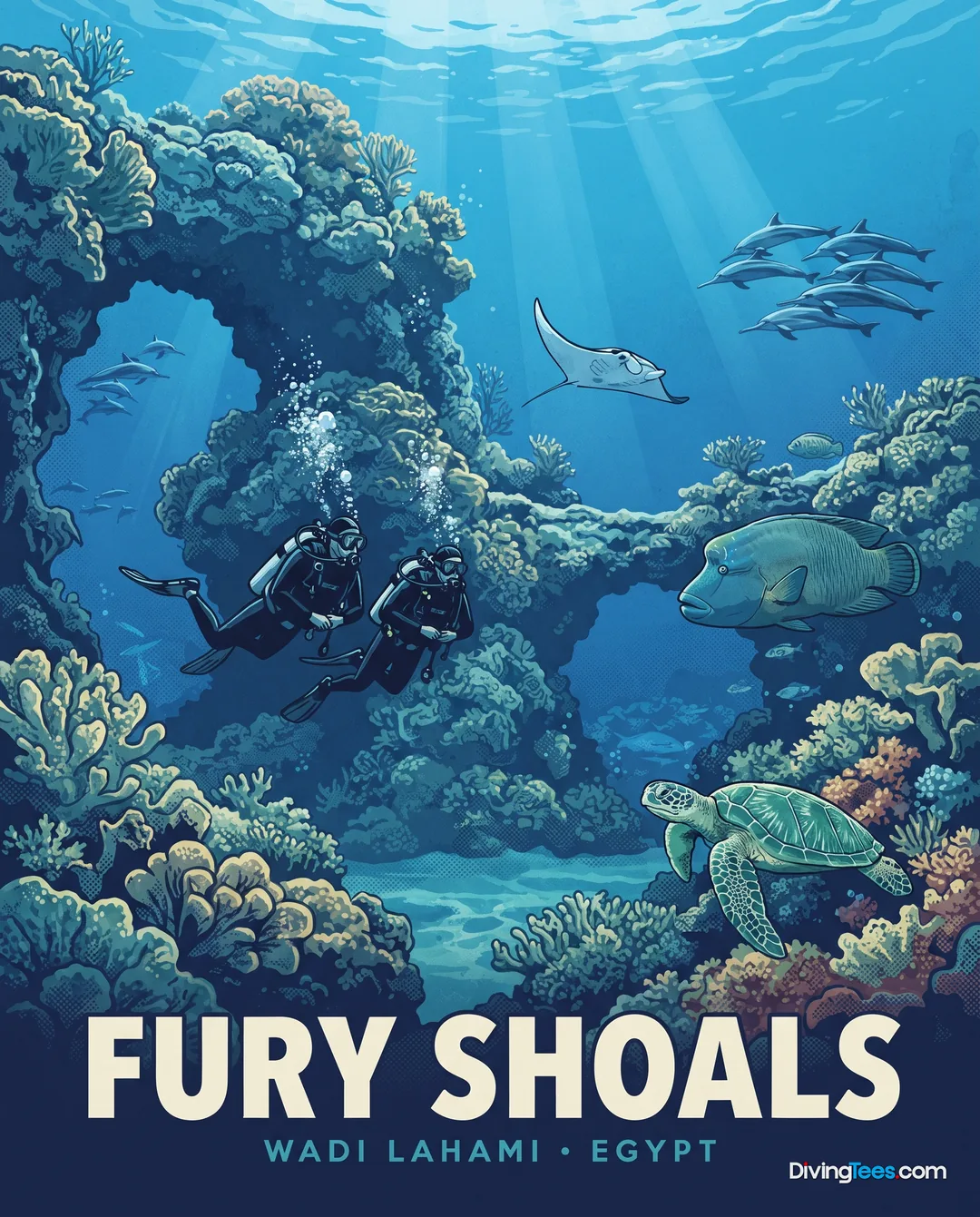
Fury Shoals →
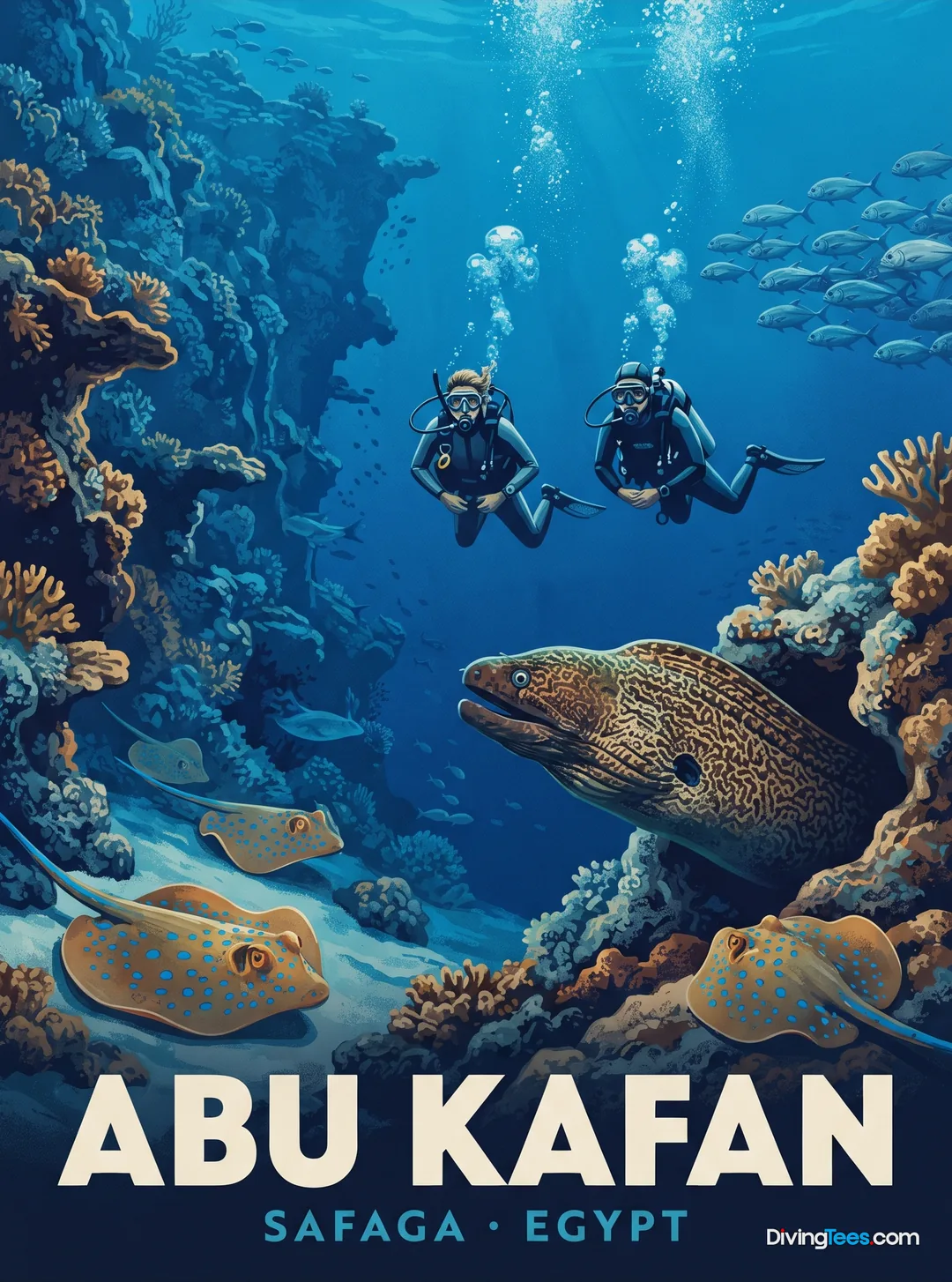
Abu Kafan →
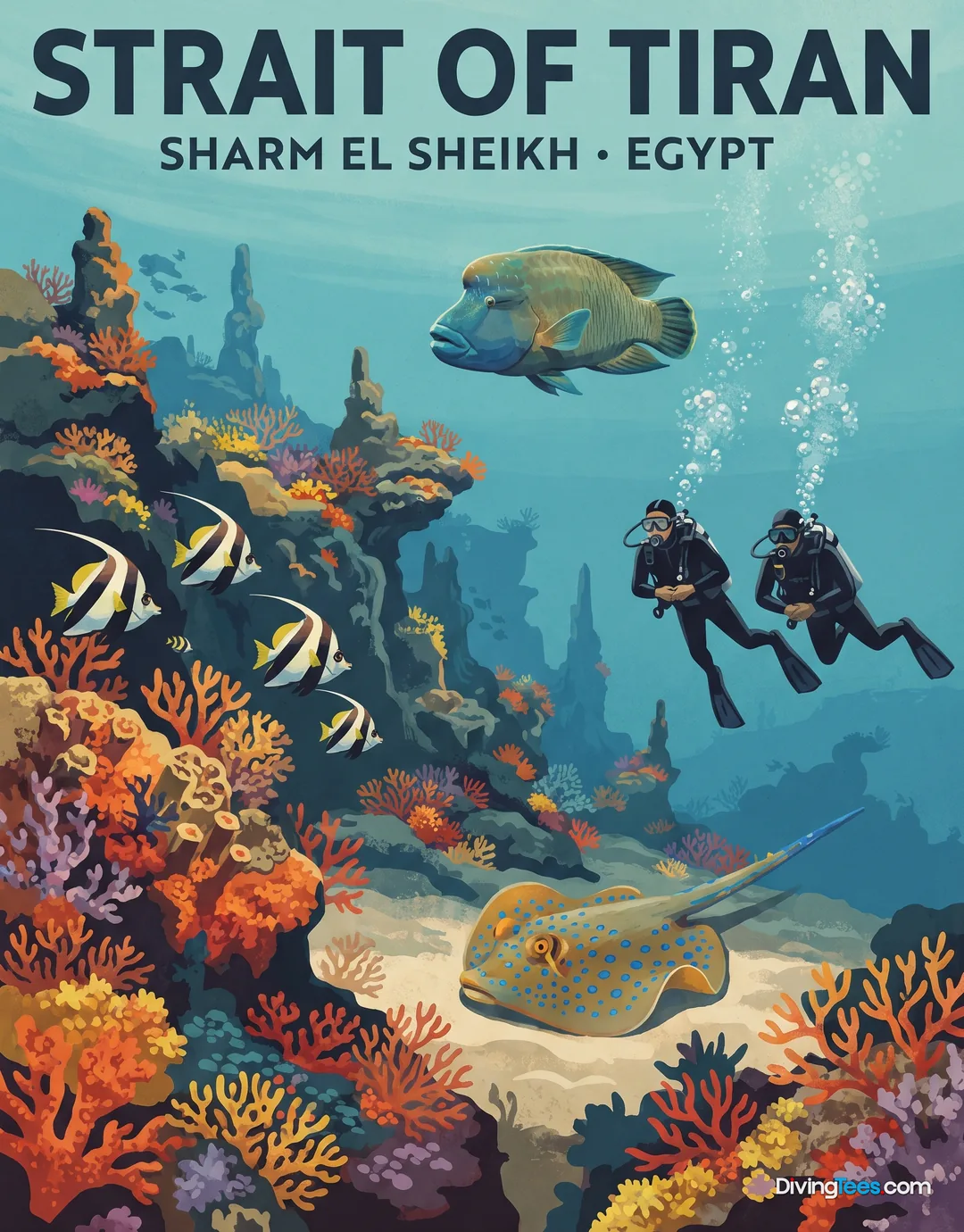
Strait of Tiran →
Max. depth · 40 m
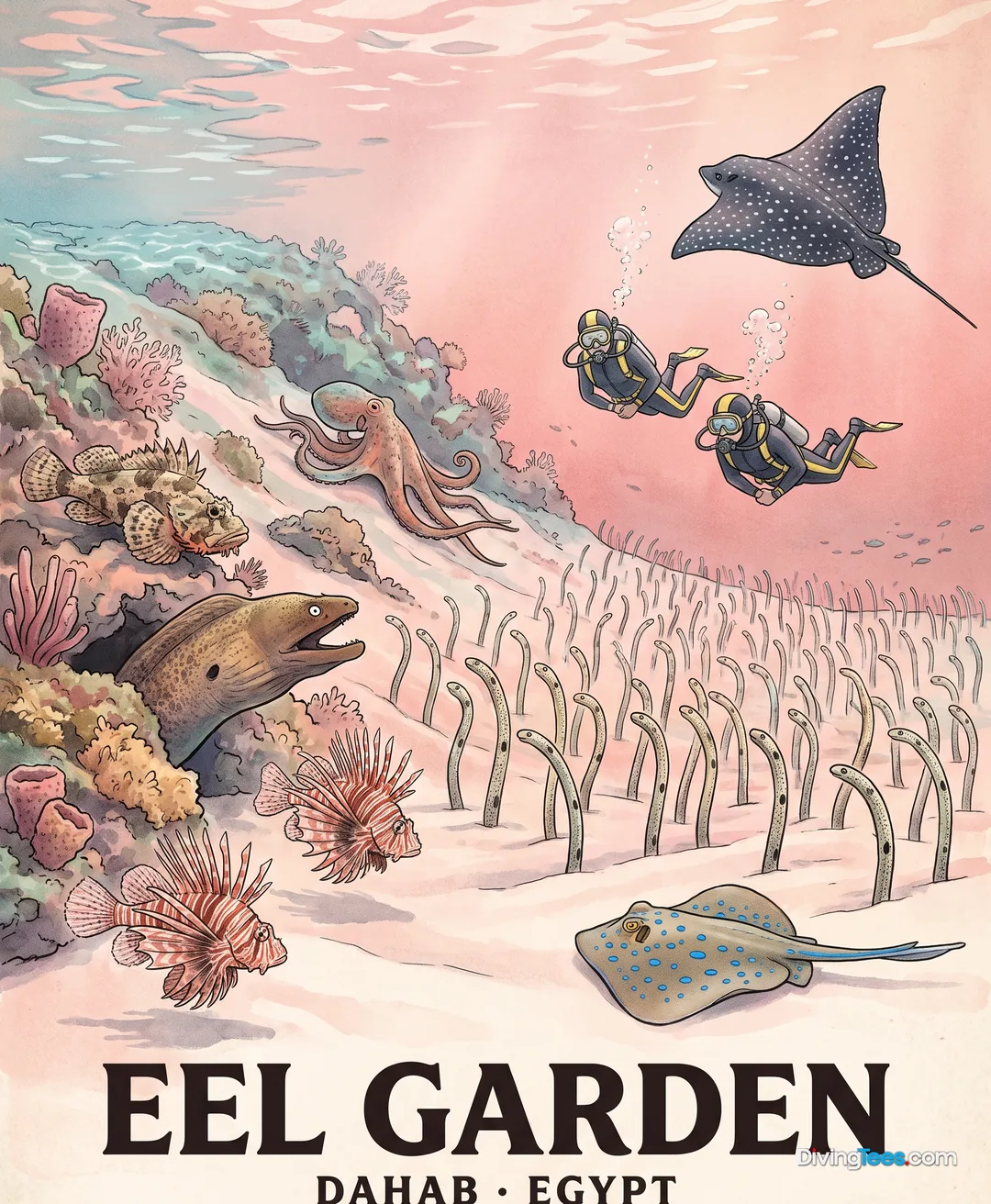
Eel Garden →
Max. depth · 40 m
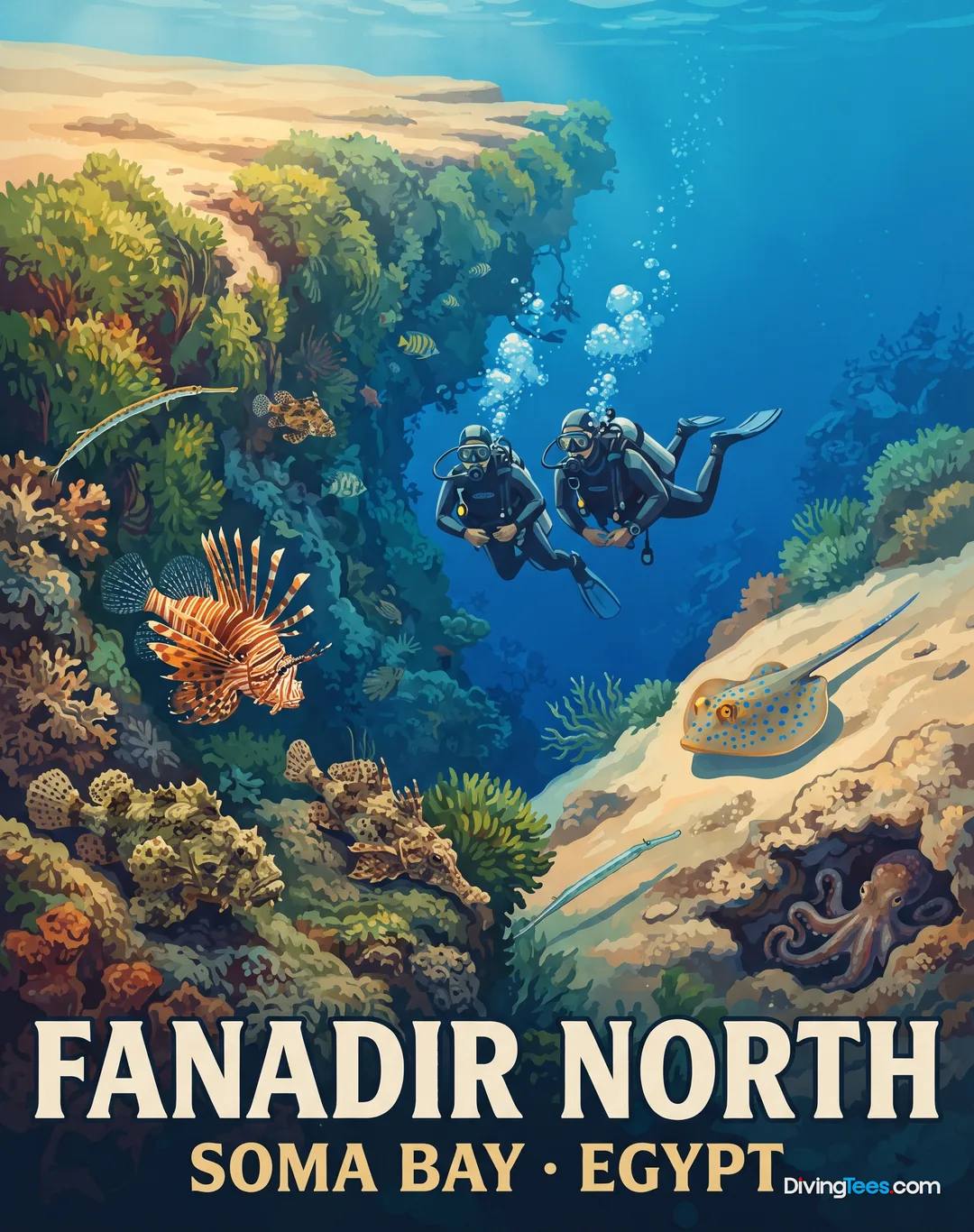
Fanadir North →
Max. depth · 30 m
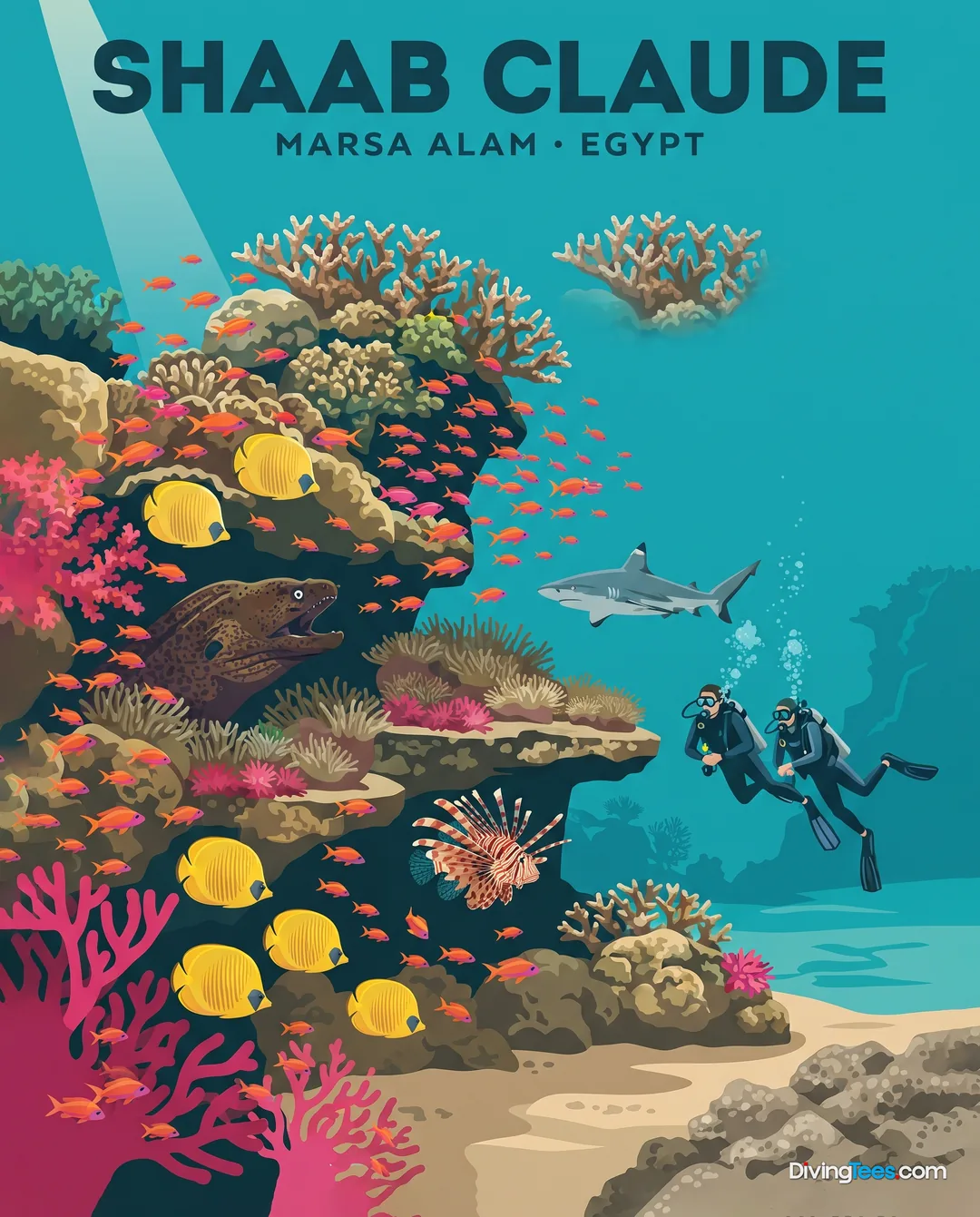
Shaab Claude →
Max. depth · 22 m
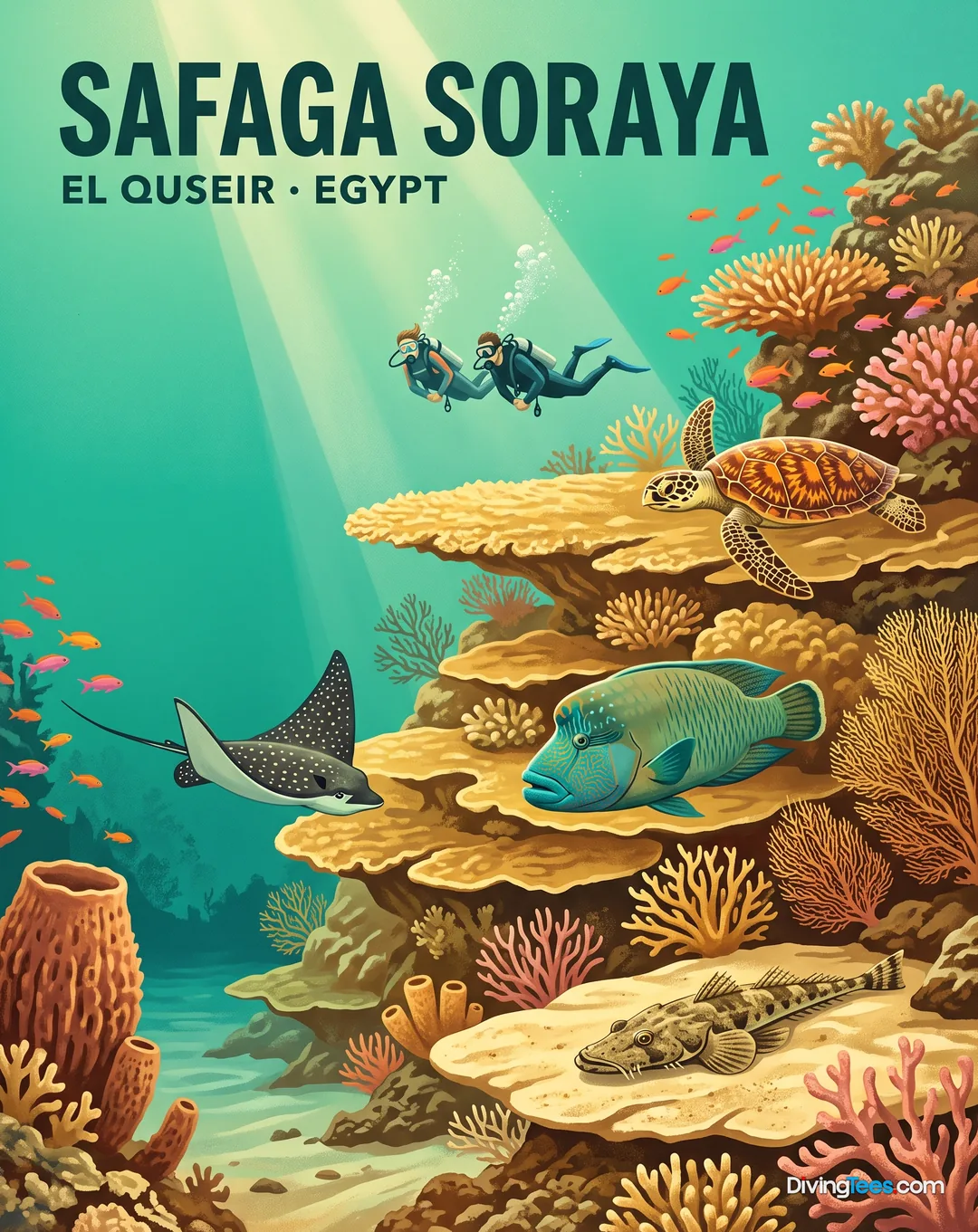
Safaga Soraya →
Max. depth · 20 m
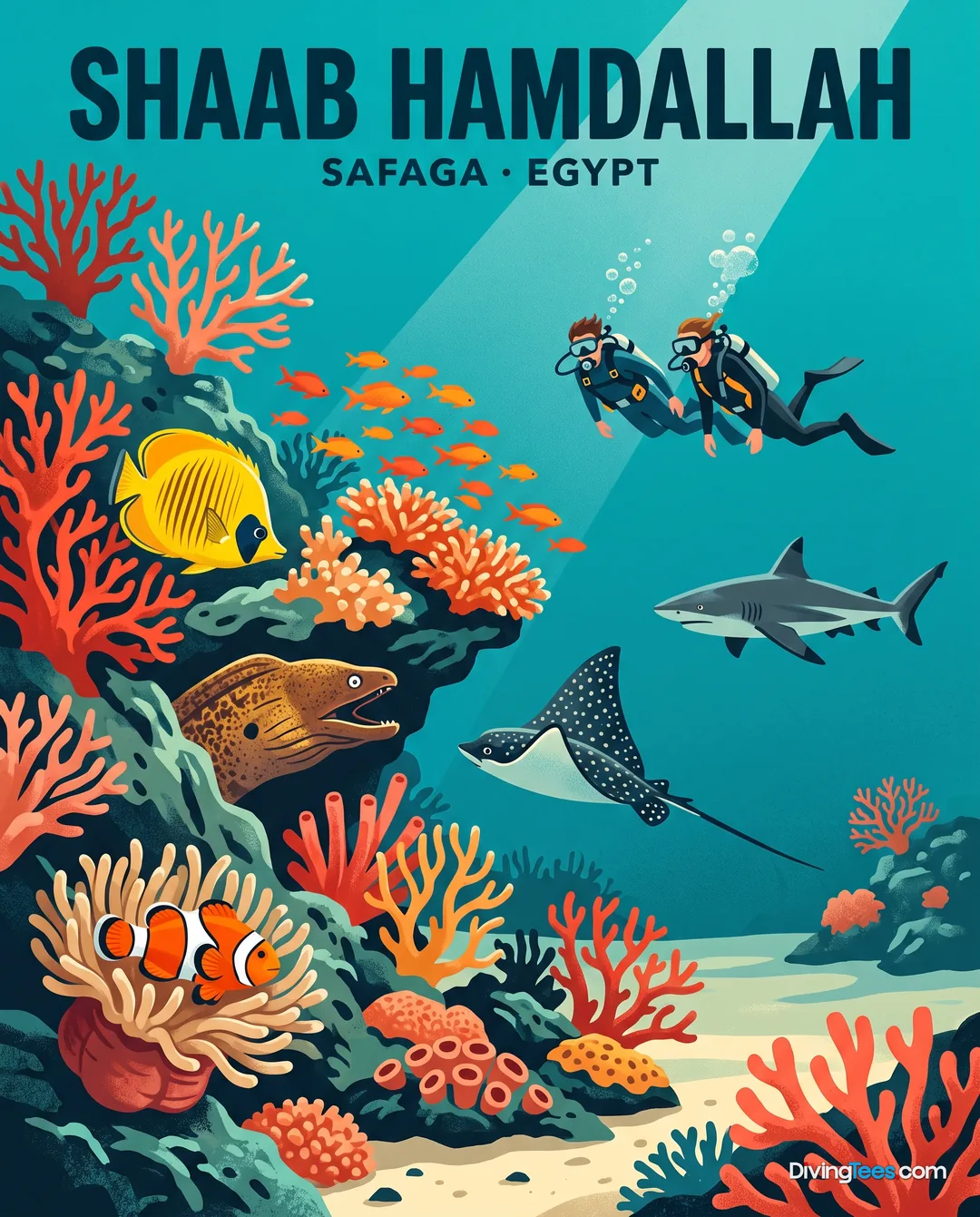
Shaab Hamdallah →
Max. depth · 20 m
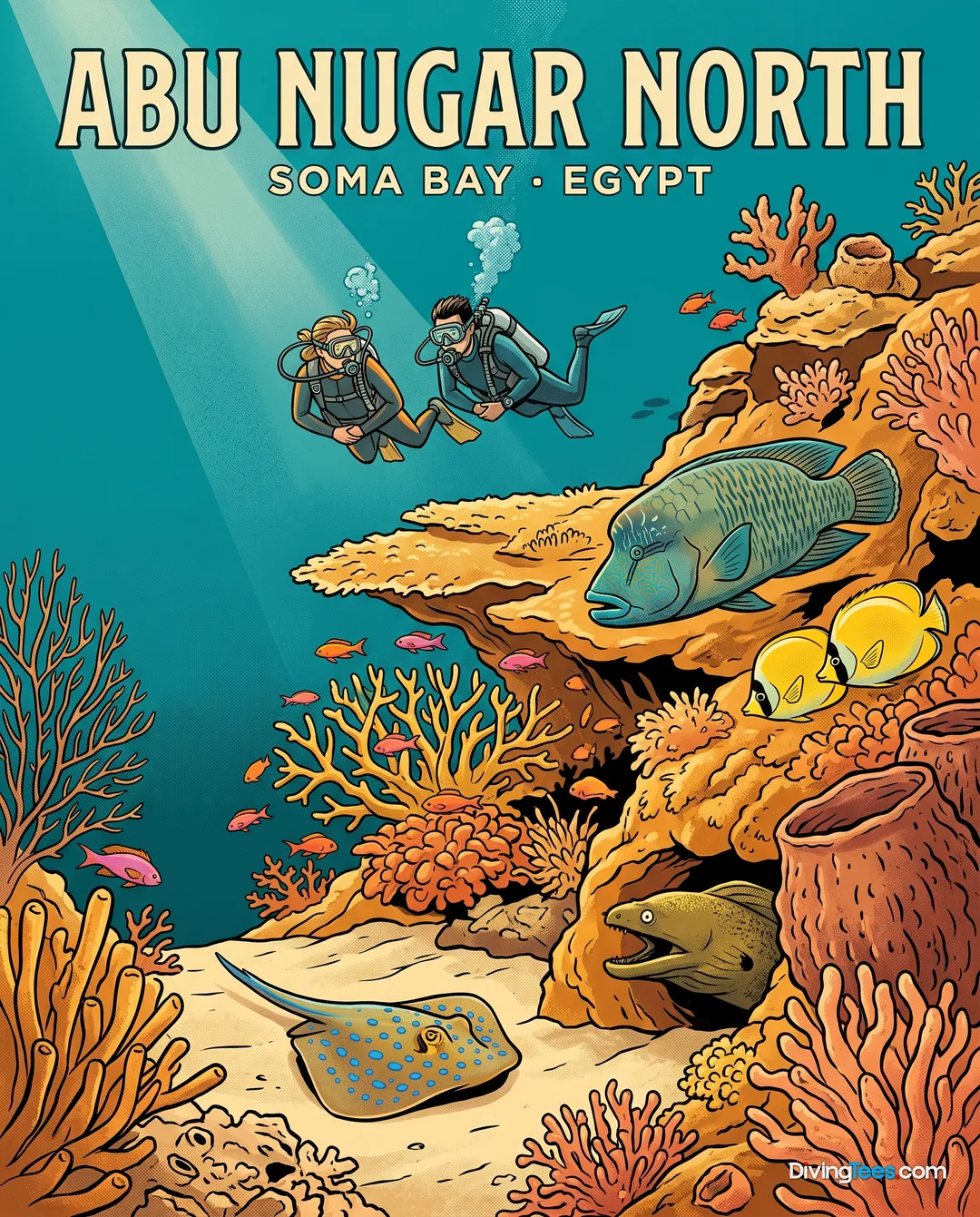
Gotha Abu Nugar North →
Max. depth · 9 m
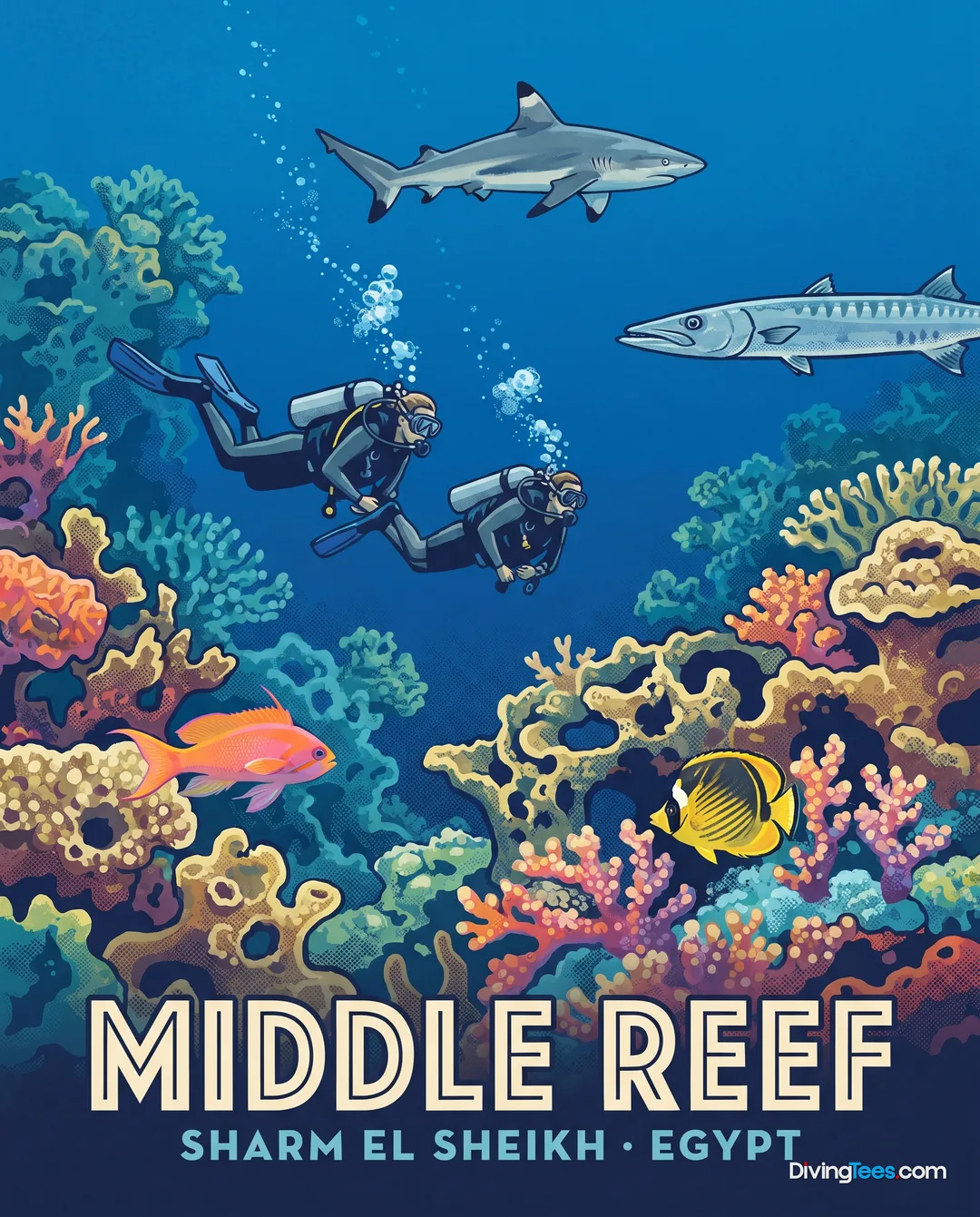
Middle Reef →
Itineraries, dates and prices
Prices per person. Each month shows its lowest price: click a month, or pick an itinerary.
Next departures · 86 departuresfrom £754$1,007€900
October 2026
November 2026
February 2027
See dates and prices
If you click these links and make a purchase on the partner site, DivingDeal may earn a commission, at no extra cost to you.
Dates and prices taken from Divebooker and liveaboard.com, updated 22 October 2026
What you’ll meet underwater
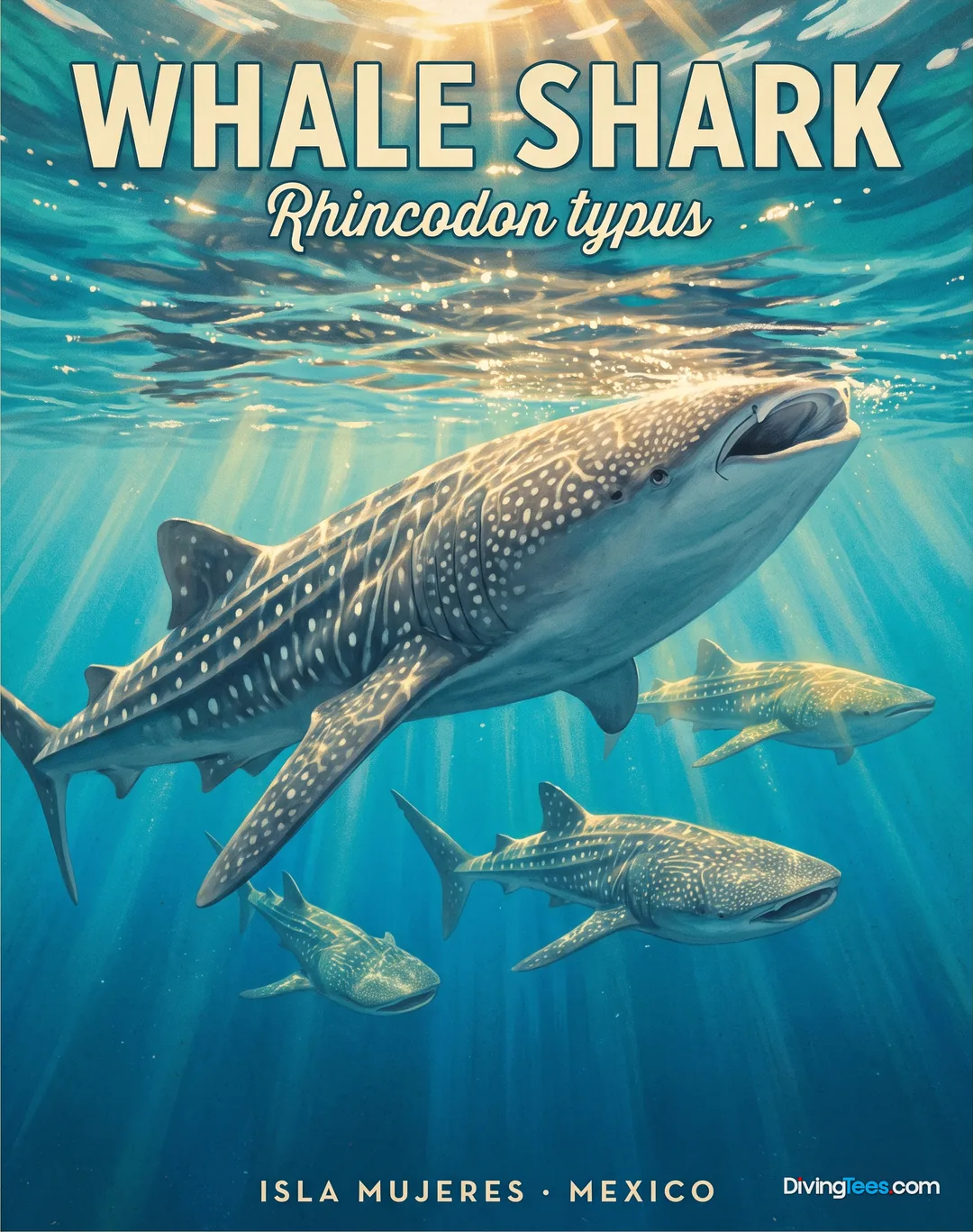
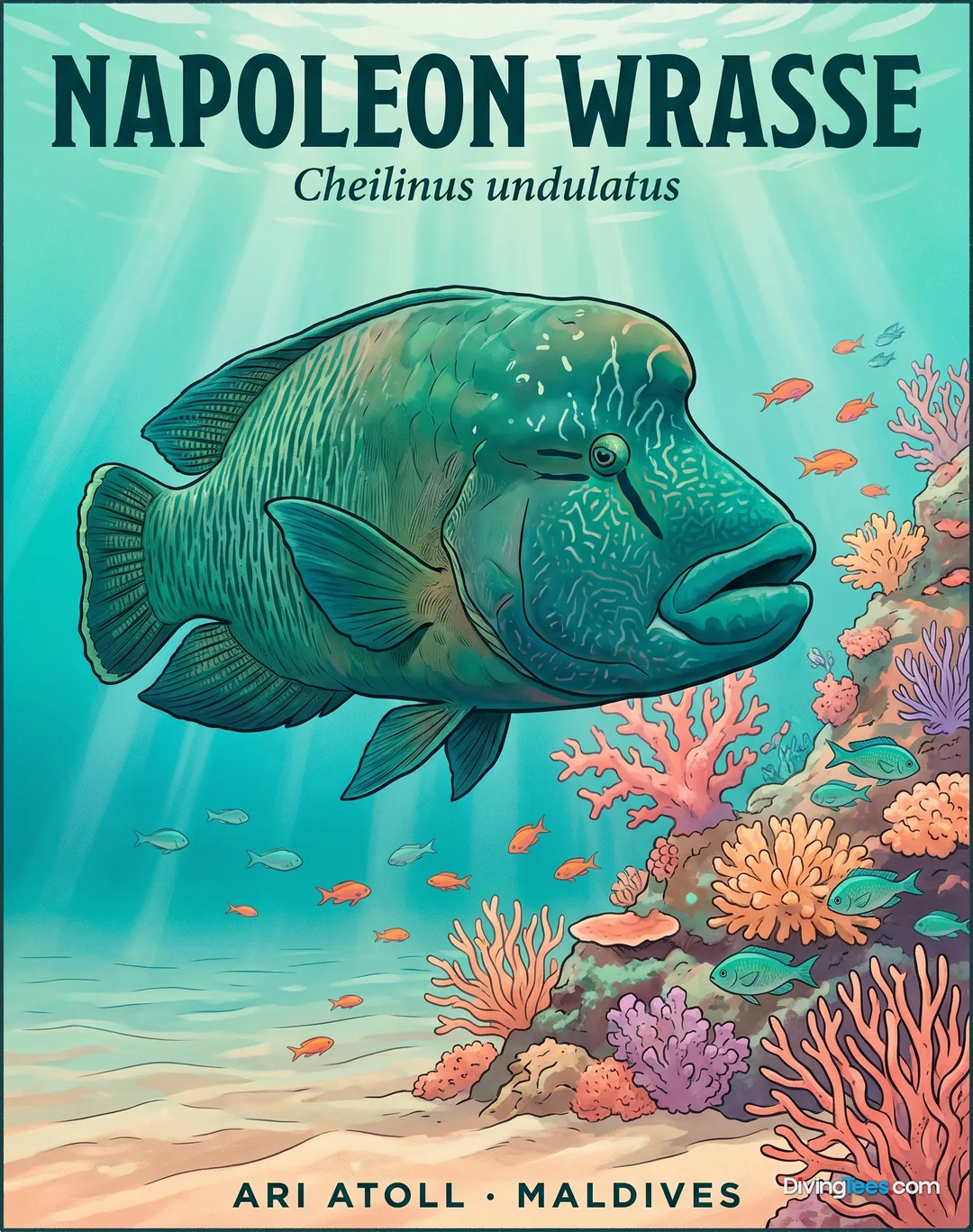
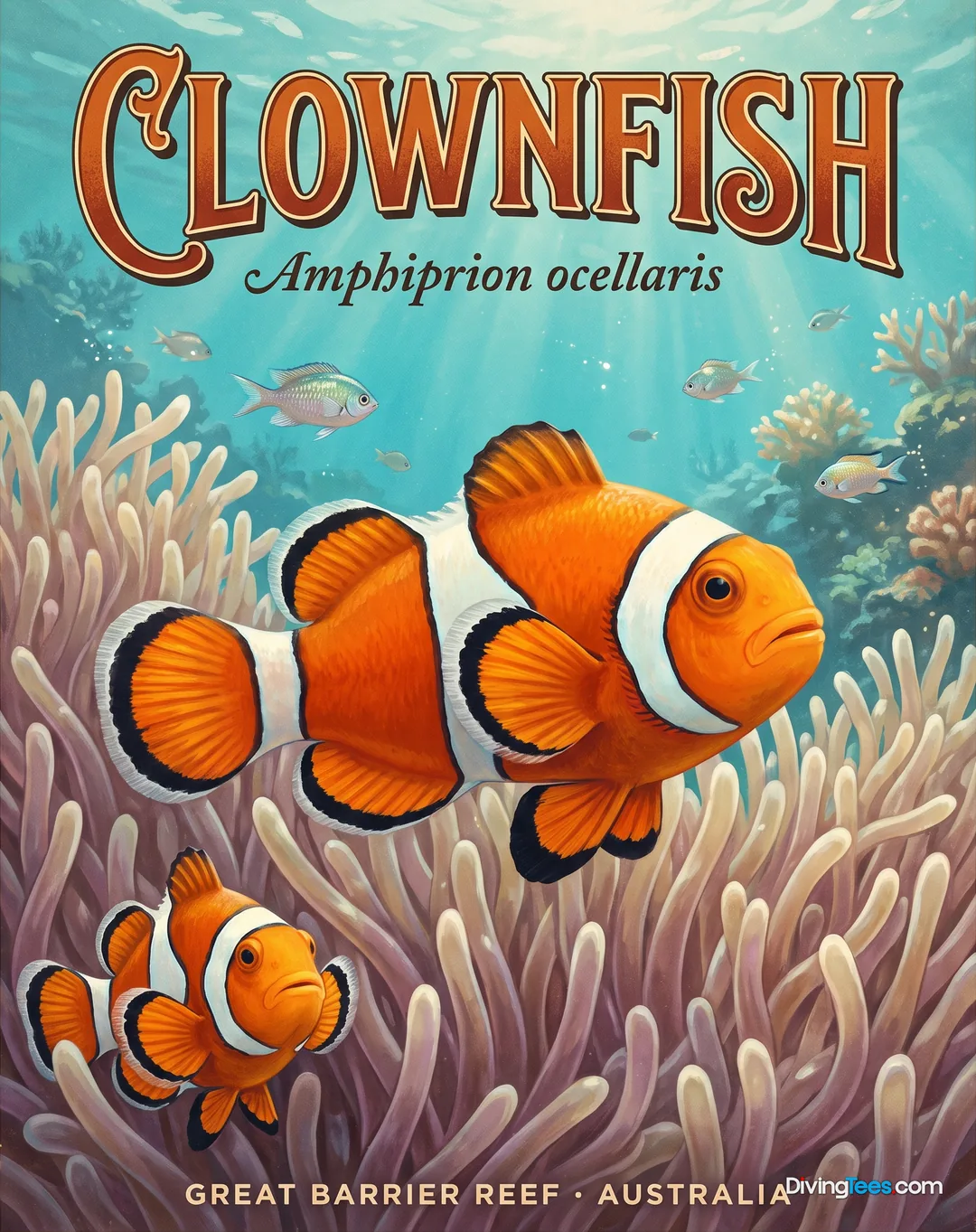
Turtles, barracuda, reef sharks, morays, Napoleon wrasse, anthias, snappers, butterflyfish, jacks, trevallies, tuna and soft coral recur across several sites on this route. Currents and exposed walls are the reason the larger animals appear in the itinerary: Elphinstone can produce oceanic whitetips, hammerheads and even whale sharks, while Daedalus is noted for hammerheads, silky sharks, oceanic whitetips, threshers, mantas and big-eyed trevally. The Strait of Tiran is the place for groupers, hard coral, surgeonfish and green turtles. Eel Garden is worth the visit for its extensive garden-eel colony. Shaab Claude brings anemones and clownfish; Gamul Soraya has batfish; and Shaab Hamdallah concentrates soft corals, gorgonians, tuna, barracuda, eagle rays and dense reef fish. These are possible encounters, not a checklist.
Who puts you in the water
The 20-person crew speaks English and French. Briefings and dive-group organisation are part of the operation. Oxygen, first-aid kits, fire alarms, extinguishers, life jackets, GPS, VHF/DSC/SSB radio and satellite communication are carried on board. Passenger feedback is more positive about the wider crew than about the dive guides, so the guiding style matters here. Divers who are comfortable managing their own gas, navigation and buddy procedures should find the boat’s equipment and tender system particularly relevant.
The dive deck and the gear
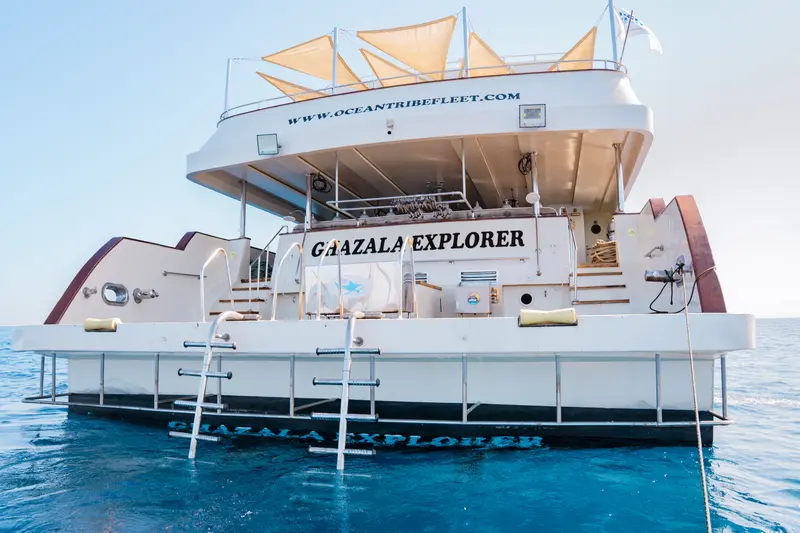
The stern has a dedicated dive deck for equipment organisation and water entries, with rinse tanks, a camera station, charging stations and a platform designed around repeated dives. Two tenders carry divers to the sites, leaving the main vessel clear while groups work from the reef boats. Nitrox is included for certified divers, and DIN adapters are available. Technical diving is supported. Rental equipment is available. The Titan covers the core liveaboard workflow well, while divers with specialised equipment will want to check that the setup matches their needs.
Between dives
Between dives, the Titan gives three different places to settle. The air-conditioned indoor lounge is the sensible refuge when the deck is too hot, while the shaded upper deck with its bar works for a drink, a conversation or a quiet debrief. The sun deck is the open option for drying gear, watching the Red Sea pass and staying out of the way of the dive operation. Charging stations and an audio-video lounge support the less active hours, but the boat’s real advantage is separation: the dive deck remains a work area, while the upper decks let the rest of the group come down from the dive without sitting on top of cylinders and kit.
A day on board
A day begins with the dive operation, not with a slow hotel breakfast. Divers move from cabin to briefing, prepare equipment on the stern deck, and use the tenders when the site calls for them. After the first entry comes food, rinsing and a return to whichever deck suits the heat: the air-conditioned lounge, the shaded upper deck or the sun deck. Further dives divide the day into clear blocks of preparation, descent, recovery and debrief. Buffet meals and snacks keep the gaps useful rather than ceremonial. When the Titan is under way, the dive deck gives way to open-water views and conversation; when it is secured over a reef, the boat becomes a base for the next briefing.
What you eat aboard
Meals are served buffet-style in the main-deck dining room, with local and Western cooking prepared on board. Vegetarian options are available, and snacks are offered throughout the day, which matters when diving repeatedly rather than eating around a conventional hotel schedule. Tea and coffee are included; beer and other alcoholic or non-alcoholic drinks are available separately. The format is deliberately uncomplicated: divers can eat, debrief and get back to preparing for the next entry without turning every meal into an event. Local dishes add some Egyptian character, while the Western choices keep the table familiar for a mixed international group.
Nights at sea
The cabins are spread across the lower, main and upper decks, with Deluxe Double/Twin, Superior Twin, Superior Suite, Standard Twin and Deluxe Twin categories. Every cabin is air-conditioned and has a private bathroom, while upper-deck cabins offer bay windows. The practical difference between them is position and bed layout: lower-deck twin and queen options, main-deck cabins with a small double bed and a single bed, and twin cabins higher up. The shared spaces change the feel of the nights more than the cabin names do. After the last dive, the indoor lounge gives shelter from heat and wind; outside, the shaded upper deck and sun deck keep the sea in view. The cabin is where the day ends, not the whole reason for choosing the boat.
Deluxe Double/Twin Cabin - Upper Deck
Superior Twin Cabin - Middle Deck
Superior Suite Cabin - Middle Deck
Standard Twin Cabin - Lower Deck
Deluxe Twin Cabin - Upper Deck
What to know before boarding
Recorded departures and returns use Safaga, while the Daedalus–Elphinstone–Fury Shoals route runs from Marsa Ghalib to Marsa Ghalib. Airport transfer is included. The transfer details are provided with the departure information, and arriving the night before remains the sensible way to protect the first day at sea from flight delays.
Deck plan
- Length
- 39 m
- Beam
- 9 m
- Maximum number of passengers
- 30
- Number of cabins
- 15
- Number of bathrooms
- 15
- Engines
- 2 moteurs 850 hp
- Tenders
- × 2
- Website
- dune-world.com ↗
Hello, I'm Marina, DivingDeal.com's AI assistant. I answer in detail about hotels, dive centres and liveaboards.
Thinking about the whole trip and the flights? Talk it over with Edith →
Marina is an AI. Some links are affiliate links: DivingDeal may earn a commission, at no extra cost to you. Bookings are made with the partner.