
Scuba Iguana
Google 4.7/5 (357 reviews)
289 km away as the crow flies
Galapagos · Ecuador · Americas
Max. depth · 30 mWolf Island offers one of the highest shark biomasses on the planet, with massive schools of scalloped hammerheads and Galapagos sharks cruising cleaning stations.
Diving Wolf Island means entering a world where the ocean's raw power dictates the experience. This remote volcanic island, part of the Galapagos archipelago, is defined by its exposed sites: sloping reefs, sheer walls, and rugged rocky outcrops. You'll often find yourself positioning among boulders, holding your ground as you watch the pelagic action unfold. Some areas also feature caverns, tunnels, and pinnacles, especially around the North Islet and channels like Elephant, which create natural ledges and overhangs that serve as critical cleaning stations.
The dive profile here is typically a negative or controlled entry, dropping quickly to depth to get ahead of the current, followed by a sustained drift along these rich reefs and walls. Depths frequently range from 5 metres down to 30 metres as you navigate the topography. Visibility can vary, but generally extends from 10 to 30 metres, offering clear views of the dynamic underwater landscape and its inhabitants.
Currents at Wolf are a defining characteristic, often medium to strong, and can shift directions unpredictably. You'll encounter downcurrents, surge, and choppy surface conditions, all driven by the island's unique topography and the tides. These conditions are typically most pronounced during the cool, dry season when the nutrient-rich Humboldt Current sweeps through, bringing colder waters and attracting the larger pelagics. Even during the warm season, the currents remain significant, requiring constant awareness.
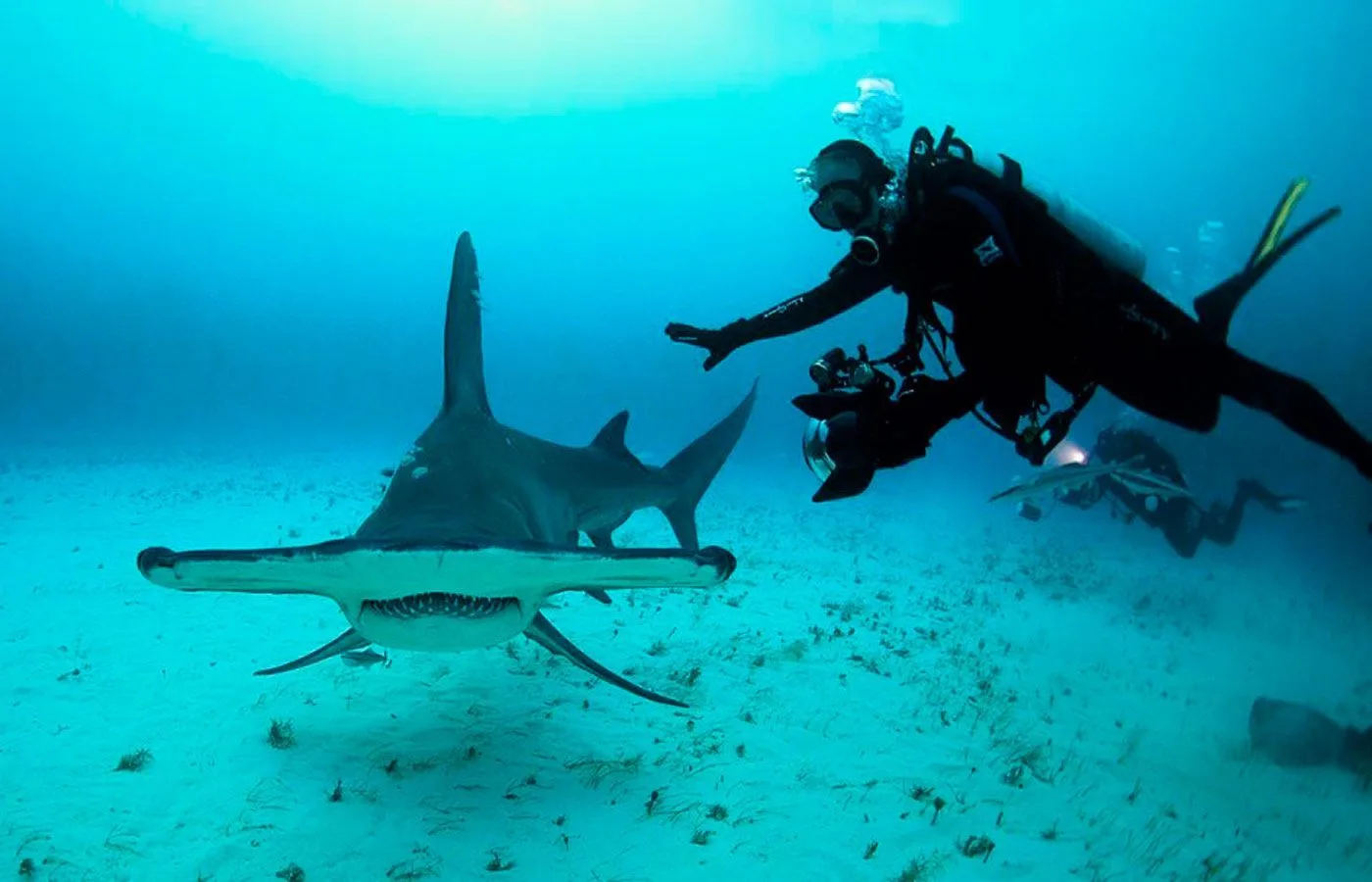
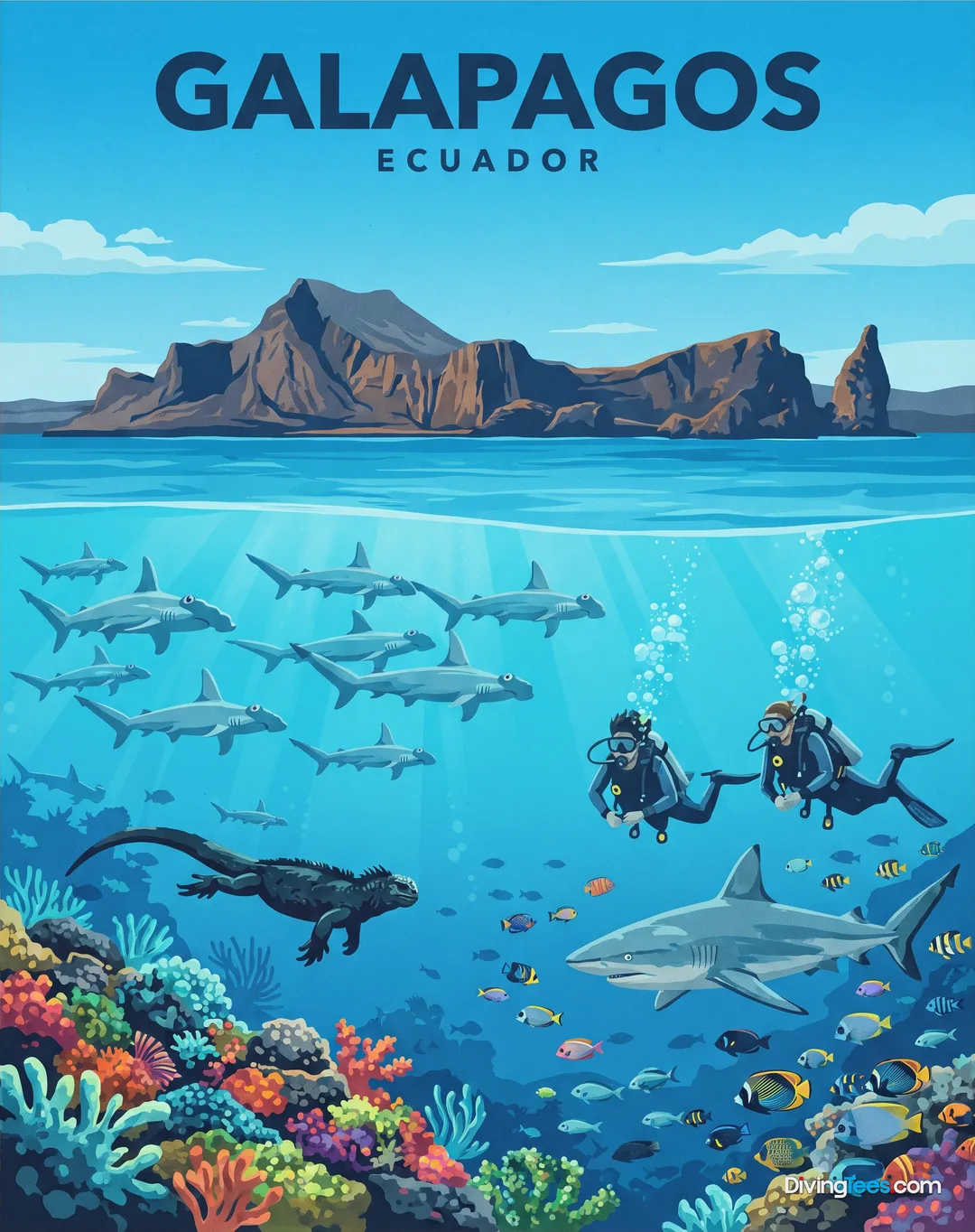
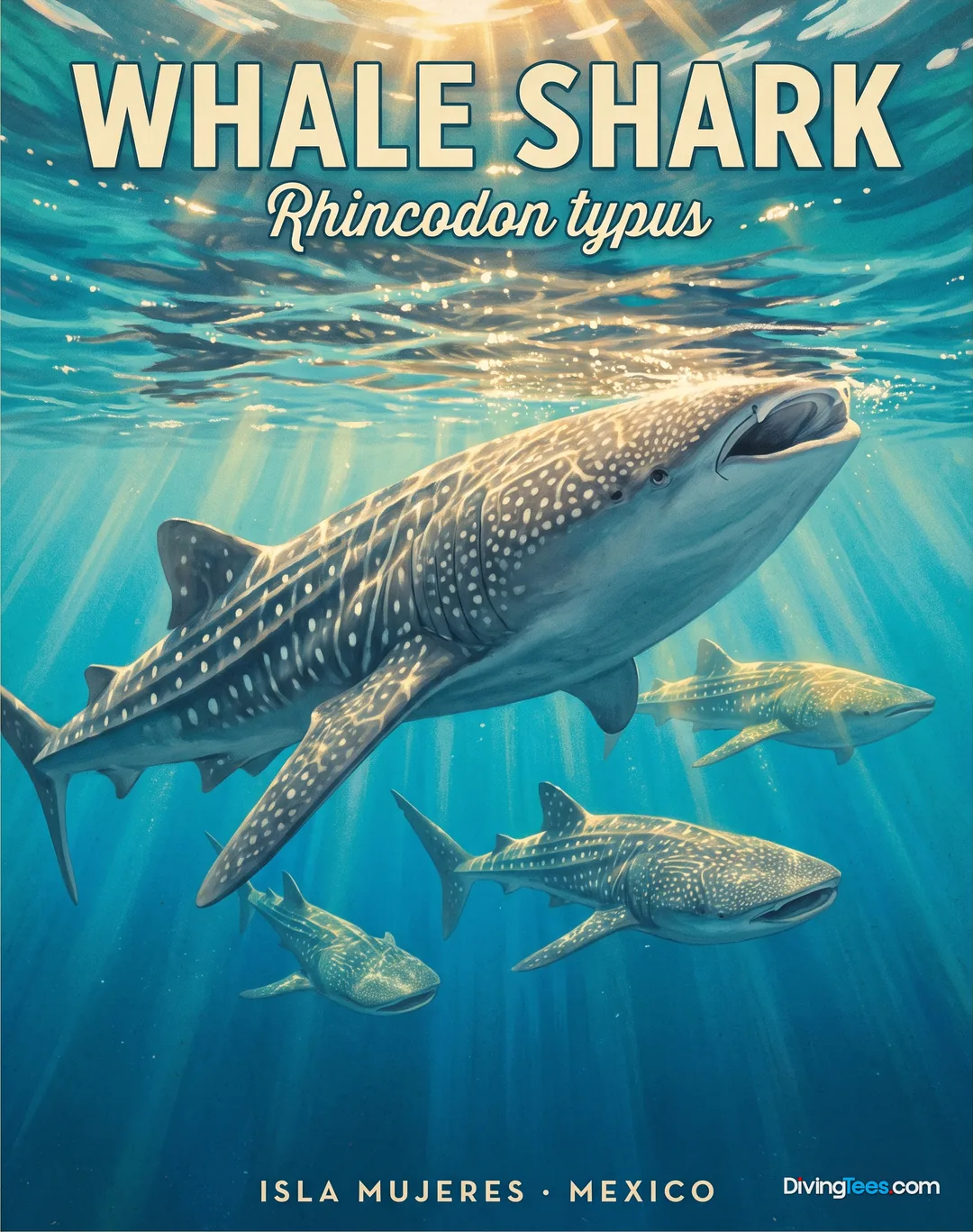
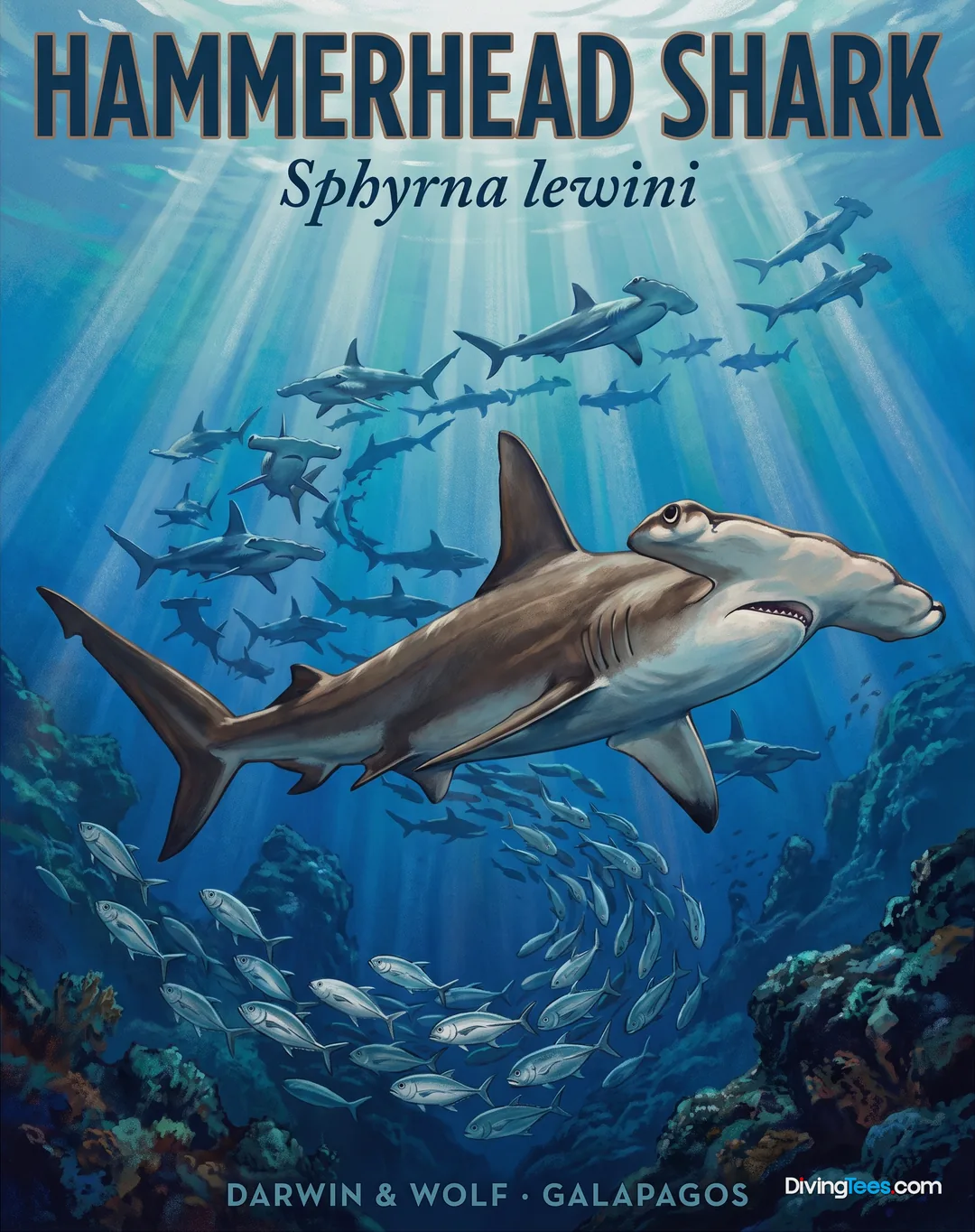
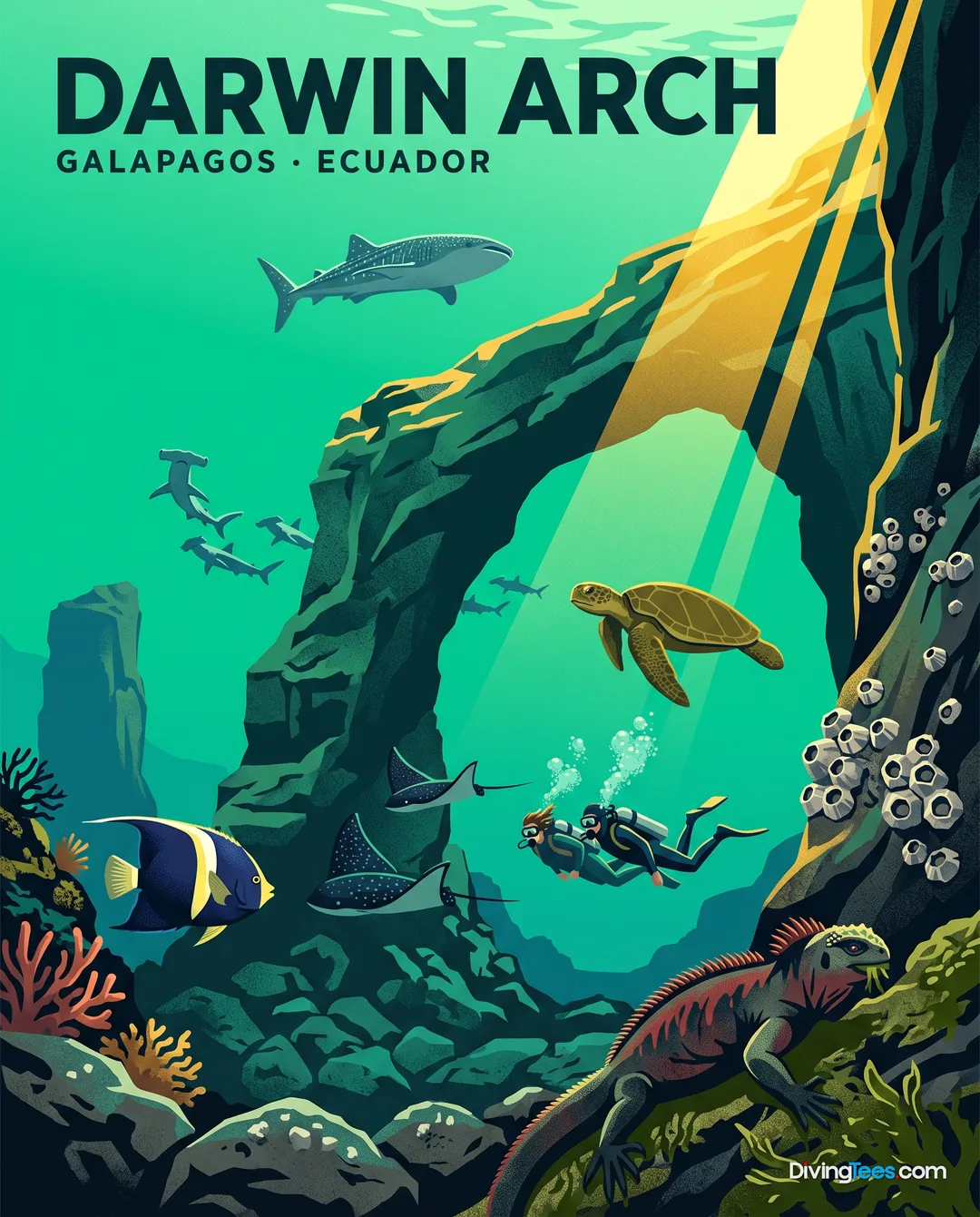
What sets Wolf apart is its reputation as one of the flagship shark sites of the Galapagos. The sheer biomass of sharks here is globally significant. You'll frequently encounter large schools of scalloped hammerhead sharks (Sphyrna lewini), Galapagos sharks (Carcharhinus galapagensis), and silky sharks (Carcharhinus falciformis). Whale sharks (Rhincodon typus) are also a seasonal highlight, especially from June to November, making this a prime location for encounters with these giants.
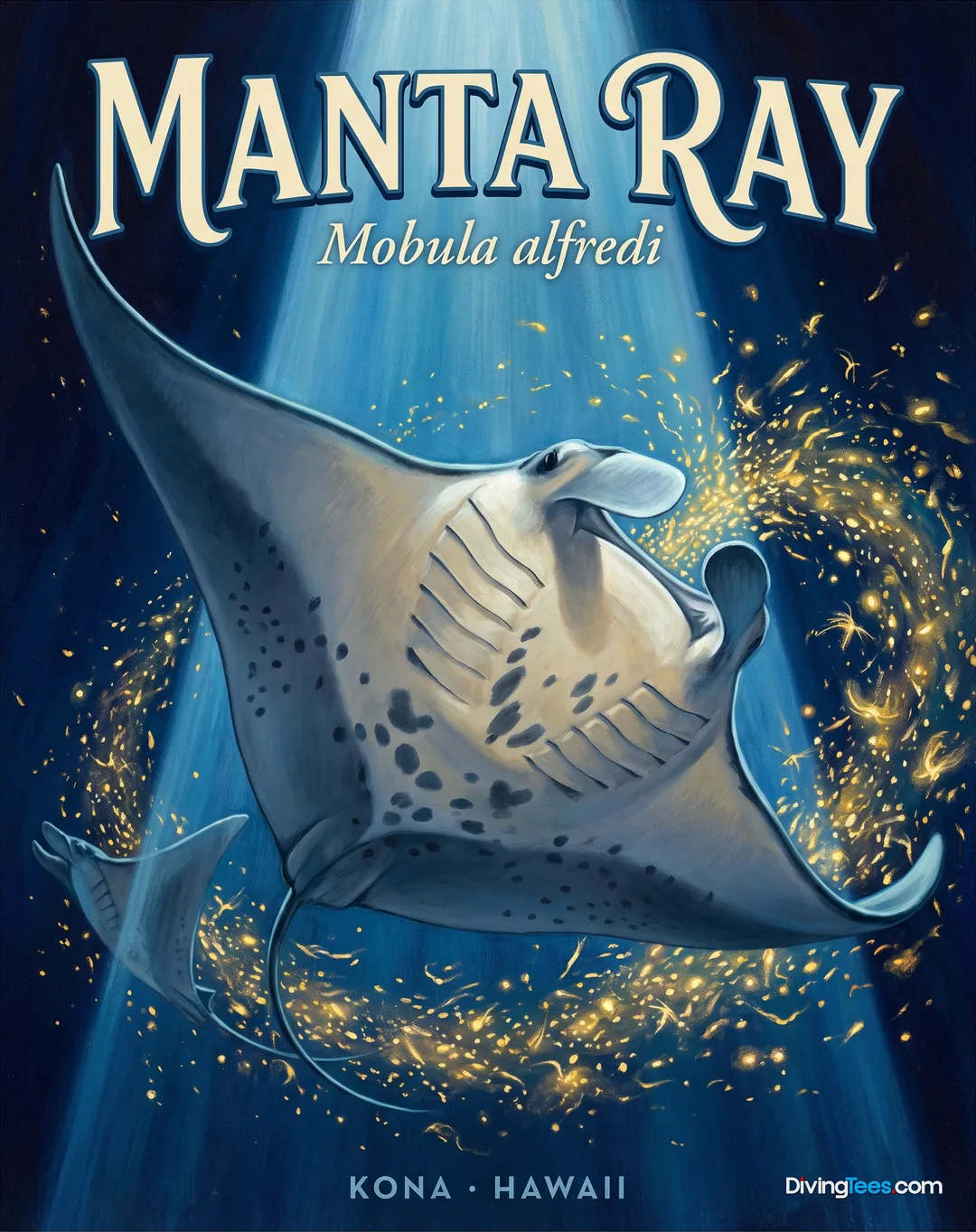
Beyond the prominent shark populations, the reefs and walls are home to a diverse array of marine life. You can expect to see white-tip reef sharks (Triaenodon obesus) and black-tip reef sharks (Carcharhinus melanopterus), alongside the occasional dusky shark (Carcharhinus obscurus). Eagle rays and manta rays often glide by, taking advantage of the same nutrient-rich waters that attract the sharks.
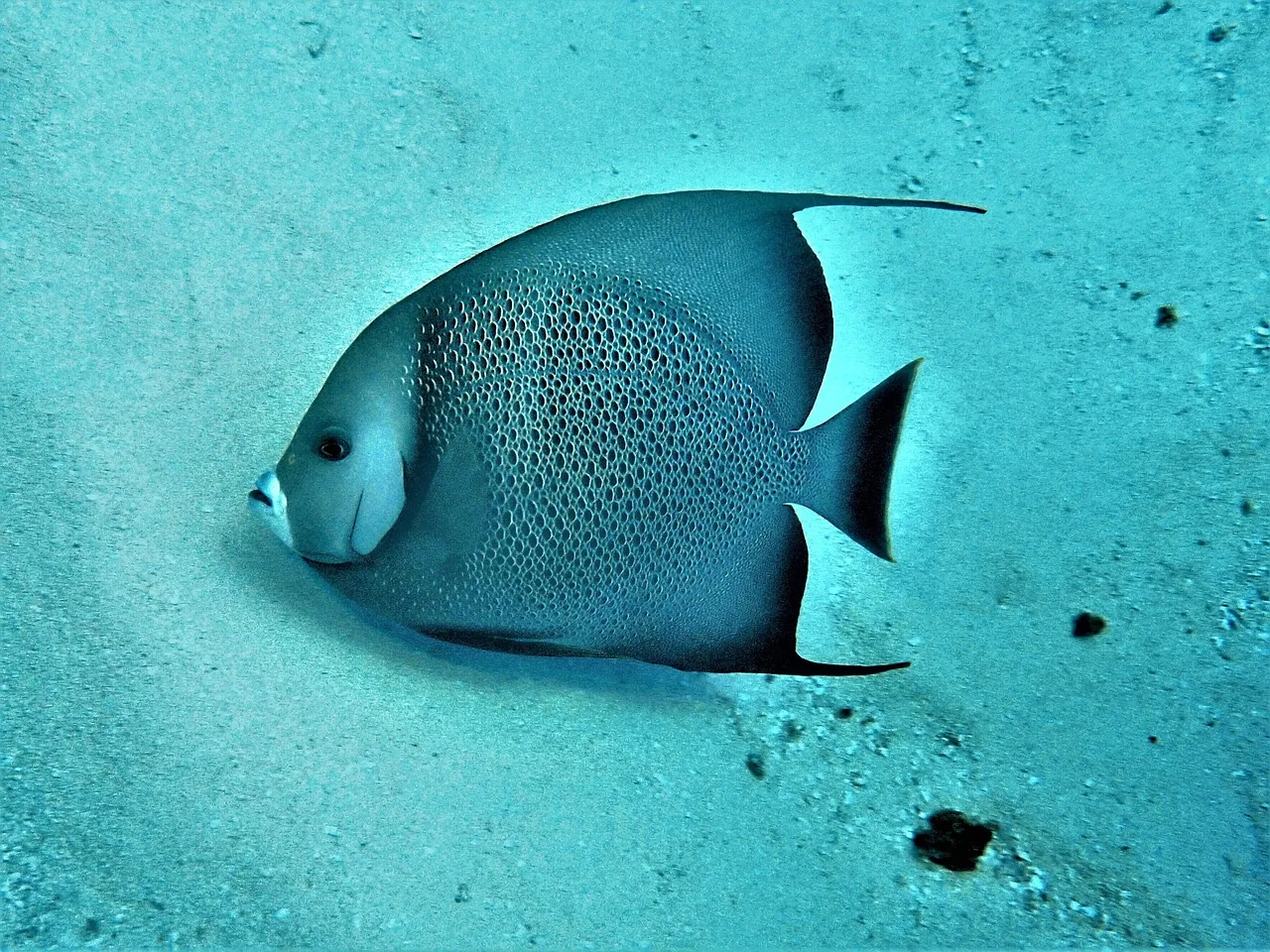
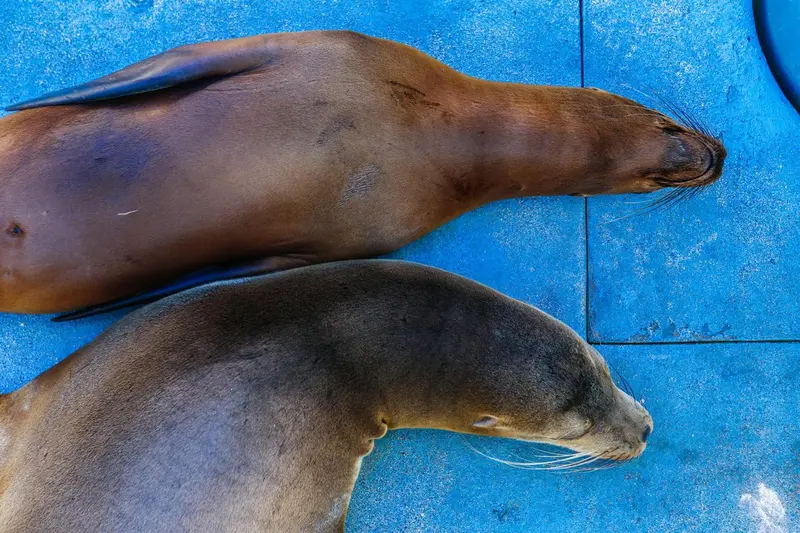
Sea turtles are common, often seen resting or navigating the currents, and sea lions are a frequent, curious presence, especially in the shallower areas. Schools of barracuda, snapper, and surgeonfish move in formation, while trumpetfish, parrotfish, angelfish, and pufferfish populate the reef structures. Keep an eye out for moray eels tucked into crevices and the distinctive red-lipped batfish (Ogcocephalus darwini) on the bottom, a unique Galapagos resident.
The combination of exposed volcanic topography, consistent strong drift currents, and deep blue-water ascents creates challenging but rewarding dives. Many divers find themselves holding onto rocks to maintain position, allowing for prolonged observation of the continuous pelagic action, particularly at known spots like Shark Bay, the Elephant channel, and the North Islet wall. It’s an immersive experience where you are truly part of the current-swept ecosystem.
Wolf Island is an advanced dive site; most operators require an Advanced Open Water certification with a minimum of 50 to 60 logged dives and proven experience in strong drift currents. Diving depths range from 5 metres to 30 metres. Currents are consistently medium to strong, often unpredictable with shifting directions and downcurrents, making buoyancy and positioning critical. Visibility typically varies between 10 and 30 metres. The optimal season for peak whale shark and denser shark activity, along with colder, nutrient-rich water, is generally June through November. December to March offers warmer water with good visibility and continued pelagic action, including hammerheads and manta rays.
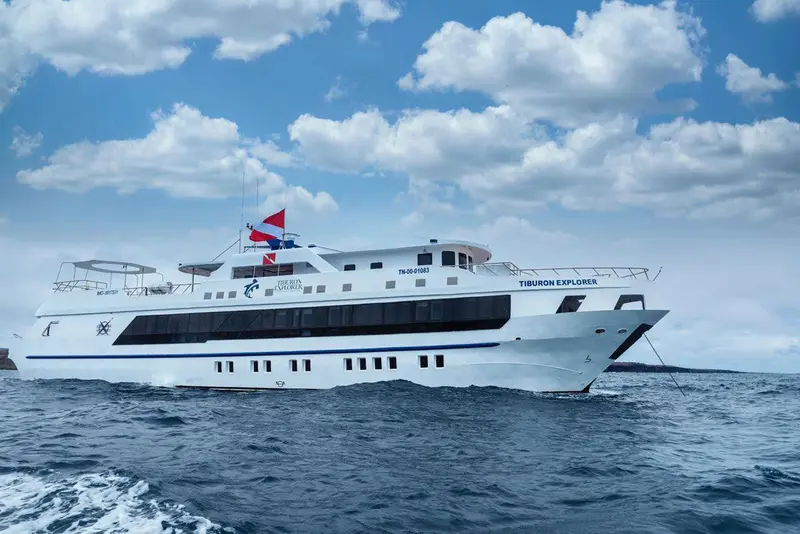
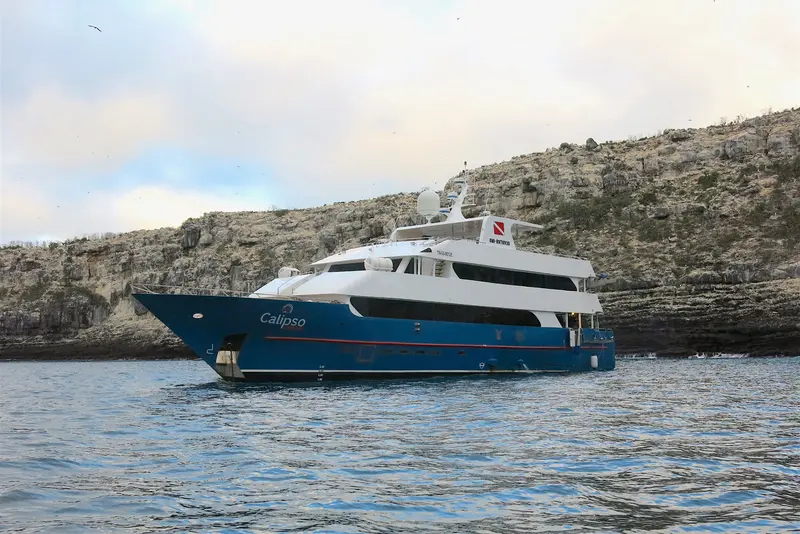
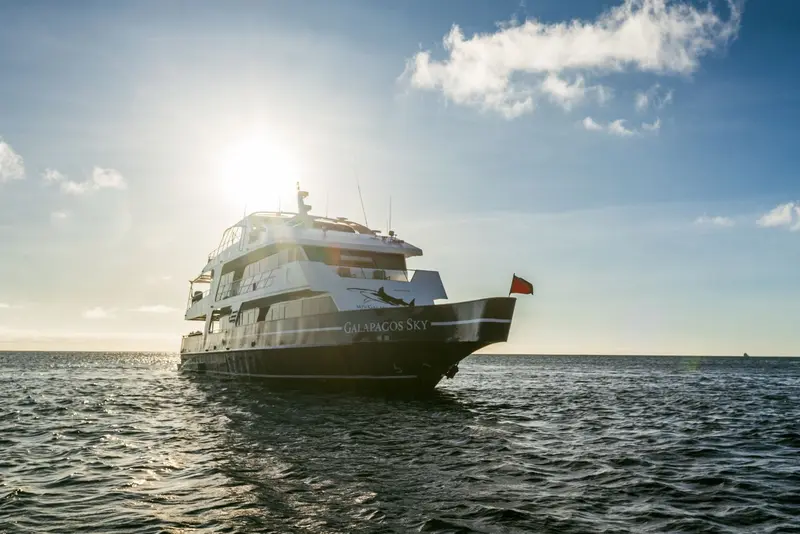
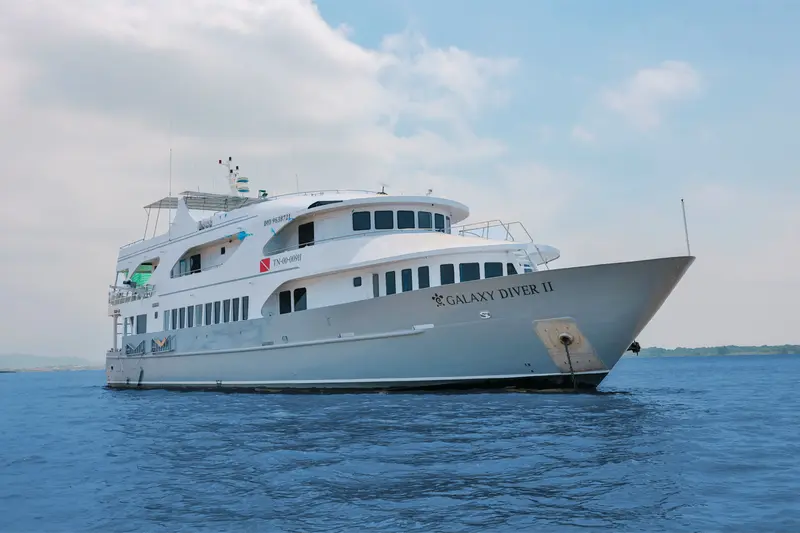
11 liveaboards depart from Galapagos another way to explore the region, over several days at sea.
You can dive Wolf Island year-round, with different seasonal conditions. June through November brings colder, nutrient-rich water, peak whale shark sightings, and denser shark activity. From December to March, warmer water and good visibility continue to support pelagic encounters, including hammerhead sharks and manta rays.
Wolf Island is suited to advanced divers. Most operators require Advanced Open Water certification, at least 50 to 60 logged dives, and proven experience in strong drift currents. You should be comfortable with negative or controlled entries, changing current directions, downcurrents, buoyancy control, and maintaining position around exposed volcanic reefs.
Dives at Wolf Island range from 5 metres to 30 metres, often following a quick descent and sustained drift along walls and reefs. Currents are consistently medium to strong, sometimes unpredictable, with shifting directions, downcurrents, surge, and choppy surface conditions. Buoyancy and positioning remain critical throughout the dive.
At Wolf Island, you can encounter large schools of scalloped hammerhead sharks, Galapagos sharks, silky sharks, and seasonal whale sharks. You may also see manta rays, eagle rays, sea turtles, sea lions, reef sharks, barracuda, snapper, surgeonfish, moray eels, and the distinctive red-lipped batfish among volcanic walls and reefs.