
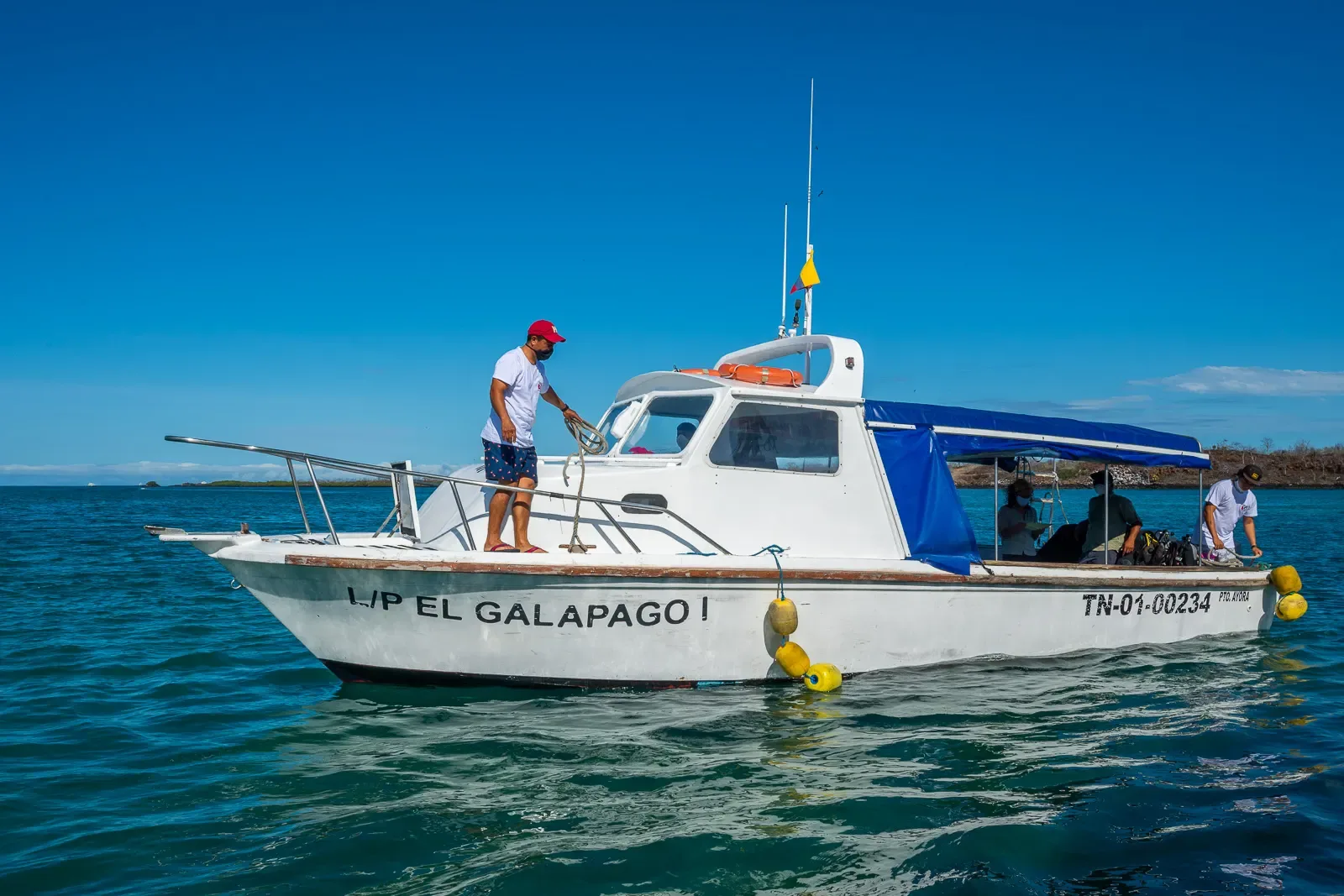

Scuba Iguana
Google 4.7/5 (357 reviews)
327 km away as the crow flies
Galapagos · Ecuador · Americas
Max. depth · 40 mDarwin Arch is renowned globally for its consistent encounters with large pelagic species, particularly schooling hammerhead sharks and seasonal whale sharks, all against a backdrop of powerful oceanic currents.
Diving Darwin Arch places you at the edge of Darwin Island, where a submerged pinnacle, once part of a natural arch, acts as a magnet for oceanic life. The topography here consists of rocky ledges and boulders that extend from the base of what are now two distinct pillars, forming natural terraces. These underwater formations provide strategic holding points, allowing you to settle in and observe the deep blue, where the true spectacle of this site unfolds.
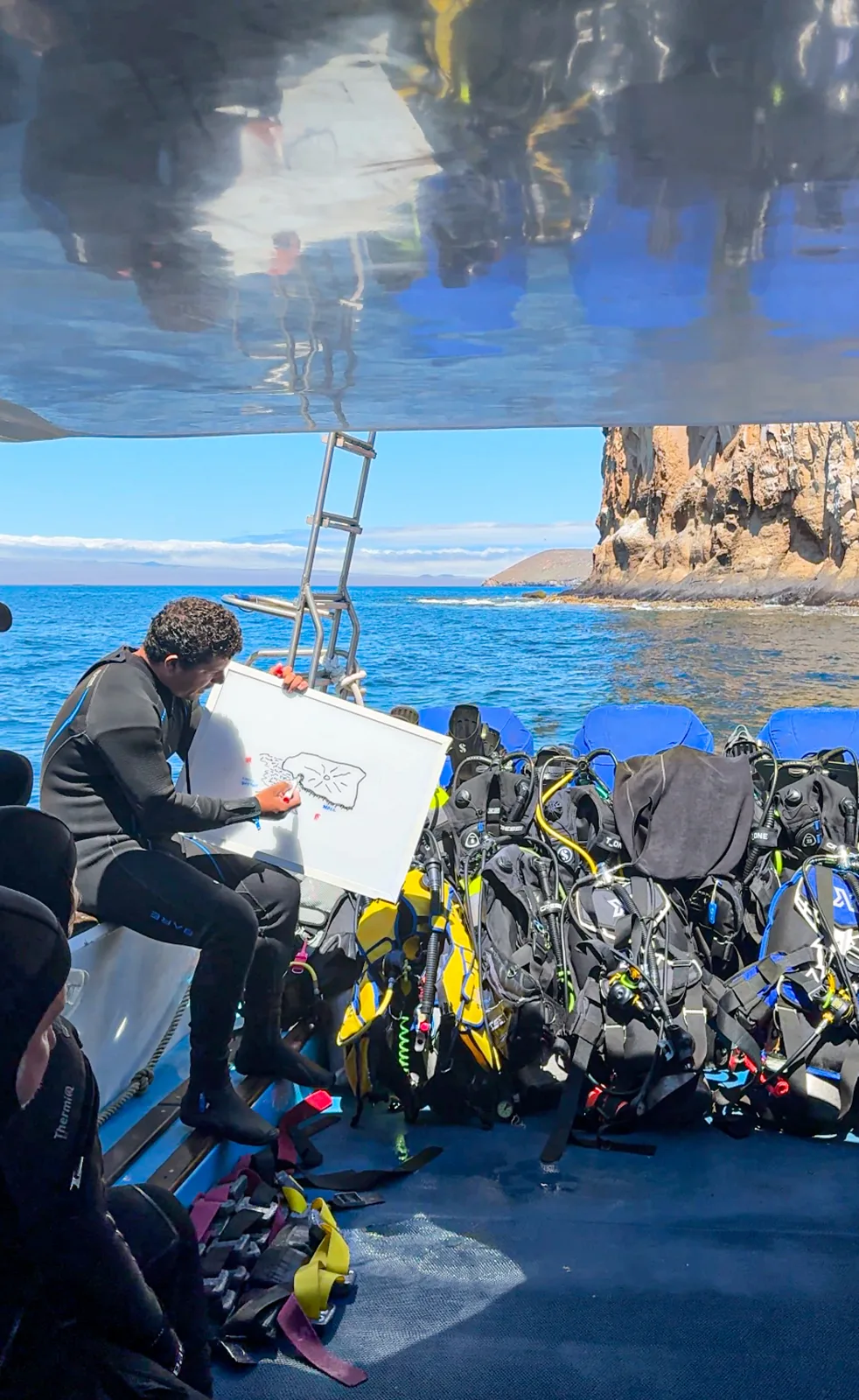
The dive profile typically involves a back-roll or giant-stride entry from a liveaboard, followed by a descent onto these ledges. You'll often find yourself at depths between 9 and 40 metres, anchored to the rock, or carefully drifting, as the primary objective is to watch the pelagic parade. Unlike many reef dives, the focus here is not on intricate macro life but on the sheer volume and diversity of large marine animals that sweep past in the open water.
Currents are a defining feature of Darwin Arch, typically strong and often swirling as different flows meet around the pillars. These conditions necessitate a confident approach, as you'll frequently use reef hooks or your hands to hold onto the rock formations, maintaining position against the surge. The strength and direction of these currents are influenced by tides and seasonal shifts, directly impacting both diver positioning and the aggregation patterns of the large pelagic species you're here to see.
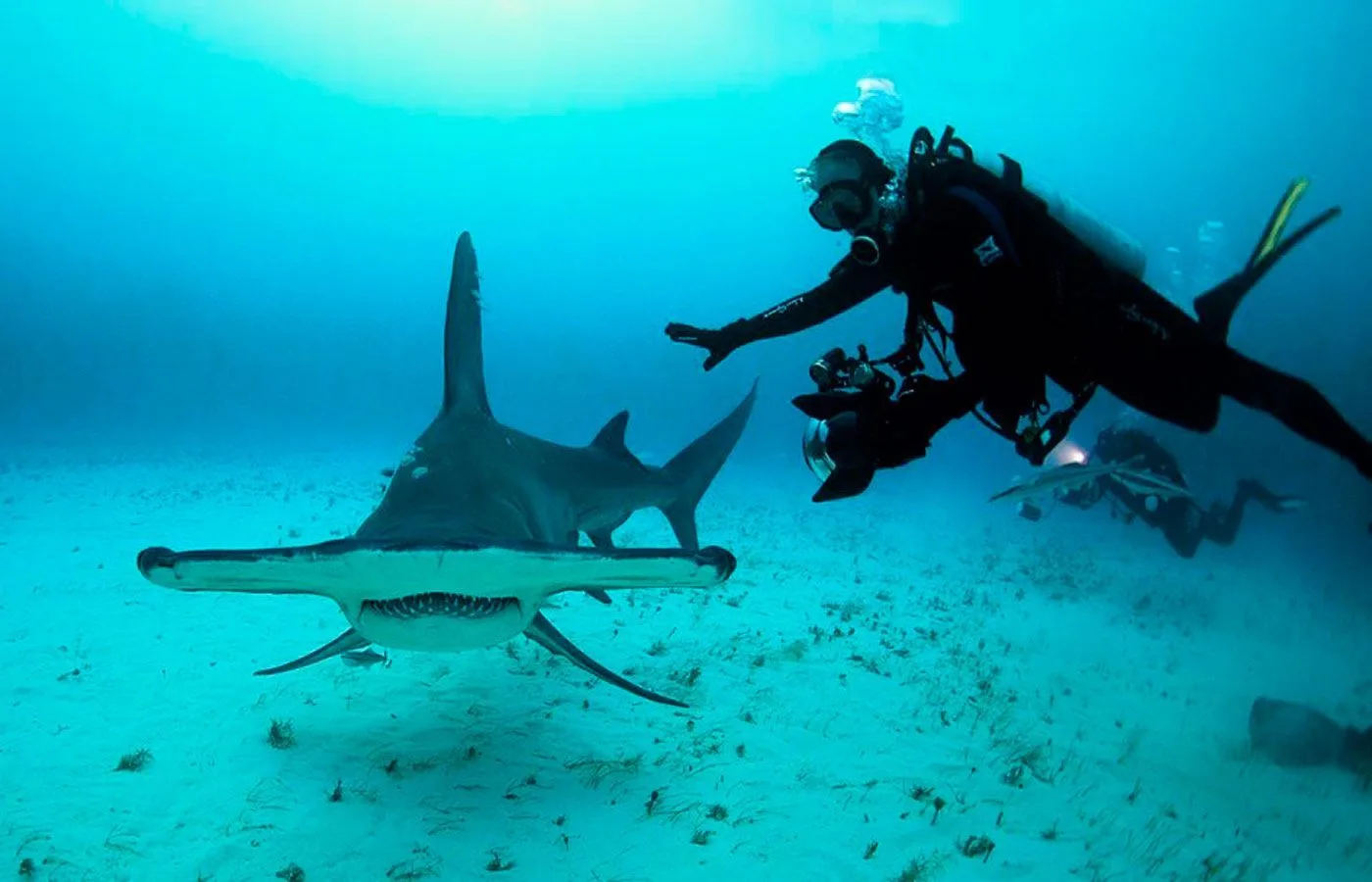
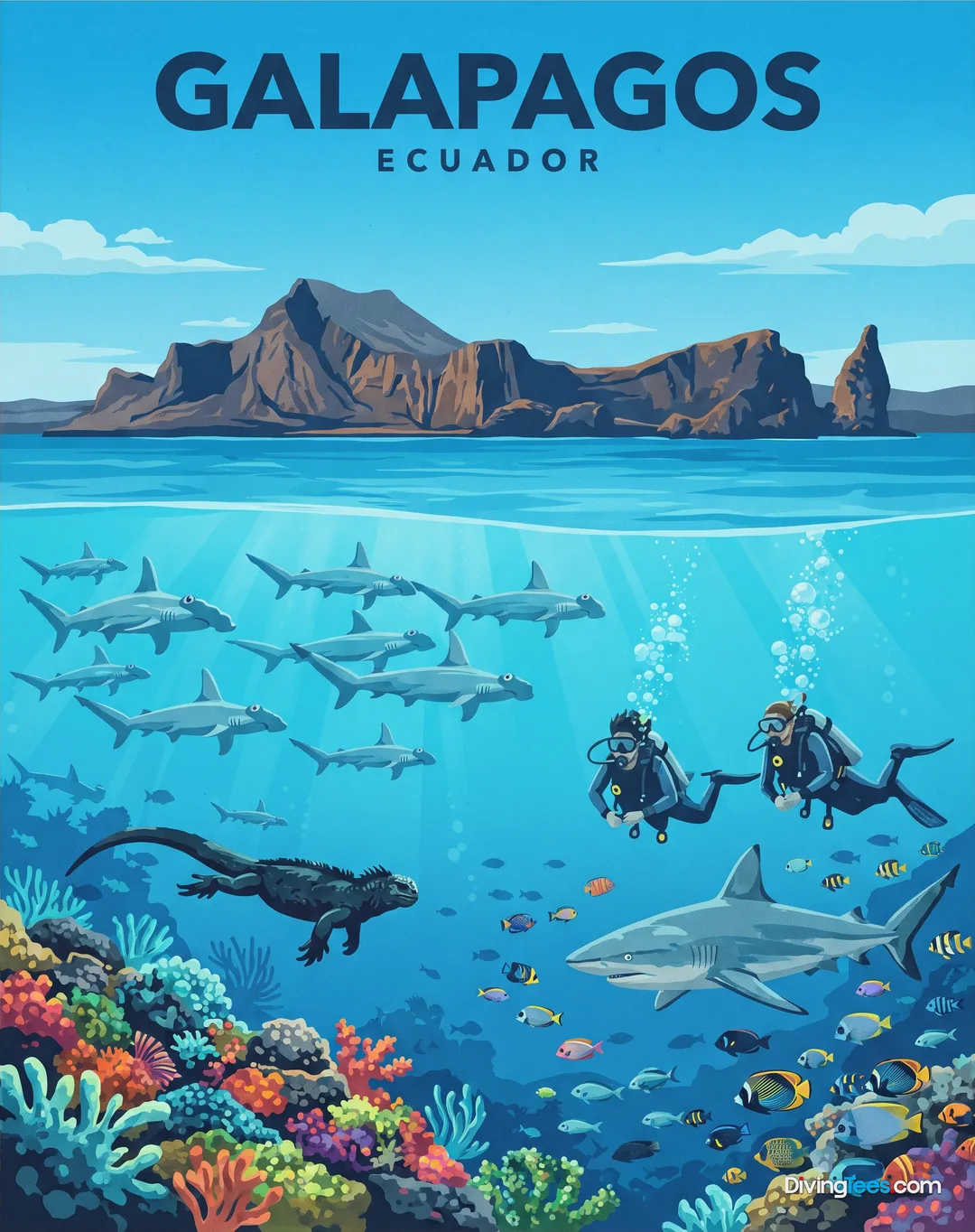
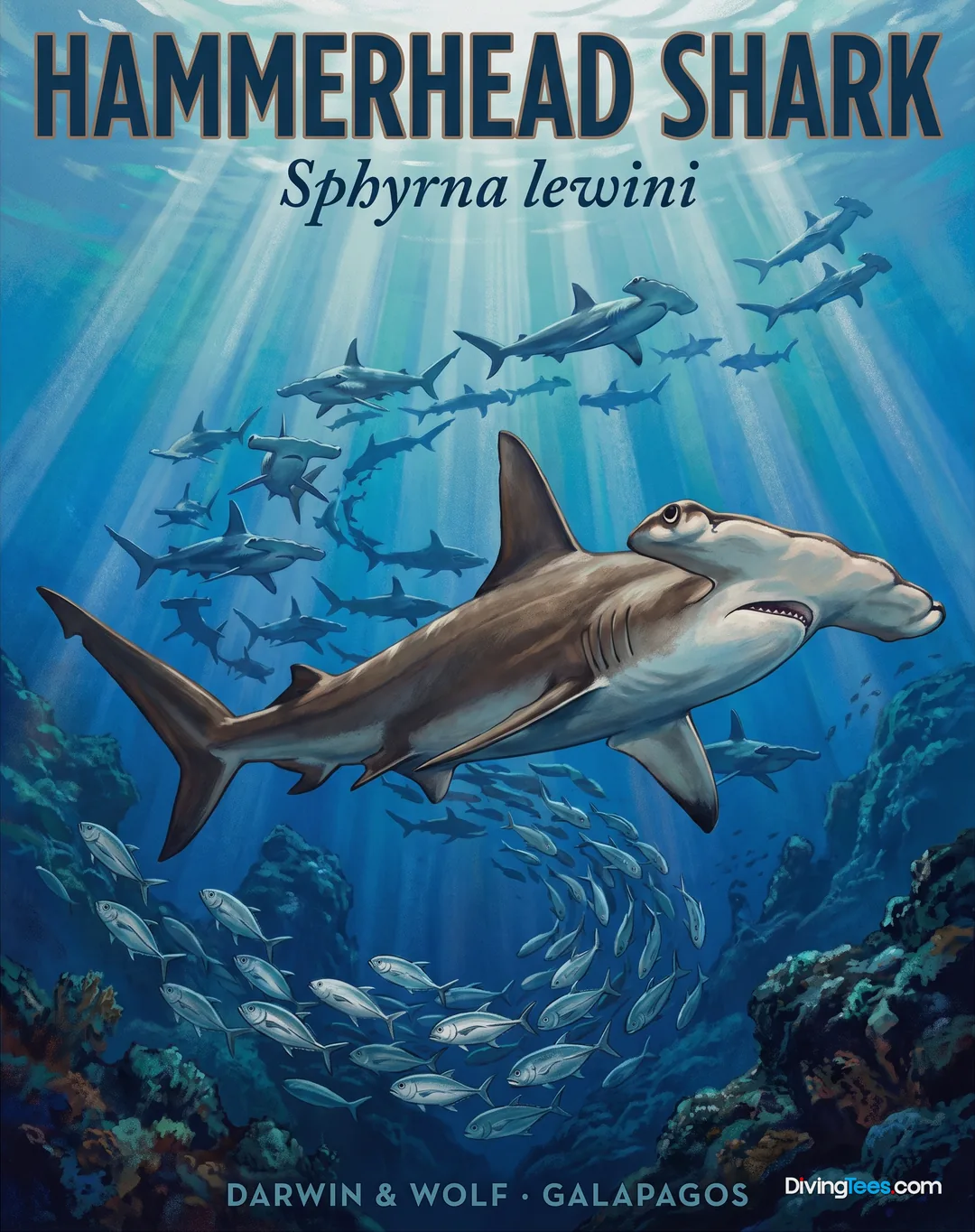
Darwin Arch is particularly famed for its dense schools of scalloped hammerhead sharks (Sphyrna lewini), which are a consistent presence, especially from January through June. You'll encounter them moving in organized formations in the blue, a sight that defines the Galapagos diving experience. Observing these large schools requires patience and an understanding of how to use the current to your advantage, positioning yourself where they are most likely to pass.
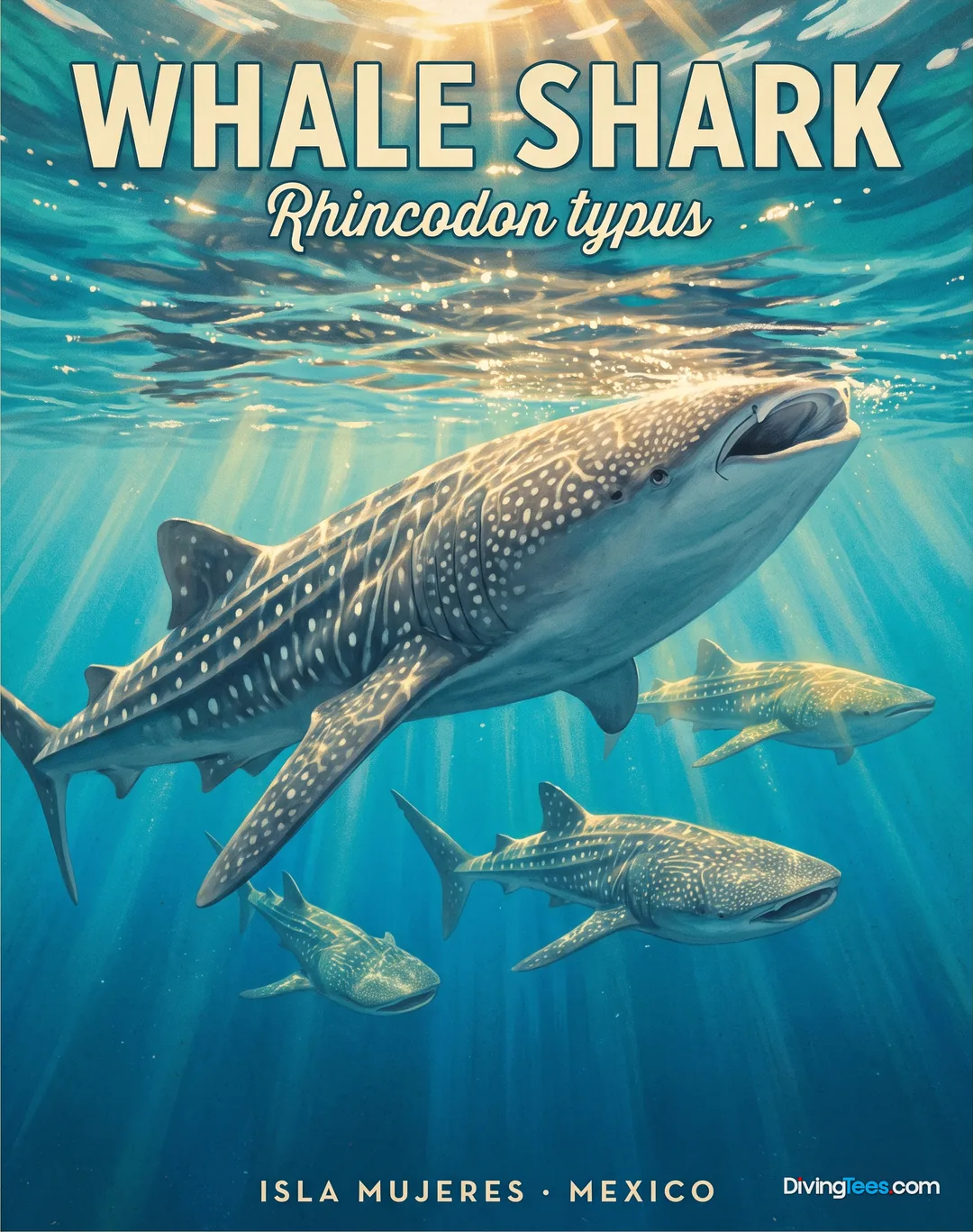
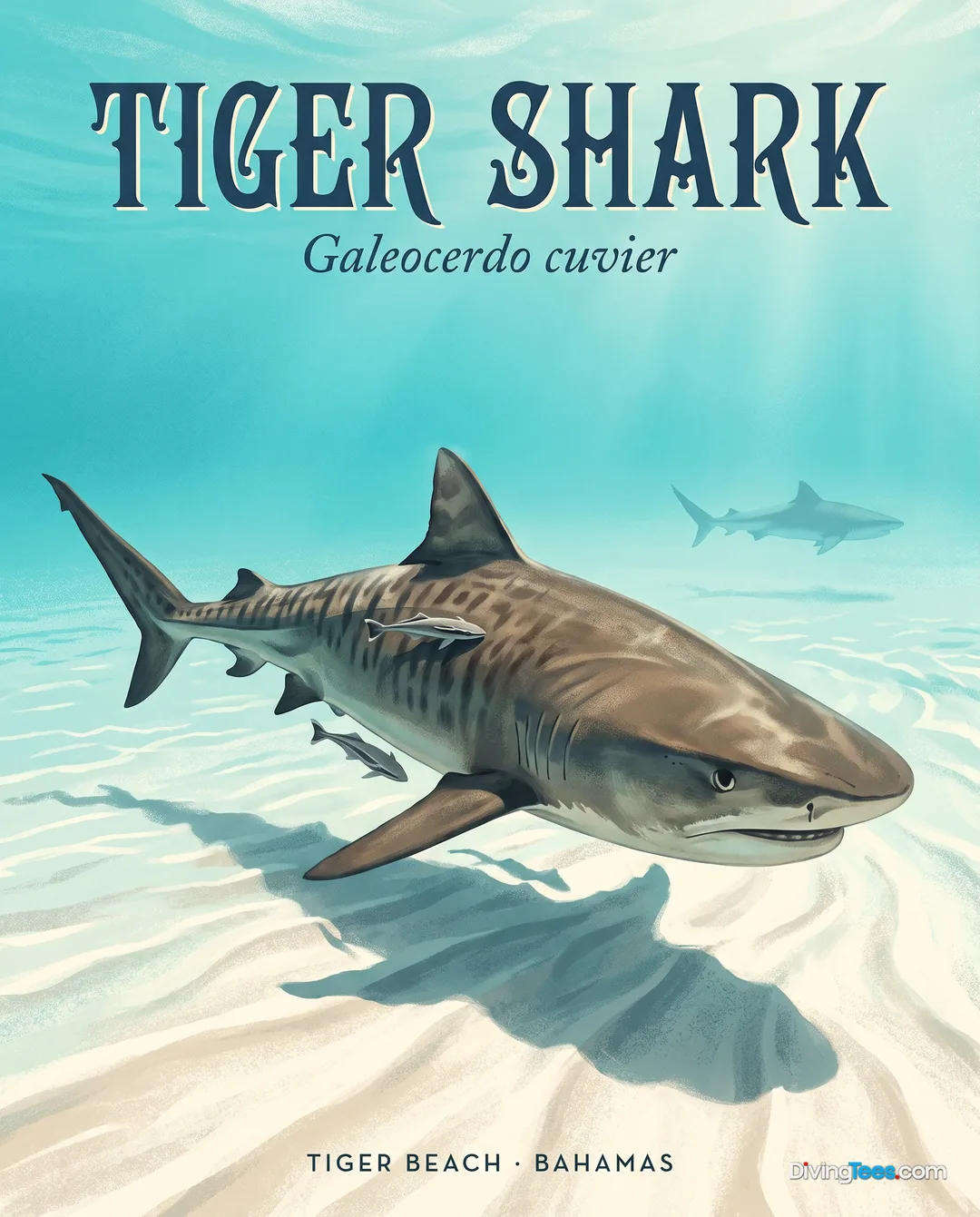
Beyond the hammerheads, Darwin Arch is a key location for seasonal encounters with whale sharks (Rhincodon typus), particularly pregnant females, from roughly June/July to October/November. These giant filter feeders frequent the area, often coming close to the reef ledges, providing opportunities for observation that are rare elsewhere. Other large sharks, including Galapagos sharks (Carcharhinus galapagensis), silky sharks (Carcharhinus falciformis), and occasional tiger sharks (Galeocerdo cuvier), also patrol these waters.
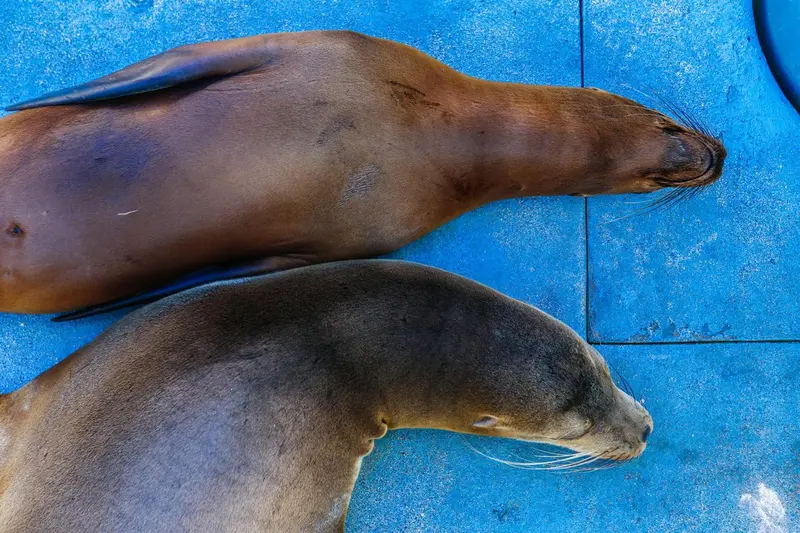
The site’s rich pelagic ecosystem also includes large schools of yellowfin tuna (Thunnus albacares) and jacks, along with eagle rays (Aetobatus narinari) and mobula rays (Mobula spp.) gliding through the blue. You might also spot green sea turtles (Chelonia mydas), playful sea lions (Zalophus wollebeki), and even wahoo (Acanthocybium solandri). Moray eels (Gymnothorax spp.) are resident inhabitants of the rocky crevices, offering a contrast to the blue water action.
Visibility at Darwin Arch can vary from 10 to 30 metres, influenced by the strong currents and the sheer volume of marine life. Despite this variability, the focus remains on the open ocean encounters. This site stands apart due to its remote location and the consistent pelagic action, offering a distinct experience where staying relatively stationary on a submerged terrace in a strong current is the main strategy for observing vast numbers of large marine animals in their natural, dynamic environment.
Diving Darwin Arch demands experience due to its significant currents and remote location. Depths for observation range from 9 to 40 metres. You should be an Advanced Open Water diver with a minimum of 50 logged dives, comfortable with strong currents, blue water diving, and potentially cold water with thermoclines. Access is exclusively via liveaboard dive boats. Visibility typically ranges from 10 to 30 metres. While whale sharks are most frequent from June/July to October/November, larger schools of hammerheads are particularly noted from January to June.
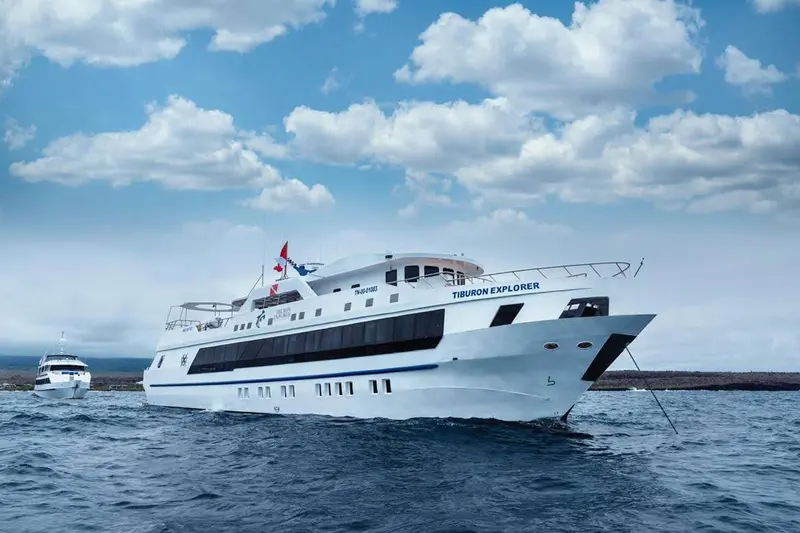
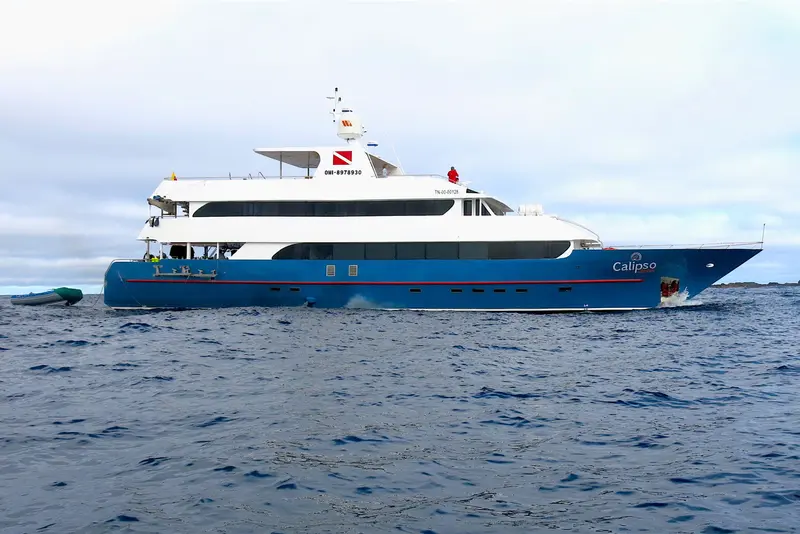
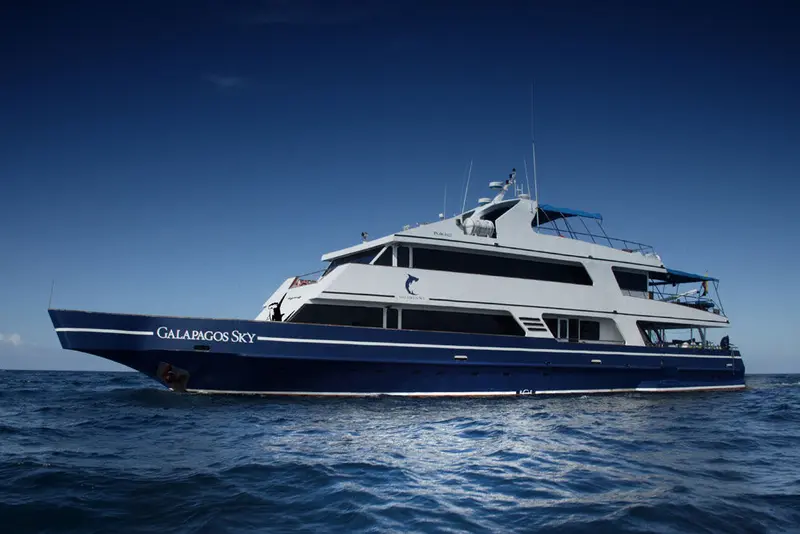
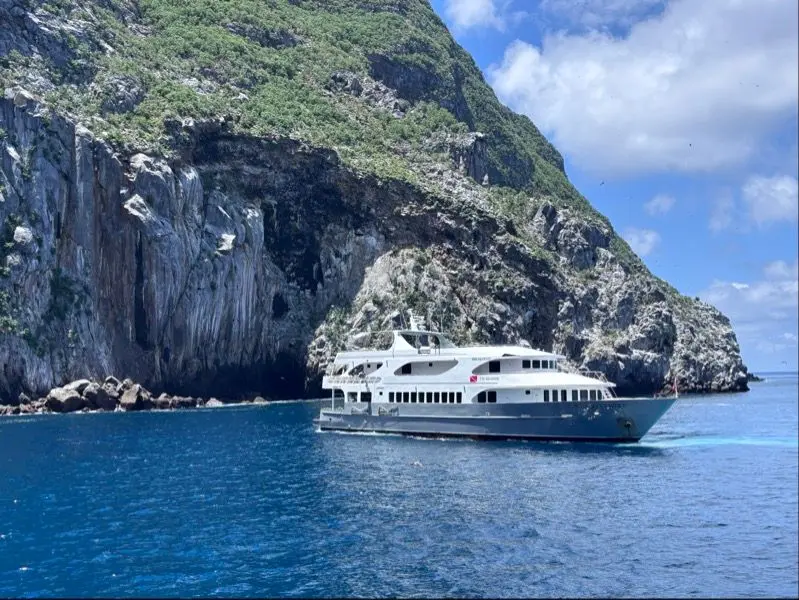
11 liveaboards depart from Galapagos another way to explore the region, over several days at sea.
Darwin Arch offers different seasonal highlights. Dense schools of scalloped hammerhead sharks are particularly noted from January through June. Whale sharks, often pregnant females, are most frequent from roughly June or July to October or November. Seasonal shifts and tides also influence current direction, diver positioning, and where pelagic animals gather.
You should be an Advanced Open Water diver with at least 50 logged dives and experience in strong currents and blue water diving. You also need to be comfortable with potentially cold water and thermoclines. Access is exclusively by liveaboard dive boat, and the site’s remote setting demands a confident, prepared approach.
Observation depths at Darwin Arch range from 9 to 40 metres. Currents are significant, strong, and often swirling where different flows meet around the pillars. Tides and seasonal shifts affect their strength and direction. You may anchor to rocky ledges, drift carefully, or use reef hooks or your hands to hold position.
Darwin Arch centres on pelagic encounters, including consistent schools of scalloped hammerheads, seasonal whale sharks, and Galapagos, silky, and occasional tiger sharks. You may also see yellowfin tuna, jacks, eagle rays, mobula rays, green turtles, sea lions, wahoo, and moray eels among the rocky ledges and blue water.