
Scuba Iguana
Google 4.7/5 (357 reviews)
327 km away as the crow flies
Galapagos · Ecuador · Americas
Max. depth · 40 mDarwin Island offers a deep blue wall experience where you position yourself to watch vast schools of hammerhead sharks and frequent whale shark passes in strong oceanic currents.
Diving Darwin Island focuses on the wall and ledges surrounding what remains of Darwin's Arch, now known as Darwin's Pinnacles. You typically begin your dive positioning yourself on rocky outcrops and terraces, often between 9 and 18 meters, where you can hold your position and observe the open blue water. This unique topography acts as a natural stage, allowing divers to maintain a relatively shallow profile while watching the pelagic action unfold below and in front.
Below these initial ledges, the reef drops sharply, forming a steep wall that plunges into the deep ocean. This setup means you're constantly exposed to strong oceanic currents and significant upwellings, which are the driving force behind the abundance of marine life. These currents bring nutrients, attracting a wide range of species, making every dive a dynamic experience that demands attention to your buoyancy and positioning along the wall.
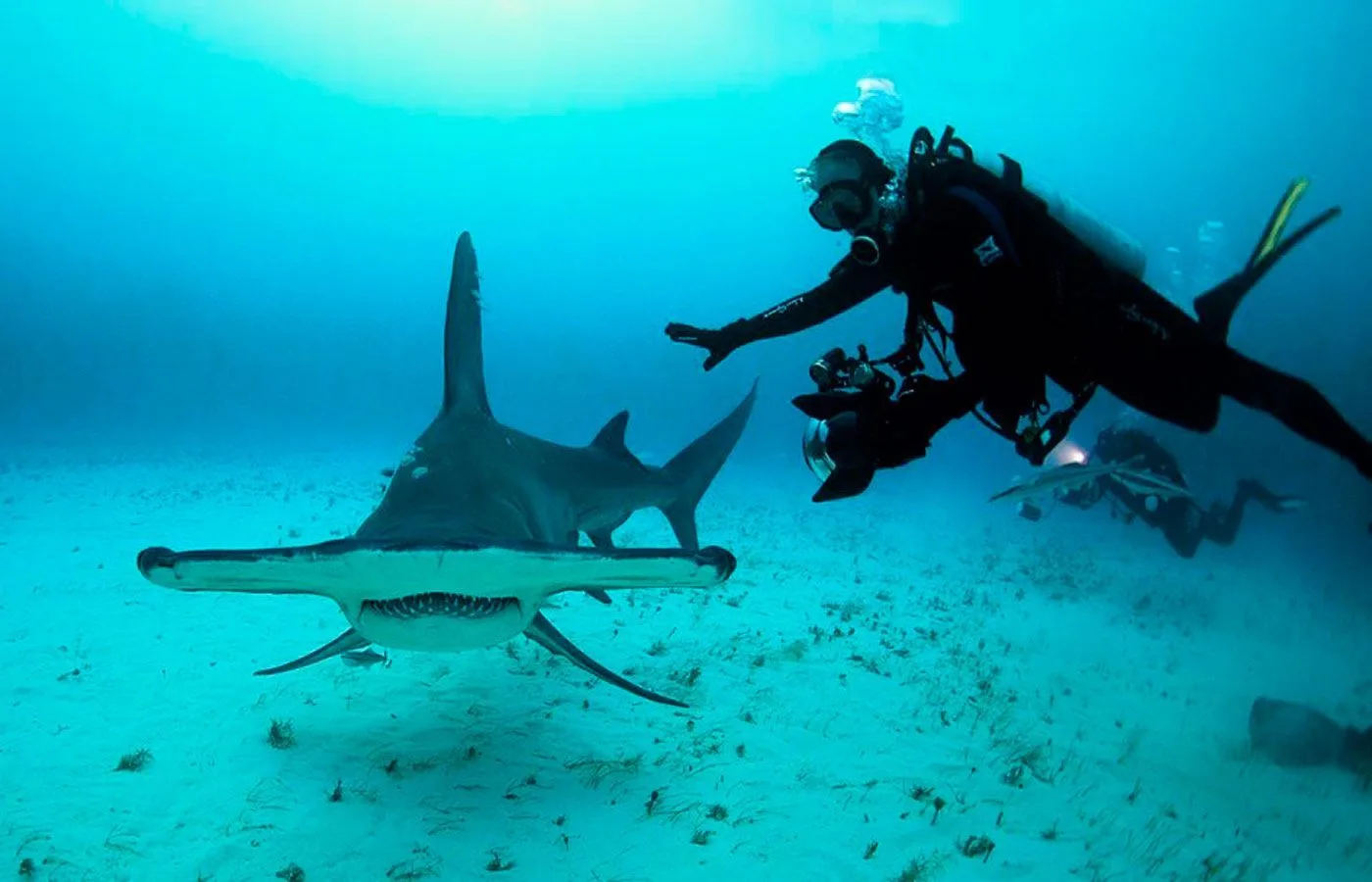
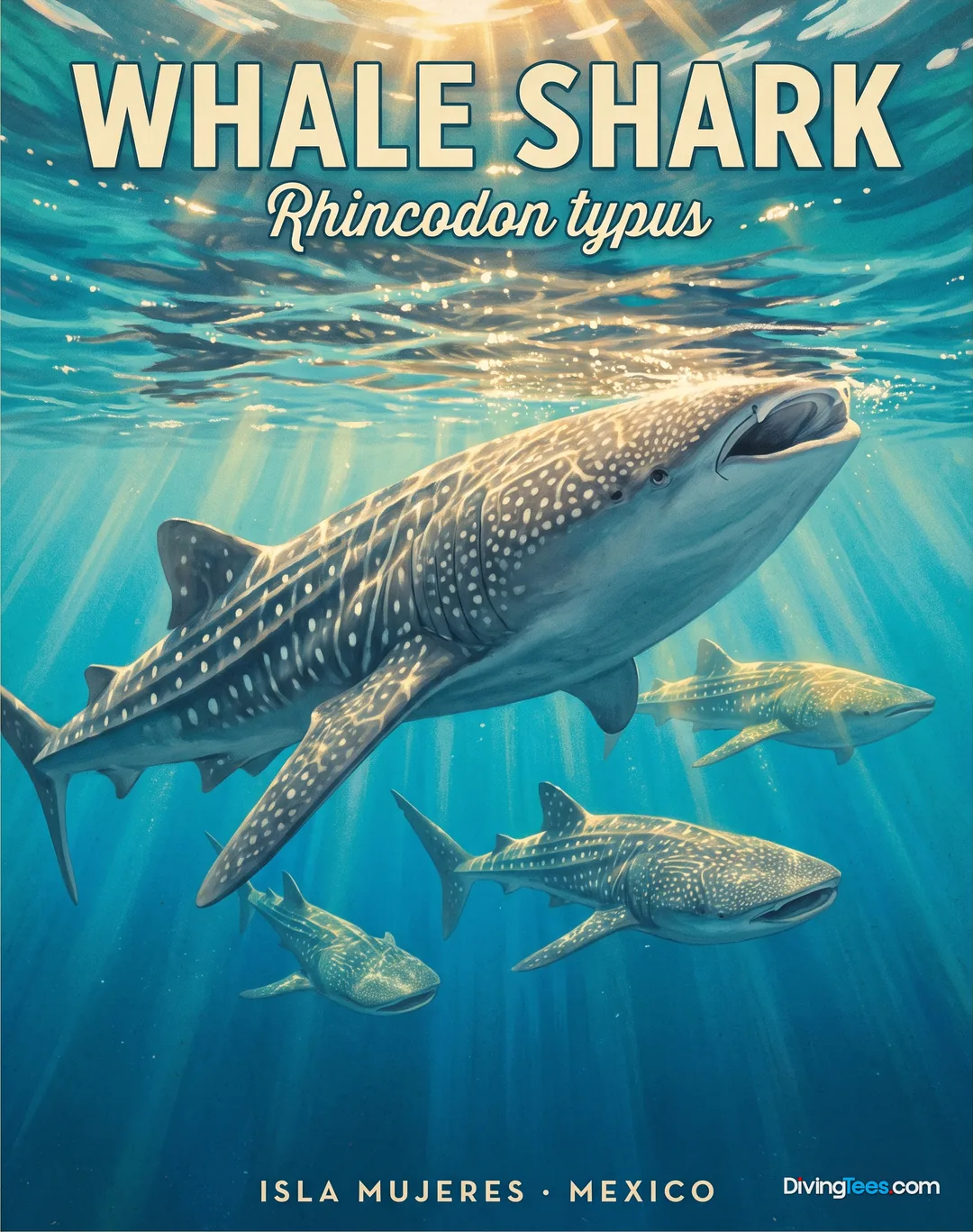
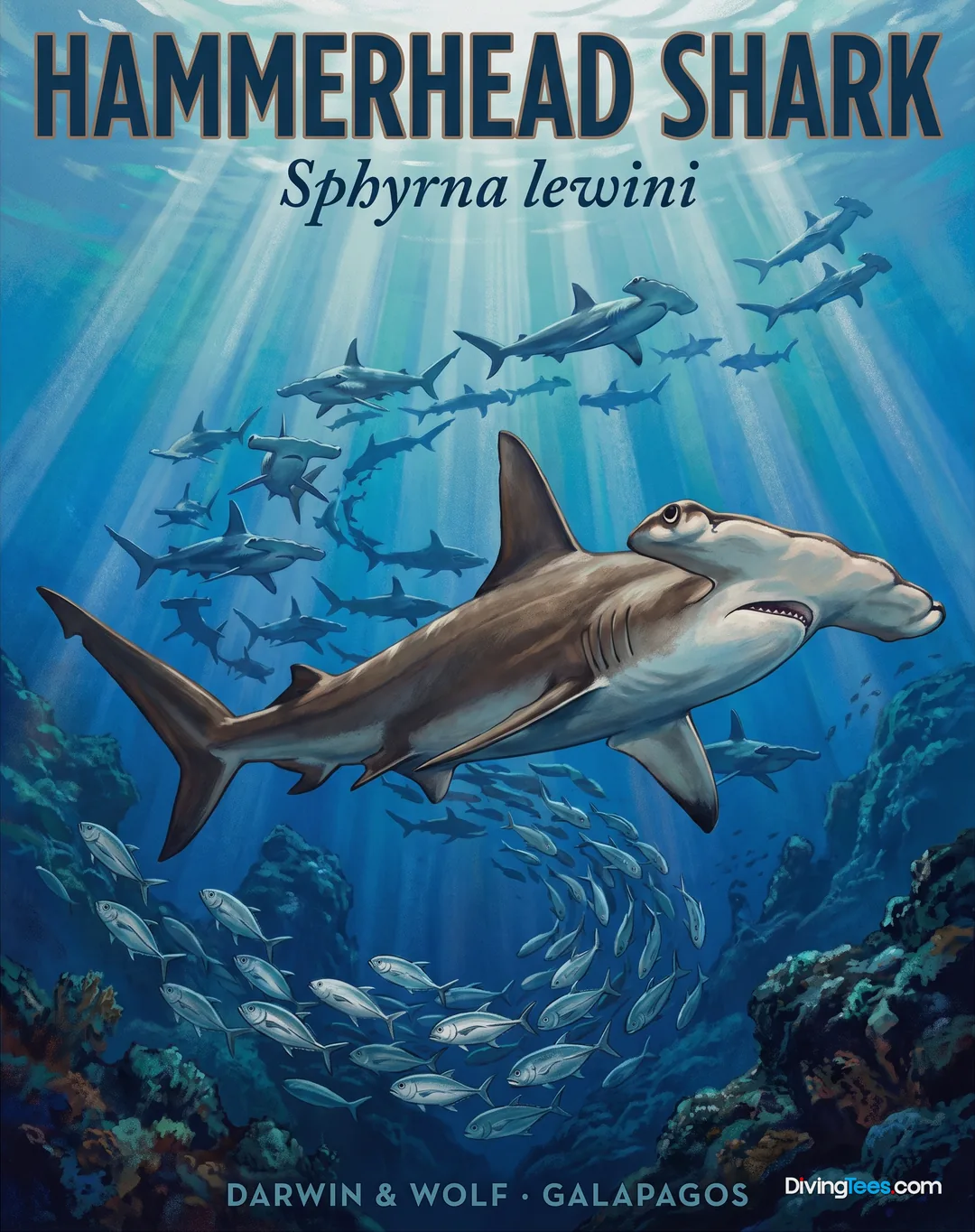
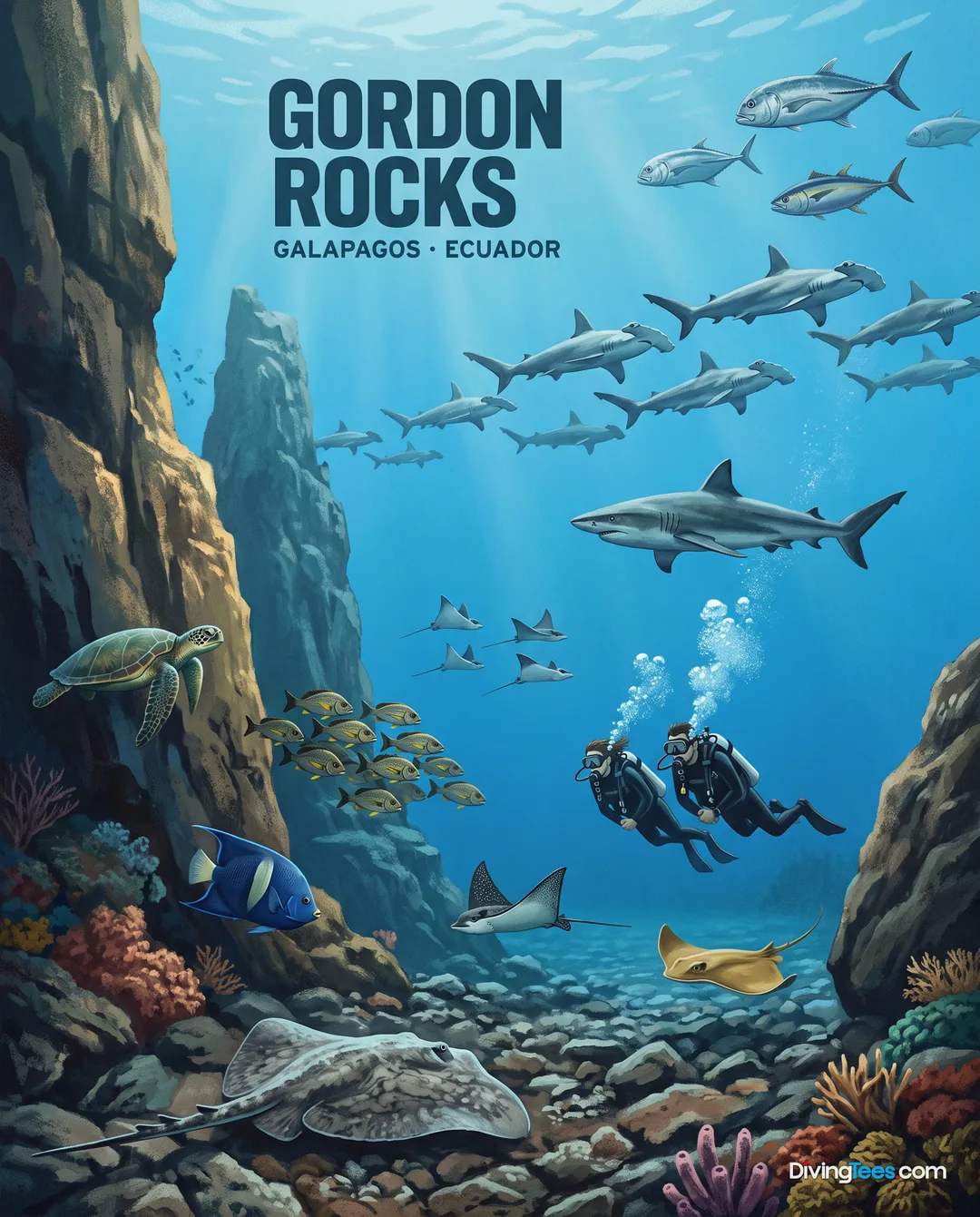
The site is renowned for its large pelagic inhabitants. Schools of scalloped hammerhead sharks (Sphyrna lewini) are a consistent presence, often numbering in the hundreds, moving along the wall and congregating in the currents. During the cooler, plankton-rich months from June to November, you have a high probability of encountering whale sharks (Rhincodon typus), often swimming close to the wall, making this period particularly sought after.
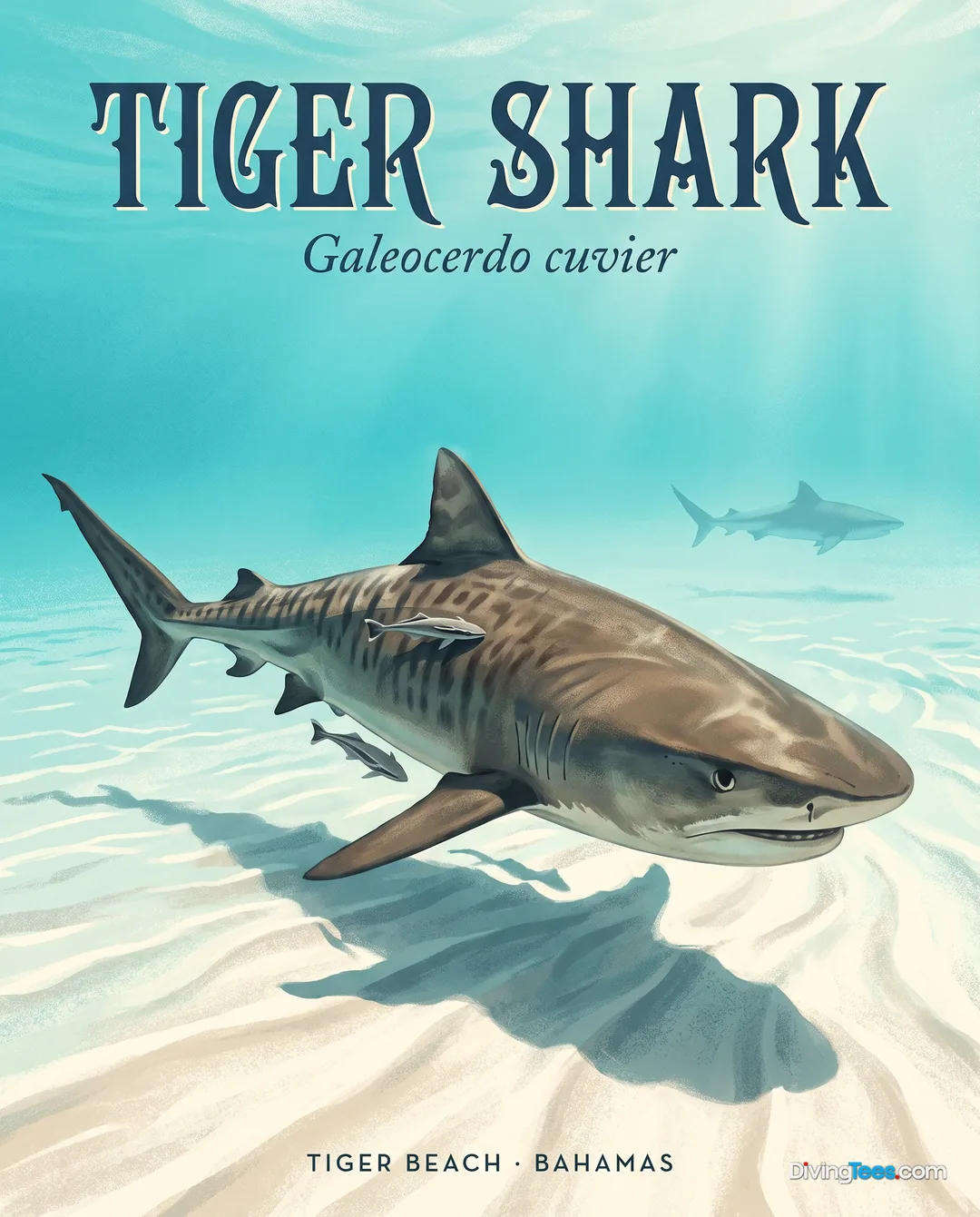
Beyond the hammerheads and whale sharks, you will regularly encounter other shark species, including Galapagos sharks (Carcharhinus galapagensis), silky sharks (Carcharhinus falciformis), and occasional blacktip sharks (Carcharhinus limbatus). Tiger sharks (Galeocerdo cuvier) are also sighted, adding to the diversity of large predators. The constant movement of these sharks, often in cleaning station behaviors, defines the Darwin Island experience.
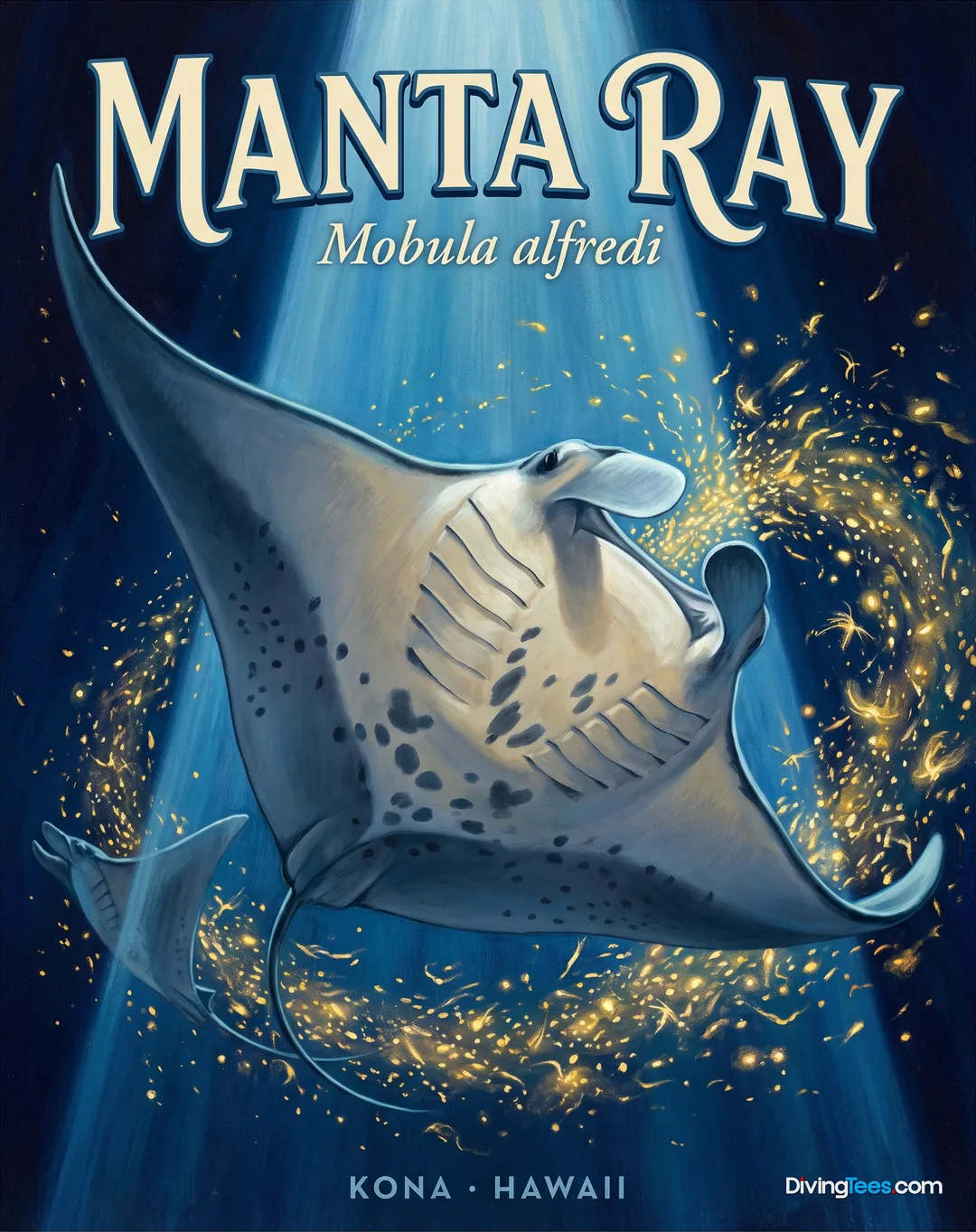
Rays are another significant draw, with manta rays (Manta birostris) and mobula rays (Mobula spp.) gliding through the currents, often feeding on the rich plankton. Eagle rays (Aetobatus narinari) are also commonly seen. These large cartilaginous fish contribute to the sense of being in a truly wild and active marine environment, where you are a spectator to constant interaction and movement.
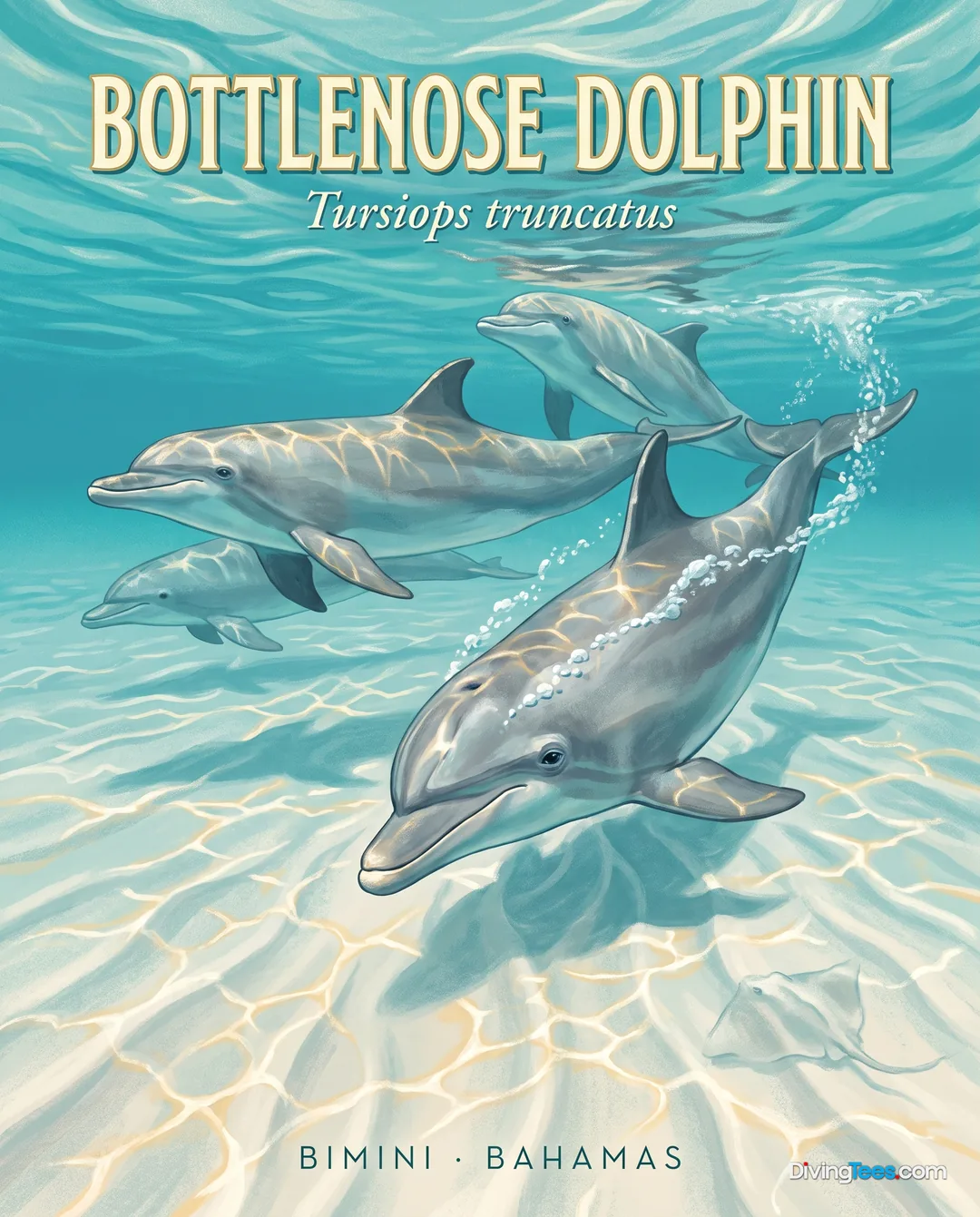
Sea turtles (Cheloniidae) are frequent visitors to the wall, often pausing in the current or resting on ledges. Bottlenose dolphins (Tursiops truncatus) also make appearances, sometimes passing by in pods. The sheer volume of life, from schooling jack (Carangidae) and snapper (Lutjanidae) to barracuda (Sphyraenidae), provides a constant backdrop of activity in the blue water.
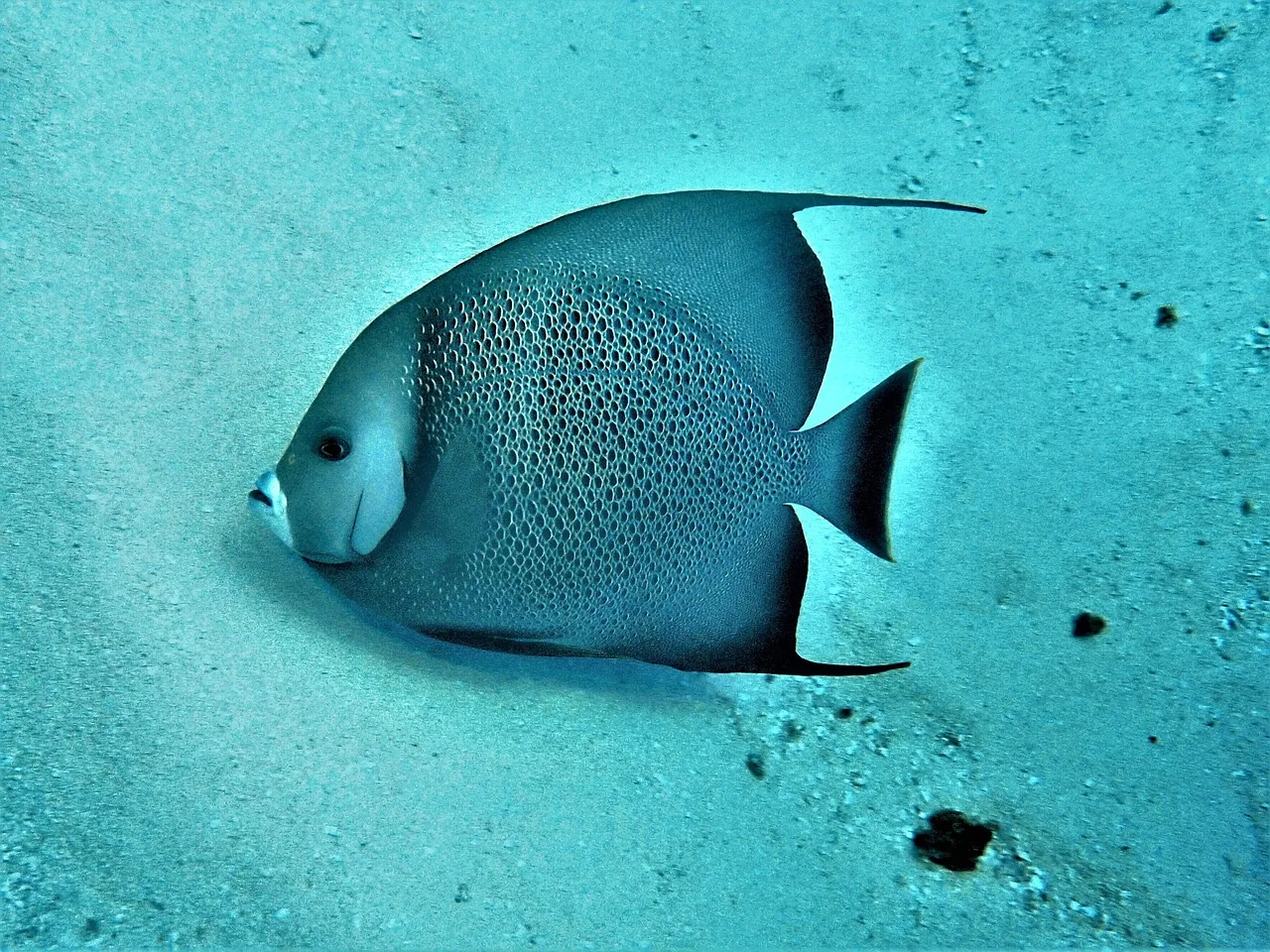
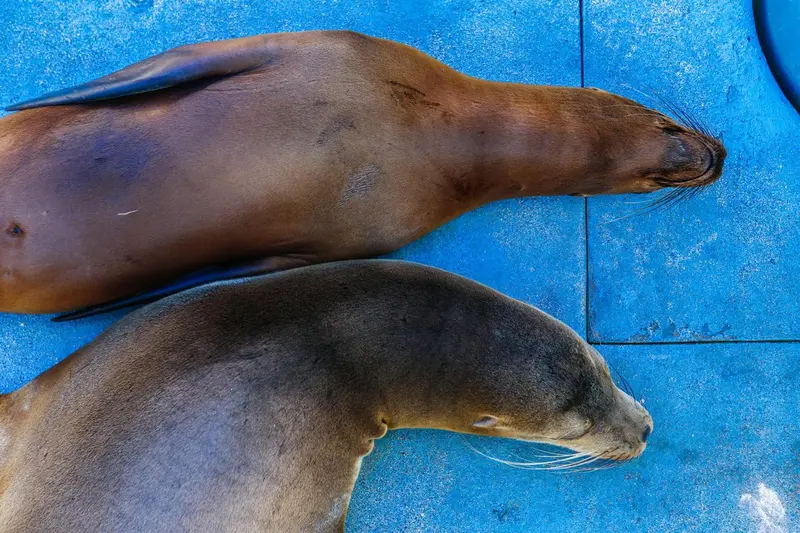
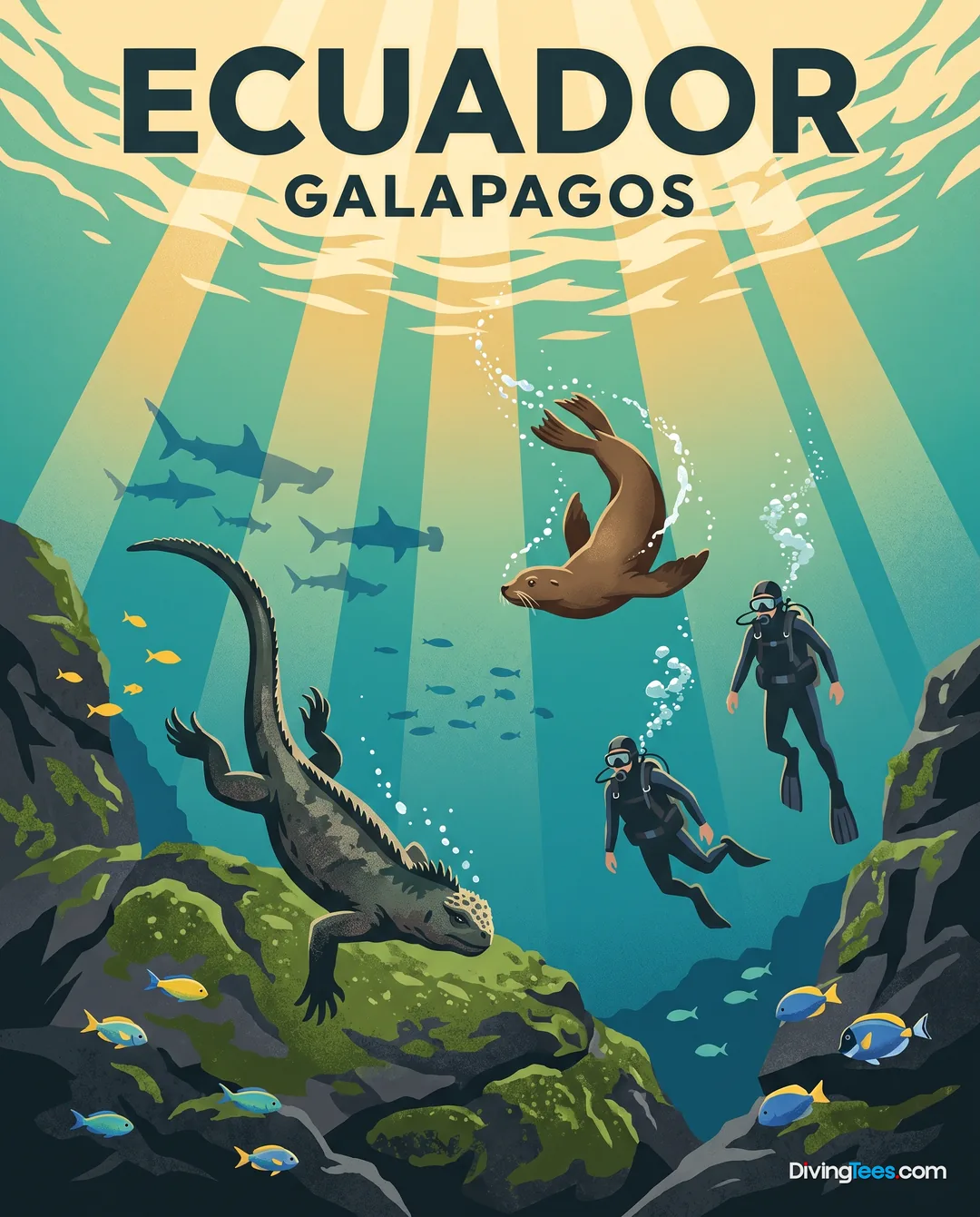
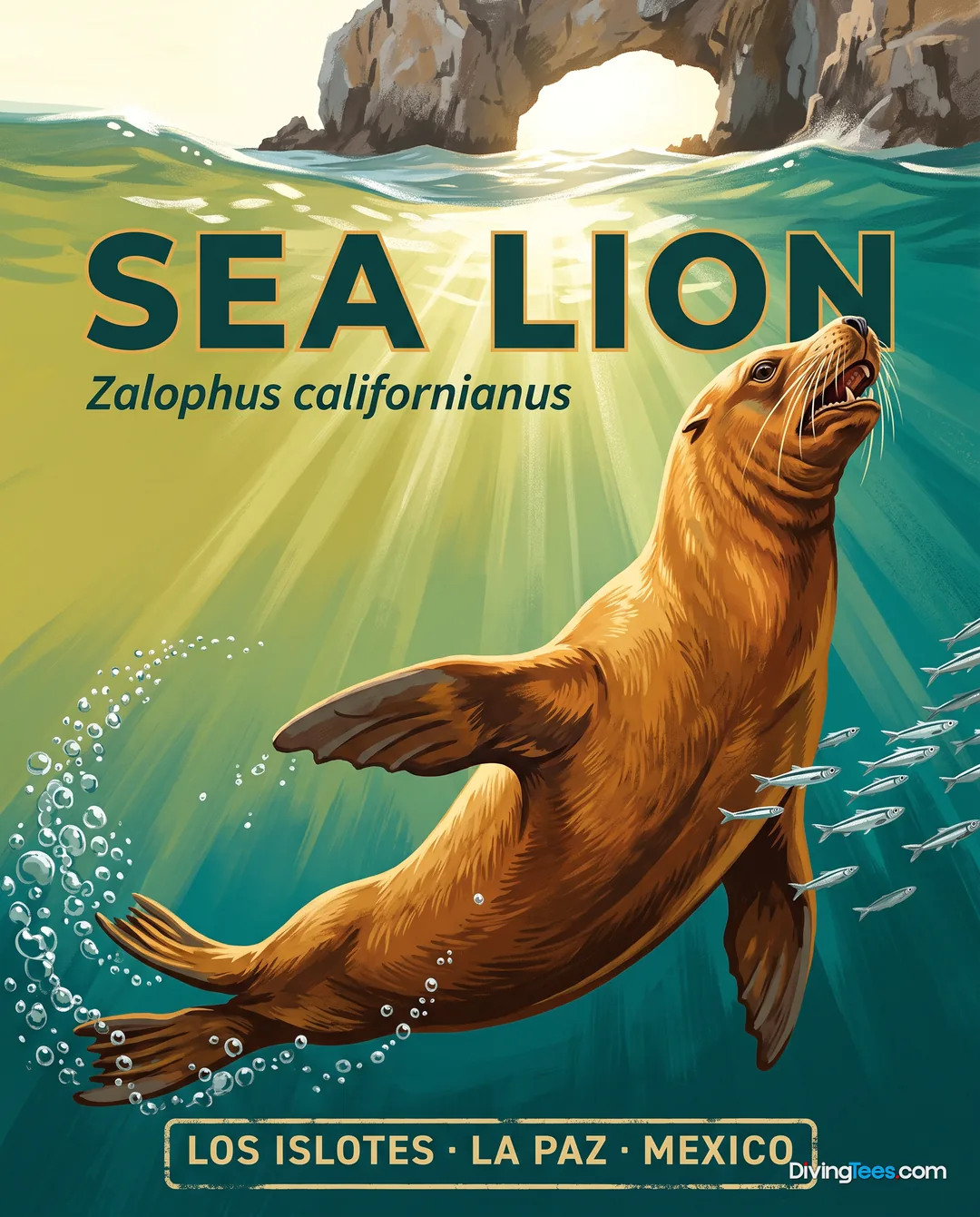
Closer to the reef, you'll find a variety of smaller, resident species. Parrotfish (Scaridae), angelfish (Pomacanthidae), surgeonfish (Acanthuridae), and racoon butterflyfish (Chaetodon lunula) populate the ledges and crevices. Moray eels (Muraenidae) peer from their hiding spots, and octopus (Octopoda) are occasionally seen navigating the rocky terrain. Even sea lions (Otariidae) may make a playful appearance, especially in shallower areas.
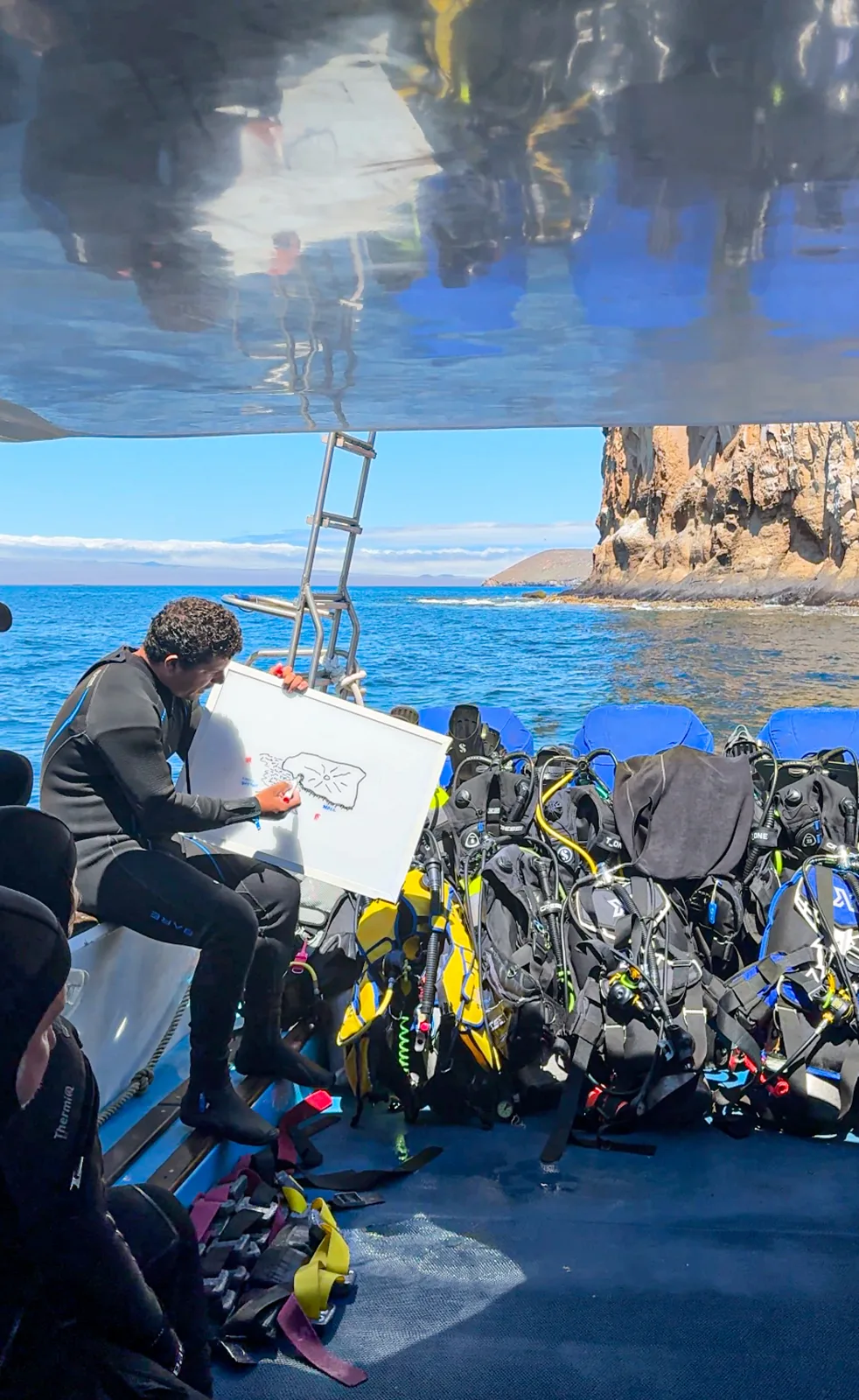
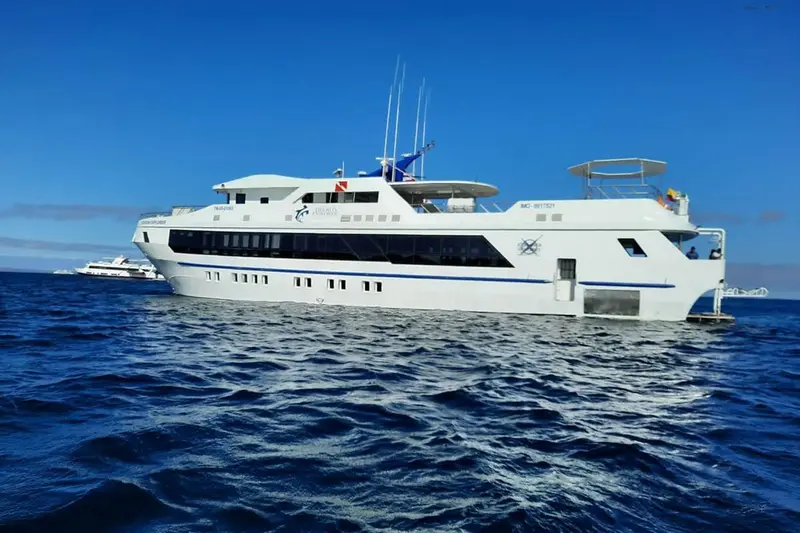
Access to Darwin Island is exclusively by liveaboard, given its remote, offshore location. Your entry will typically be a negative or regular back-roll, immediately followed by a descent to the planned observation depth on the wall. Dives are generally drift dives, allowing the current to carry you along the wall while you focus on the pelagic spectacle. This type of diving requires comfort and proficiency in managing your position in strong water movement.
Diving at Darwin Island requires an advanced certification and a minimum of 50 logged dives, due to the consistently strong to very strong currents, surge, and noticeable thermoclines. Depths typically range from 9 to 40 meters. Visibility averages between 12 and 30 meters, influenced by the plankton blooms that attract much of the pelagic life. The best season for large numbers of hammerheads and whale sharks is from June to November, although diving is possible year-round.
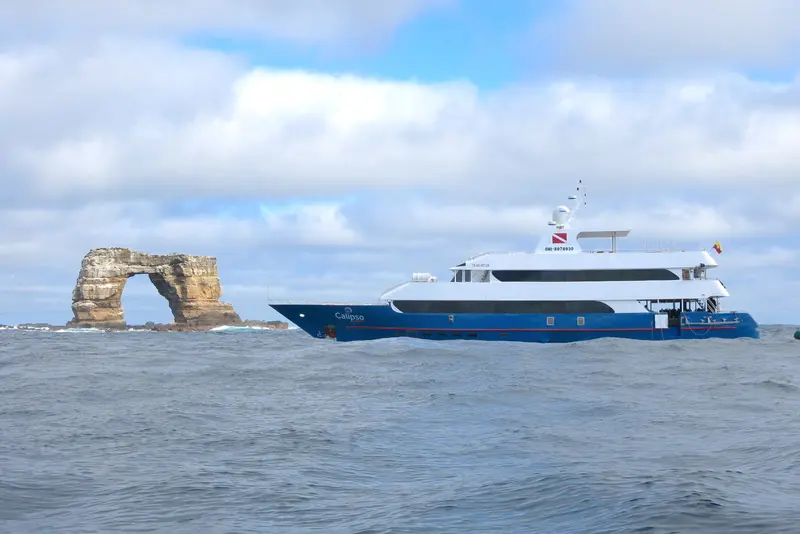
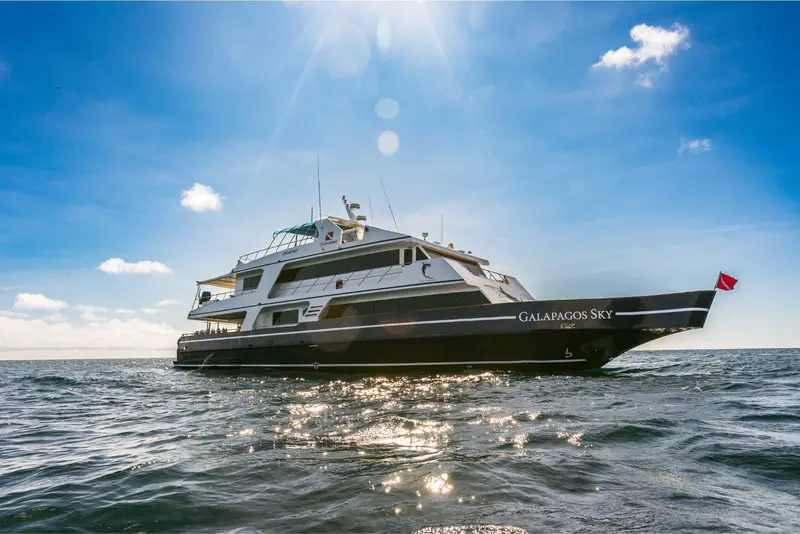
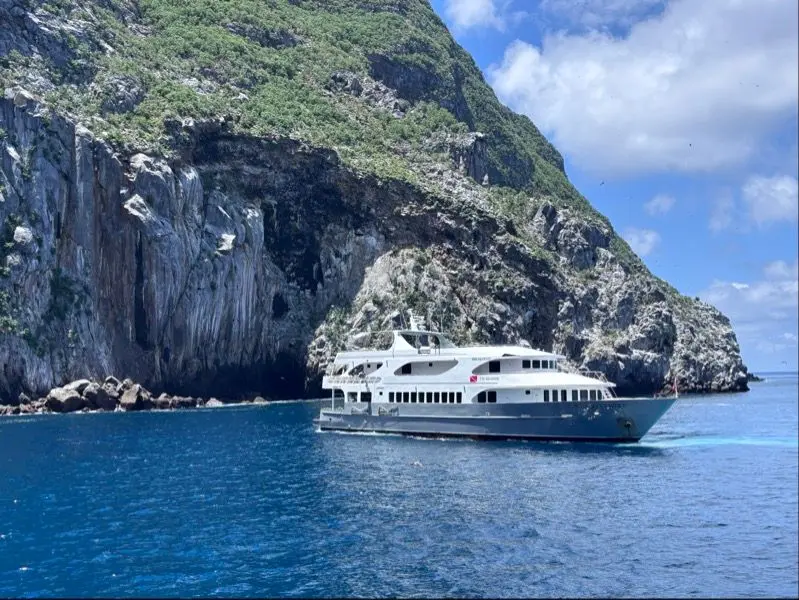
11 liveaboards depart from Galapagos another way to explore the region, over several days at sea.
You can dive Darwin Island year-round, with June to November associated with large numbers of scalloped hammerheads and whale sharks. Cooler, plankton-rich conditions during these months attract whale sharks near the wall. Plankton blooms also influence visibility, which averages between 12 and 30 meters.
Darwin Island requires advanced certification and a minimum of 50 logged dives. You also need comfort and proficiency managing your position in strong water movement, because dives involve consistently strong to very strong currents, surge, noticeable thermoclines, and drift diving along the wall. Access is exclusively by liveaboard.
Darwin Island dives typically range from 9 to 40 meters. You often begin on shallow rocky outcrops and terraces between 9 and 18 meters, then explore a steep wall dropping into the deep ocean. Expect strong oceanic currents, significant upwellings, surge, and noticeable thermoclines.
At Darwin Island, you can see vast schools of scalloped hammerheads, whale sharks from June to November, and Galapagos, silky, and tiger sharks. Manta and mobula rays move through the currents, while turtles, bottlenose dolphins, eagle rays, sea lions, schooling fish, moray eels, and octopus may also appear.