Santa Cruz · Azores · Atlantic
Max. depth · 46 mHaut-fond d’Ambrósio, Santa Cruz: Pelagic Encounters in the Azores
Dive the Haut-fond d’Ambrósio, a compact seamount off Santa Maria, for summer encounters with dozens of mobula rays and dense schools of pelagic fish.
What makes this site special
- Summer aggregations of dozens of mobula rays (Mobula birostris, Mobula tarapacana).
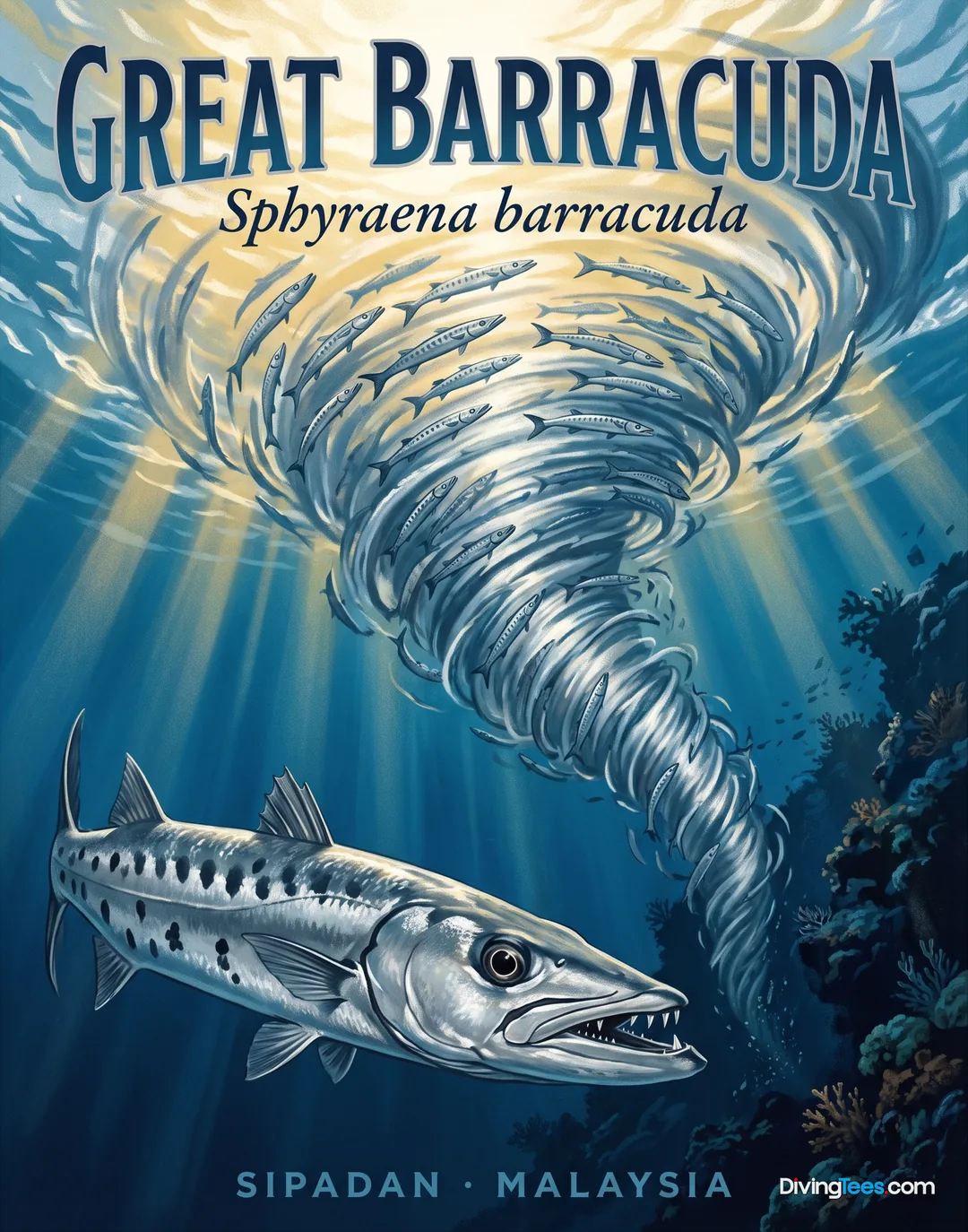
- Encounters with large schools of pelagic fish: amberjack, bluefish, barracuda.
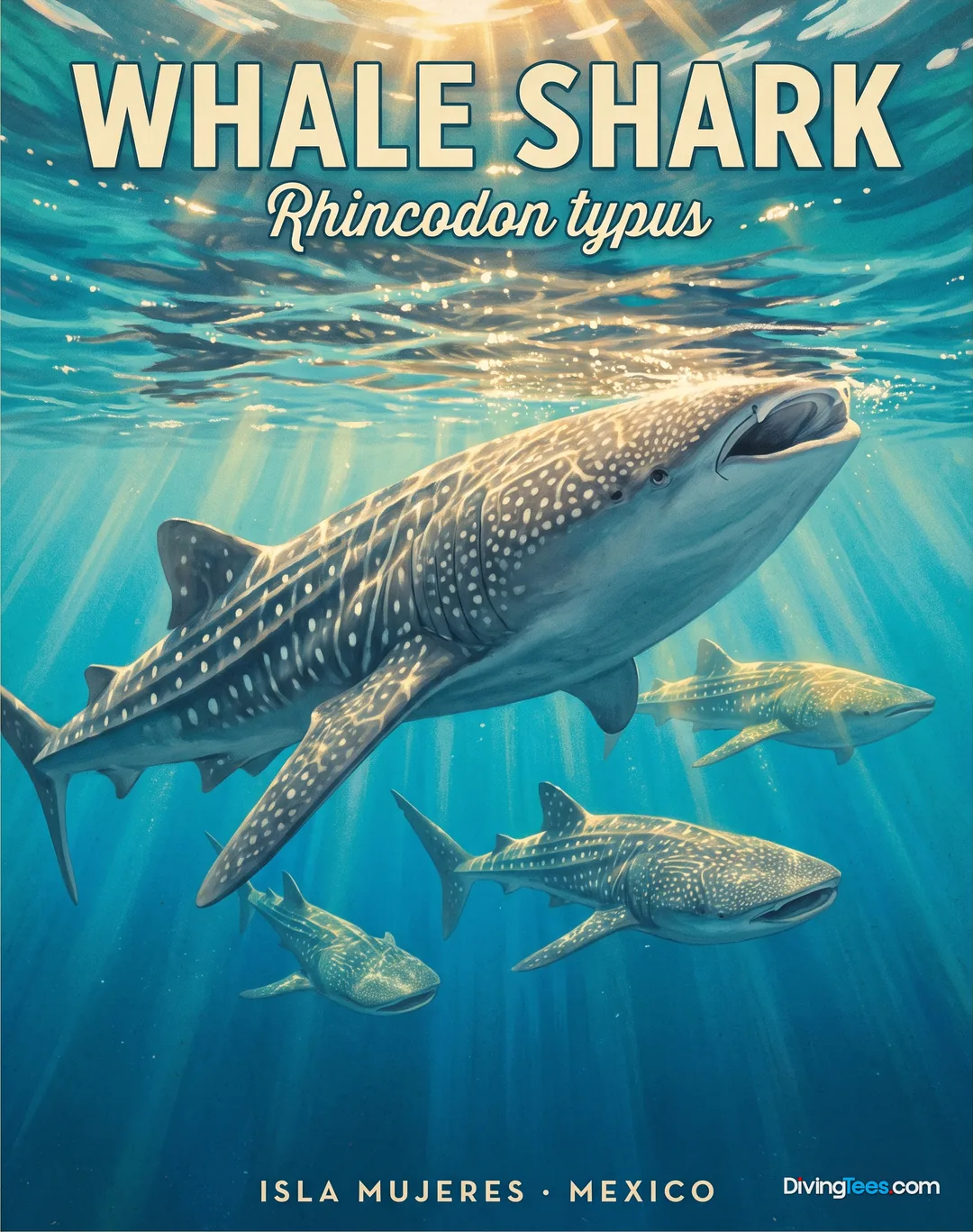
- Opportunity to see tuna and occasional whale sharks.
- Compact offshore seamount rising from deep water.
- Excellent visibility, typically 25 to 30 metres.
- Accessible pelagic diving just three nautical miles from Santa Maria.
Haut-fond d’Ambrósio about the site
Haut-fond d’Ambrósio, also known as Baixa do Ambrósio, is a compact offshore seamount that breaks the surface of the open Atlantic, located roughly three nautical miles off the north coast of Santa Maria. This pinnacle rises from significant depths, creating a dynamic ecosystem that attracts large pelagic life. The site's proximity to shore, a short 10 to 40-minute boat ride from Vila do Porto marina, makes it unusually accessible for a dive that delivers the kind of open ocean encounters typically found at much more remote banks.
The dive at Ambrósio often begins with a descent along the mooring line, as the seamount itself forms a small platform around 46 metres. Most of the diving here is conducted mid-water, typically between 5 and 15 metres above the seamount, rather than exploring a complex reef structure. This blue-water profile allows you to focus on the surrounding pelagic activity, with the seamount acting as a magnet for marine life in the otherwise open ocean.
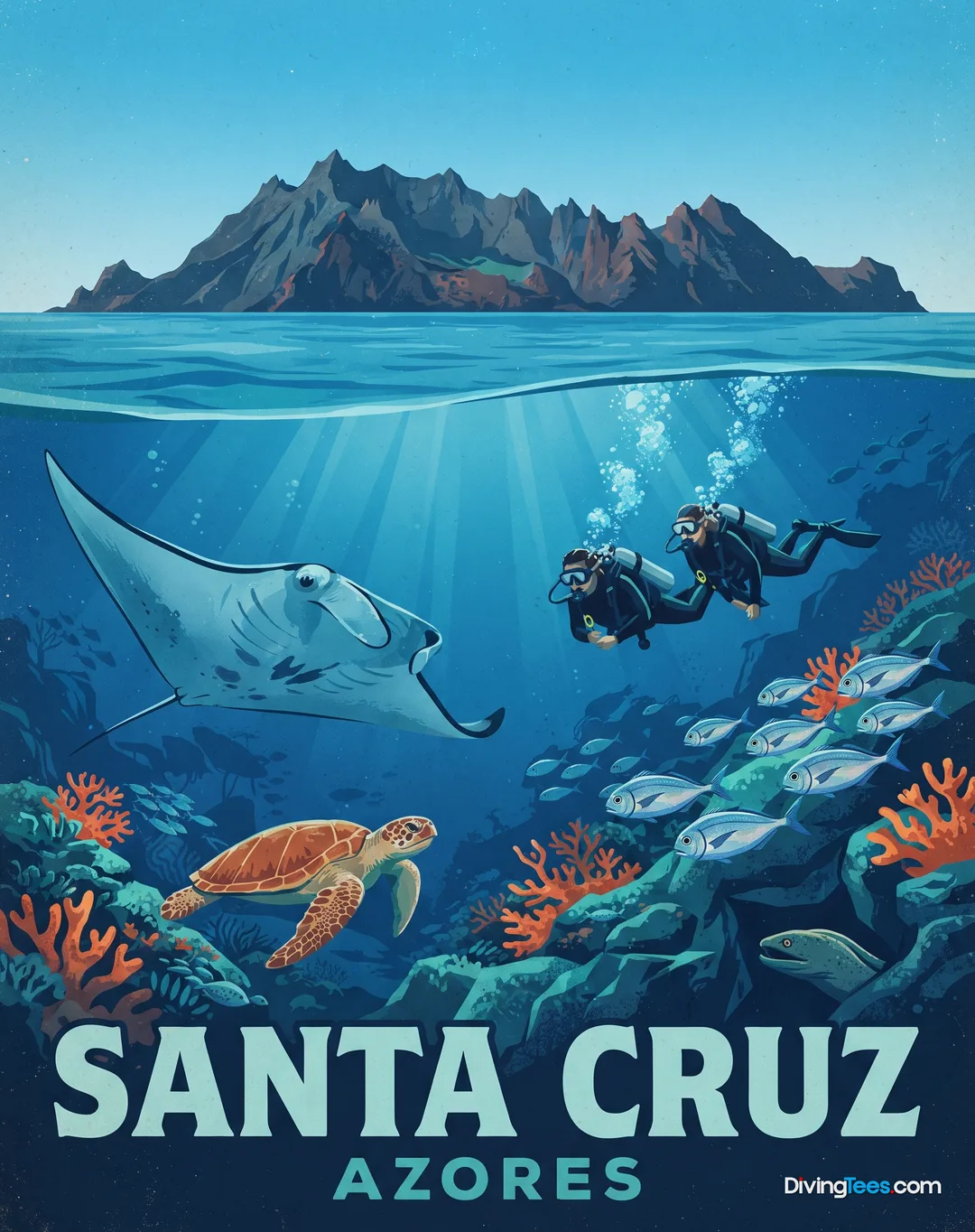
The primary draw to Haut-fond d’Ambrósio is its reputation as a gathering point for mobula rays (Mobula birostris and Mobula tarapacana). During the summer months, from July to October, it is common to encounter groups of these rays, often numbering in the dozens, circling divers in the shallower blue water. These interactions are not fleeting glimpses; the rays often display a natural curiosity, providing close and extended encounters that define the Ambrósio experience.
Beyond the mobula rays, the seamount attracts other large pelagic species. You can expect to see dense schools of amberjack, bluefish, barracuda, and anchovy, which often form impressive bait balls. These aggregations are a testament to the rich nutrient upwellings and currents that sweep over the seamount, concentrating food sources and creating a vibrant feeding ground for a diverse range of oceanic predators. Keep an eye out for larger visitors like tuna, and occasionally, whale sharks.
The currents at Haut-fond d’Ambrósio can be moderate, a characteristic of exposed Atlantic seamounts. These currents are a key factor in the site's productivity, bringing nutrients and attracting the pelagic life that makes this site famous. While conditions can vary with weather, the presence of current is often what makes the site so active, requiring divers to be comfortable in blue-water, current-affected environments.
Visibility at Ambrósio is consistently good, typically ranging between 25 and 30 metres. This clear water allows for expansive views of the pelagic action, enabling you to spot approaching schools of fish or rays from a distance. The open ocean setting, combined with excellent visibility, creates a sense of immersion in the vastness of the Atlantic, even when diving relatively close to the surface.
Diving Haut-fond d’Ambrósio: the marine life you’ll meet

Diving conditions
Diving at Haut-fond d’Ambrósio is accessible from Open Water Diver level, though comfort in blue-water and current-affected conditions is recommended. The dive profile typically ranges from a minimum of 5 metres to a maximum of 46 metres. Visibility is generally good, between 25 and 30 metres. Currents can be moderate, varying with weather conditions. The best time to experience the site, particularly for encounters with mobula rays and whale sharks, is during the summer months from July to October, when water temperatures are around or above 22 °C.