
The Adventure Club
★ 5/5 (3,783 reviews)
Koh Phi Phi · Thailand · Asia
Max. depth · 30 mExplore the dramatic limestone pinnacles of Hin Dot, where sheer rock towers drop to 30 metres, creating a dynamic environment for diverse reef life.
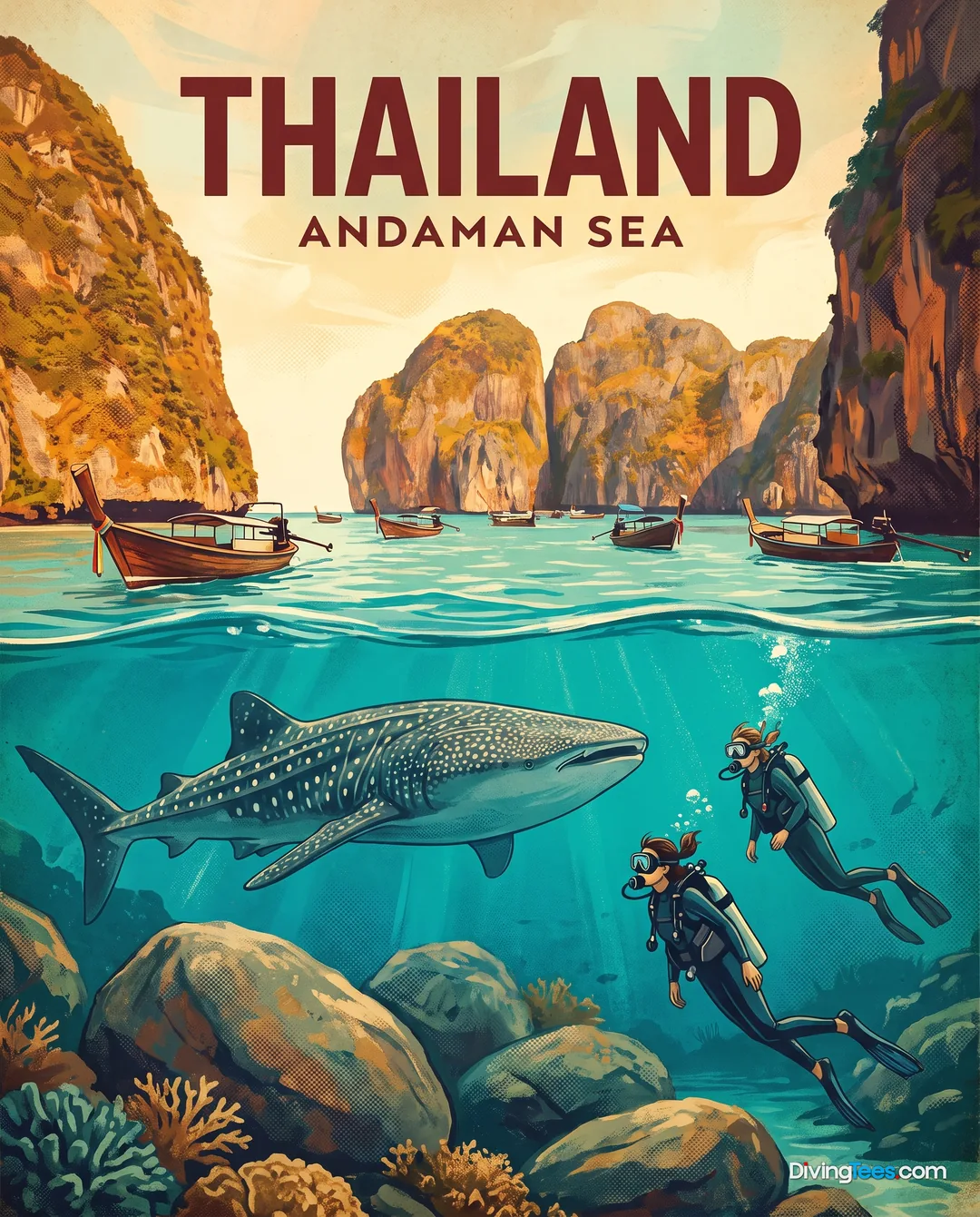
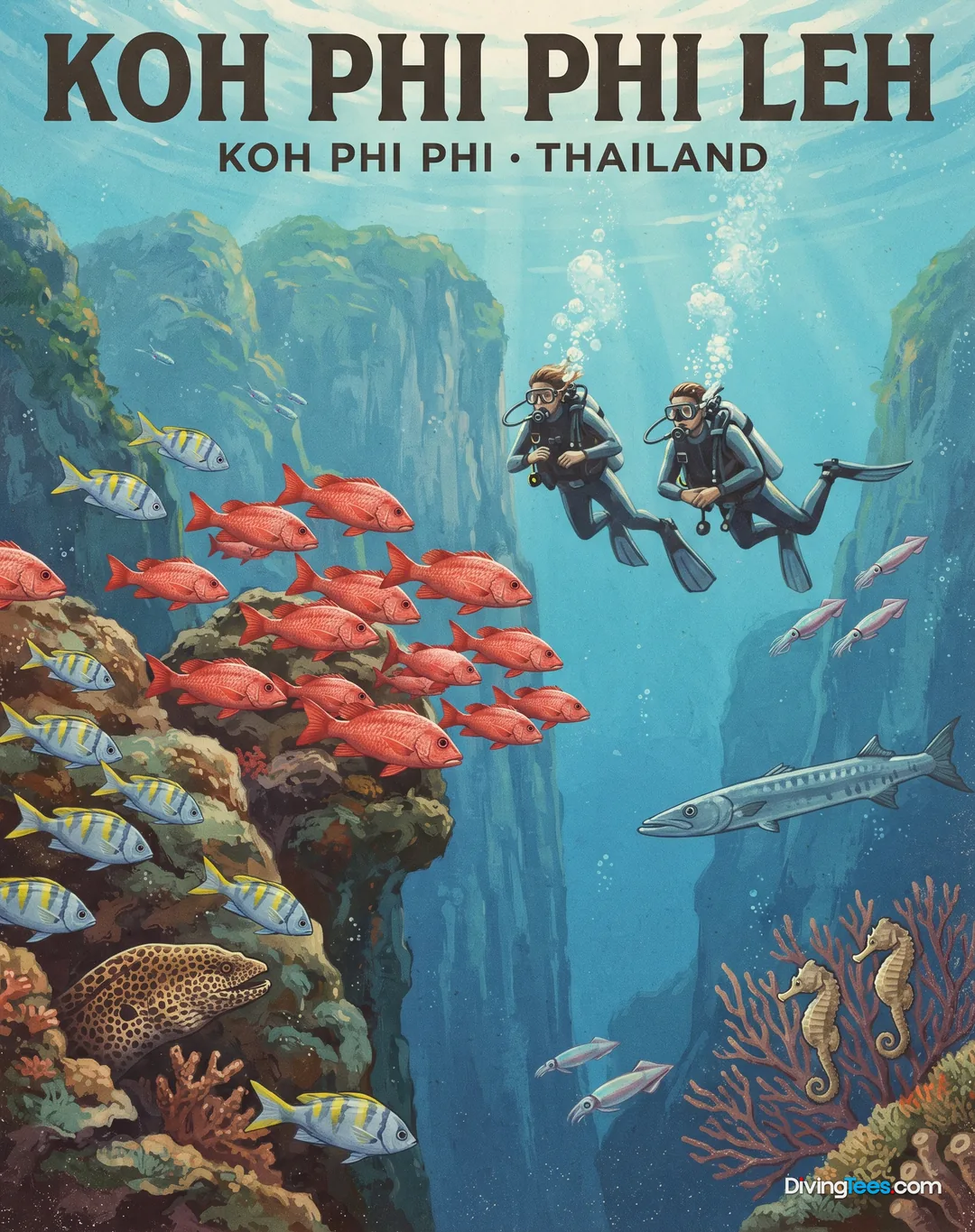
Diving Koh Phi Phi Don typically centers around Hin Dot, also known as Chimney Rock, located just outside Tonsai Bay on the south side of the island. This site is defined by four distinct limestone pinnacles that break the surface, extending downwards to a maximum depth of 30 metres. The geological structure here is notable for its sheer rock towers, interspersed with boulders and ledges, forming a vertical, chimney-like topography. This creates numerous overhangs and crevices, providing shelter and hunting grounds for a variety of marine life, making the descent a continuous exploration of new formations.
As you descend along these pinnacles, the underwater landscape transitions from sunlit shallow reefs to deeper, more shadowed sections. Hard and soft coral gardens thrive across the varying depths, illuminated by the clear water. The light filtering through the water column highlights the vibrant colours of these coral formations, which in turn provide a complex habitat. This structure offers a sense of exploration, as you navigate the contours of the topography, observing how the reef life adapts to the different light and current exposures at each depth.
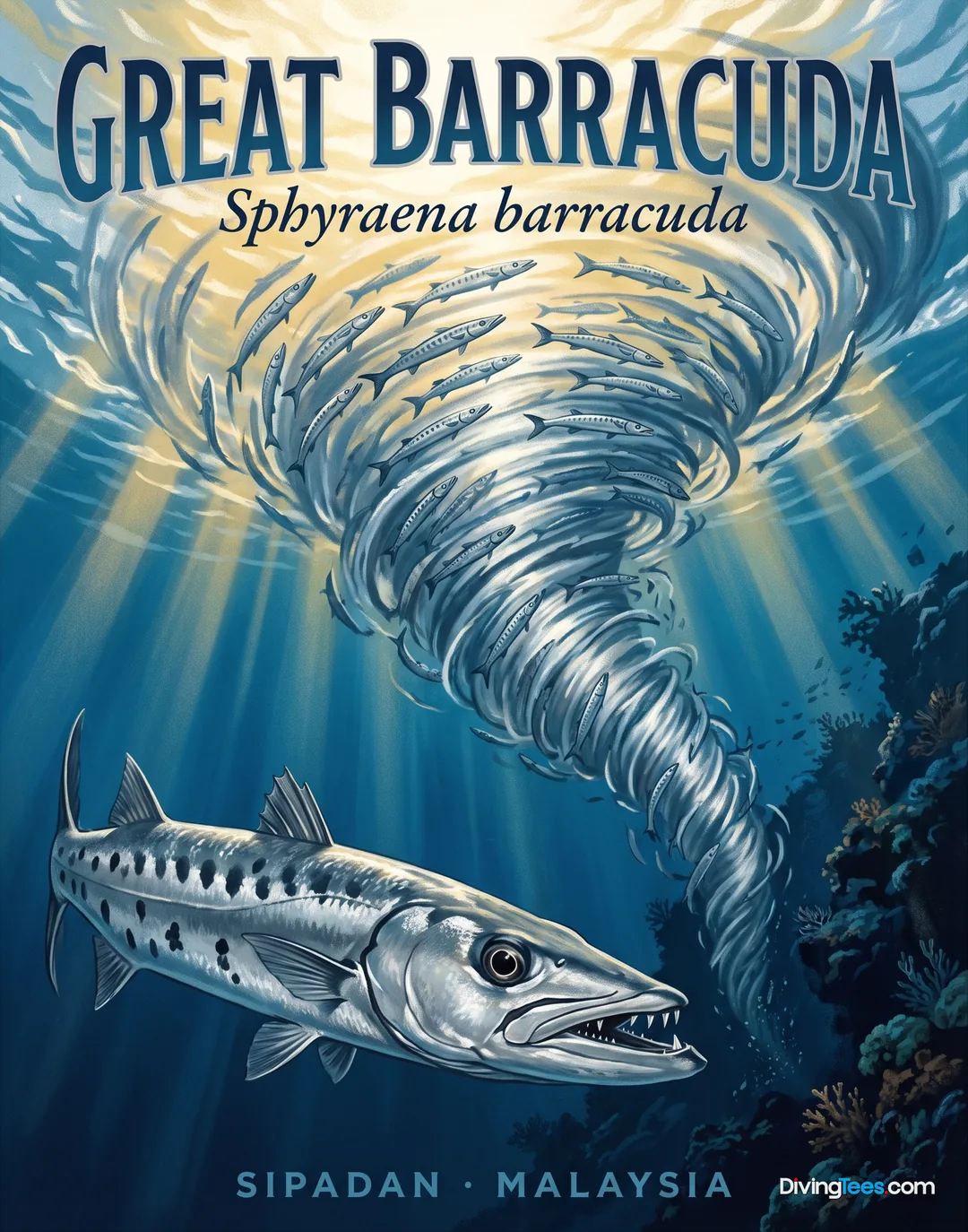
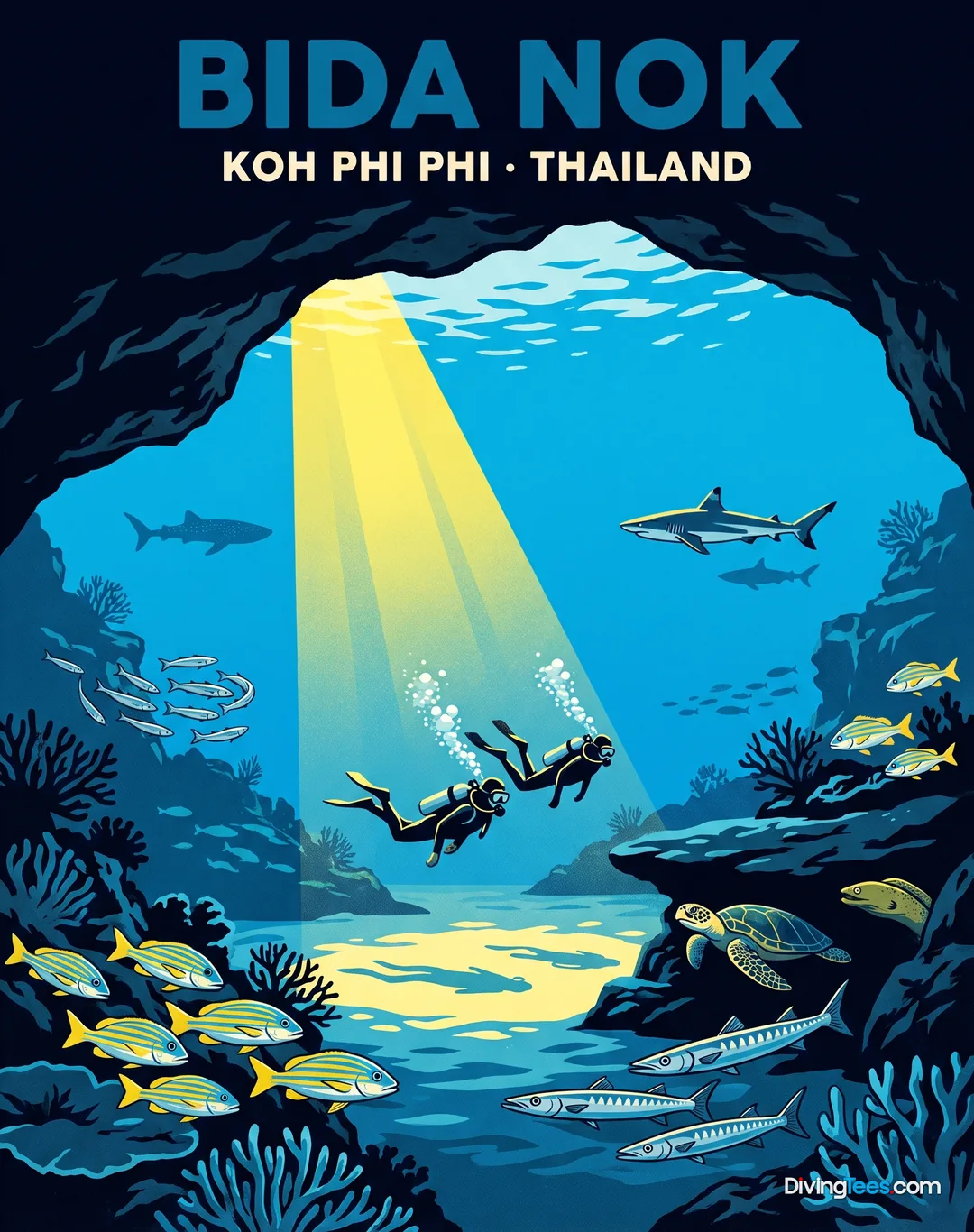
The mid-water around Hin Dot is often active with pelagic species. You will encounter schools of fusiliers and yellowtail barracudas (Sphyraena flavicauda) cruising the open water, their movements synchronized as they navigate the currents. Closer to the reef, schools of snappers congregate, and butterflyfish with their intricate patterns dart between the coral heads. Angelfish are also a common sight, moving gracefully among the reef structures, contributing to the constant visual activity that defines the site's resident fish population.
Exploring the nooks and crannies of the pinnacles reveals the more cryptic inhabitants of Koh Phi Phi Don. Moray eels are frequently encountered, with the impressive giant moray (Gymnothorax javanicus) peering from larger crevices and the more subtly marked white-eyed moray (Gymnothorax thyrsoideus) found in smaller hideouts. With a keen eye, you might spot a cuttlefish expertly camouflaged against the reef, or observe the shyer shrimp and crabs that dwell within the intricate reef structure, showcasing the hidden lives that flourish on these vibrant underwater walls.
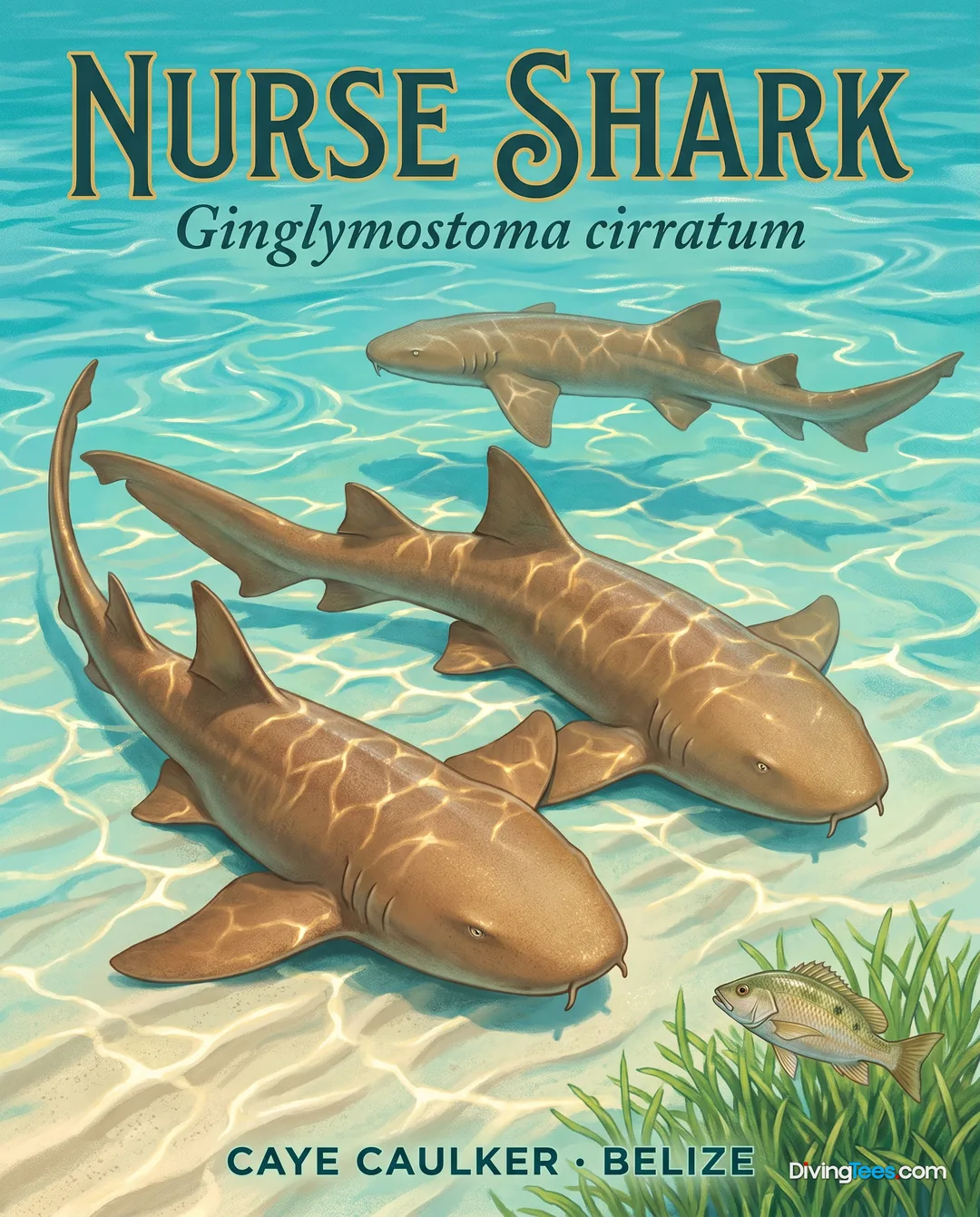
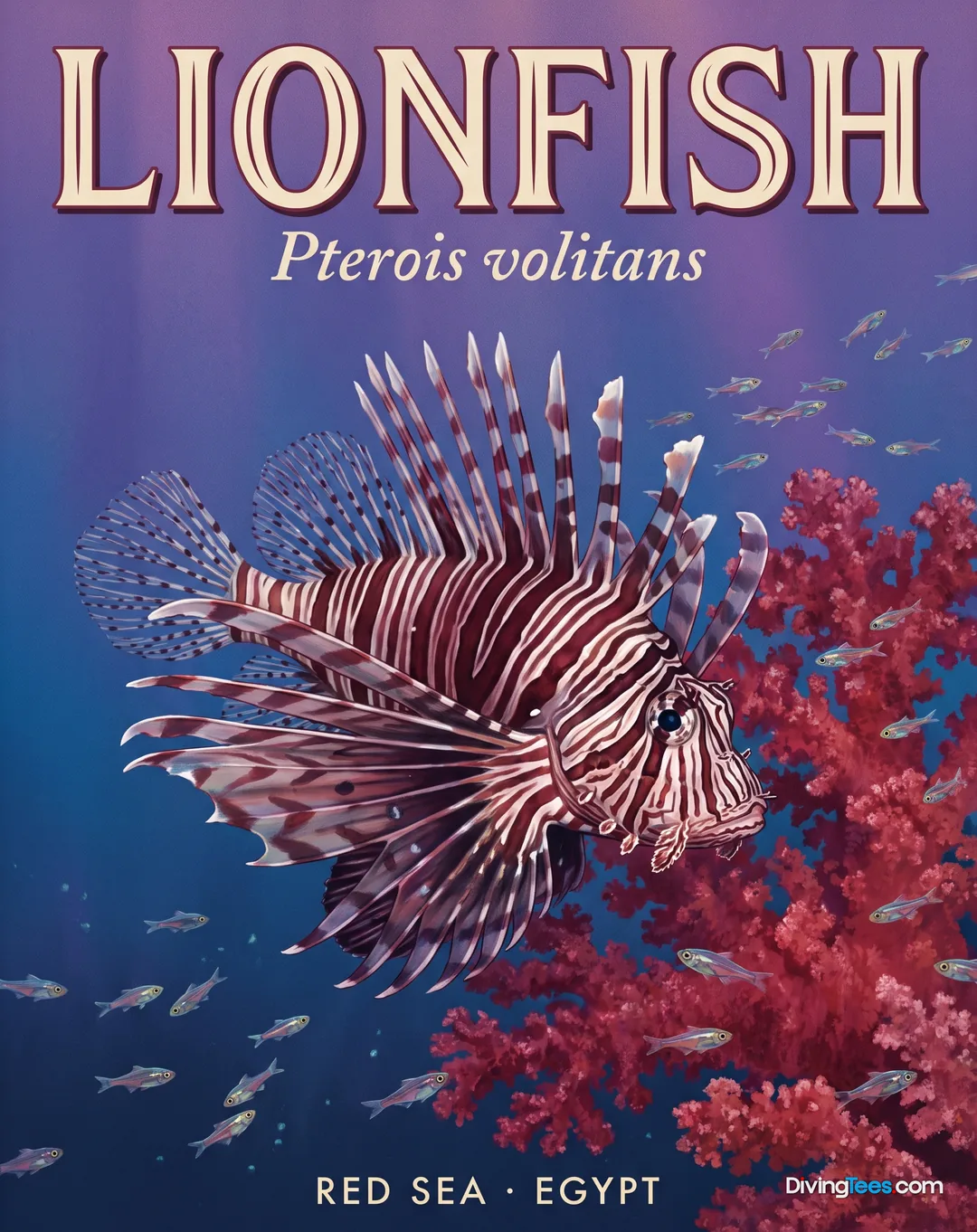
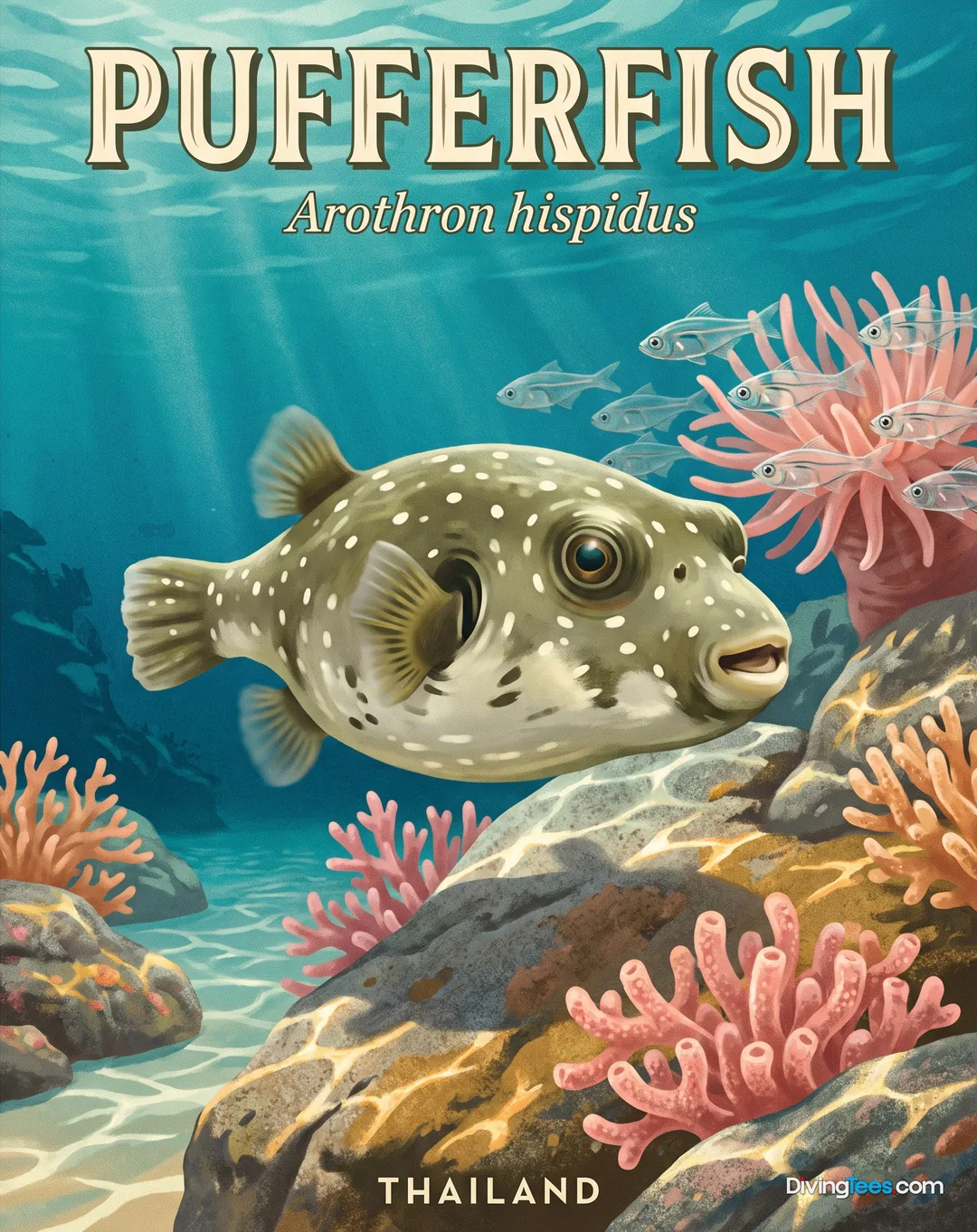
The site also hosts larger reef residents and occasional visitors. Groupers are often seen patrolling the ledges, while pufferfish and lionfish are common sights closer to the reef. Keep an eye out for squid moving through the water column, and the well-camouflaged bearded scorpionfish resting on the bottom. For those exploring the deeper sections, there is the possibility of encountering nurse sharks and blacktip reef sharks, which are known to frequent the area around the pinnacles.
Hin Dot is particularly known for its dense fish life, where large schools can sometimes darken the water column above divers, creating a dynamic visual experience. The site offers a blend of dramatic mid-water scenery and opportunities for macro observation, with cryptic species sheltering under rocks near the bottom. This combination of large-scale topography and detailed reef life ensures that each dive presents new discoveries, whether you are observing the schooling fish or focusing on the smaller inhabitants of the reef.
Diving at Koh Phi Phi Don is accessible from a minimum depth of 5 metres, with the site extending down to 30 metres. Open Water divers can explore the shallower sections, but Advanced Open Water certification or experienced divers with at least 50 logged dives are recommended to fully explore the deeper areas and manage the variable currents. Currents around the pinnacles can range from gentle to mild, but their strength and direction can change with the tides, making brief moderate currents possible, especially around exposed sections. Visibility typically ranges from 5 to 20 metres, influenced by tidal movements and seasonal conditions.