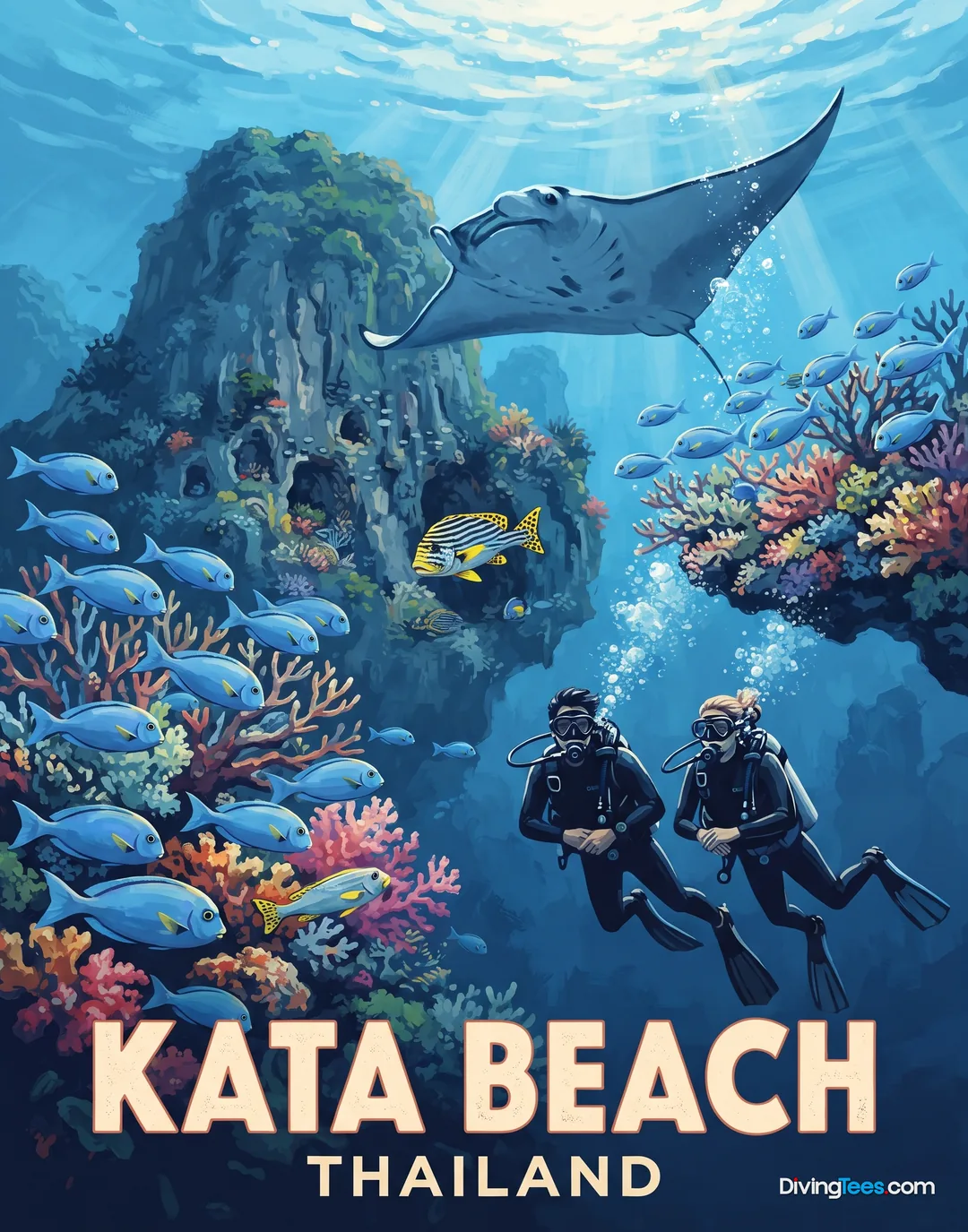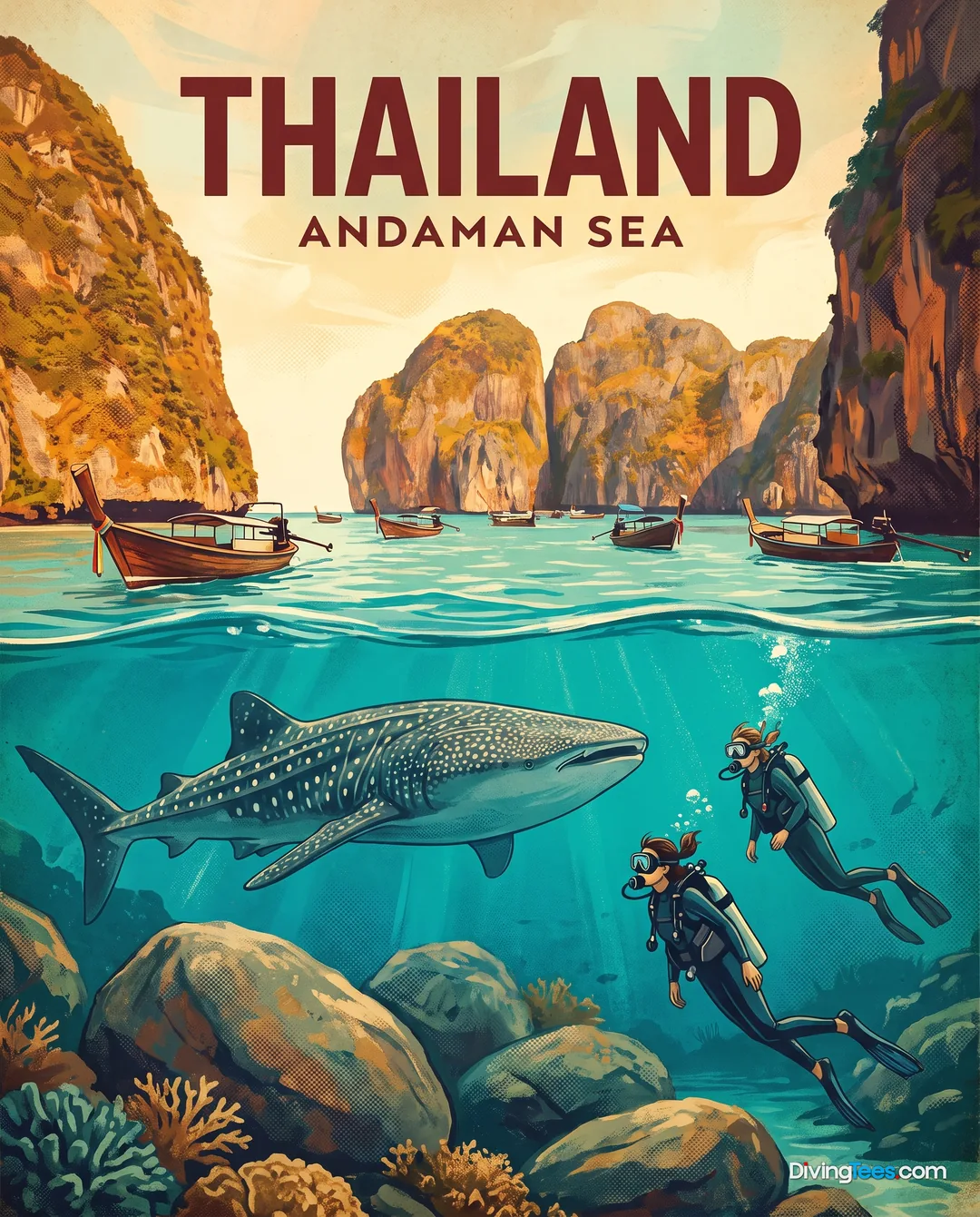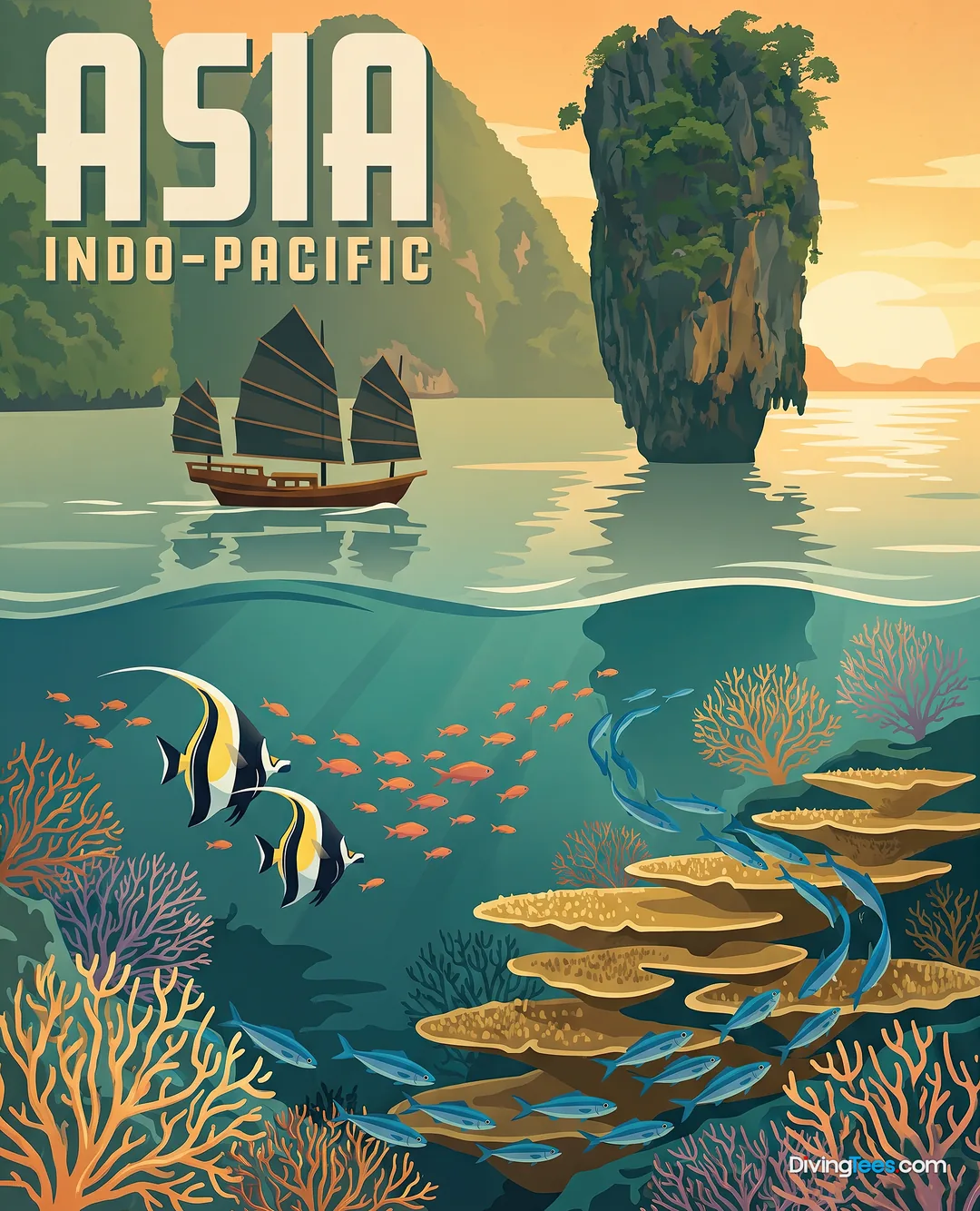
photo coming soon

All4Diving® Phuket
★ 4.9/5 (1,019 reviews)
113 km away as the crow flies
Kata Beach · Thailand · Asia
Max. depth · 35 mDescend along a sloping reef on the eastern side of Similan Island No. 9, where gardens of hard corals host abundant reef fish and leopard sharks patrol the deeper sand.
For subtitles in English: start the video firstthen click the gearat the top right of the video, select “Subtitles/CC”, then “Auto-translate” and choose “English”.
Breakfast Bend, often the first dive of the day, follows the eastern side of Similan Island No. 9 (Koh Bangu). The site presents a varied topography, starting relatively shallow on its western section with a sandy bottom punctuated by scattered rocks. As you move towards the southeast, you encounter the beginnings of a reef plateau, primarily composed of staghorn corals, leading into a sloped reef structure. This initial phase of the dive allows for comfortable acclimatization and observation of the shallower reef fish before progressing to deeper sections.
The main body of the reef gradually descends to an average maximum depth of 25 meters, although specific points can reach 35 meters. This makes it an excellent location for multi-level diving, allowing you to explore different zones during a single dive profile. The slope itself is shaped by small coral blocks and shelves, densely populated with various hard corals including branching trees, leafy corals, and brain corals. This diverse coral architecture creates numerous hiding spots and feeding grounds for a wide array of marine life.
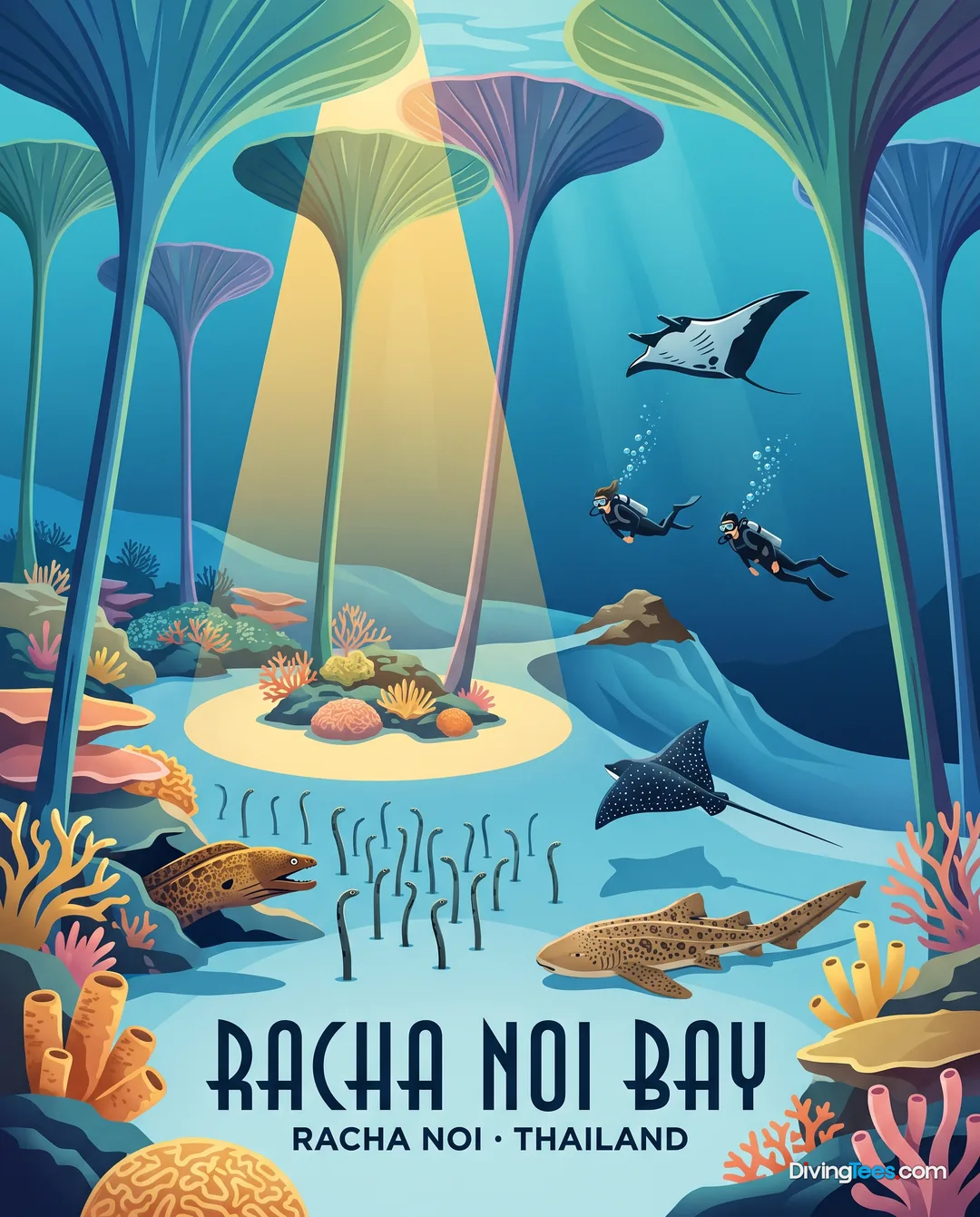
Below the structured reef, particularly in the southeastern areas, you'll find expansive sandy zones where garden eels (Gorgasia preclara) form dense colonies, swaying rhythmically in the gentle currents. These eels are a hallmark of the site, and observing their synchronized movements offers a distinct experience. It’s in these sandy stretches, too, that patience may be rewarded with encounters with sea turtles, navigating between the coral patches and the open sand.
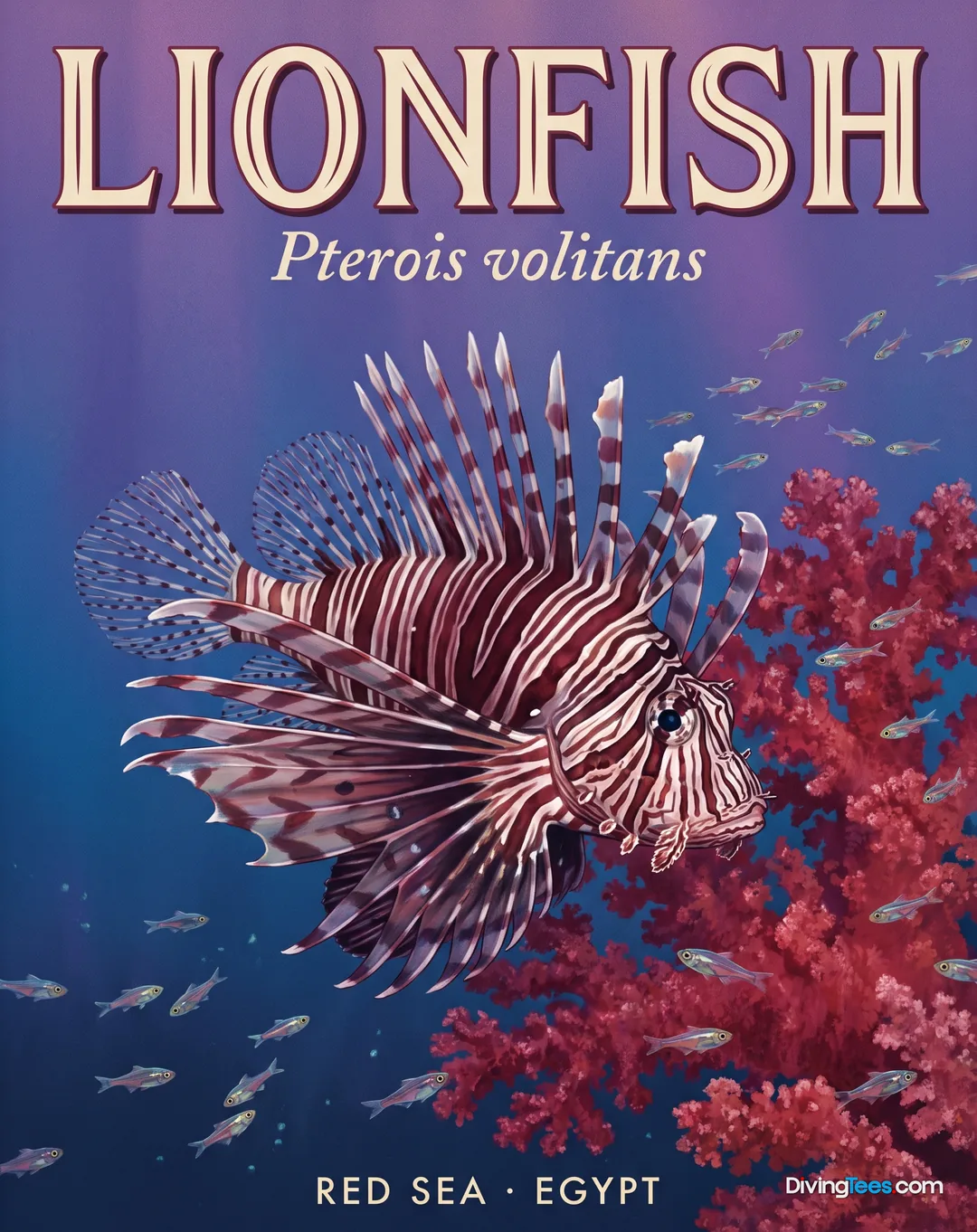
The site supports a rich ecosystem of reef fish. You will consistently find Moorish idols (Zanclus cornutus), butterflyfish, and lionfish (Pterois sp.) in significant numbers across the reef. These species are integrated into the vibrant reef community, feeding and interacting within the coral structures. Bannerfish (Heniochus diphreutes), damselfish, groupers, and hunting trevally are also common, often seen darting through schools of baitfish, creating dynamic scenes.
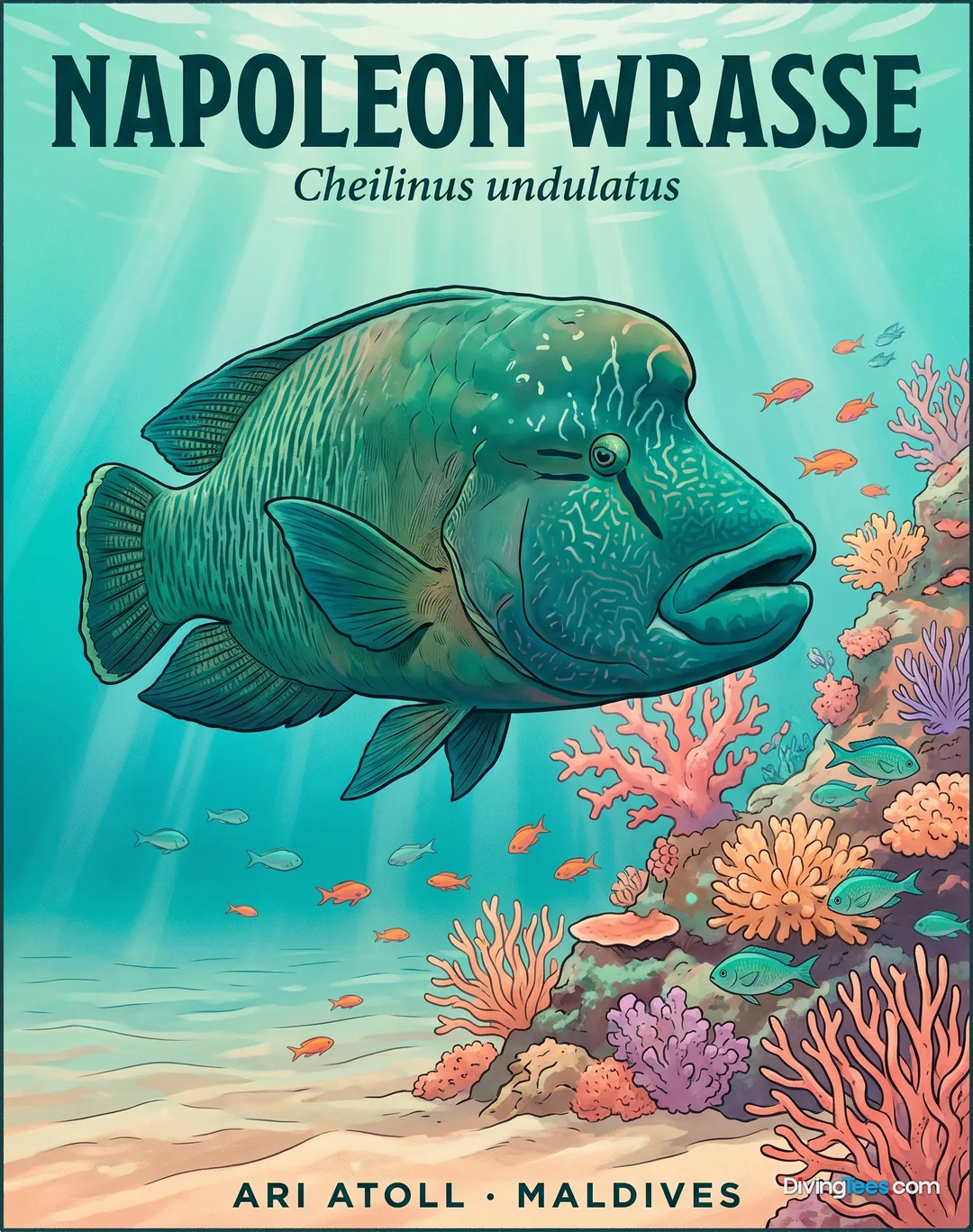
Breakfast Bend is particularly noted for its resident larger species. Leopard sharks (Stegostoma tigrinum) are a common sight, and it’s not unusual to see multiple individuals during a single exploration of the site's deeper, sandy areas. White-tip reef sharks (Triaenodon obesus) and Napoleon wrasse (Cheilinus undulatus) are also possibilities. The presence of these larger predators, along with Kuhl's stingrays (Neotrygon kuhlii) and various types of gobies on the sand, adds another layer of interest to the dive, encouraging divers to scan beyond the immediate reef.
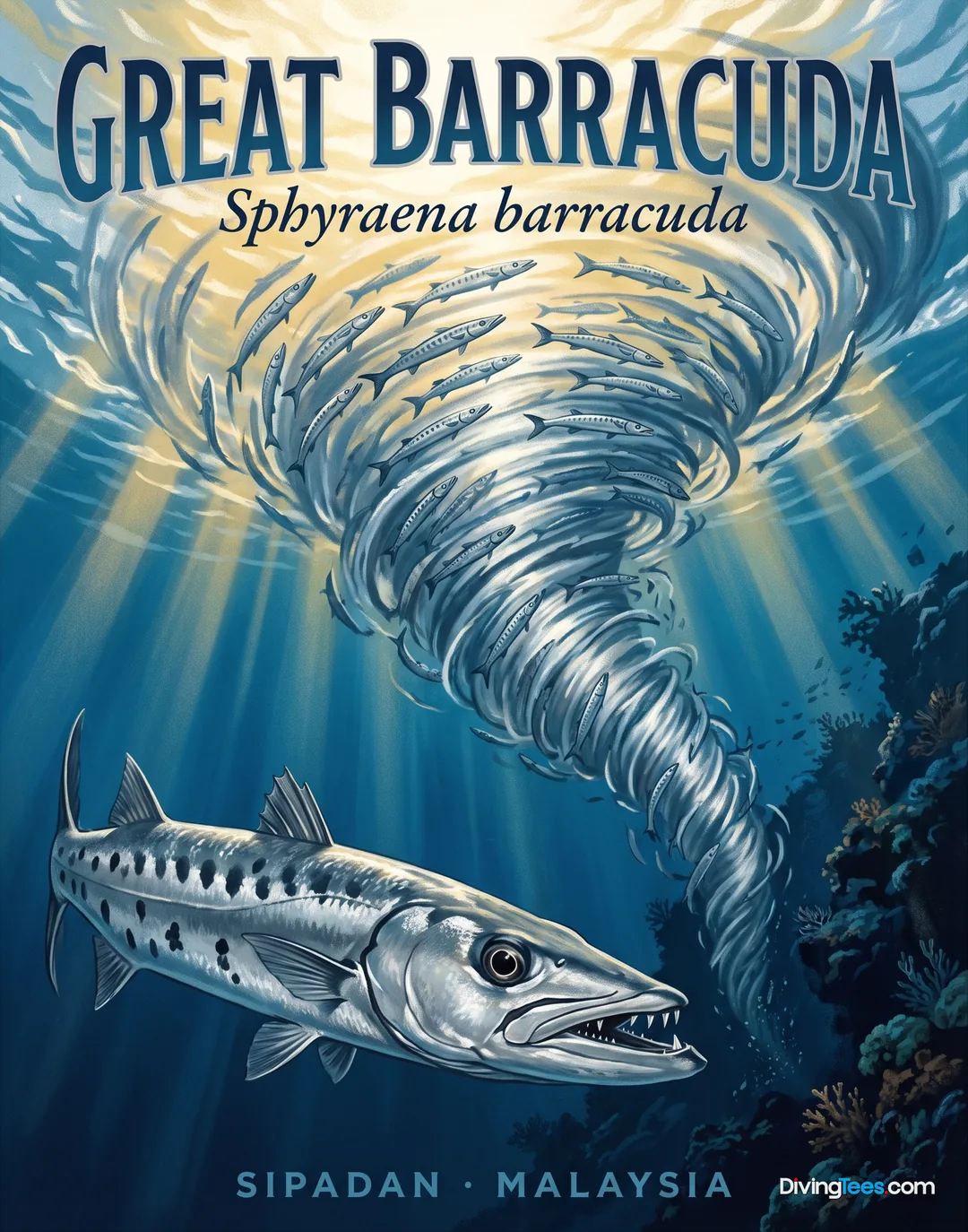
The northern section of Breakfast Bend is sometimes referred to as Three Trees or Bat Fish Bend. Here, you'll often encounter large schools of friendly batfish (Platax orbicularis) and yellowfin barracudas (Sphyraena flavicauda) circling in the water column. This area contrasts with the coral slopes, offering a more pelagic feel as these larger fish congregate. The mix of coral gardens, sandy expanses, and the occasional pelagic encounter defines the varied experience of diving Breakfast Bend.
Breakfast Bend is accessible to intermediate divers, with a minimum depth of 16 metres and a maximum depth reaching 35 metres. The current is typically moderate, though it can occasionally intensify, especially around specific points. Visibility ranges between 20 to 25 metres, offering clear views of the reef and its inhabitants. The best period to dive here is from October to May, aligning with the Similan Islands' open season.
★ 4.9/5 (1,019 reviews)
113 km away as the crow flies
★ 4.9/5 (319 reviews)
113 km away as the crow flies

★ 5/5 (297 reviews)
118 km away as the crow flies
★ 5/5 (152 reviews)
114 km away as the crow flies
★★★★★
★ 9.3/10 (1,338 reviews)
121 km away as the crow flies
★★★★★
★ 8.7/10 (1,764 reviews)
121 km away as the crow flies

★★★★
★ 8.4/10 (1,242 reviews)
120 km away as the crow flies

★★★★★
★ 8.7/10 (88 reviews)
120 km away as the crow flies