


The Adventure Club
Google 5/5 (3,823 reviews)
3.5 km away as the crow flies
Koh Phi Phi · Thailand · Asia
Max. depth · 15 mExplore a sheltered, shallow reef formation where seahorses inhabit the rock-face crevices.
For subtitles in English: start the video firstthen click the gearat the top right of the video, select “Subtitles/CC”, then “Auto-translate” and choose “English”.
Lana Bay sits on the northwest coast of Phi Phi Don, offering a distinct change of pace from the deeper, more exposed offshore pinnacles found in the surrounding Andaman Sea. The site is a shallow reef system contained within a sheltered bay, which protects it from the heavier swells often encountered on the outer edges of the islands. This geography makes it a stable environment for a variety of smaller organisms that prefer calmer waters. You will find a terrain composed of coral formations and rocky faces that create a complex habitat. The bay's orientation provides a level of protection that allows for easier navigation compared to the high-current channels nearby.
The topography of the site is defined by its rocky outcrops and numerous small crevices. These niches are essential to the reef's structure, providing hiding spots for a variety of macro life. As you move through the site, you will encounter different sections of reef terrain that vary in coral density and rock complexity. The depth remains relatively shallow throughout the area, staying within a 1 to 15 metre range. This shallow profile ensures that sunlight reaches the seabed effectively, supporting the growth of the local coral formations. It is a site where the details of the reef floor are more important than the scale of the drop-off.
For those looking for macro life, the rocky faces are the primary area of interest. The abundance of small crevices and niches makes this an ideal location for observing species that rely on camouflage and tight spaces. Divers should focus their attention on the transitions between the rock and the coral, where many small organisms reside. The calm conditions within the bay allow for the precise buoyancy control needed to inspect these small areas without disturbing the sediment. It is a site that rewards a slow, methodical approach to the bottom rather than large, sweeping movements.
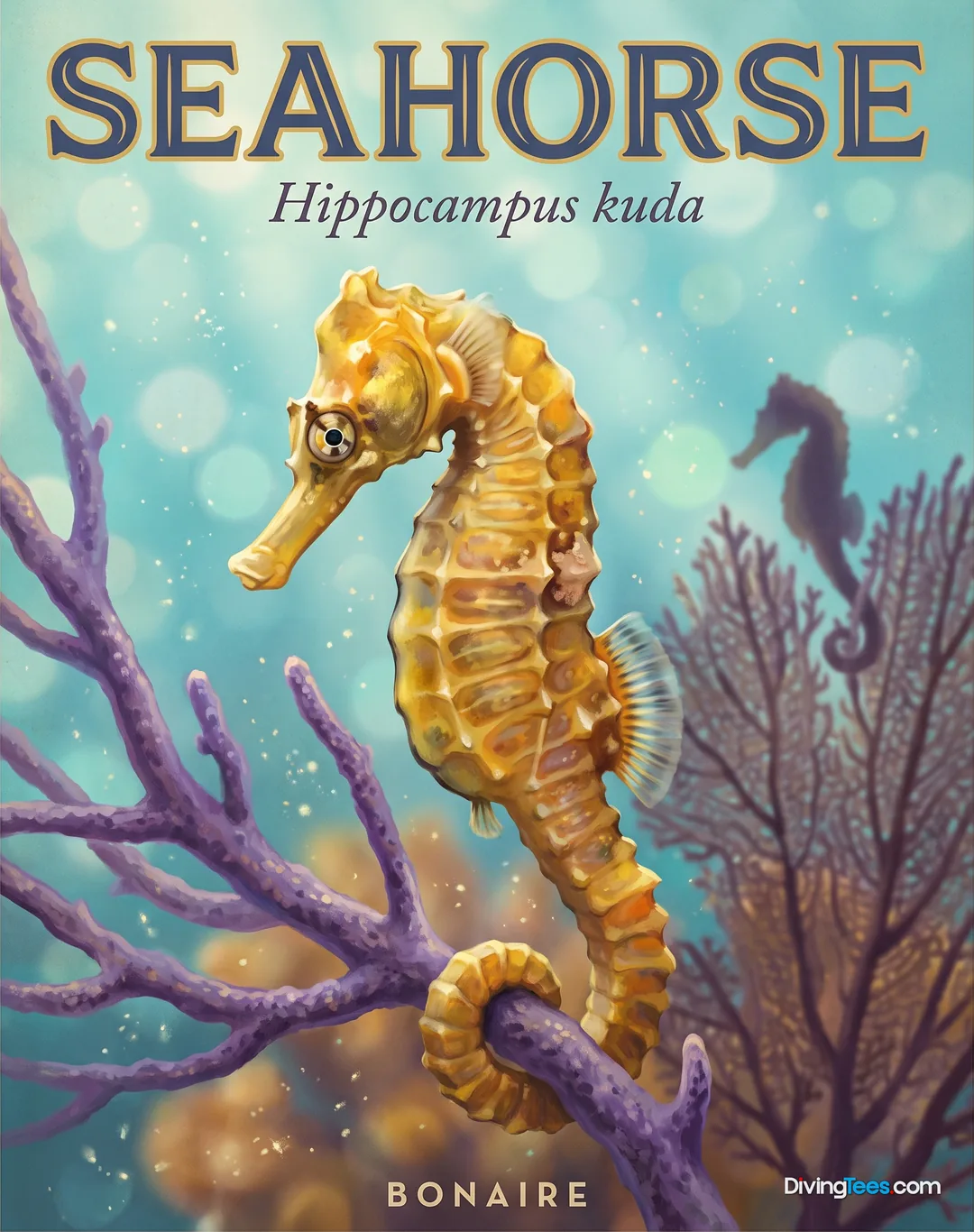
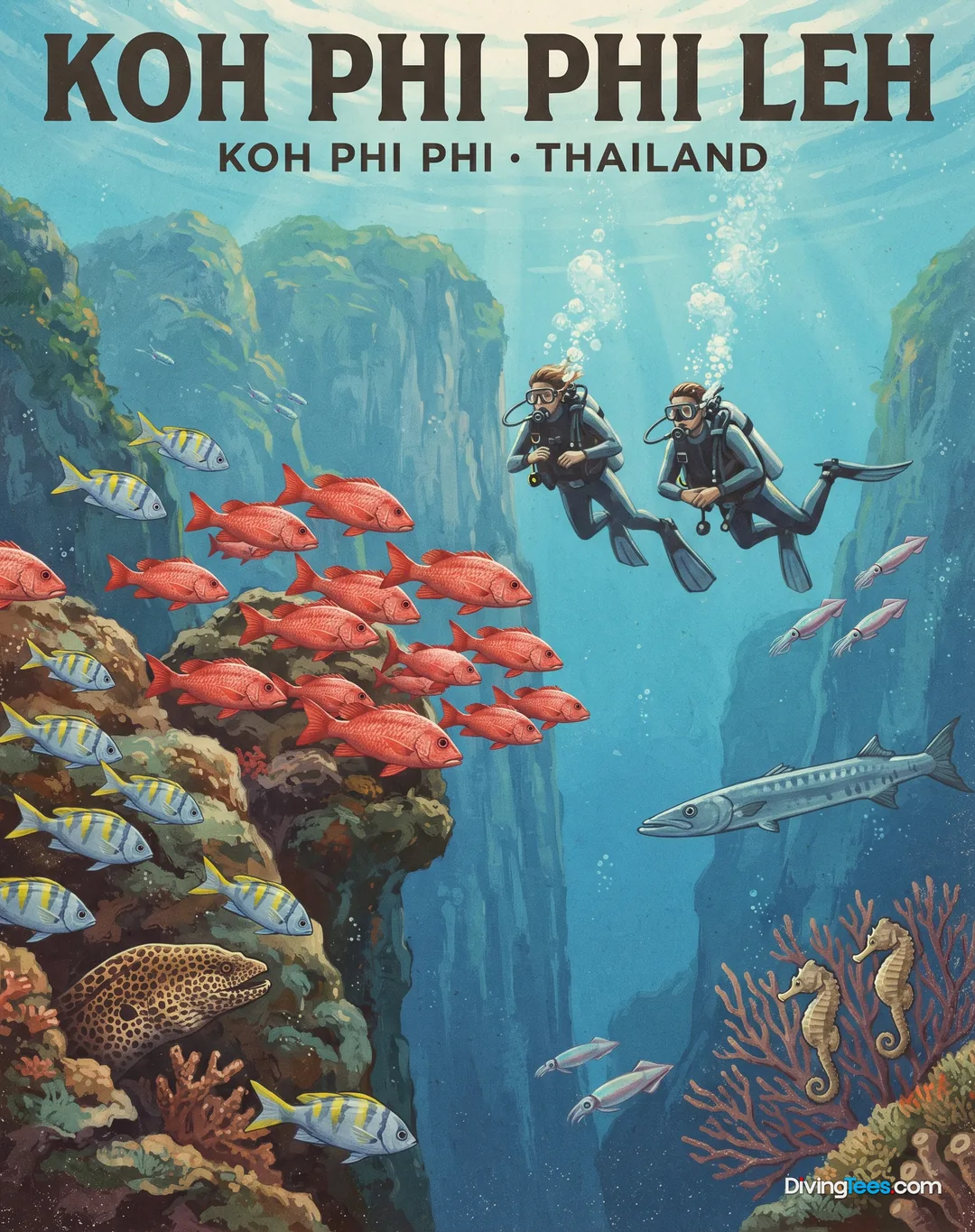
One of the most specific highlights of Lana Bay is the presence of seahorses. These creatures are often found tucked away within the rock-face crevices, making them difficult to spot without a keen eye. Observing them requires patience and a steady hover, as they blend seamlessly into their surroundings. Because they inhabit these specific niches, your dive plan should involve a thorough search of the vertical and horizontal cracks in the reef structure. Finding them is a highlight that defines the macro-oriented nature of this particular location.
The light levels at Lana Bay are generally high due to the shallow depth and the sheltered nature of the bay. This clarity and light make it an excellent site for both scuba divers and snorkelers who want to observe the reef from the surface. Visibility is typically good, often ranging between 8 and 30 metres depending on the specific conditions of the day. The combination of shallow water and high visibility creates a bright, well-illuminated environment that is easy to navigate. You can expect to see the textures of the coral and the details of the rock formations clearly.
Access to the site is primarily conducted by boat, with both dive boats and long-tail boats operating from Phi Phi. The sheltered position of the bay makes the approach relatively straightforward, even for those less experienced with local boat handling. While shore access is possible via the island trails, most divers prefer the ease of a boat deployment to reach the best sections of the reef. The site's location within a bay means that even when the open sea is choppy, the water conditions at Lana Bay often remain manageable. This makes it a reliable option for a relaxed dive profile.
The site has a depth range of 1 to 15 metres and is accessible from the Open Water Diver level, making it suitable for all levels including snorkeling. Visibility is expected to be between 8 and 30 metres. The best time to visit this site is during the season from December to April.
You can visit Lana Bay during the season from December to April. Its sheltered bay generally protects the shallow reef from heavier swells found around the outer islands. The site offers bright conditions for observing coral, with visibility expected to range from 8 to 30 metres depending on the day.
Lana Bay is accessible from the Open Water Diver level and suits divers of all levels, including snorkelers. Its shallow reef, sheltered position, calm water conditions, and straightforward navigation make it suitable for a relaxed profile. You can move slowly over the coral and rocky terrain while examining small reef life.
Lana Bay ranges from 1 to 15 metres deep, with a shallow profile throughout the reef system. Sunlight reaches the seabed effectively, supporting local coral formations. The site focuses on detailed reef observation rather than a deep drop-off, and its shallow water also makes it suitable for snorkeling.
Lana Bay lies within a sheltered bay, so its water conditions are generally calm and its navigation is easier than in nearby high-current channels. The reef contains coral formations, rocky faces, and many crevices. Look carefully in these niches for macro life and seahorses tucked into the rock.