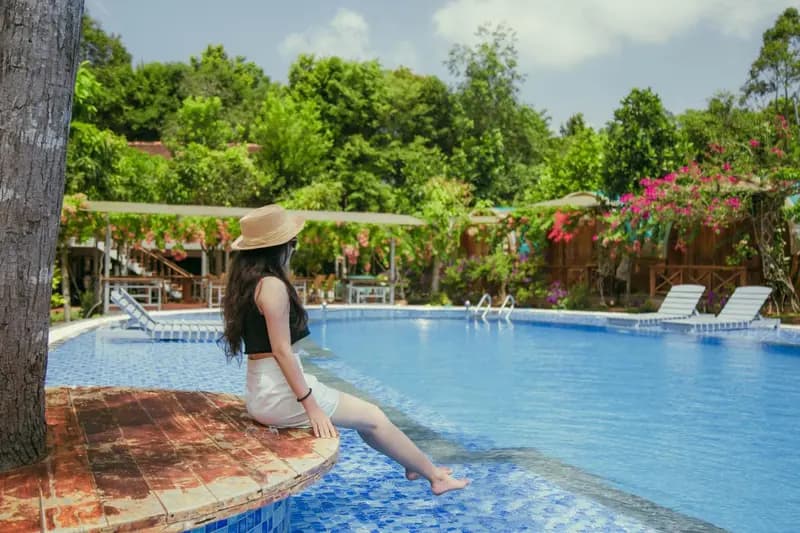
Phu Quoc Valley Sen Bungalow
★ 9.5/10 (799 reviews)
2.4 km away as the crow flies
Dive centre · Phu Quoc · Vietnam
4.9987 Google reviewsDive with the oldest established team on Phu Quoc, operating since 2004 with a focus on environmental protection.
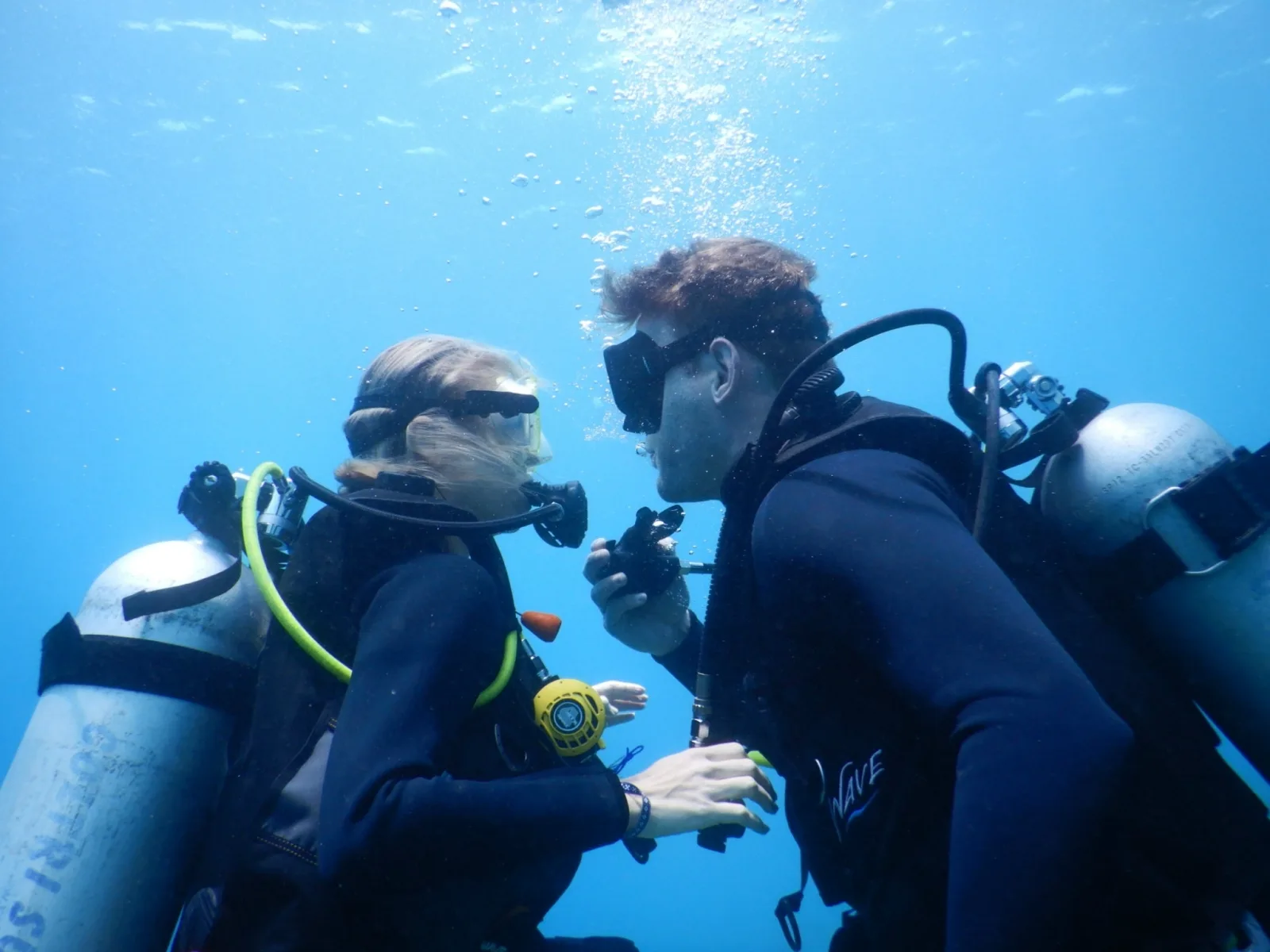
Located on the island of Phu Quoc, Vietnam Explorer's has been a fixture of the local diving community since 2004. As the oldest dive centre on the island, they have spent two decades navigating the local waters and developing a deep understanding of the regional reef systems.
The centre operates with multiple affiliations, including PADI, SSI, BSAC, and CMAS, making it a versatile hub for divers regardless of their training background. Their approach is built around high safety standards and a commitment to environmentally respectful diving practices.
The instructional team is highly experienced, with many instructors boasting over 20 years of diving experience. This depth of knowledge is a significant asset for divers looking to build confidence or refine their skills in the local conditions.
Safety is managed through a strict diver-to-guide ratio, with one guide assigned to every single diver. This ensures close supervision and personalised attention throughout the dive. The team is also multilingual, assisting a wide range of international divers.
Environmental awareness is integrated into their operations, with a specific focus on coral reef protection and marine conservation education. This commitment extends to their kit, such as providing long-sleeved wetsuits for children and adults during jellyfish season.
The centre offers a comprehensive range of training programmes through PADI and SSI. Beginners can start with the Open Water Diver course, with further progression available through the Advanced Open Water Diver and Rescue Diver certifications.
For those looking to enter the professional side of the industry, the centre also provides IDC (Instructor Development Course) training.
The centre utilises both speed boats and large wooden boats for excursions. You can choose between shorter, faster trips or more relaxed outings on the larger vessels.
Full-day trips include lunch served on board, along with fresh fruit and drinking water. Non-alcoholic beverages and beer are also available on the boat once diving activities have concluded.
A full range of professional diving equipment is available for hire, covering all the essentials from regulators to BCDs and fins. This allows you to travel light and rely on well-maintained kit provided by the centre.
For those not yet certified, the centre provides supervised introductory dives with a maximum depth of 6 metres and a duration of approximately 25 minutes.
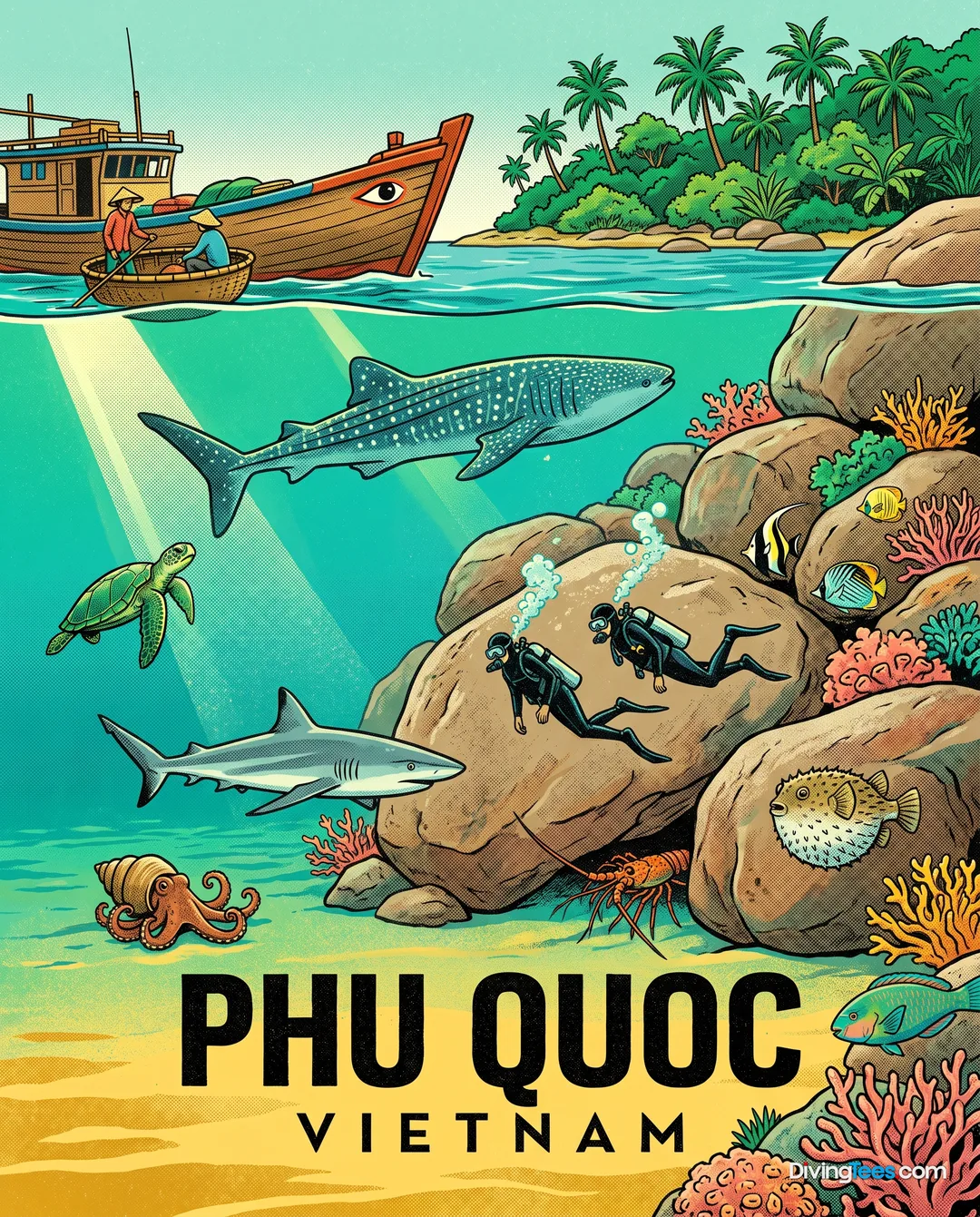
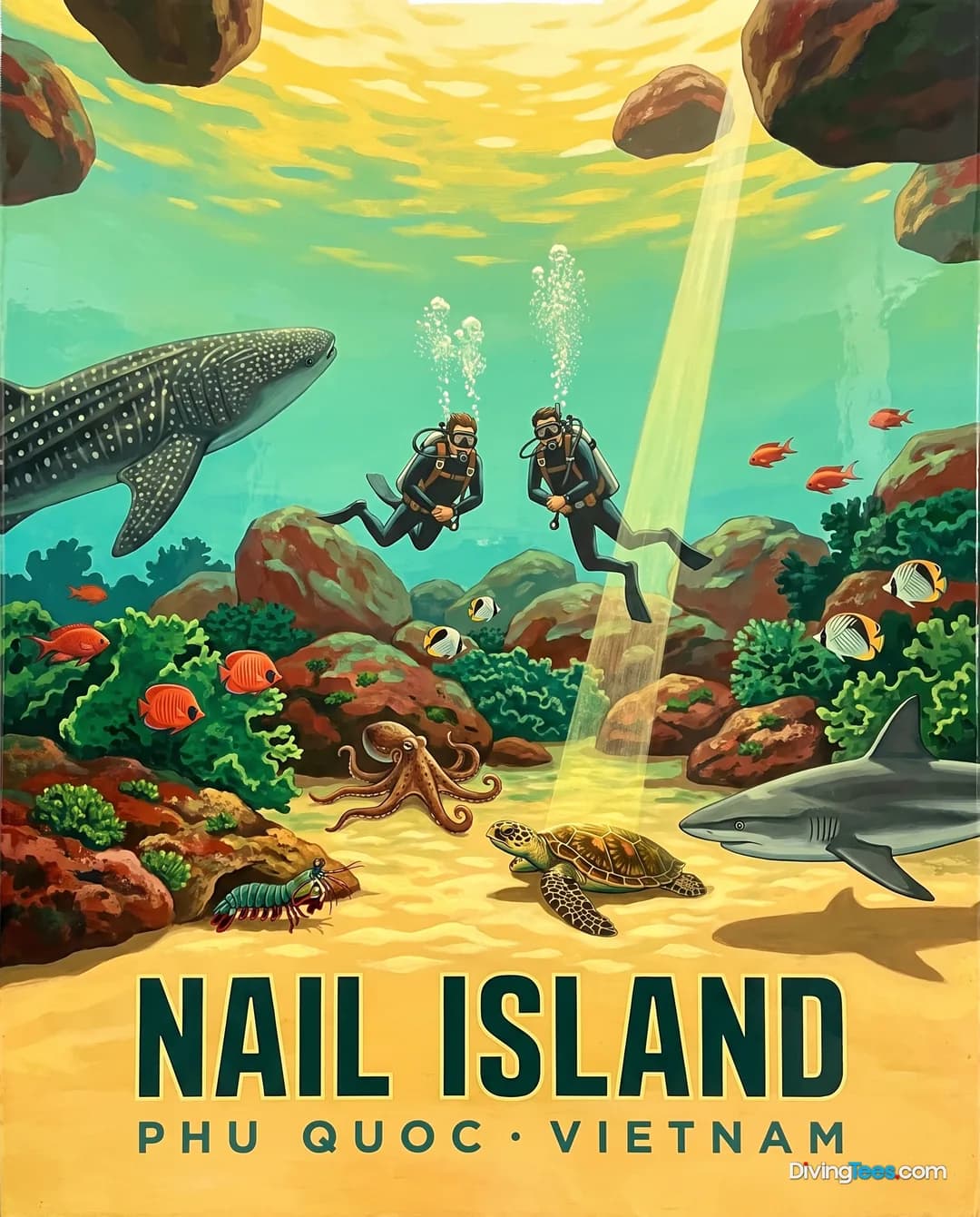
Dragon Rock is one of the premier sites on the island, dominated by house-sized boulders and a healthy mix of soft and hard corals. It is a highly recommended destination for seeing various species of Angelfish (Pomacanthidae).
Turtle Island North offers a diverse reef that extends from the surface down to 12 metres. The topography is particularly engaging between 7 and 10 metres, where large rock formations create interesting canyons.
South Pineapple Point is one of the deepest sites in the area, reaching 35 metres. This site is intended for advanced divers, as it is often subject to strong currents and requires an Advanced Open Water certification.
And some of the dive sites the centre runs.
The reefs are characterised by a vibrant array of hard and soft corals, providing a complex habitat for resident species. You will regularly encounter various reef fish, including Butterflyfish (Chaetodon), Angelfish (Pomacanthidae), and Parrotfish (Calotomus), alongside schools of Fusilier and Sergeant majors.
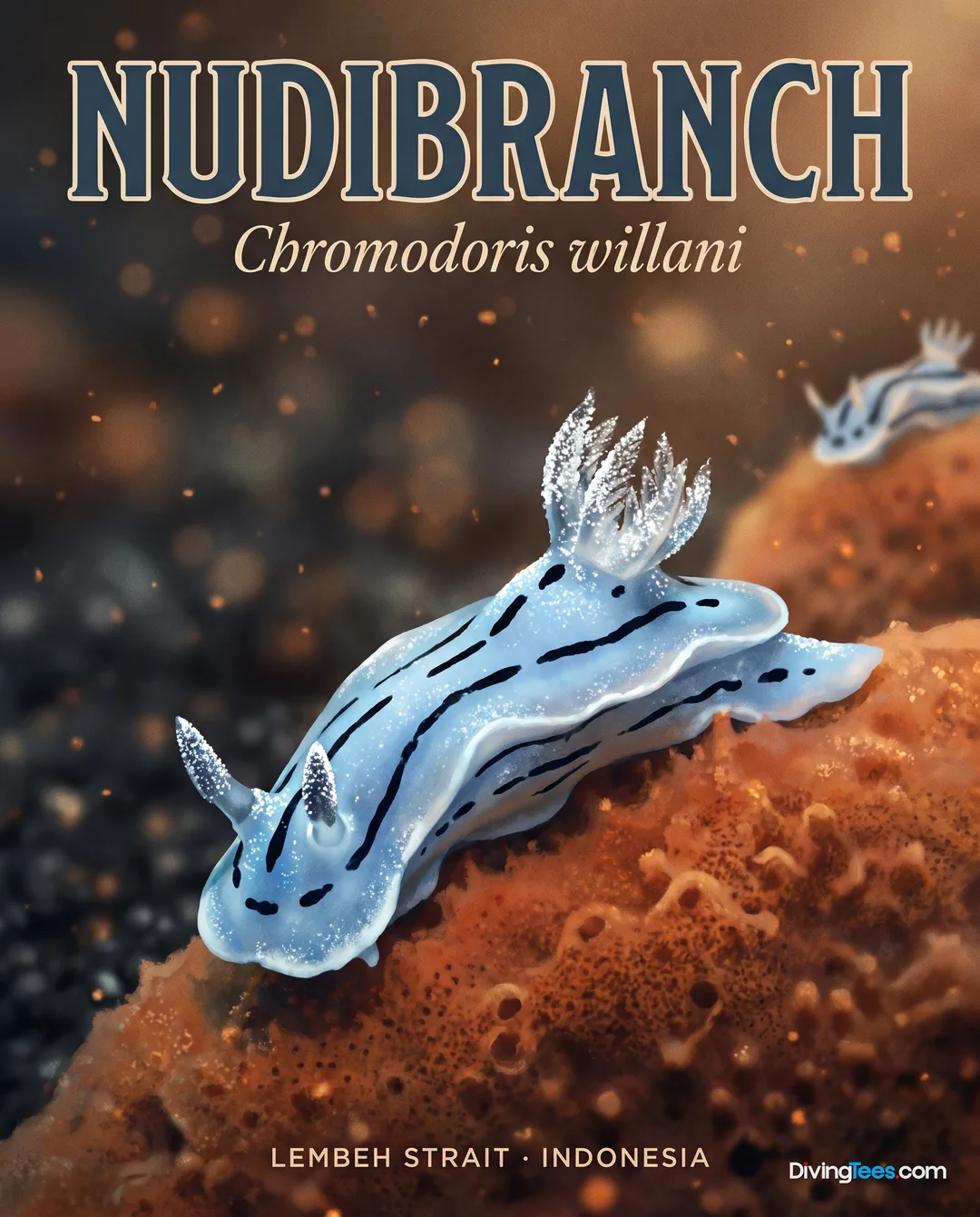
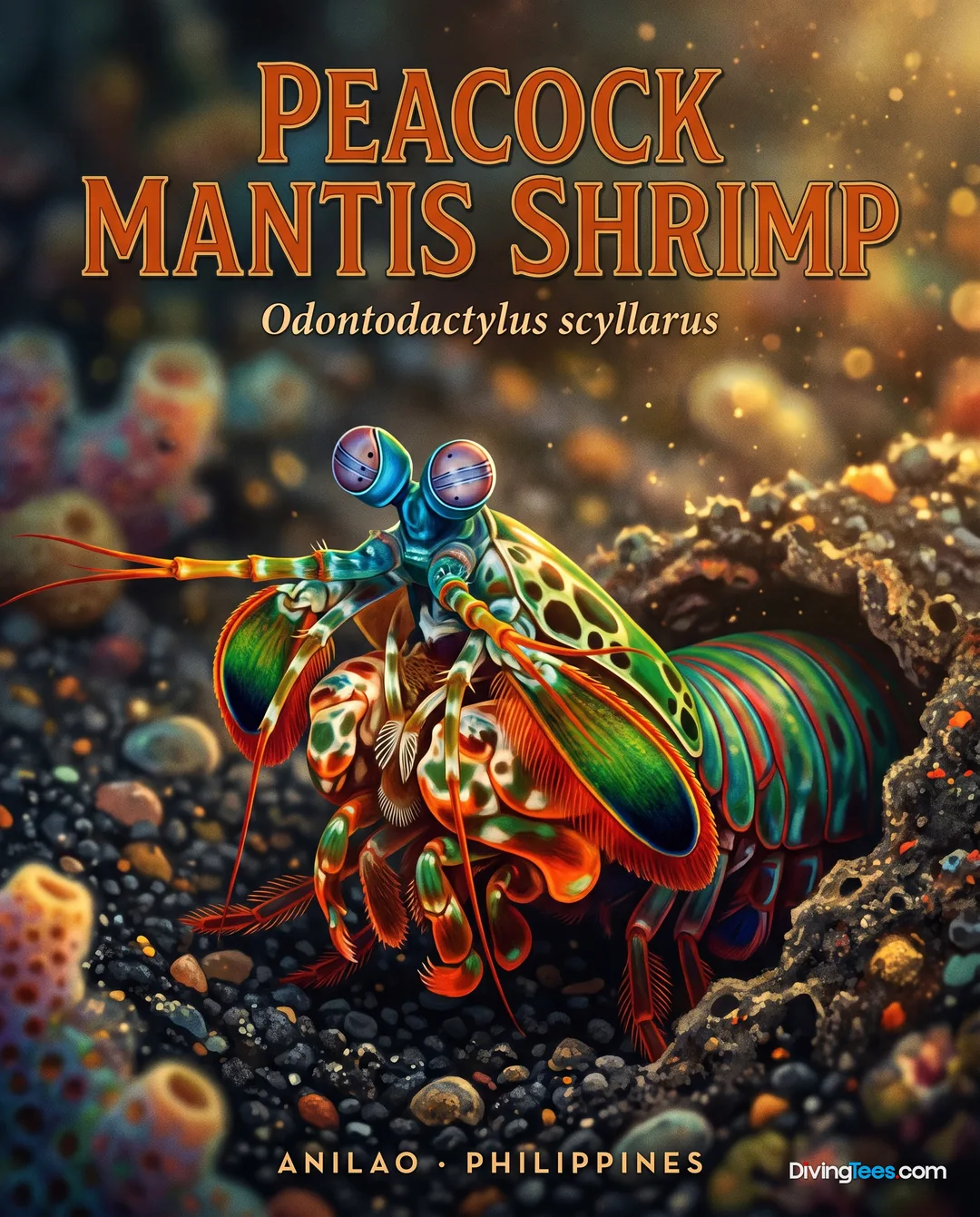
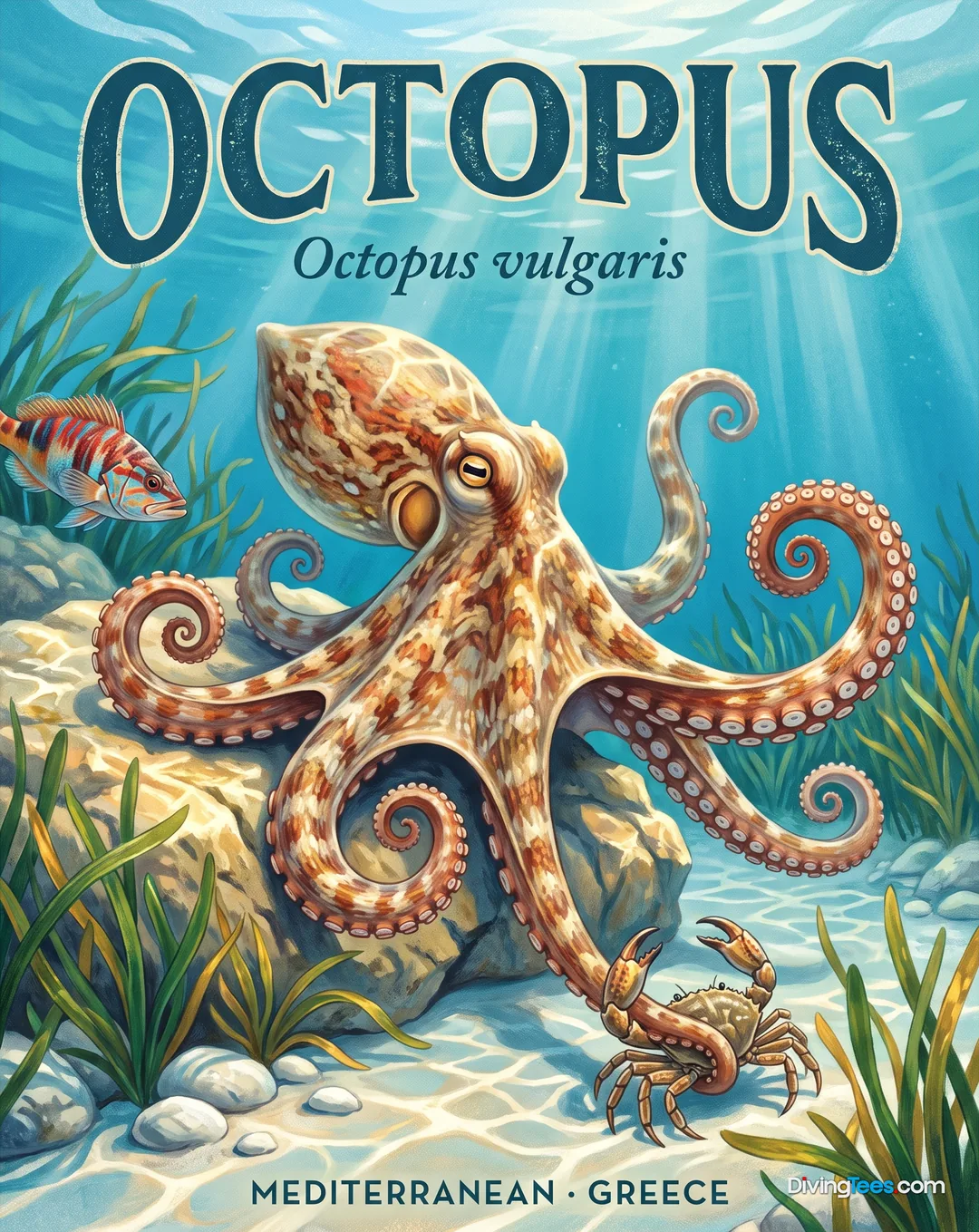
Macro life is a highlight for observant divers. The area is home to various Nudibranch (Chromodoris willani) species, particularly at sites like Nudibranch Garden, as well as Octopus (Octopoda), Seahorse, and various crustaceans like Mantis shrimp (Stomatopoda).
For those looking for larger pelagics, the waters can host Grey reef shark (Carcharhinus amblyrhynchos) and Bamboo sharks. You may also spot rays or Barracuda (Sphyraena) depending on the season. Jellyfish are also present from November to mid-December, with a peak in early December, and again from late April to early May.
The best time to dive in this region is during the dry season, from October to April. During this period, the sea is generally calmer, though currents can still vary.
Conditions can change depending on the specific site; while many reef flats are sheltered, deeper or more exposed sites can experience strong currents. Swell can become more noticeable during the rainy season from June to September.
Hello, I'm Marina, DivingDeal.com's AI assistant. I answer in detail about hotels, dive centres and liveaboards.

Thinking about the whole trip and the flights? Talk it over with Edith →
Marina is an AI. Some links are affiliate links: DivingDeal may earn a commission, at no extra cost to you. Bookings are made with the partner.
★ 9.5/10 (799 reviews)
2.4 km away as the crow flies
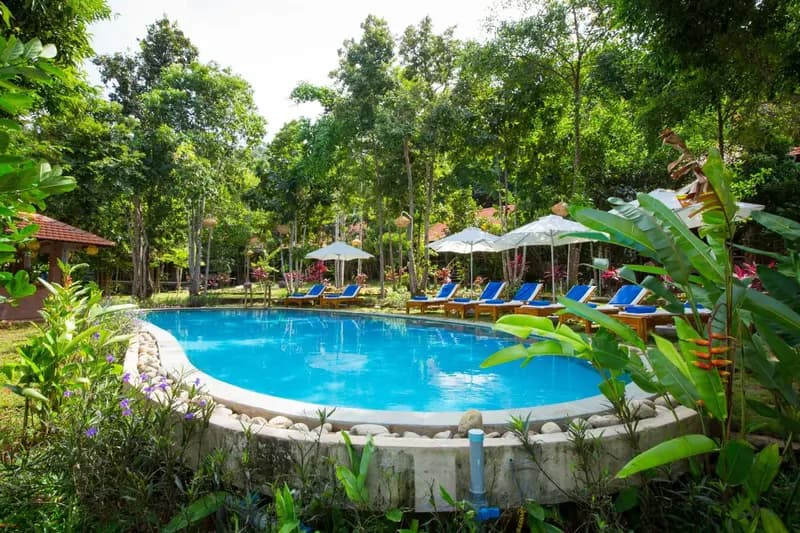
★★★★
★ 9.3/10 (725 reviews)
2.4 km away as the crow flies
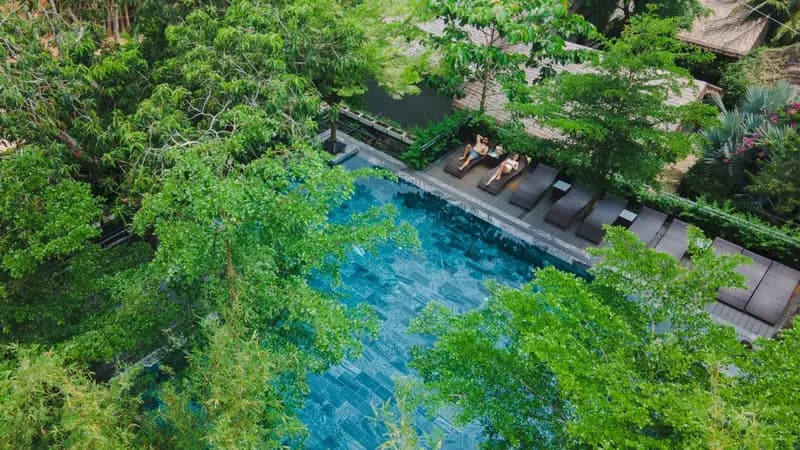
★★★★
★ 8.9/10 (389 reviews)
3.5 km away as the crow flies
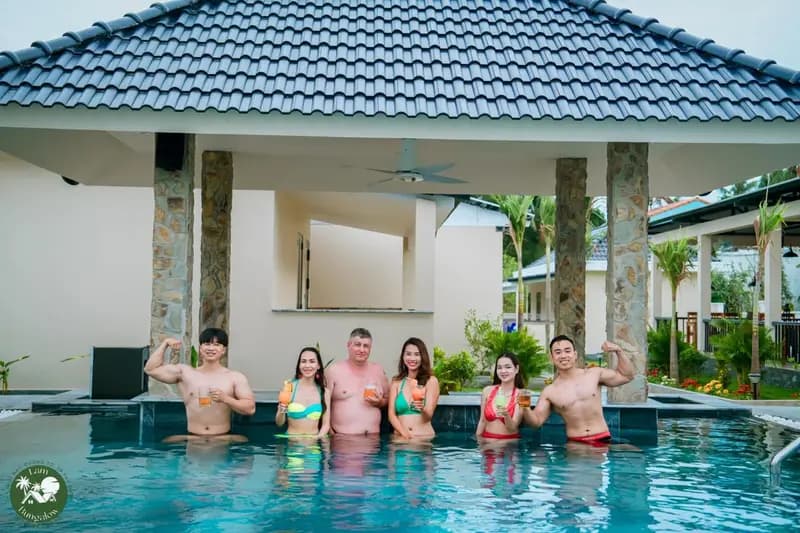
★★★★★
★ 9.9/10 (64 reviews)
1.1 km away as the crow flies
Your last day stays dry: no diving in the 18-24 hours before a flight the perfect window to see the destination from another angle.
 Culture
⏱ 3 h · ★ 5.0 (24 reviews)
from €44
see on Viator ↗
 City
City⏱ 3 h · ★ 5.0 (13 reviews)
from €37
see on Viator ↗

⏱ 7 h · ★ 5.0 (13 reviews)
from €51
see on Viator ↗
![[PRIVATE CHARTER] SEA-KAYAKING along HALF-MOON BAY & SUNSET DRIFTING & DINNER](https://media-cdn.tripadvisor.com/media/attractions-splice-spp-400x400/0c/0b/bb/26.jpg)
⏱ 7 h · ★ 5.0 (10 reviews)
from €105
see on Viator ↗
Ratings and reviews collected by Viator and Tripadvisor.