


Manta Diving Lanzarote
Google 5/5 (909 reviews)
3.4 km away as the crow flies
Puerto Del Carmen · Canary Islands · Atlantic
Max. depth · 40 mExplore a unique collection of fishing boats and artificial reef structures, creating a varied underwater landscape from 12 to 40 meters.
Diving the Puerto Calero Wrecks means entering a cluster of submerged fishing boats, positioned just outside the harbour area. This isn't a single wreck site, but rather a sequence of vessels, many of which resemble tuna boats, creating an expansive artificial reef over a sandy and rocky volcanic seabed. The dive typically begins by descending to the deeper sections, working your way up across the various structures, allowing for a thorough exploration of this unique underwater landscape.
The deepest wrecks, found around the 40-meter mark, are more broken up, with scattered debris spread across the ocean floor. As you ascend, the wrecks become progressively more intact, the uppermost structures beginning at approximately 12 to 20 meters. This layered topology provides a varying experience; the deeper sections offer a glimpse into the forces of the ocean, while the shallower wrecks retain more of their original form, providing shelter and structure for marine inhabitants.
Visibility at the Puerto Calero Wrecks generally ranges between 15 and 25 meters, offering clear views of the extensive wreck field and the surrounding volcanic reef sections. While the site is often described as having light current, local conditions, particularly tide changes and the flow influenced by the harbour and nearby walls, can introduce stronger movements at times. It's a site generally calmer than many other locations in Lanzarote, but situational awareness regarding water movement is always prudent.
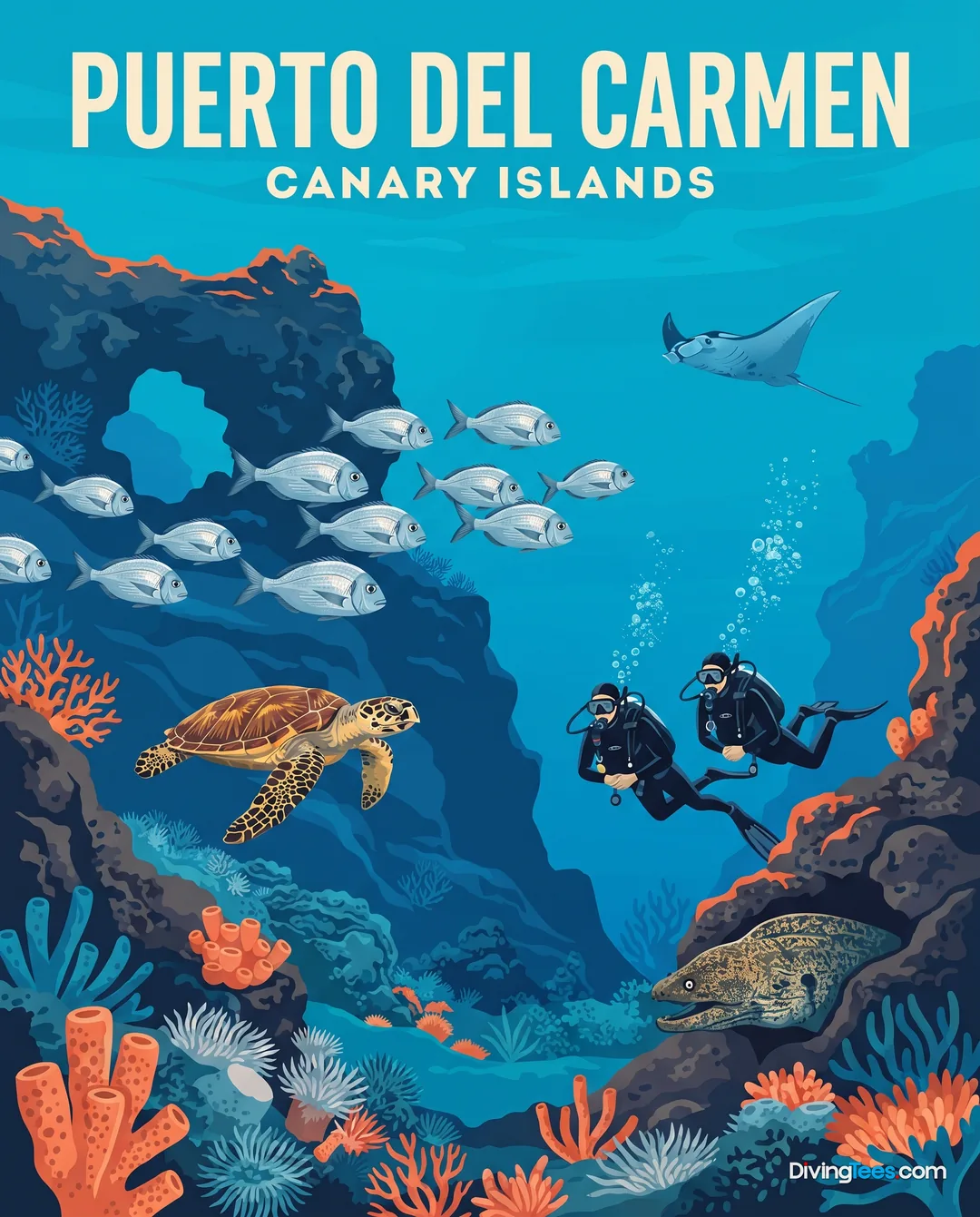
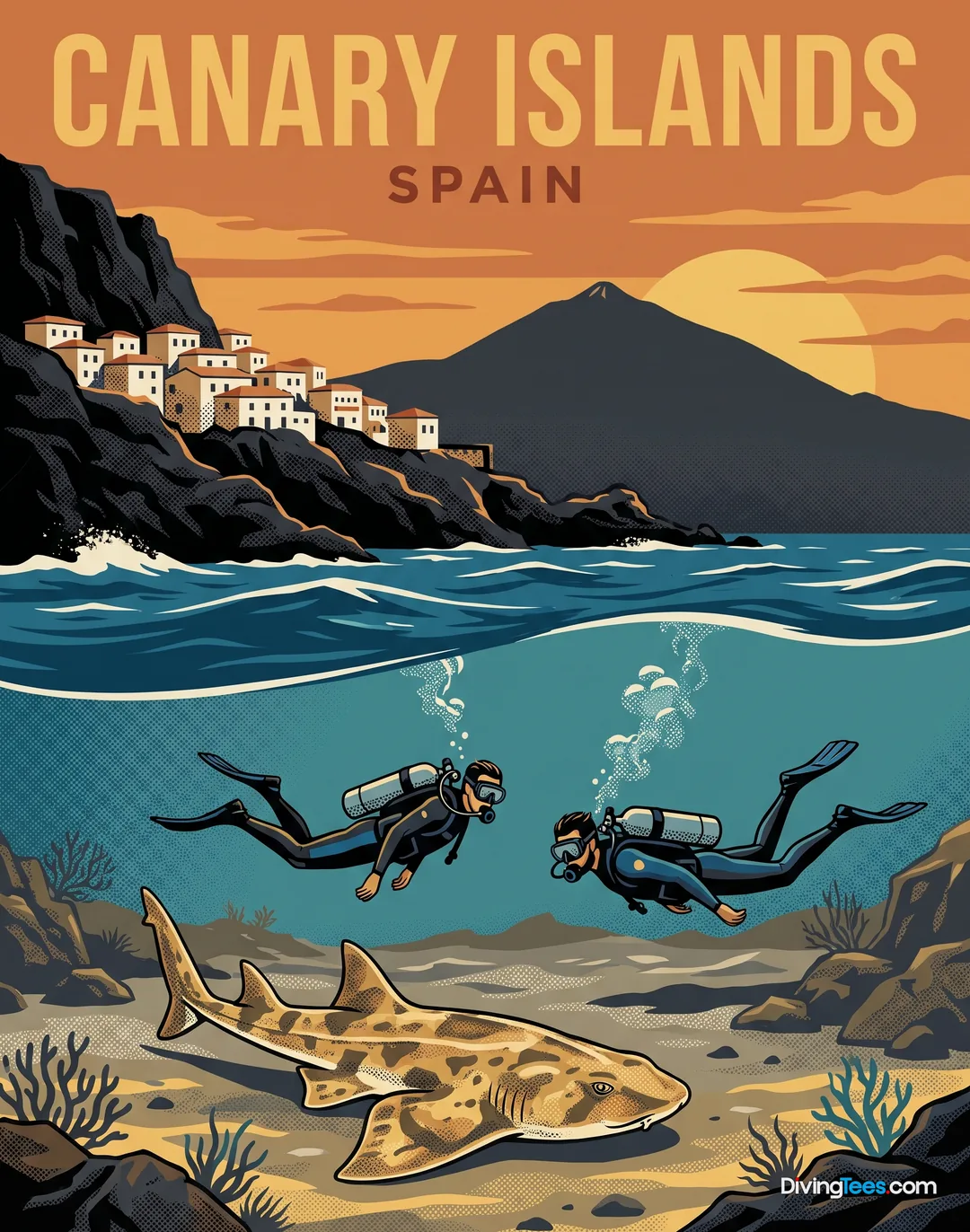
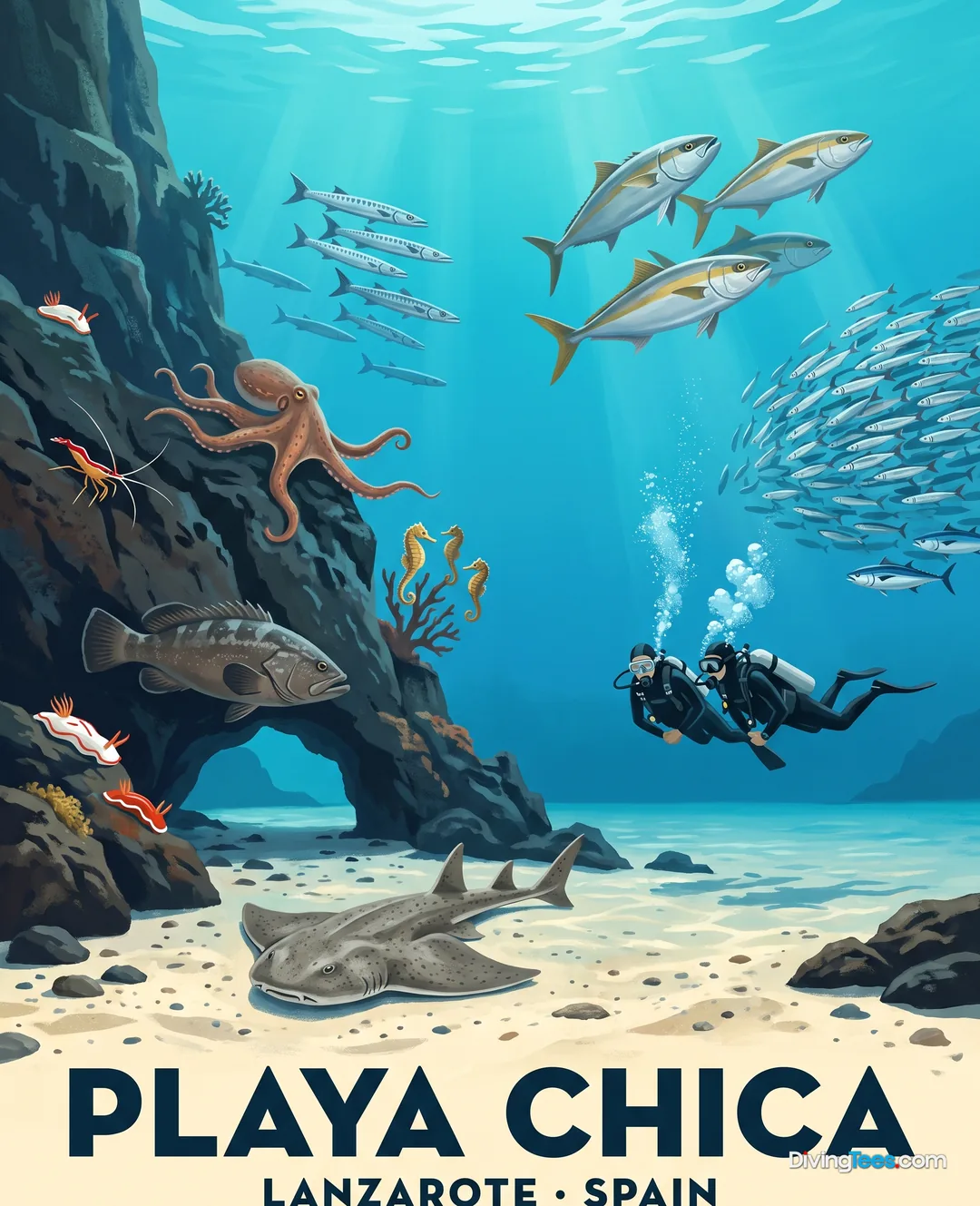
The wrecks themselves, alongside the adjacent volcanic reefs, serve as a magnet for a range of marine species. Look for angelsharks (Squatina squatina) often resting on the sandy bottom, and various ray species including stingrays, manta rays, and eagle rays cruising over the structures. These larger inhabitants frequently patrol the area, using the wrecks as foraging grounds and shelter, providing consistent encounters for divers.
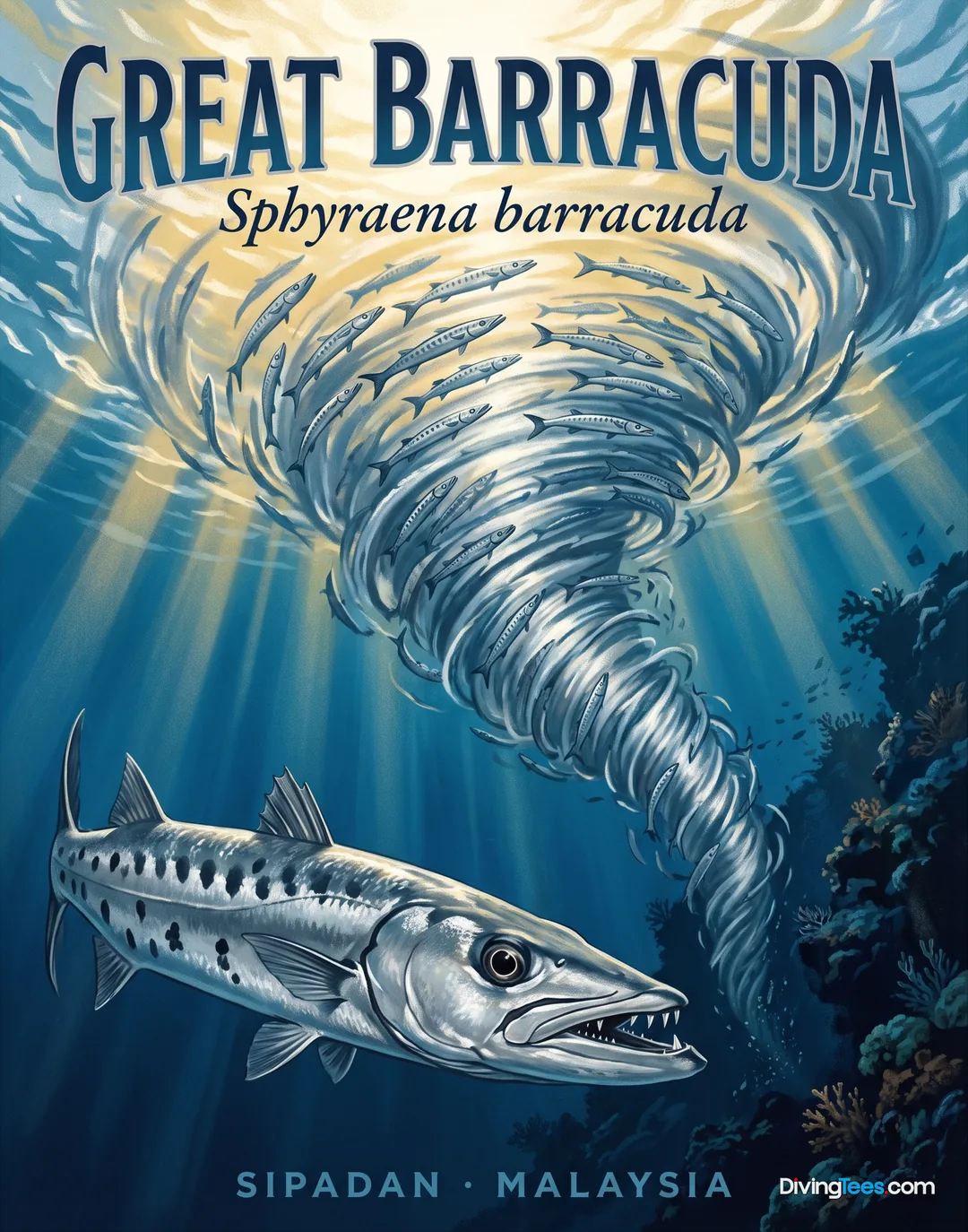
Among the wreckage and volcanic crevices, you'll encounter barred hogfish (Bodianus speciosus), schools of barracuda, and impressive amberjacks. The interiors of the more intact wrecks, and shaded areas within the debris, often hold dense aggregations of cardinalfish, while groupers can be spotted lurking in larger openings. Keep an eye out for octopuses camouflaged within the structures, along with vibrant sponges and anemones that colonize the metal and rock surfaces, adding colour to the artificial reef.
What truly defines the Puerto Calero Wrecks is this concentration of multiple, accessible shipwrecks in one localized area, forming a continuous 'wreck trail'. Unlike isolated single wrecks, this site allows for an extended journey across various vessels, blending the distinct character of each with the surrounding natural volcanic formations. This interplay between artificial structures and natural reef makes for a diverse and engaging underwater exploration, appealing to those who appreciate both history and marine ecology.
Access to the site is predominantly by boat, which is the standard approach, offering the most convenient entry directly over the wreck field. While some reports mention shore access from the harbour or coastal steps to reach parts of the site, a boat dive provides the full scope of the wreck trail, allowing you to traverse the different depth zones and explore the entire cluster of wrecks effectively. The site remains divable year-round, with consistent conditions reported throughout the seasons.
Dive depths at the Puerto Calero Wrecks range from a minimum of 12 meters to a maximum of 40 meters. This site is accessible for Open Water divers who have logged experience with deeper wreck diving; it is generally considered an intermediate site, with some sections better suited for more experienced divers. While currents are typically light, be aware that stronger currents can occur, particularly with tidal shifts and localized harbour influences. Visibility consistently falls between 15 and 25 meters, and the site is diveable throughout the year.
You can dive Puerto Calero Wrecks throughout the year. Visibility generally ranges from 15 to 25 meters, offering clear views across the wreck field and nearby volcanic reef sections. A boat is the standard approach and provides convenient access to the full trail of submerged fishing vessels and its different depth zones.
Puerto Calero Wrecks is generally considered an intermediate site. Open Water divers can visit if they have logged experience with deeper wreck diving, while some sections are better suited to more experienced divers. Depths range from 12 to 40 meters, with shallower, more intact wrecks and deeper, more broken-up structures.
Currents at Puerto Calero Wrecks are typically light, but stronger movement can occur during tidal shifts and because of localized harbour influences. Water flow may also be affected by nearby walls. Although the site is generally calmer than many other locations in Lanzarote, you should stay alert to changing conditions while exploring.
You can explore a trail of multiple fishing boat wrecks alongside volcanic reef sections, with sponges and anemones covering metal and rock. Angelsharks, stingrays, manta rays, eagle rays, barracuda, amberjacks, groupers, octopuses, barred hogfish, and cardinalfish may appear among the structures and surrounding seabed.