

Riamar Diving Center
Google 4.6/5 (170 reviews)
5 km away as the crow flies
Boa Vista · Cape Verde · Atlantic
Max. depth · 30 mA shallow reef plateau transitions into a steep outer edge reaching 30 metres, offering both macro life and larger species.
For subtitles in English: start the video firstthen click the gearat the top right of the video, select “Subtitles/CC”, then “Auto-translate” and choose “English”.
The topography of Atlantida is defined by a broad, rocky reef platform that sits relatively shallow in the water column. Starting at a depth of approximately 9 metres, this plateau provides a stable foundation for the site's complex ecosystem. The structure is not a continuous wall but rather a series of interconnected rock formations and reef sections. As you move away from the central plateau, the terrain begins to drop away, creating a more pronounced slope. This transition from the shallow top to the deeper outer edges defines the primary dive profile of the site.
Navigating the reef plateau reveals a landscape shaped by volcanic activity, including small holes, crevices, and occasional canyons. These geological features serve as critical habitats for a variety of resident species. You will find several small, pool-like depressions within the rock that shelter different forms of life from the open ocean. Exploring these indentations requires a controlled buoyancy to navigate the tight spaces without disturbing the substrate. The complexity of the reef surface makes it an engaging environment for those who enjoy inspecting rockwork and searching for hidden organisms.
The descent along the outer edge of the reef offers a change in both depth and environment. As the plateau gives way to the slope, the depth increases toward 30 metres, where the reef meets a sandy bottom. This transition zone is often where the most significant changes in marine life occur. The increased depth provides a different light profile and a shift in water movement compared to the shallowest parts of the reef. Divers following the edge can experience the feeling of a more open marine environment as the reef structure drops away into the depths.
In the shallow sections and within the rocky crevices, the fauna is highly specialized for life in sheltered spaces. You can frequently observe moray eels tucked into holes or scorpionfish camouflaged against the reef substrate. Invertebrates such as nudibranchs and spider crabs are also common, often found crawling over the rocks or near the small pools. These areas are ideal for observing more stationary or slow-moving species that rely on the protection of the reef's architecture. The presence of lobsters in the deeper cracks of the plateau adds to the biological diversity found here.
The mid-water column and the edges of the plateau are active with schooling fish. You will often see yellowtail snapper and sea bream moving in groups above the reef structure. Sergeant majors and other smaller reef fish are ubiquitous, adding constant movement to the visual landscape. The presence of these mid-sized fish creates a lively atmosphere, particularly in the areas where the current might bring in fresh nutrients. Observing their feeding behaviours and movement patterns provides a clear sense of the reef's daily biological rhythm.
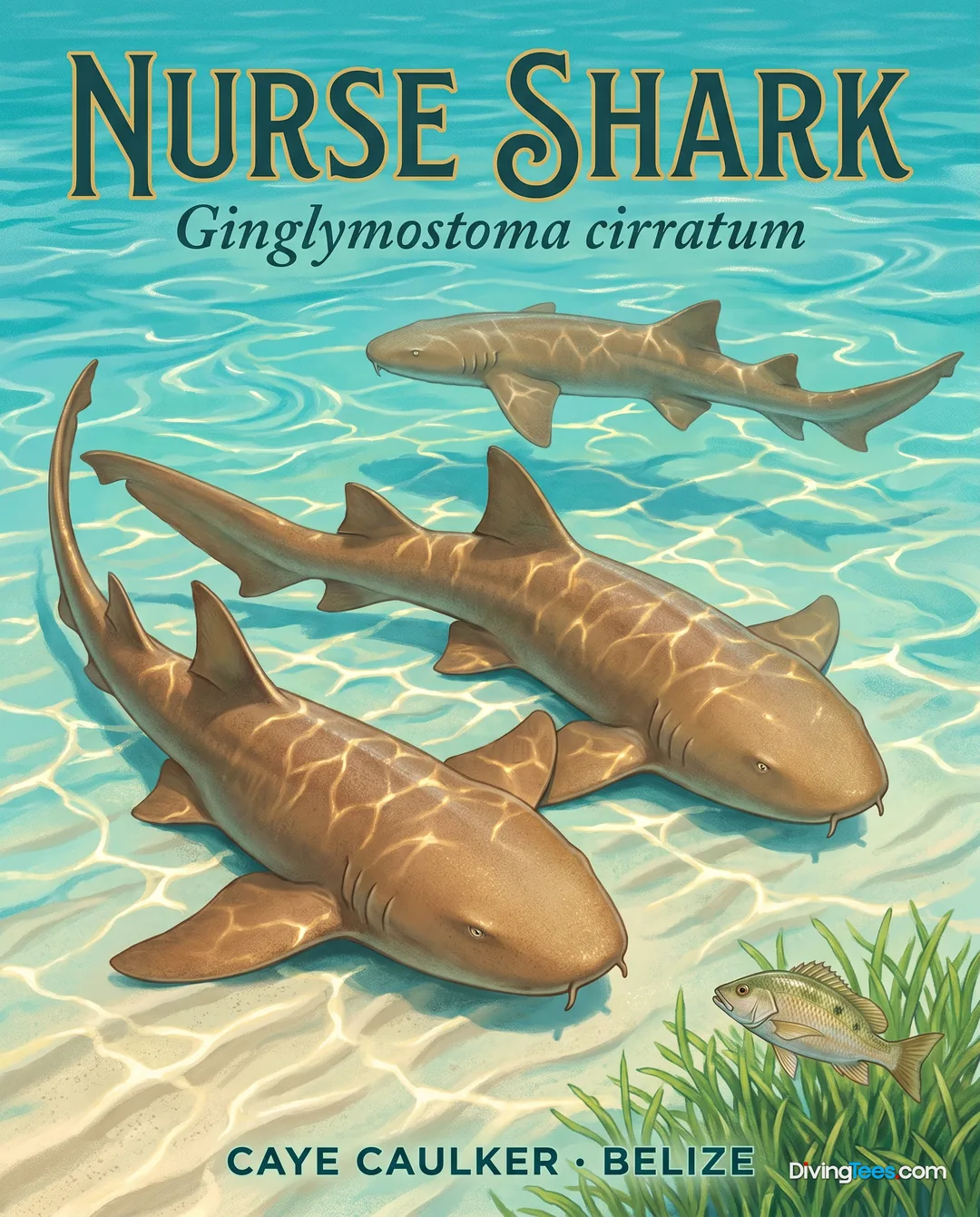
For those looking toward the deeper parts of the site, the environment becomes more conducive to larger marine life. The outer slope, near the 30-metre mark, is where you are most likely to encounter nurse sharks. These sharks typically inhabit the deeper, more sheltered areas of the reef edge or hover near the sandy transitions. Their presence is a characteristic element of the deeper zone, appearing as part of the natural ecosystem rather than as a sudden event. The proximity to the sandy bottom also allows for a different perspective on the reef's boundary.
Visibility at Atlantida is generally consistent, often ranging between 15 and 30 metres, which allows for clear sightlines across the plateau. This clarity is particularly important when navigating the transition from the shallow reef to the deeper drop-off. The light penetration at the 9-metre mark is significant, making the shallow areas very bright and easy to navigate. As you move toward the 30-metre depth, the light levels naturally decrease, altering the colour perception and requiring a more focused approach to spotting smaller details in the rockwork.
Water movement at the site is typically light, making it a manageable environment for a wide range of divers. However, it is important to remain aware of the local Atlantic conditions, as the outer edge and the open-water side can experience more movement. The sea state and local swells can influence how the current feels, especially when you are near the edge of the reef slope. Maintaining a steady position is generally straightforward, but staying mindful of your surroundings near the deeper boundaries is a standard safety practice for any diver at this site.
The site features depths ranging from 9 to 30 metres. It is accessible to Open Water Divers, though an Advanced certification is recommended for those wishing to explore the deeper edge at 30 metres. Currents are generally light, but visibility is expected to be between 15 and 30 metres. The best time to dive this site is from June to October.
You can dive Atlantida from June to October, the stated best period for visiting the site. During a dive, you move across a shallow reef plateau before reaching the deeper outer slope. Visibility is expected to range from 15 to 30 metres, supporting clear views across the reef structure.
Atlantida is accessible to Open Water Divers, with depths ranging from 9 to 30 metres. You can explore the shallow plateau at 9 metres, while an Advanced certification is recommended if you plan to reach the deeper edge at 30 metres, where the reef slopes toward a sandy bottom.
Currents at Atlantida are generally light, making the site manageable for a wide range of divers. You should still stay aware near the outer edge and open-water side, where local Atlantic conditions, sea state, and swells can create more movement. Maintaining steady positioning remains important near the deeper boundaries.
At Atlantida, you can explore volcanic rock formations, holes, crevices, and small pool-like depressions. Marine life includes moray eels, scorpionfish, nudibranchs, spider crabs, lobsters, yellowtail snapper, sea bream, and sergeant majors. Nurse sharks may be encountered on the outer slope near the deeper reef edge.