

Riamar Diving Center
Google 4.6/5 (170 reviews)
4.4 km away as the crow flies
Boa Vista · Cape Verde · Atlantic
Max. depth · 27 mShark Bow offers a distinctive bow-shaped reef structure that funnels both water and marine life, promising close encounters with sharks and rays.
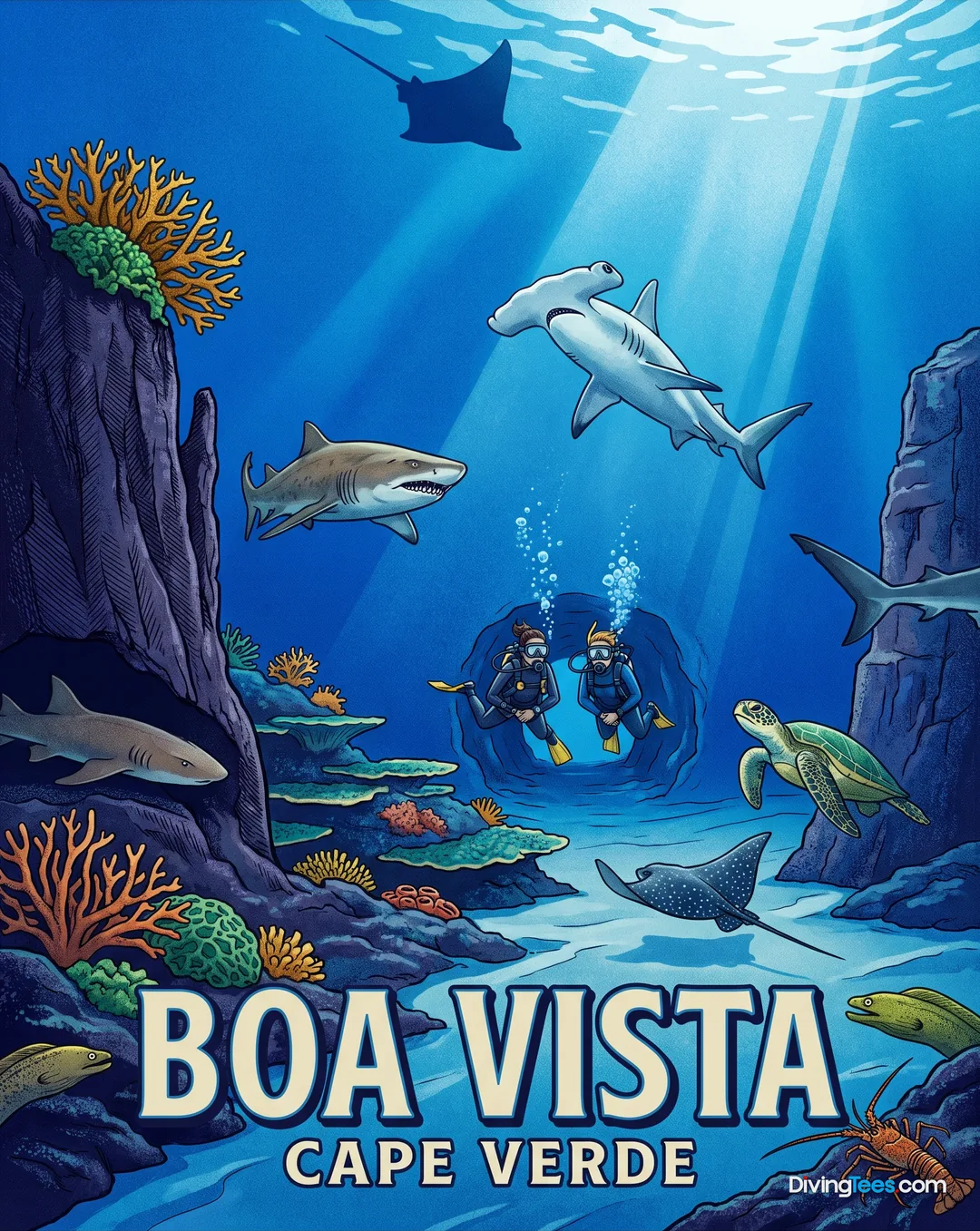
Approaching Shark Bow, you’ll find yourself above a reef top that begins around 22 metres. The site's defining feature is a prominent bow-shaped opening, an archway that can initially appear like a cave entrance. This unique topography creates natural channels that direct currents and concentrate marine life, setting the stage for what you'll encounter as you descend along the line and begin to follow the contours of the reef.
The dive profile at Shark Bow often leads you through a tunnel or swim-through that penetrates the reef for a short passage before opening out again into a small sandy clearing. This architectural reef structure, complete with overhangs and smaller caves, provides ample shelter and hiding spots, making it a productive area to explore. You'll spend most of your time navigating along the main reef route, keeping the reef contours as your guide.
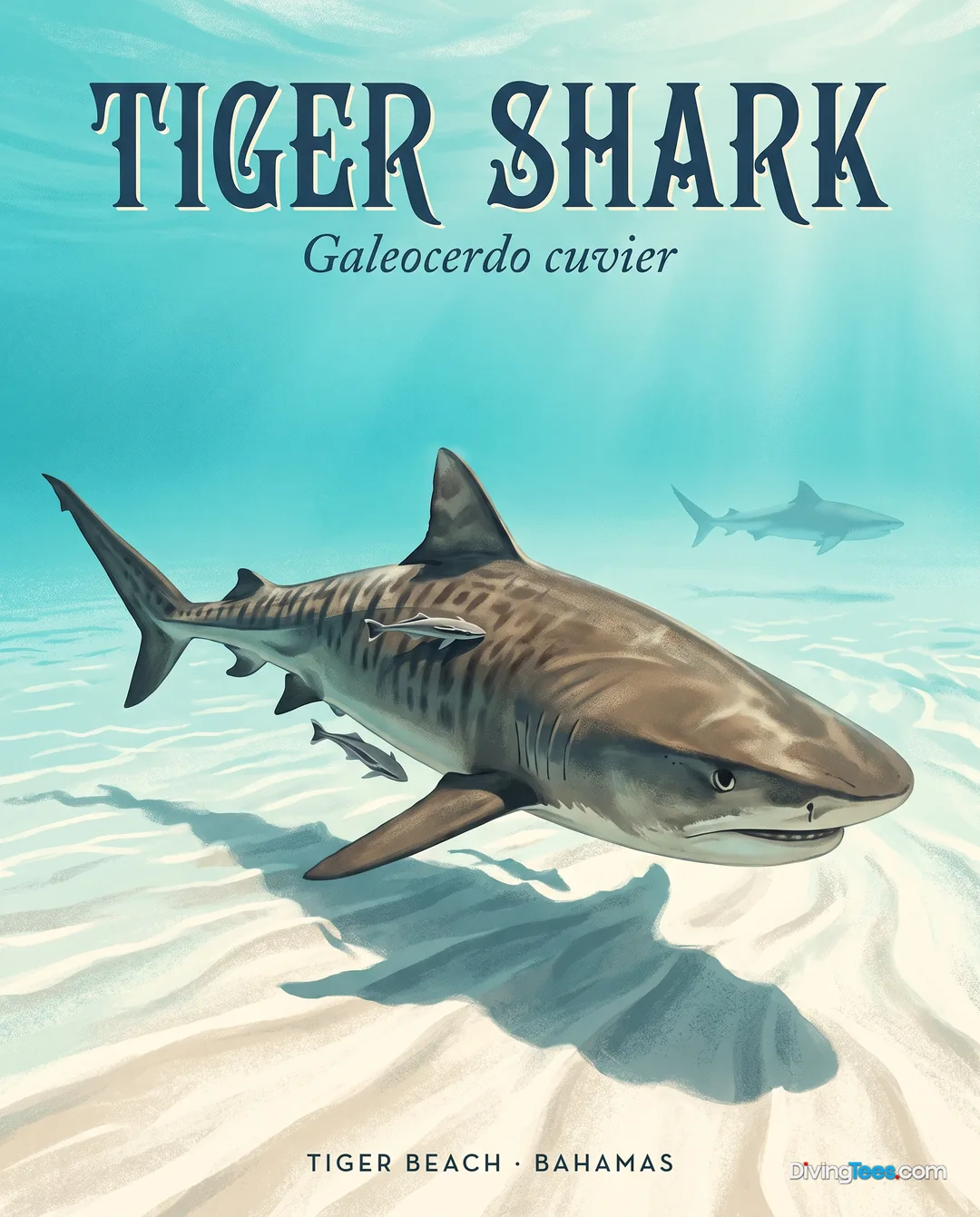
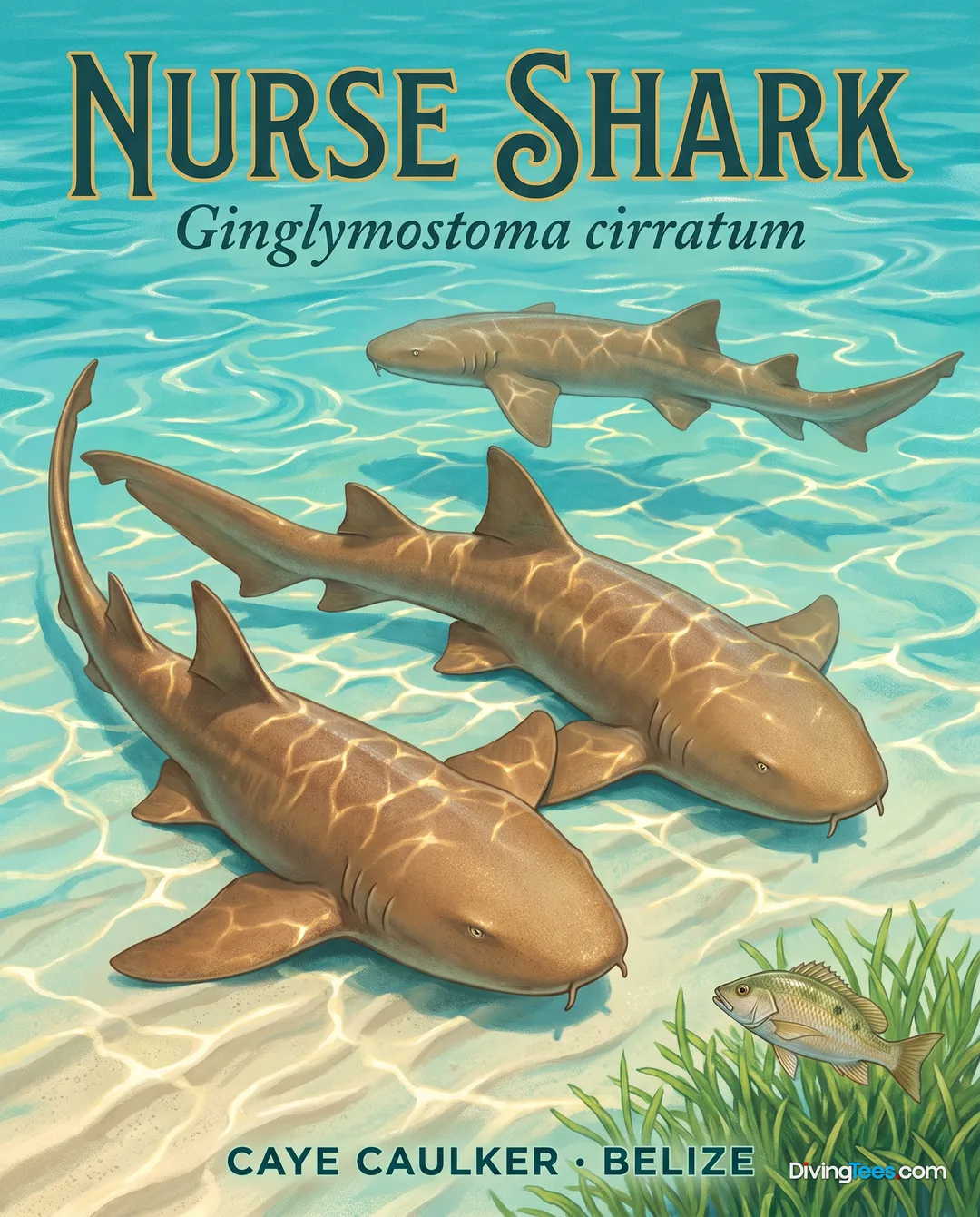
Encounters with larger pelagic species are a consistent draw here. While not guaranteed, the site lives up to its name with frequent sightings of nurse sharks resting in crevices and the occasional sand tiger shark passing through. Stingrays are also common, often found gliding over the sandy patches or nestled near the reef's base, making these moments particularly rewarding for observant divers.
Beyond the larger predators, the reef ecosystem at Shark Bow teems with a variety of resident species. You'll spot moray eels tucked into rocky hideaways, lobsters in their protective crevices, and the distinctive fireworms moving across the substrate. Groups of Guinean grunt, sergeant major, and sea bream schools patrol the reef, alongside solitary groupers, adding a constant layer of activity to the dive.
The currents at Shark Bow are variable, often influenced by the bow-shaped topography which can channel and intensify water movement through certain sections of the reef. This variability means conditions can change, impacting your drift and interaction with the reef. Paying attention to your guide and the local sea state is key to managing your dive plan and making the most of the diverse life drawn in by these flows.
Visibility at Shark Bow allows for clear appreciation of its complex structure and the marine life it shelters. The site is notable for combining a relatively accessible reef depth for advanced divers with a high probability of encountering larger animals. It’s this combination of topography, depth, and consistent animal encounters that distinguishes Shark Bow from other reef dives in the region.
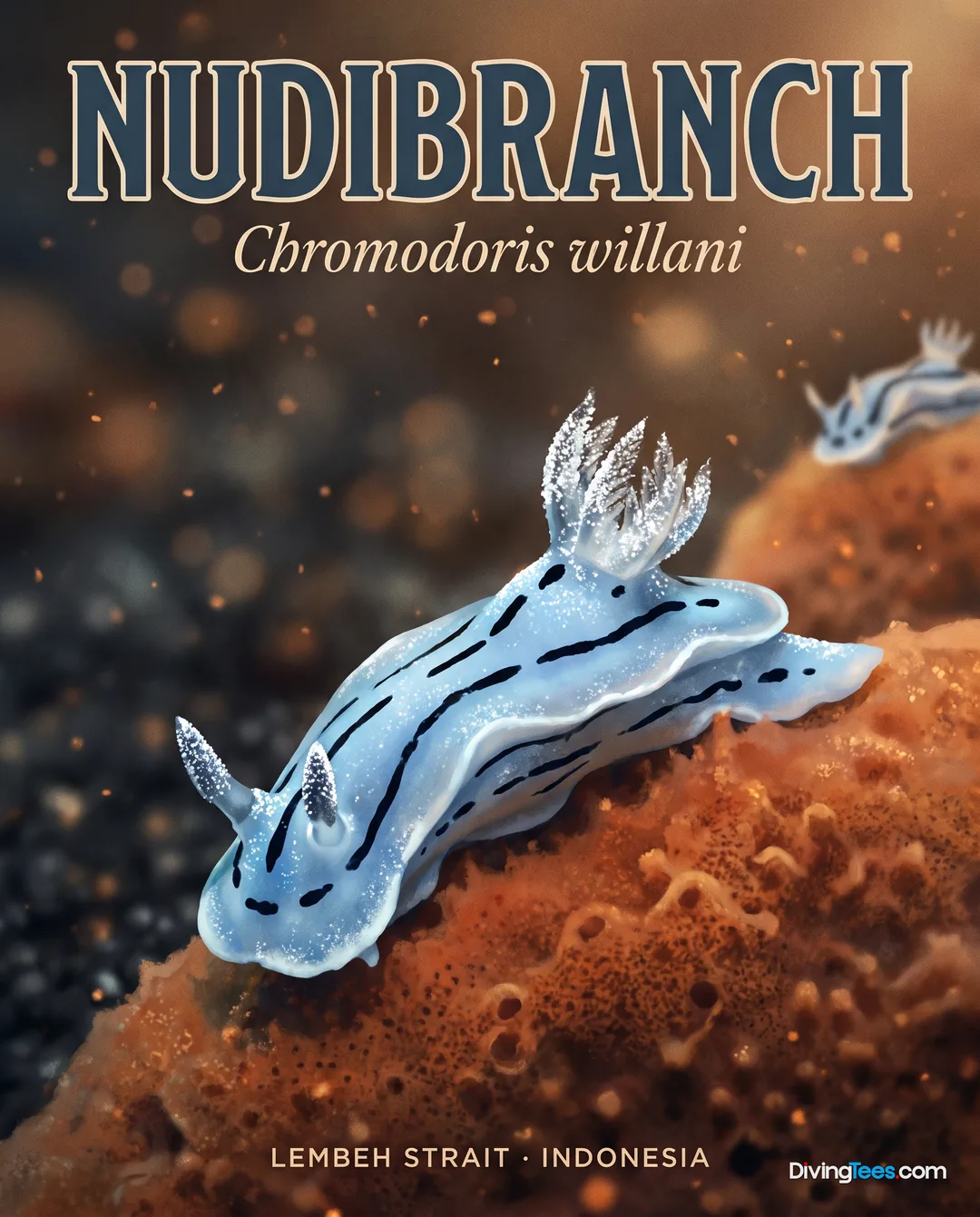
What truly sets Shark Bow apart is how its distinctive arch and tunnel feature not only shapes the dive profile but also acts as a natural magnet for marine activity. This creates an environment where you are constantly moving through different habitats, from open reef sections to more sheltered caverns, all while anticipating the next encounter, whether it's a passing amberjack or a curious nudibranch on the wall.
The journey through the site, with its blend of open reef and more confined spaces, demands good buoyancy control and situational awareness, especially when currents are present. The frequent large animal sightings, from turtles gently finning past to the ever-present nurse sharks, underscore the rich biodiversity supported by this unique Cape Verdean reef, making each dive a dynamic experience.
Shark Bow is an advanced dive, requiring good reef and depth awareness. Depths at the site range from 20 to 27 metres. Currents are variable; the bow-shaped topography can channel and intensify water movement, so be prepared for changing conditions during the dive. This site is accessible year-round, typically reached by boat, with descents made along a line to the reef.
Shark Bow is accessible year-round, so you can plan a dive there in any season. You typically reach the site by boat, with a short ride from RIU Karamboa. Your descent is made along a line to the reef, giving you a direct route into the site’s bow-shaped reef environment.
Shark Bow is an advanced dive requiring good reef and depth awareness. You can expect depths from 20 to 27 metres, with the reef top beginning around 22 metres. Good buoyancy control and situational awareness are important as you follow the reef contours through open sections, overhangs, caves, and a tunnel.
Currents at Shark Bow are variable and can change during the dive. The bow-shaped reef channels and intensifies water movement through some sections, affecting your drift and interaction with the reef. Pay attention to your guide and the local sea state, and be prepared to manage changing conditions along the route.
At Shark Bow, you can explore a bow-shaped reef opening, a short tunnel, overhangs, small caves, and sandy clearings. You may encounter nurse sharks, sand tiger sharks, and stingrays, along with moray eels, lobsters, fireworms, groupers, Guinean grunt, sergeant major, sea bream, turtles, amberjack, and nudibranchs.