


Riamar Diving Center
Google 4.6/5 (170 reviews)
23 km away as the crow flies
Boa Vista · Cape Verde · Atlantic
Max. depth · 22 mExplore the volcanic rock formations and sandy corridors of Bodega De Marc, a protected bay reef attracting green turtles and nurse sharks.
Bodega De Marc is situated within a protected bay on Boa Vista's eastern coast, distinguishing it from the more exposed offshore sites in the region. The dive begins over a sandy bottom, transitioning quickly into a diverse landscape of medium to large volcanic rock formations. These structures are often punctuated by vibrant red sea fans, adding colour to the underwater topography and creating an intricate habitat for smaller reef inhabitants.
The site's layout features distinct sandy channels that act as natural corridors, guiding marine life through the volcanic rock garden. These pathways provide excellent opportunities to observe species moving between different sections of the reef. While the overall profile is shallower, ranging from 16 to 22 metres, it offers enough depth variation to explore different micro-environments within a single dive.
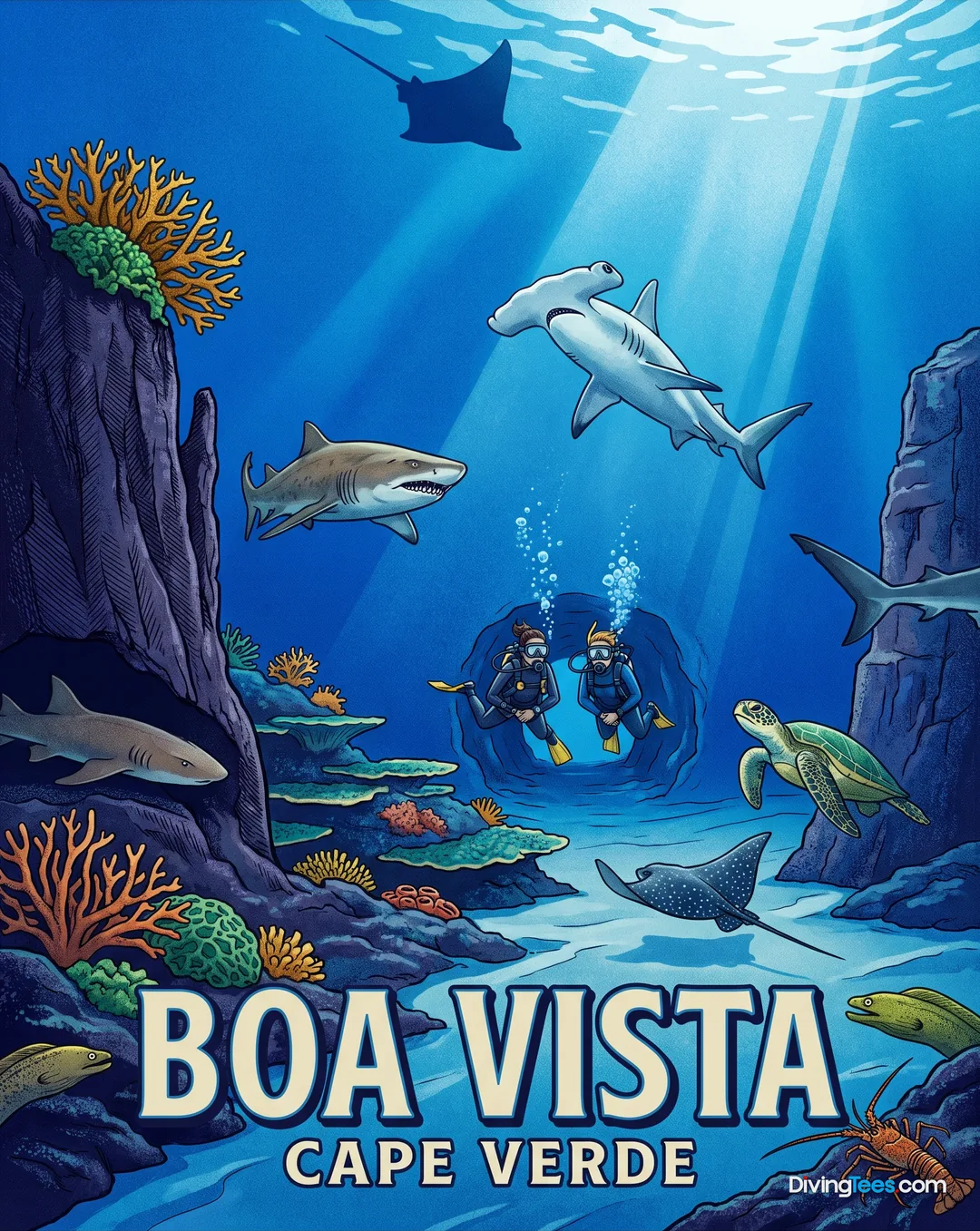
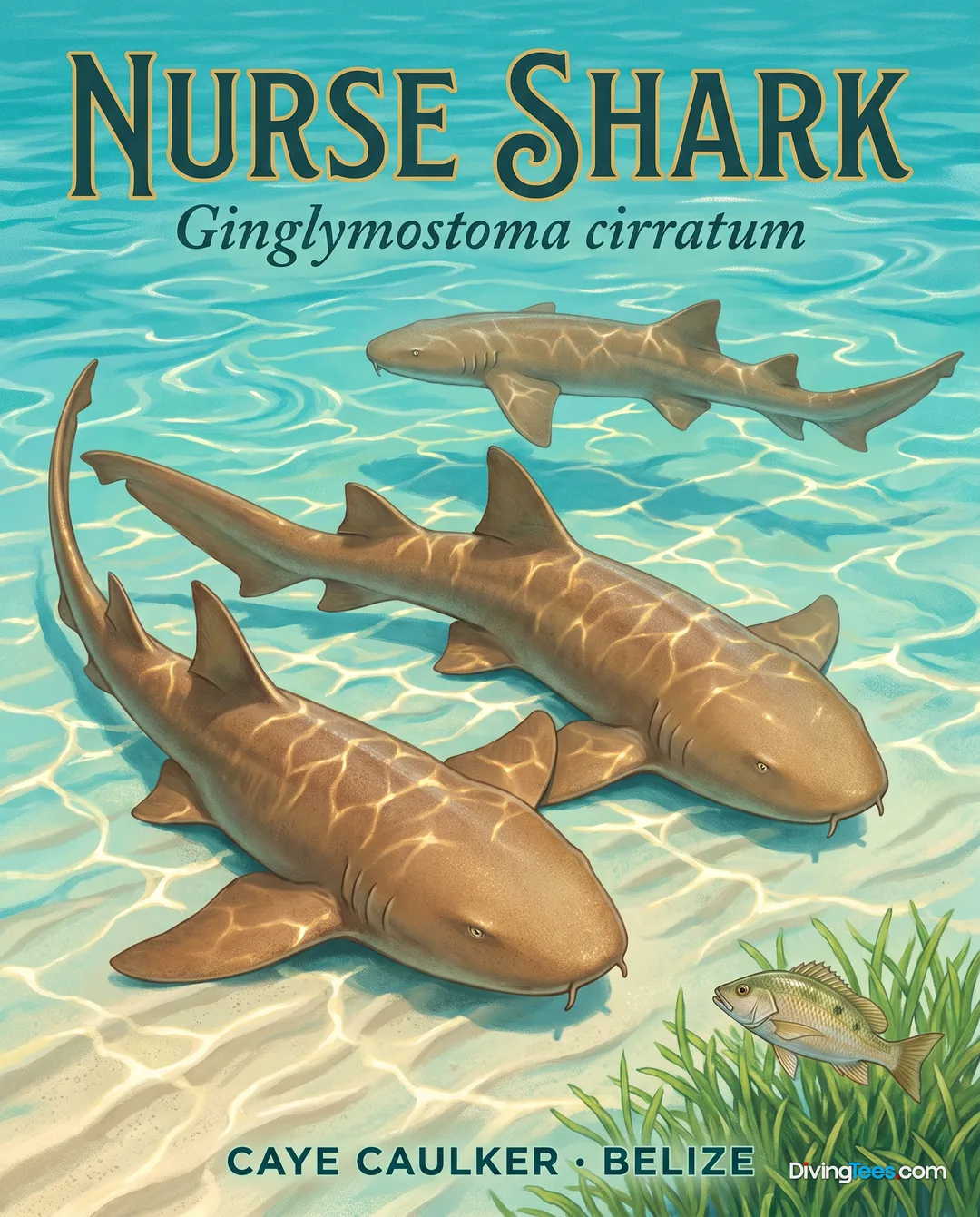
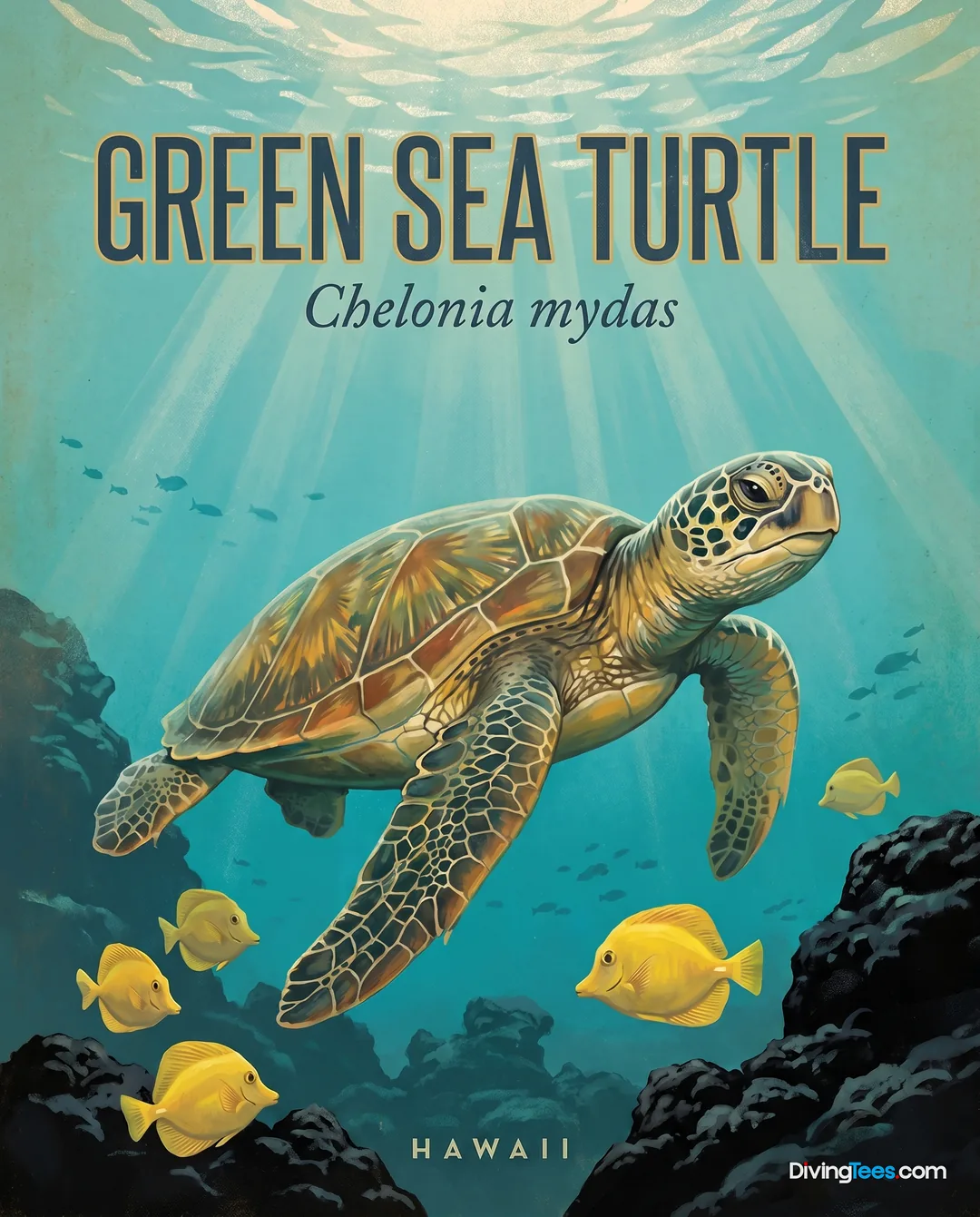
A notable feature of Bodega De Marc is its reputation as a haven for green turtles (Chelonia mydas), which are frequently encountered throughout the dive. You will also commonly find nurse sharks (Ginglymostoma cirratum) resting amongst the rocks or cruising the sandy areas. These larger residents contribute to the site's unique character, offering different interactions compared to the island's more pelagic-focused locations.
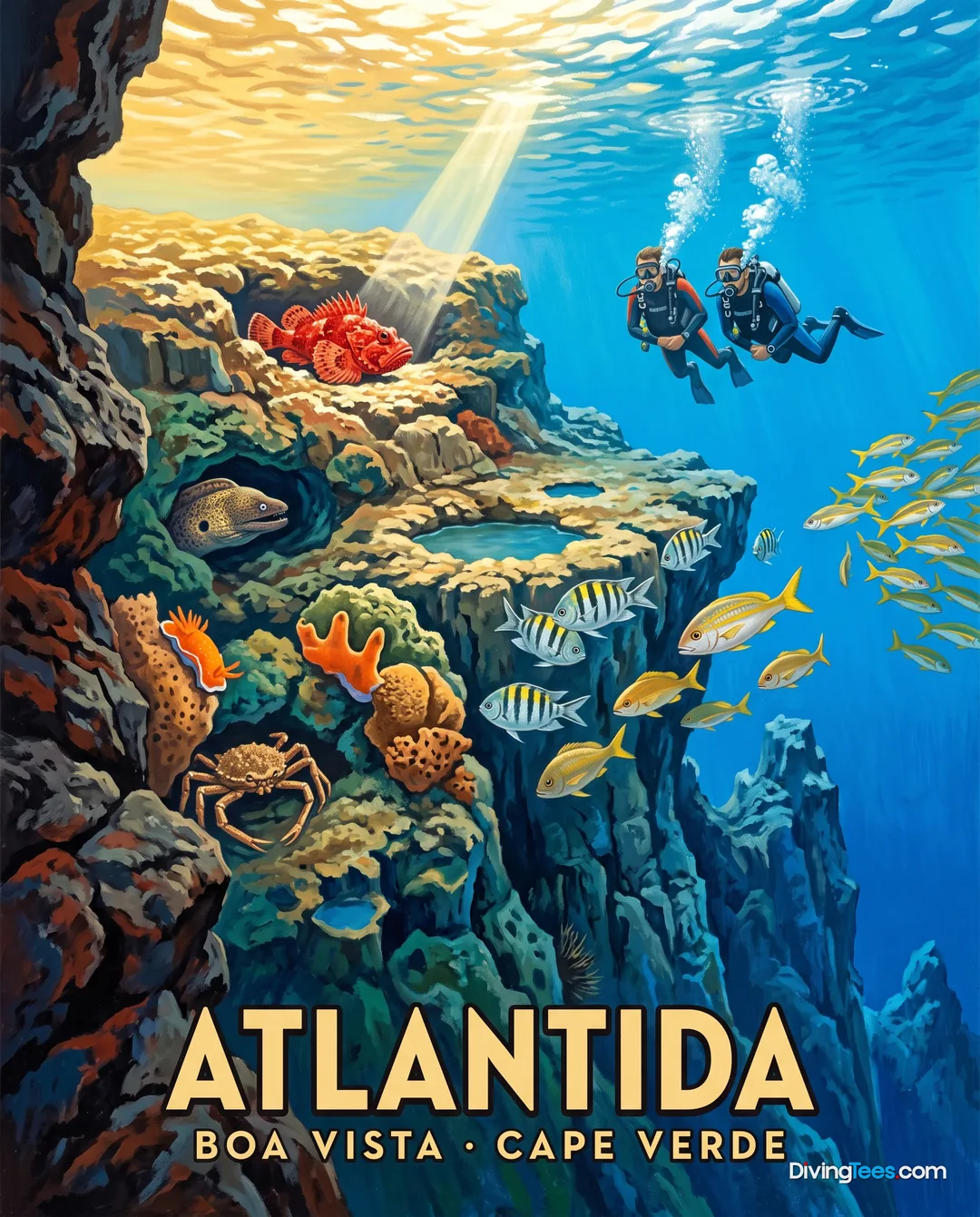
Beyond the larger fauna, the reef supports a rich community of smaller species. Moray eels (Muraenidae) are often seen peering from crevices, while lobsters (Nephropidae) seek shelter within the rocky formations. Keep an eye out for stingrays (Dasyatidae) and spotted eagle rays (Aetobatus narinari) gliding over the sandy patches, and scorpionfish (Scorpaenidae) camouflaged against the rocks.
Despite its protected bay setting, Bodega De Marc experiences sufficient water exchange to attract occasional pelagic visitors. While generally classified as having light current, conditions can sometimes necessitate a drift dive, offering a gentle ride along the reef. This variability in current, though usually mild, ensures a healthy environment for the diverse marine ecosystem found here.
The topography here, with its mix of sand and volcanic rock, shares some characteristics with the nearby Cretxeu site, but Bodega De Marc extends to slightly deeper maximum depths and features a higher density of sea fans. This gives it a slightly more offshore feel while retaining the sheltered aspects of a bay dive. Nudibranchs (Nudibranchia) are also present, adding small, colourful details to the reef structure.
Bodega De Marc is accessible from Open Water Diver certification, with depths ranging from 16 to 22 metres. The current is typically light, though it can occasionally require a drift, especially during tidal changes. This site is diveable year-round, offering consistent conditions for exploration.
You can dive Bodega De Marc year-round. The site lies in a protected bay on Boa Vista’s eastern coast, offering consistent conditions for exploration. Its sheltered setting differs from more exposed offshore sites, while water exchange still supports a varied marine ecosystem and occasional pelagic visitors.
Bodega De Marc is accessible to divers with Open Water Diver certification. The site ranges from sixteen to twenty-two metres, with a generally shallower profile that still includes varied micro-environments. You begin over sand before reaching volcanic rock formations, sandy channels, and rocky areas decorated with red sea fans.
Bodega De Marc usually has light current because it is located within a protected bay. During tidal changes, the current can occasionally become strong enough to require a drift dive. When that happens, you may enjoy a gentle ride along the reef while exploring its sandy channels and volcanic rock garden.
At Bodega De Marc, you may encounter green turtles and nurse sharks resting among rocks or cruising over sand. Stingrays and spotted eagle rays glide across sandy patches, while moray eels, lobsters, scorpionfish, and nudibranchs occupy the reef. Volcanic formations, sandy channels, and red sea fans shape the dive.