
First Class Cruising
★ 5/5 (270 reviews)
Male · Maldives · Indian Ocean
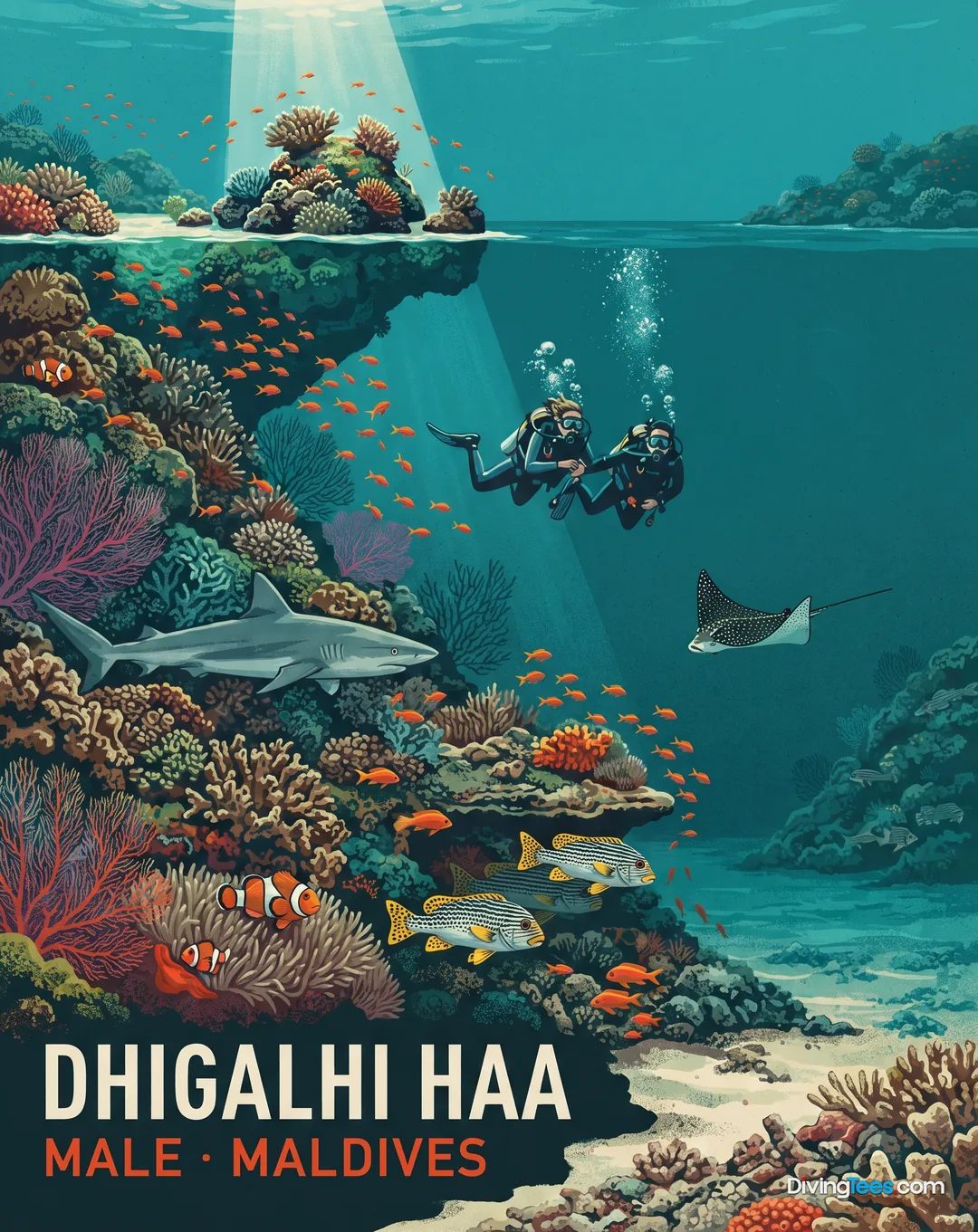
Descend into the Guraidhoo Marine Reserve, where strong currents funnel pelagic life through channels and around thilas, ensuring consistent shark encounters.
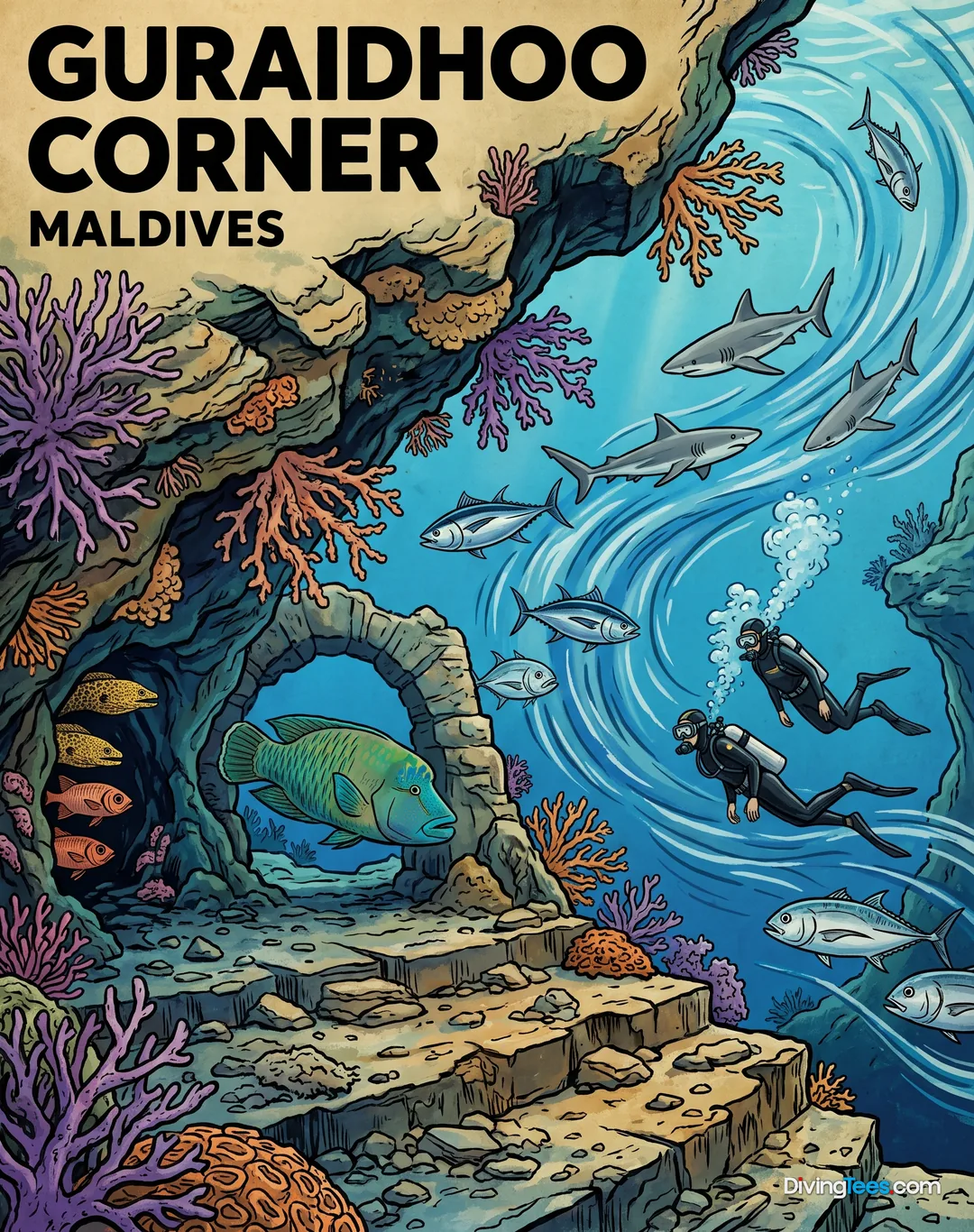
Diving Guraidhoo Marine Reserve means immersing yourself in a protected channel system within the South Malé Atoll, specifically encompassing Guraidhoo Kandu and Kandhooma Thila. This area is not a single, simple reef, but a complex of multiple dive sites shaped by the powerful ocean currents that define the Maldivian atolls. As you drop in, the immediate sensation is one of entering a dynamic environment where the flow of water dictates the movement and interactions of marine life, offering a distinct experience from the moment you hit the water.
Guraidhoo Kandu, often referred to as Guraidhoo Kanduolhi, is a classic Maldivian channel dive. Here, the current acts as a marine highway, funnelling nutrient-rich waters through the pass. This constant influx of food attracts a consistent population of pelagic species, making it a prime location for drift diving. The underwater landscape is varied, with intricate reef structures providing both shelter and hunting grounds, allowing you to drift along as an observer in a perpetually moving natural theatre.
Adjacent to Guraidhoo Kandu lies Kandhooma Thila, a pinnacle that rises from the depths, acting as a magnet for larger marine life. Thilas are typically exposed to more direct current, which flushes them with food and oxygen, encouraging dense coral growth and supporting vibrant fish populations. These formations often feature overhangs and crevices that provide hiding spots for smaller creatures, while the open water above hosts schooling fish, creating a rich tapestry of life around the pinnacle.
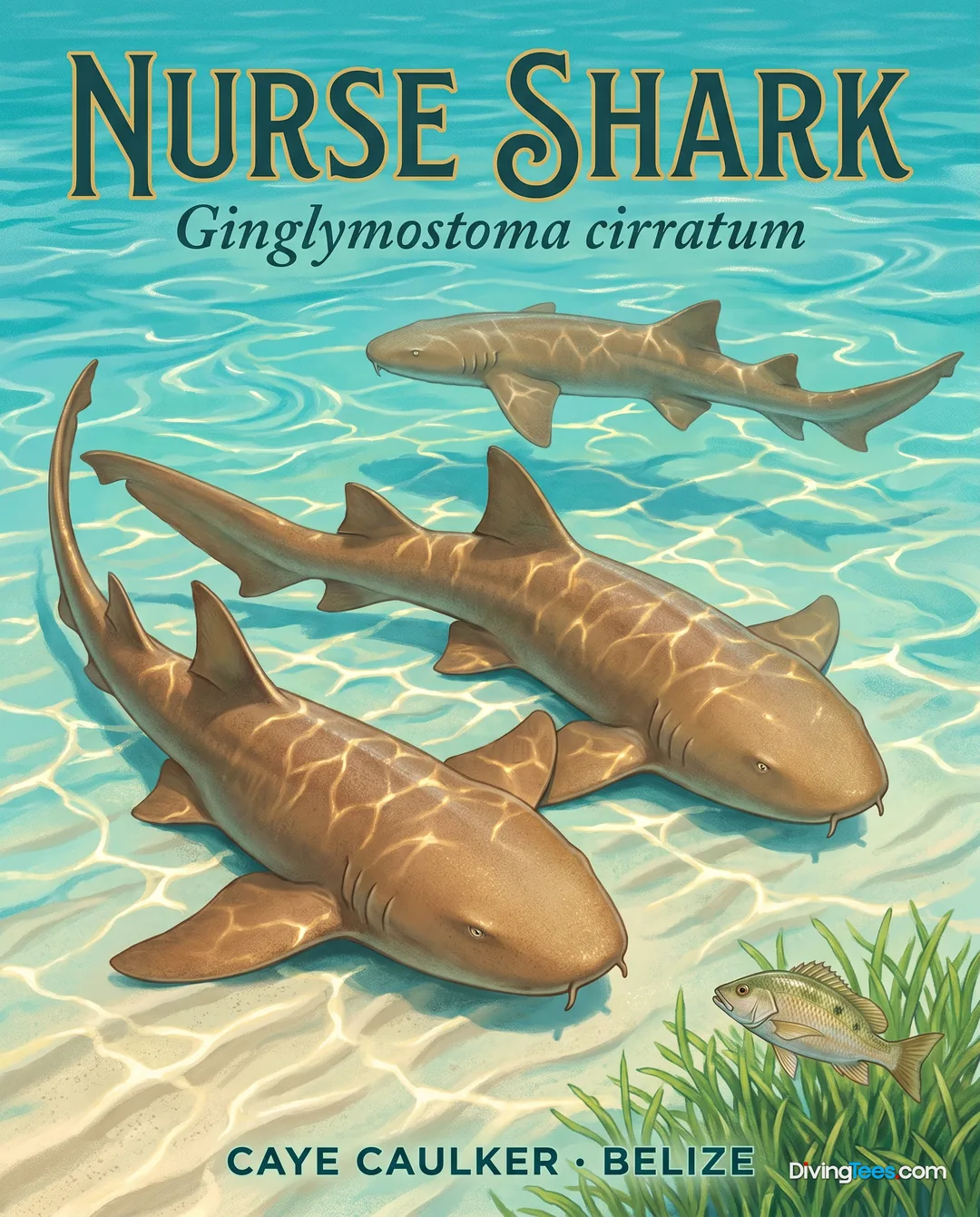
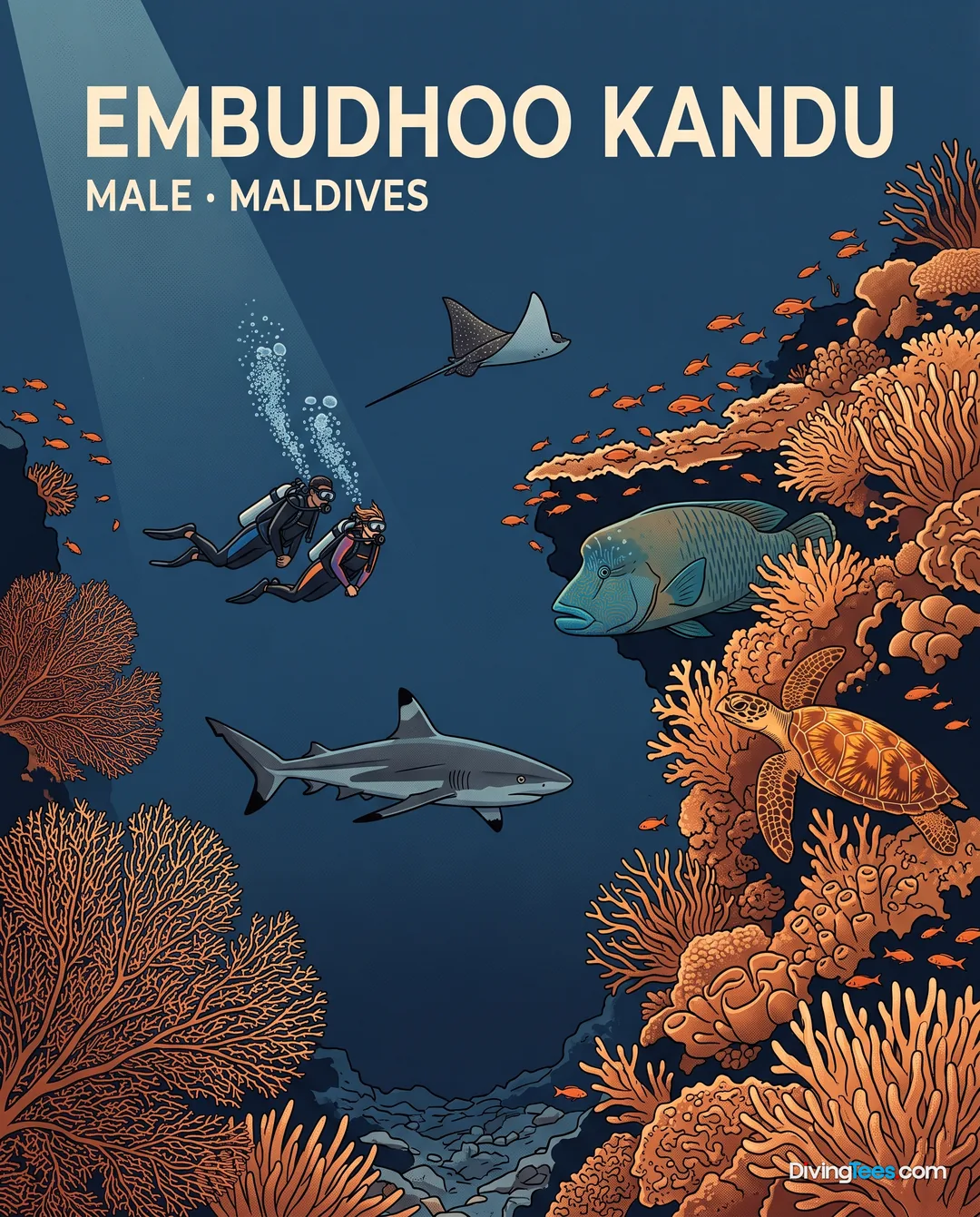
Both Guraidhoo Kandu and Kandhooma Thila share a significant draw: their substantial shark populations. Grey reef sharks, white-tip reef sharks, and nurse sharks are a consistent presence here, reinforcing the wild nature of these sites. The channels and thilas provide ideal hunting grounds and thoroughfares for these powerful ocean dwellers, ensuring that nearly every dive has the potential for an exhilarating encounter with these apex predators, often seen patrolling the currents.
The topography of these sites contributes heavily to their allure. The channels act as marine highways, funnelling diverse species through, while the thilas serve as vibrant underwater peaks, gathering points for marine life. Understanding these structures helps in anticipating where you might encounter specific animals, adding another layer to the dive experience as you navigate the currents and observe the ecosystem's intricate balance.
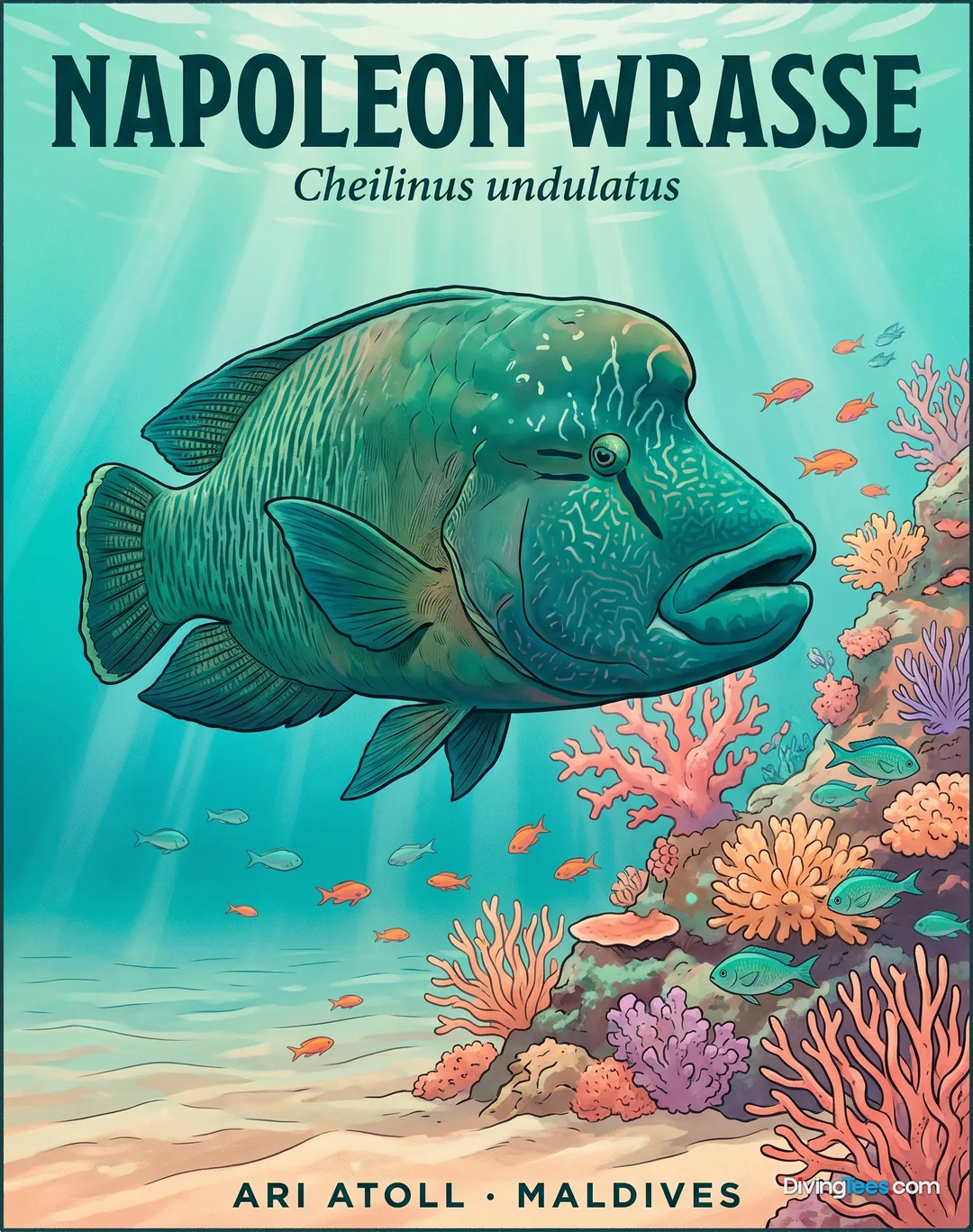
Beyond the sharks, the reserve is home to a variety of other pelagic and reef inhabitants. You can expect to see eagle rays gliding gracefully through the blue, and turtles navigating the reef structures. Napoleon wrasse are also common, often seen cruising along the reef edge, while dense schools of fish populate the thilas and channel walls, creating a vibrant and active underwater scene.
Visibility in the Guraidhoo Marine Reserve is often around 30 metres, providing clear views of the extensive reef systems and the pelagic action. While the site is accessible year-round, some divers note better visibility between December and April. The currents, however, are a constant factor, varying with the tide and shaping the dive profile, making each descent a unique experience within this dynamic environment.
Diving Guraidhoo Marine Reserve requires an Advanced Open Water certification or equivalent experience, with comfort in strong currents being essential. Dives are typically conducted as drifts, with conditions varying significantly with the tide. Visibility often reaches around 30 metres. The site is accessible year-round, though some divers report optimal visibility from December to April.
★★★★
★ 9.1/10 (2,464 reviews)
★★★★
★ 9.2/10 (772 reviews)
★★★★★
★ 9/10 (2,711 reviews)
★★★
★ 8.9/10 (470 reviews)
40 liveaboards depart from Male another way to explore the region, over several days at sea.

Departing from Male Harbour
★ 9.6/10 (239 reviews)
from 325 €/day
Discover this boat →

Departing from Male Harbour
★ 9.4/10 (201 reviews)
from 215 €/day
Discover this boat →

Departing from Male Harbour
★ 9.4/10 (160 reviews)
from 189 €/day
Discover this boat →

Departing from Male Harbour
★ 9.5/10 (85 reviews)
from 203 €/day
Discover this boat →