Liveaboards · Maldives
Princess Dhonkamana — a spacious wooden liveaboard built around diving
What makes this boat unique
- Princess Dhonkamana is a 31-metre Maldivian-built wooden motoryacht carrying up to 18 guests in 10 cabins.
- The dive operation uses one dhoni and one dedicated dive tender, with steel tanks in 10, 12, 15 and 18 litres and INT/DIN twin-valve fittings.
- The Classic Maldives route runs from Malé to Malé for 7 nights, covering Rasdhoo, North Ari, South Ari, North Felidhu and South Malé.
- The boat has three sun decks, shaded outdoor dining, air-conditioned cabins and private bathrooms.
For subtitles in English: start the video firstthen click the gearat the top right of the video, select “Subtitles/CC”, then “Auto-translate” and choose “English”.
The invitation
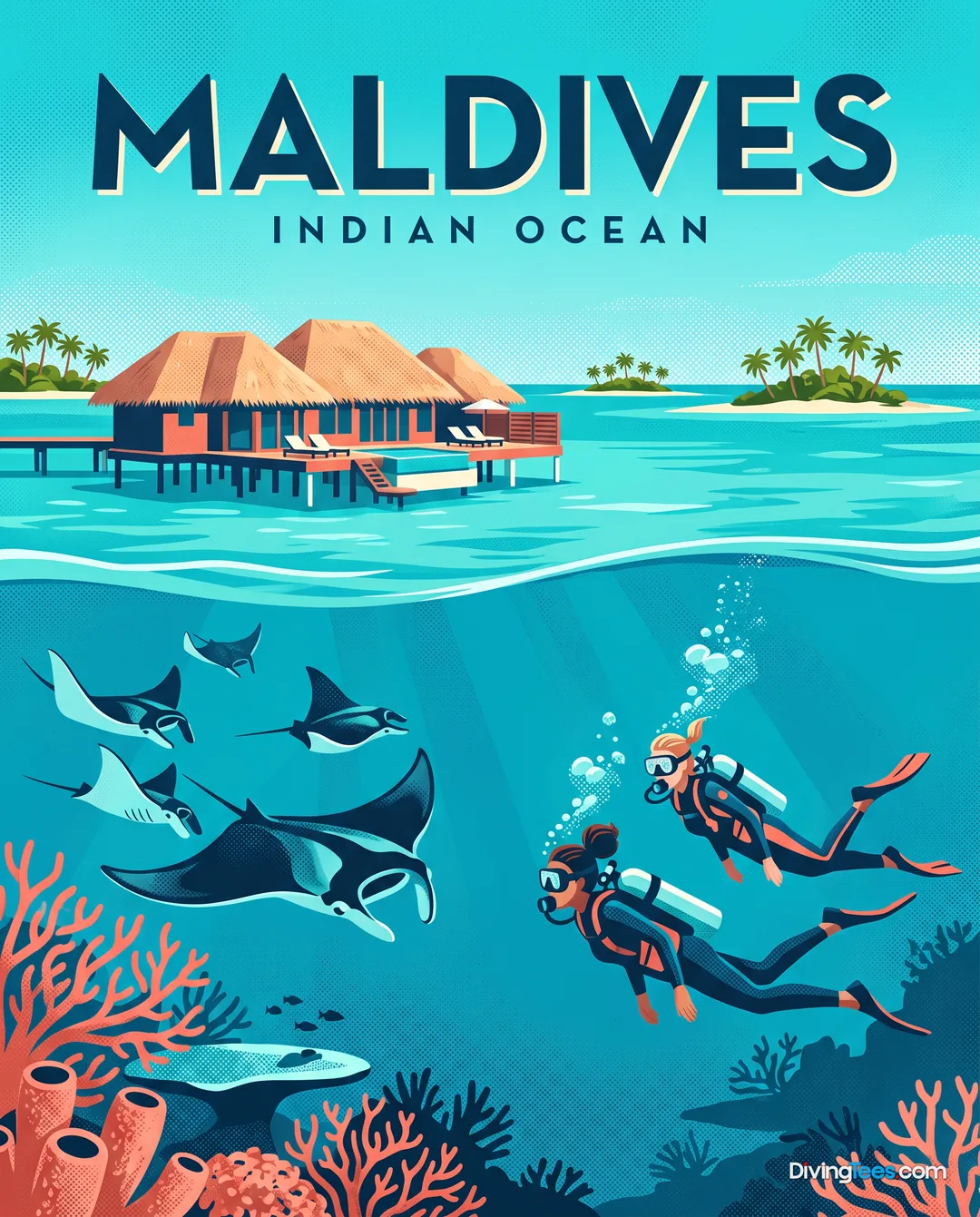
Princess Dhonkamana suits divers who want the classic Maldivian mix without spending the week in a compact floating hotel. The boat gives the trip room to breathe: three sun decks, a covered outdoor dining area, a proper indoor lounge and cabins designed around canopy beds rather than narrow bunks. The reason to choose it, though, is the route. A 7-night Malé-to-Malé cruise can move between ocean passes, thilas, reef edges, sandbanks and islands instead of staying tied to one atoll. The Classic Maldives itinerary reaches Rasdhoo, North Ari, South Ari, North Felidhu and South Malé, with routes adjusted to the season. Below the surface, that means the chance to look for whale sharks, mantas, grey reef sharks, eagle rays and large reef fish in several different settings. Above it, the boat gives divers enough space to recover between descents.
Boarding
Princess Dhonkamana arrives as a traditional Maldivian wooden motoryacht rather than a new, sharply styled catamaran. Its broad 10-metre beam gives the boat a settled, substantial feel at the dock, while the open decks make movement between lounge, dining area and sun decks straightforward. The layout is built for a week in which diving is the main event: the indoor salon provides air-conditioned shelter, the covered outdoor table keeps meals connected to the sea, and the dhoni and dive tender separate the working dive operation from the living spaces. A bar serves snacks with the aperitif, and the upper decks leave enough room to find a quiet corner after a dive. This is a boat for guests who value usable common space over polished novelty. Its character is practical, spacious and recognisably Maldivian.
The atmosphere on board
The atmosphere is shaped less by formal service than by a crew that stays close to the guests' day. Passenger feedback consistently points to efficient, discreet support, strong dive guides and food that remains a highlight after the dives are over. The crew speaks English, French, Spanish and Italian, which helps mixed groups settle into briefings and meals without making the boat feel segmented by language. A naturalist guide adds another layer to the trip, particularly on shore visits and snorkelling excursions. In the evening, the bar and covered dining area become the social centre: snacks with the aperitif, dinner outside when conditions allow, then audio-visual entertainment or a book in the lounge. The crew's real value appears in the small transitions—moving guests between boat, dhoni and tender, keeping the diving organised, and making a difficult travel situation easier when plans change.
The sites you’ll dive
The Classic Maldives cruise leaves from Malé and returns to Malé after 7 nights, linking Rasdhoo, North Ari, South Ari, North Felidhu and South Malé. Princess Dhonkamana's flexible itineraries allow the diving to follow seasonal conditions rather than force every departure through an identical sequence. Barracuda Giri drops onto three submerged pinnacles to -30m, where current brings barracudas, tunas and jacks into the blue. At Mushimasmigili Marine Reserve, Mushimasmigili Thila reaches -30m and its up-current pinnacle is known for grey reef sharks. Dhonkalo is a manta cleaning station in a sandy channel, with the rays gathering where the current allows close encounters. Maamigili and Maamigili Beiyru, both to -30m, sit inside the South Ari Marine Protected Area and are visited for whale sharks and mantas. Kudarah Thila Marine Reserve combines clefts, overhangs and caves down to -30m with schools of batfish. Myaru Kandu Marine Reserve, the Shark Channel, reaches -30m and carries grey and whitetip sharks through a drift. Foththeyo Kandu is the more demanding-looking profile: a narrow pass with yellow soft-coral-covered caves and a maximum of -40m. Guraidhoo Marine Reserve adds current-fed channels and thilas, while Banana Reef offers a lively reef ecosystem near Thulhagiri. The listed route also includes Dhigalhi Haa, Dhonfanu, Dhigu Thila and Fushifaru Thila Marine Reserve, where manta cleaning stations sit at -35m.
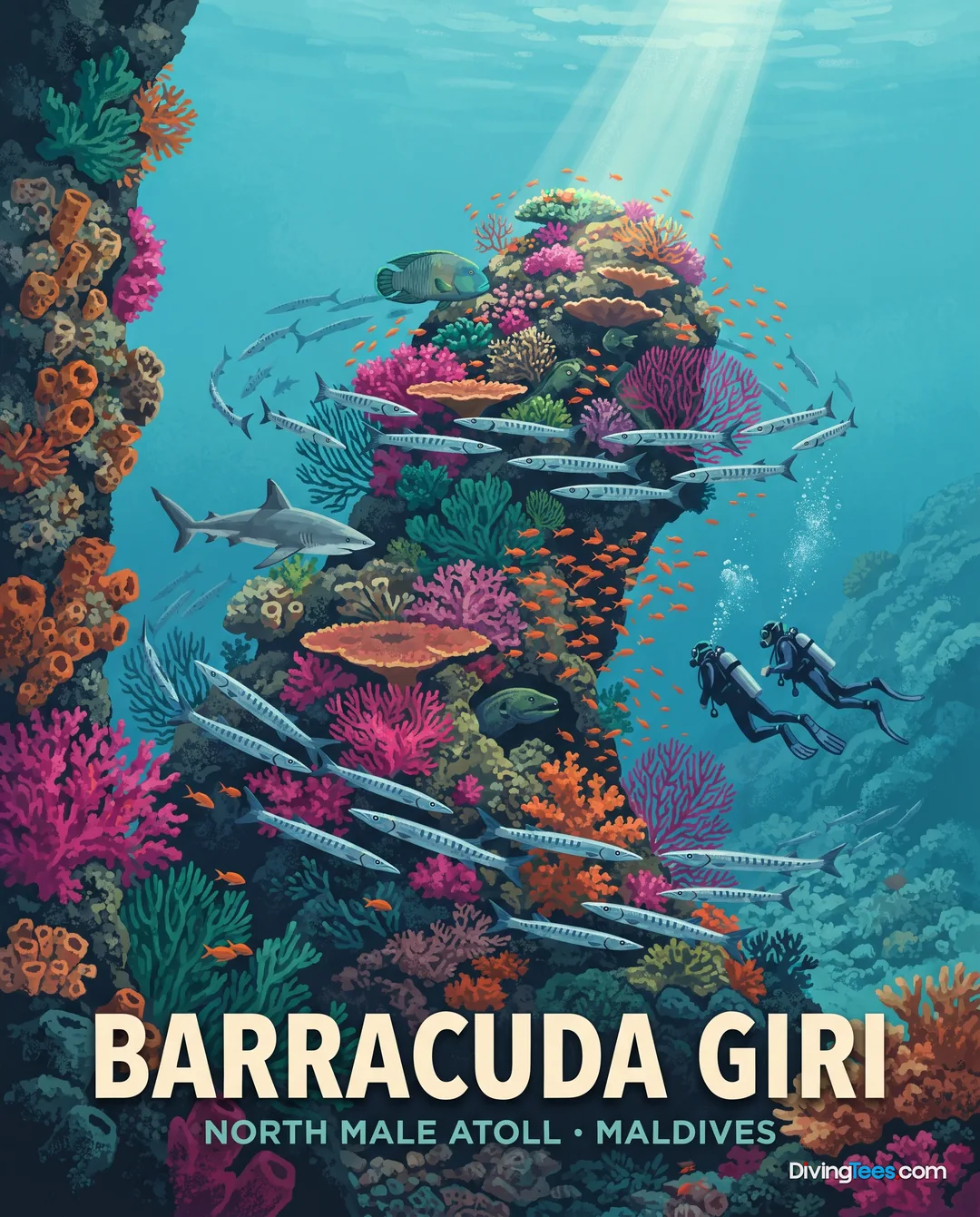
Barracuda Giri →
Max. depth · 30 m
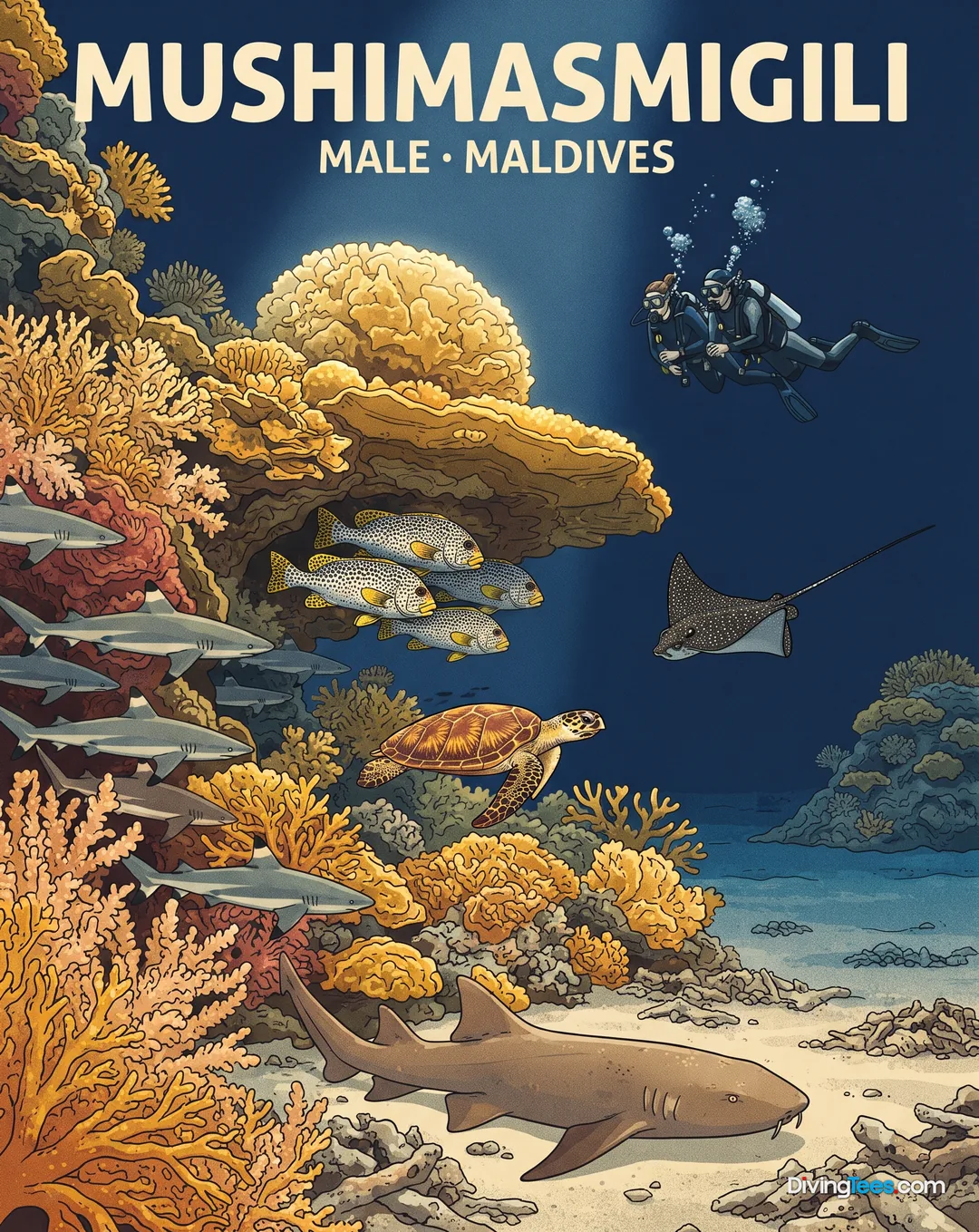
Mushimasmigili Marine Reserve →
Max. depth · 30 m
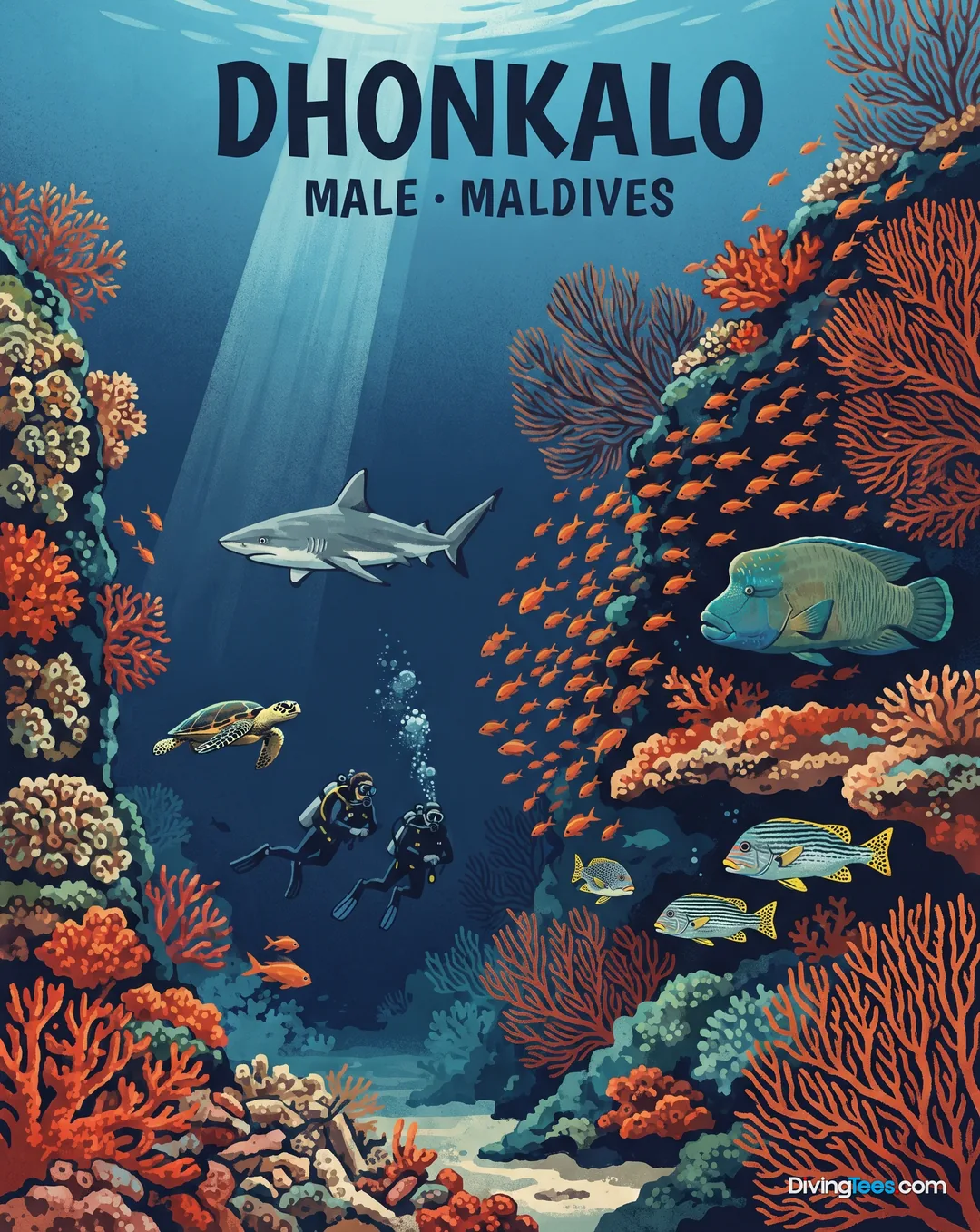
Dhonkalo →
Max. depth · 25 m
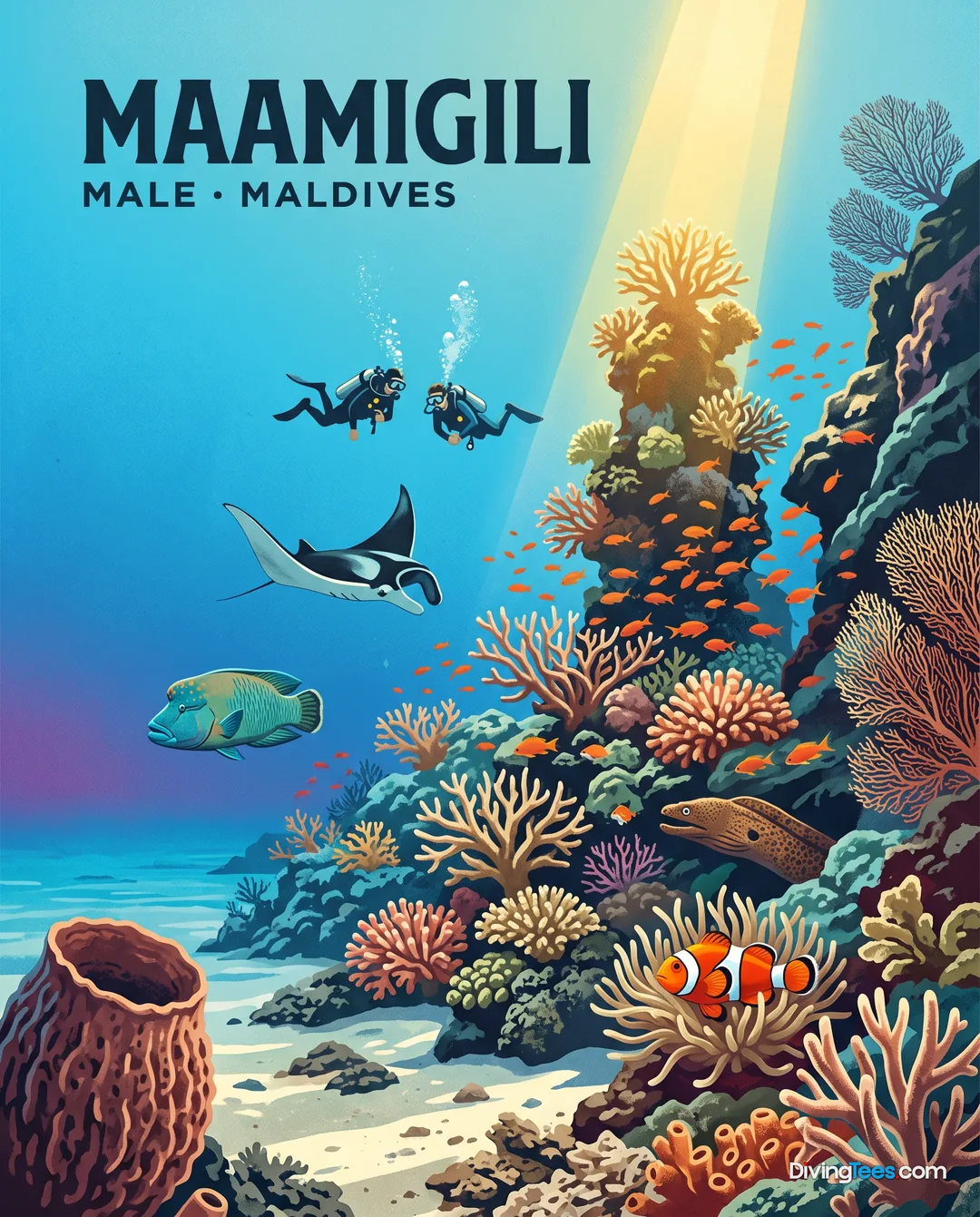
Maamigili →
Max. depth · 30 m
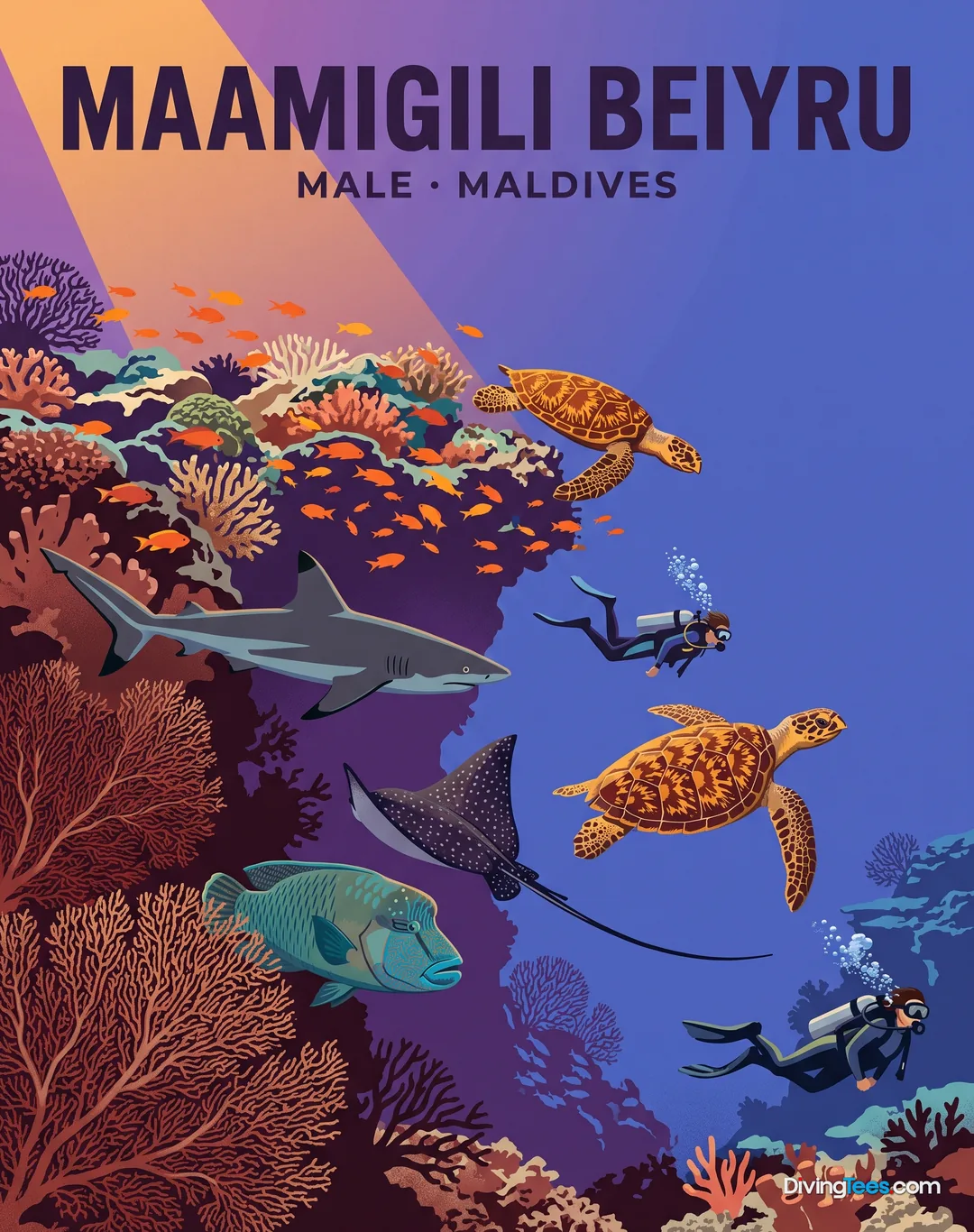
Maamigili Beiyru →
Max. depth · 30 m
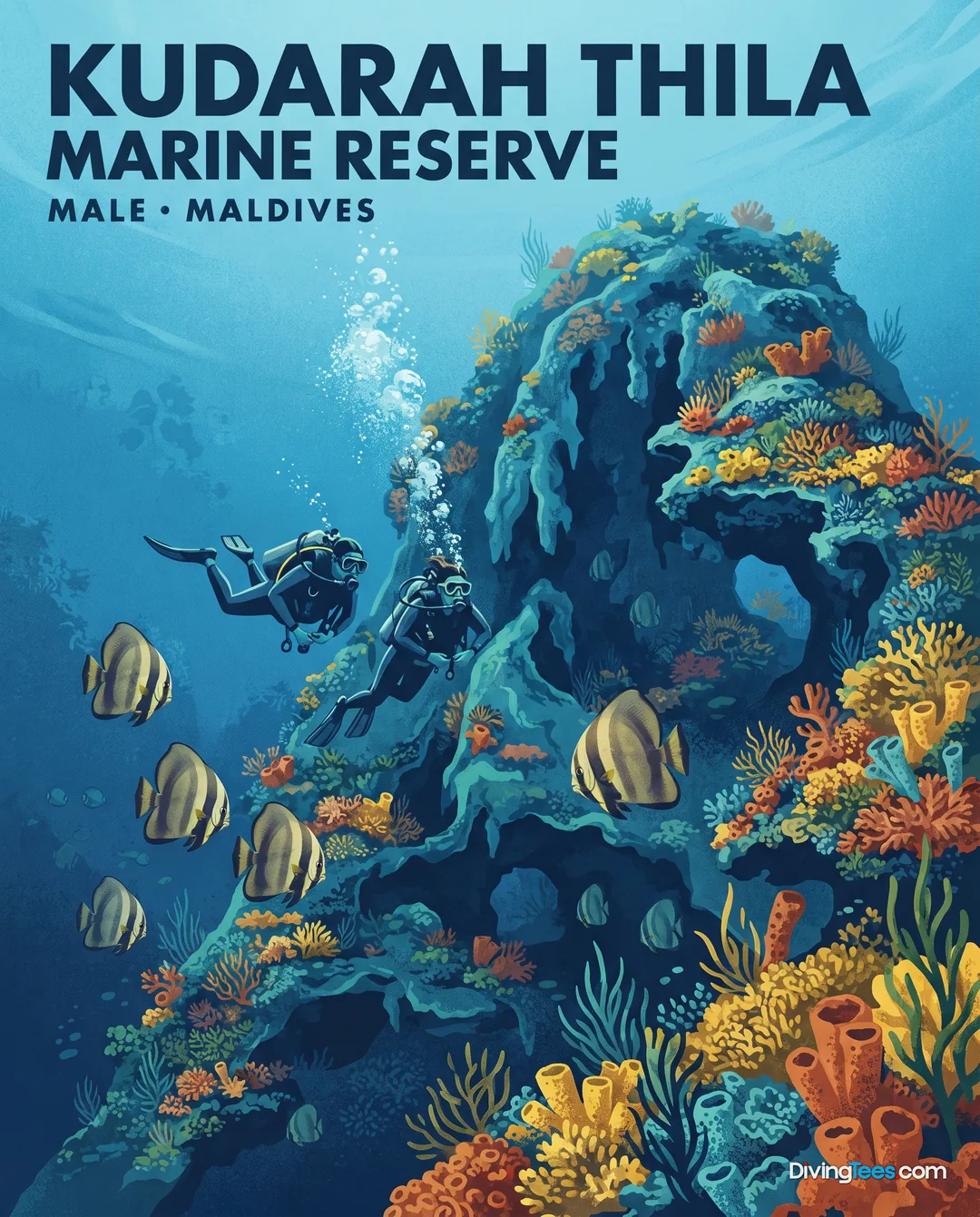
Kudarah Thila Marine Reserve →
Max. depth · 30 m
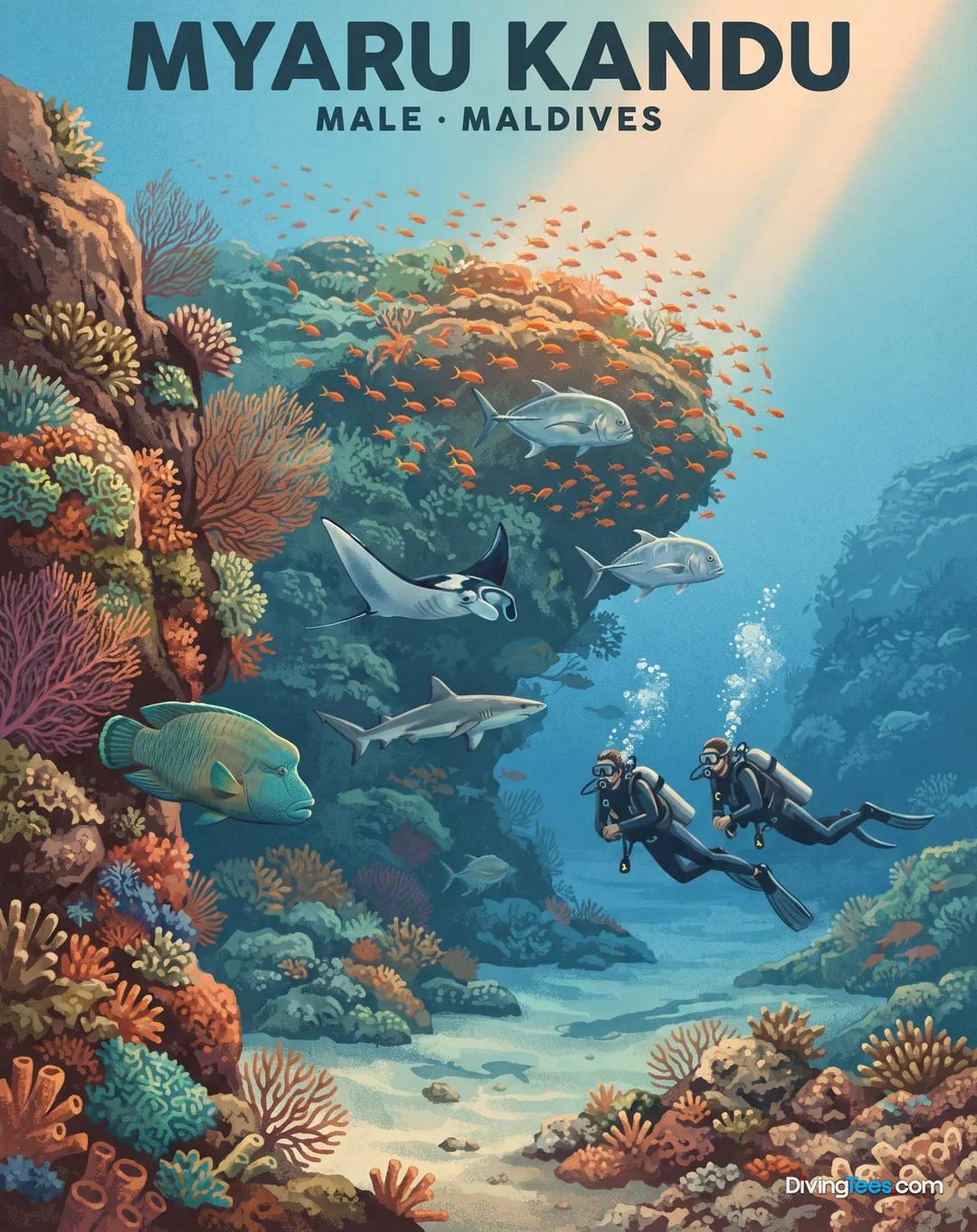
Myaru Kandu Marine Reserve →
Max. depth · 30 m
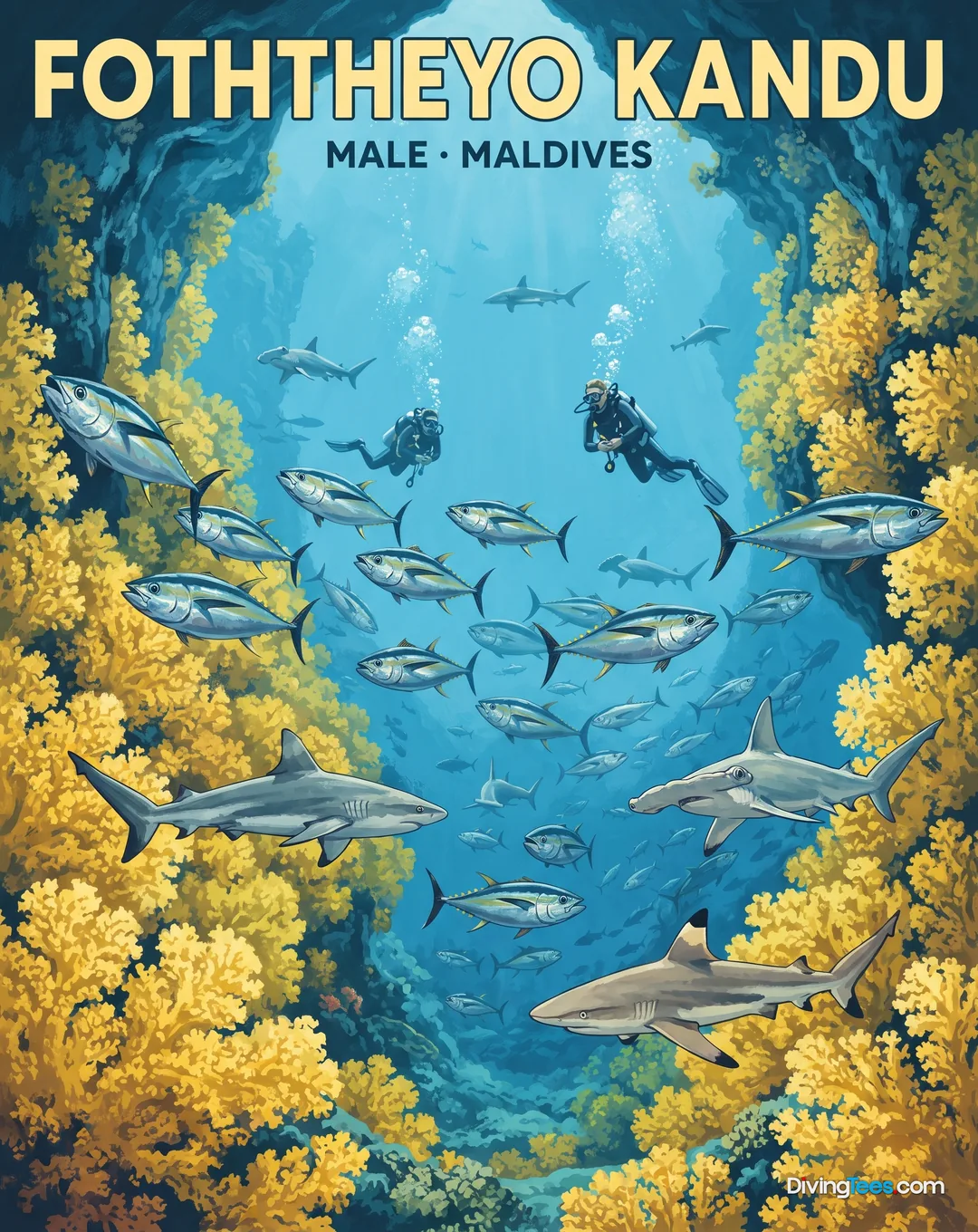
Foththeyo Kandu →
Max. depth · 40 m
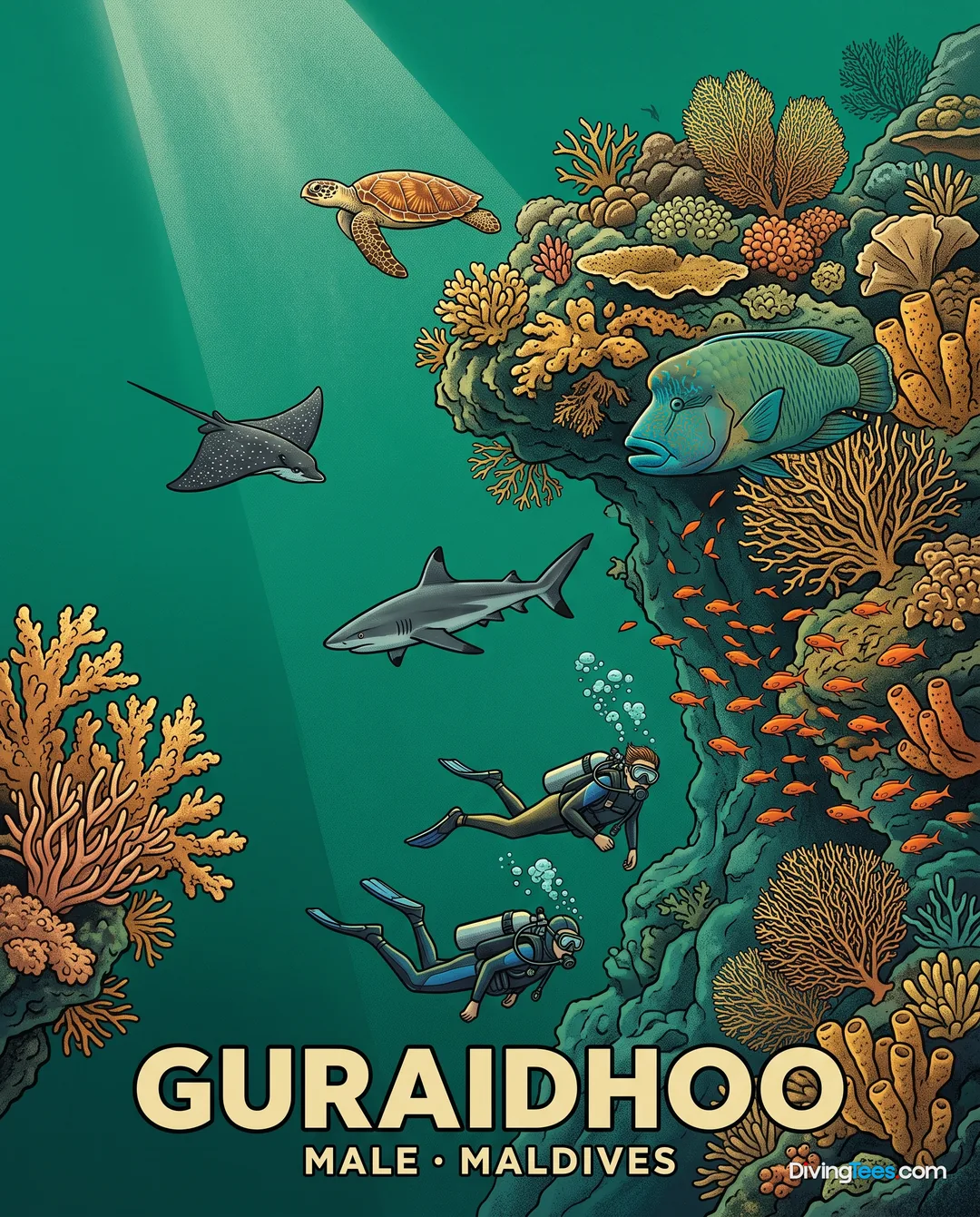
Guraidhoo Marine Reserve →
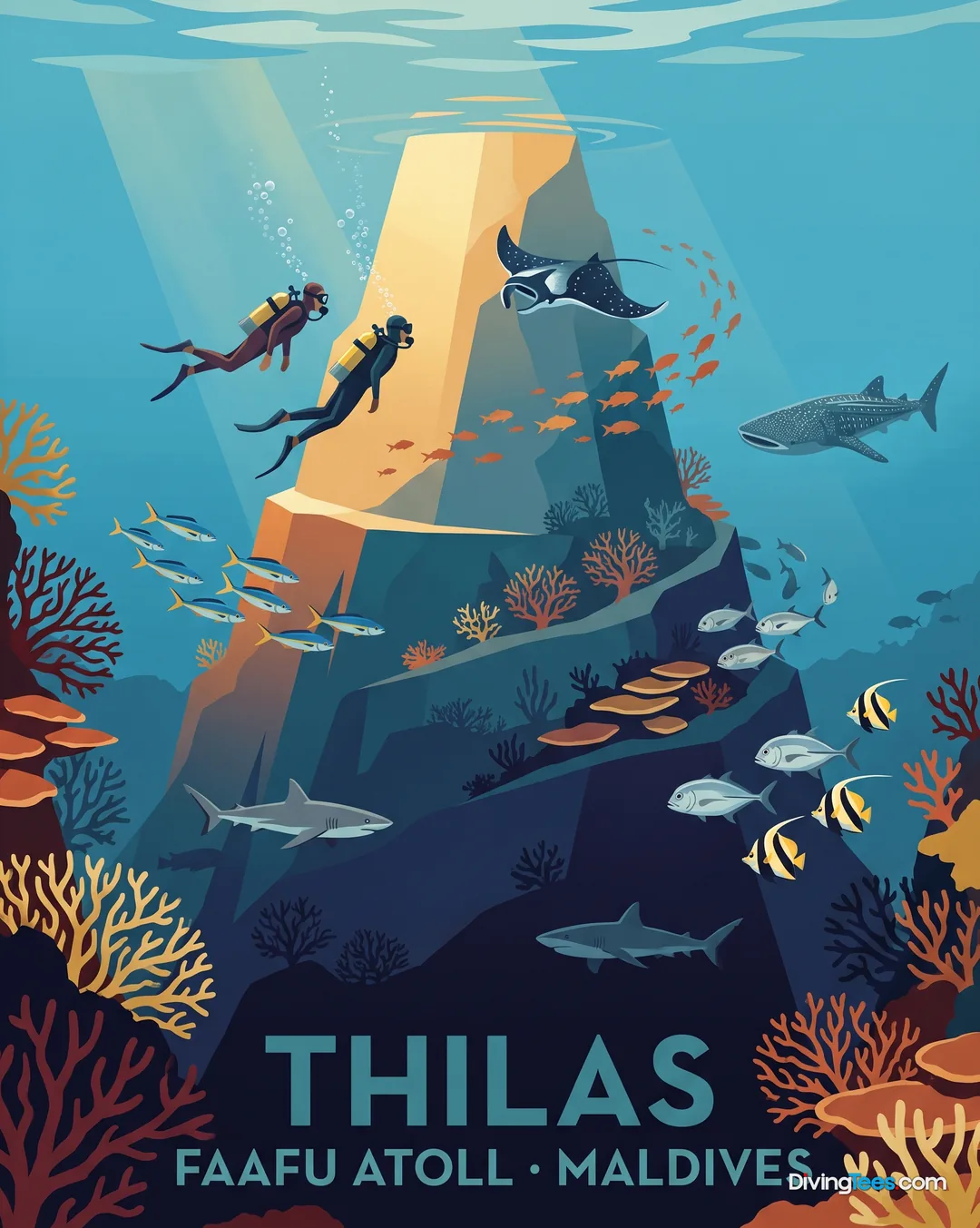
Thilas →
Max. depth · 15 m
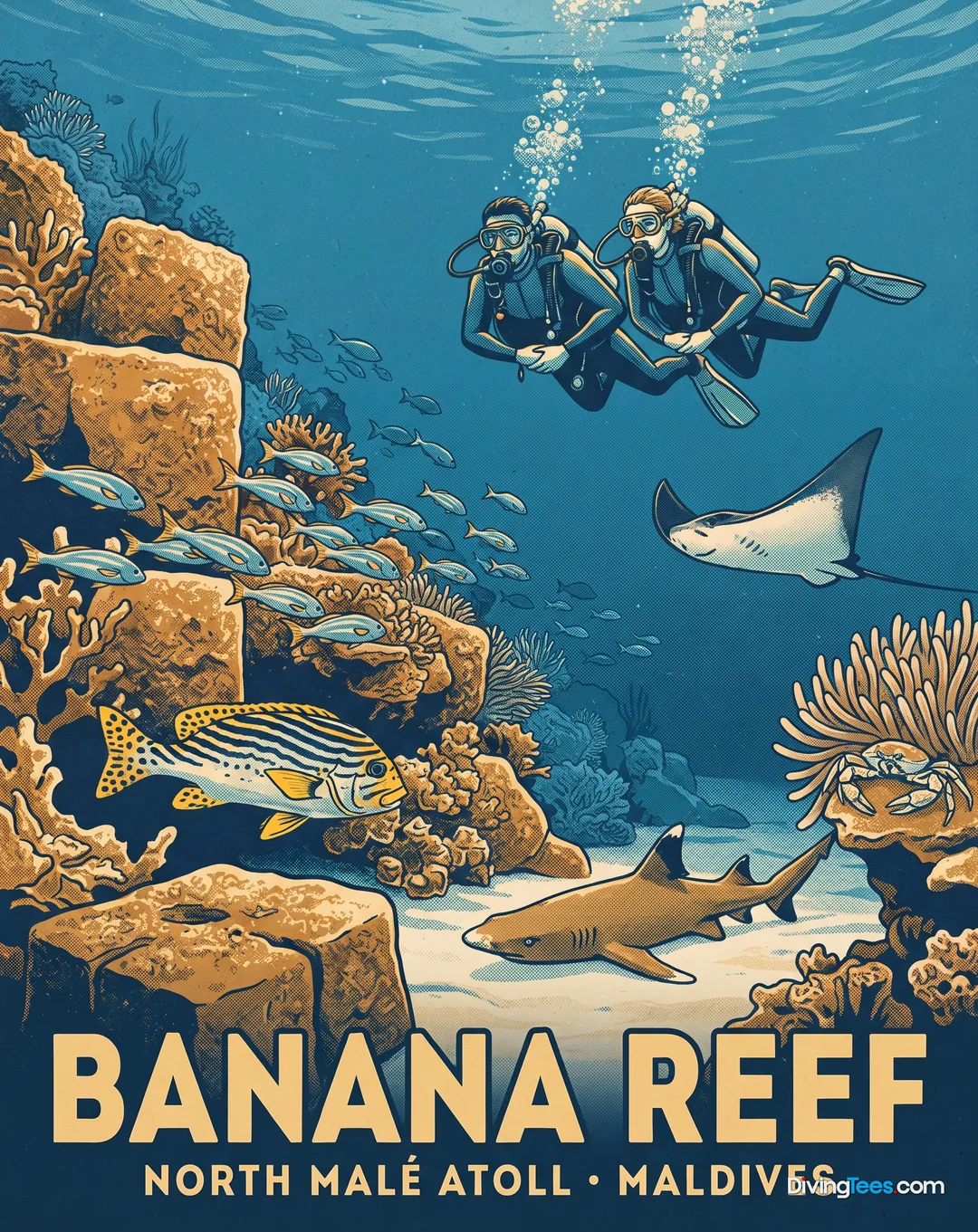
Banana Reef →
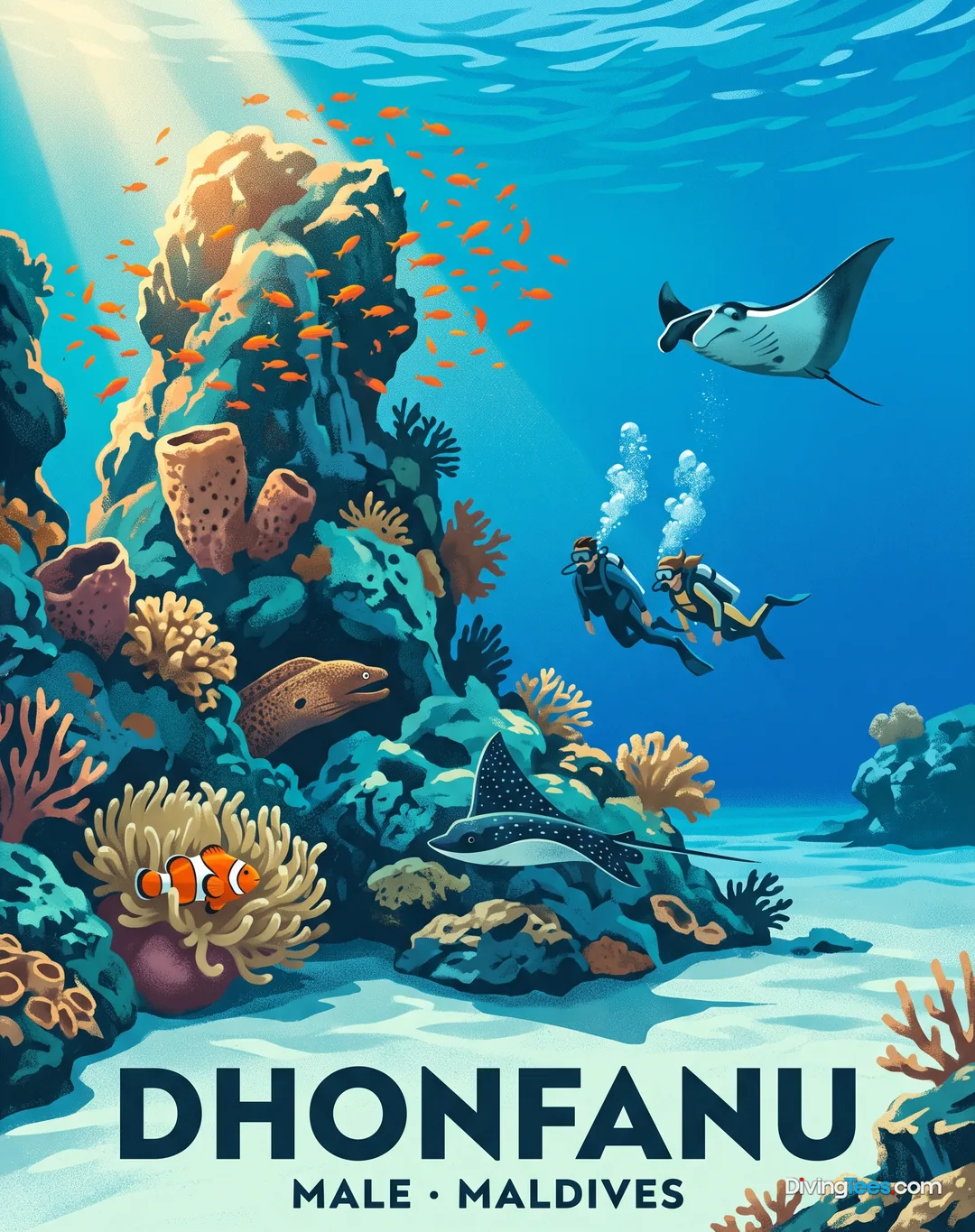
Dhonfanu →
Max. depth · 30 m
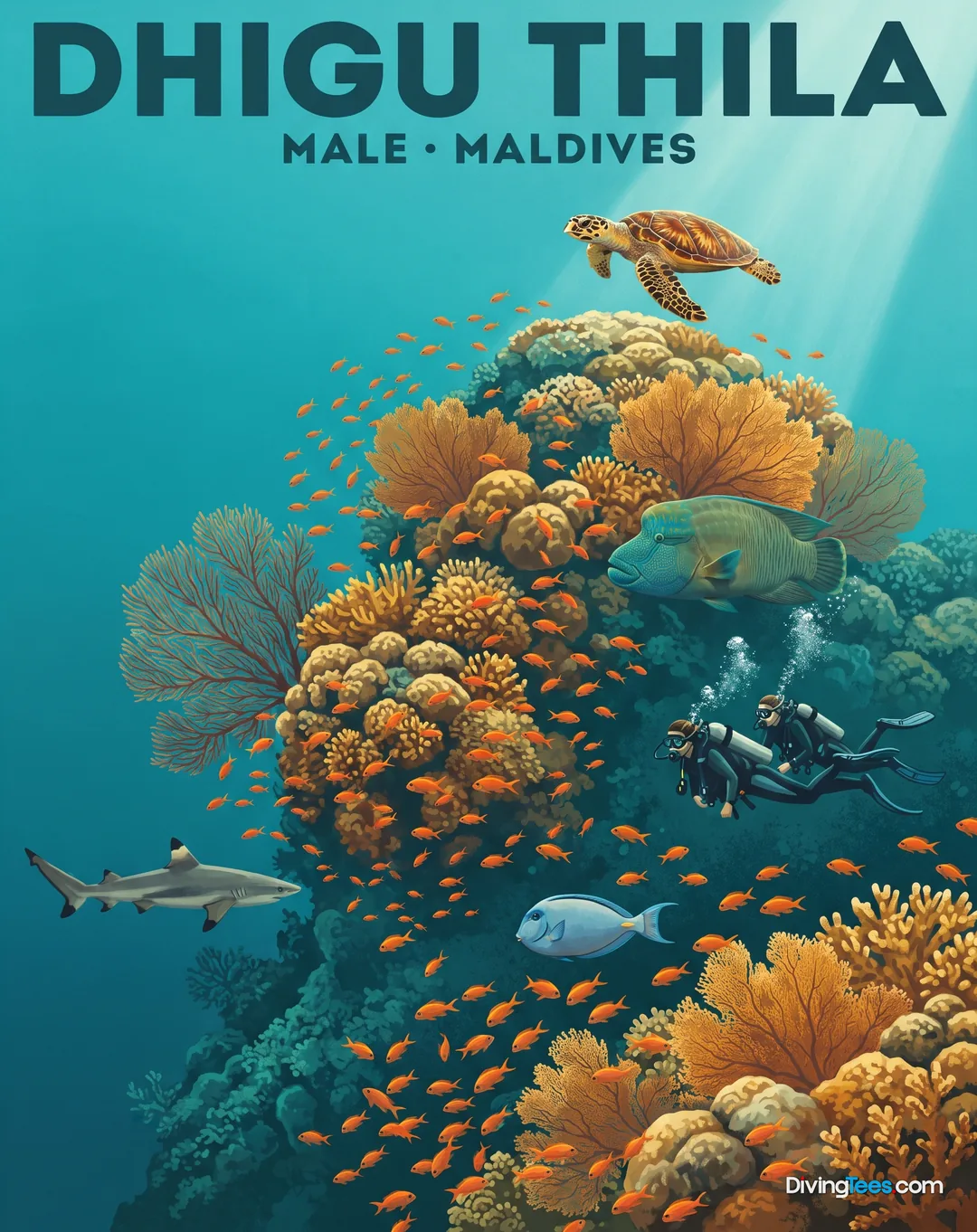
Dhigu Thila →
Max. depth · 30 m
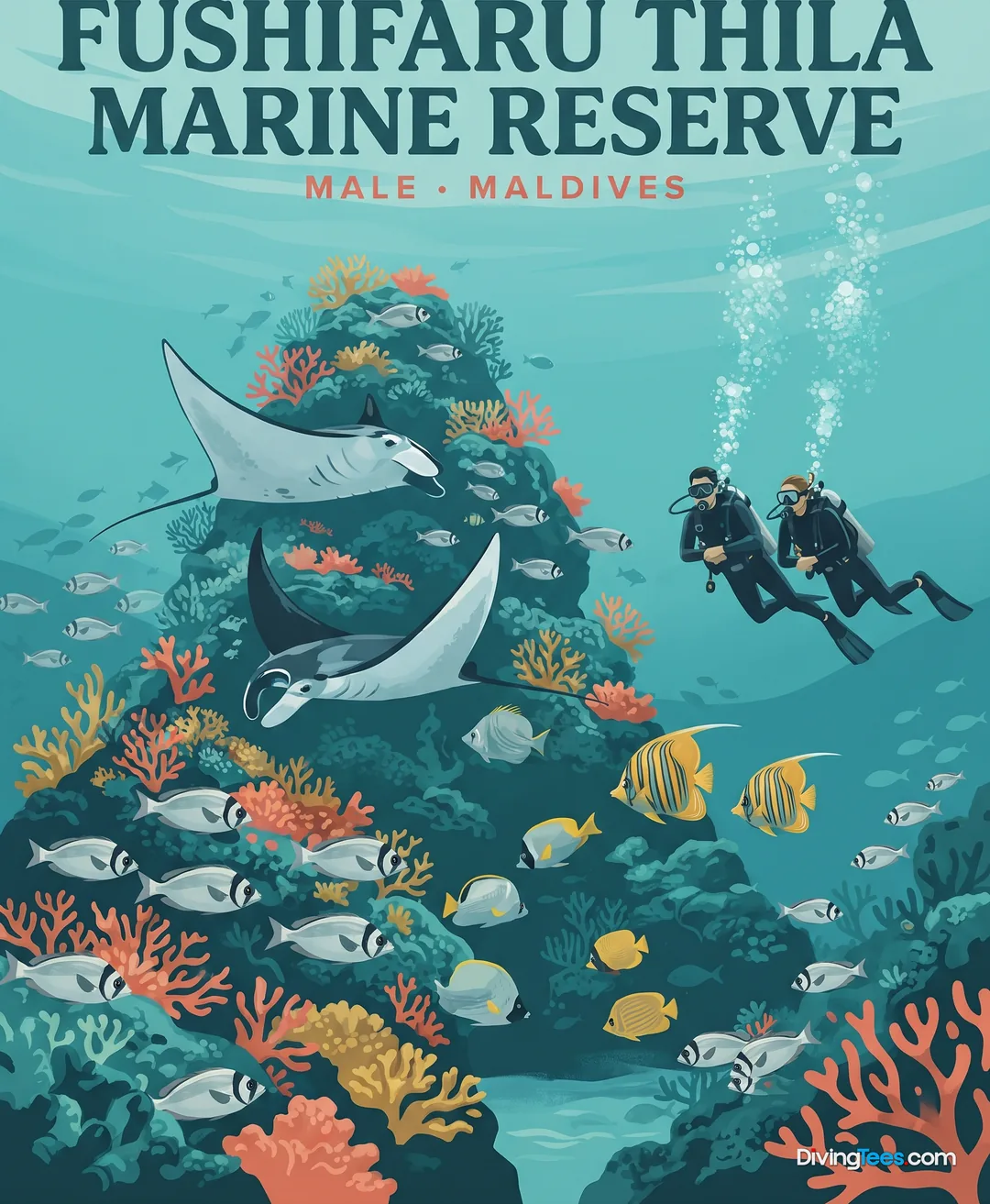
Fushifaru Thila Marine Reserve →
Max. depth · 35 m
What you’ll meet underwater
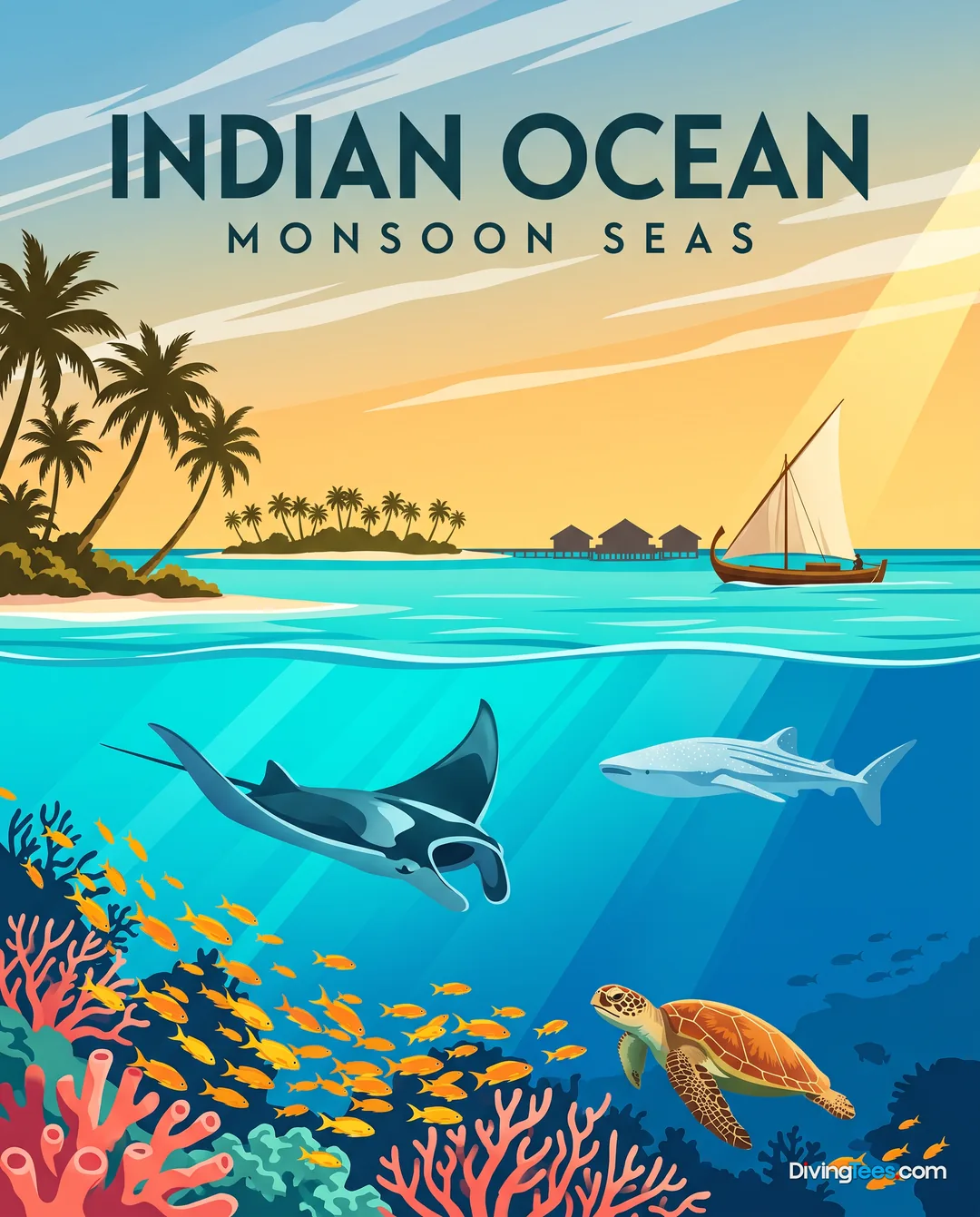
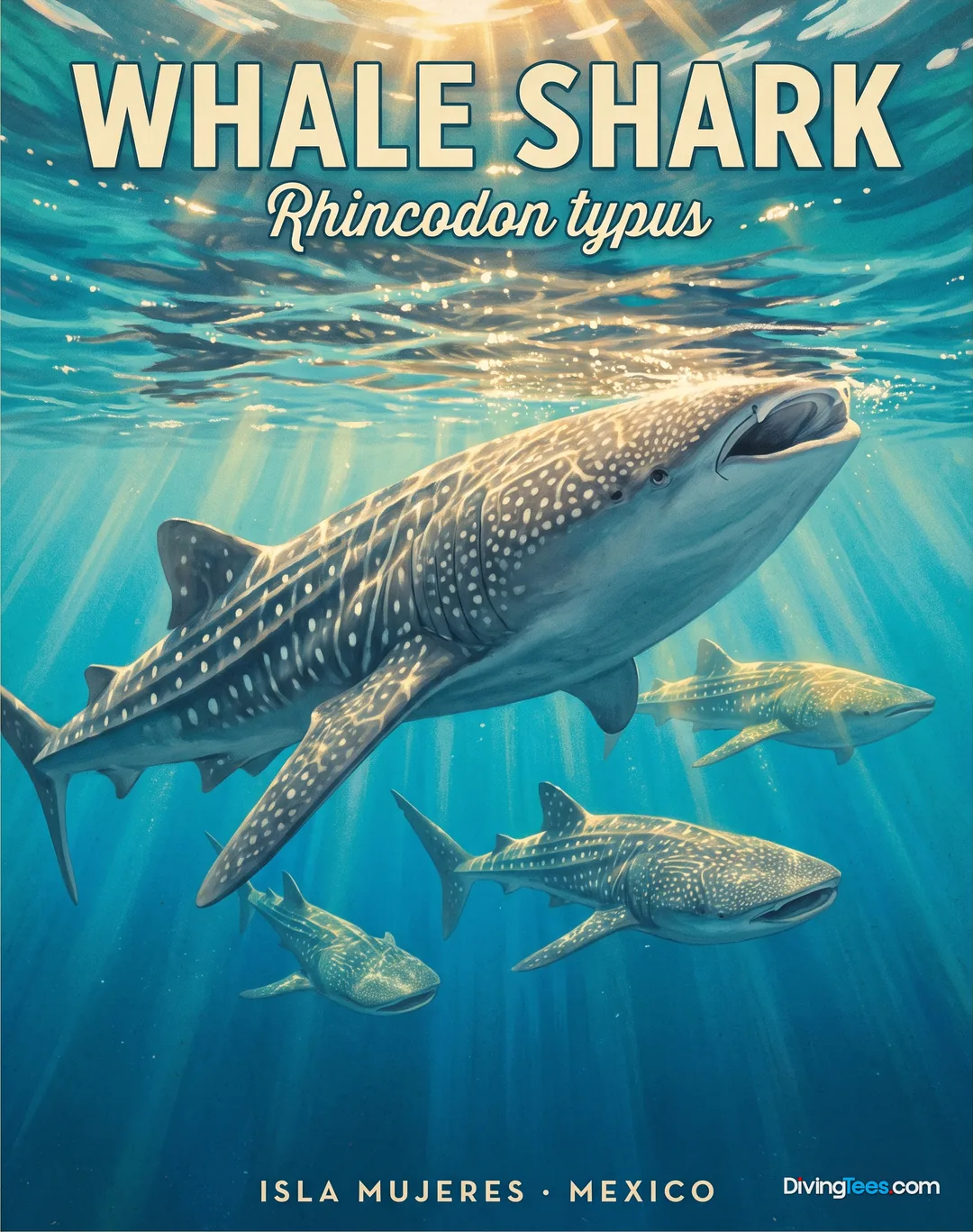
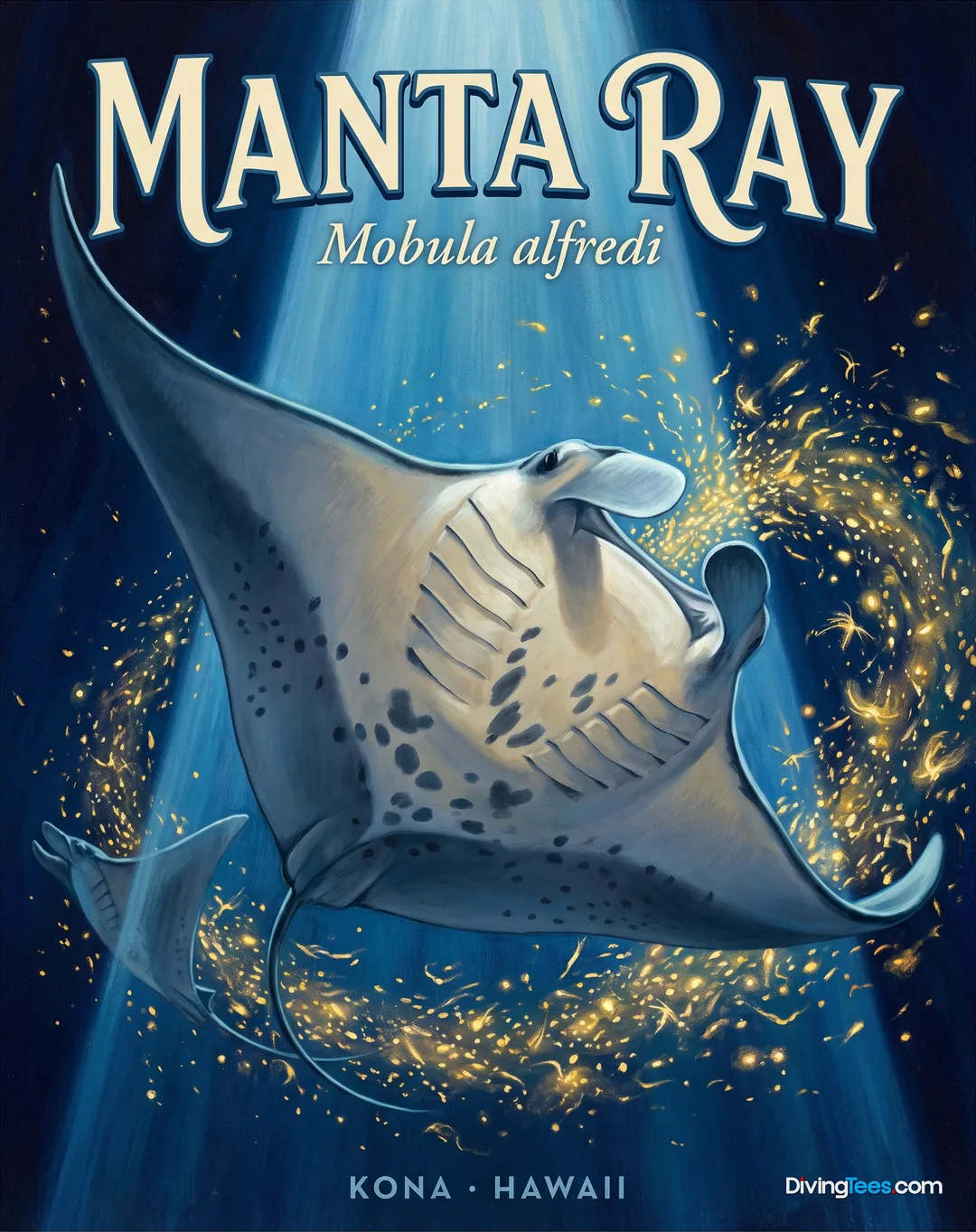
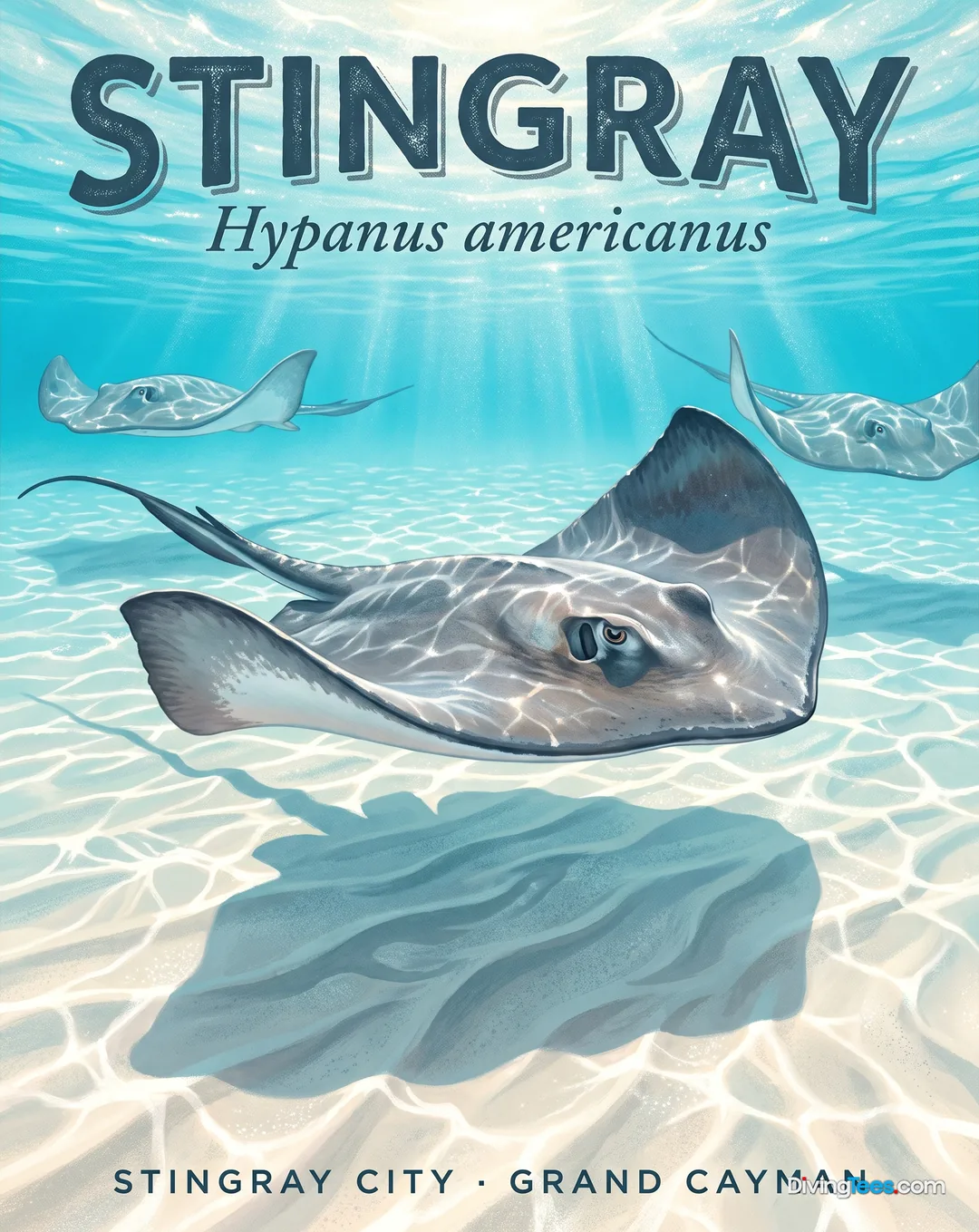
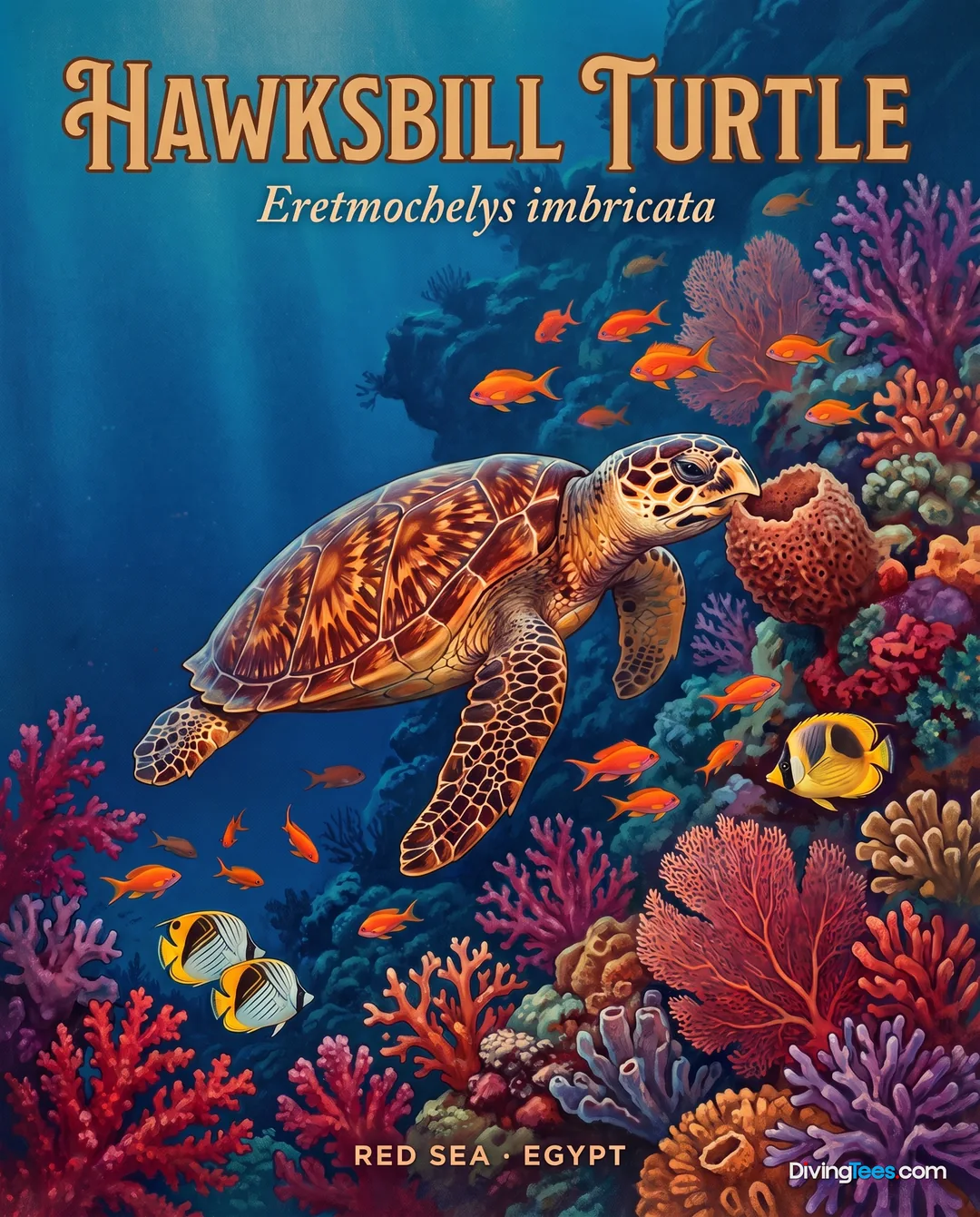
The route is built around big animals, but the spectacle is not only sharks. Napoleons and fusiliers are recorded across nine sites, grey reef sharks across nine, sea turtles across eight, and eagle rays across eight. Barracudas, manta rays and tuna also recur through the itinerary, with white-tip reef sharks, reef sharks, whale sharks, green turtles, jacks, trevallies, batfish and moray eels appearing at several sites. The setting changes what those animals are doing: current at a pass concentrates pelagic life, while a cleaning station gives mantas a reason to hold position. Dhonkalo and Fushifaru Thila are the places to look for manta behaviour at cleaning stations. South Ari sites Maamigili and Maamigili Beiyru are visited for whale sharks and mantas. The less common sightings give certain dives their purpose: groupers and anthias at Barracuda Giri, anemones at Banana Reef, soft coral and gorgonians at Dhigalhi Haa, porcupinefish at Maamigili, stingrays at Fushifaru Thila Marine Reserve and hawksbill turtles at Dhigu Thila. None of these encounters is guaranteed.
Who puts you in the water
The dive team includes naturalist guides and instructors, supported by a crew whose languages cover English, French, Spanish and Italian. Briefings can therefore be handled across an international group without relying on one shared technical vocabulary. The guides are described by returning divers as highly competent, present and discreet, with particular attention to the choice of sites and the practical handling of each dive. The route is aimed at scuba divers and instructors, but snorkellers and non-divers are welcome as well. The available information does not set a minimum logged-dive count, group size, guide ratio, course programme or onboard safety inventory, so those details should not be assumed. What is clear is the style of operation: guides lead the diving and naturalist work, while the dhoni and dive tender keep water entries and returns separate from the main yacht.
The dive deck and the gear
The dive operation is built around a dhoni and a separate dive tender, so tanks and wet equipment do not take over the guest decks. Steel tanks are available in 10, 12, 15 and 18 litres, with twin-valve INT/DIN fittings; 15- and 18-litre tanks are rental options rather than standard equipment. Three Coltri compressors fill the tanks at 16 cubic metres per hour. Nitrox is available as an optional extra. On the working deck, divers have a shaded preparation area, a dive platform, rinse tanks and separate camera rinsing, with the tenders handling transfers to and from the sites. Adaptors are available for DIN regulators. Rental diving equipment can be arranged, but brands and the exact rental inventory are not stated. The boat also has outdoor showers, useful after climbing back aboard in full kit, plus charging stations and dedicated camera care.
Between dives
Between dives, the useful spaces are outside. Princess Dhonkamana has three sun decks, a covered outdoor dining area, an observation deck and an indoor air-conditioned lounge when the heat becomes too much. A library gives the surface interval a quieter option than another conversation about sharks, and the bar provides the small ritual of snacks and an aperitif later in the day. Non-divers and snorkellers are welcome, with a naturalist guide and snorkelling guide available for excursions away from the boat. The dhoni and tender also make it possible to reach islands, sandbanks and shore activities without turning every break into a stay aboard. On routes through the Maldivian atolls, the scenery is part of the interval: fishermen's islands, empty beaches and low sandbanks replace the same view outside a resort.
A day on board
A day aboard follows the logic of a liveaboard rather than a resort. The first dive briefing comes before breakfast or the day's surface activity, then divers move to the dhoni or dive tender with their equipment already organised. After the dive, the boat provides the place to eat, rinse off, rest in the shade or climb to a sun deck before the next descent. Meals and snacks break up the diving, while navigation between atolls turns some intervals into open-water passages and others into approaches to a sandbank, island or channel. Depending on the site and conditions, the day can include reef, pass, thila and snorkelling activities, with shore excursions and a beach barbecue adding a change of scenery. The evening settles around the bar, aperitif snacks and dinner, followed by a quiet return to the cabin or lounge. The exact dive sequence follows the route and season rather than a fixed timetable.
What you eat aboard
Meals are included throughout the cruise, with Western cooking, à la carte choices and outdoor dining available. Vegetarian and vegan options are part of the food programme, while beer and wine are available at the bar. Snacks appear through the day, and the evening begins with aperitif bites before dinner. A barbecue on the beach is also part of the cruise, breaking the pattern of eating aboard without turning the trip into a restaurant tour. That matters after repeated dives: meals need to arrive when divers are ready to eat, not compete with the dive operation. The covered outdoor table gives the group a place to compare sightings, while the à la carte format leaves more room for different appetites than a single fixed plate.
Nights at sea
The cabins are on the upper deck, with standard windows and private bathrooms fitted with shower boxes, hot and cold water and independent air conditioning. Twin/double cabins, a triple cabin and an Ocean View Cabin cover the main arrangements, while canopy beds give the rooms a more residential feel than a basic bunk cabin. The point is not luxury theatre; it is having a proper place to close the door, dry off and sleep after a day in salt water. The boat's three sun decks and indoor salon matter here because the cabin is not asked to do everything. You can read in the library, sit under the covered dining area or move upstairs for open air, then return to a cooled room at night. Standard windows keep the connection with the sea without pretending every cabin is a panoramic suite.
Twin/Double Cabins
Triple Cabin
Ocean View Cabin
What to know before boarding
Classic departures and returns use Malé, at Velana International Airport. Airport transfer is included, and the boat's team coordinates the handover between the airport and the liveaboard. Arriving in Malé the night before is sensible: it removes the risk of an international flight delay turning the embarkation into a rushed transfer. The recorded Classic Maldives departures are 8 days and 7 nights.
Deck plan
- Year built
- 2008
- Length
- 31 m
- Beam
- 10 m
- Maximum number of passengers
- 18
- Number of cabins
- 10
- Number of bathrooms
- 9
- Cruising speed
- 10 knots
- Tenders
- 1 Dhoni and 1 dive tender
- Website
- macanamaldives.com ↗
Hello, I'm Marina, DivingDeal.com's AI assistant. I answer in detail about hotels, dive centres and liveaboards.

Thinking about the whole trip and the flights? Talk it over with Edith →
Marina is an AI. Some links are affiliate links: DivingDeal may earn a commission, at no extra cost to you. Bookings are made with the partner.