

Himmafushi Scuba Adventure
Google 5/5 (263 reviews)
Male · Maldives · Indian Ocean
Max. depth · 30 mDhigalhi Haa Marine Reserve is a submerged thila in Baa Atoll, known for its vibrant red coralline algae, extensive acropora corals, and frequent pelagic encounters.
Dhigalhi Haa, also known as Dhigali Haa or Horubadhoo Thila, is a compact, submerged pinnacle that defines its own underwater landscape in the Baa Atoll. The reef top begins around 8 metres, sloping down to a maximum depth of 30 metres. This thila rises distinctly from the deeper surrounding seabed, creating a focal point for marine life and currents. As you approach, you'll notice the structure's ledges and overhangs, which are heavily encrusted with both hard and soft corals, providing immediate visual interest and shelter for smaller inhabitants.
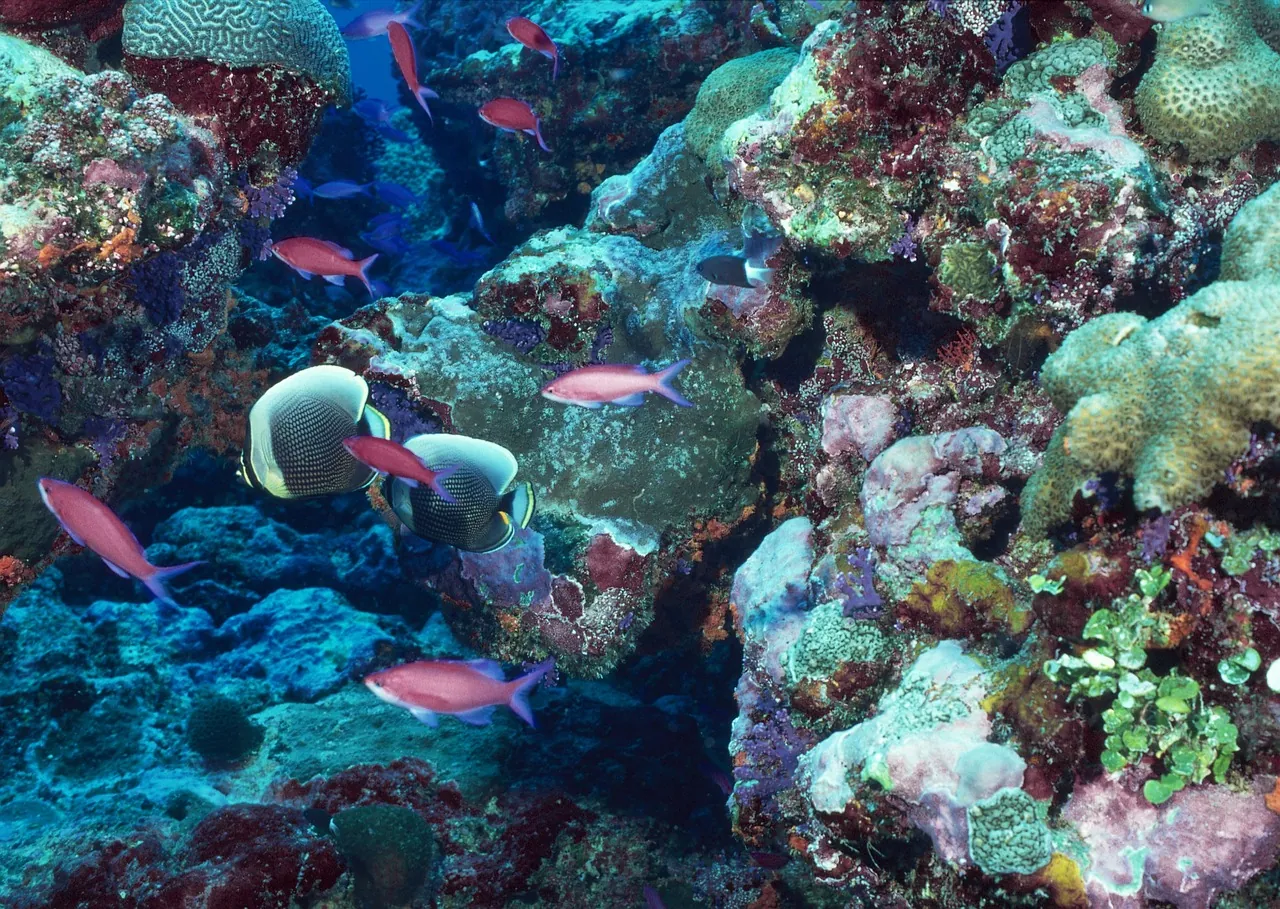
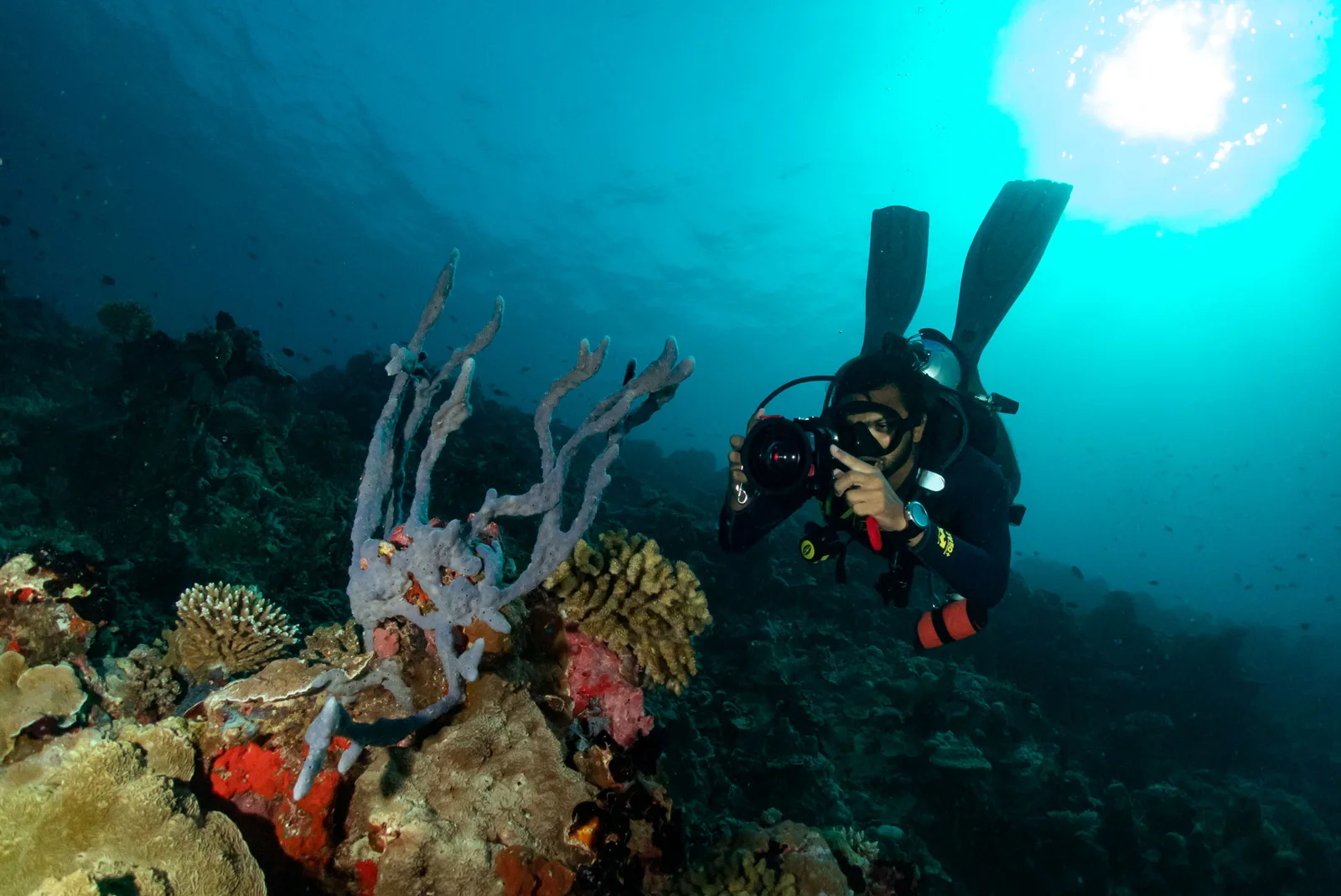
The descent onto Dhigalhi Haa immediately reveals a vibrant canvas of red-encrusting coralline algae, painting large sections of the reef. This isn't just a visual spectacle; these coralline growths are integral to the reef's health, stabilising its structure and contributing to the overall ecosystem. Beyond the striking red, the thila is a testament to robust coral growth, with extensive colonies of digitate and branching acropora corals forming intricate habitats. These formations create a complex topography that you'll navigate through, offering shelter and hunting grounds for a myriad of reef fish.
Swimming through the dense stands of acropora, you'll observe small fish darting between the coral fingers, either seeking refuge or foraging. The sheer density of this coral life indicates a thriving ecosystem, where the balance of currents and light conditions supports continuous growth. This rich coral cover is a key characteristic of Dhigalhi Haa, setting it apart as a healthy and dynamic marine environment within the protected Baa Atoll Biosphere Reserve. The site's protected status, with restrictions on fishing, plays a significant role in maintaining this dense fish life and coral health.
The thila's position as an offshore pinnacle means it is exposed to variable currents, which can range from mild to quite strong depending on tidal movements and monsoon conditions. These currents are a primary driver for the site's rich fish life, bringing nutrients and attracting pelagic species. Experienced divers often plan their approach to account for these currents, sometimes opting for a negative or fast descent to quickly reach the thila and avoid being swept away from the main structure. Understanding the current direction is crucial for a safe and rewarding dive here.
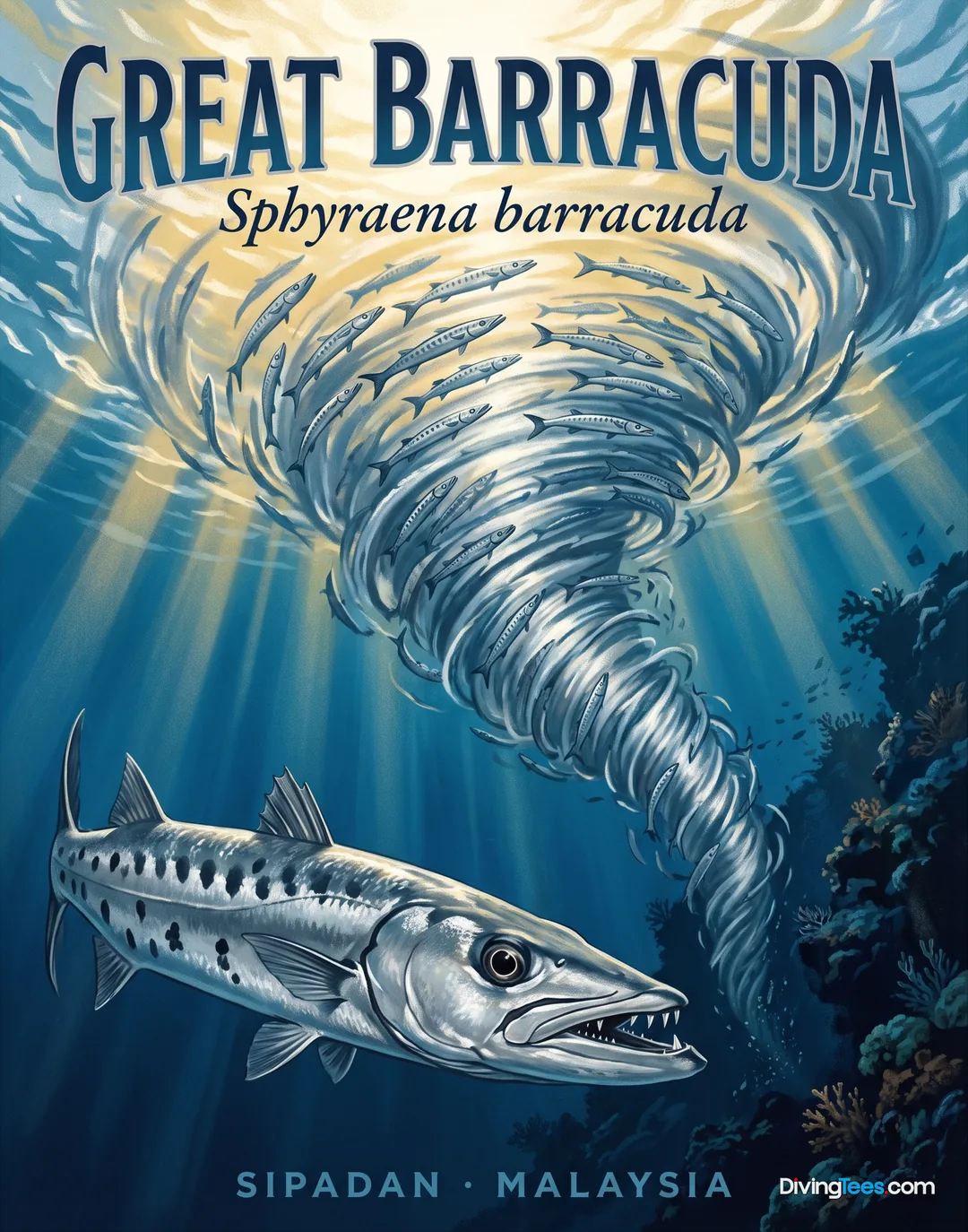
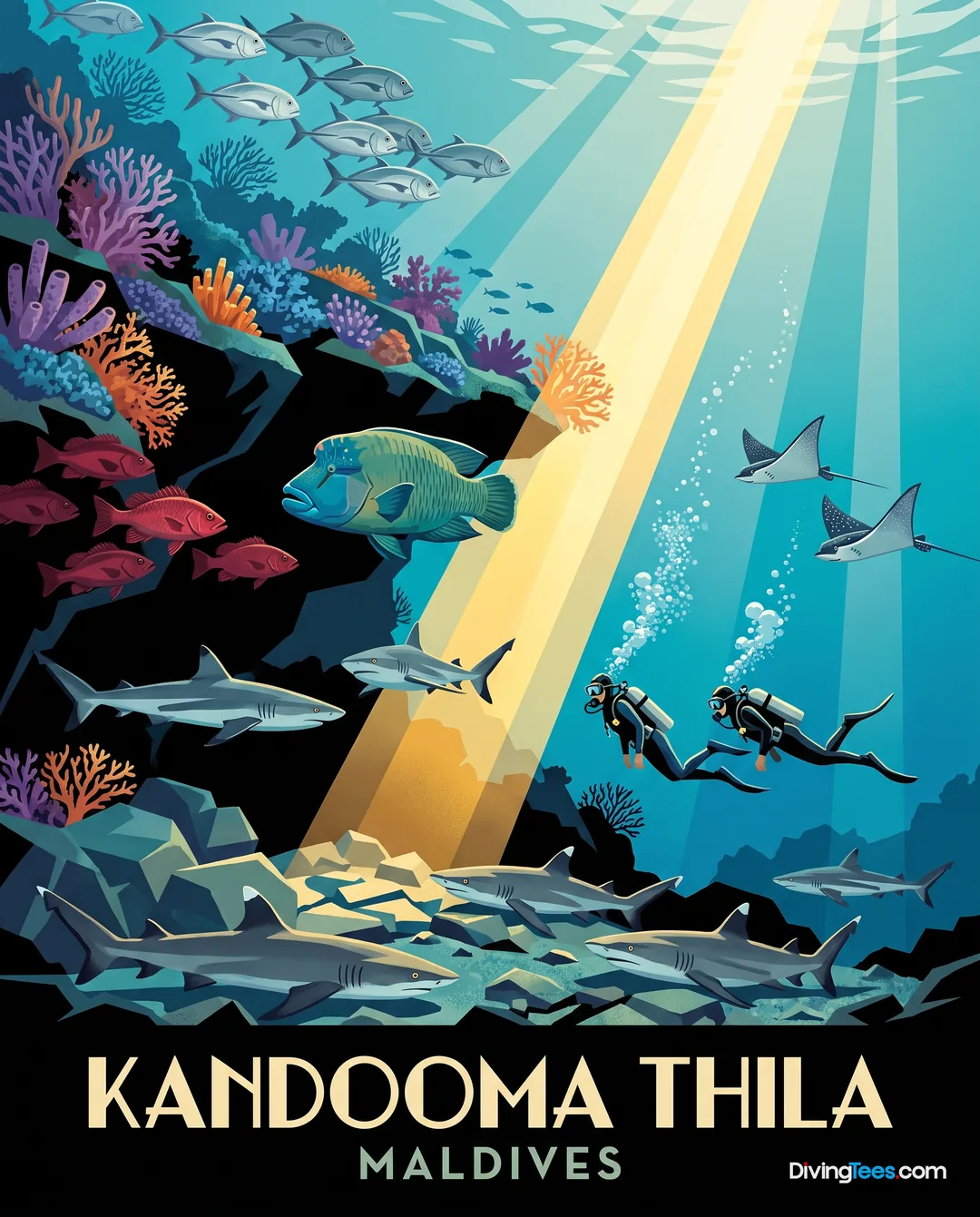
Dhigalhi Haa is particularly noted for its schooling pelagic fish and frequent reef shark sightings. Around the current-swept edges of the thila, you can expect to encounter grey reef sharks and whitetip reef sharks patrolling. Large schools of tuna, trevally, and barracuda are also common, often circling the pinnacle in the blue. The interaction between these predators and the schooling fusiliers, snappers, and jacks creates a dynamic underwater spectacle, especially when the current is running.
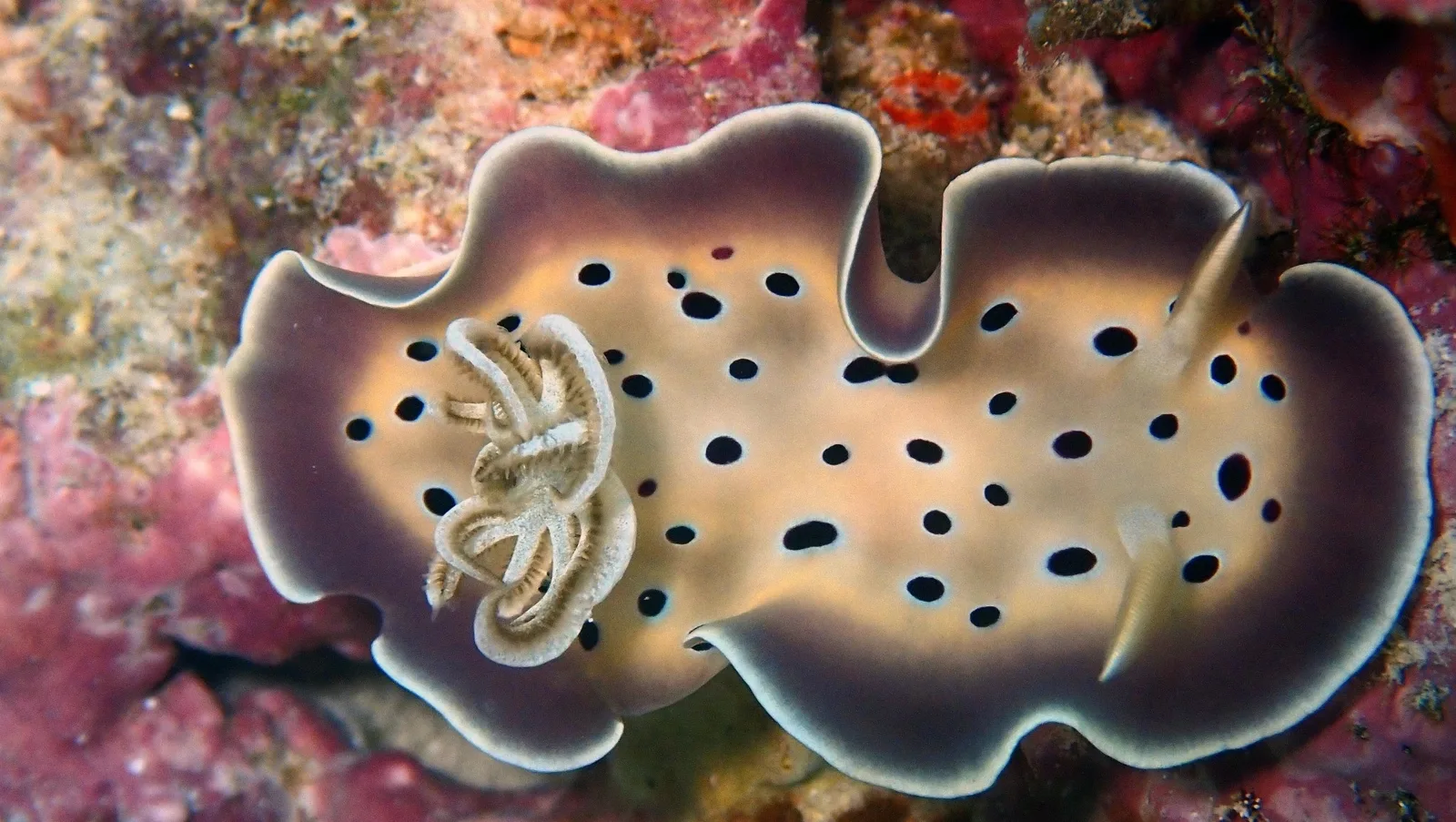
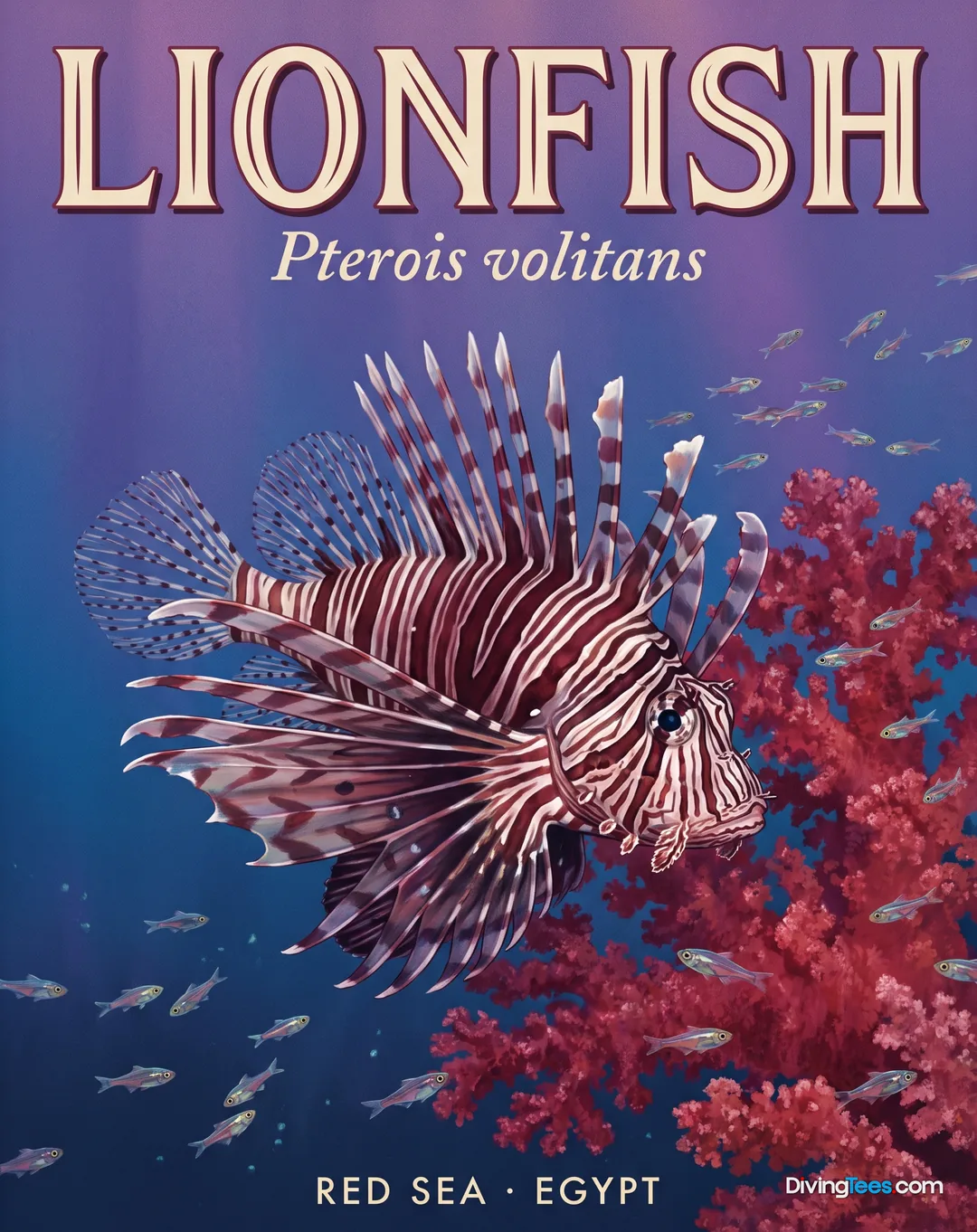
Beyond the larger pelagics, the reef itself hosts a diverse community of resident fish. You'll find batfish, bannerfish, angelfish, and butterflyfish moving among the corals. Moray eels are often spotted in crevices, while scorpionfish and lionfish blend into the reef structure, requiring a keen eye to spot. The presence of nudibranchs and various soft corals, including sea fans, adds to the macro diversity, rewarding those who take the time to explore the smaller details of the thila's surface.
The site's status as one of the first declared marine protected areas in Baa Atoll, and its inclusion in the UNESCO Baa Atoll Biosphere Reserve, underscores its ecological significance. This protection has allowed the ecosystem to flourish, making Dhigalhi Haa a highlight dive in the atoll. The combination of healthy coral, abundant reef fish, and consistent pelagic action, all influenced by the dynamic currents, creates a dive experience that is both challenging and incredibly rewarding.
Dhigalhi Haa is best suited for advanced or experienced divers comfortable with currents and blue-water descents. The dive profile typically ranges from a minimum depth of 8 metres on the reef top down to a maximum of 30 metres along its sloping sides. Currents are variable and can be strong, especially during tidal changes and monsoon conditions, necessitating good current diving techniques. Visibility generally ranges between 15 and 30 metres. The site is divable year-round, with December to April offering the calmest seas and clearest visibility, though pelagic activity remains consistent throughout the year.
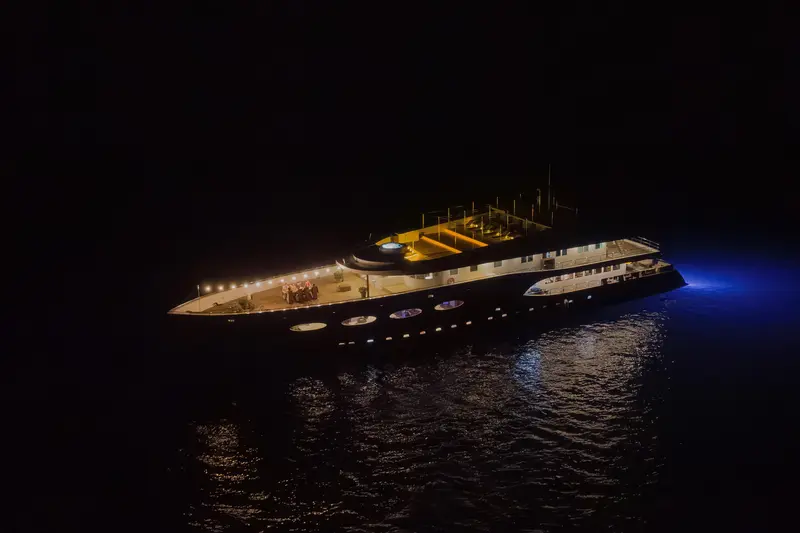
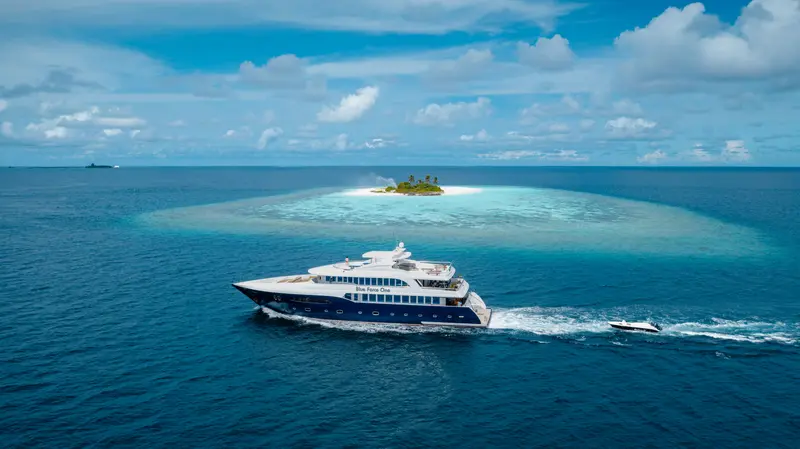
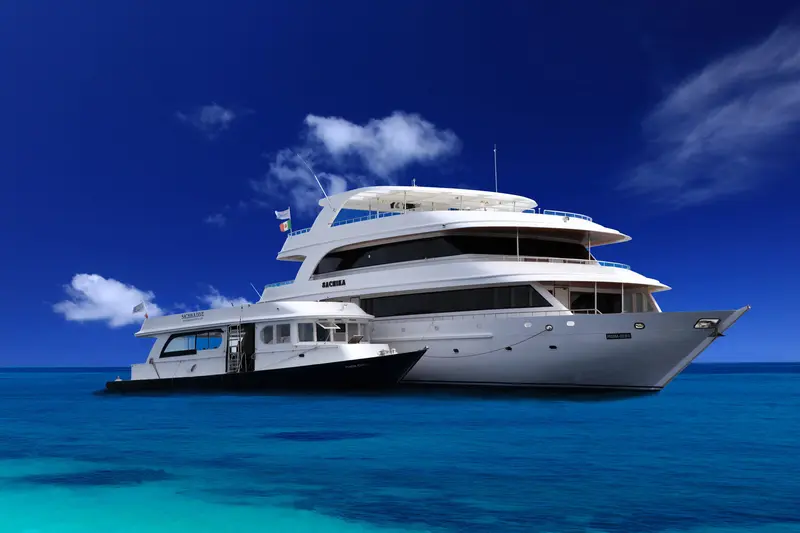
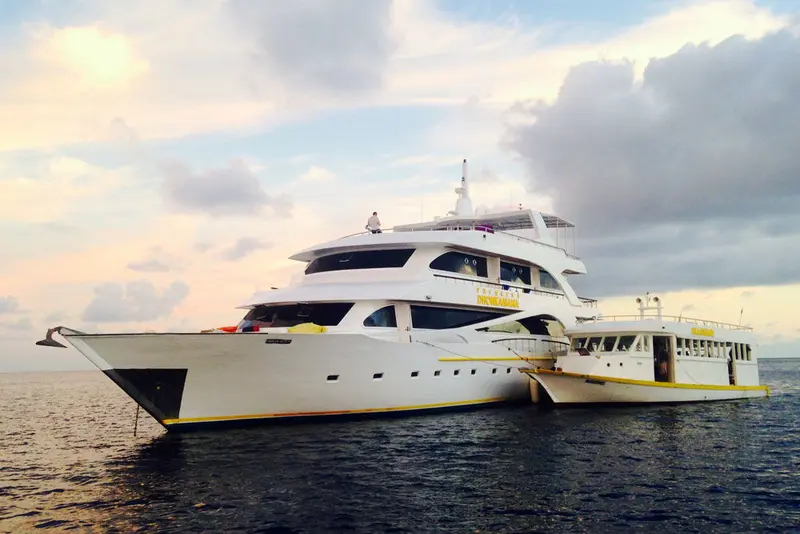
38 liveaboards depart from Male another way to explore the region, over several days at sea.
You can dive Dhigalhi Haa Marine Reserve year-round, with December to April offering calmer seas and clearer visibility. Pelagic activity remains consistent throughout the year, so timing also depends on your interest in the site’s regular shark, tuna, trevally, and barracuda encounters around the submerged pinnacle.
Dhigalhi Haa Marine Reserve is suited to advanced or experienced divers who are comfortable with currents and blue-water descents. You should be confident using good current-diving techniques and managing an approach to an offshore pinnacle, where the direction and strength of the water can affect your dive plan.
Dhigalhi Haa Marine Reserve begins at around eight metres on the reef top and slopes down to thirty metres along its sides. The submerged pinnacle has ledges, overhangs, branching acropora, and coral-covered areas to explore across this profile, with the deeper sections extending along the thila’s sloping structure.
Currents at Dhigalhi Haa Marine Reserve are variable and may become strong during tidal changes and monsoon conditions. They attract grey reef and whitetip reef sharks, schools of tuna, trevally, and barracuda, plus fusiliers, snappers, jacks, and diverse reef life among red coralline algae and acropora corals.