Liveaboards · Maldives
Blue Force One — a resort-sized liveaboard built around diving
What makes this boat unique
- Blue Force One carries up to 24 passengers in 12 air-conditioned cabins, each with a private bathroom.
- Dives are made from a separate dhoni with aluminium S80 tanks, DIN and yoke fittings, three compressors, and membrane nitrox.
- The Central Atolls route runs for 8 days and 7 nights from Malé to Malé, with 18 dives across six diving days.
- Two outdoor jacuzzis, several sun decks, an outdoor bar, and a large open-air restaurant make the boat workable for non-divers too.
For subtitles in English: start the video firstthen click the gearat the top right of the video, select “Subtitles/CC”, then “Auto-translate” and choose “English”.
The invitation
Blue Force One is for the diver who wants Maldivian current dives without giving up the space and privacy of a comfortable yacht. The reason to choose it over a tighter, purely functional liveaboard is the separation between the diving operation and the living space: compressors, tanks, and wet equipment stay on the dhoni while the main boat remains quiet and dry. The Central Atolls route adds the classic Maldivian mix—channels, thilas, cleaning stations, reef sharks, mantas, and the chance of a whale shark—without making the week about diving alone. A non-diving partner has somewhere genuinely pleasant to spend the day, not just a spare seat in the saloon. The boat suits a trip where the underwater programme matters first, but the hours between dives still deserve room.
Boarding
From the dock, Blue Force One presents more like a small yacht than a stripped-back dive platform. Its broad hull, three decks, open exterior spaces, and clean modern lines explain the boat's character before anyone reaches the cabins: this is a liveaboard designed to make long crossings and full weeks at sea comfortable. Once aboard, movement is straightforward. The dive operation is kept away from the main living areas, leaving the saloon, restaurant, terrace, and sun decks free of tanks and drying gear. The open-plan lounge has room for briefings and evenings without the boxed-in feel of a narrow cabin cruiser. It is not a boat chosen for an old wooden-coaster atmosphere or a rough expedition aesthetic. It is a polished, spacious base for a route where the boat may be underway between atolls and the sea remains part of the view all day.
The atmosphere on board
The atmosphere is shaped by a fixed working crew and by a boat large enough for people to spread out without becoming anonymous. English and Spanish are spoken on board. Guides and crew handle the practical repetition that makes a diving week work—briefings, transfers, tanks, meals, cabins, and the return from the water—while the open saloon gives everyone a natural place to regroup. In the evening, the boat shifts away from dive logistics: guests use the outdoor bar and terrace, eat outside, watch films in the lounge, or stay on the sun decks. The strong crew and food scores matter here because they point to what a diver actually gains: fewer small frictions across a week of repeated dives. Blue Force One is sociable without forcing every hour into a group activity.
The sites you’ll dive
The Central Atolls route runs from Malé to Malé for 8 days and 7 nights, covering North Malé, South Malé, Felidhoo, and Ari with 18 dives across six diving days. Barracuda Giri drops onto three submerged pinnacles, where strong current can gather barracudas and pelagic fish; the site reaches -30m. Banana Reef is a lively reef landmark near Thulhagiri, with reef sharks, eagle rays, anemones, and dense reef life. At Mushimasmigili Marine Reserve, Mushimasmigili Thila rises in isolation and the up-current pinnacle is known for grey reef sharks; the maximum is -30m. Dhonkalo is a cleaning station in a sandy channel where mantas gather, to -25m. Maamigili and Maamigili Beiyru lie in the South Ari protected area, where whale sharks and mantas are the draw; both reach -30m. Kudarah Thila adds clefts, overhangs, caves, and batfish schools, also to -30m. Myaru Kandu is the Shark Channel, with grey and whitetip sharks in a drift to -30m. Foththeyo Kandu is narrower and more demanding: caves covered in yellow soft coral meet strong current and pelagics to -40m. Dhigu Thila, Guraidhoo Marine Reserve, Dhigalhi Haa, Dhonfanu, and Hanifaru Bay complete a route built around channels, pinnacles, cleaning stations, manta activity, and protected reef water. Hanifaru Bay is the standout surface spectacle, where hundreds of reef mantas may feed in cyclone formation when conditions and regulations allow.
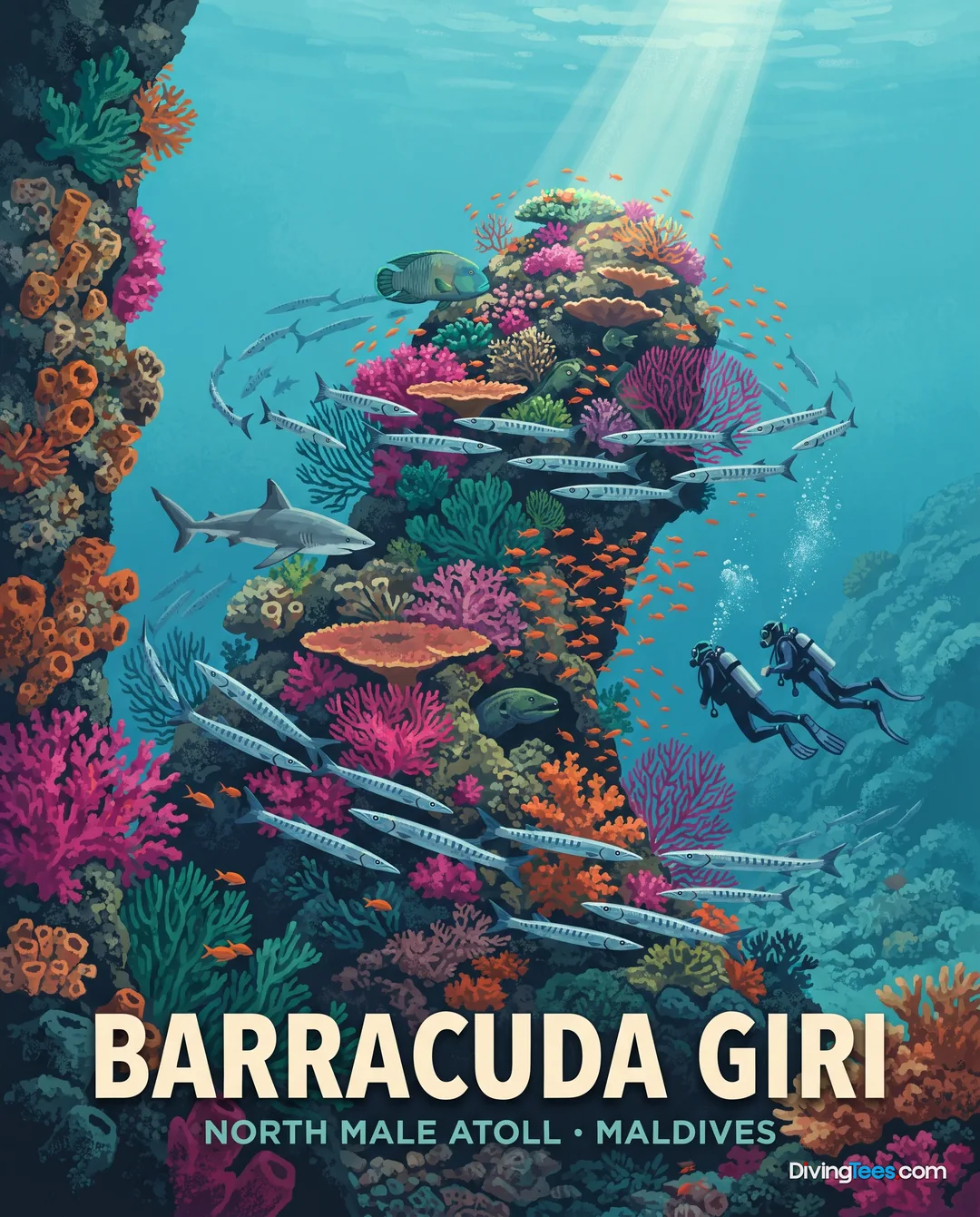
Barracuda Giri →
Max. depth · 30 m
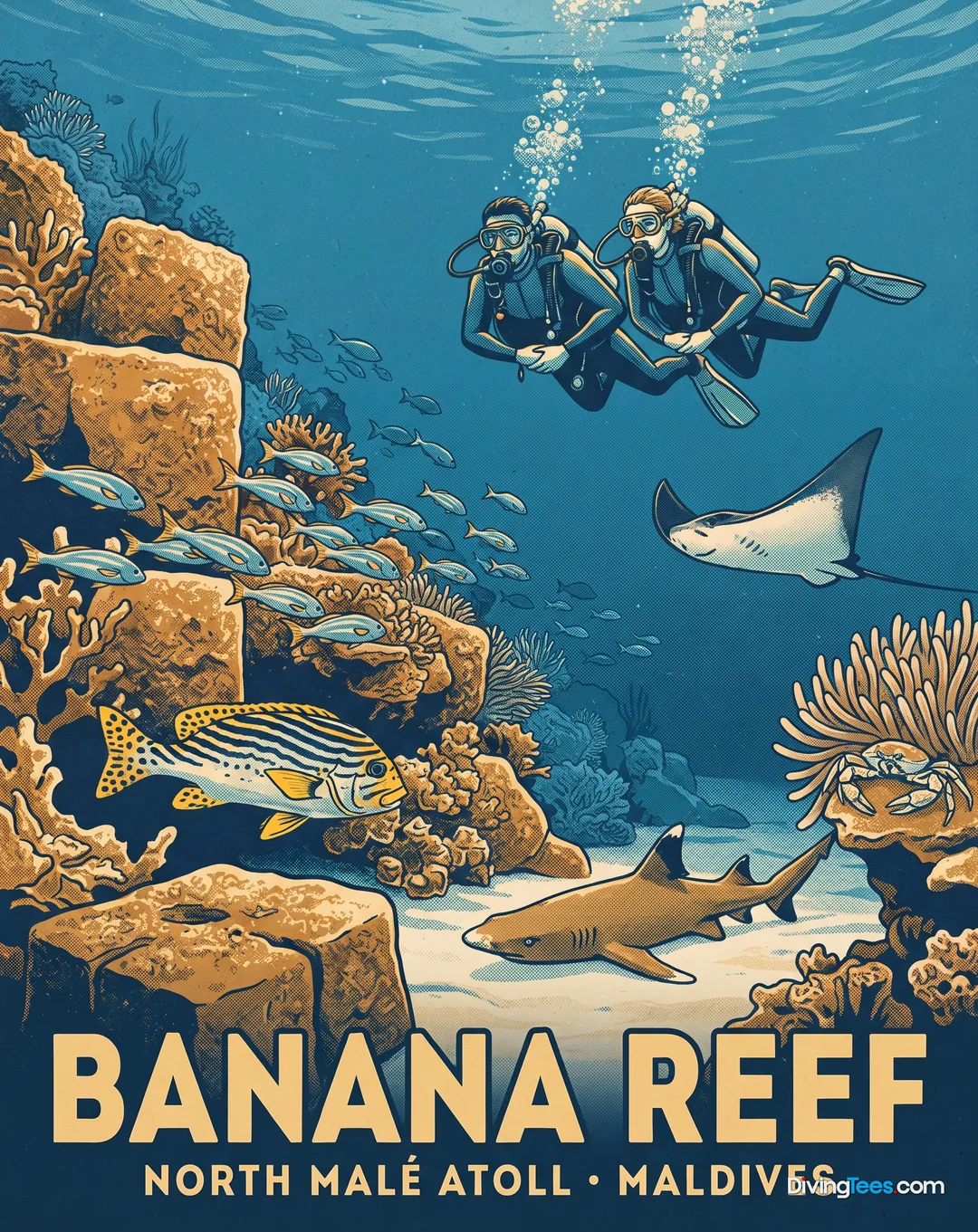
Banana Reef →
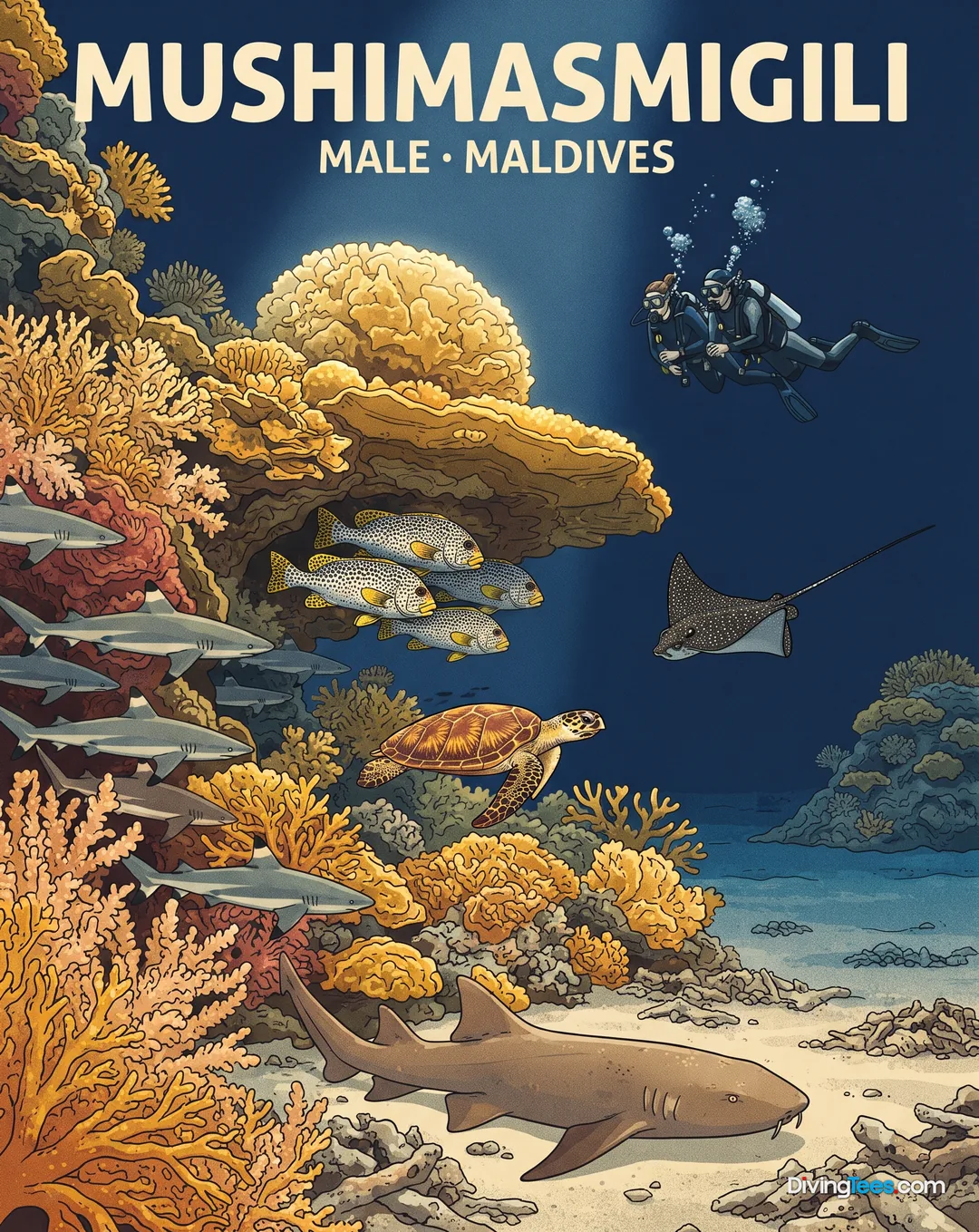
Mushimasmigili Marine Reserve →
Max. depth · 30 m
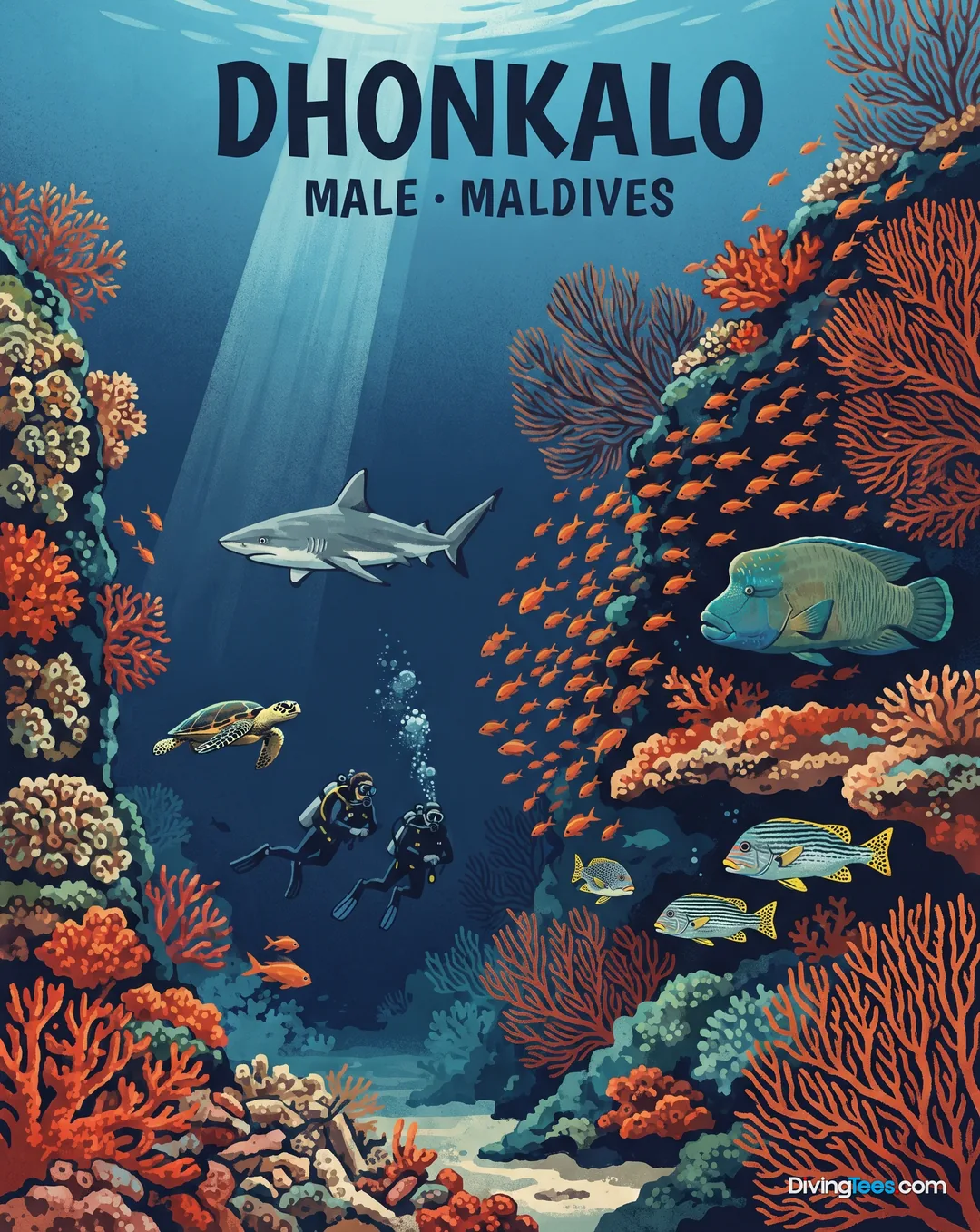
Dhonkalo →
Max. depth · 25 m
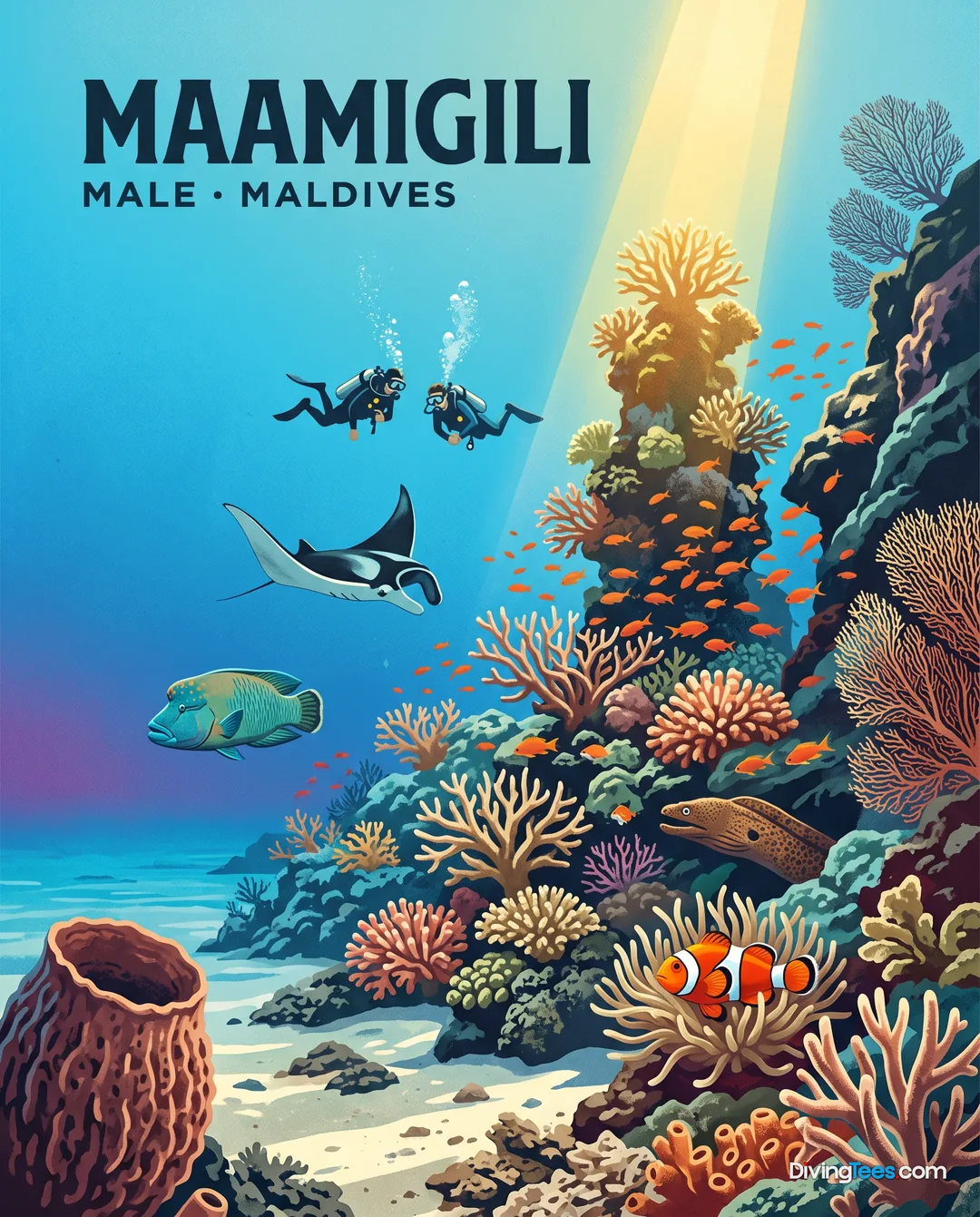
Maamigili →
Max. depth · 30 m
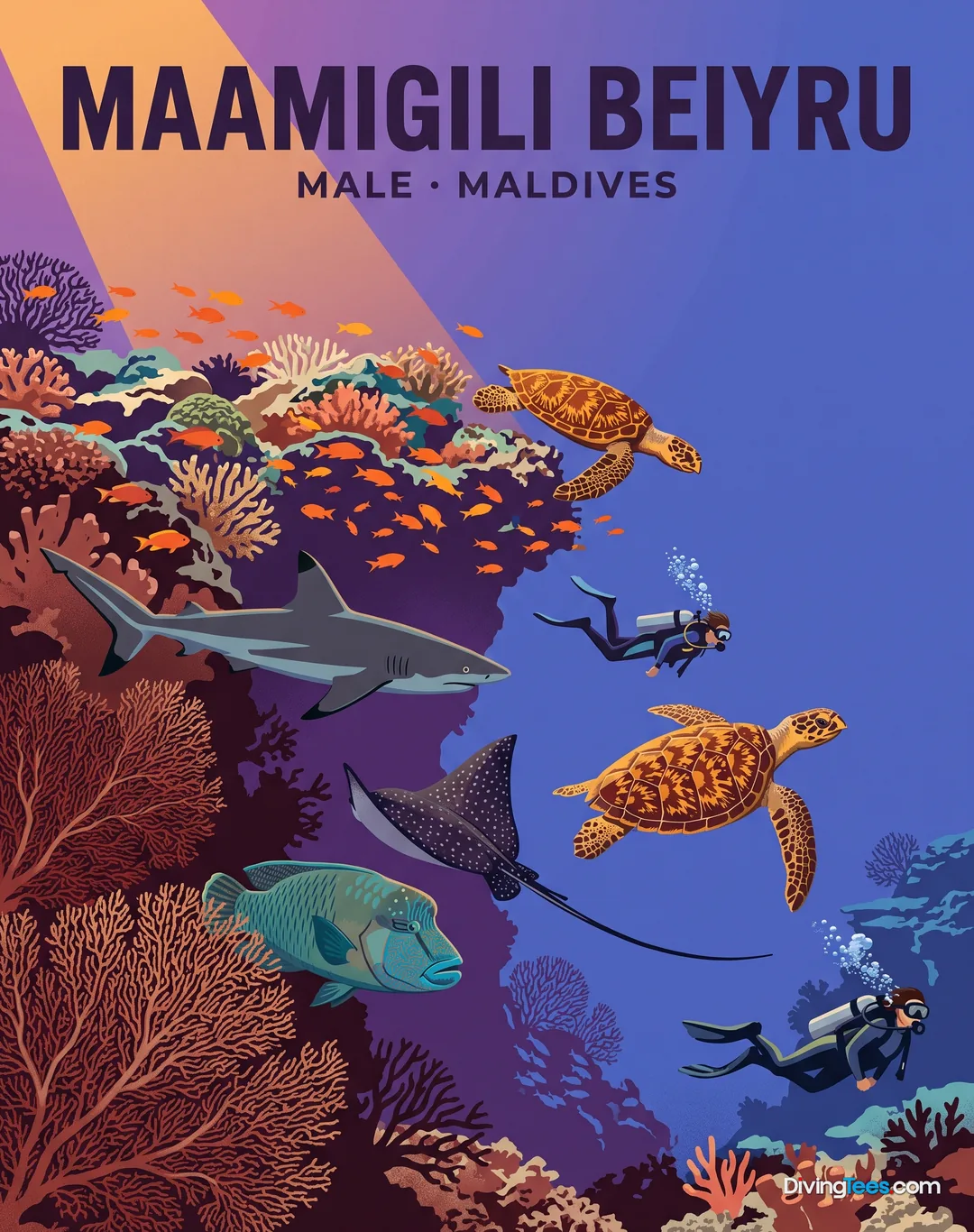
Maamigili Beiyru →
Max. depth · 30 m
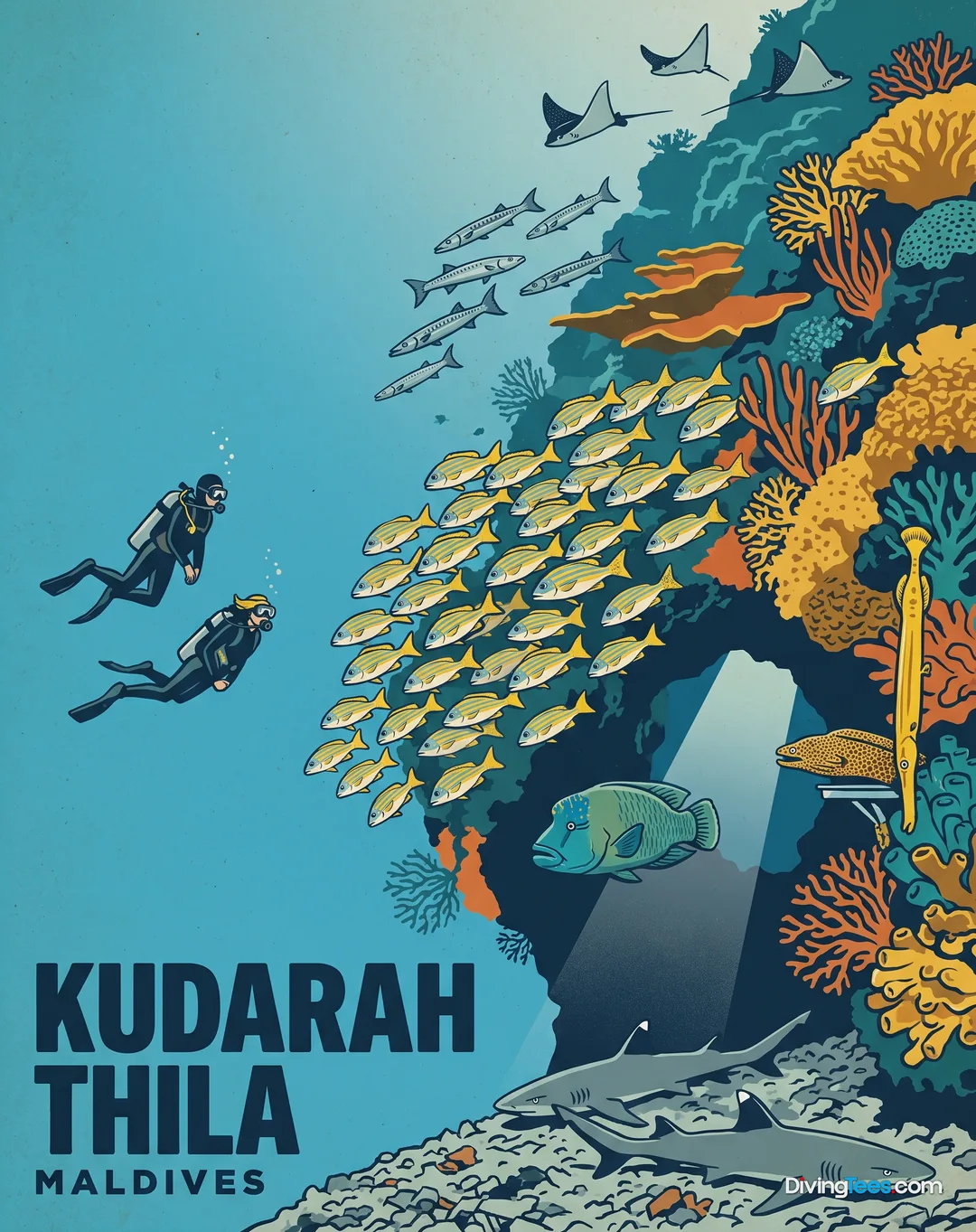
Kudarah Thila →
Max. depth · 25 m
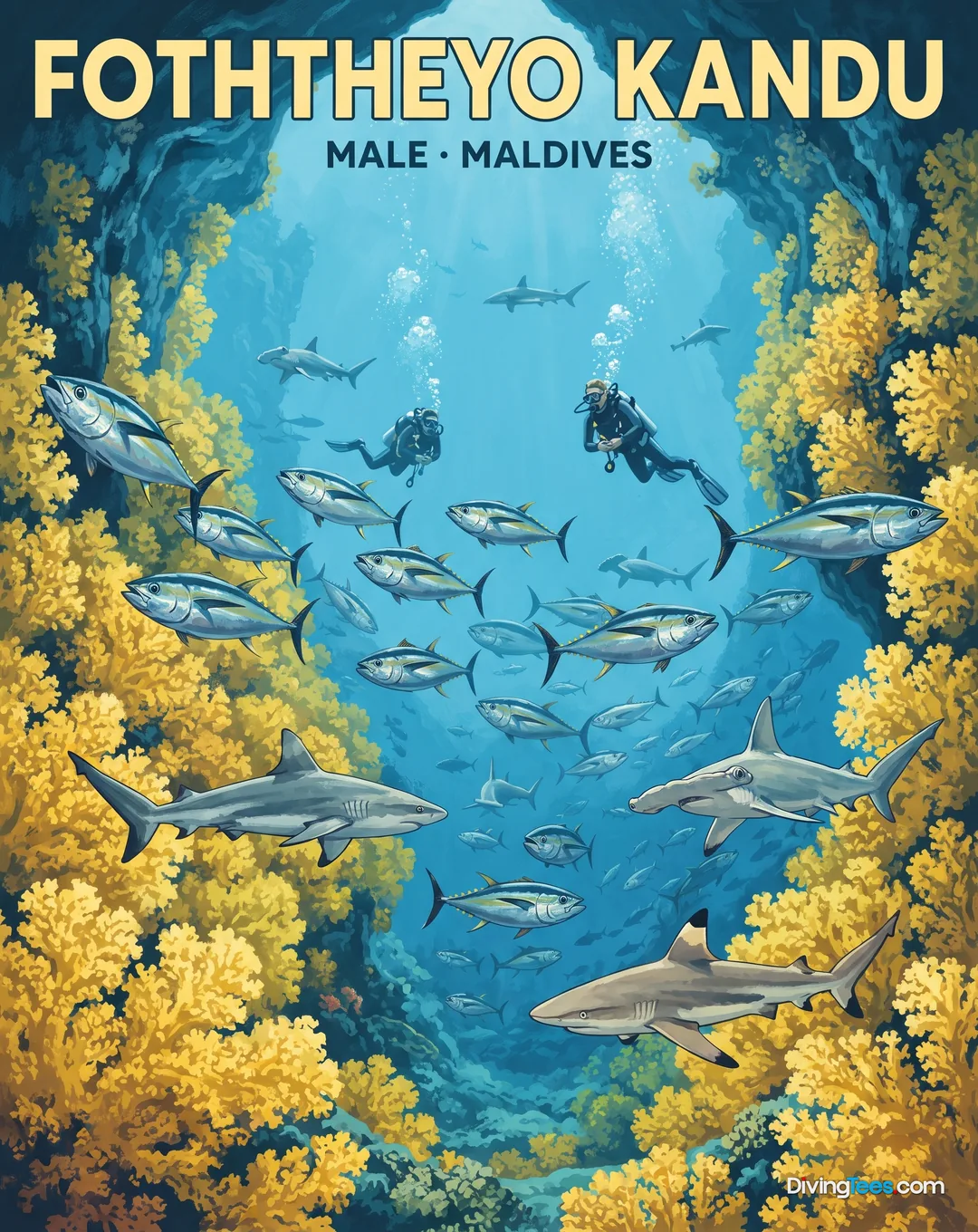
Foththeyo Kandu →
Max. depth · 40 m
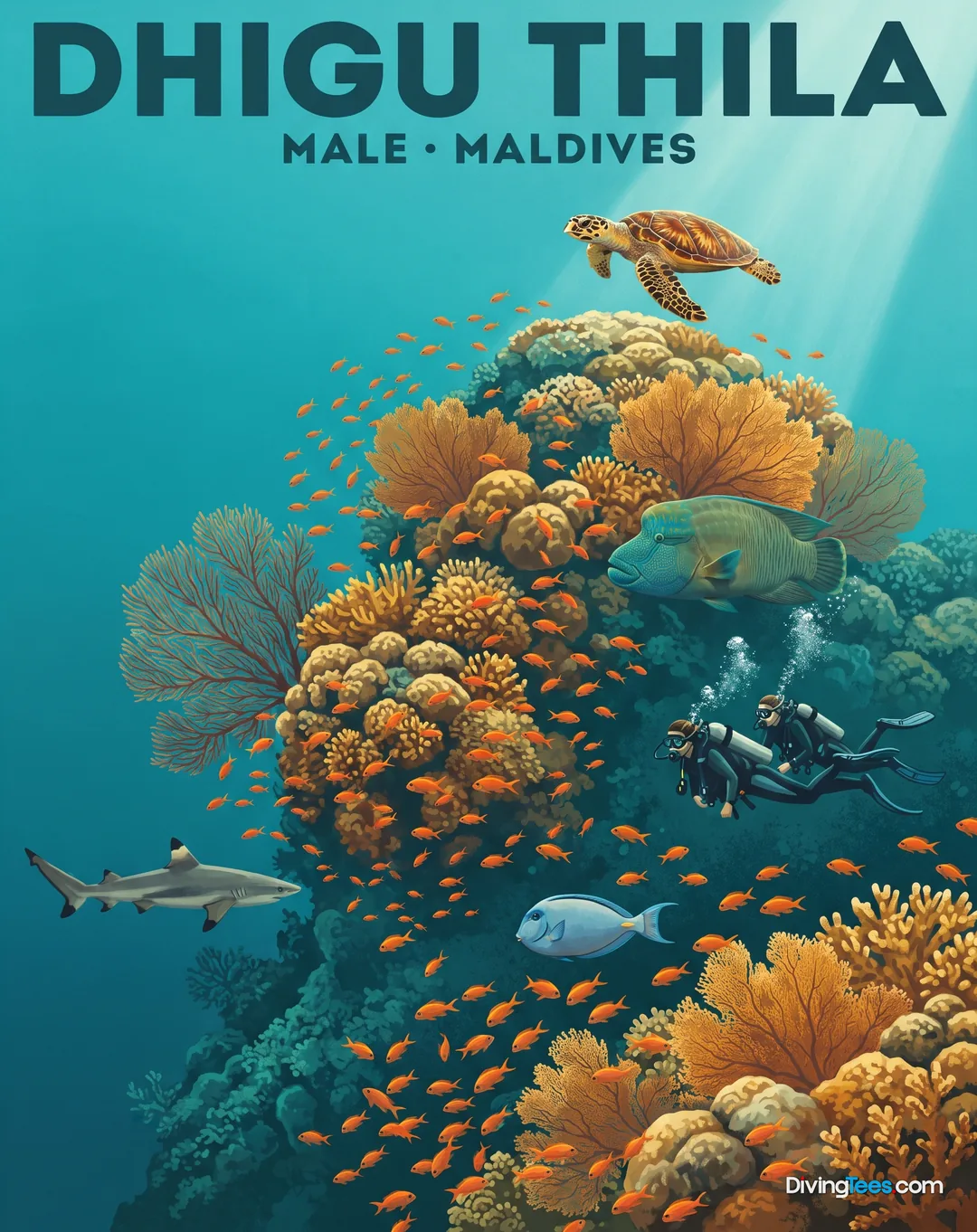
Dhigu Thila →
Max. depth · 30 m
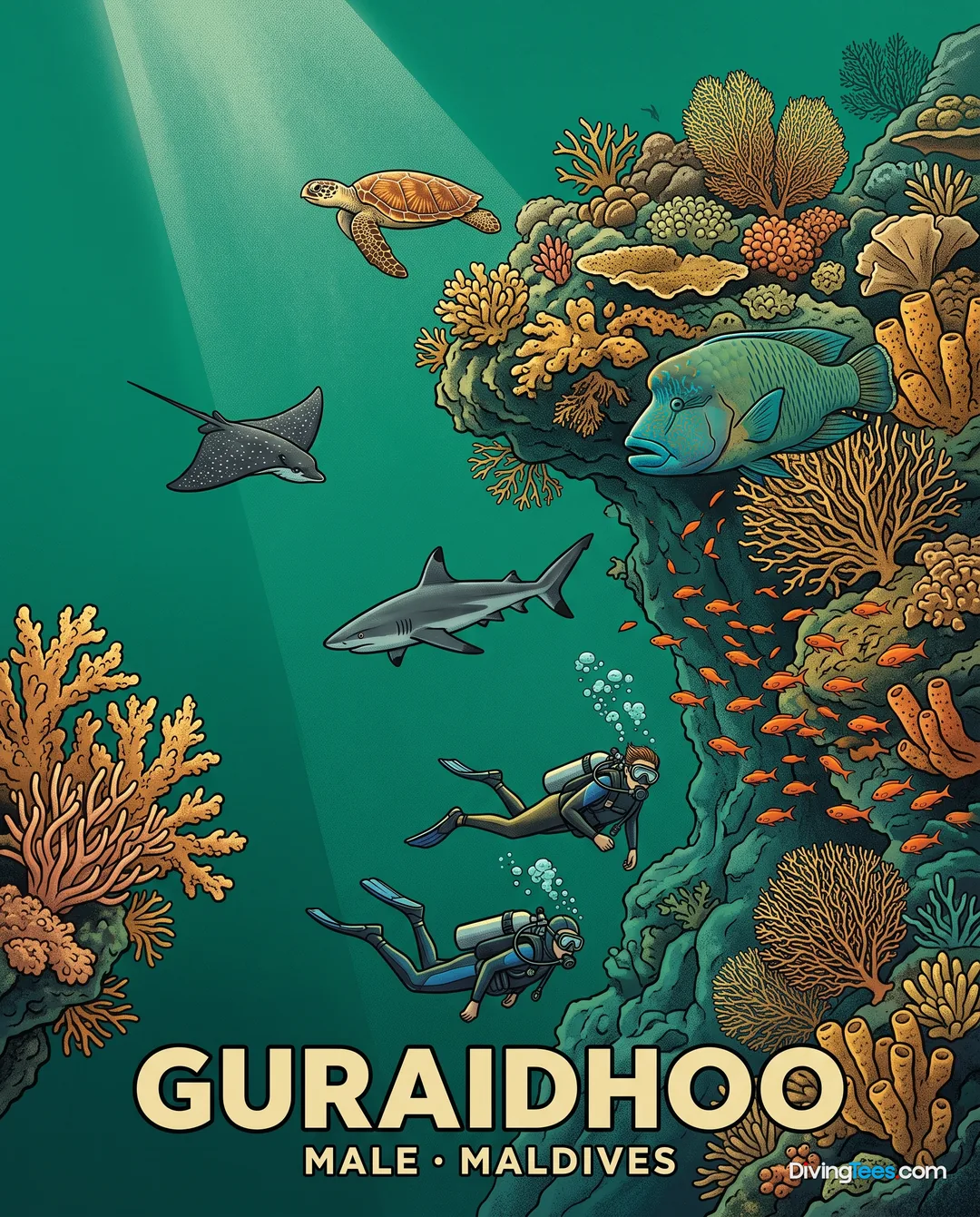
Guraidhoo Marine Reserve →
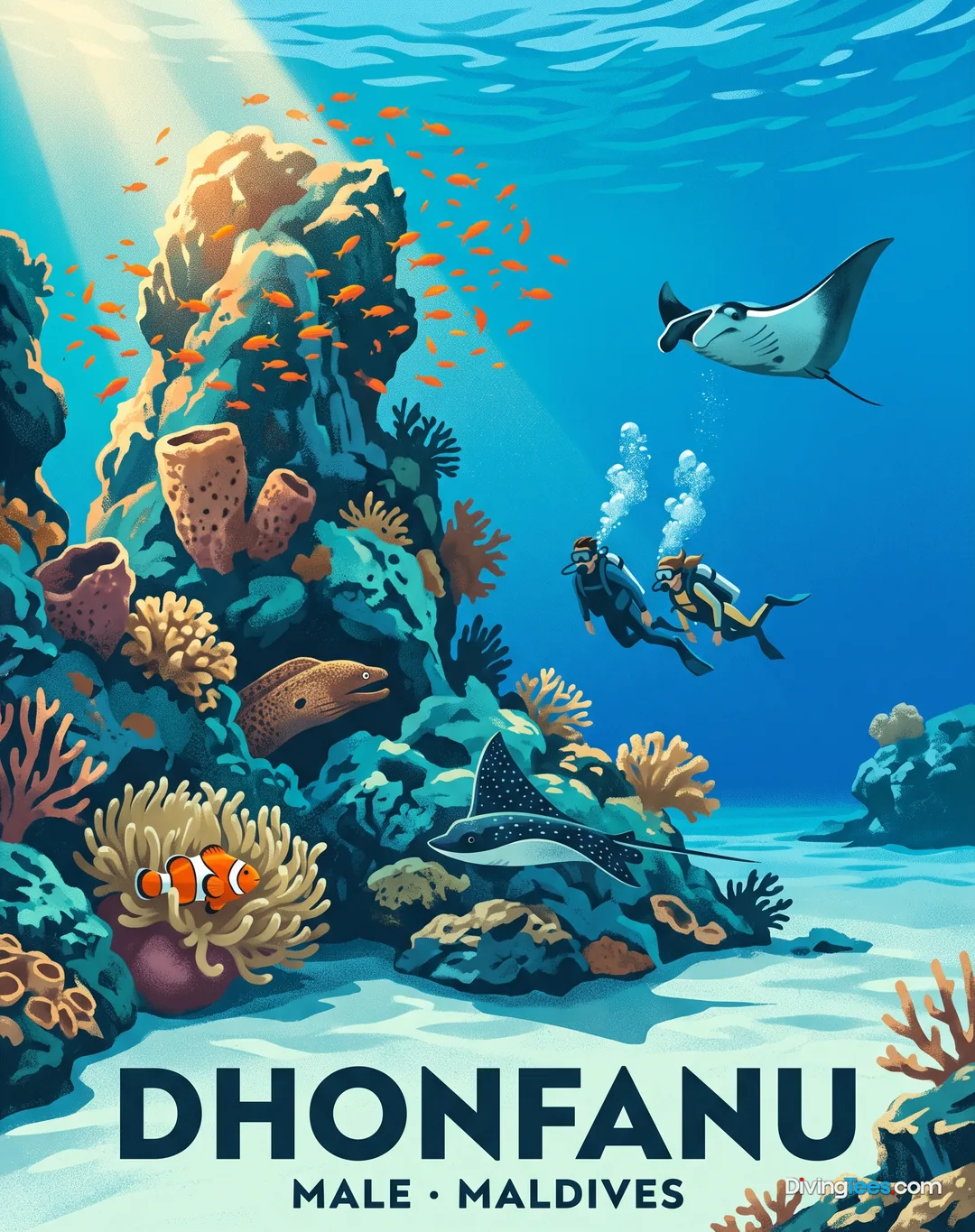
Dhonfanu →
Max. depth · 30 m
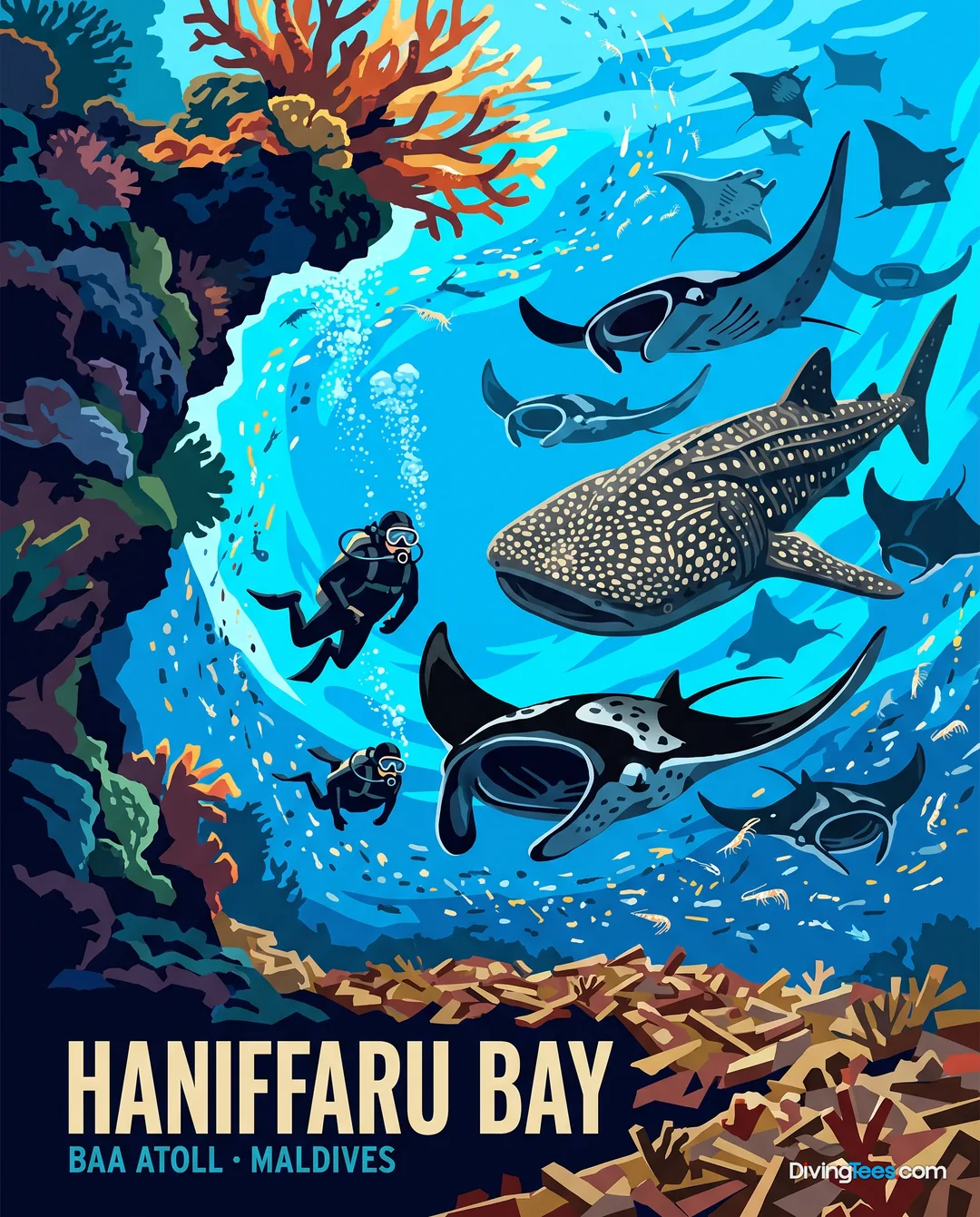
Hanifaru Bay →
What you’ll meet underwater
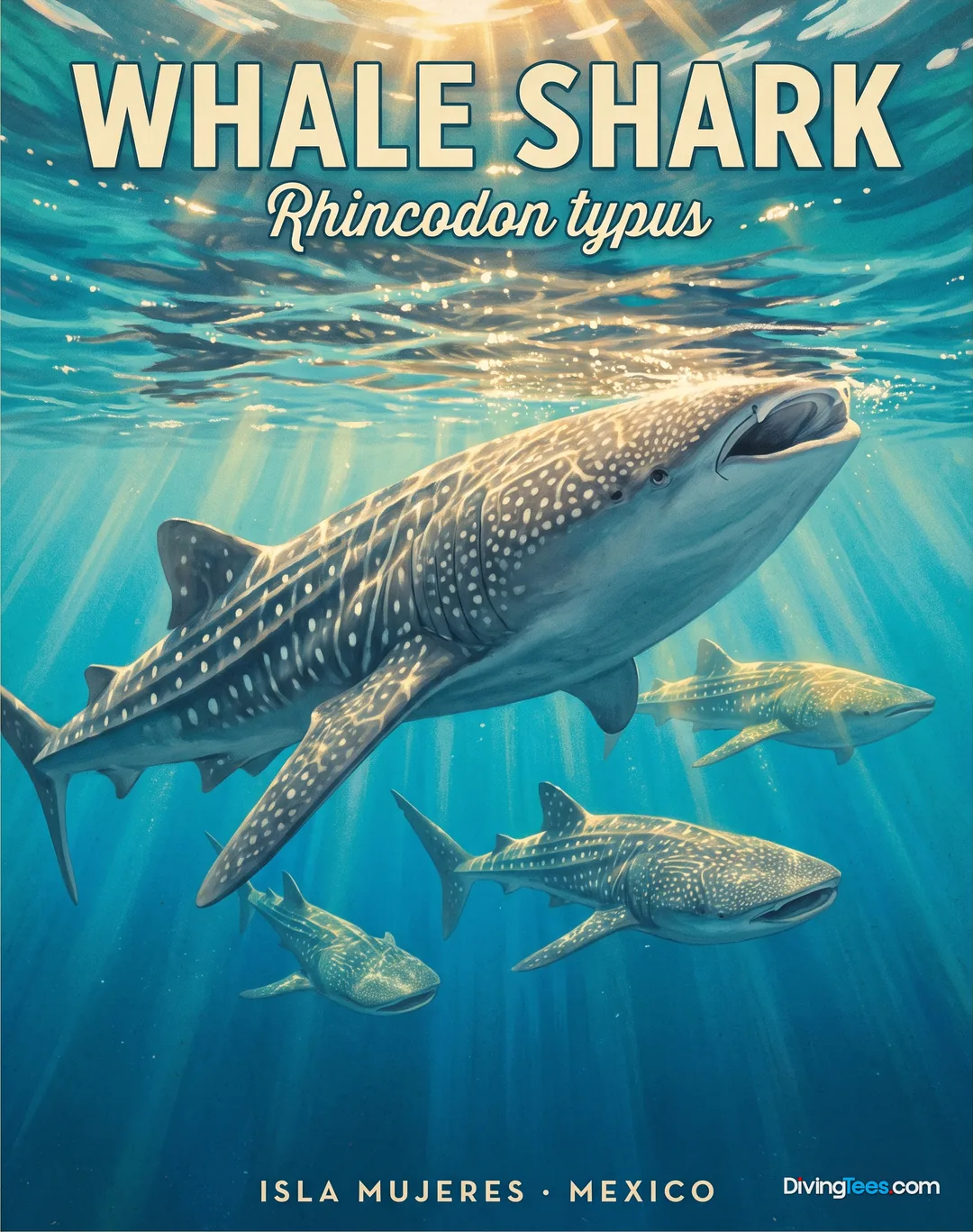
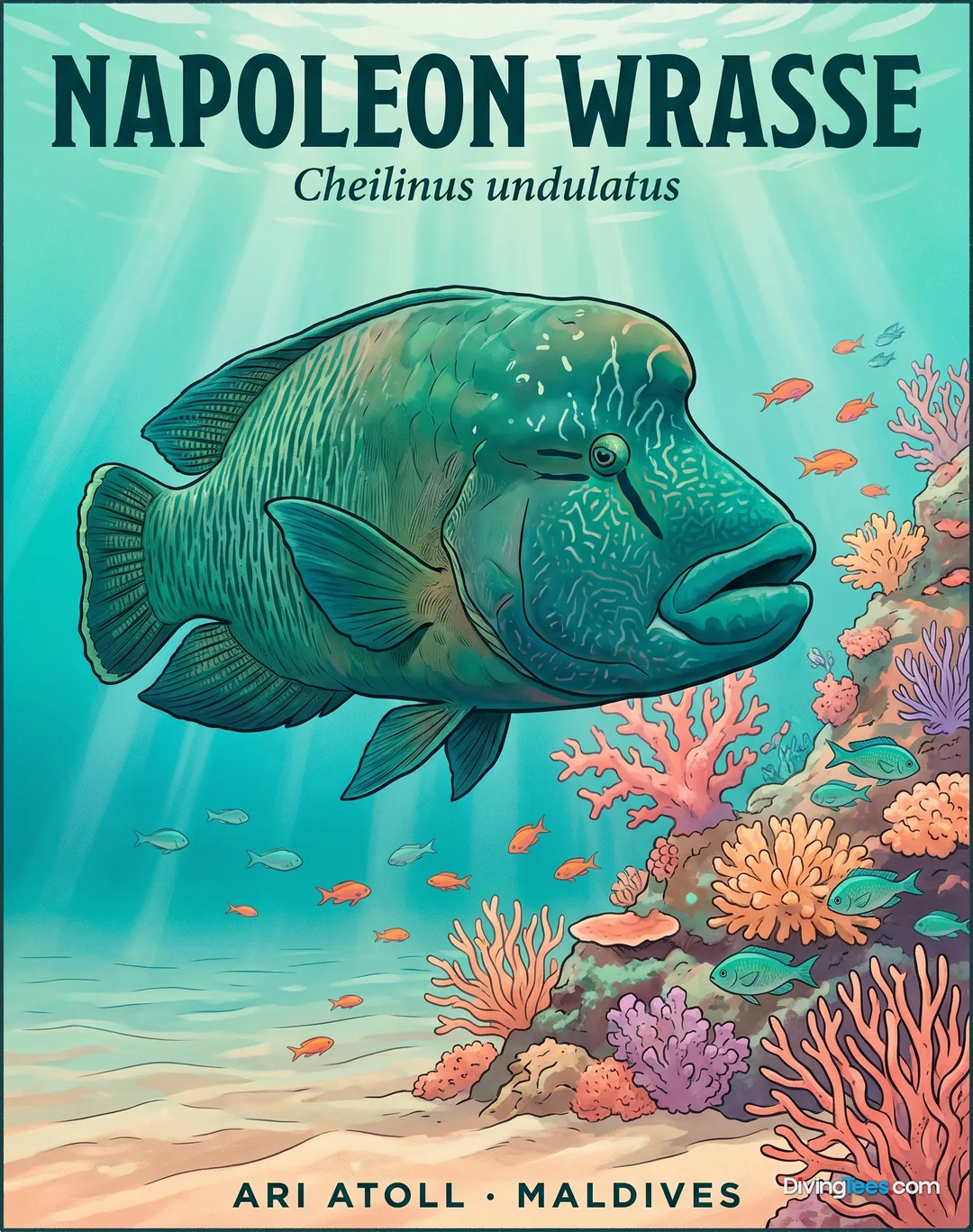
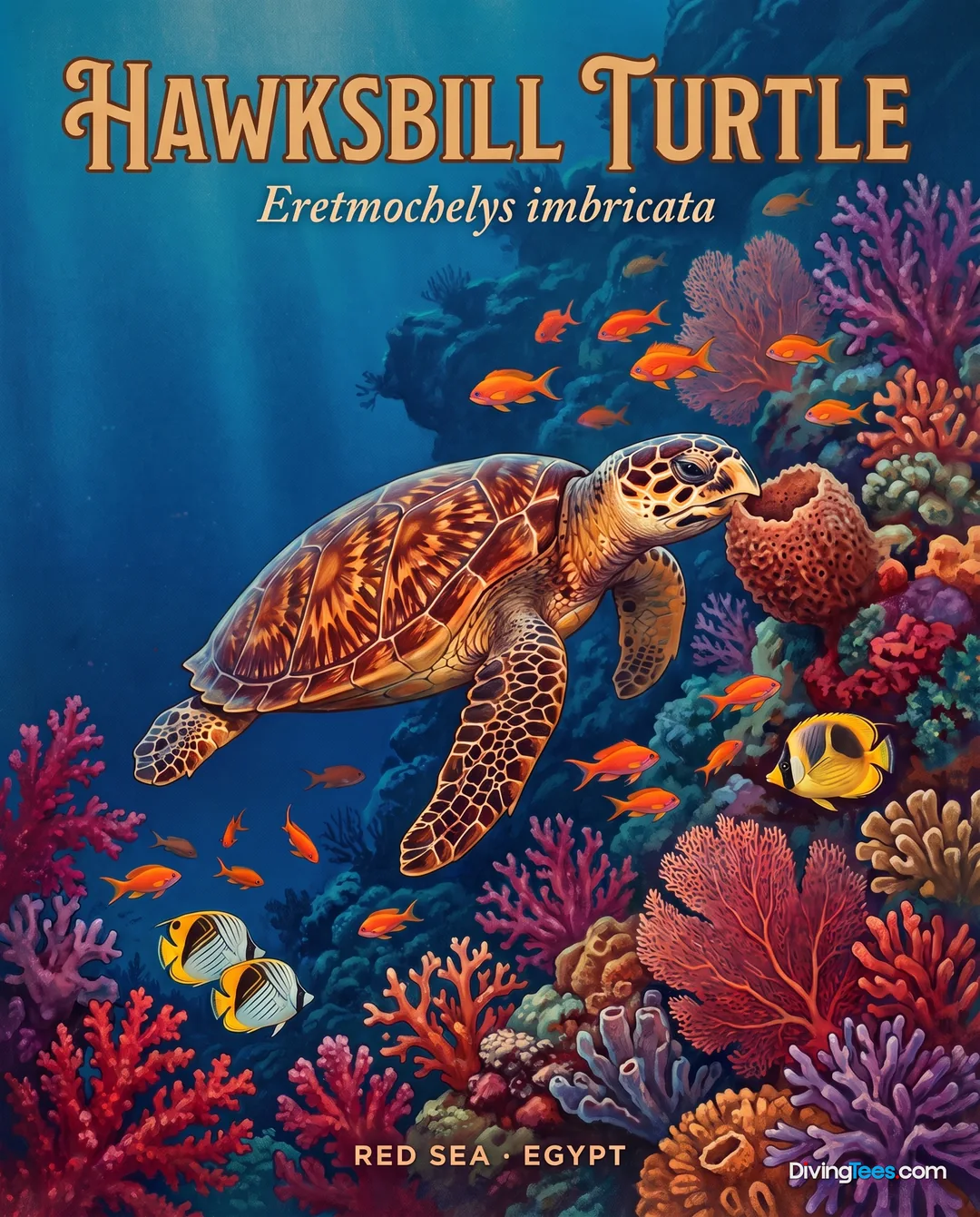
The recurring cast is substantial: Napoleon wrasse, fusiliers, grey reef sharks, manta rays, tuna, turtles, eagle rays, barracudas, jacks, trevallies, morays, and batfish appear across several sites on this route. Channels and thilas are where the current concentrates the larger animals, while cleaning stations give mantas a reason to hold position rather than simply pass through. Whale sharks are recorded at four sites, including Maamigili, Maamigili Beiyru, and Hanifaru Bay, but the encounter remains a matter of conditions and luck. The single-site details are worth remembering. Barracuda Giri is the place for groupers and anthias; Banana Reef is where anemones stand out; Maamigili has the recorded gaterin and porcupinefish; Dhigalhi Haa Marine Reserve is the site associated with soft coral and gorgonians; and Dhigu Thila is the named site for hawksbill turtles. Hanifaru Bay is the reason many people choose the Central Atolls and Hanifaru departure: when feeding conditions come together, the manta aggregation turns the bay into a moving wall of wings.

Who puts you in the water
The diving crew briefs each site before the dhoni leaves and organises divers according to their experience and the conditions of the day. English and Spanish are spoken on board, and an Advanced Open Water certification or equivalent with around 50 logged dives is recommended for the central routes. Open Water Diver or equivalent is the minimum certification required to dive from the liveaboard. Nitrox certification is required for anyone using nitrox. Advanced and nitrox courses can be run on board when needed, although completing them before departure is the better choice when possible. The boat carries oxygen, first-aid kits, life jackets, fire alarms and extinguishers, and emergency communications equipment including VHF, DSC, SSB, GPS, radar, and satellite phone capability. The diving format suits divers who can manage their own equipment and buoyancy in current, while the guides provide the site briefing and local decisions that matter before entry.
The dive deck and the gear
Diving is organised from a dedicated platform and carried out from a separate dhoni, so the main boat stays clear of tanks, compressors, and wet equipment. The dhoni carries the diving equipment and the compressors, and its independent operation lets it approach shallow coral more easily and collect divers where they surface. There are two tenders in the boat's operation, including the dhoni and a smaller dinghy used for transfers, island visits, ports, and water activities. Tanks are aluminium S80s with DIN and yoke fittings; S100 tanks can be requested. Three compressors and a membrane nitrox system support the filling operation, with spare compressors and nitrox membranes helping keep diving running if equipment needs attention. Nitrox is optional rather than included. Rental equipment is available but limited, so it must be booked before arrival. The boat also carries SMBs and spool equipment for divers who use their own surface-marker system.
Between dives
Between dives, Blue Force One gives people a choice that many dive boats cannot: disappear into shade and air conditioning, or stay outside with the sea in front of them. The bow and upper areas provide sun loungers, while the bar and terrace make the end of a surface interval less utilitarian than a quick drink beside a gear rack. Kayaks and stand-up paddleboards are available, and island visits or a beach barbecue may fill an afternoon when the route and conditions permit. Non-divers can snorkel, paddle, or simply use the outdoor spaces without getting in the way of the diving operation. The separate dhoni also means the main boat is not continually interrupted by tank handling, compressor noise, and wet equipment. That separation is the real luxury between dives.
A day on board
The day begins with the first briefing before the initial descent, then the boat and dhoni divide the work: divers prepare on the dive platform, while the main boat remains a dry place to return to. Across the six diving days, the programme delivers 18 dives, including day dives and night dives when the itinerary and conditions allow. Breakfast, lunch, and dinner mark the spaces between entries, with snacks available when a diver comes back hungry rather than ready for a full meal. Surface intervals can mean a shaded lounge, a sun deck, a kayak, or a swim from the dhoni. During navigation, the atolls slide past while the crew repositions the boat for the next site. An island visit or beach barbecue may replace the usual quiet afternoon. The week ends with the boat back beside Malé before the early disembarkation and airport transfer.
What you eat aboard
Meals are served full board, with buffet service, local cooking, vegetarian and vegan choices, beer, wine, and snacks available through the day. The outdoor restaurant is the part that matters after diving: meals can be taken at the bow with open air around the table instead of everyone being sent into an enclosed dining room with damp gear hanging nearby. Barbecue on a desert island is included when the route, weather, and logistics allow it, giving the week a meal that belongs to the Maldives rather than to a galley timetable. Food scores strongly because variety is useful here. With 18 dives spread across six diving days, meals are not an event to dress around; they are the reliable refuelling points between a briefing, a rinse, and the next entry into the water.
Nights at sea
The cabins are arranged as Deluxe Cabins, a Master Cabin, Junior Suites, and Master Suites, with private bathrooms, hot showers, air conditioning, towels, a hairdryer, and a safe. The useful difference is not the category name but the way the boat gives each diver a proper place to come back to after repeated saltwater entries. Sea-view cabins are available in the Master Suite and Junior Suite categories, while the lower-deck cabins trade the view for easier access and a quieter sense of being tucked inside the hull. The common areas are air-conditioned, but the best evening space is outside: a covered restaurant, open bar, and separate sun decks where wet swimwear does not take over the room. Two jacuzzis add a resort touch. This is a boat for sleeping in privacy, not for treating the cabin as a storage locker between dives.
Deluxe Cabins
Junior Suite
Master Cabin
Master Suite
What to know before boarding
Blue Force One departs from Malé and returns to Malé on the Central Atolls and Hanifaru route. Airport-to-boat and boat-to-airport transfers are included, with staff meeting arriving guests at Malé Airport and taking them to the dhoni for the transfer aboard. The scheduled boarding is from 11:00 a.m., and disembarkation is at 7:00 a.m. on the final morning. Arriving in Malé the night before is the sensible way to protect the boarding day from flight delays.
Deck plan
- Year built
- 2013
- Length
- 42 m
- Beam
- 11 m
- Maximum number of passengers
- 24
- Number of cabins
- 12
- Number of bathrooms
- 12
- Engines
- Caterpillar 750 hp
- Cruising speed
- 9 knots
- Tenders
- 2
- Website
- blueforcefleet.com ↗
Hello, I'm Marina, DivingDeal.com's AI assistant. I answer in detail about hotels, dive centres and liveaboards.

Thinking about the whole trip and the flights? Talk it over with Edith →
Marina is an AI. Some links are affiliate links: DivingDeal may earn a commission, at no extra cost to you. Bookings are made with the partner.