Liveaboards · Maldives
Scubaspa Yang — a floating Maldives resort built around diving
What makes this boat unique
- A 50-metre liveaboard for up to 26 passengers, with suites on the main deck and panoramic windows.
- A separate 20-metre diving dhoni keeps tanks, compressors and dive preparation away from the yacht.
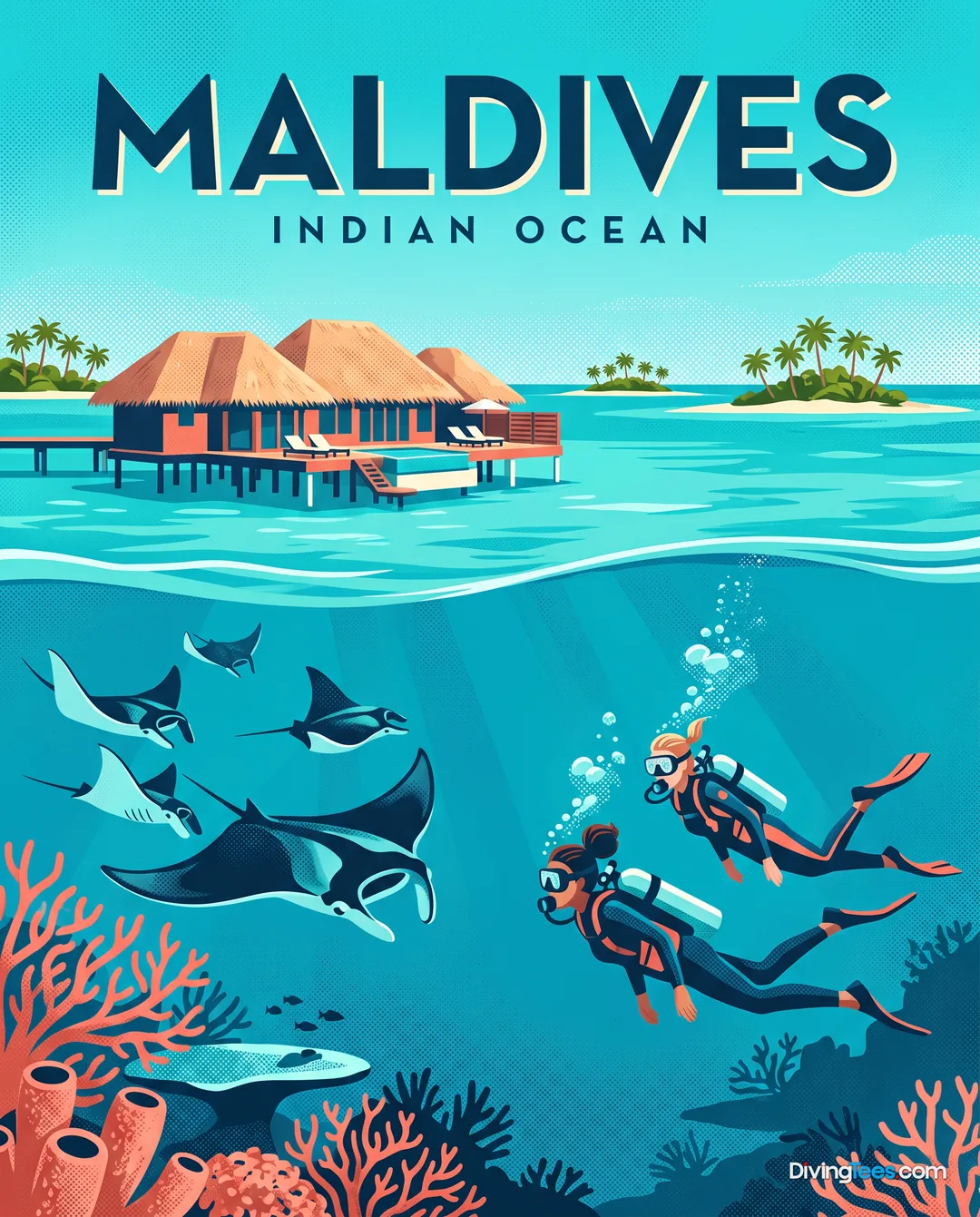
- The Best of Maldives cruise runs from Male to Male over 8 days and 7 nights, with North and South Ari Atoll sites among the route options.
- The boat combines guided diving with a spa, jacuzzi, yoga, outdoor cinema, water sports and activities for non-divers.
For subtitles in English: start the video firstthen click the gearat the top right of the video, select “Subtitles/CC”, then “Auto-translate” and choose “English”.
The invitation
Scubaspa Yang is for divers who want the Maldives beyond a single house reef, but do not want to spend a week in a stripped-down dive platform. The boat moves through the central atolls while a separate dhoni handles the practical work of diving. That leaves the yacht quiet, open and unusually comfortable between descents. A diving partner can spend the same day in the spa, on a sandbank, in a kayak or at yoga without being left behind. The Best of Maldives route is the sensible choice for variety: channels, pinnacles, reef walls, manta cleaning stations and whale-shark water across Male, North Ari, South Ari and Vaavu. It suits divers at different levels, and no minimum number of dives is required on the central itineraries. The reason to choose Yang is simple: the trip remains a serious dive holiday without making every hour on board about tanks and wet gear.
Boarding
From the airport, the first impression is less expedition boat than floating resort: a broad yacht with several open areas, a restaurant, bar and spaces that let people spread out rather than queue around the dive operation. Yang was built as a purpose-designed liveaboard, so movement between the accommodation, shaded seating and open decks feels planned rather than improvised. The diving happens elsewhere, on the dhoni, and that separation changes the whole arrival. There is no compressor dominating the main boat and no procession of kit through the lounge. Transfers from the terminal are handled directly, with guests moved across to the vessel without having to manage their luggage through the changeover. Once aboard, the crew leads an introduction and safety meeting before the welcome dinner. It is a smooth start, but the useful detail is what follows: the yacht is a place to live, while the dhoni is the working dive boat.
The atmosphere on board
Yang’s atmosphere comes from the way the crew keeps a large operation personal. The close staff-to-passenger ratio shows up in small practical things: routines are remembered, transfers are managed without fuss, and the diving team stays visible rather than disappearing behind the resort service. The crew includes local and international staff, with English spoken on board. Passengers tend to form a mixed group quickly around the bar, the dive briefings and the day’s marine-life sightings, but the layout leaves enough distance for people who do not want constant company. Evenings have a deliberate social side: outdoor dinners, sunset drinks, beach visits and an open-air film on the spa deck. The crew’s role is not just to serve those events. They connect the two halves of the trip, making sure a diver can move from a current dive to lunch while a non-diver returns from a treatment or island visit. That is why the boat feels polished without becoming formal.
The sites you’ll dive
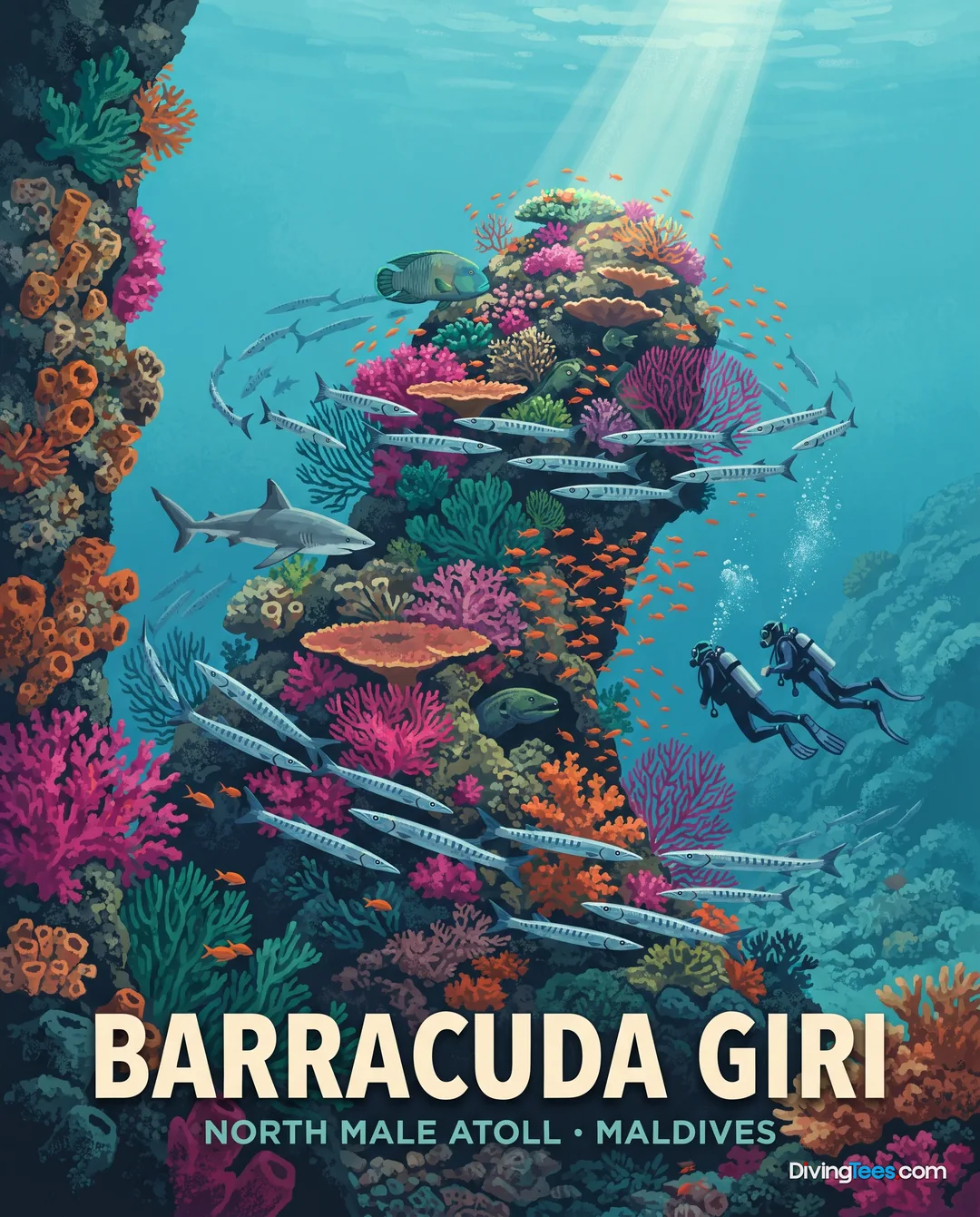
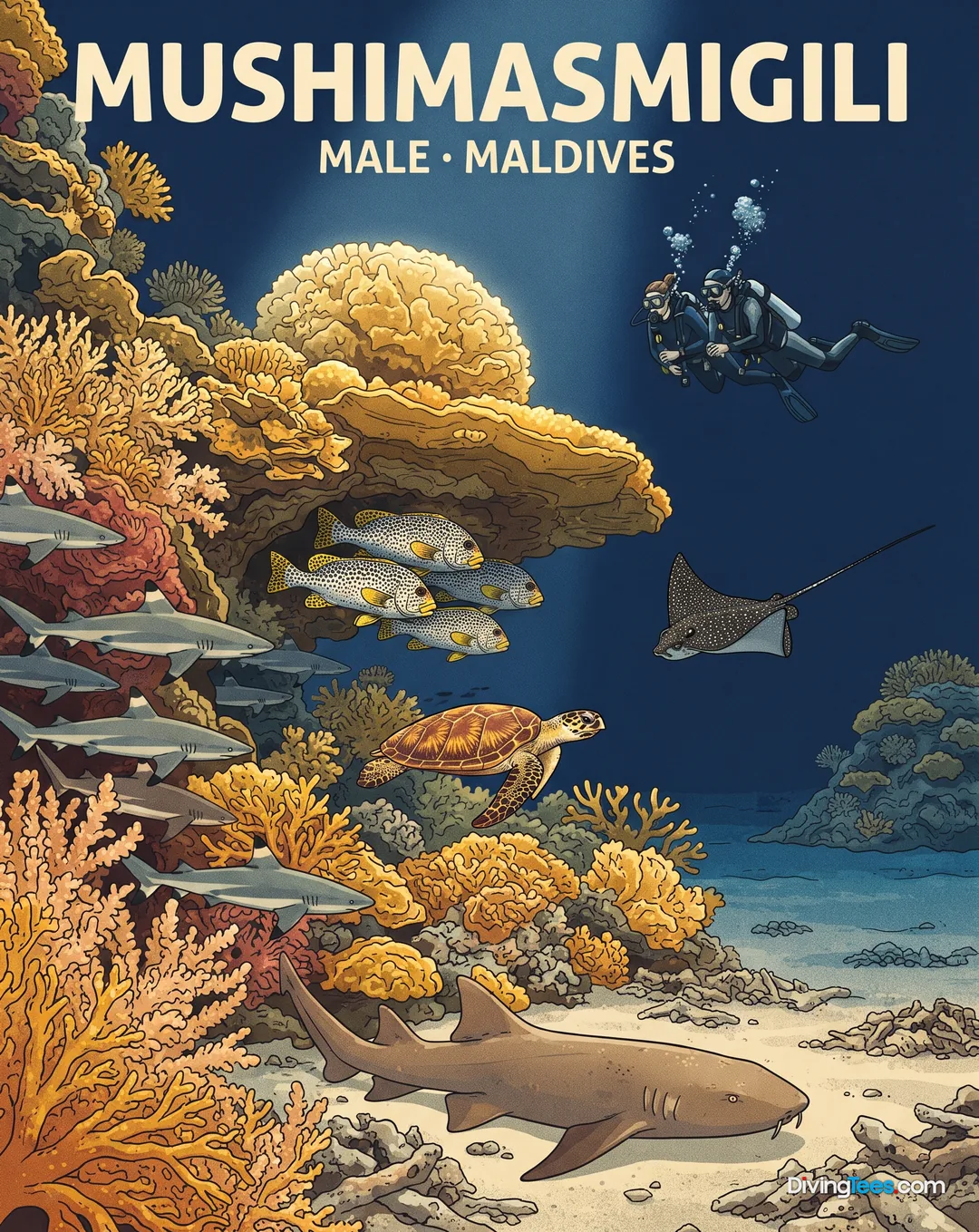
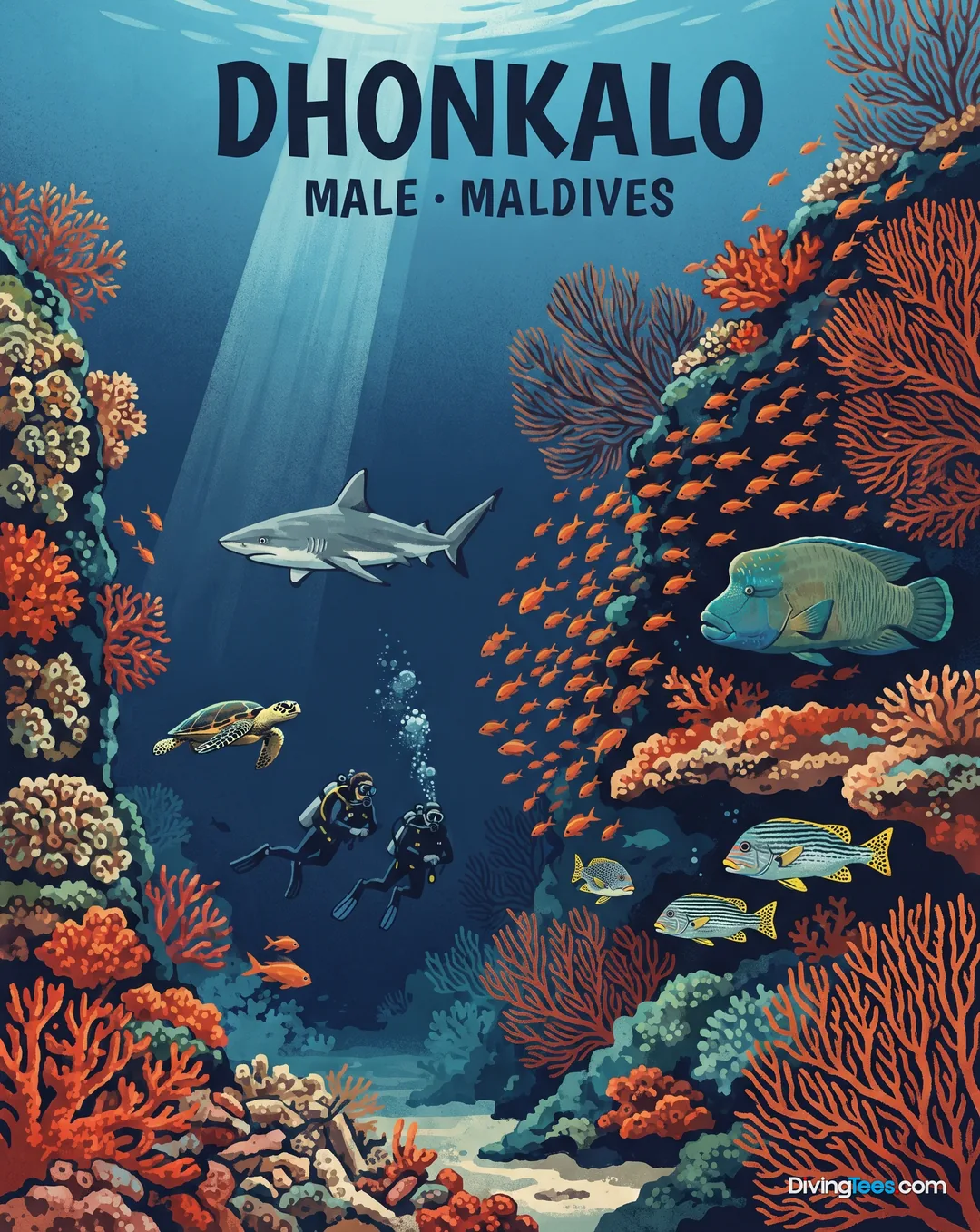
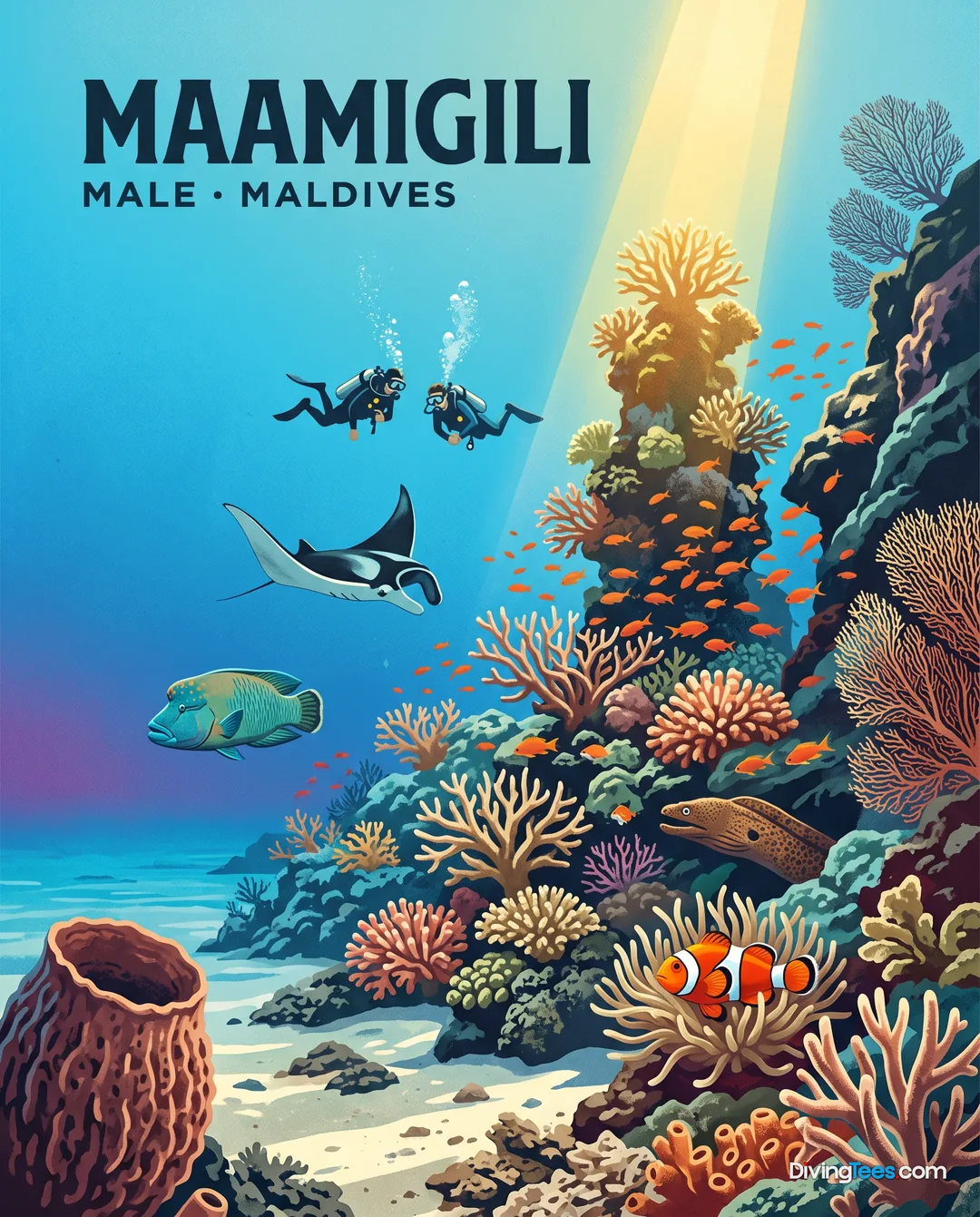
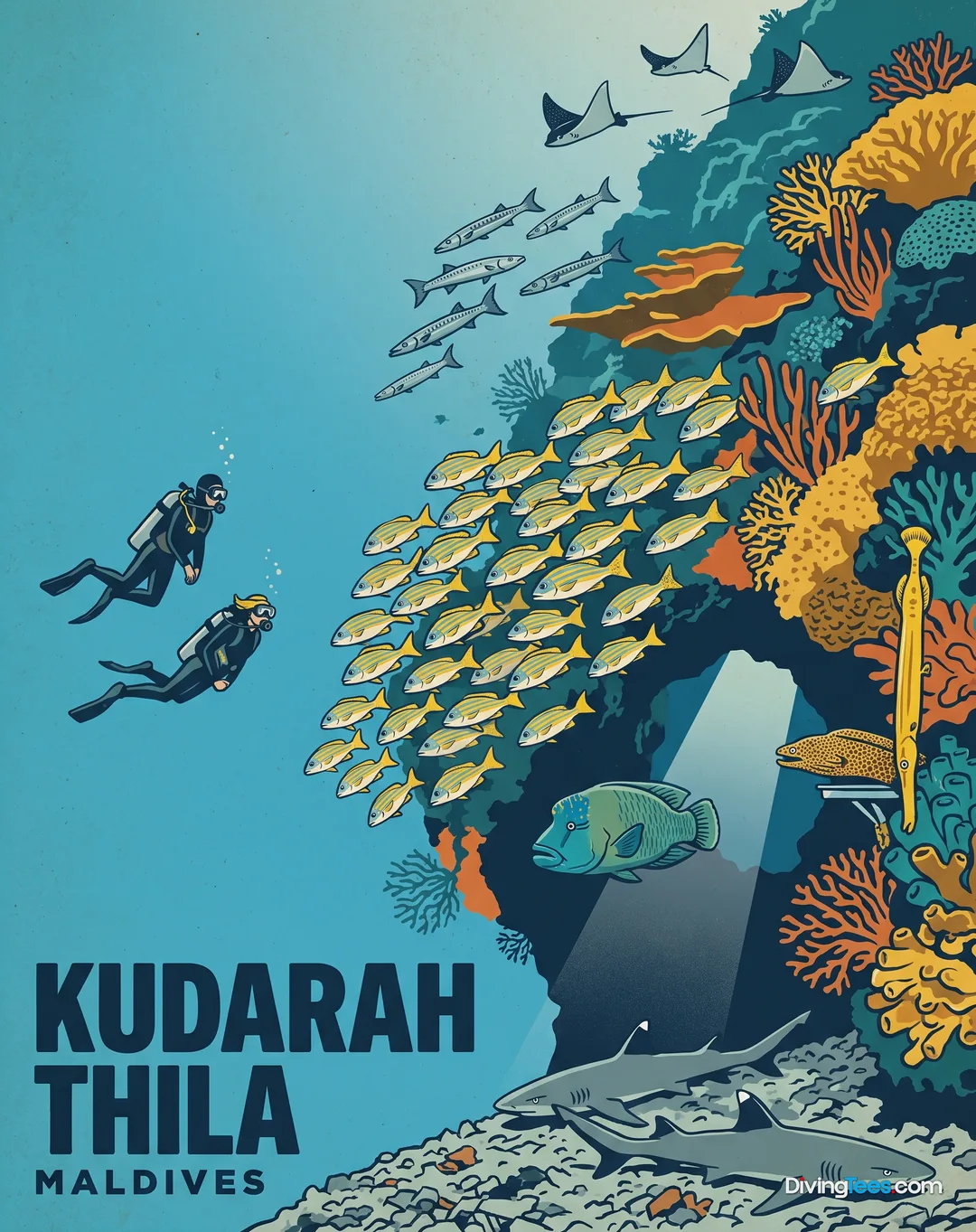
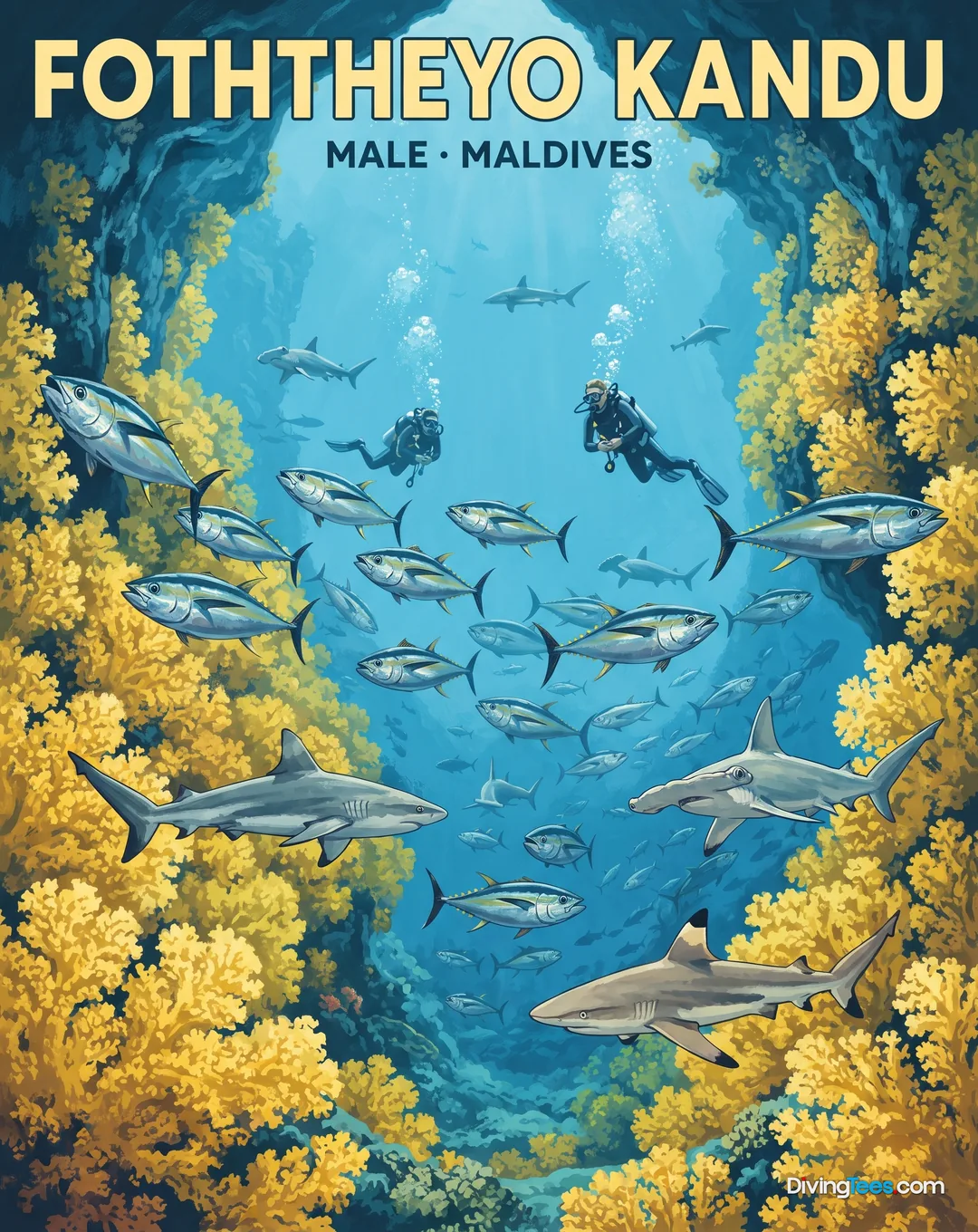
The Best of Maldives cruise runs Male to Male for 8 days and 7 nights, combining central-atoll reefs with sites chosen for pelagics and reef structure. Barracuda Giri drops onto three submerged pinnacles to a maximum of -30m, where current brings barracudas, tunas, jacks and schooling fusiliers around the reef. At Mushimasmigili Marine Reserve, Mushimasmigili Thila reaches -30m and its up-current pinnacle works as a meeting point for grey reef sharks. Dhonkalo is a cleaning station in a sandy channel, with manta rays gathering at a maximum of -25m. South Ari adds Maamigili, a -30m outer-reef site inside the marine protected area where whale sharks and mantas may pass, and Kudarah Thila, another -30m pinnacle cut by clefts, overhangs and caves, with schools of batfish. Myaru Kandu is the Shark Channel, with grey reef and whitetip sharks in a dynamic drift to -30m. Foththeyo Kandu is narrower and deeper, reaching -40m, with caves covered in yellow soft corals and strong current. Fushifaru Thila reaches -35m and is known for manta cleaning stations. Sites and order change with monsoon, weather and conditions.
What you’ll meet underwater
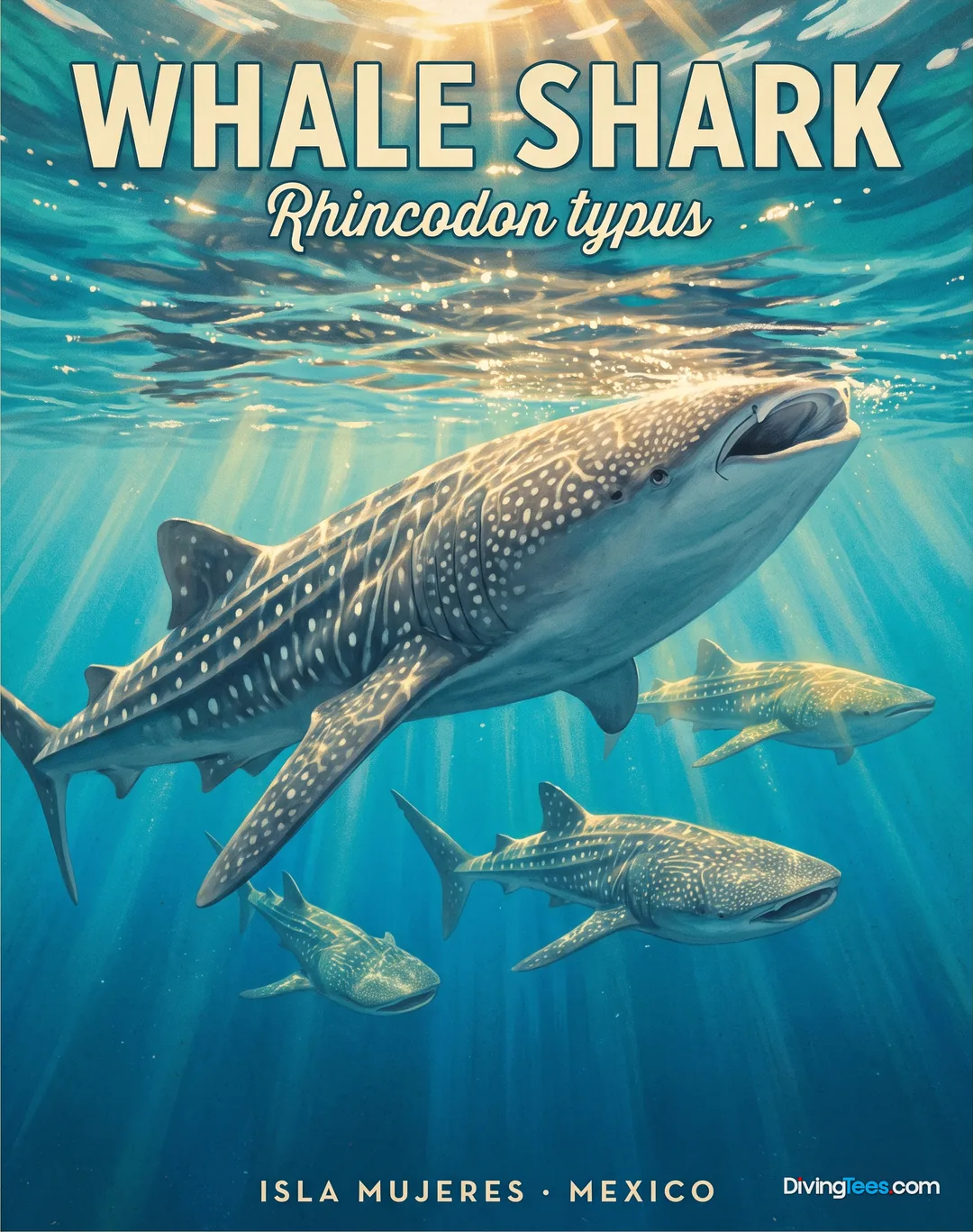
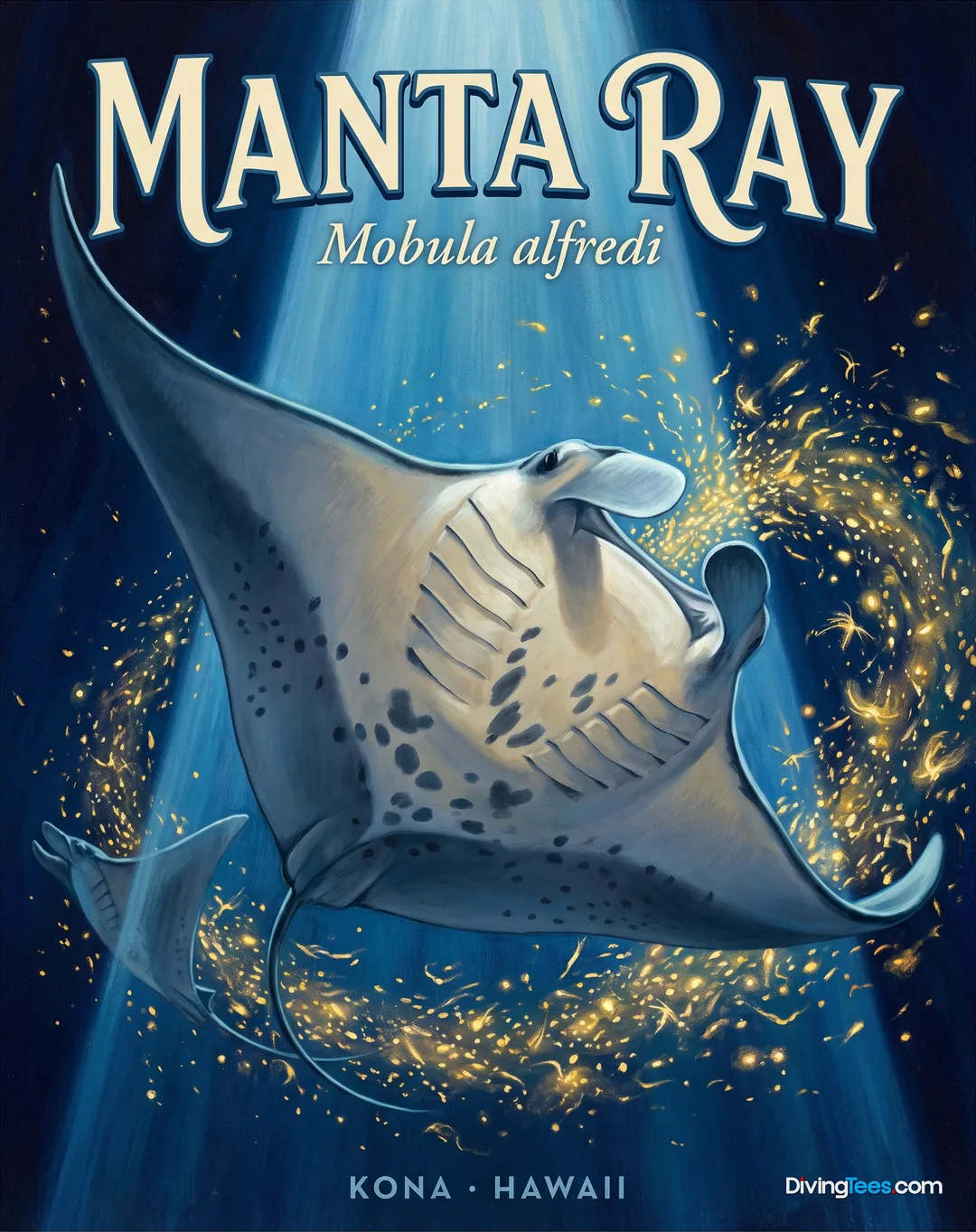
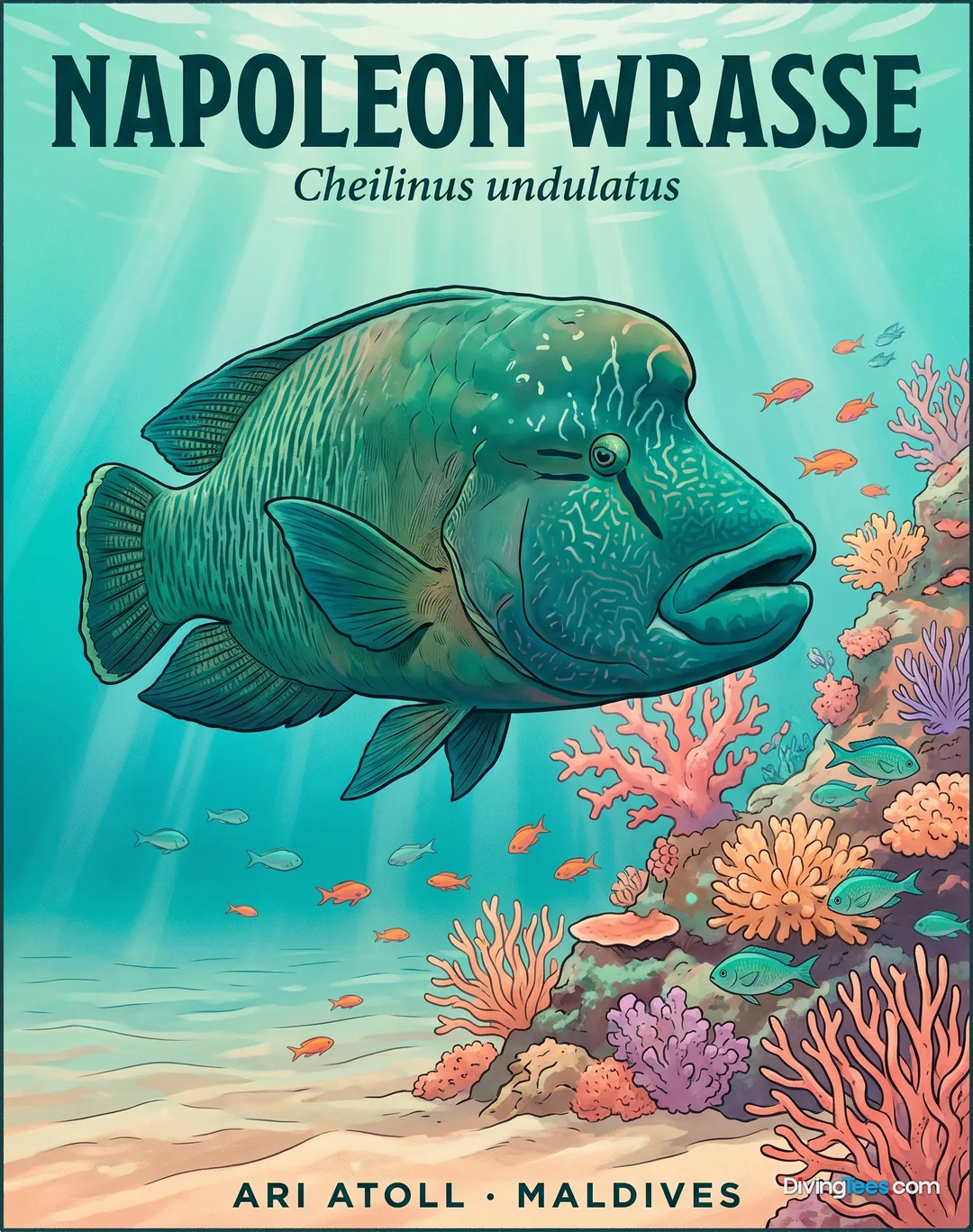
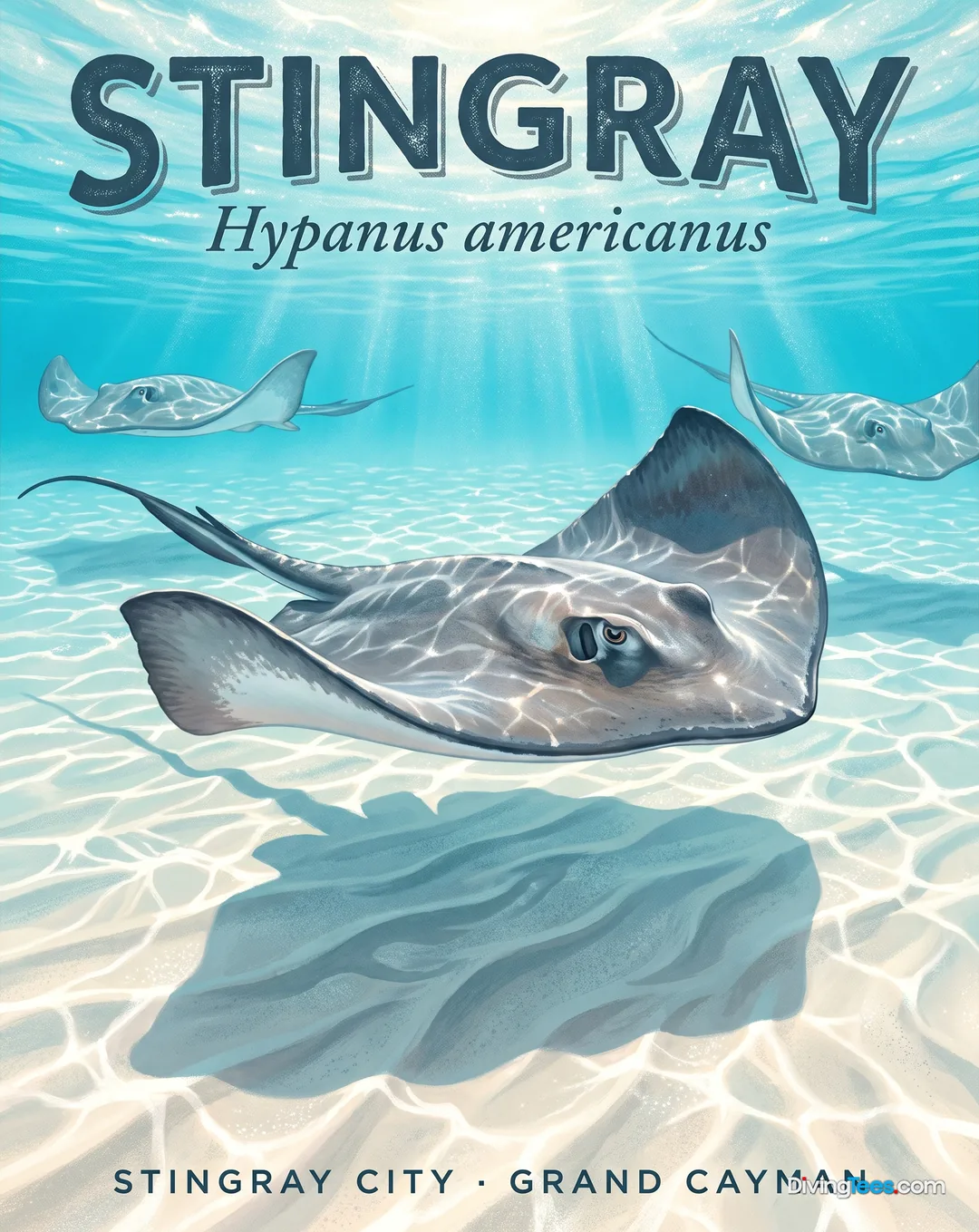
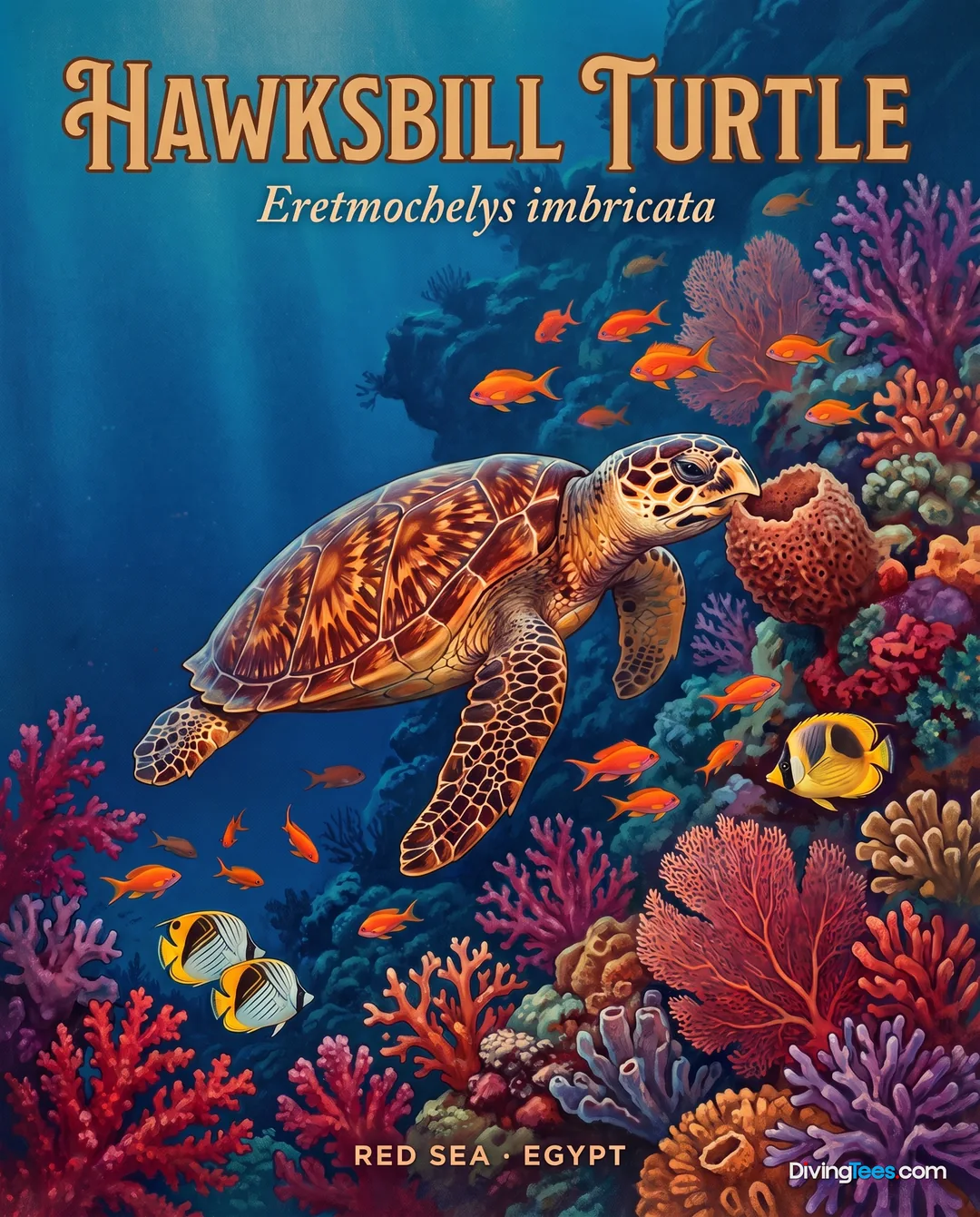
The central route is built around large animals, but the reef fish make the picture work. Napoleon wrasse and fusiliers are recorded across nine sites, grey reef sharks across nine, sea turtles across eight, eagle rays across eight, and barracudas, manta rays and tuna across seven each. Reef sharks, whitetips, jacks, trevally, morays and batfish add movement around pinnacles and channels. The reason to watch the site briefing is that some encounters belong to one particular stop. Barracuda Giri is the place recorded for groupers and anthias; Banana Reef for anemones; Maamigili for the gaterin and porcupinefish; Dhigalhi Haa Marine Reserve for soft coral and gorgonians; Fushifaru Thila Marine Reserve for a stingray; and Dhigu Thila for a hawksbill turtle. The manta sites are cleaning stations, while currents funnel pelagic life through channels. Whale sharks are recorded at Maamigili and Maamigili Beiyru, and special whale-shark weeks add night snorkelling around the boat. Nothing underwater is guaranteed, but the route gives each sighting a reason to be there.
Who puts you in the water
The dive team guides every dive and works in English. Scubaspa’s dive operation holds PADI 5-Star Dive Resort status, and the programme includes introductory dives, beginner and advanced certifications and specialty training. Central Maldives cruises welcome divers of all experience levels and do not impose a minimum number of logged dives, although current and channel sites still demand honest self-assessment. Briefings come before the dhoni leaves the site, with the guide setting out the route and conditions for the group. The format is suited to mixed experience: beginners can start with pinnacle and wall dives, while experienced divers can take on drift dives and channels when conditions allow. Oxygen and first-aid kits are on board, and the vessel carries mobile and satellite phones, fire alarms, extinguishers and emergency flares. The published information does not give a fixed guide-to-diver group size or a defibrillator, so the exact grouping is best confirmed before departure.
The dive deck and the gear
The working dive platform is the separate 20-metre dhoni, fitted with a compressor, Nitrox capability, a stern platform, multiple water entries, seating, a sundeck and a bathroom. Divers leave their equipment there for the week, so the yacht’s lounge and dining areas stay free of tanks and wet kit. The dive setup includes a platform, tank rinse tanks, a separate camera rinse and DIN adapters; the dhoni carries the compressors and the dive equipment needed for the operation. Nitrox is available as an optional extra rather than being included by default, and rental equipment is also an option. The main vessel provides a quieter place to return to after the dive, while the dhoni carries the practical load to the site. Entry and exit are handled from the dhoni’s stern platform. Oxygen, first-aid kits, fire equipment, life rafts and life jackets are carried for the boat’s safety systems. Tank volume, tank material, SMB arrangements and camera-table details are not stated here, so they should not be assumed.
Between dives
Between dives, Yang gives the Maldives room to work. Settle in the shade, stretch out on a day bed, take a kayak or stand-up paddleboard into the lagoon, or leave the boat for a sandbank, local island or deserted beach. Yoga is scheduled before the first dive and can return at sunset on a picnic island, while the spa and massage rooms give non-divers a proper alternative to waiting on deck. The jacuzzi is the obvious place to compare the morning’s sightings, but it is not the only one: several lounge areas and the observation deck spread people across the yacht. On days when the dhoni is out looking for whale sharks, the gap between dives becomes an excursion rather than dead time. After dark, the boat can shift again, from beach barbecue to movie night or night snorkelling. The useful luxury here is choice without abandoning the water.
A day on board
A typical diving day starts before sunrise, with yoga at 06:00 and the first dive briefing leading into the morning dive. Breakfast follows, then the dhoni heads out again for a second dive late in the morning. Lunch is the fixed centre of the day, with a third dive in the afternoon before the boat turns to snorkelling, water sports, a beach visit or a sandbank. Some days include a fourth water session rather than another standard dive: whale-shark search trips, a night dive or night snorkelling can take that place. The timetable changes with the route, tide and conditions, but the order is familiar—dive, eat, dive, rest, dive, then decide how much energy remains. One day may end with sunset drinks on a sandbank; another with a moonlit barbecue or a film on the spa deck. On the final day, the last dive comes in the morning before snorkelling and a local-island visit. Saturday departures include an airport transfer after breakfast and checkout.
What you eat aboard
Meals are built around the dive day, with breakfast after the first morning dive and a buffet lunch after the midday water activities. Dinner arrives after the afternoon programme, sometimes at the outdoor Al Fresco restaurant and sometimes as a beach barbecue or moonlit barbecue on a sandbank. The kitchen combines local dishes with international cooking, buffet service, vegetarian and vegan choices, seafood and themed dinners such as Mexican, Greek and Italian evenings. The food scores strongly with passengers, though it is better described as consistently very good than as resort-level fine dining at every sitting. That distinction matters less on a diving boat than a reliable table does: divers can eat properly without waiting for a formal service between dives, and non-divers have a full day rather than a schedule built around someone else’s surface interval. Beer, wine and cocktails are available, while non-alcoholic drinks and special dinners are separate choices.
Nights at sea
The Sea Star Double, Sea Star Double/Triple, Cowrie, Dolphin and Manta categories give the boat more room to breathe than a compact dive vessel. Cabins are air-conditioned, have private bathrooms and panoramic sea-facing windows, with the cabin deck on the main deck. The larger suites matter after a day of current dives: there is somewhere to shut the door, dry off and sleep without the cabin becoming a gear locker. Evening room service and turndown keep the night orderly, while the open decks give passengers a choice between a social drink and a quiet corner. The yacht’s size also changes the soundscape. Dive preparation stays on the separate dhoni, so the main boat is not filled with compressors, tank valves and wet kit. At night, the spa deck can turn into an outdoor cinema, or the aft area can become the place for a whale-shark night-snorkelling session on special cruises. These are nights spent on a yacht, not in a bunk beside the dive deck.
Sea Star Double Cabins
Sea Star Double/ Triple
Cowrie Suite
Dolphin Suites
Manta Suites
What to know before boarding
The cruise departs from and returns to Male. Airport transfers are included, with guests met at the terminal and taken to the main vessel in stages according to the arrival process. The transfer information is communicated with the booking and on arrival, so the flight details need to be supplied in advance. Arriving in Male the night before is the safer choice, especially when an international flight connects with the embarkation window.
Deck plan
What the boat does for the ocean
Yang forms part of Scubaspa’s environmental programme. The vessel uses a sewage-treatment plant, produces mineralised drinking water to reduce single-use plastic bottles, and replaces plastic straws with reusable glass and aluminium alternatives. Beach clean-ups are part of the weekly routine, and guests can join Dive Against Debris activities through Project AWARE. Scubaspa also supports the Maldives Whale Shark Research Program and provides environmental-awareness training for local college students at Jamaluddin School. These measures address waste, plastic use and conservation participation rather than treating sustainability as a slogan.
- Year built
- 2014
- Length
- 50 m
- Beam
- 11 m
- Maximum number of passengers
- 26
- Number of cabins
- 17
- Number of bathrooms
- 24
- Engines
- 2 × CAT C9 Acert 503 hp
- Cruising speed
- 8 knots
- Tenders
- diving dhone with CAT C7 275 hp engine
- Website
- scubaspa.com ↗
Hello, I'm Marina, DivingDeal.com's AI assistant. I answer in detail about hotels, dive centres and liveaboards.

Thinking about the whole trip and the flights? Talk it over with Edith →
Marina is an AI. Some links are affiliate links: DivingDeal may earn a commission, at no extra cost to you. Bookings are made with the partner.