
plongee avec divepoint rannalhi
Google 5/5 (45 reviews)
12 km away as the crow flies
Male · Maldives · Indian Ocean
Max. depth · 30 mDescend into the currents of Guraidhoo Corner to encounter schooling pelagics and explore a topographically rich channel.
For subtitles in English: start the video firstthen click the gearat the top right of the video, select “Subtitles/CC”, then “Auto-translate” and choose “English”.
Guraidhoo Corner is more than just a single dive site; it's a dynamic area at the southern tip of South Malé Atoll, shaped by two distinct channels and a central reef system. The site covers a large expanse, offering varied dive profiles depending on the specific entry and the prevailing currents. This topographical complexity means you can dive Guraidhoo Corner multiple times, experiencing different aspects of its underwater landscape and the marine life drawn to it.
One of the primary routes is along the southern channel, a 300-meter stretch flanked by sheer vertical walls. Here, you'll experience a drift dive, carried by the prevailing currents past a series of overhangs and crevices. As this channel meets the abyssal drop-off at approximately 35 meters, the concentration of marine activity often intensifies. It's in this zone that you frequently encounter larger species drawn to the nutrient-rich waters.
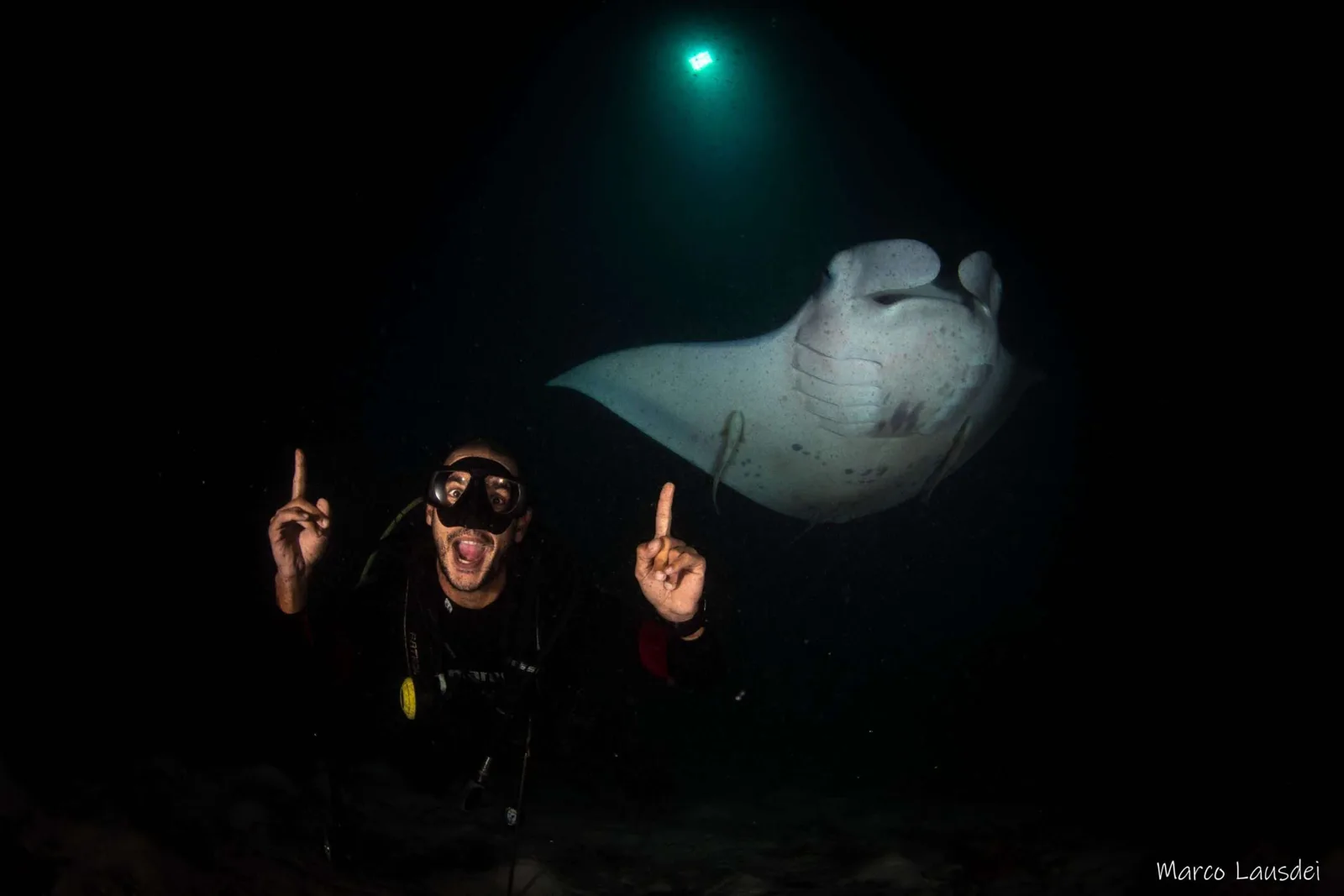
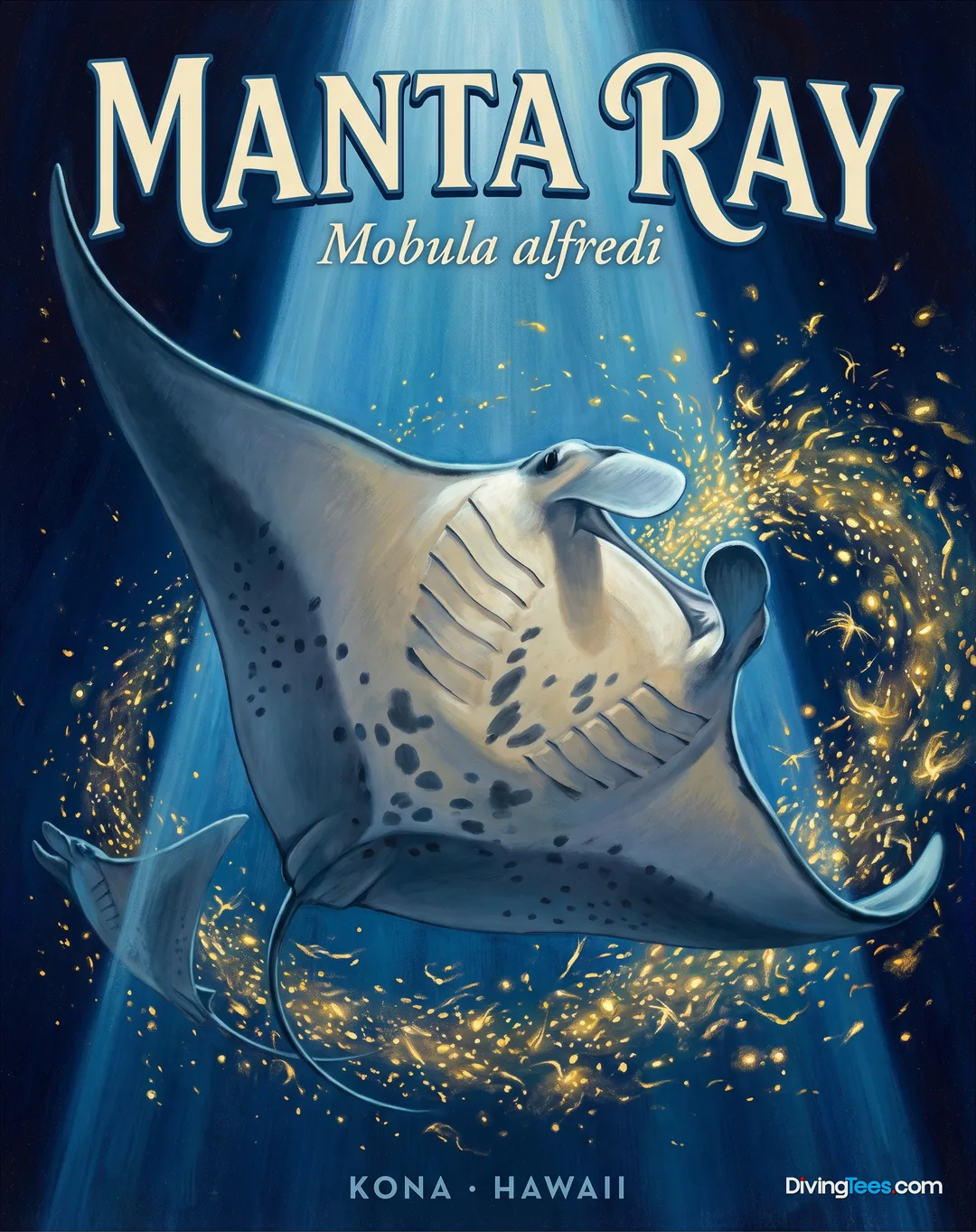
The currents at Guraidhoo Corner, often medium to strong, are a key factor in attracting the pelagic life this site is known for. You can expect to encounter grey reef sharks (Carcharhinus amblyrhynchos), frequently patrolling the currents, alongside active schools of tuna (Thunnus spp.) and various species of jacks. During incoming tides, there's also the chance to spot manta rays (Mobula alfredi) making their way into the channel.
Beyond the pelagics, the reef walls themselves are a draw. While drifting, you'll find numerous indentations and pockets that offer respite from the main current. These calmer areas are ideal for observing resident inhabitants, such as honeycomb moray eels (Gymnothorax favagineus) and long-jawed squirrelfish (Sargocentron spiniferum). These sheltered zones also showcase an impressive array of soft corals, sea fans, and black coral bushes, adding vibrant color to the deep blue backdrop.
Deep within the channel, around 30 meters, you'll find a distinctive archway. This natural formation is heavily draped in soft corals, creating a striking visual, especially when illuminated by ambient light. This specific feature highlights the rich sessile life that thrives in the protected areas of Guraidhoo Corner, contrasting with the fast-paced action often found just a short distance away in the open current.
This is an Advanced level dive, primarily due to the medium to strong currents that define the site. The maximum depth reached is typically 30 meters, though the southern channel extends deeper. Visibility can range from 15 meters to an excellent 30 meters, depending on conditions. Given the dynamic nature of the currents, experience with drift diving is highly recommended.
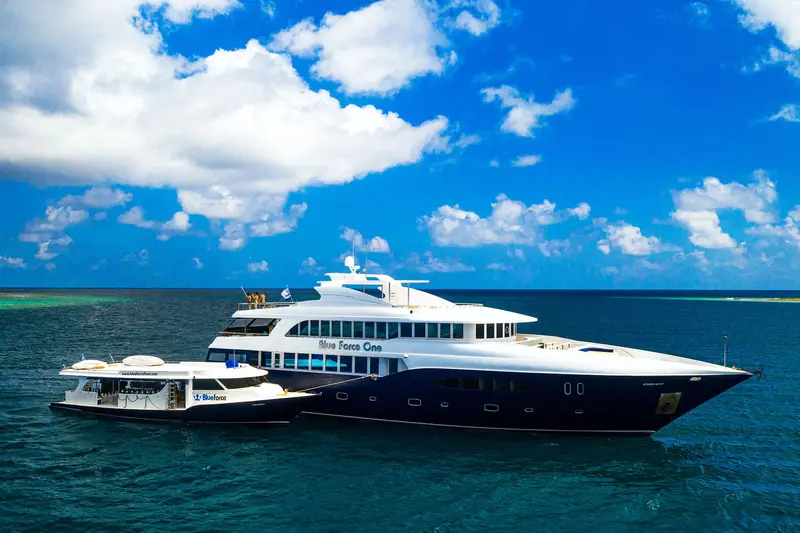
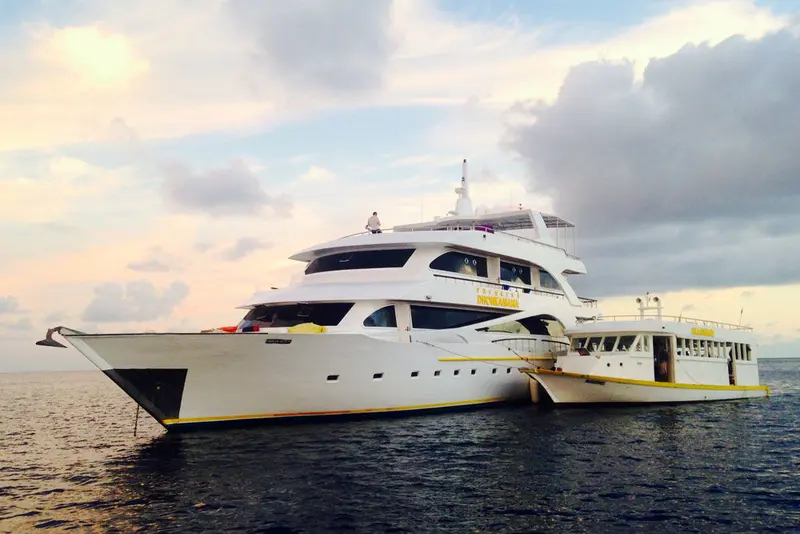
38 liveaboards depart from Male another way to explore the region, over several days at sea.
At Guraidhoo Corner, manta rays may be seen during an incoming tide as they move into the channel. Visibility varies with conditions, ranging from 15 meters to 30 meters. The site lies at the southern tip of South Malé Atoll and offers different dive profiles across its channels and central reef system.
Guraidhoo Corner is an advanced-level dive because medium to strong currents define the site. Experience with drift diving is highly recommended, as you may be carried through a channel past vertical walls, overhangs, and crevices. Pockets and indentations along the reef walls can provide some respite from the main current.
Guraidhoo Corner ranges from 10 to 30 meters, with the southern channel extending deeper. Around 30 meters, you can find a natural archway covered in soft corals. The southern channel continues toward an abyssal drop-off at approximately 35 meters, where marine activity often intensifies.
At Guraidhoo Corner, you can encounter grey reef sharks patrolling the currents, along with tuna and jacks. Incoming tides may bring manta rays into the channel. Reef walls shelter honeycomb moray eels and long-jawed squirrelfish, while soft corals, sea fans, black coral bushes, and a coral-covered archway add detail.