Constance Sakoa Boutik
★★★★
★ 9/10 (681 reviews)
3.1 km away as the crow flies
Dive centre · Trou aux biches · Mauritius
4.8200 Google reviewsExplore the wrecks and reefs of the north-west coast aboard the 42-foot cabin cruiser D'unienville.
For subtitles in English: start the video firstthen click the gearat the top right of the video, select “Subtitles/CC”, then “Auto-translate” and choose “English”.
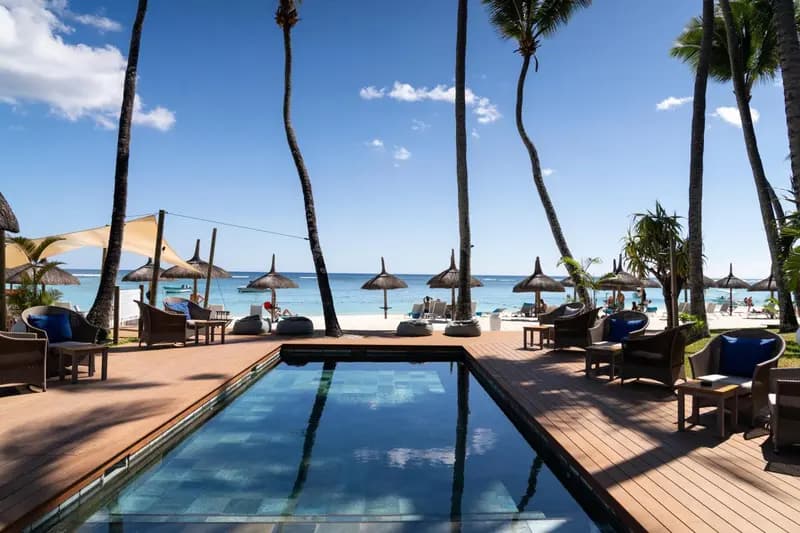
Pro Dive Mauritius is situated on the north-west coast of the island in Trou aux Biches, just a few dozen metres from the water's edge. The centre is positioned in a prime location for accessing the diverse marine environments of the region, including significant wreck sites and vibrant reef systems.
The centre operates on a daily schedule, offering two morning departures. Because many of the local dive sites are located only 5 to 10 minutes from the centre and are sheltered from the wind, diving is accessible throughout the year.
The centre maintains an SSI affiliation and also provides PADI training programmes. It operates with a team of three instructors to manage daily operations and student training.
The atmosphere is family-oriented, catering to a range of divers from those looking to try scuba for the first time to fully certified individuals. For those staying in the surrounding areas, the centre provides a free shuttle service covering Trou aux Biches, Mont Choisy, Pointe aux Biches, and Pointe aux Cannoniers.
The centre offers a comprehensive range of training through both SSI and PADI. Beginners can start with Try Scuba, Basic Diver, Scuba Diver, or Open Water Diver courses.
For those looking to progress their skills, the curriculum includes Advanced Adventurer, Deep Diving, Wreck diving, and Perfect Buoyancy. More advanced training is available through the Diver Stress & Rescue course and the Nitrox certification.
The primary vessel is the D'unienville, a 42-foot cabin cruiser with a capacity for 15 divers. It is powered by twin 370 HP Yanmar engines and is equipped with GPS for precise navigation.
On board, you will find a double departure platform, toilets, and a supply of fresh water. The boat is set up for comfort during trips, providing refreshments, tea, coffee, snacks, and water. Nitrox is available for use on board, and the vessel is equipped with an oxygen kit for safety.
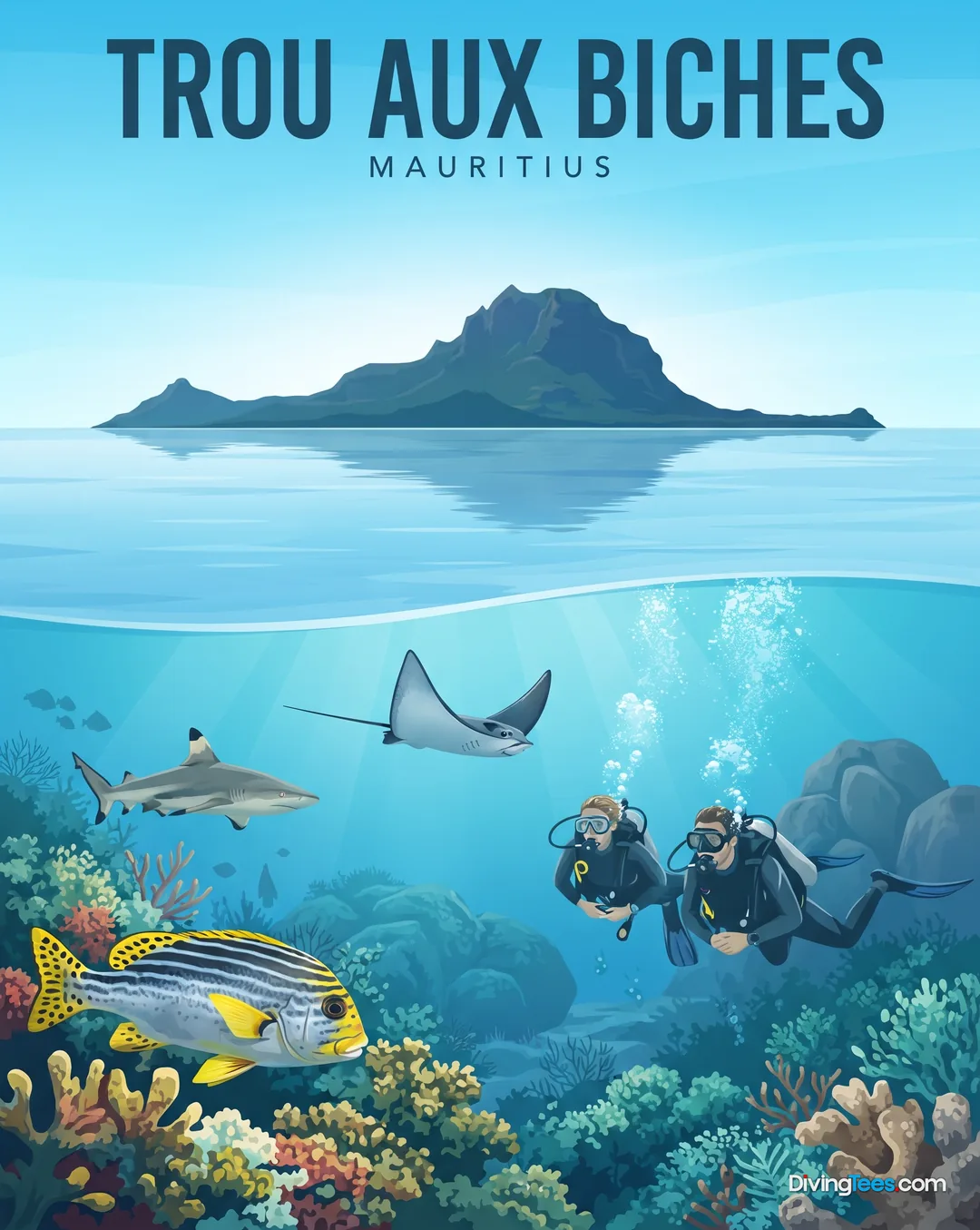
Stella Maru is a Japanese trawler wreck that sank in 1987. Resting at depths between 16 and 24 metres, this site is located in a sheltered area, making it accessible year-round.
Silver Star is a significant wreck located in front of the Royal Palm, which sank in 1992 and still retains its propeller. It sits deeper, with depths ranging from 35 to 42 metres.
Djabeda is a 38-metre long wreck that was intentionally sunk to create a new habitat for marine life. It sits at a depth of approximately 34 metres.
The Wall is a large drop-off heavily covered in gorgonians, offering a different profile for divers looking to explore vertical reef structures.
The Shark Pit (North West) is a notable site where large groups of sharks tend to congregate in the morning at the entrance of the pit.
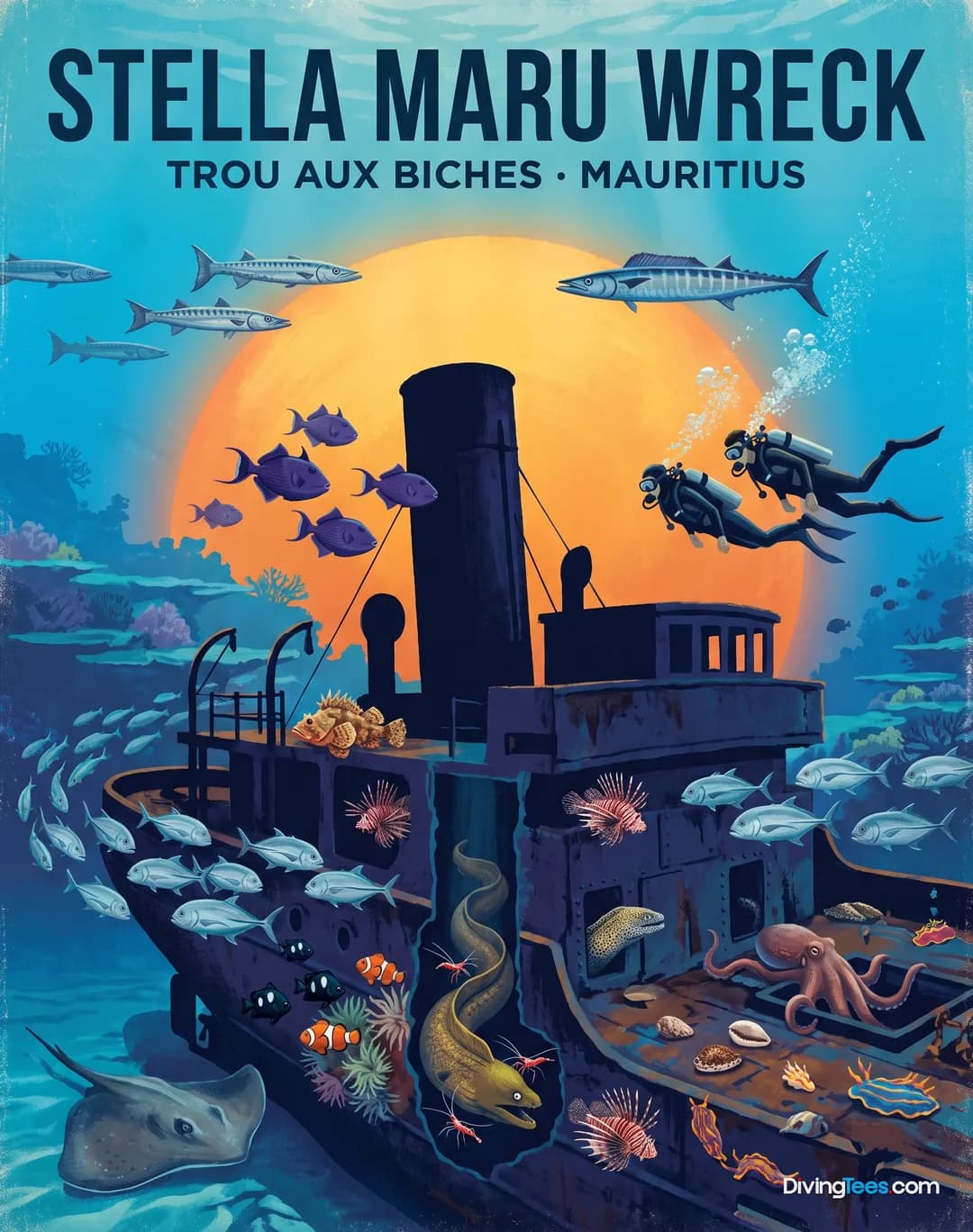
down to 24 m
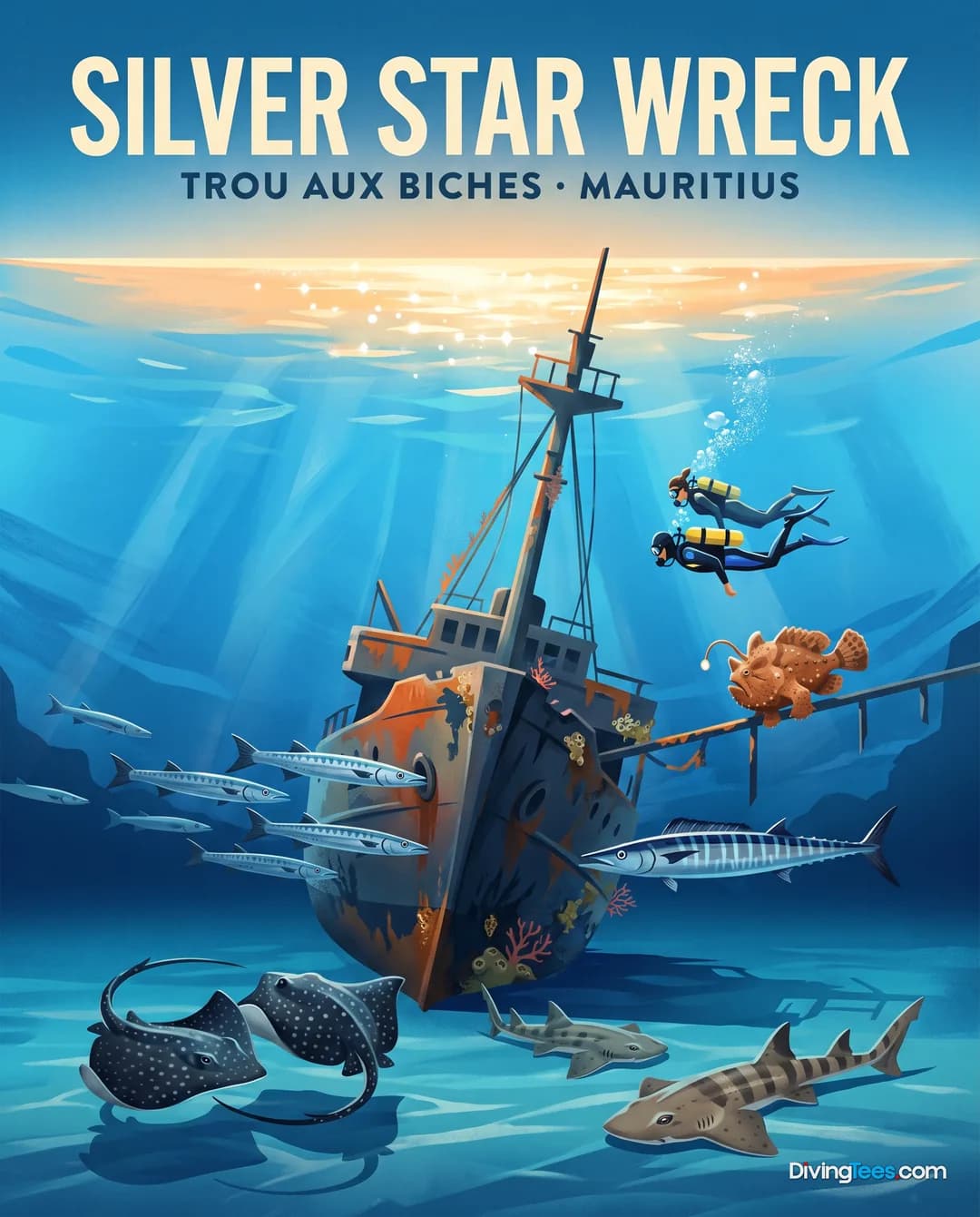
down to 39 m
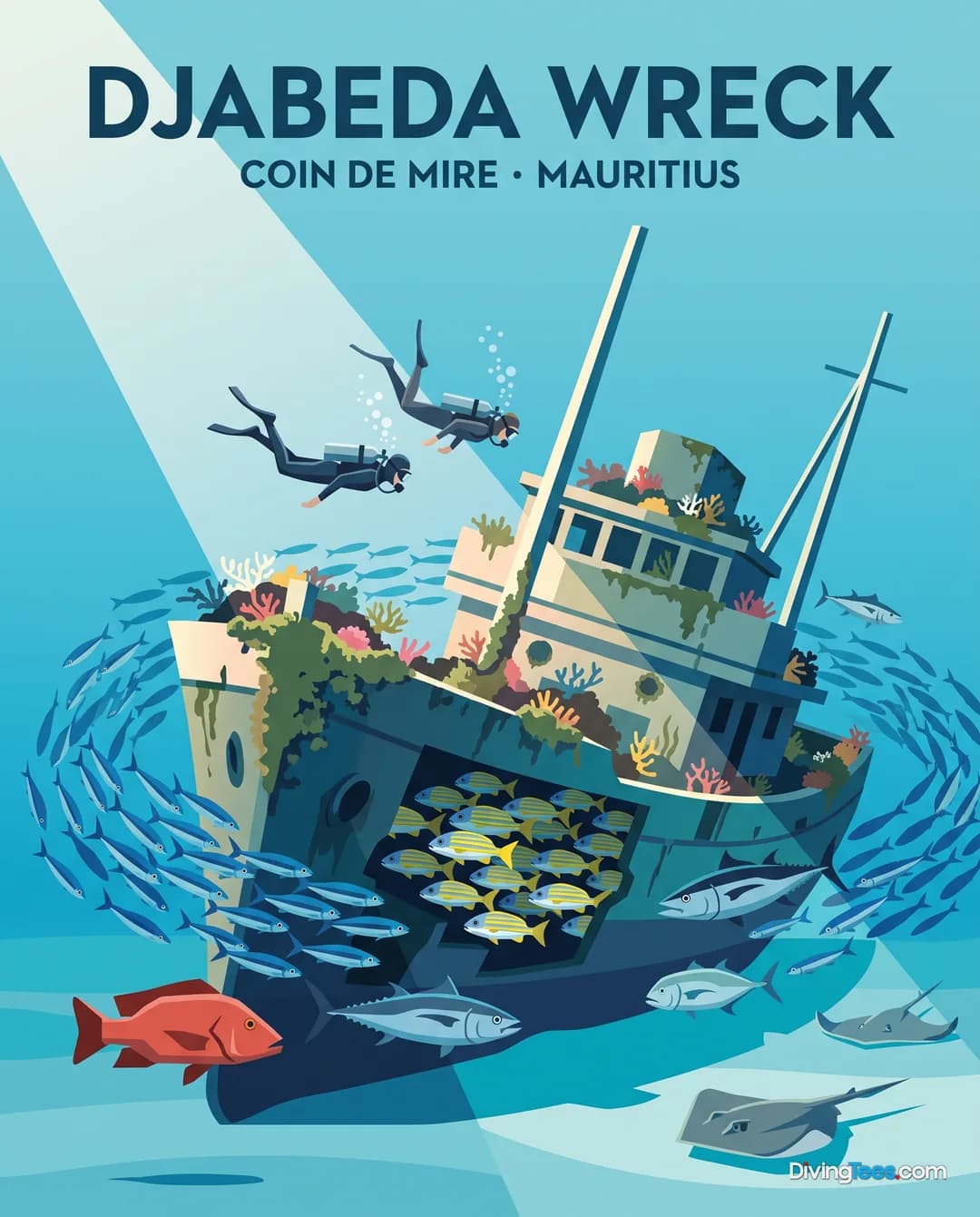
down to 34 m
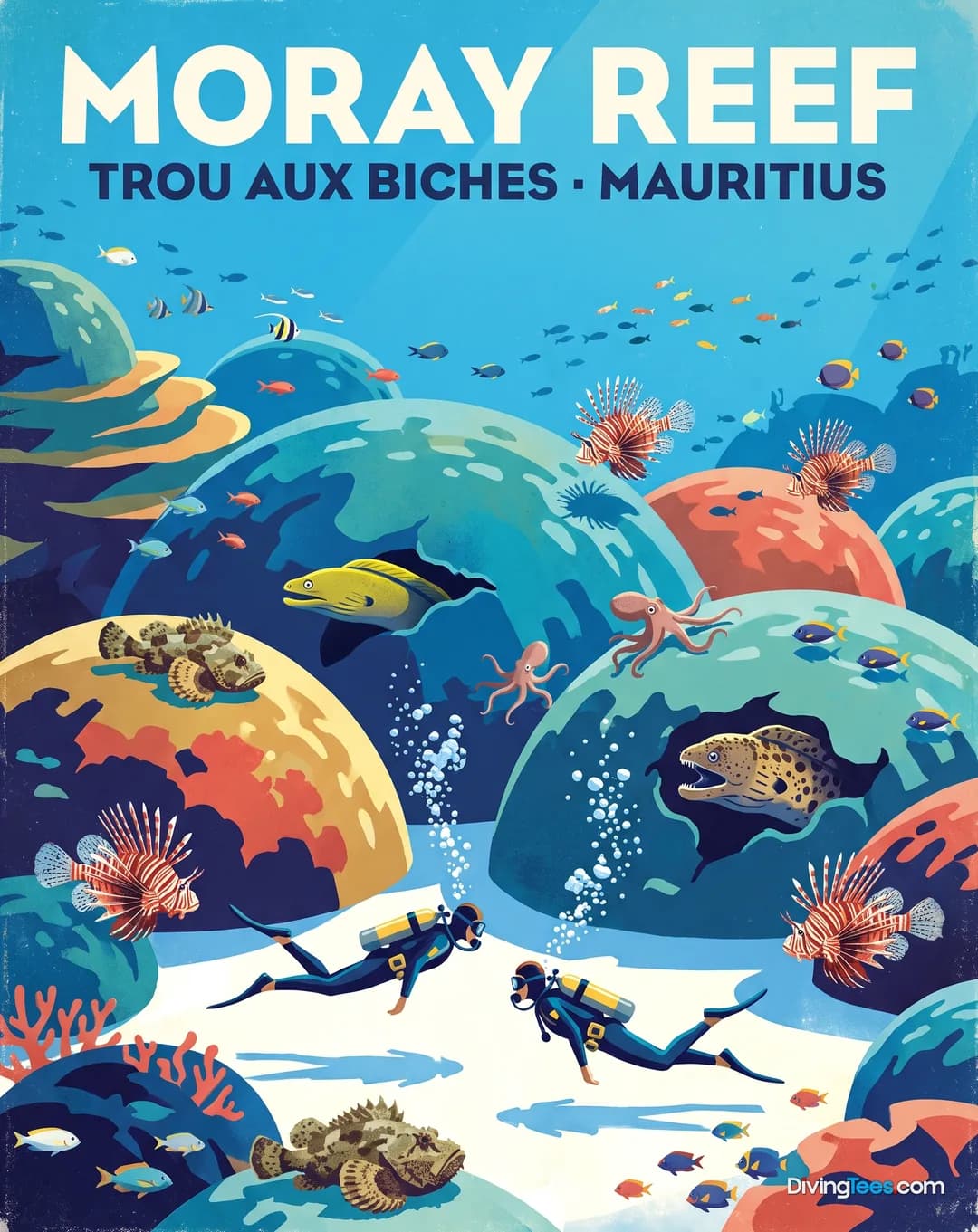
down to 13 m
And some of the dive sites the centre runs.
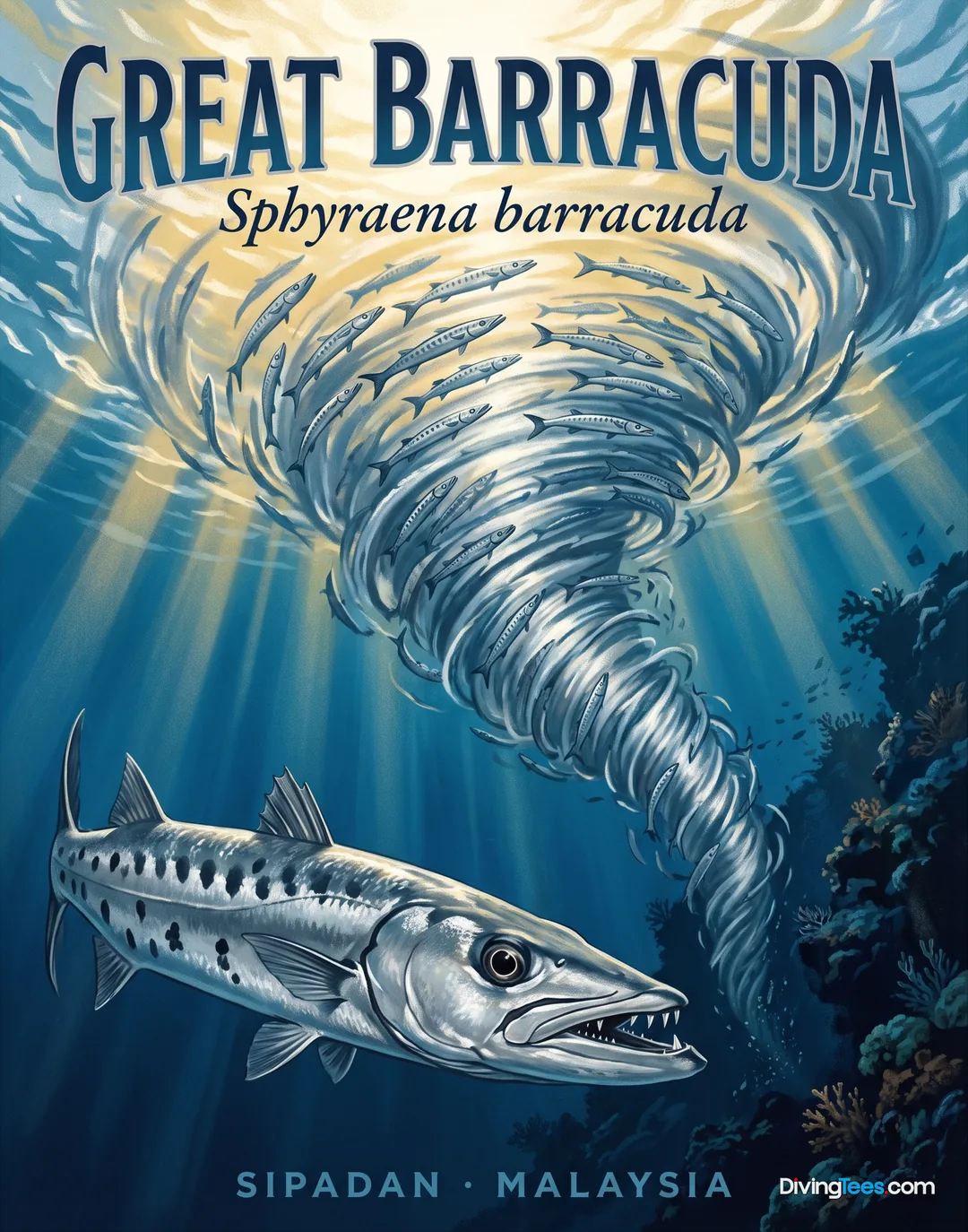
The reefs are home to a wide variety of fish, including schools of fusiliers (Caesio), bonitos, and various species of snapper (Lutjanus). You will also encounter barracudas (Sphyraena barracuda), jacks (Carangidae), and trevallies. Wrasse (Labridae), parrotfish (Calotomus), and surgeonfish (Acanthuridae) are common sights among the reef structures.
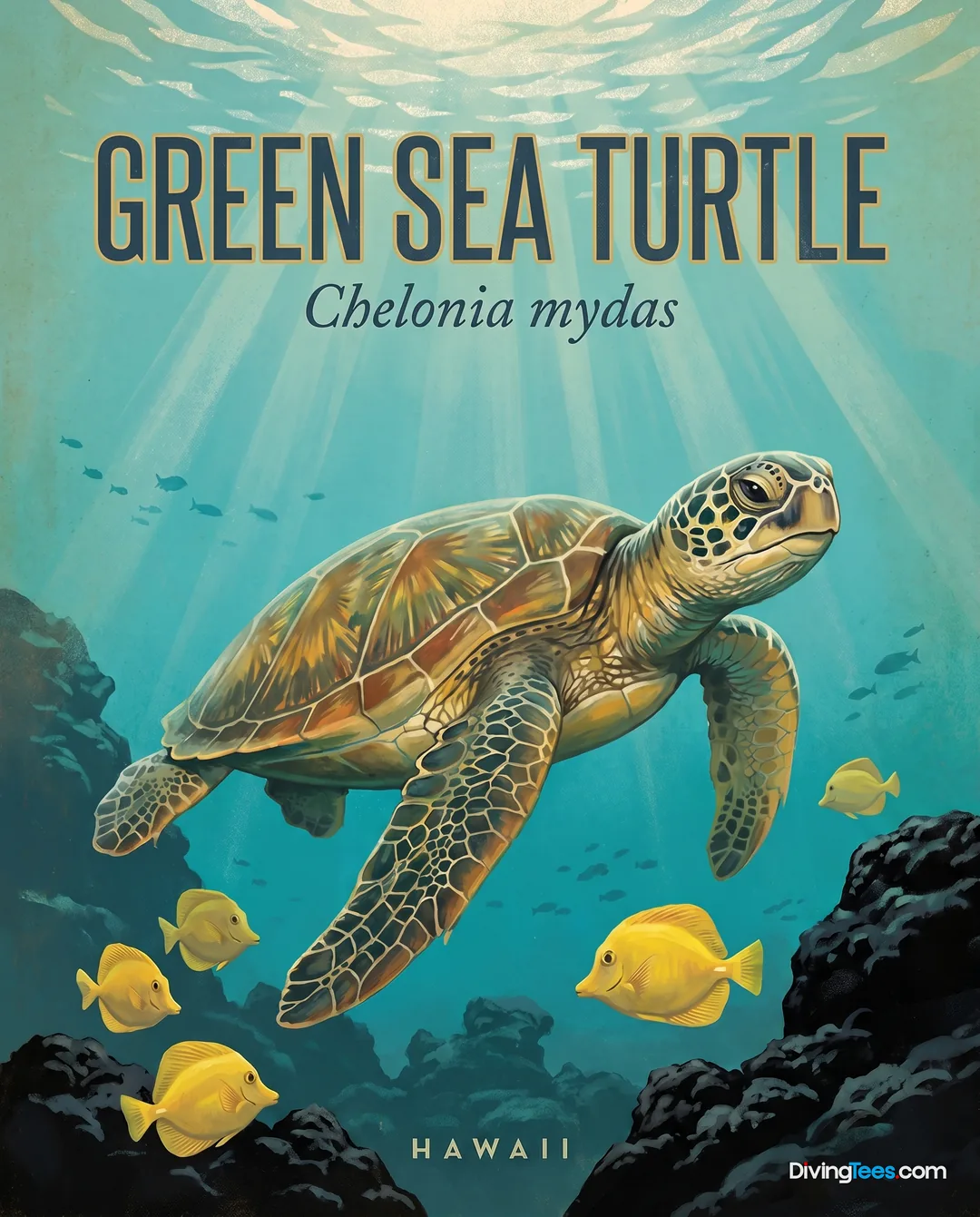
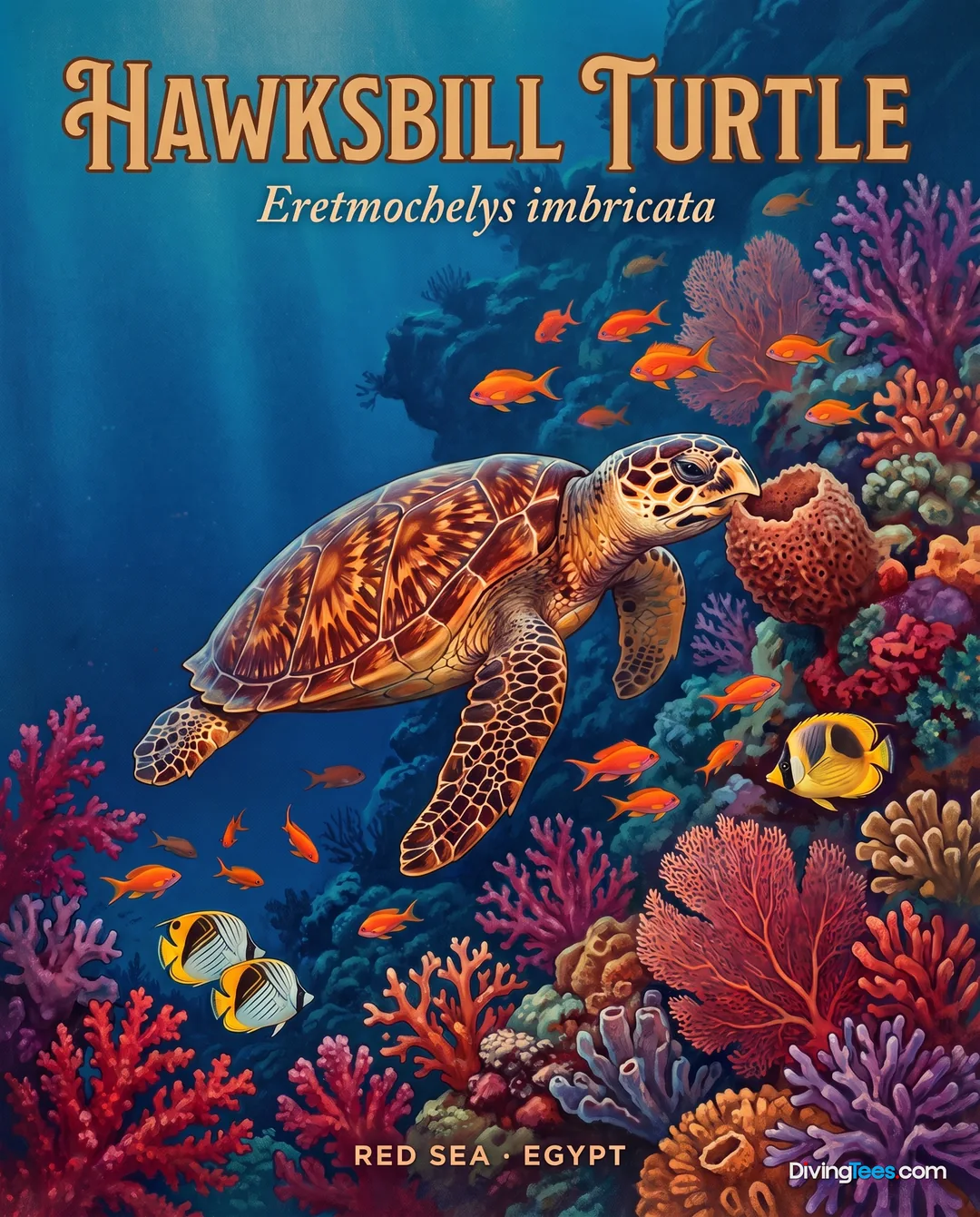
Large pelagics and more substantial residents include sharks (Selachimorpha), rays (Batoidea), and various species of eels (Anguilliformes), such as the giant moray eel. You may also spot turtles, including the Green sea turtle (Chelonia mydas) and Hawksbill turtle (Eretmochelys imbricata), moving through the area.
For those interested in macro life, the environment supports nudibranchs, octopus (Octopus vulgaris), and various scorpionfish (Scorpaenidae). You can also find leaf scorpionfish, stonefish (Synanceia), and various species of crab and shellfish tucked into the reef.
The scenery is enriched by fixed life such as sea anemones (Actiniaria), gorgonians, and various encrusting corals, providing a complex habitat for the resident marine life.
The dive sites are located in a north-west position that offers protection from the wind, which facilitates diving throughout the year. Many of the most popular sites are located very close to the shore, typically within a 5 to 10-minute boat ride.
Hello, I'm Marina, DivingDeal.com's AI assistant. I answer in detail about hotels, dive centres and liveaboards.

Thinking about the whole trip and the flights? Talk it over with Edith →
Marina is an AI. Some links are affiliate links: DivingDeal may earn a commission, at no extra cost to you. Bookings are made with the partner.
★★★★
★ 9/10 (681 reviews)
3.1 km away as the crow flies
★★★★★
★ 8.9/10 (1,223 reviews)
3.9 km away as the crow flies
★★★★★
★ 9.4/10 (218 reviews)
14 km away as the crow flies
★★★★★
★ 8.9/10 (844 reviews)
3.9 km away as the crow flies