





H2O Diving Center, Dare to Explore
Google 5/5 (637 reviews)
7.1 km away as the crow flies
Rhodes · Greece · Mediterranean
Max. depth · 35 mA steep drop-off descends from a sheltered bay to a 35-metre wall where ancient amphorae rest on the seabed.
For subtitles in English: start the video firstthen click the gearat the top right of the video, select “Subtitles/CC”, then “Auto-translate” and choose “English”.
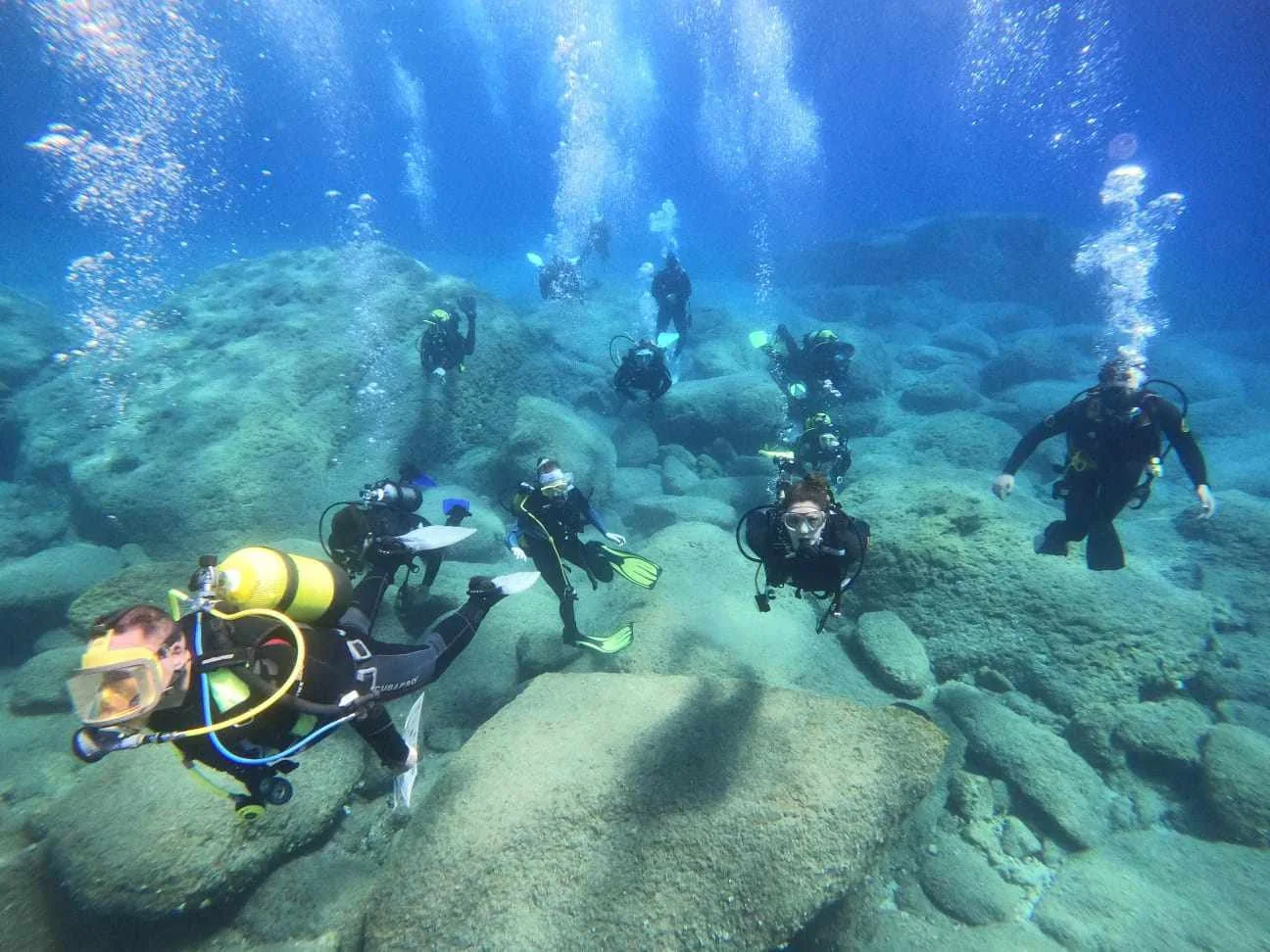
Entering Ladiko Bay begins with a relatively shallow and calm environment, but the true character of the site reveals itself as you approach the edge of the plateau. The topography transitions from the sheltered cove into a dramatic vertical descent that starts at approximately 5 to 6 metres. This wall drops steeply through the water column, providing a clear sense of depth and verticality that defines the diving experience here. As you follow the slope, the light begins to shift, marking the transition from the sunlit upper layers to the deeper, more shadowed zones of the Mediterranean.
The profile of the wall is not a simple, straight line, but rather a complex structure featuring various geological nuances. Depending on which section you follow, you may encounter overhangs and small tunnels that provide hiding spots for resident species. The descent eventually reaches a depth of around 30 to 35 metres, where the vertical rock face meets a sandy seabed. This junction between the steep wall and the flat bottom is a critical area for exploration, as it often holds different currents and a distinct set of biological inhabitants compared to the upper reef sections.
For those interested in maritime history, the deeper sandy bottom near the base of the wall holds particular interest. Reports indicate the presence of ancient ceramics and amphorae scattered across the seabed, likely remnants of historical shipwrecks. Navigating this area requires careful buoyancy control, especially as you move between the vertical face and the soft bottom. Finding these artifacts provides a tangible connection to the past, grounding the dive in a sense of history that complements the natural beauty of the underwater landscape.
The resident fauna is diverse, with many species utilizing the complex structure of the wall for protection. You will frequently encounter groupers and various species of bream patrolling the rock face, while moray eels and octopuses occupy the crevices and small tunnels. Scorpionfish often remain motionless on the seabed, blending into the environment, while slipper lobsters and rock crabs can be spotted near the bottom transitions. Smaller organisms like nudibranchs and sea hares add splashes of detail to the macro-observations available along the reef's edge.
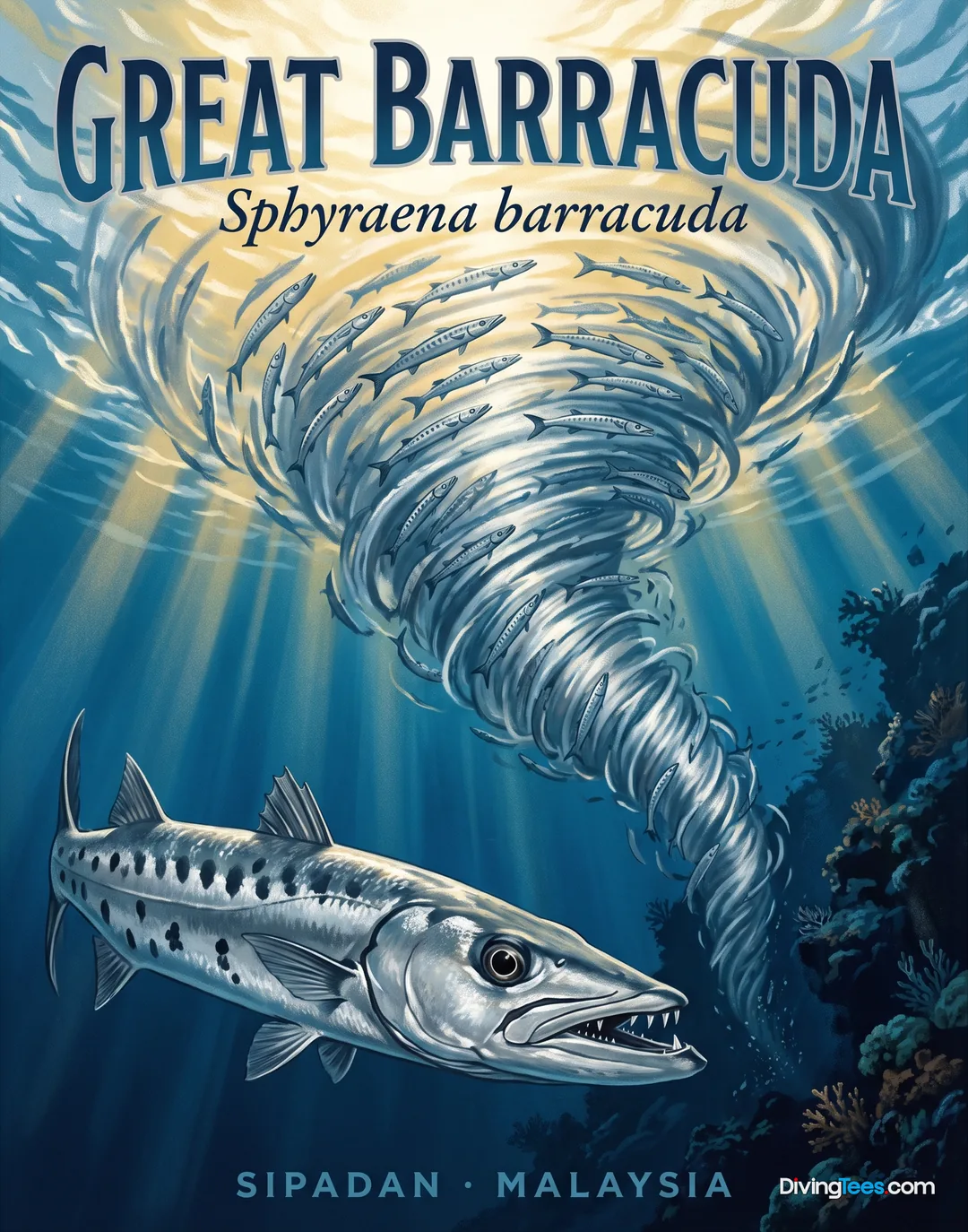
Pelagic activity is a regular feature of the site, particularly as you move into the deeper sections of the wall. Mediterranean barracuda and tuna are known to cruise through the water column, often appearing as larger silhouettes against the light. You might also observe rainbow wrasse in the shallower, more vibrant sections of the bay. The presence of these larger predators is often tied to the way the current interacts with the wall, bringing nutrients that support the local ecosystem and attract mobile species to the site.
The visibility at Ladiko Bay is generally reliable, often ranging between 10 and 30 metres depending on the specific conditions of the day. This clarity allows for long-distance viewing of the wall and makes it easier to spot movement in the open water above the drop-off. However, the experience can be affected by local sea states and the specific depth you are exploring. Maintaining a steady course is important, as the sheer scale of the wall and the clarity of the water can sometimes make depth perception a challenge for less experienced divers.
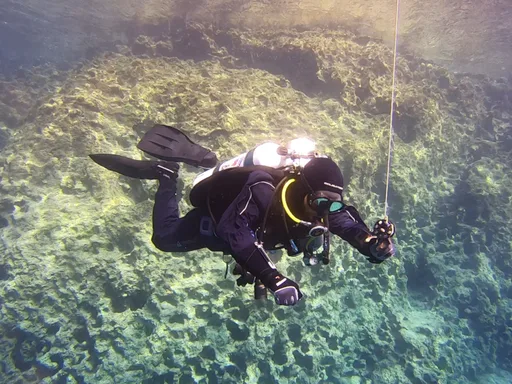
Currents at the site are generally manageable but require attention, particularly at the deepest part of the wall. While the bay itself remains relatively calm and sheltered, a slight drift can develop where the wall meets the deeper water. This variability means that while the entry might feel easy, the bottom portion of the dive demands more active navigation. Understanding how the current interacts with the topography helps in planning a route that allows for a controlled ascent and an efficient return to the shore.
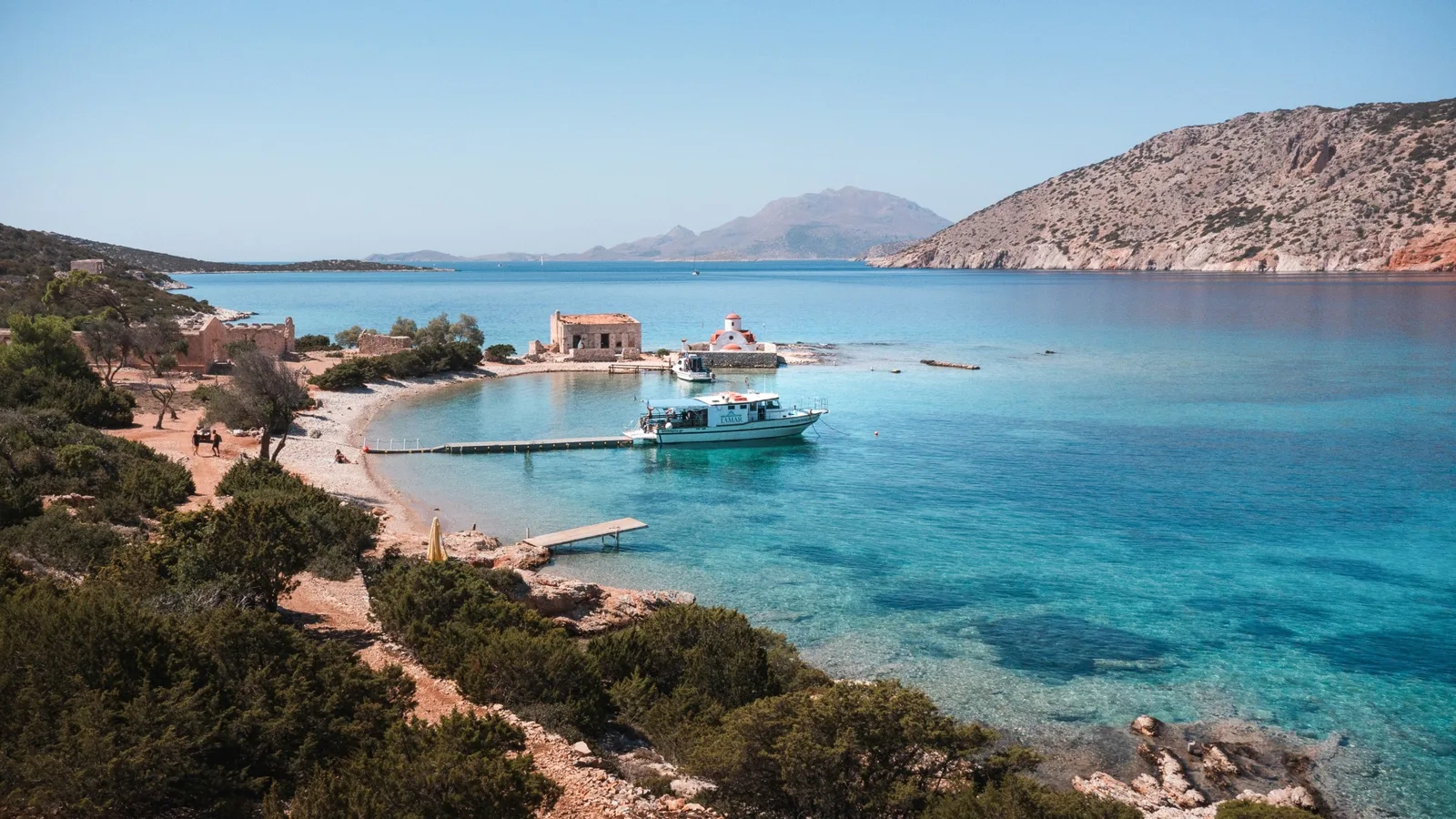
The site is notably accessible through a shore entry, with stairs leading down to a beach that serves as a starting point. This allows for a flexible dive plan, where you can swim or snorkel a short distance to reach the drop-off. For those preferring a more structured approach, some operators also utilize boat dives to access the site. Regardless of the method, the transition from the shallow bay to the deep wall is the defining sequence of a Ladiko Bay dive, offering a comprehensive range of underwater environments in a single outing.
The site features a depth range from 5 to 35 metres. An Advanced level certification and prior deep-diving experience are required due to the steep topography and the depth of the wall. Visibility typically ranges from 10 to 30 metres, and the best diving occurs during the summer and the calmer shoulder-season months. While the bay is generally calm, a slight drift can occur at the deepest part of the wall.
You can dive Ladiko Bay during summer and the calmer shoulder-season months. The bay is generally calm, and the sheltered entry begins in shallow water before reaching the wall. Visibility typically ranges from ten to thirty metres, although conditions can vary with local sea states and the depth you explore.
Ladiko Bay requires Advanced level certification and prior deep-diving experience because of its steep topography and deep wall. The dive begins in water around five to six metres deep, then descends steeply to approximately thirty to thirty-five metres, where the wall meets a sandy seabed.
Ladiko Bay is generally calm inside the sheltered bay, but a slight drift can develop at the deepest part of the wall. You should pay particular attention while navigating the deeper section, where the current interacts with the wall and may affect your route, ascent and return to shore.
At Ladiko Bay, you can explore a steep wall with overhangs and small tunnels, along with ancient amphorae and ceramics on the sandy seabed. Resident life includes groupers, bream, moray eels, octopuses, scorpionfish, slipper lobsters and rock crabs, while barracuda, tuna, wrasse, nudibranchs and sea hares may also appear.