
Nisos Benidorm Dive Centre
Google 4.9/5 (460 reviews)
Spain · Mediterranean
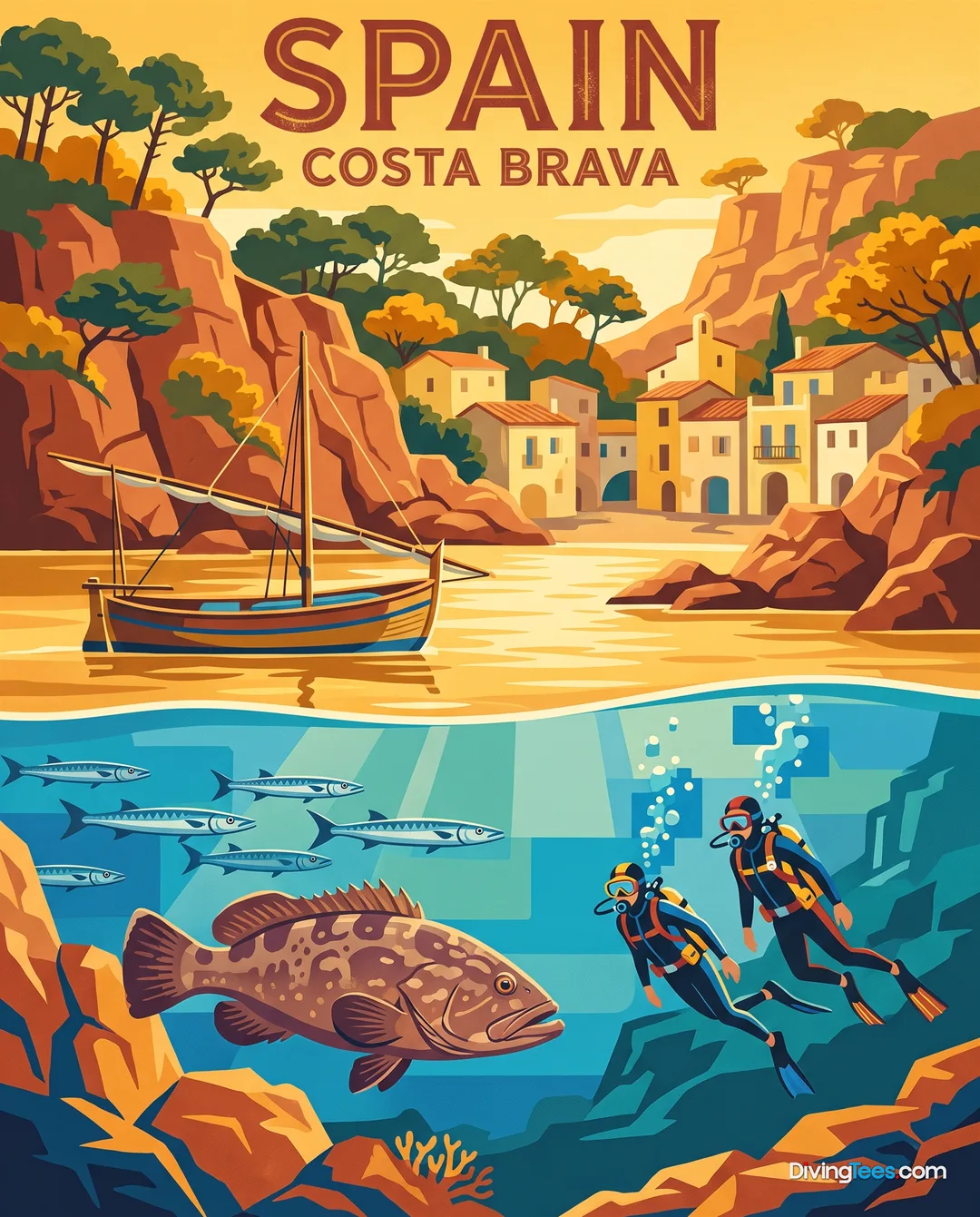
Rocky walls, posidonia meadows, sandy seabeds, groupers and octopuses define boat diving around Benidorm Island and the Serra Gelada.
For subtitles in English: start the video firstthen click the gearat the top right of the video, select “Subtitles/CC”, then “Auto-translate” and choose “English”.
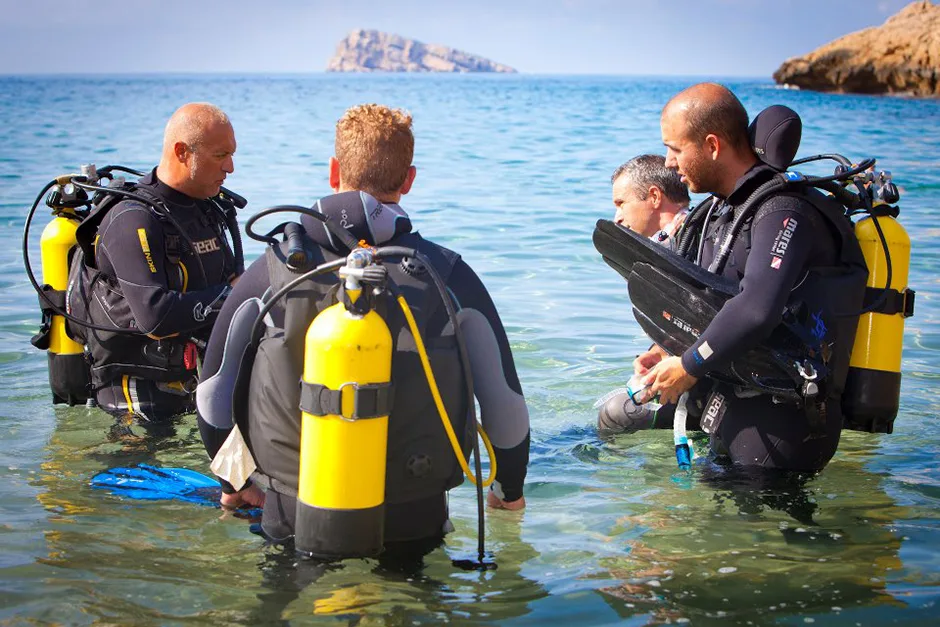
Benidorm puts rocky island diving within a short boat run of a busy Spanish resort. From the harbour, boats head towards Benidorm Island, Mitjana Island and the protected waters beneath the Serra Gelada. Underwater, expect walls, smaller cavities, sand and posidonia rather than a single dramatic feature. Groupers, white seabream, octopuses and moray eels give the dives their character, while shallow sheltered areas make sense for an introduction or a night dive. It is a straightforward base for a few days of Mediterranean diving, with plenty to do above water.
The diving is mainly by boat, with roughly ten to twenty minutes of navigation from Benidorm harbour depending on the sector. Profiles range from shallow sand and posidonia to rocky walls reaching around 25 metres, so a day can be tailored towards an easy first immersion or a deeper run along a drop-off. Small cavities break up the rock, and the island and Serra Gelada offer different combinations of reef, sand and seagrass. Currents are variable rather than a defining feature, but brief changes in flow still warrant a proper briefing. Visibility is generally good, though the experience is better judged by the terrain immediately in front of the mask than by expecting a fixed figure. Some areas near the island suit night diving, while the more exposed walls are better reserved for divers comfortable with depth and changing conditions.
The usual cast is Mediterranean and close to the bottom: groupers tucked around rock, white seabream moving over the reef, and octopuses working across sand, stone and posidonia. Moray eels are another reason to inspect cavities carefully, especially on slower dives and after daylight fades. Barracuda are possible, but they are an occasional encounter rather than a reason to book the trip around a particular season. The same broad mix can be found through the main diving period and, with local boats operating throughout the year, the focus is more on choosing the right sector than chasing seasonal visitors. A night dive near the island changes the mood completely, bringing octopuses, moray eels and other nocturnal activity into sharper view.
Benidorm can be dived throughout the year, but local centres concentrate outings and training from May to October. May, June, September and October are the most sensible months for a diving holiday: the season is active, while July and August bring heavier traffic around the resort, harbour and coastline. The shoulder months also make it easier to combine several boat outings with a quieter day on land. There is no unusable rainy season or monsoon to plan around here. In high summer, the issue is not whether diving is possible, but the extra organisation and congestion that come with Benidorm at its busiest.
Beginners can start on sheltered sites near the landing stage or lighthouse, where local centres run introductory dives and night outings. Those areas also suit a first day while you settle into boat procedures and local conditions. PADI, SSI and BSAC divers can use the destination, provided their experience matches the chosen profile. More experienced divers will get greater interest from the deeper walls and exposed rocky sectors, particularly where depth and variable current matter. No advanced qualification is presented as a general requirement, but a sensible progression from shallow ground to around 25 metres is the better way to use the area.
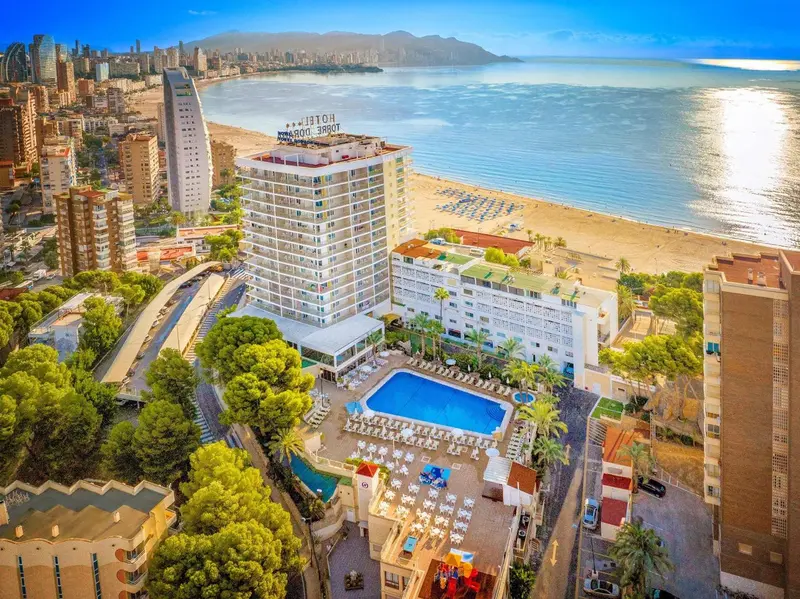
From London or Manchester, plan the journey around reaching Benidorm overland from the Alicante or Valencia side. The destination is connected by road, and there is no ferry crossing to arrange for the stay or domestic flight needed to reach the diving area. Once in Benidorm, the important distinction is between the resort and the commercial harbour: the island and Serra Gelada boats leave from the port, not from an arbitrary point beside the beach. Accommodation in the centre may allow you to walk with kit, while more distant hotels call for a taxi or local transport. Allow extra time on departure days for the transfer to the harbour, loading equipment and boarding.
For a first visit, ask what the boat is actually visiting rather than accepting a vague promise of a Benidorm dive. Benidorm Island, Mitjana Island and the Serra Gelada produce different bottom profiles and different navigation times. If you are new to the area, start near the landing stage or lighthouse before committing to a deeper wall. Keep a night dive in the plan, since the nearby shallow sites make it possible to see octopuses and moray eels without complicated logistics. Staying within easy reach of the harbour removes an avoidable daily transfer. If possible, travel outside July and August, when the port and coast are less pressured. Do not confuse a sightseeing or snorkelling circuit around the island with a dive over a wall. In the park, never touch rock, move stones or use posidonia for support, and take nothing from the seabed. Keep a separate day for the island or Serra Gelada trails rather than forcing an excursion between repeated dives.
Three to five days is enough to move between the island sectors, include a night dive and keep one day free of diving. A week works better for training or repeated boat outings, because it avoids making the holiday depend on one particular site or sea state. Stay close to the harbour if carrying equipment daily matters. Non-divers have beaches, the seafront, boat trips and Serra Gelada paths, so the group can share the destination without sharing every hour underwater.
Hello, I'm Marina, DivingDeal.com's AI assistant. I guide you through destinations, areas and countries.
Thinking about the whole trip and the flights? Talk it over with Edith →
Marina is an AI. Some links are affiliate links: DivingDeal may earn a commission, at no extra cost to you. Bookings are made with the partner.
You can dive in Benidorm throughout the year, while local centres concentrate outings and training from May to October. May, June, September and October offer active diving with a quieter atmosphere on land. July and August remain possible, but heavier traffic around the resort, harbour and coastline requires extra organisation.
Benidorm suits beginners as well as certified divers, with sheltered sites near the landing stage or lighthouse for introductory dives and first boat outings. PADI, SSI and BSAC divers can choose profiles matching their experience. More experienced divers can explore deeper walls and exposed rocky sectors where depth and changing currents matter.
Around Benidorm Island, Mitjana Island and Serra Gelada, you can explore rocky walls, cavities, sand and posidonia meadows. Groupers, white seabream, octopuses and moray eels are typical encounters, while barracuda appear occasionally. Sheltered night dives can bring nocturnal activity, including octopuses and moray eels, into sharper view.
Base yourself within easy reach of Benidorm harbour, where boats leave for the island and Serra Gelada. Ask which sector each outing visits, and consider combining shallow sites, a deeper wall and a night dive. Keep a day free for beaches, boat trips or Serra Gelada paths, allowing time for loading and boarding.