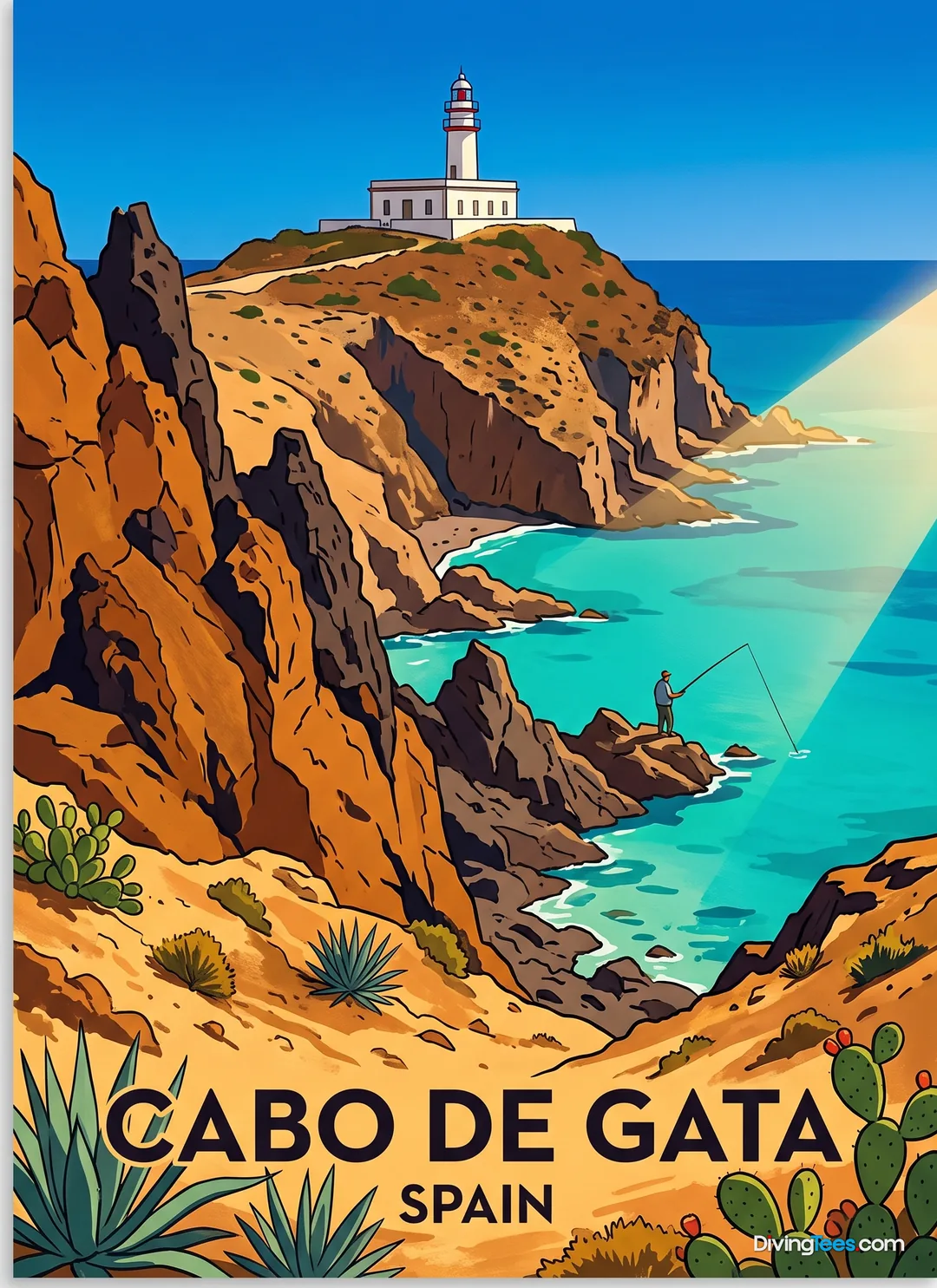
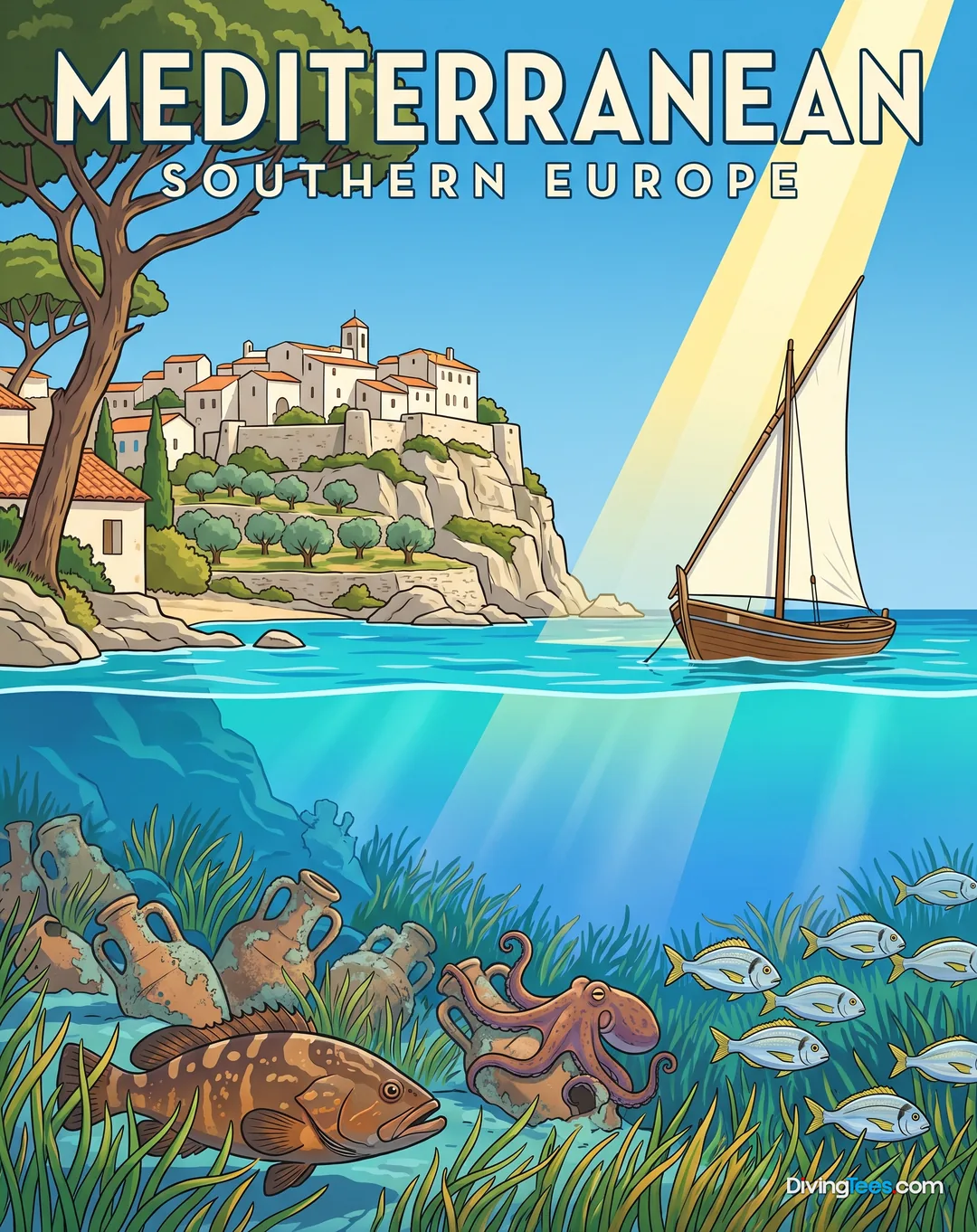
Cabo De Gata · Spain · Mediterranean
Max. depth · 14 mRestinga De Las Anclas, Cabo De Gata: shallow rocky reef and shipwreck
Explore a 400-metre rocky bar featuring an 18th-century anchor and dense Posidonia seagrass.
What makes this site special
- Large 18th-century anchor on the seabed
- 400-metre long rocky reef structure
- Extensive Posidonia seagrass meadows
- Numerous cavities and holes for macro life
- Sheltered conditions with light currents
- Shallow depth suitable for beginners
For subtitles in English: start the video firstthen click the gearat the top right of the video, select “Subtitles/CC”, then “Auto-translate” and choose “English”.
Restinga De Las Anclas about the site
The site is defined by a long rocky bar that rises approximately 2 metres above the surrounding seabed. This structure runs for roughly 400 metres, creating a continuous shallow reef that serves as the primary focus of the dive. Because of its relatively shallow profile, the environment remains sheltered compared to the more exposed offshore sites found elsewhere in the region. This topography provides an ideal setting for a relaxed exploration of the seabed and the various microhabitats it creates.
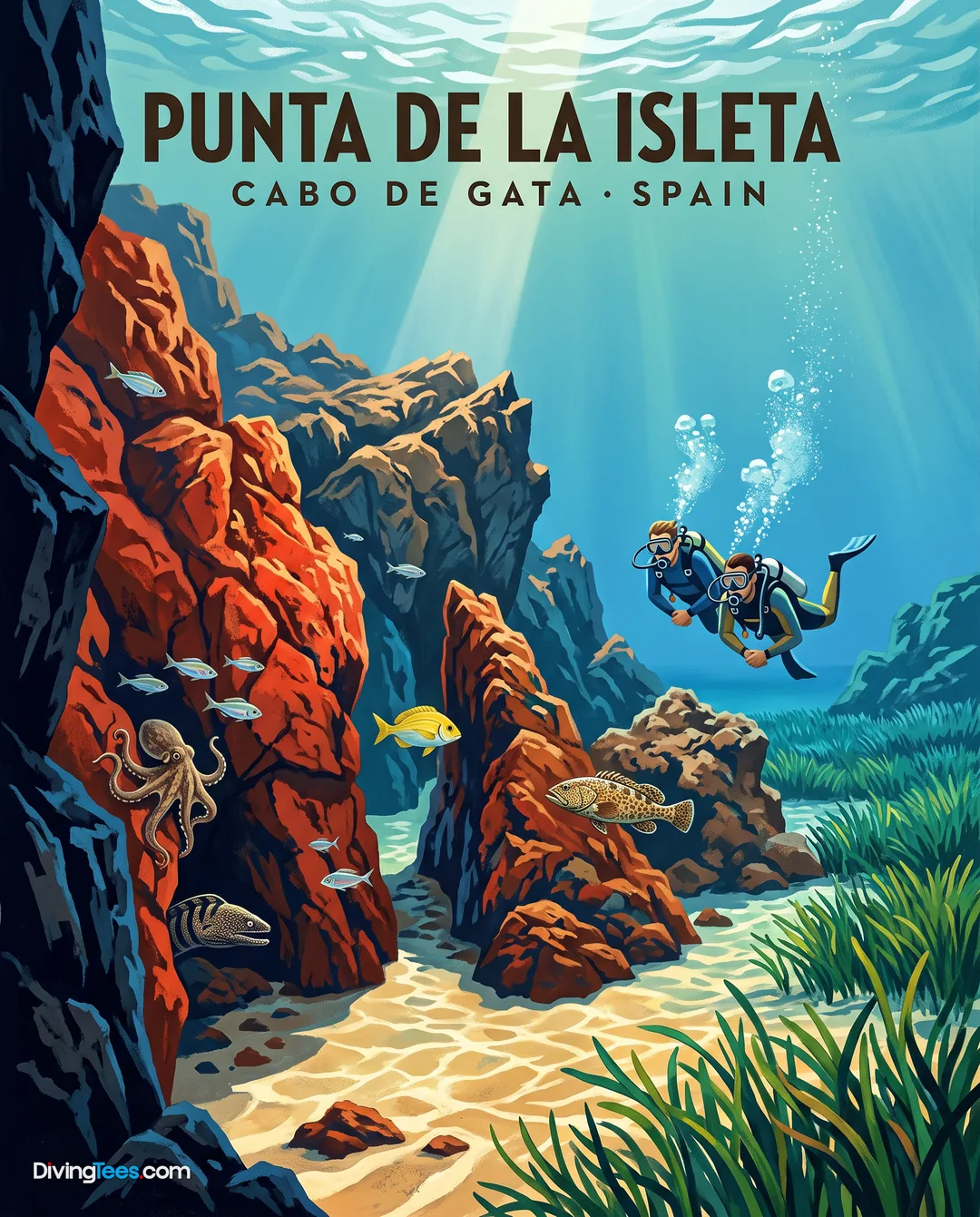
As you approach the reef, the upper section is heavily colonized by Posidonia seagrass. This meadow extends right to the edge where the rock drops away, forming a series of numerous cavities and holes. These holes and crevices act as sheltered microhabitats for various resident species, providing plenty of vertical and horizontal structure to investigate. For a diver, this means the site offers a diverse landscape of rocky textures rather than a flat, featureless bottom.
One of the most distinctive features of this site is a large 18th-century anchor lying on the bottom nearby. This historic object gives the site its name and provides a unique point of interest for those navigating the area. The presence of this artifact adds a layer of historical character to the natural reef structure. It is a solid, tangible landmark that breaks up the natural landscape of the seabed.
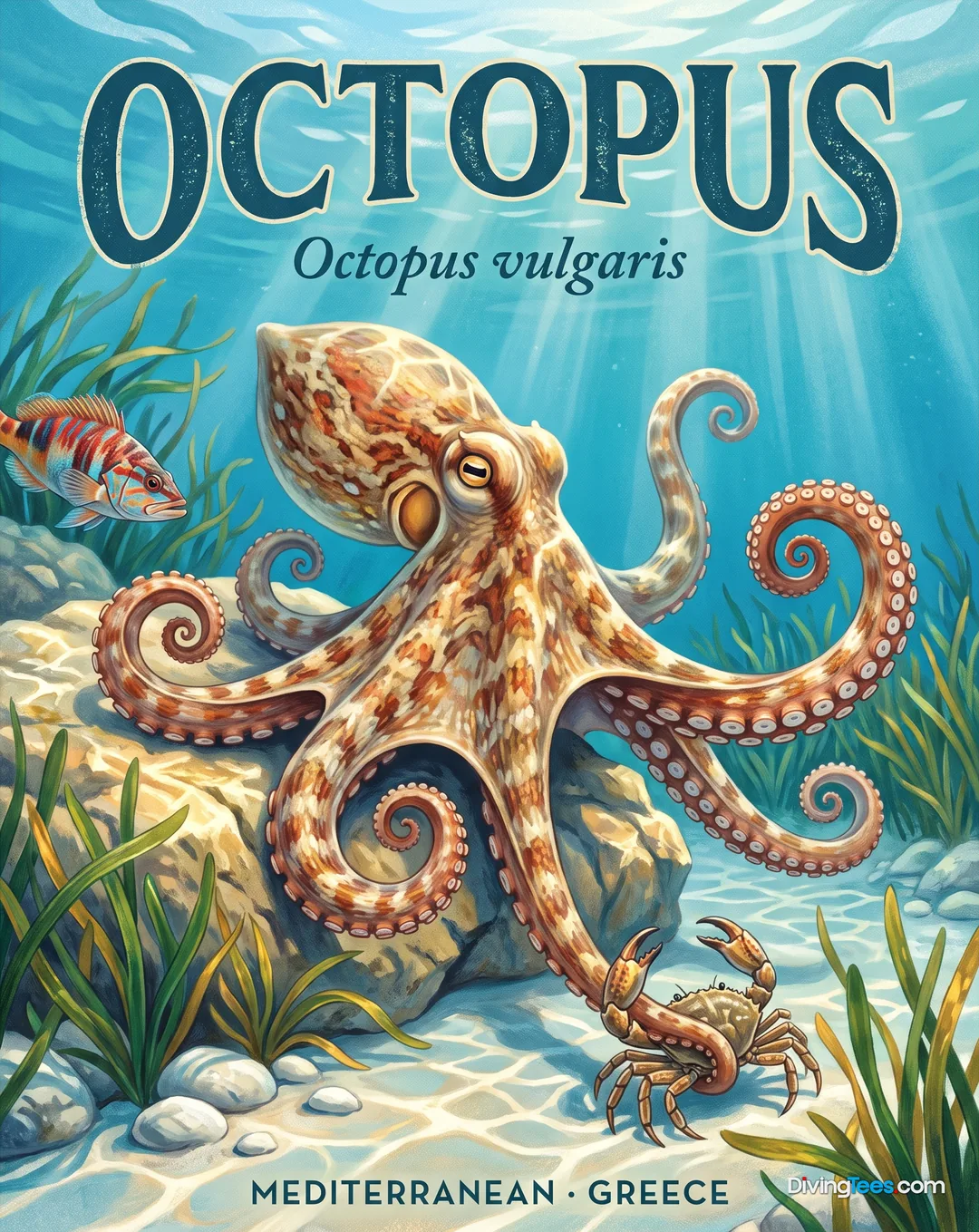
The marine life at Restinga De Las Anclas is closely tied to the structure provided by the reef and the seagrass. You will find various species seeking shelter within the rocky holes, including moray eels and octopus. The presence of the Posidonia meadow supports a stable ecosystem where you can observe species such as the dusky grouper (Epinephelus morhua) and the European seabass (Dicentrarchus labrax). These resident species are commonly found patrolling the edges of the rocky bar.
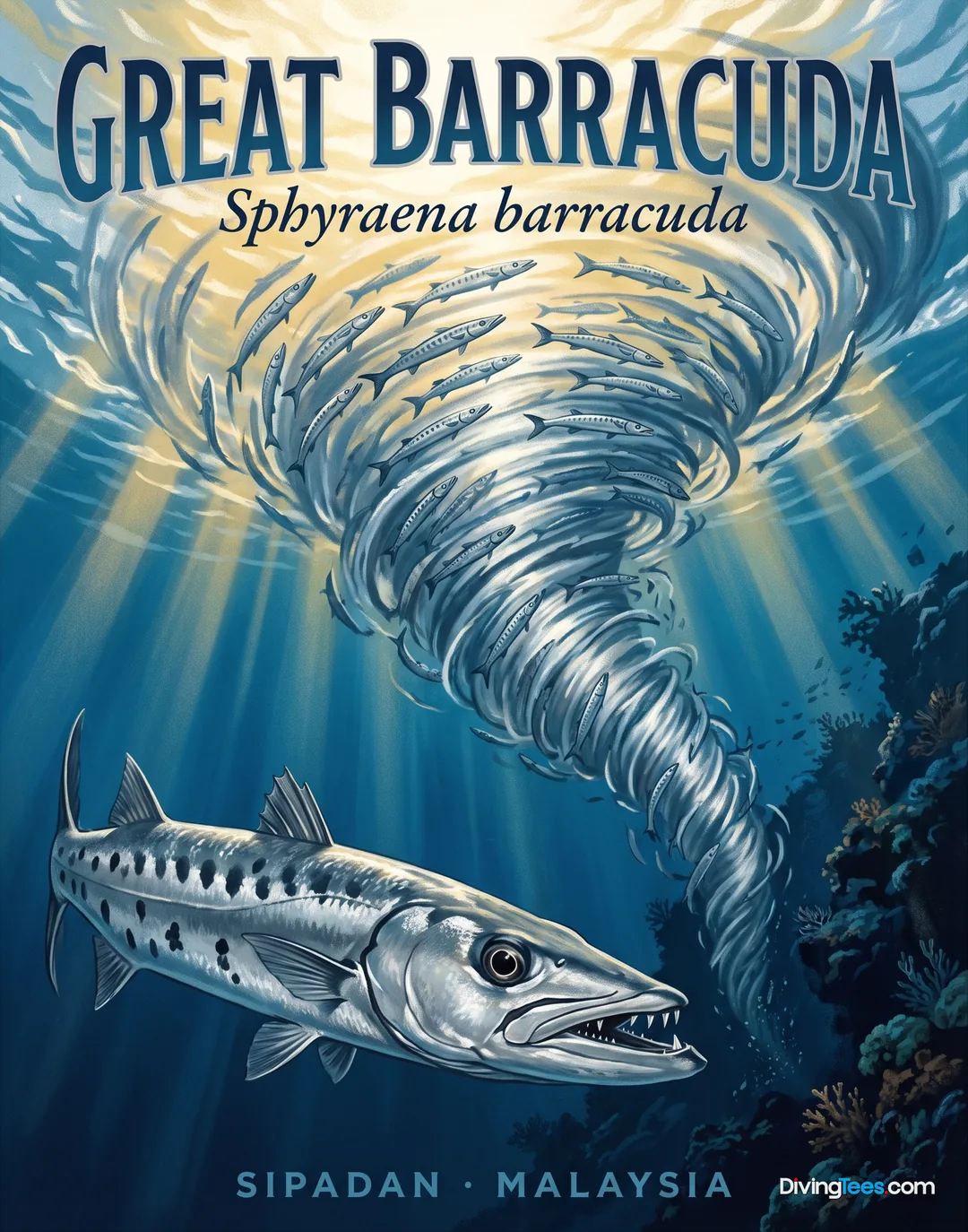
In the open water surrounding the reef, you can expect to encounter larger, more mobile fish. Species such as amberjack (Seriola dorbagnis) and barracuda (Scomberomorus commerson) move through the area, often utilizing the reef structure as a reference point. This combination of resident reef dwellers and more transient pelagic species makes the site interesting for divers looking to see different types of marine behaviour in a single dive.
The conditions at this site are generally calm, making it an accessible location for many divers. Any water movement is typically light and driven by wind or tide, rather than heavy currents. This stability, combined with the shallow depths, makes for a predictable and relaxed dive profile. It is a stark contrast to the high-energy sites found further offshore, offering a more controlled environment for exploration.
Diving Restinga De Las Anclas: the marine life you’ll meet
Diving conditions
Depth ranges from 10 to 14 metres. The site is accessible for Open Water Divers and is suitable for beginners. Visibility typically ranges between 15 and 25 metres. Currents are generally light and wind or tide-driven.
One dive not to miss
Map of hotels, dive sites and dive centres in Cabo De Gata
Frequently asked questions about Restinga De Las Anclas
What diver level suits Restinga De Las Anclas?
Restinga De Las Anclas is accessible to Open Water Divers and suitable for beginners. Its shallow profile, sheltered setting, and generally light currents create a relaxed environment for exploring the reef. You can investigate the rocky structure, Posidonia seagrass, cavities, and holes without the demands associated with exposed offshore sites.
How deep is Restinga De Las Anclas?
Restinga De Las Anclas ranges from 10 to 14 metres deep. The site follows a long, shallow rocky bar that rises about 2 metres above the surrounding seabed. This depth allows you to explore the continuous reef, seagrass meadow, cavities, and nearby historic anchor within a relatively shallow dive profile.
What currents can you expect at Restinga De Las Anclas?
At Restinga De Las Anclas, currents are generally light and water movement is typically driven by wind or tide. The reef’s relatively shallow profile helps keep the site sheltered compared with exposed offshore locations. You can expect a calm, predictable setting for exploring the seabed and its rocky microhabitats.
What can you see at Restinga De Las Anclas?
At Restinga De Las Anclas, you can see a large 18th-century anchor, a roughly 400-metre rocky reef, and Posidonia seagrass meadows. Cavities and holes may shelter moray eels and octopus, while dusky grouper and European seabass patrol the reef. Amberjack and barracuda move through the surrounding open water.