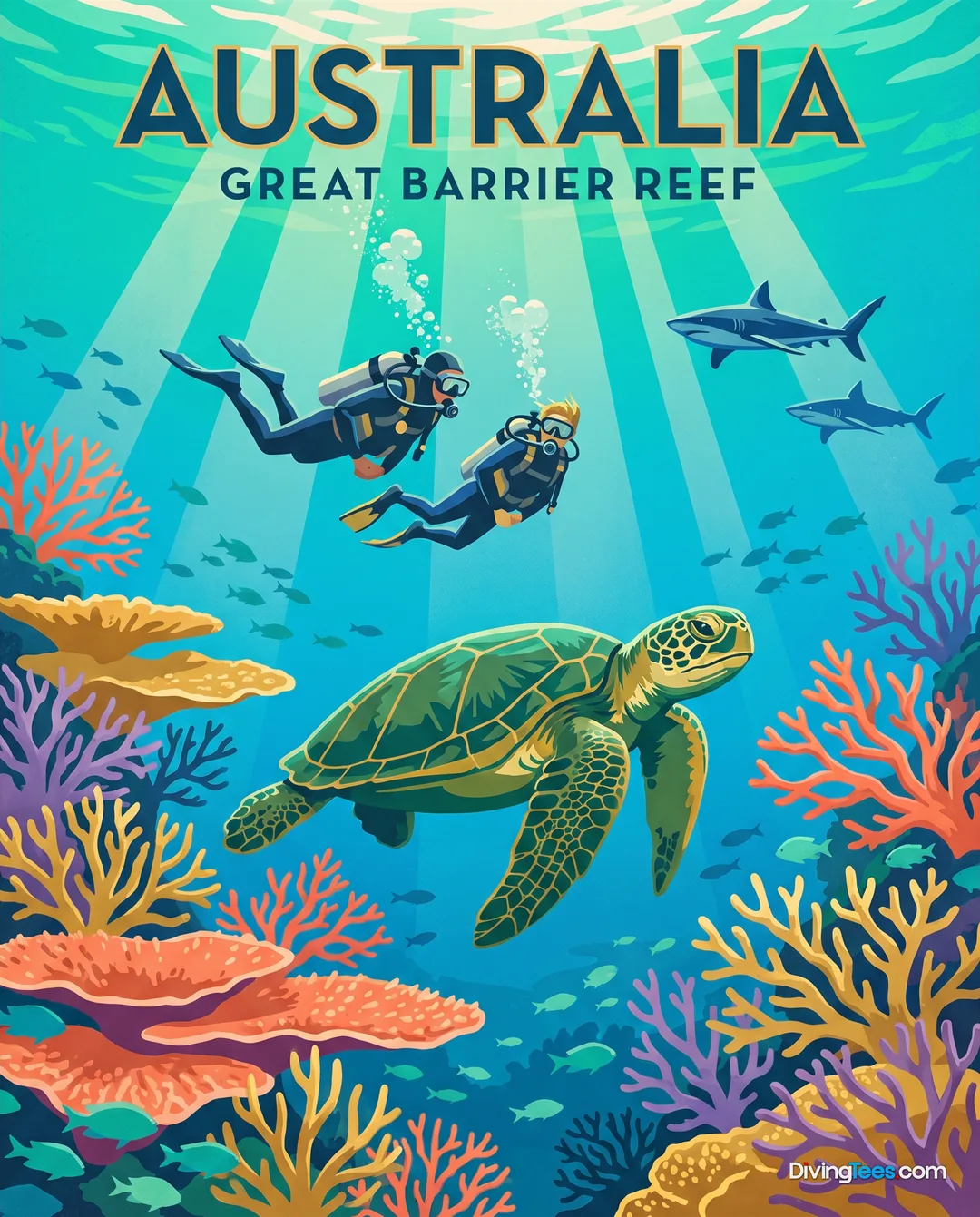
Liveaboards · Australia
Rum Runner — a practical sailing dive boat for reef exploration
What makes this boat unique
- A 2-day, 1-night Cairns-to-Cairns trip offers six dives, including a night dive.
- Rum Runner is a working motor-sailing schooner for up to 16 guests, not a luxury yacht.
- Bunk cabins are compact and intended mainly for sleeping, with hot-water showers and portholes.
- The boat suits divers looking for good value, local knowledge and reefs away from the busiest sites.
- Snorkellers and non-divers are welcome, and the crew speaks English.
For subtitles in English: start the video firstthen click the gearat the top right of the video, select “Subtitles/CC”, then “Auto-translate” and choose “English”.
The invitation
Rum Runner is for divers who would rather spend their money on time underwater than on polished interiors. This is a practical sailing boat with a small-group feel, a crew that knows the local reefs and enough freedom for certified divers to explore with their buddy. The reward is a compact Cairns liveaboard that reaches coral gardens, pinnacles, swim-throughs and walls without pretending to be a floating hotel. The crew can also put a line in your hands and have you help hoist a sail. Come for six dives in two days, a night dive at anchor and the chance to meet people from Australia and elsewhere over fresh meals and reef photos. Choose another boat if privacy, spacious cabins or luxury service matter more than value and access to the water.
Boarding
At Marlin Marina, Rum Runner looks and feels like a working boat rather than a resort with a hull. The fiberglass schooner has been in service since 1984, and its character comes from use: practical spaces, sailing gear, an open saloon and decks arranged around the business of getting people to the reef. Once aboard, movement is communal. Guests can join the crew at the lines and help hoist a sail, then settle into the covered or open deck as Cairns falls astern. With a maximum group of 16, the boat is small enough that names and dive plans become familiar quickly. It is comfortable in the useful sense—built for reef trips, meals and repeated entries into the water—not in the luxury-yacht sense.
The atmosphere on board
The atmosphere is social without being manufactured. A maximum of 16 guests, shared bunk cabins and a common saloon mean people meet quickly, then keep comparing sightings over meals and drinks on deck. The crew's role is visible: they brief the first reef arrival, help rusty divers settle into the water and keep the sailing and dive operations moving. Evenings are relaxed rather than formal, with conversation and drinks while the boat lies at anchor in protected water. The crew is local and international, and English is the working language. The strong crew and diving scores, alongside the lower boat score, describe the trade clearly: Rum Runner's people and access to the reef carry more weight than its ageing, utilitarian interior.
The sites you’ll dive
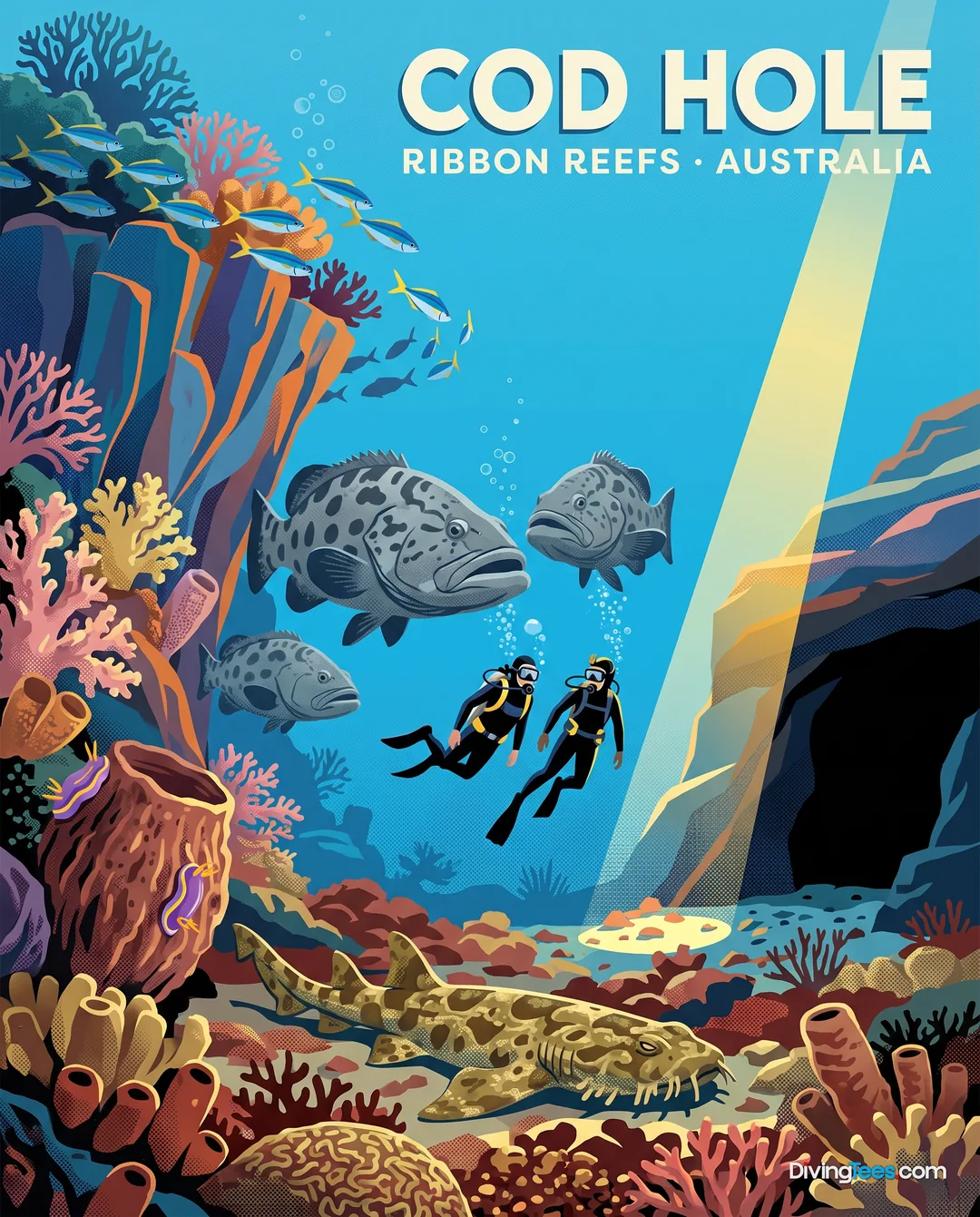
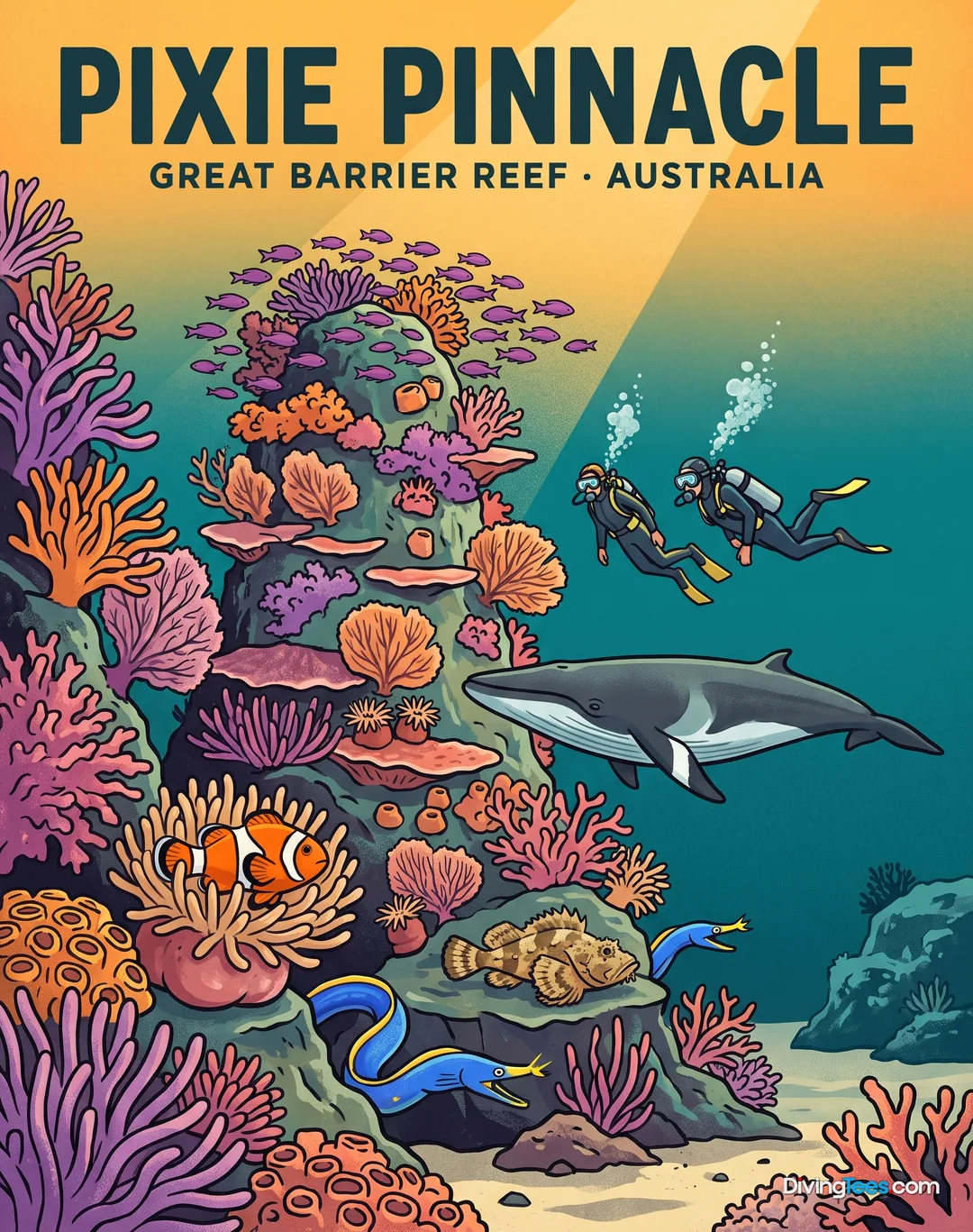
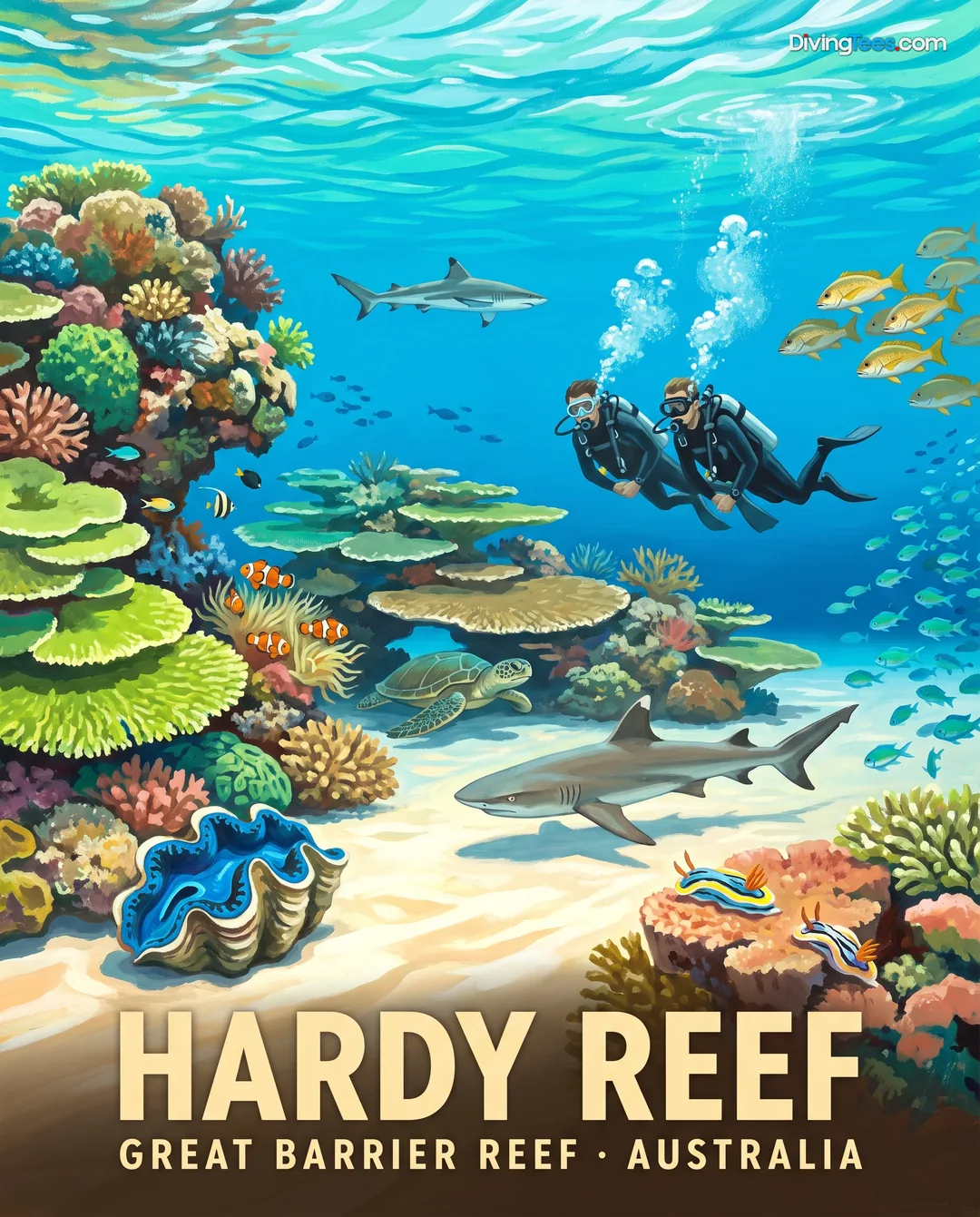
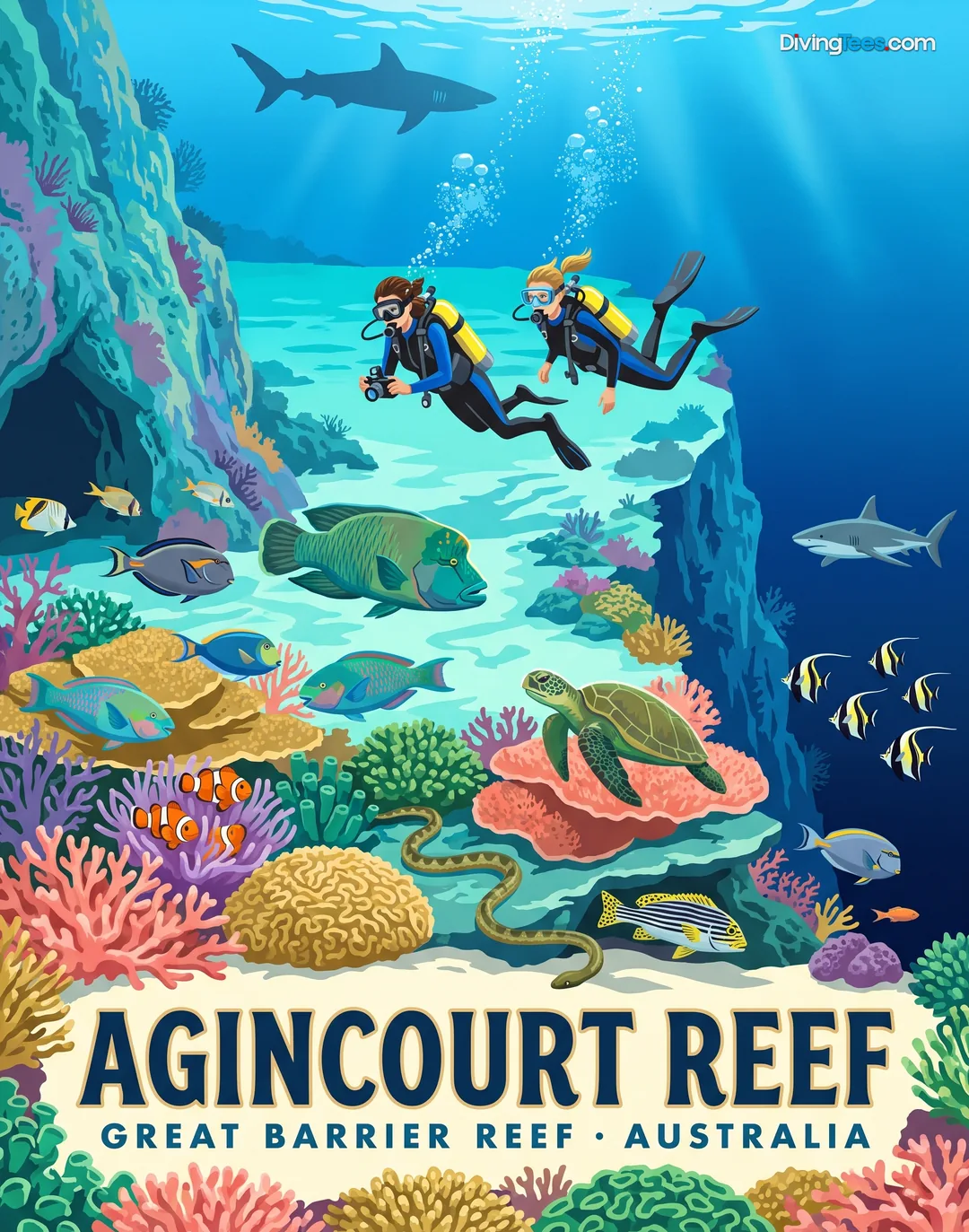
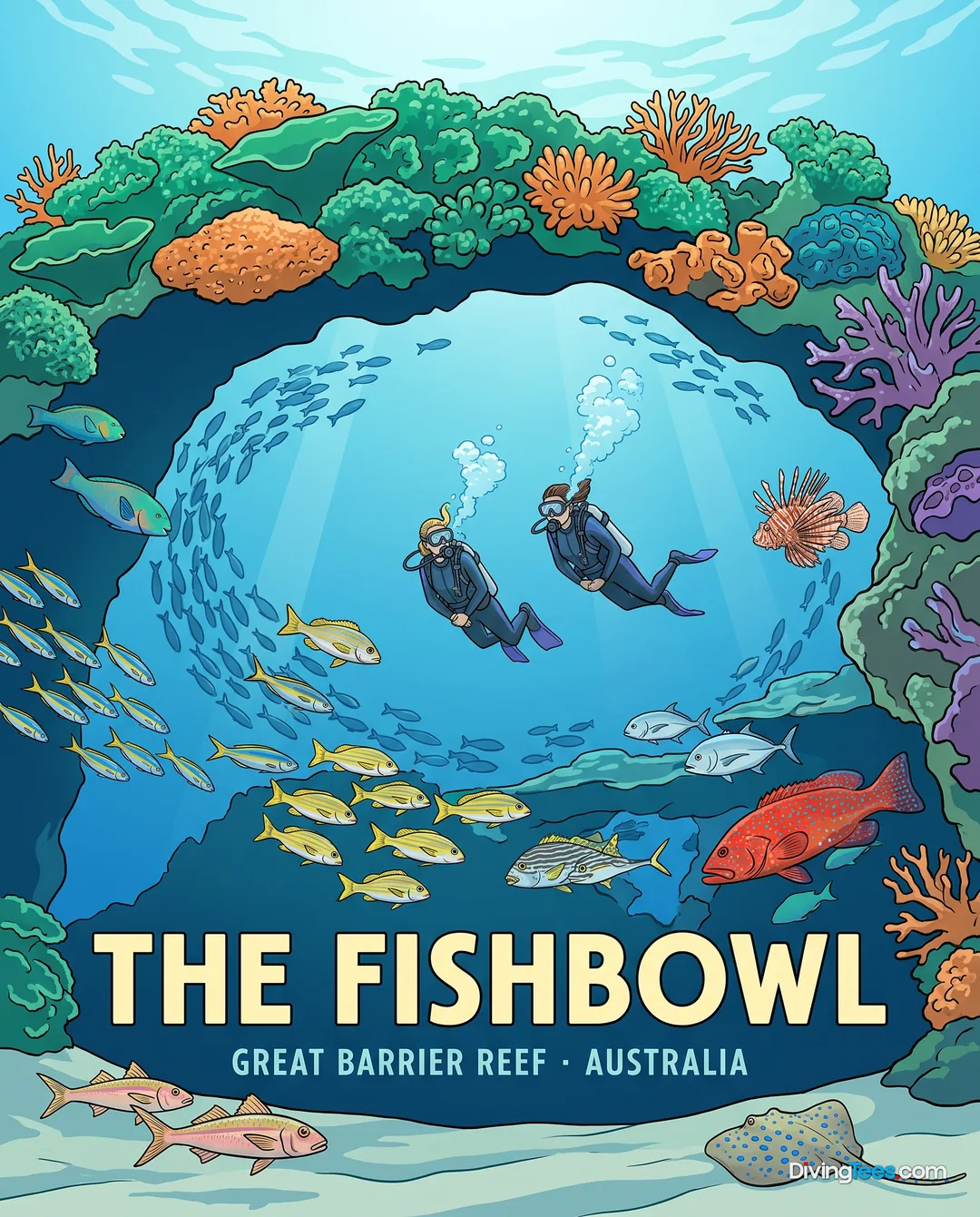
The 2-day, 1-night Cairns-to-Cairns route offers six dives, including one night dive, across the Great Barrier Reef. Cod Hole is the place for a close encounter with its resident giant potato cod, over a maximum depth of -16m, with soft corals, sponges, nudibranchs and wobbegongs around it. Pixie Pinnacle drops to -30m and rises almost to the surface, giving one dive both deep gorgonian fans and shallow Acropora growth; manta rays, eagle rays and white-tip reef sharks may pass the isolated pinnacle. Hardy Reef reaches -20m, combining protected coral gardens with sections open to ocean conditions, where reef sharks and turtles are possible. Steve's Bommie descends to -30m and rises to -5m, with sharks, barracuda, turtles and pelagic fish around the pinnacle. Agincourt Reef reaches -25m on the exposed outer edge, where current can bring active pelagic life over coral gardens. The Fishbowl on Hastings Reef reaches -28m and forms a natural coral amphitheatre of gutters and ledges packed with fish.
What you’ll meet underwater
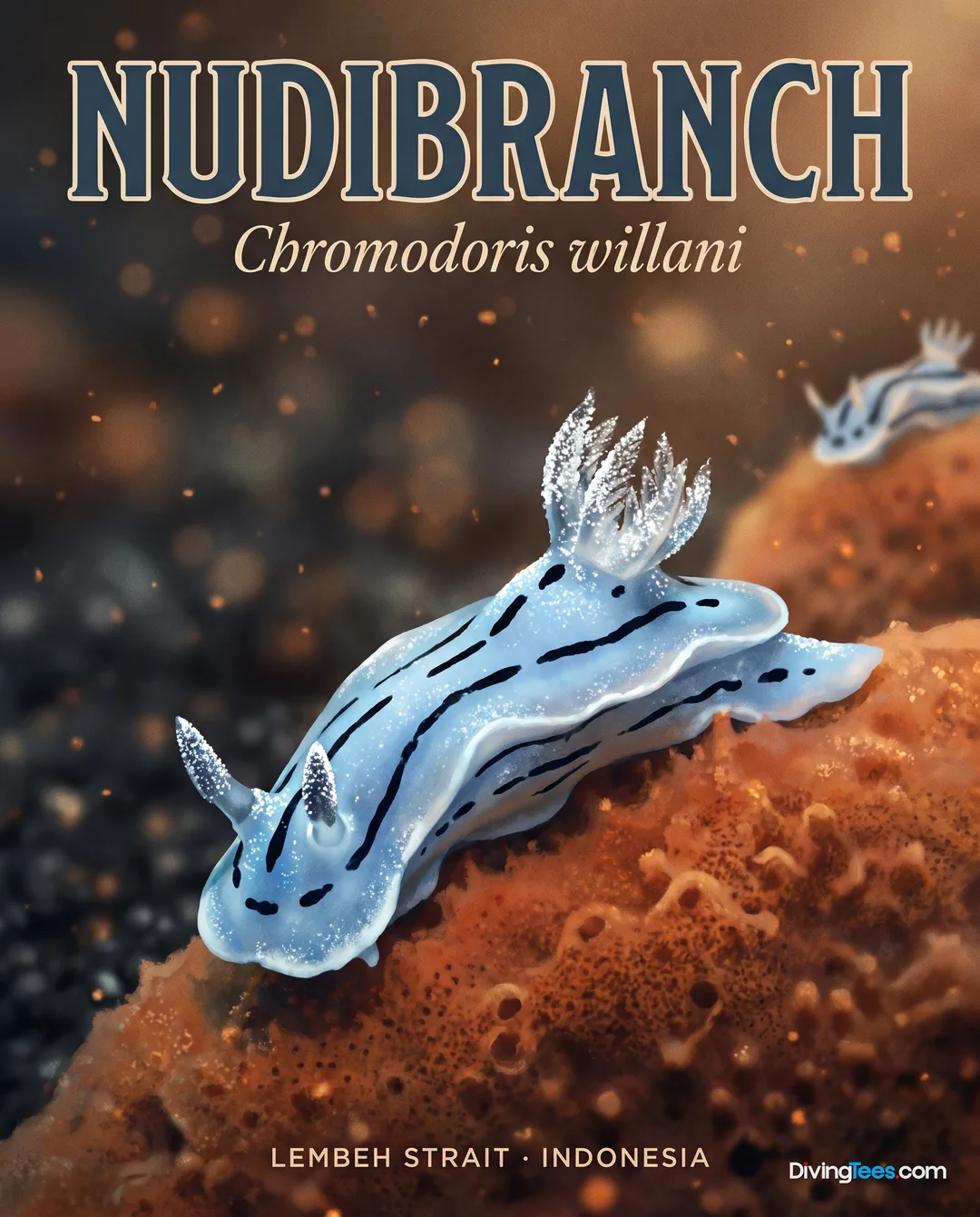
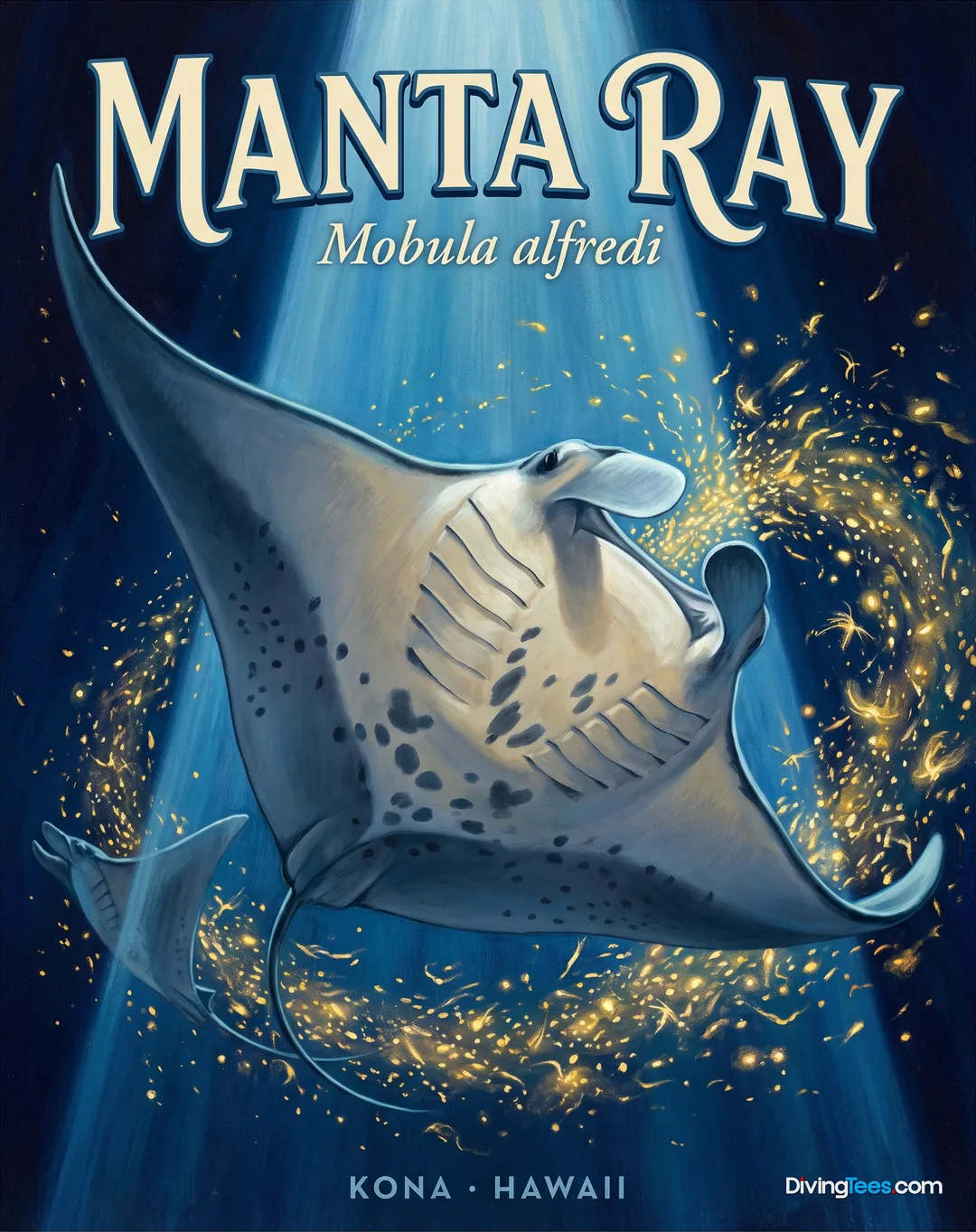
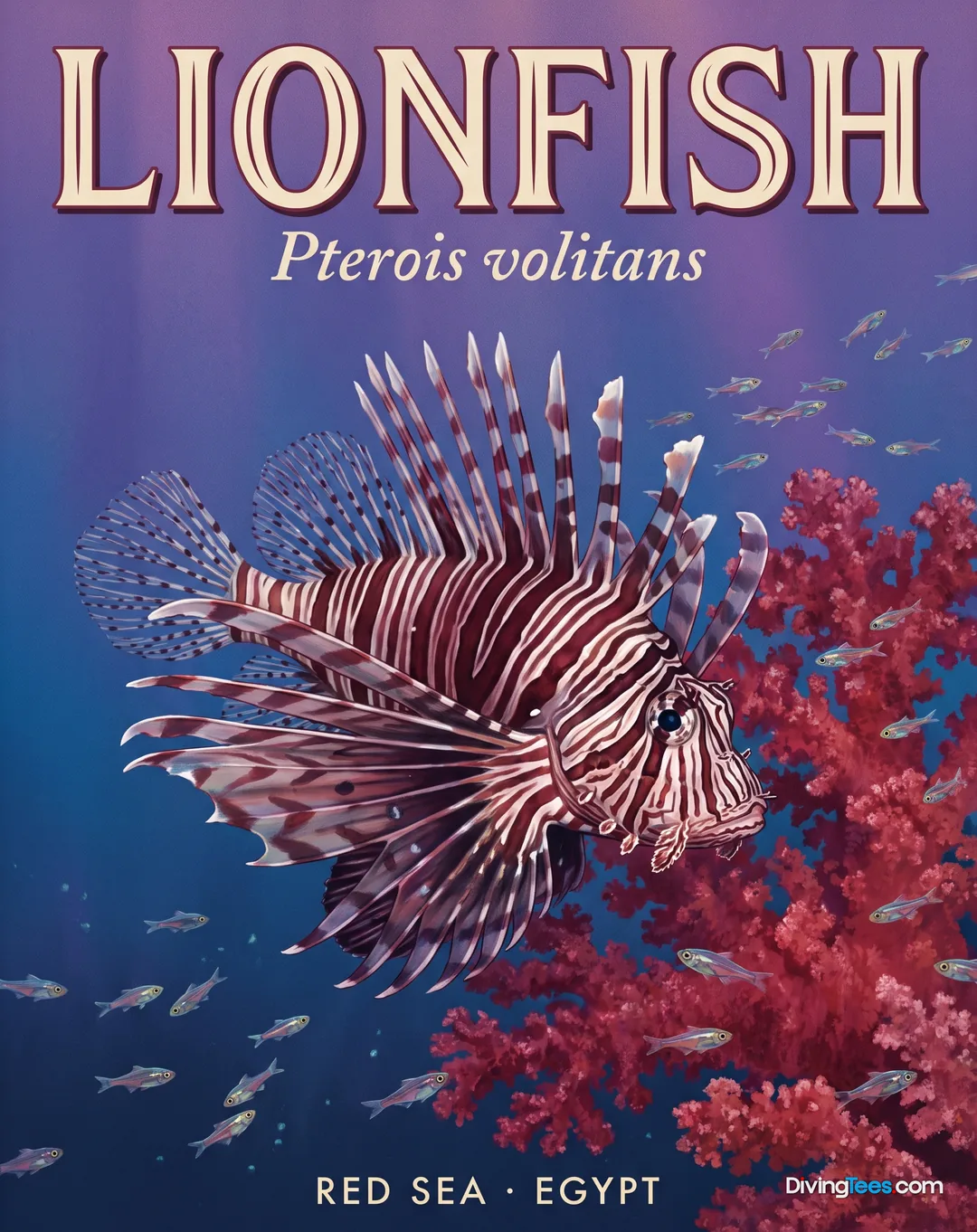
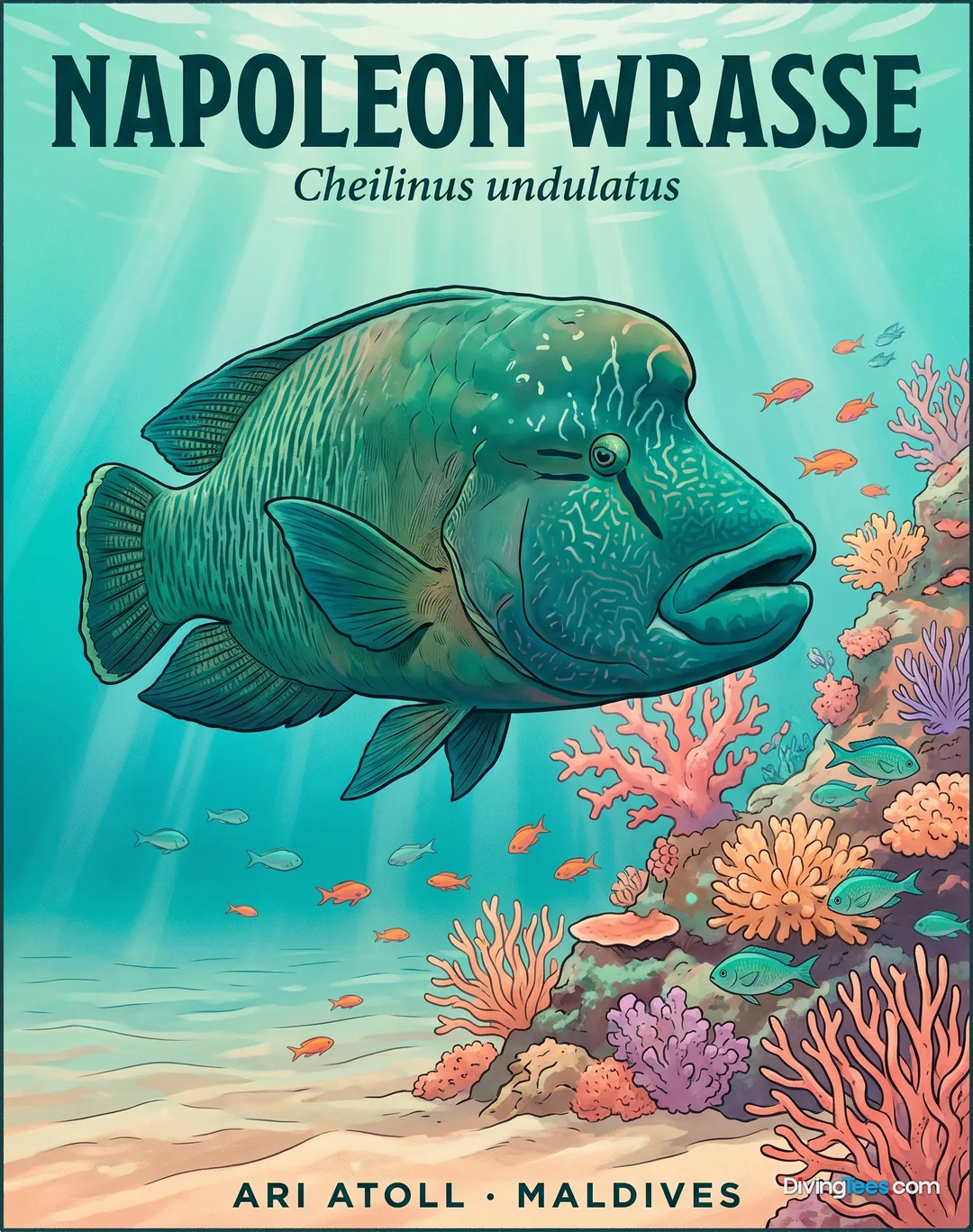
Across the route, fusiliers and nudibranchs are recurring subjects, joined at several sites by bigeye trevally, batfish, parrotfish and lionfish. That mix gives the reef its scale: moving schools in open water, cryptic life close to the coral and larger hunters working the edges. Some sightings are tied to one named stop in the route records. Pixie Pinnacle is the place associated with manta rays, Chromis, moray eels and crabs, while Hardy Reef is the stop for reef sharks and labrids. Agincourt Reef is the only listed site for Napoleon wrasse and butterflyfish. Cod Hole stands apart for giant potato cod and soft corals. The point is not a checklist; the sites change the kind of encounter, from a resident fish at close range to animals using an isolated pinnacle or exposed reef edge.
Who puts you in the water
Certified divers are briefed on general dive safety and on the first site before entering the water. Diving is organised around buddies and adjusted to experience rather than forced into one pace for everyone. A diver who feels rusty can have a crew member accompany the diver and buddy for the first 20 minutes, then continue independently with the buddy team. Guided dives with crew are available, and the operator also runs PADI courses from introductory diving through advanced levels. The crew speaks English. There is oxygen, first-aid equipment, fire alarms and extinguishers, radios and emergency beacons on board. No guide-to-diver ratio, logged-dive minimum, recall system or defibrillator is specified, so divers who need those details should ask before booking.
The dive deck and the gear
The dive operation is built around the stern platform, where divers prepare and enter the water from the boat rather than from a separate tender. DIN adaptors are available. The boat has a separate camera rinse area, a useful distinction when six dives and a night dive mean cameras are constantly coming out of the water, and charging points for phones and camera batteries are provided. Full equipment rental is optional, including dive computers, while wetsuits and snorkelling equipment are available for the relevant trips. Hot-water showers are close by for the return from a dive. The setup favours uncomplicated buddy diving and freedom to explore; details such as tank size, tank material, nitrox, compressor type, SMB provision and tender arrangements are not given and should not be assumed.
Between dives
Between dives, Rum Runner gives you two different places to be: under cover with the group or outside with the wind and sailing gear. Some guests help hoist a sail; others lie on deck, talk through the last dive or work through photographs and video while the boat is underway. Snorkellers can use the reef time without following the divers, and non-divers have space to stay topside. On the return sail, the reef gives way to Queensland's mountains, with dolphins or whales possible from the deck. The quietest option is also the simplest: find a patch of shade, let the boat move and wait until the next briefing.
A day on board
The day starts at the marina, with boarding by 7.00 am and an approximate 7.30 am departure. The boat is underway toward the outer reef while equipment is organised and the crew explains the trip and safety procedures; guests may help hoist a sail. Arrival at the reef is from 11.00 am, followed by the first briefing and three dives, with snorkelling sessions for those staying on the surface. Dinner lands around sunset. After a quiet evening at anchor, certified divers prepare for the night dive. The next morning brings two more dives and snorkelling, breakfast between the morning water time and the day ahead, then a final dive with swim-throughs and caverns. After a quick lunch, Rum Runner leaves before noon. Guests review photos and videos over drinks during the sail back, check out at 1.30 pm and reach Cairns at 3.00 pm.
What you eat aboard
Meals are served buffet-style through the trip, with full board and snacks available throughout the day. The galley covers both Western and local cooking, with vegetarian and vegan options, and meals are prepared fresh on board. Dinner arrives as the sun drops behind the mountains near Cairns, giving the first evening a proper pause before certified divers prepare for the night dive. Breakfast follows the morning diving, and lunch breaks up the final run of dives before the boat heads back. That timing matters: on a six-dive trip, food is not decoration. It is the warm plate, coffee or tea and quick snack that keep the surface interval useful.
Nights at sea
The cabins are bunk rooms with portholes, and some are arranged for two people while others are four-share. They are compact and offer limited privacy, so they work best as places to sleep between dives rather than as private retreats. Air conditioning is available in the cabins, while hot water comes from separate male and female shower cubicles. Bring a small bag: there is no point filling a bunk cabin with luggage. USB, 12V DC and 240V AC charging points keep cameras and phones going, but the atmosphere remains that of a working liveaboard—shared space, wet gear nearby and the boat's sounds carrying through the hull. Sleep is part of the dive schedule, not the main event.
Bunks
What to know before boarding
Boarding is at Marlin Marina, E Finger, Berth 3, in Cairns, with the trip returning to the same port. The recorded 2-day route departs in the morning and returns to Cairns at 3.00 pm on the second day. Arrive in Cairns the night before so a delayed flight or transfer does not put the boat departure at risk. Any transfer arrangements should be settled when the trip is booked.
- Year built
- 1984
- Length
- 20.1 m
- Maximum number of passengers
- 16
- Number of cabins
- 16
- Website
- rumrunnercairns.com.au ↗
Hello, I'm Marina, DivingDeal.com's AI assistant. I answer in detail about hotels, dive centres and liveaboards.

Thinking about the whole trip and the flights? Talk it over with Edith →
Marina is an AI. Some links are affiliate links: DivingDeal may earn a commission, at no extra cost to you. Bookings are made with the partner.