Liveaboards · Australia
ScubaPro I, II, III — a practical Great Barrier Reef liveaboard built around the diving
What makes this boat unique
- The three-day, two-night trip offers up to 11 dives, including two guided night dives.
- The vessels carry up to 32 passengers in 14 twin bunk cabins and two double cabins.
- Free equipment rental, two compressors, a dedicated dive deck and camera facilities keep the operation set up for repeated reef dives.
- The route reaches outer Great Barrier Reef sites, with certified divers required to hold an OWD-level qualification and have at least 10 logged dives.
- Cairns city transfers are included; Northern Beaches transfers are available with an additional charge.
The invitation
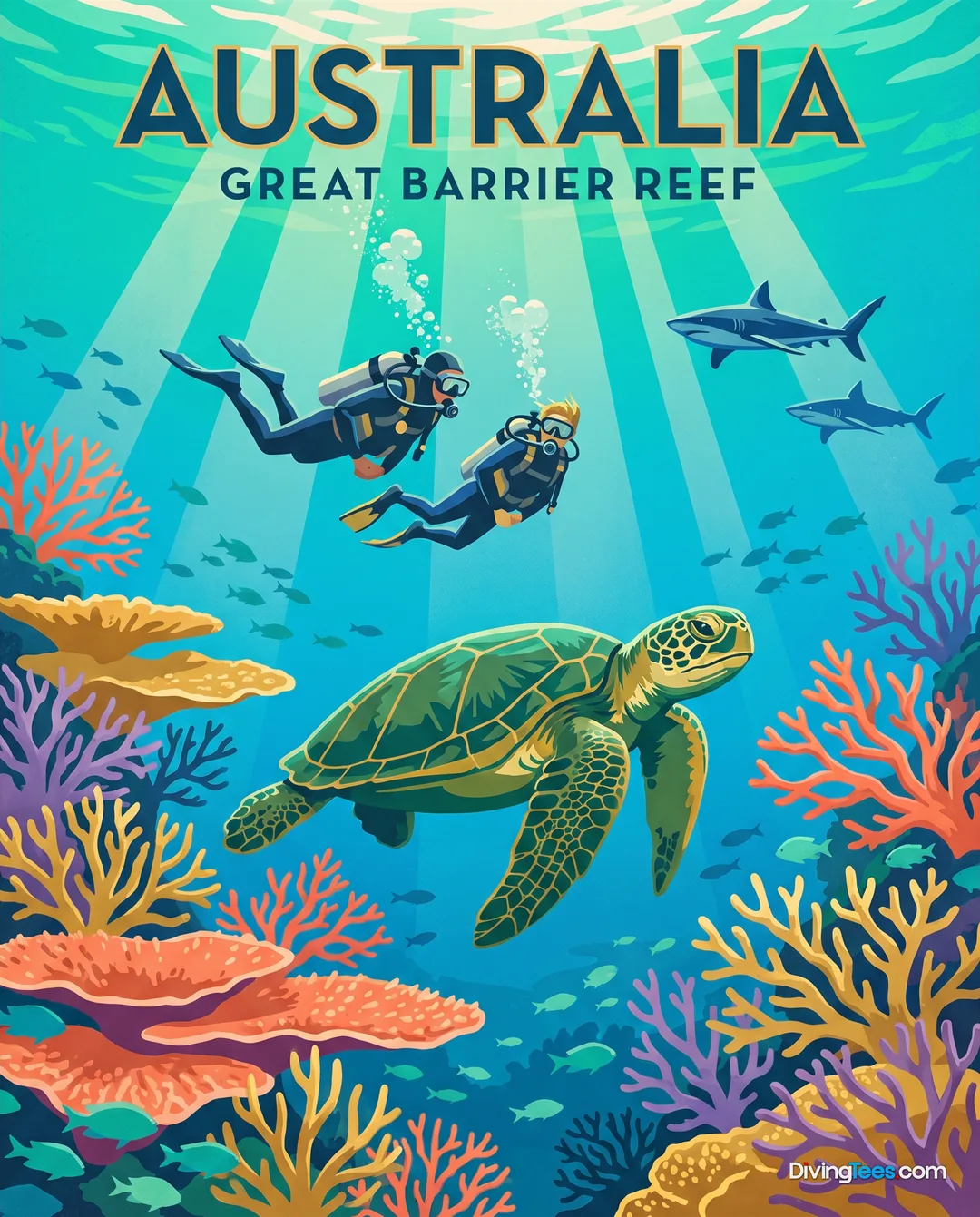
ScubaPro I, II and III are for divers who want the reef to be the main event, not a short excursion fitted around a hotel stay. The three-day, two-night liveaboard puts up to 11 dives within reach, including two night dives, and gives the crew time to move between outer Great Barrier Reef sites rather than repeat one local patch. The boats also accept snorkellers and students, so this is not an expedition reserved for a single level of diver. That mix suits partners or families travelling together, while certified divers still get a full schedule underwater. The reason to choose this operation is simple: the boat leaves Cairns, stays on the reef, and returns after a concentrated run of day and night diving with equipment, meals and a dive guide already on board.
Boarding
From the dock, the ScubaPro vessels present as working dive boats rather than floating resorts. Their steel construction and 2017 renovation point to a platform maintained for repeated reef operations, with the useful spaces given to diving and moving people through the day. Once aboard, the layout spreads across three deck levels: cabins below, indoor and open-air saloons between dives, and a large dive deck where equipment stays close to the water. There is enough capacity for a full boat, but the operation is still organised around a maximum of 32 passengers and six crew rather than a huge day-boat crowd. The boat leaves and returns to Cairns on the same liveaboard trip, with no transfer between vessels at sea. It feels like a base for diving first, with the practical comfort needed to live there for two nights.
The atmosphere on board
The atmosphere comes from a mixed boat rather than a single specialist group. Certified divers share the decks with snorkellers and students working through Open Water, Advanced, Rescue or Divemaster training, so the conversation changes from first underwater skills to the details of the last reef. Six crew serve a maximum of 32 passengers, with a stated crew-to-passenger ratio of about one to five. English, Chinese, German and Japanese are spoken among the crew. In the evening, the boat is still shaped by diving: people compare what they found, prepare cameras, eat, and decide whether they are ready for another night entry. The crew's role is visible throughout the day, from briefings and equipment support to keeping different levels of diver moving through the same operation.
The sites you’ll dive
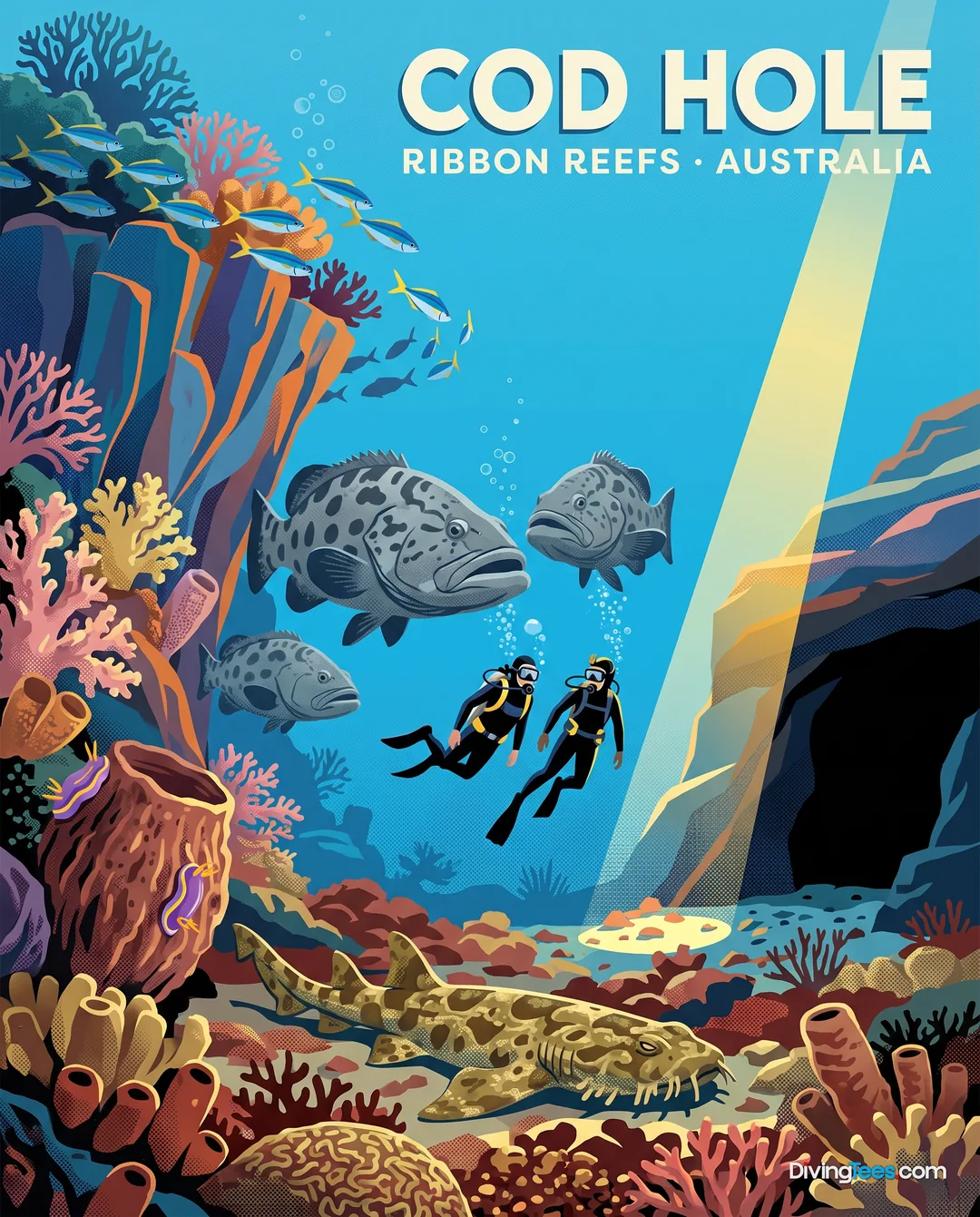
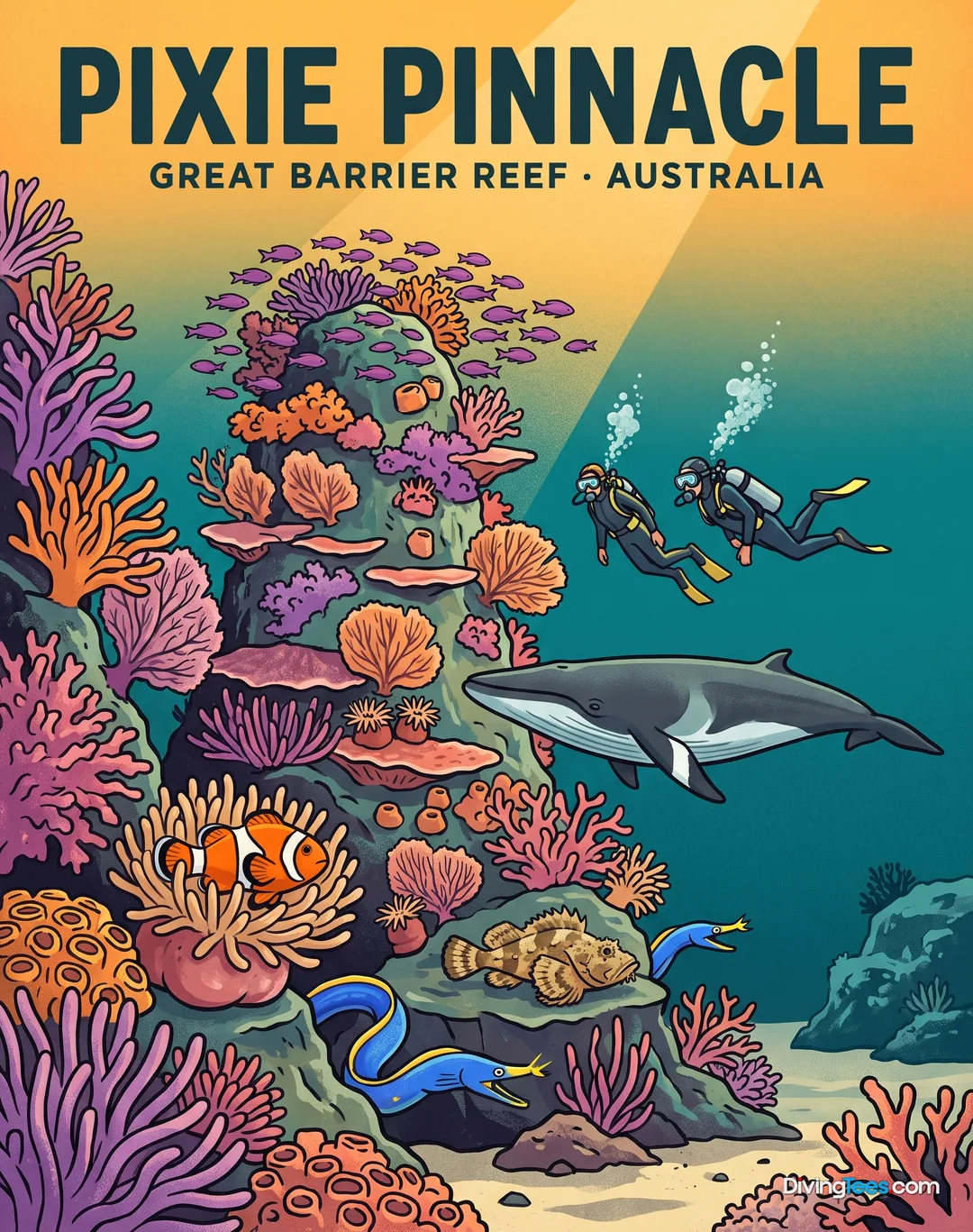
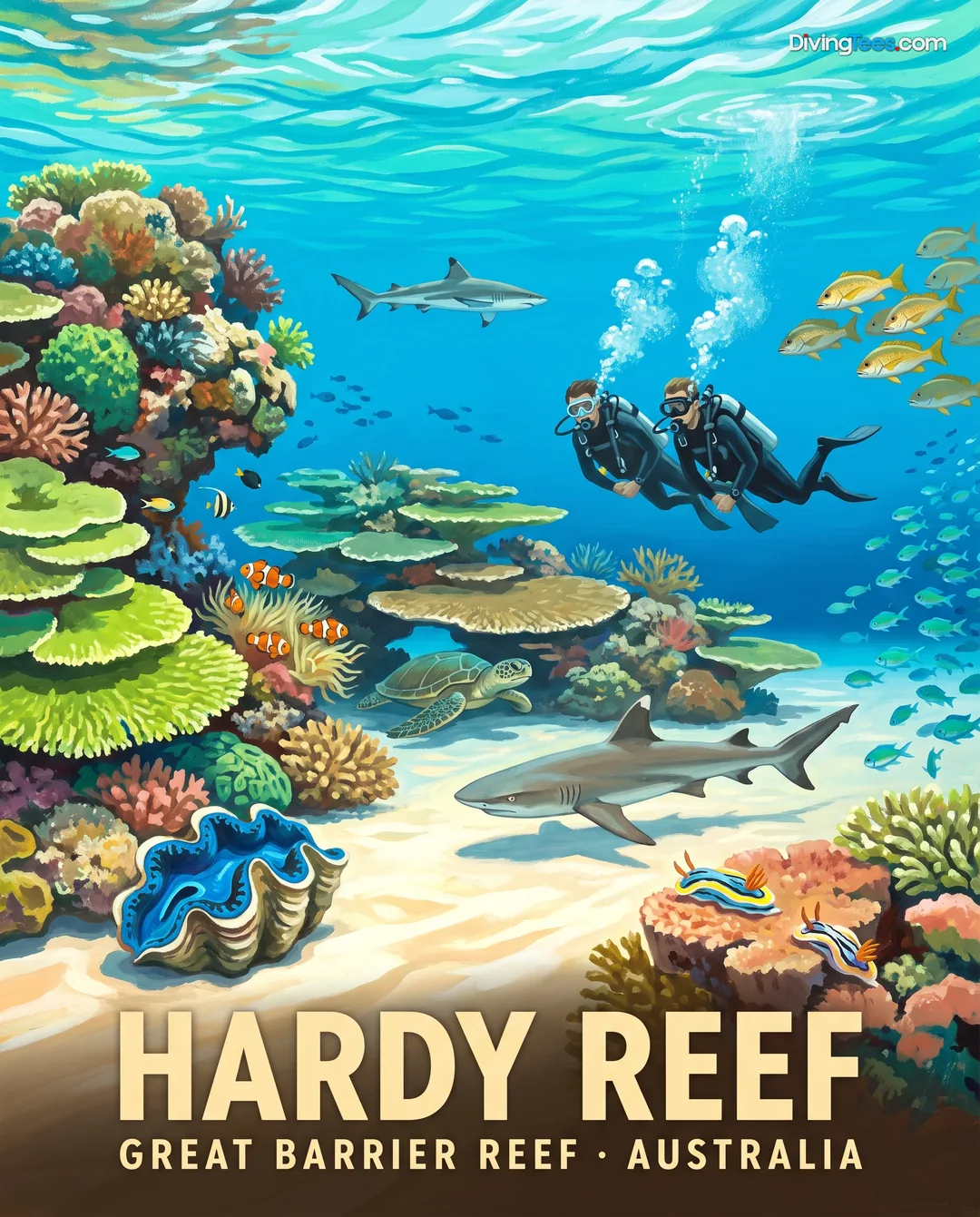
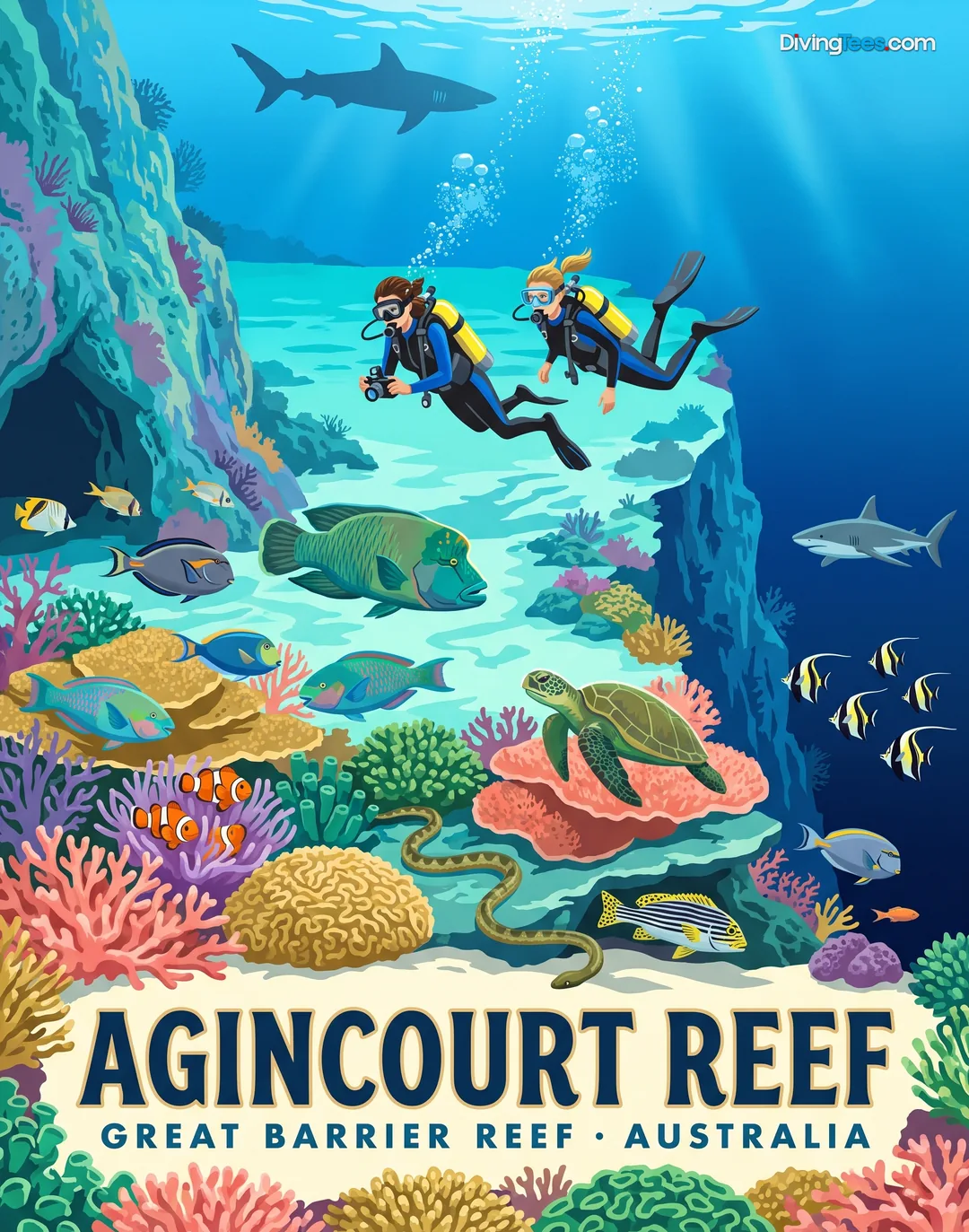
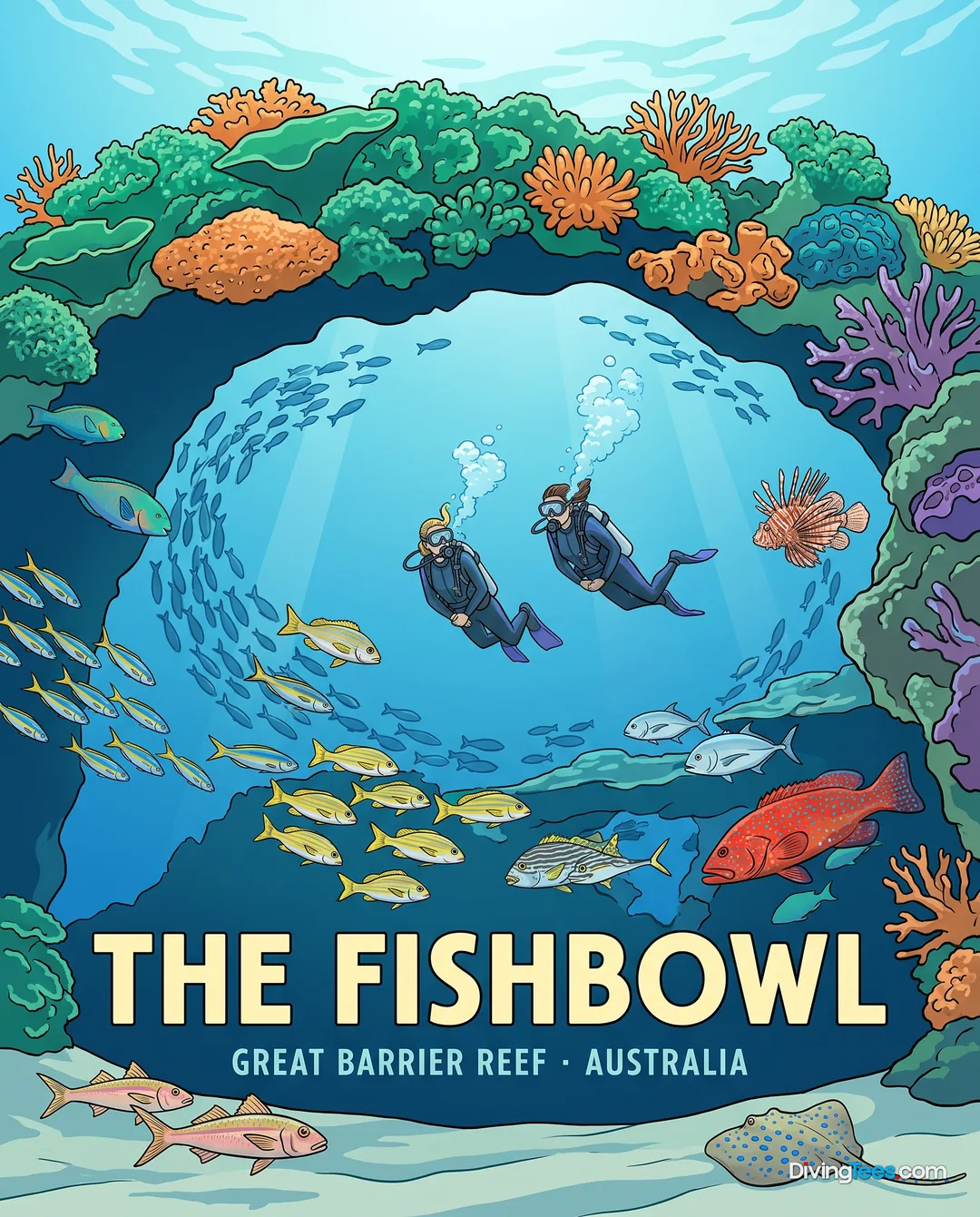
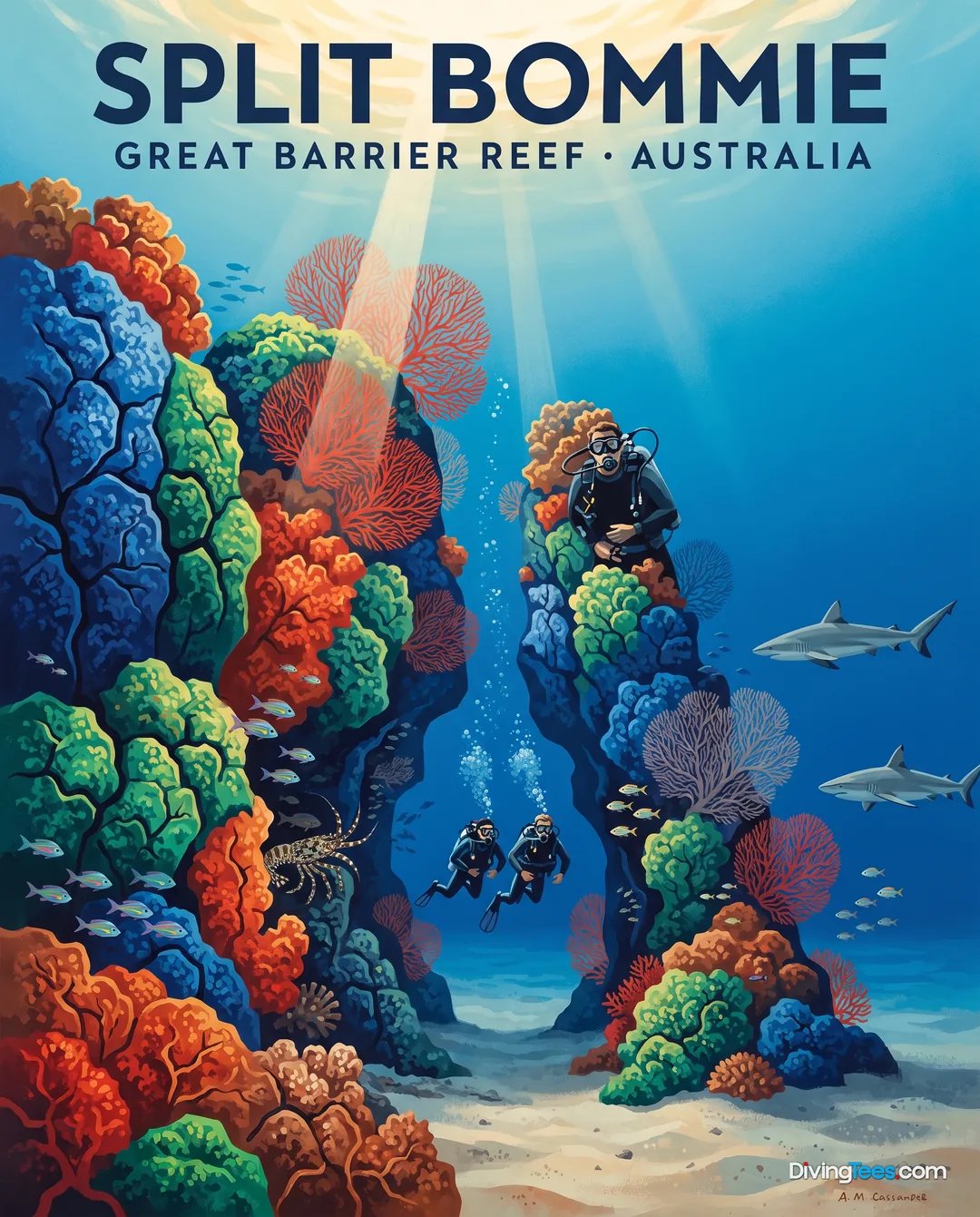
The three-day, two-night liveaboard offers up to 11 dives across outer Great Barrier Reef sites, while the five-day Learn to Dive programme uses the same three-day, two-night liveaboard section for its reef training. Cod Hole reaches a maximum of -16m and is known for resident giant potato cod, with soft corals, sponges, nudibranchs and wobbegongs around the reef. Pixie Pinnacle drops to -30m before rising just below the surface, giving a full reef cross-section from deep gorgonian fans to shallow Acropora, with manta rays and reef fish possible along the pinnacle. Hardy Reef reaches -20m and combines protected coral gardens with sections exposed to the open ocean, where turtles and reef sharks may pass. Steve's Bommie descends to -30m and rises to 5m, bringing reef stonefish, turtles, sharks and passing pelagics into one isolated pinnacle dive. Agincourt Reef reaches -25m at the exposed outer edge, where currents meet coral gardens and pelagic life. The Fishbowl on Hastings Reef reaches -28m, with gutters and ledges forming a natural coral amphitheatre. Split Bommie is the shallowest of these sites at -15m, with two coral formations creating a wall and swim-throughs at 12m. Site order changes with weather, tides and currents.
What you’ll meet underwater
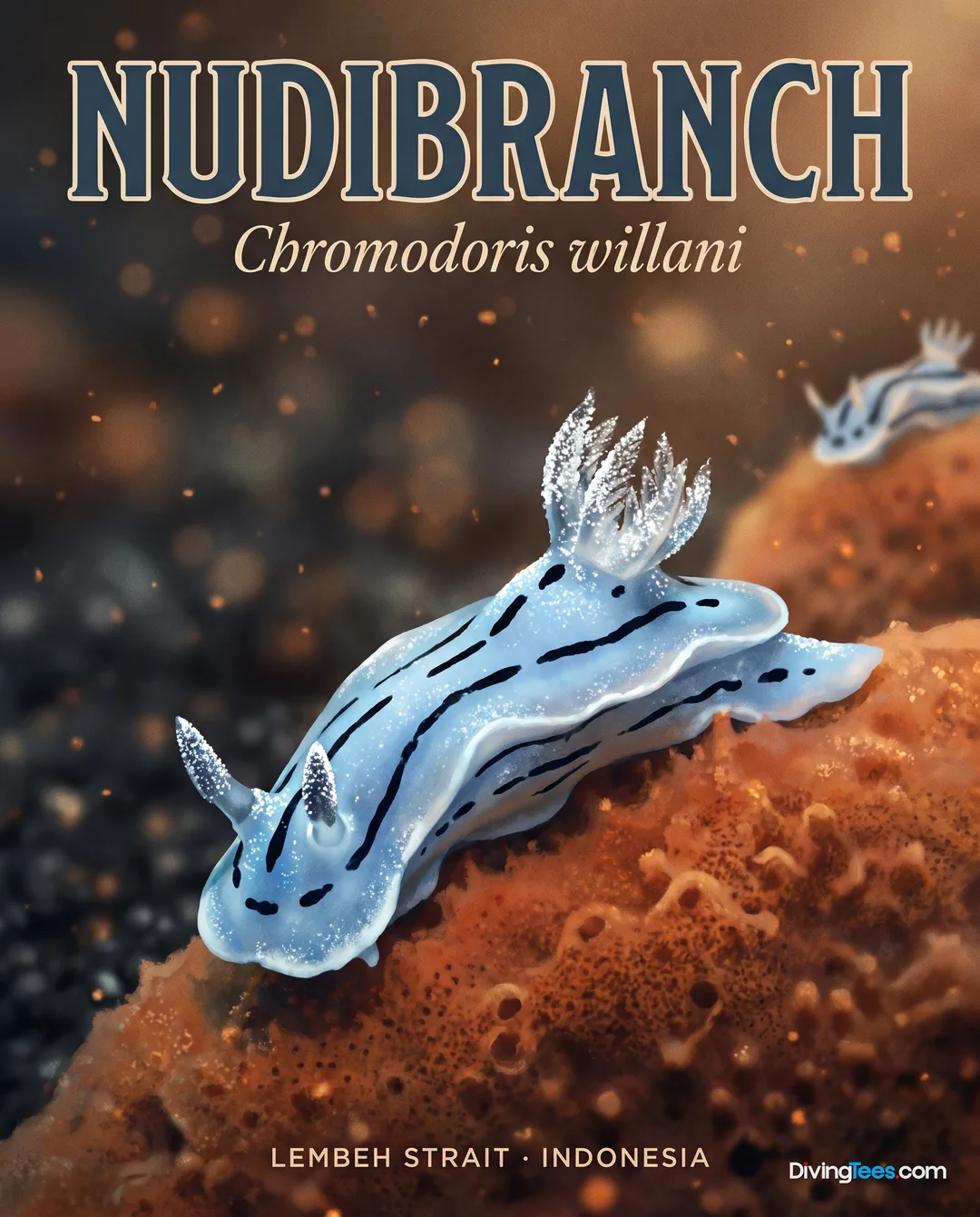
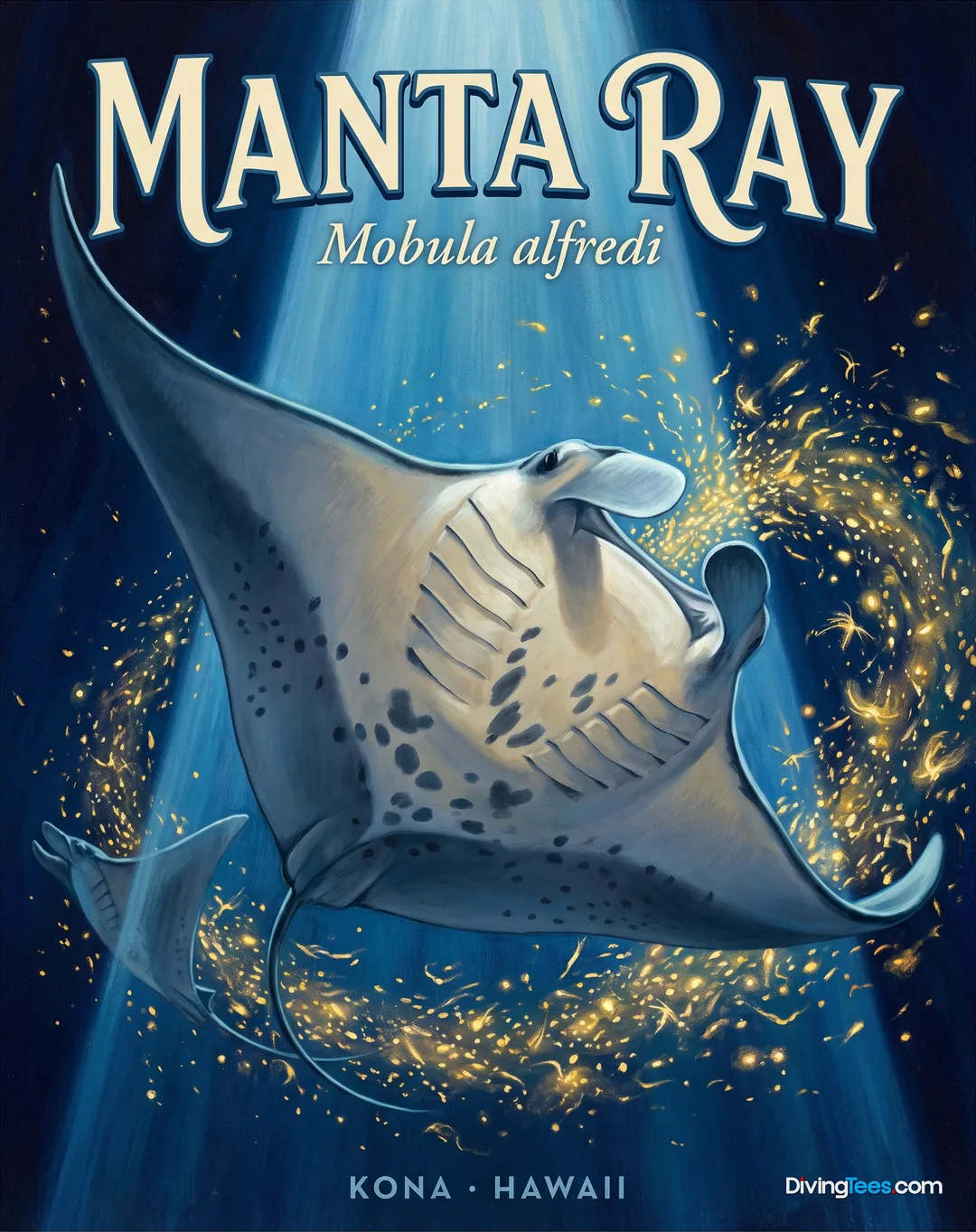
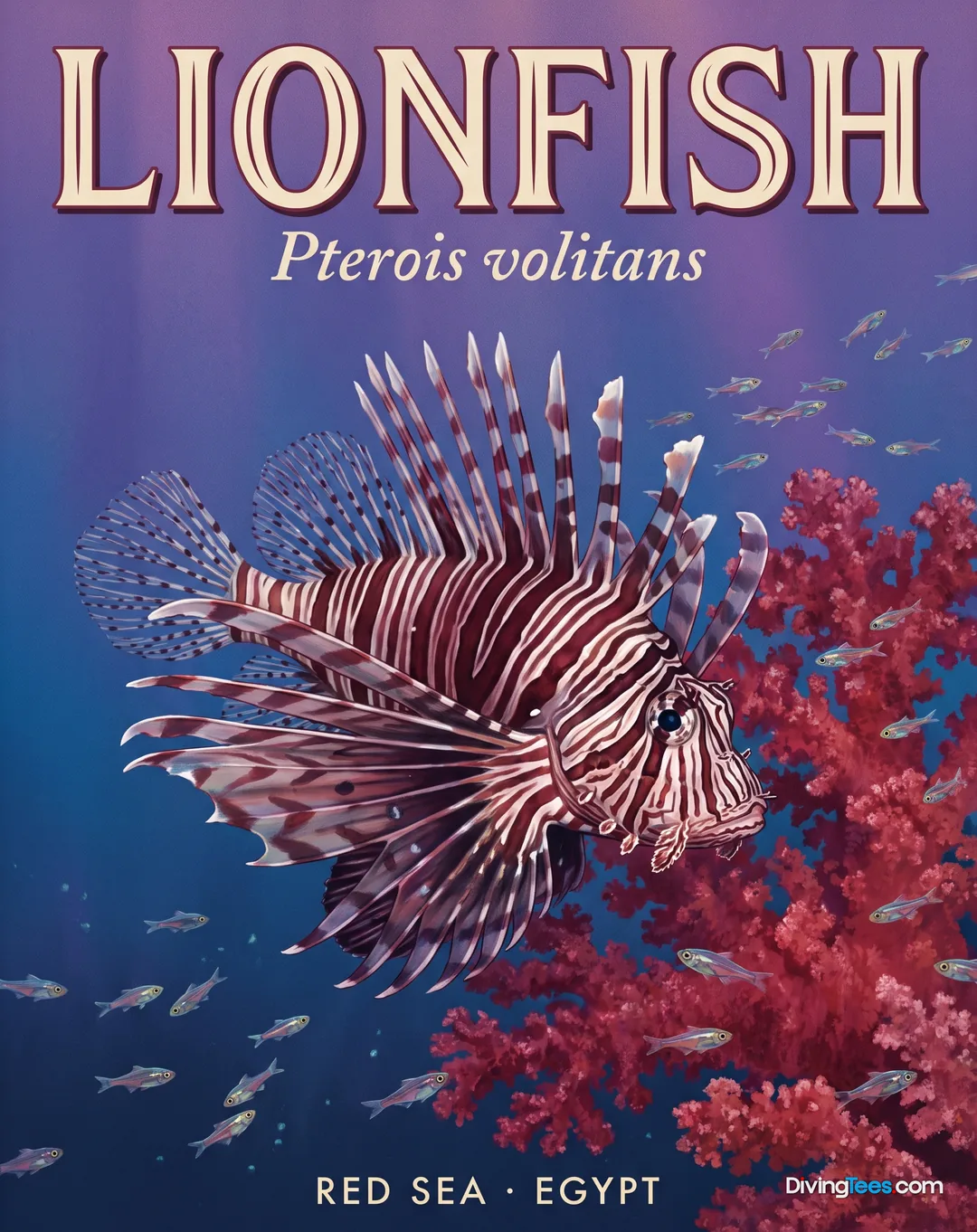
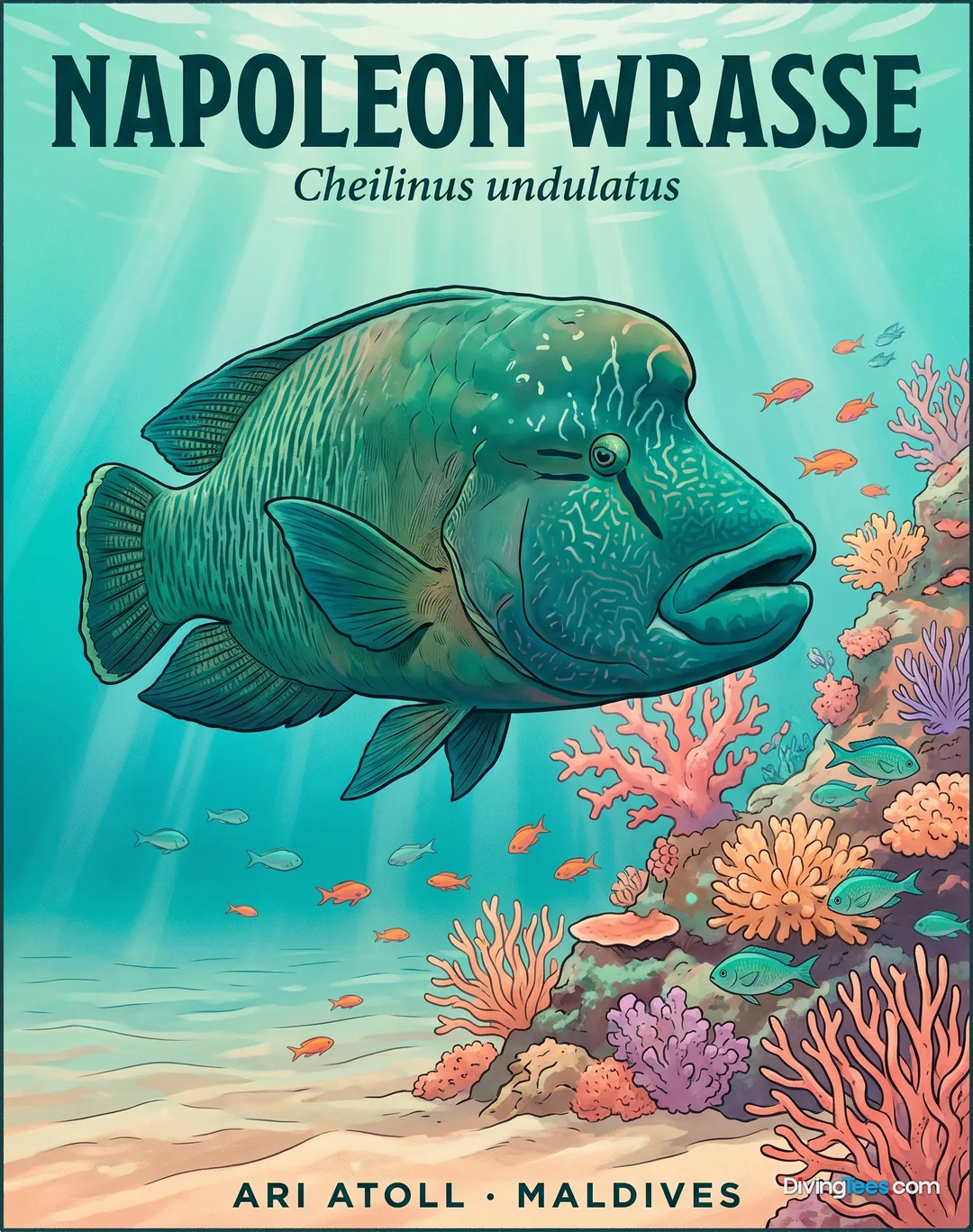
Across several sites, the route repeatedly offers fusiliers, nudibranchs, bigeye trevally, batfish, surgeonfish, parrotfish, lionfish, syngnathids and white-tip reef sharks. Those recurring reef animals give the dives a reliable search pattern: look into coral heads, along ledges and across the water above the pinnacle rather than expecting one fixed scene. The single-site sightings are the sharper reasons to visit particular sites. Pixie Pinnacle is the place on this route for manta rays, mackerel, moray eels, crabs and damselfish. Agincourt Reef is the only listed site for Napoleon wrasse, titan triggerfish and Moorish idols, at an exposed outer-reef edge where currents meet coral gardens. Hardy Reef is the only listed site for wrasse. Split Bommie is where hard coral and lobsters appear in the route records. Cod Hole is the only listed site for soft coral. A sighting remains a possibility, not a promise, but the site choice gives each search a point.
Who puts you in the water
The dive crew are qualified PADI instructors, and the operation runs courses as well as recreational diving, including Open Water, Advanced Open Water, Nitrox, Rescue Diver and Divemaster training. Certified divers must hold an Open Water qualification or equivalent and have at least 10 logged dives. The crew speaks English, Chinese, German and Japanese. A maximum of 32 passengers and six crew gives the team responsibility for a mixed group of divers, snorkellers and students, with a stated crew-to-passenger ratio of about one to five. Briefings and supervision are handled by the dive crew, while the skipper adapts the plan to weather, tides and currents. The available description confirms full safety equipment, but does not set out the oxygen, defibrillator or recall-system arrangements, so those details should not be assumed.
The dive deck and the gear
The dive setup is built for repeated entries rather than occasional use. Equipment rental is included, with two K180 compressors, a dedicated dive deck, rinse stations, warm-water showers, charging stations, a camera table and separate rinse tanks for underwater cameras. Tenders support diving, including Yamaha 15HP boats, but the available specifications do not state tank volume, tank material, valve type, SMB provision or the exact tender launch and recovery arrangement. Nitrox is available as a surcharge; the blending system is not stated. The boat is not set up for technical diving. Divers who bring cameras have a proper place to charge, rinse and prepare them, which is more valuable over 11 dives than a polished lounge. The gear operation is straightforward: rental equipment is there, compressors are on board, and the dive deck keeps the work close to the water.
Between dives
Between dives, the practical choice is the large sun deck, the open-air saloon or the air-conditioned indoor saloon. Those spaces give the boat three different ways to spend the surface interval: sun and wind outside, shade with a view, or cooler air indoors. Television, video, music, board games and books fill the longer gaps without turning the boat into an entertainment venue. The boat also carries snorkelling equipment, so non-divers and divers between dives have another way into the reef. A camera station, charging points and separate camera rinse tanks let photographers deal with equipment properly before the next entry. There is no need to invent activities around the diving; the spaces exist to make the repeated cycle of water, food, drying and rest manageable.
A day on board
A liveaboard day begins with the first briefing and an early dive, often before breakfast. The first day then builds through a late-morning dive, a second dive after lunch and an afternoon entry before dinner; the night dive follows after darkness, with two guided night dives included across the trip. On later days, an early-morning dive comes before breakfast, followed by further dives after the morning meal and lunch. The boat moves between sites while divers eat, rinse equipment, talk through the last dive and prepare for the next one. The schedule can reach 11 dives over three days, so surface intervals are not empty time: they are when tanks are changed, cameras are checked, food is served and bodies recover. The skipper adjusts the order to weather, tides and currents, while the crew keeps the dive operation moving around those changes.
What you eat aboard
Meals are served buffet-style, with Western and local dishes, fresh fruit and salads, hot and cold soft drinks, and alcoholic drinks permitted on board if brought by passengers. Breakfast, lunch and dinner mark the gaps between dives, while tea and coffee are available through the day. The galley can work with dietary restrictions when told in advance, and gluten-free bread and pasta plus soy milk are available. Vegan and gluten-free divers are advised to bring shelf-stable snacks because refrigerator space is limited. The buffet suits a liveaboard schedule: divers can eat promptly, return for more, and get back to the deck without waiting for a restaurant service.
Nights at sea
The cabins come in twin bunk and double-bed categories, all arranged for two people. Air conditioning and access to natural light matter after several dives, while eight shared bathroom and shower facilities keep the cabin areas moving when everyone returns from the water. The double cabins are allocated first come, first served; solo travellers are paired in a twin cabin with another person of the same sex. Space is limited, so a small bag works better than a hard case brought aboard in full holiday mode. The bunk is a place to sleep between dives, not a private suite, and the shared layout is part of the boat's practical character. Bring two towels: one for swimming and one for showering.
Twin Cabin
Double Cabin
What to know before boarding
The liveaboard departs from and returns to Cairns. Scheduled group transfers are included from Cairns city hotels and Northern Beaches hotels, while Northern Beaches transfers may carry an additional charge; airport pickup is not provided. Passengers are advised to visit the Pro Dive Cairns shop the day before departure to arrange equipment, paperwork and certification checks.
- Year built
- 2002
- Year renovated
- 2017
- Length
- 24 m
- Beam
- 7.3 m
- Maximum number of passengers
- 32
- Number of cabins
- 16
- Engines
- Scania V8 339KW
- Tenders
- Yamaha 15 hp
- Website
- prodivecairns.com ↗
Hello, I'm Marina, DivingDeal.com's AI assistant. I answer in detail about hotels, dive centres and liveaboards.

Thinking about the whole trip and the flights? Talk it over with Edith →
Marina is an AI. Some links are affiliate links: DivingDeal may earn a commission, at no extra cost to you. Bookings are made with the partner.