Ocean Free & Ocean Freedom - Cairns Premier Great Barrier Reef & Island Tours
Google 4.9/5 (1,552 reviews)
53 km away as the crow flies
Great Barrier Reef · Australia · Pacific
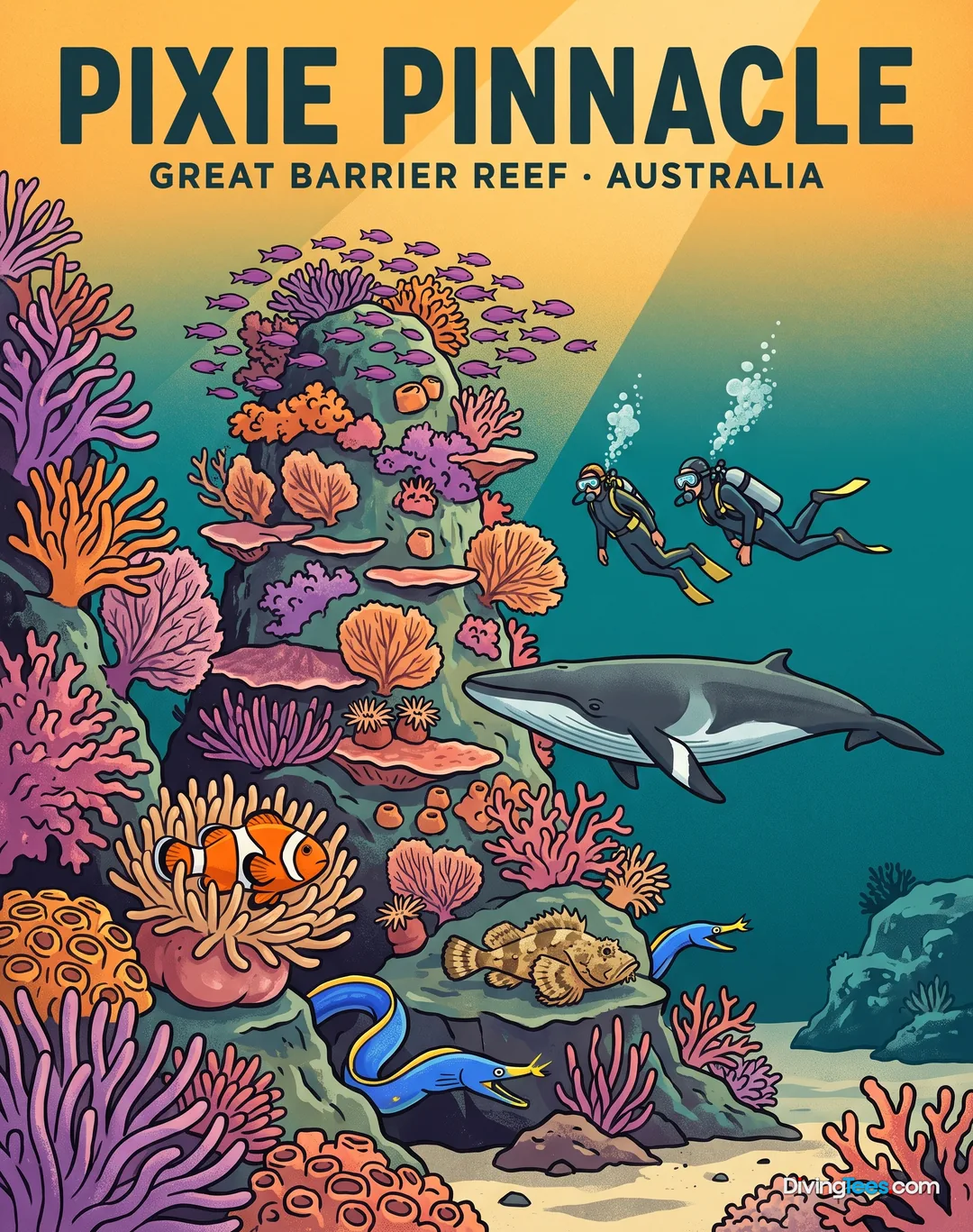
Max. depth · 26 mA massive, whale-shaped coral formation rises from the sandy floor of Milln Reef to provide diverse topography and frequent large pelagic encounters.
For subtitles in English: start the video firstthen click the gearat the top right of the video, select “Subtitles/CC”, then “Auto-translate” and choose “English”.
Whale Bommie is the signature coral head of the southern Milln Reef, distinguished by its massive structure that resembles the shape of a whale. The formation rises from a sandy bottom to reach much shallower depths, creating a significant vertical relief in the local seabed. This central bommie is surrounded by a series of smaller coral heads that extend the complex topography of the area. As you approach the site, the scale of the reef structure becomes apparent through the varied elevations. This layout provides a range of different micro-habitats within a relatively compact area.
The dive profile offers a structured descent through several distinct depth zones. The shallower sections of the bommie start around 5 metres, providing a sunlit environment where smaller reef inhabitants congregate. As you move along the stepped slopes, the depth increases progressively towards the 20-metre mark. The main structure reaches its maximum depth of 26 metres, where the topography transitions into more shaded ledges and rock formations. This gradient allows for a controlled descent, letting you explore different ecological niches as you move deeper.
The topography is defined by a series of coral-covered ledges, slopes, and occasional overhangs. These features create simple swim-throughs and sheltered pockets that are particularly useful for observing more sedentary species. Moving along the slopes, you will encounter various coral formations that have built up over time, creating a rugged and textured landscape. The presence of these overhangs provides essential hiding spots for many resident creatures. Navigating these levels requires mindful buoyancy to avoid contact with the delicate coral structures.
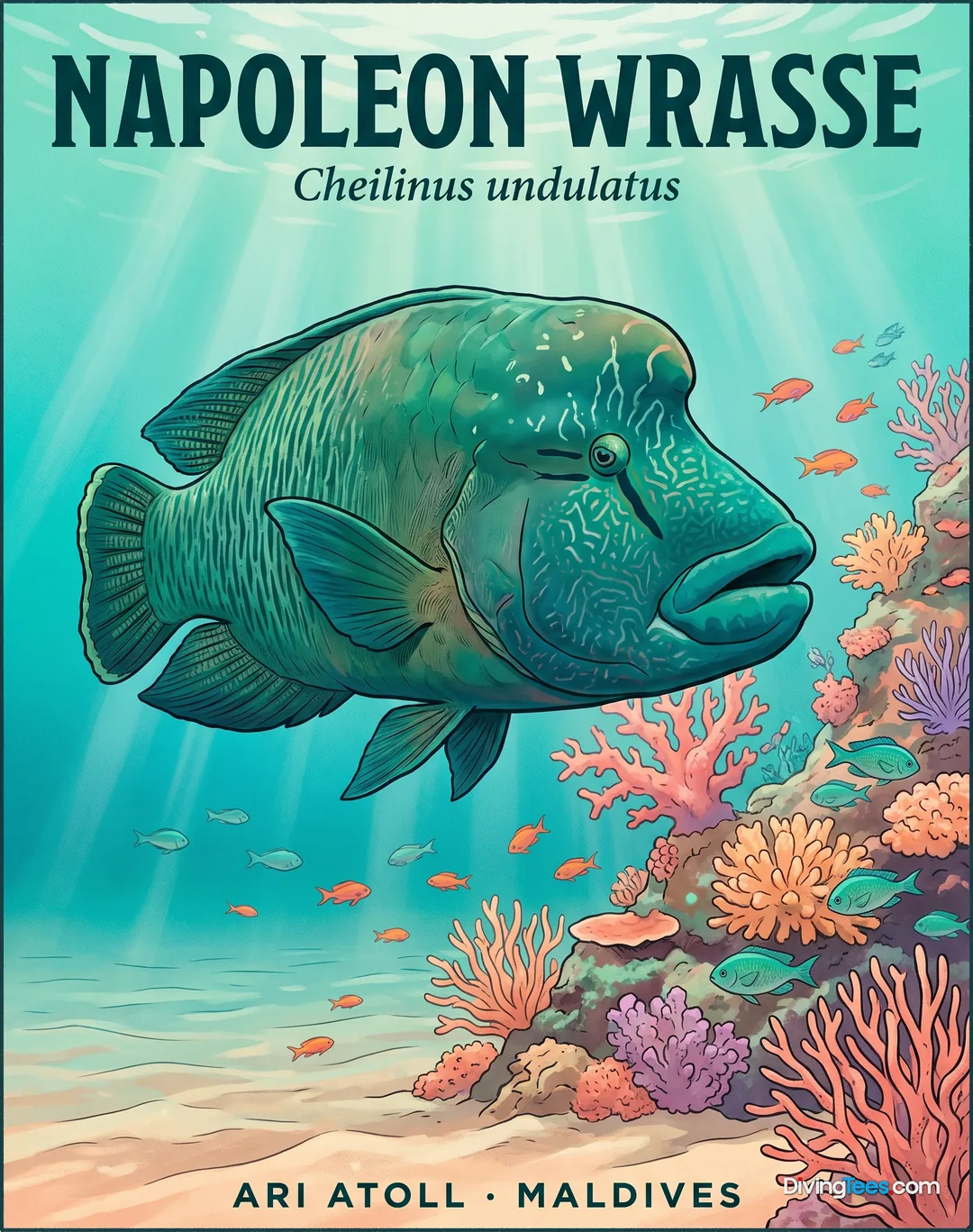
Large pelagic visitors are a regular feature of this site, often appearing around the deeper edges of the bommie. Reef manta rays are known to patrol these waters, moving through the water column near the reef structure. You may also encounter large Humphead wrasse (Cheilinus undulatus) cruising the reef edges. These encounters are often more common when there is a steady movement of water around the pinnacle. Observing these larger animals requires patience and a calm approach to avoid disturbing their natural movement patterns.
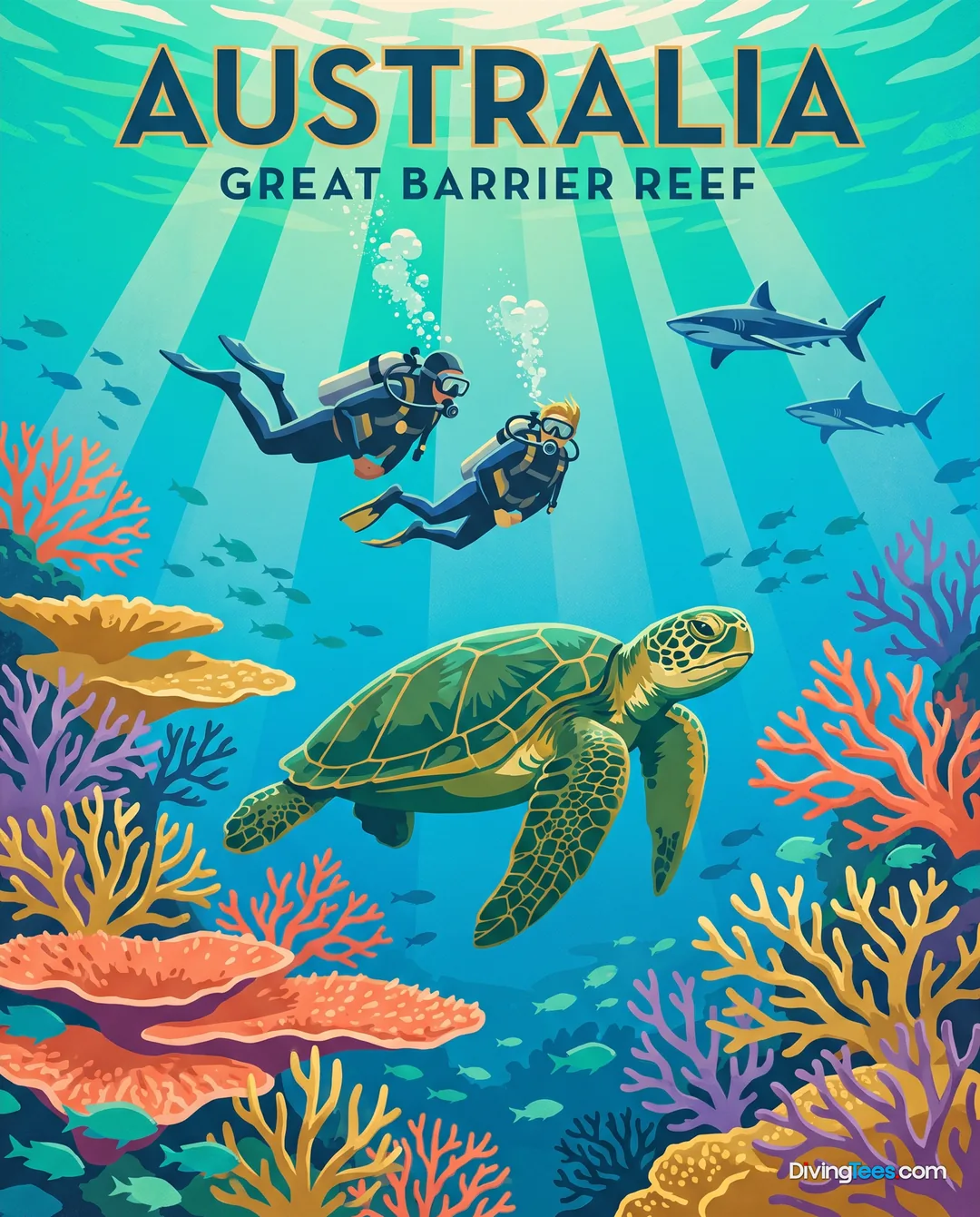
The resident reef fauna is abundant and highly visible across the different depth levels. Green sea turtles frequently inhabit the shallower sections, often resting near the reef or moving through the upper water column. You will notice schools of Blue-green chromis (Chromis viridis) and various damselfish darting around the coral heads. Anemonefish are also common, tucked within their host anemones in the sheltered areas of the bommie. These smaller species contribute to the high level of biological activity that defines the site.
Predatory species are also part of the regular ecosystem at Whale Bommie. Whitetip reef sharks are frequently spotted patrolling the reef, often resting in the deeper overhangs or cruising the slopes. For those watching the more open areas, Giant trevally (Caranx ignobilis) can be seen moving through the water. The presence of these predators is a sign of a healthy, functioning reef ecosystem. Watching their movement provides insight into the natural predator-prey dynamics occurring at the site.
Visibility at Whale Bommie is generally good, typically ranging between 15 and 25 metres. This clarity allows you to see the full scale of the bommie and spot distant marine life approaching from the blue. Light penetration is excellent in the upper 10 metres, highlighting the colours of the coral and the movement of the smaller fish. As you descend towards the 26-metre mark, the light becomes more diffused, creating a different atmosphere. The combination of clear water and complex structure makes for a highly visual diving experience.
The site features depths ranging from 5 to 26 metres. It is accessible to Open Water Divers, provided they have some boat-diving experience. Currents are variable and can change based on tidal flow and prevailing weather, though they are typically more manageable on the leeward sides of Milln Reef. Expected visibility is between 15 and 25 metres.
Whale Bommie is accessible to Open Water Divers who have some boat-diving experience. The site includes stepped slopes, coral ledges, overhangs, and simple swim-throughs, so you should maintain mindful buoyancy to avoid touching delicate coral. Its varied topography offers different depth zones for a controlled descent.
Whale Bommie ranges from 5 to 26 metres. The shallow sections begin around 5 metres, while stepped slopes descend progressively towards 20 metres. The main structure reaches 26 metres, where shaded ledges and rock formations appear. This gradient lets you explore several depth zones during one dive.
Currents at Whale Bommie are variable and can change with tidal flow and prevailing weather. They are typically more manageable on the leeward sides of Milln Reef. Reef manta rays and large Humphead wrasse may be more common when water moves steadily around the pinnacle, so observe calmly.
At Whale Bommie, you can explore a large whale-shaped coral pinnacle, stepped slopes, ledges, overhangs, and smaller coral heads. Regular sightings include reef manta rays, Green sea turtles, Whitetip reef sharks, Humphead wrasse, Giant trevally, Blue-green chromis, damselfish, and anemonefish. Visibility is typically 15 to 25 metres.