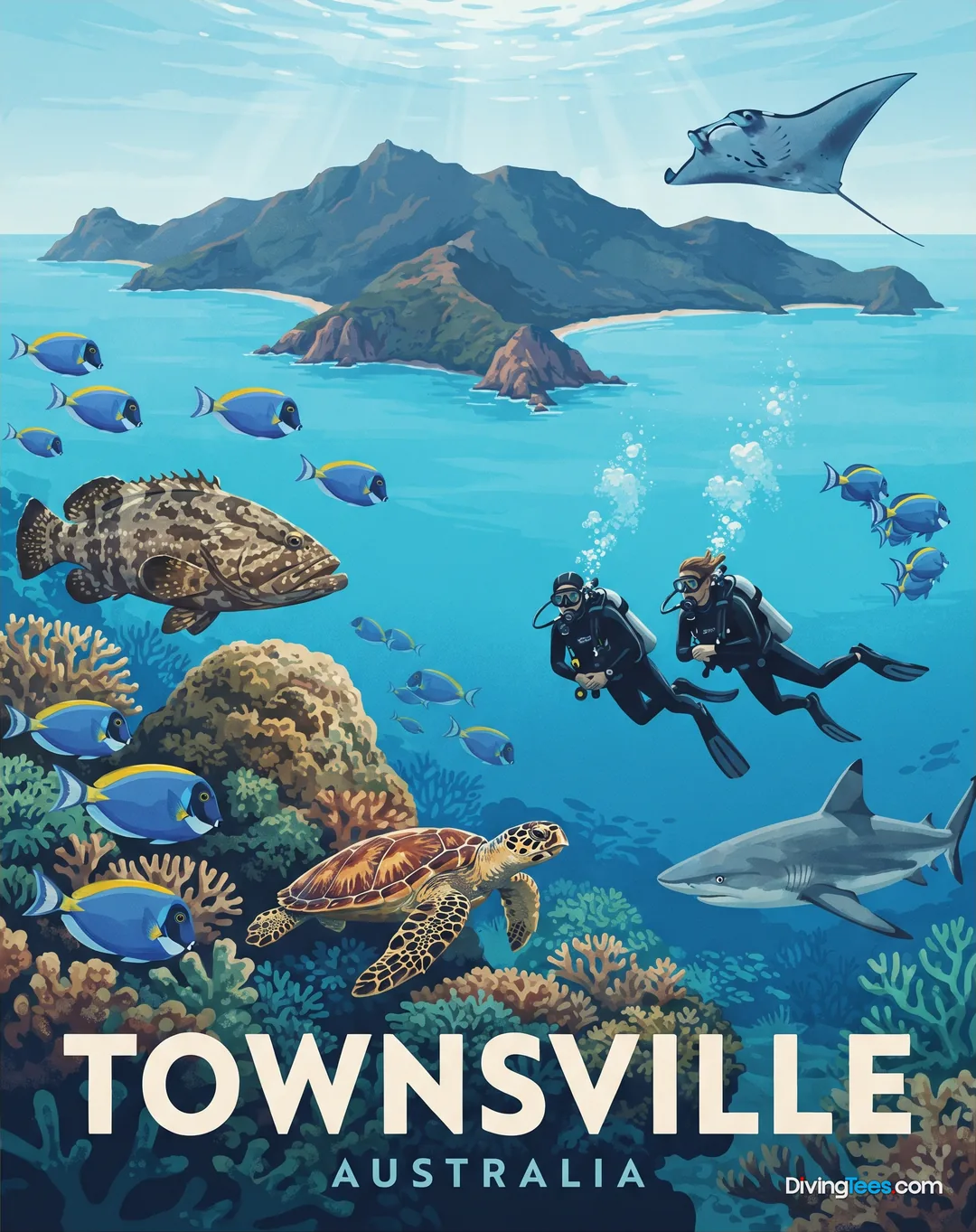
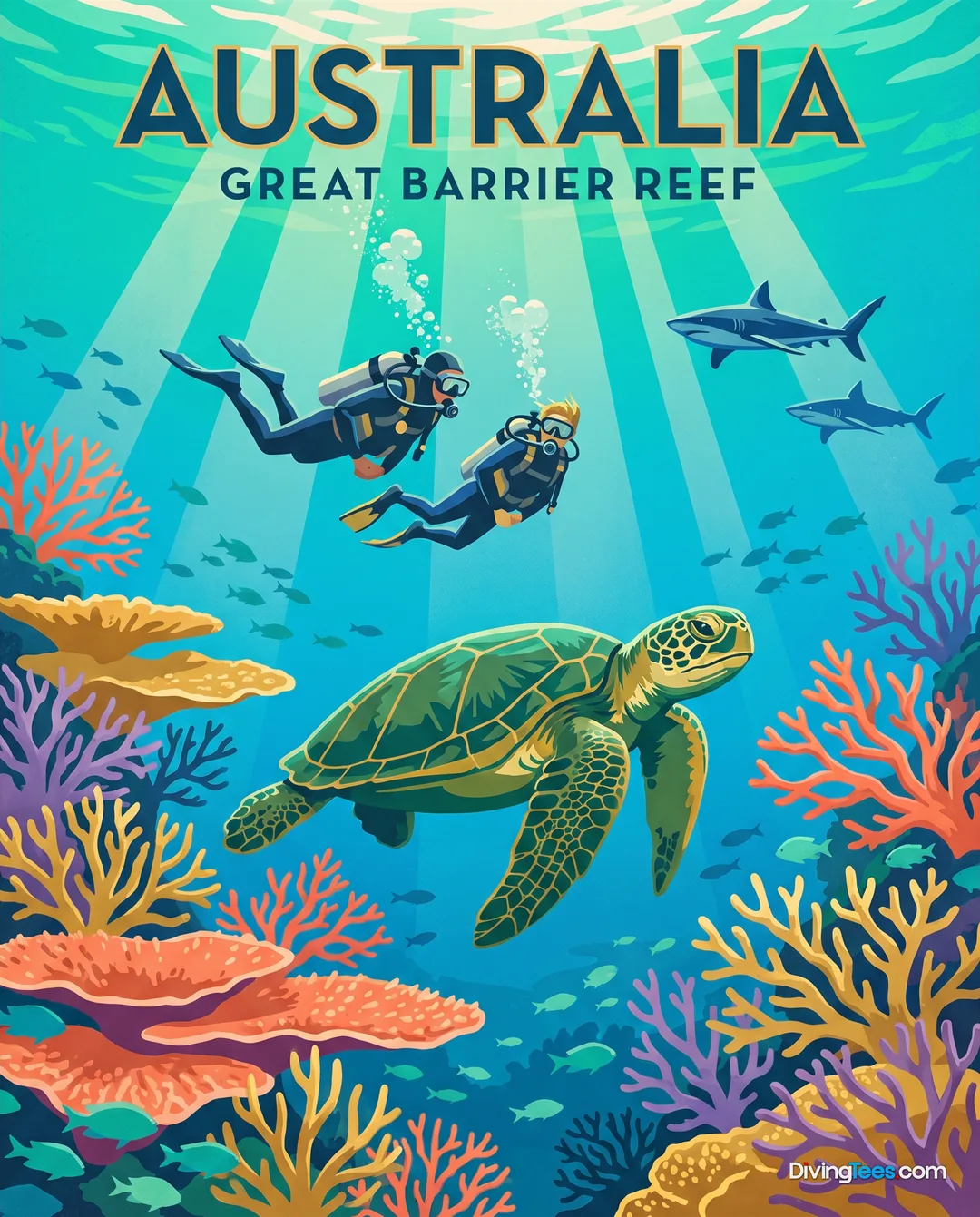
Townsville · Australia · Pacific
Max. depth · 30 mThe Yongala Wreck, Townsville: Diving Australia's historic artificial reef
Descend onto the intact hull of the SS Yongala, a steel shipwreck transformed into a thriving artificial reef teeming with marine life on the flat sandy seabed of the Great Barrier Reef.
What makes this site special
- Intact steel shipwreck transformed into artificial reef
- Dense concentration of marine life on isolated wreck
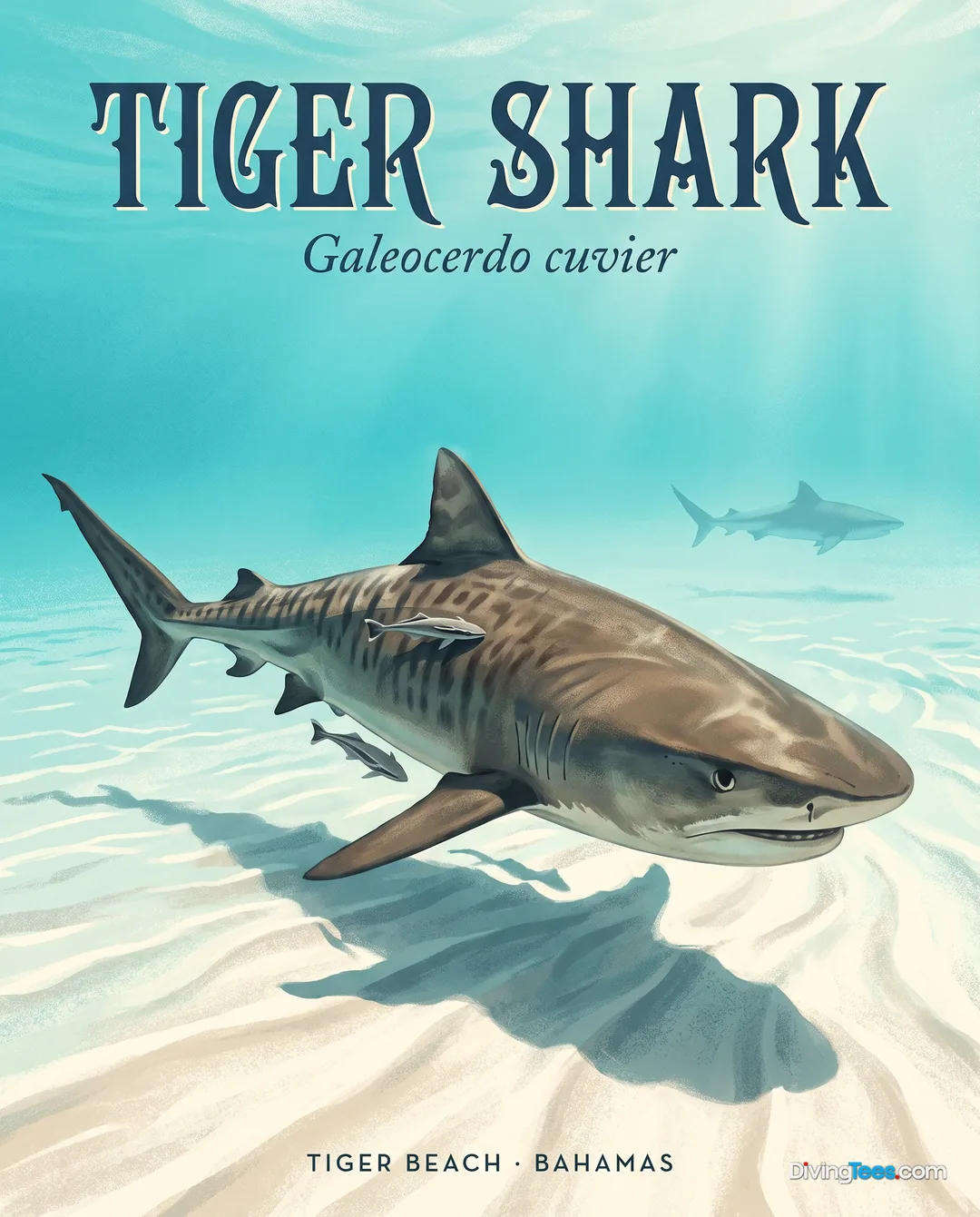
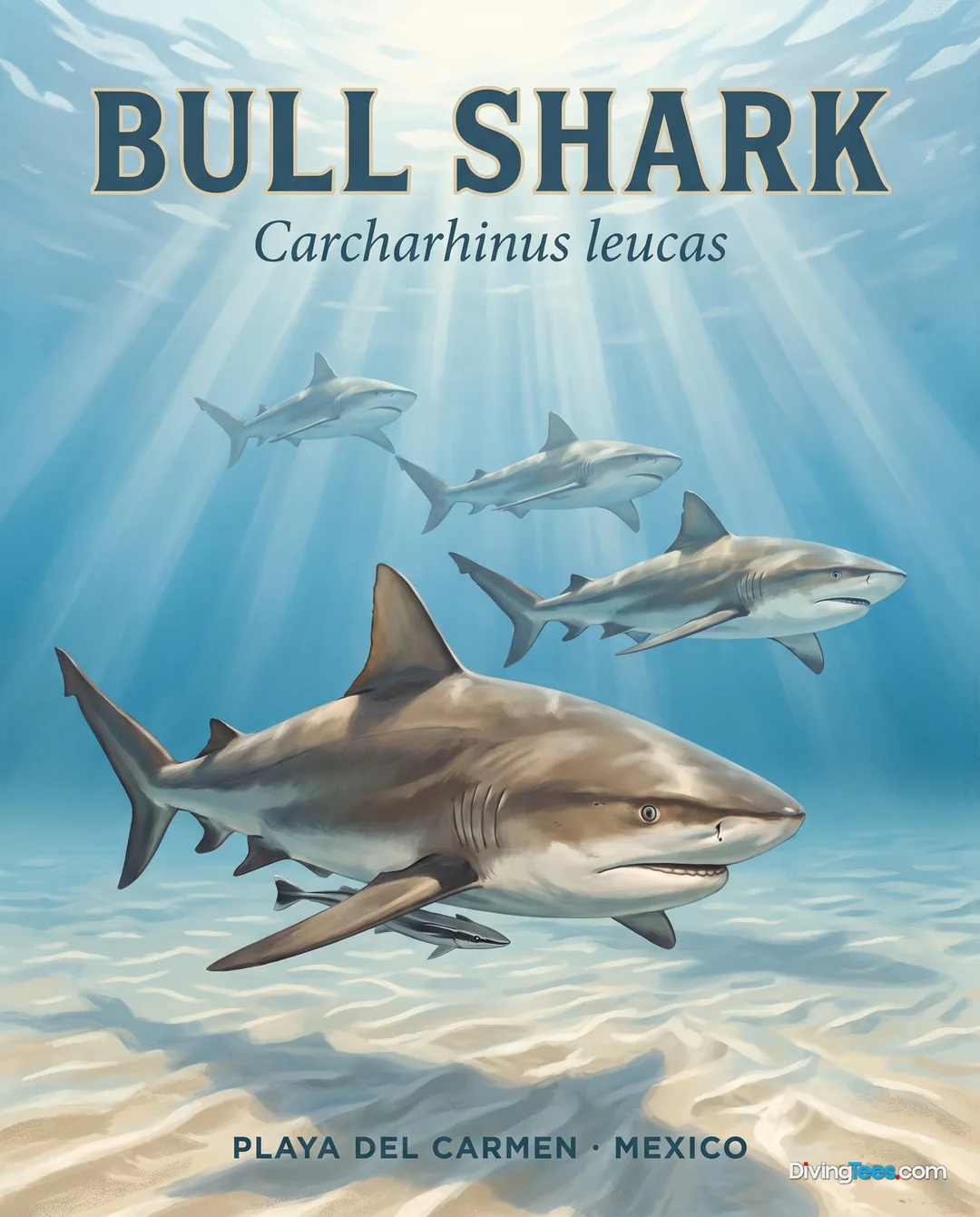
- Frequent encounters with bull sharks and tiger sharks
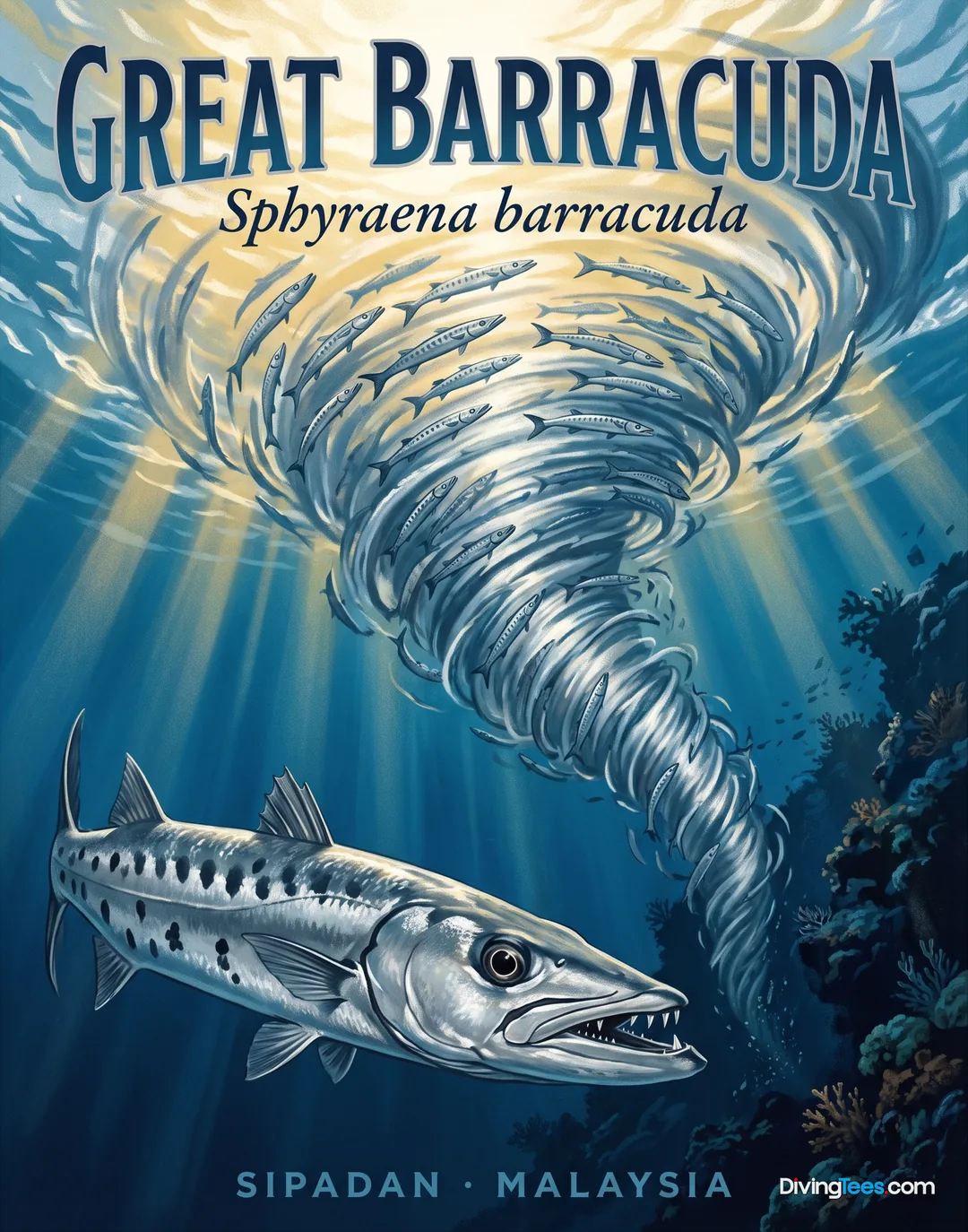
- Large resident groupers and barracuda schools
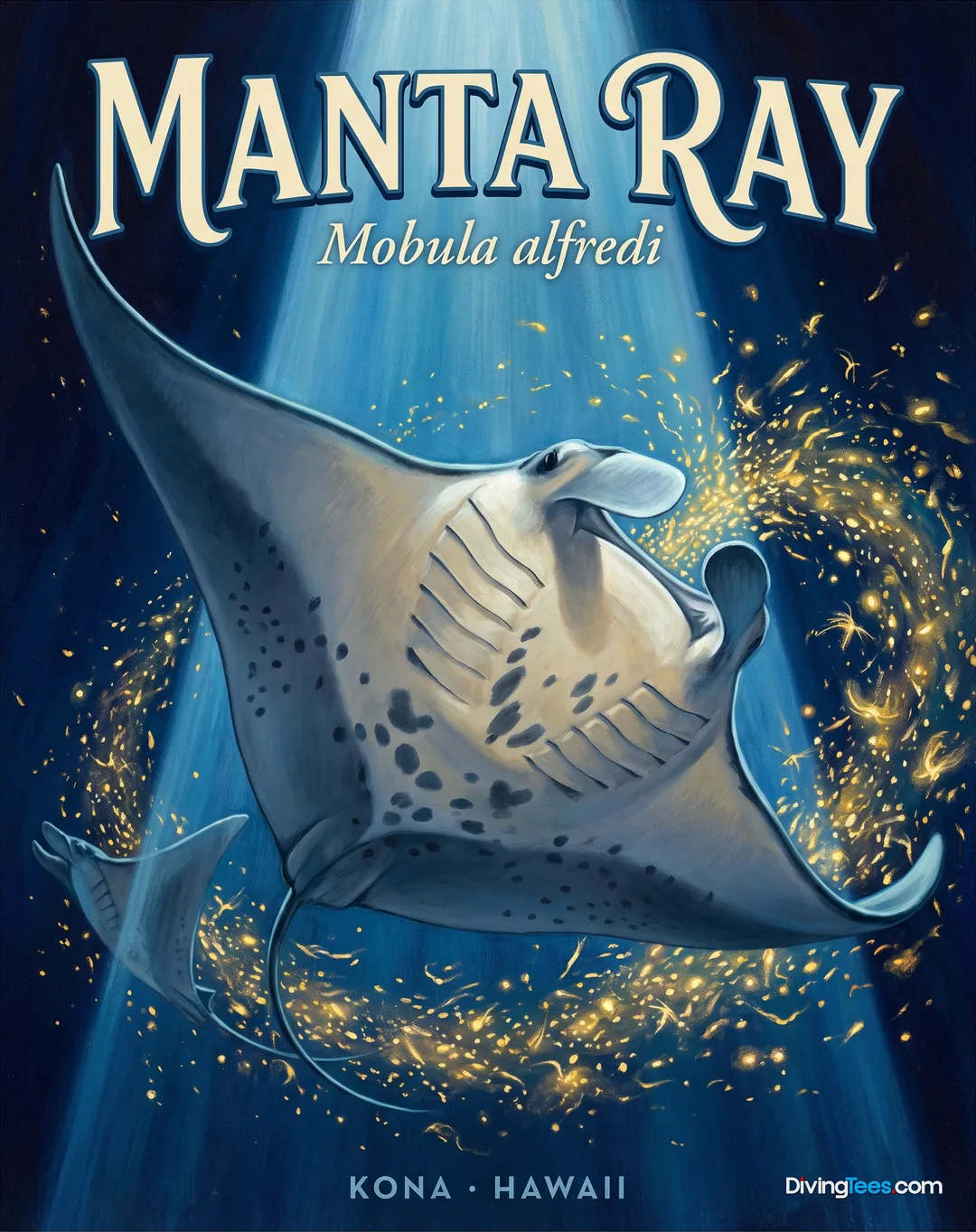
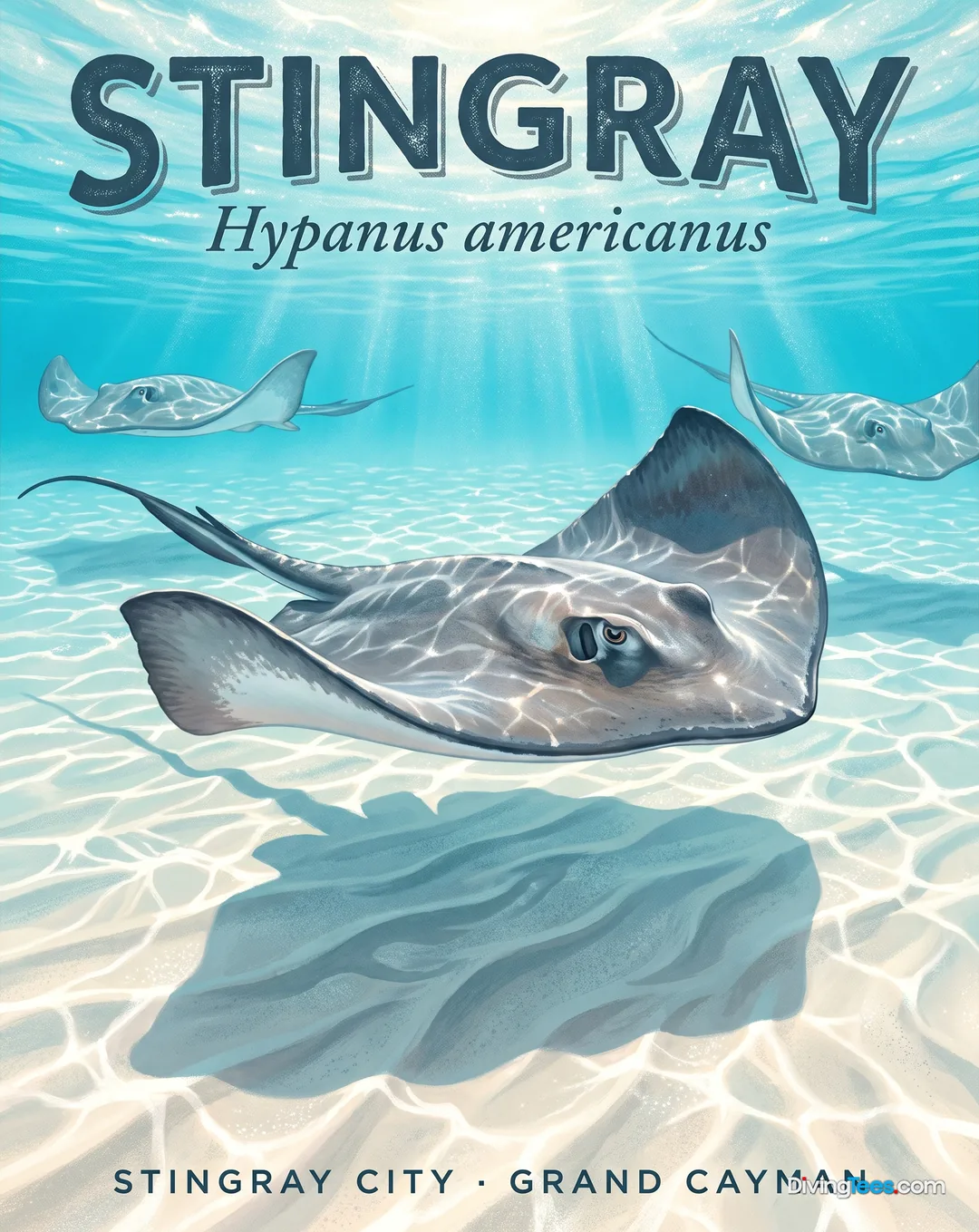
- Manta rays, eagle rays, and diverse stingrays
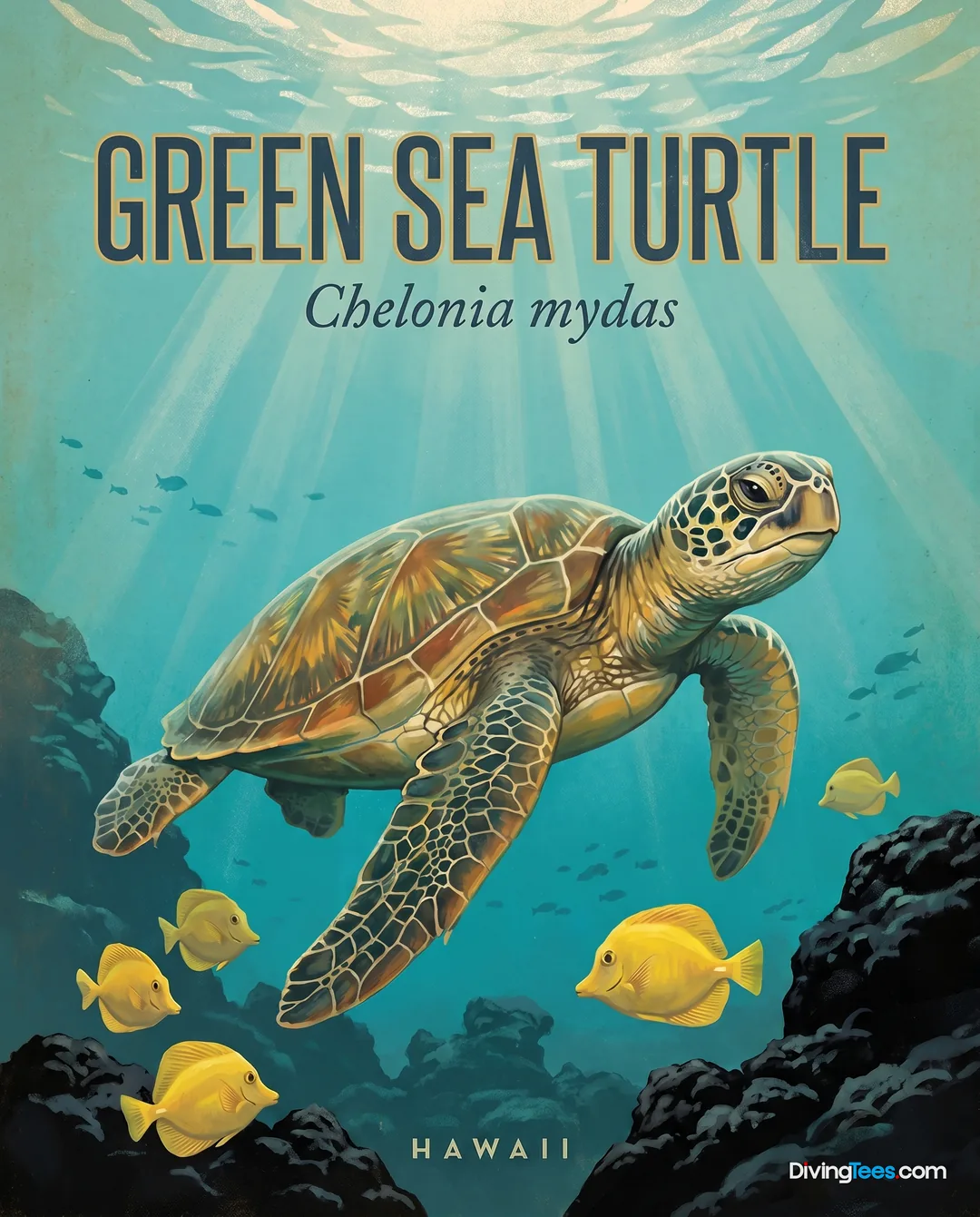
- Abundant sea snakes and green turtles
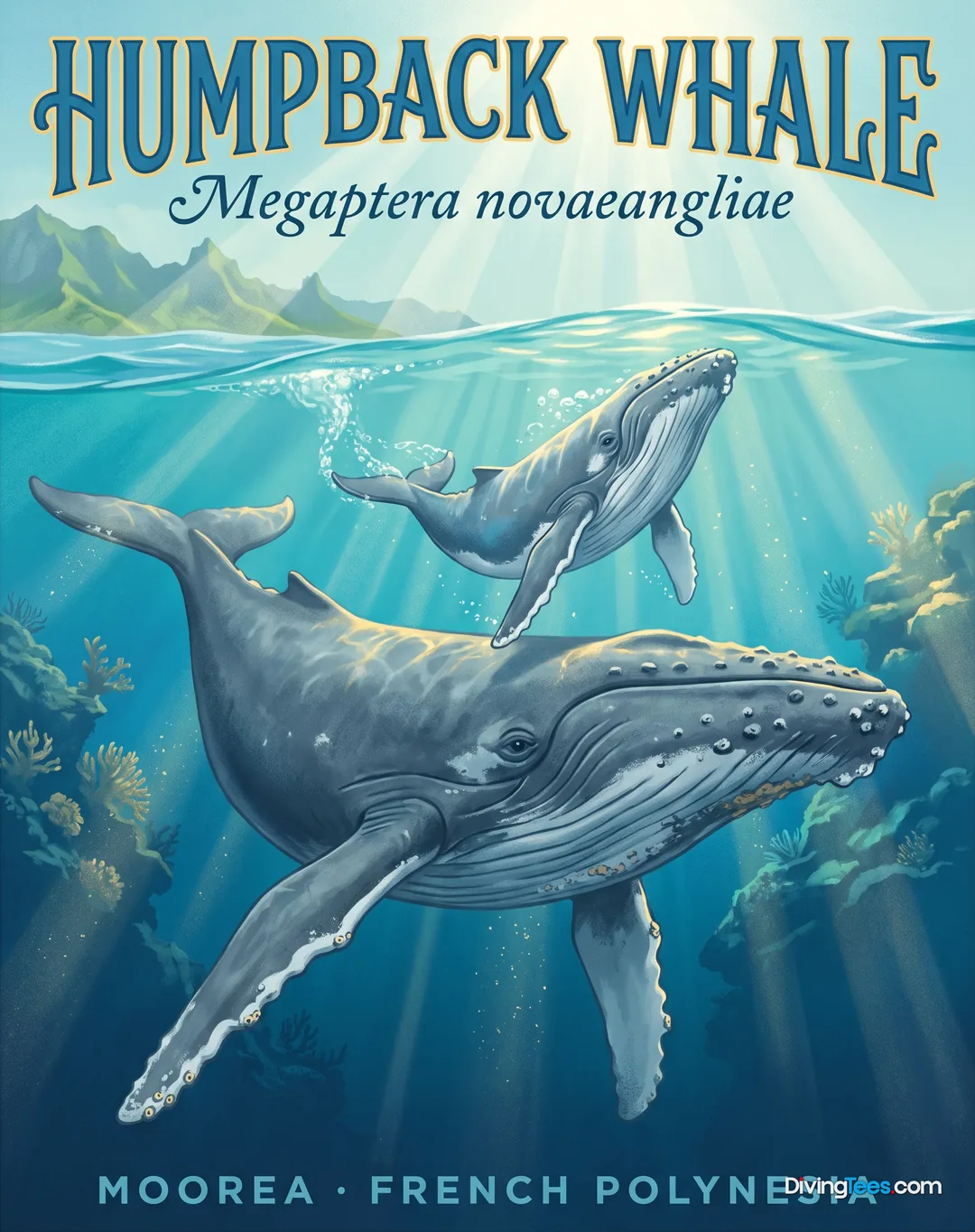
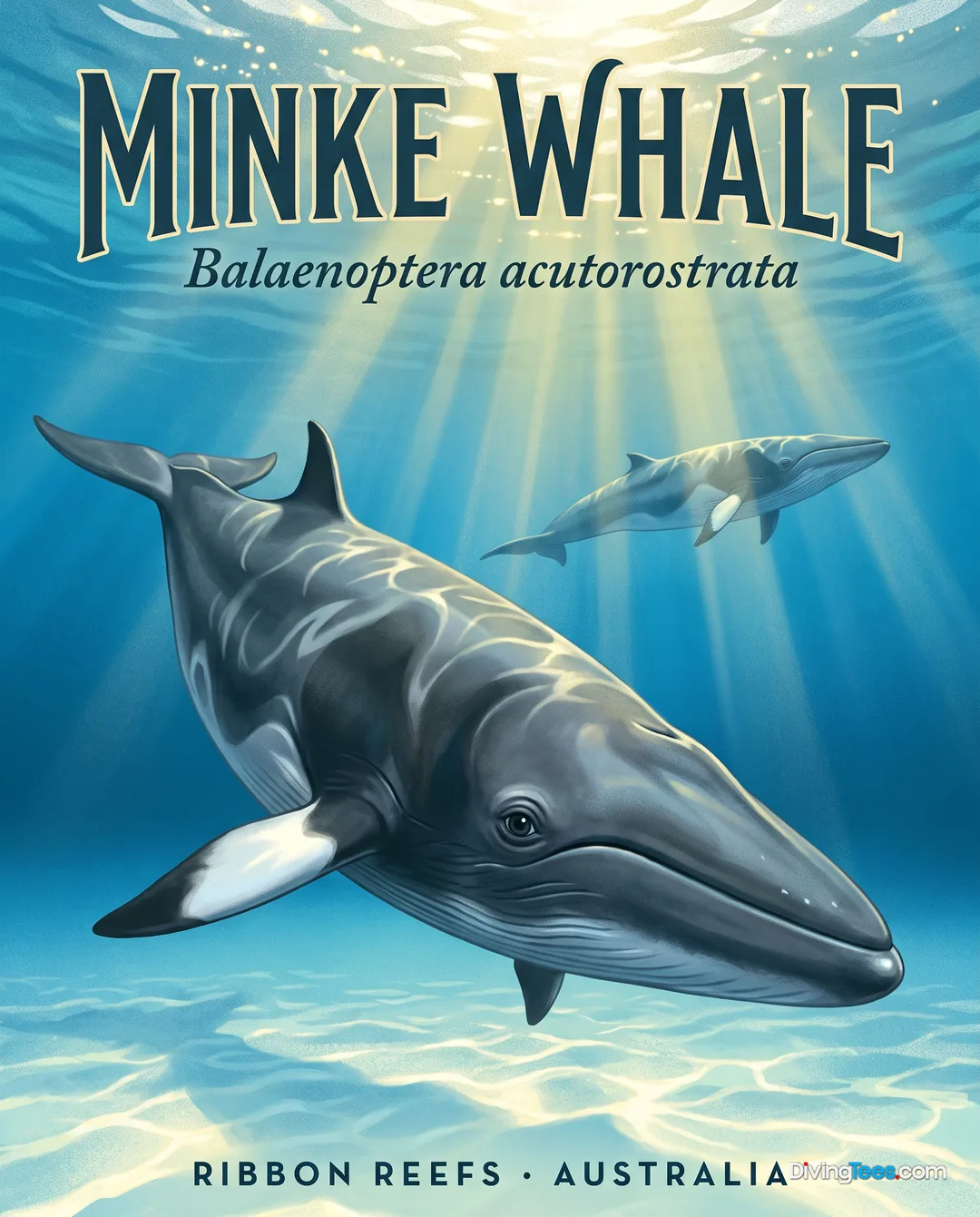
- Seasonal humpback and minke whale sightings
- Unique dive experience on a historical site
The Yongala about the site
The Yongala is a singular dive experience on Australia's east coast, not a reef wall or a drift over coral gardens, but a complete steel shipwreck that has settled upright on its starboard side on an otherwise featureless sand plain. The ship's structure begins around 14 to 16 metres and descends to a maximum depth of 30 metres at the sand, offering a substantial vertical profile for exploration. Approaching the wreck, you'll see its distinct silhouette against the blue, rising as an island of life in the central Great Barrier Reef Marine Park.
Upon descent, the sheer density of marine life surrounding the Yongala becomes immediately apparent. The wreck acts as a colossal magnet, drawing in an incredible diversity of species that find shelter, food, and breeding grounds within its structure. Hard and soft corals, sea fans, and sponges have completely encrusted the hull, transforming every surface into a living tapestry, providing countless nooks and crannies for smaller reef fish and invertebrates.
Visibility here can range from 10 to 25 metres, and you'll often encounter a noticeable current, sometimes up to two knots, which is typical for an exposed open-water site. This current brings nutrient-rich water, fueling the vibrant ecosystem you see, but it also dictates dive planning. Operators typically schedule dives around the slack or turning tides to minimise the flow, making conditions more manageable for thorough exploration of the wreck's exterior.
Exploring the Yongala means navigating around its various sections, which are teeming with different resident species. Giant groupers and Queensland groupers are frequently encountered, often holding territory within the deeper sections or patrolling the ship's perimeter. Keep an eye out for the large schools of barracuda and giant trevally that often circle the wreck, their movements coordinated and impressive against the backdrop of the ship's form.
The site is particularly famous for its pelagic encounters, offering a different kind of thrill than many coastal reefs. Bull sharks and tiger sharks are regular visitors, often seen cruising along the wreck's edge or emerging from the blue. You also have a good chance of encountering various rays, including manta rays, eagle rays, marble rays, and large stingrays, often found resting on the sand nearby or gliding effortlessly around the structure.
Another distinctive feature of the Yongala is the presence of numerous sea snakes and several species of sea turtles. Green turtles are common, and you'll often see them feeding on the encrusting life or resting on parts of the wreck. The isolation of this site means it acts as a crucial aggregation point, concentrating marine life that would otherwise be dispersed over a wide area, creating an unparalleled density of biodiversity.
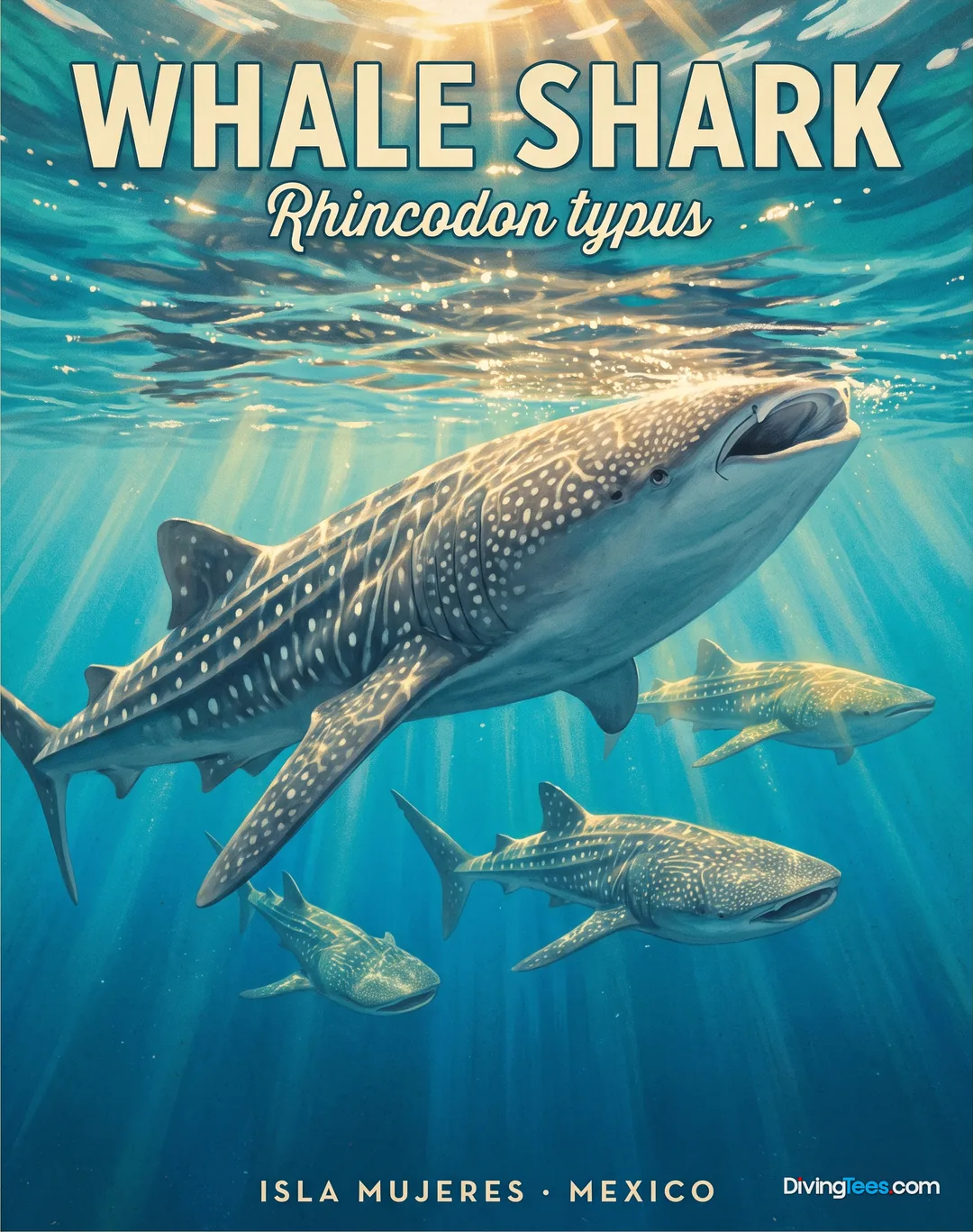
Beyond the resident populations, the Yongala also attracts seasonal visitors. Humpback whales and minke whales pass through these waters at certain times of the year, adding another dimension to the pelagic encounters possible here. While whale sharks are less frequent, their presence highlights the nutrient-rich environment that this isolated wreck creates, drawing in large migratory species as well as resident populations.
Diving the Yongala is an experience that underscores the power of an artificial reef to support an entire ecosystem. It's not just a historical relic; it's a vibrant, thriving marine habitat. Every dive reveals something new, from the intricate details of the coral growth to the awe-inspiring sight of large pelagics, making it a compelling destination for those seeking a dynamic and wildlife-rich wreck dive.
Diving The Yongala: the marine life you’ll meet
Diving conditions
The Yongala Wreck is a deep dive, with depths ranging from 14 metres at the shallowest points of the hull to 30 metres at the sand. Due to its exposed location and the potential for strong currents up to 2 knots, this site requires an Advanced Open Water certification at minimum, along with demonstrated deep-diving experience and the ability to manage currents. Visibility typically ranges from 10 to 25 metres. While the site is dived year-round, the period from May to July is often considered peak season, offering varied pelagic encounters depending on the time of year.