Liveaboards · Egypt
Ocean Lovers — a modern Red Sea dive boat built around serious routes
What makes this boat unique
- Ocean Lovers runs eight-day, seven-night Red Sea trips from Hurghada, with routes to the northern wrecks, Ras Mohamed, Tiran, Brothers, Daedalus and Elphinstone.
- The dive setup includes a shaded dive area, three tenders, DIN adapters, separate camera rinsing, sidemount support and free nitrox in 12-litre tanks at 28–32% for certified divers.
- Cabins have air conditioning and private bathrooms, with twin cabins, suites and panorama suites spread across the lower, upper and sundeck areas.
- The boat suits divers who want demanding offshore reefs as well as wrecks, with guides able to advise when a site or condition is beyond a diver's experience.
- English and German are spoken on board, and non-divers may join with supervised snorkeling when the boat is moored.
For subtitles in English: start the video firstthen click the gearat the top right of the video, select “Subtitles/CC”, then “Auto-translate” and choose “English”.
The invitation
Ocean Lovers is for the diver who wants the Red Sea's two strongest arguments in one trip: historic wrecks in the north and exposed offshore reefs where the blue may produce something large. Sea Breeze runs the boat on eight-day, seven-night routes from Hurghada, including North Wrecks, Ras Mohamed, Tiran and Brothers, or Brothers, Daedalus and Elphinstone. The choice is less about a polished week at sea than about how much serious diving can be reached from one platform. A modern floating hotel keeps the non-diving parts easy, while the itineraries lead toward walls, currents, pelagics and wrecks that justify the liveaboard format. Ocean Lovers also makes sense for mixed groups: experienced divers can pursue the harder sites, while less experienced guests receive site-by-site guidance rather than being treated as if every dive suits everyone.
Boarding
From the dock, Ocean Lovers presents itself as a purpose-built modern liveaboard rather than a converted yacht. The interior is arranged as a floating hotel, with a main salon and dining area, several outdoor levels, a viewing deck and a jacuzzi above the working parts of the boat. Once aboard, movement is straightforward: cabins are separated from the shared spaces, the salon is air-conditioned, and the dive operation has its own area rather than taking over the guest lounge. Wi-Fi is available on board, which is useful when the boat is back within range, but the reason to board remains offshore access. The hull and machinery are new enough that the boat's character comes from its layout and operation, not from a long maritime history. It is a sizeable platform carrying up to 32 guests, so it feels more like a small expedition hotel than an intimate six-cabin vessel.
The atmosphere on board
The atmosphere is shaped more by the crew than by the boat's modern finish. Passengers describe the crew as extremely friendly and helpful, and that matters when four dives a day turn small delays or missing pieces of kit into real problems. Guides also have authority to advise when a site or the conditions are unsuitable, so the trip is not run on the assumption that every diver enters every water. Over a week, that produces a working group: divers compare sightings over meals, photographers return to their cameras, and the crew keeps the practical side moving. The evening can stay quiet in the salon or continue with the boat's audio-visual entertainment and bar. Ocean Lovers is not sold on intimacy; with a full passenger load, it is a social liveaboard. Its strength is that the crew makes that scale manageable and keeps the focus on the next dive.
The sites you’ll dive
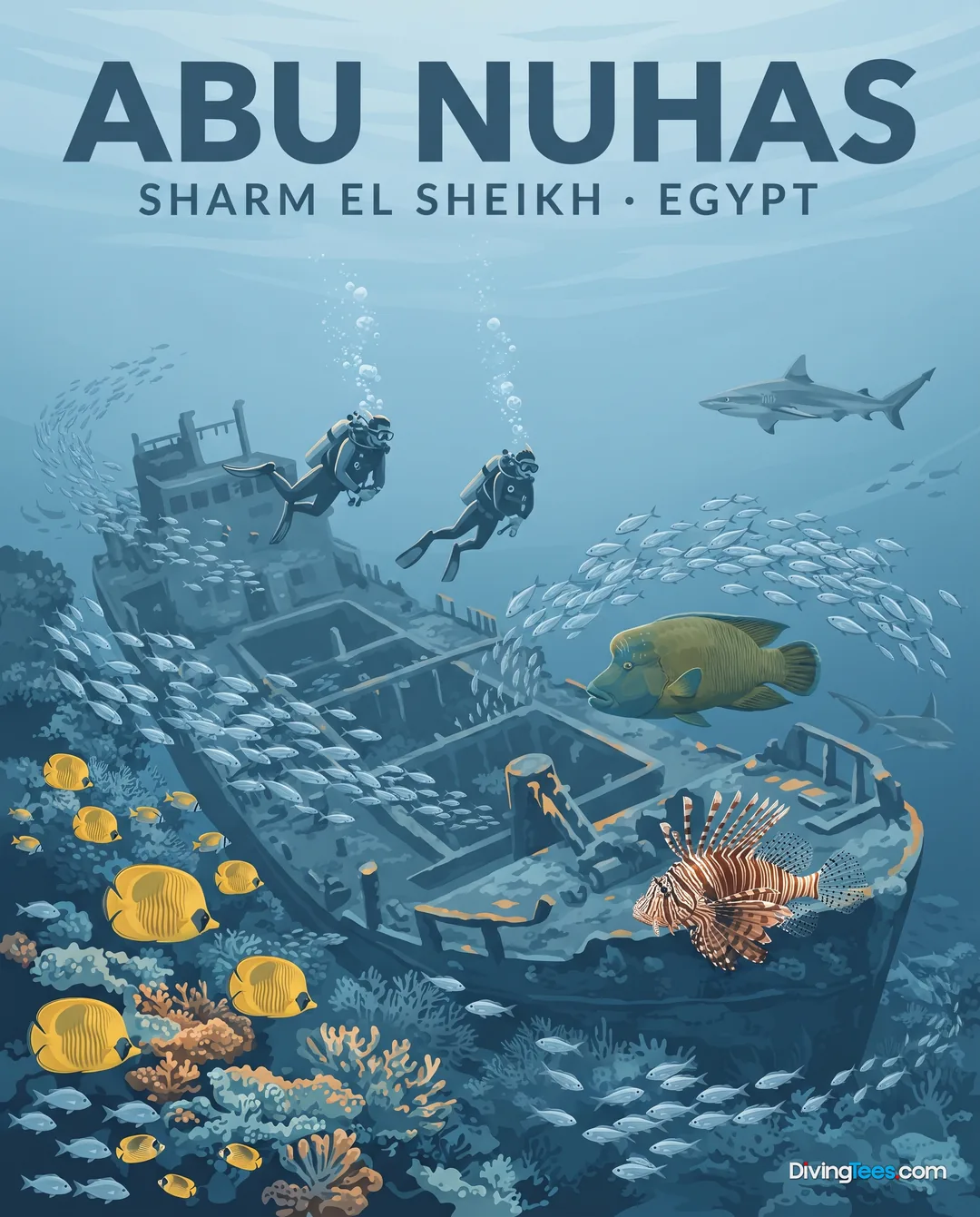
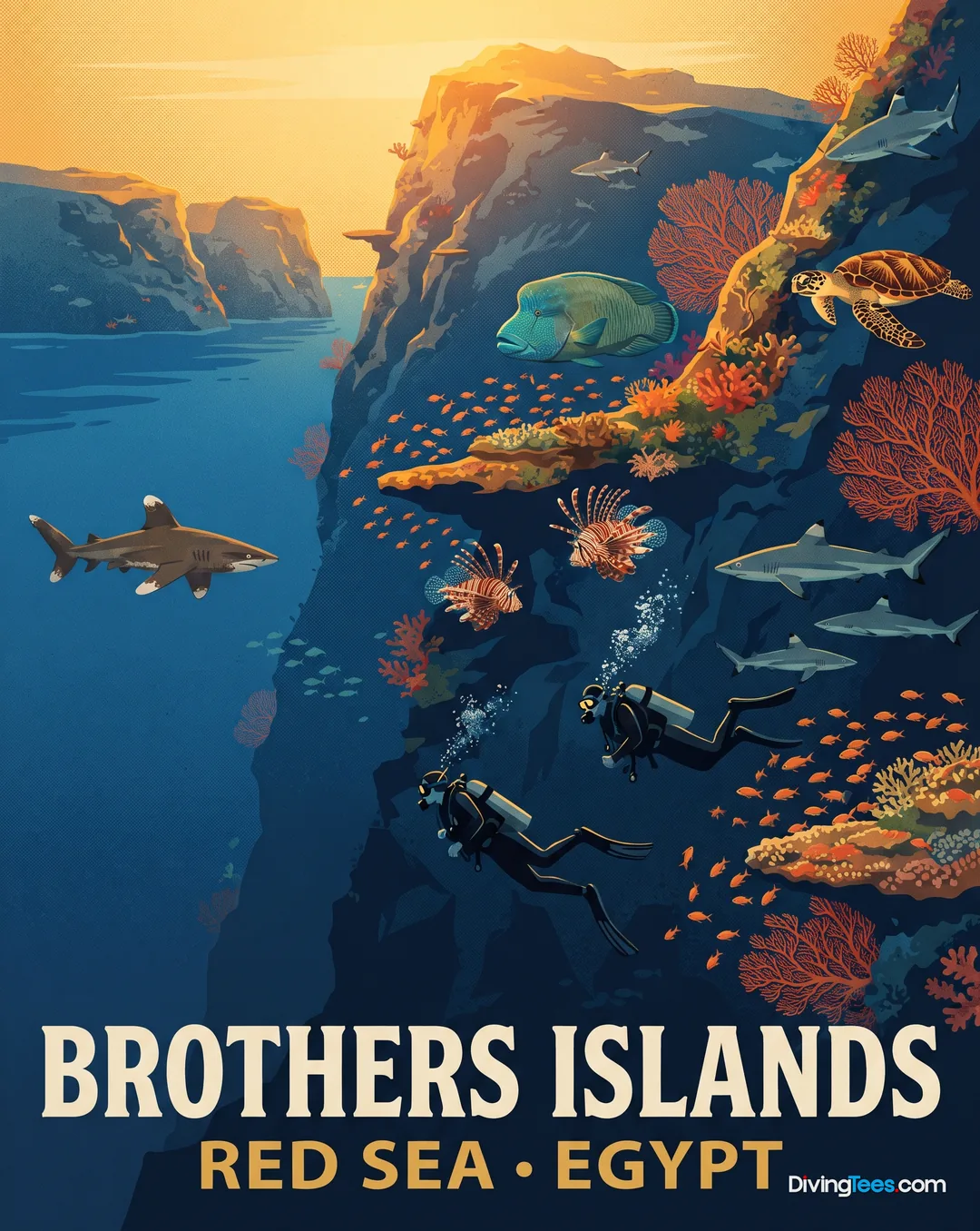
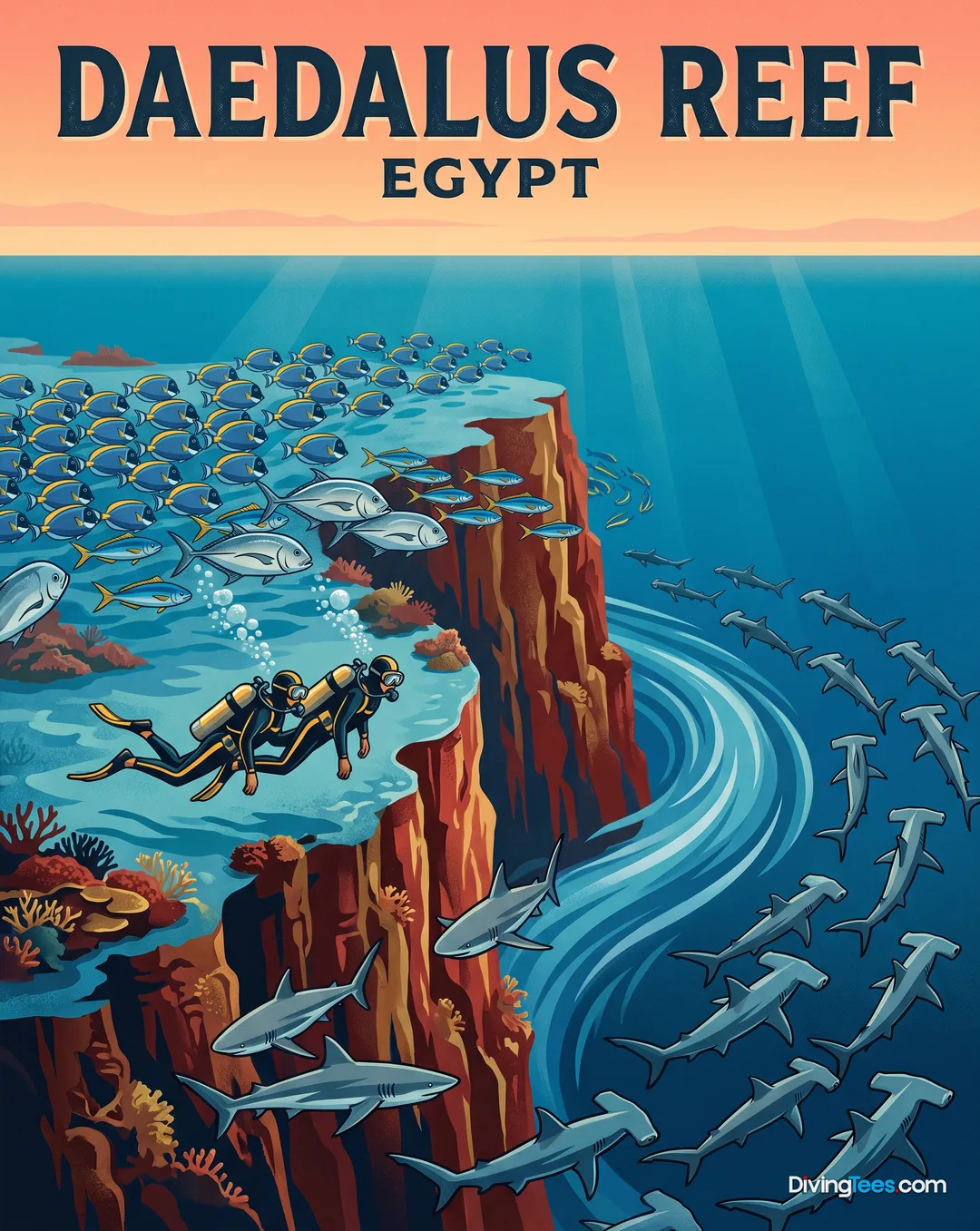
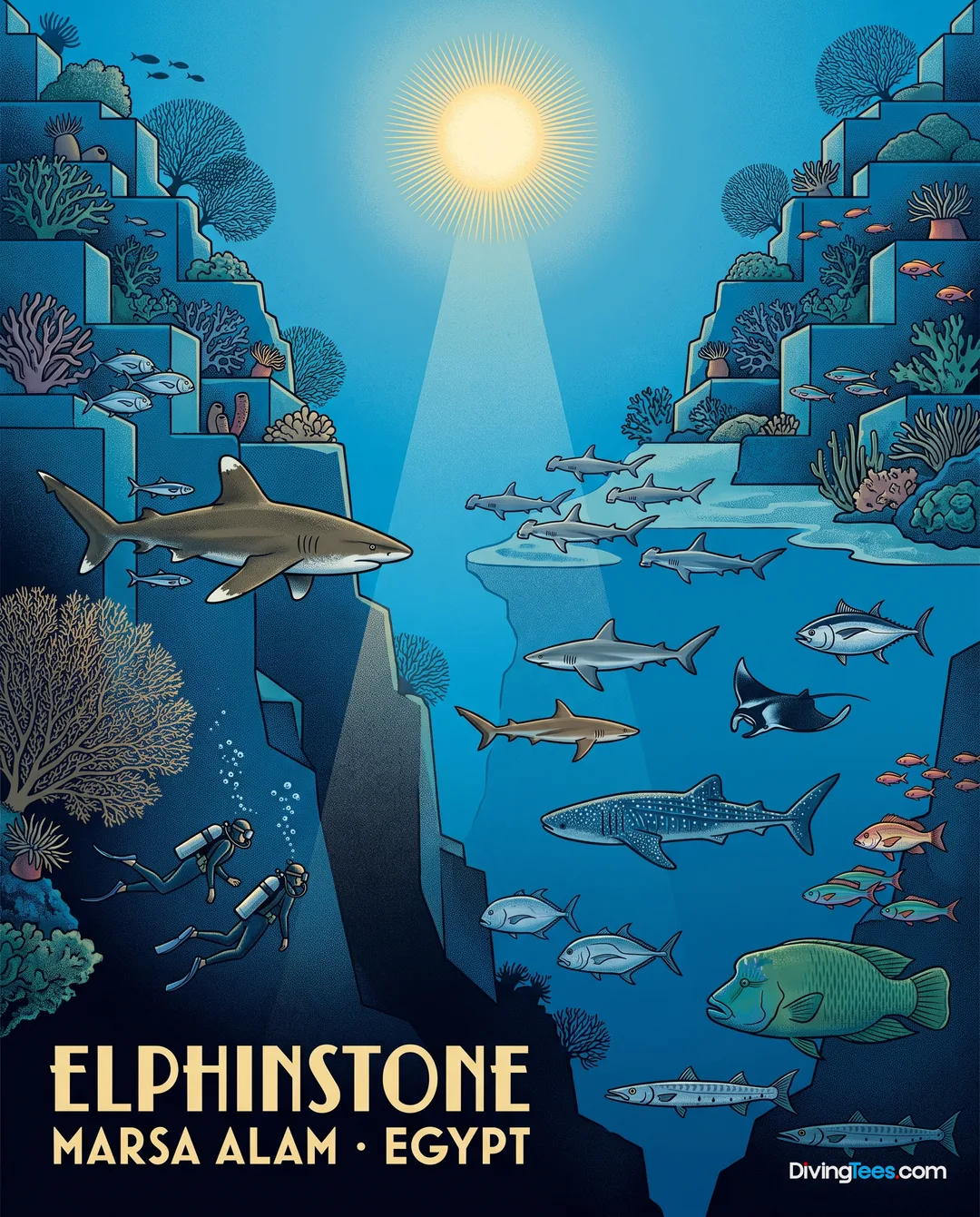
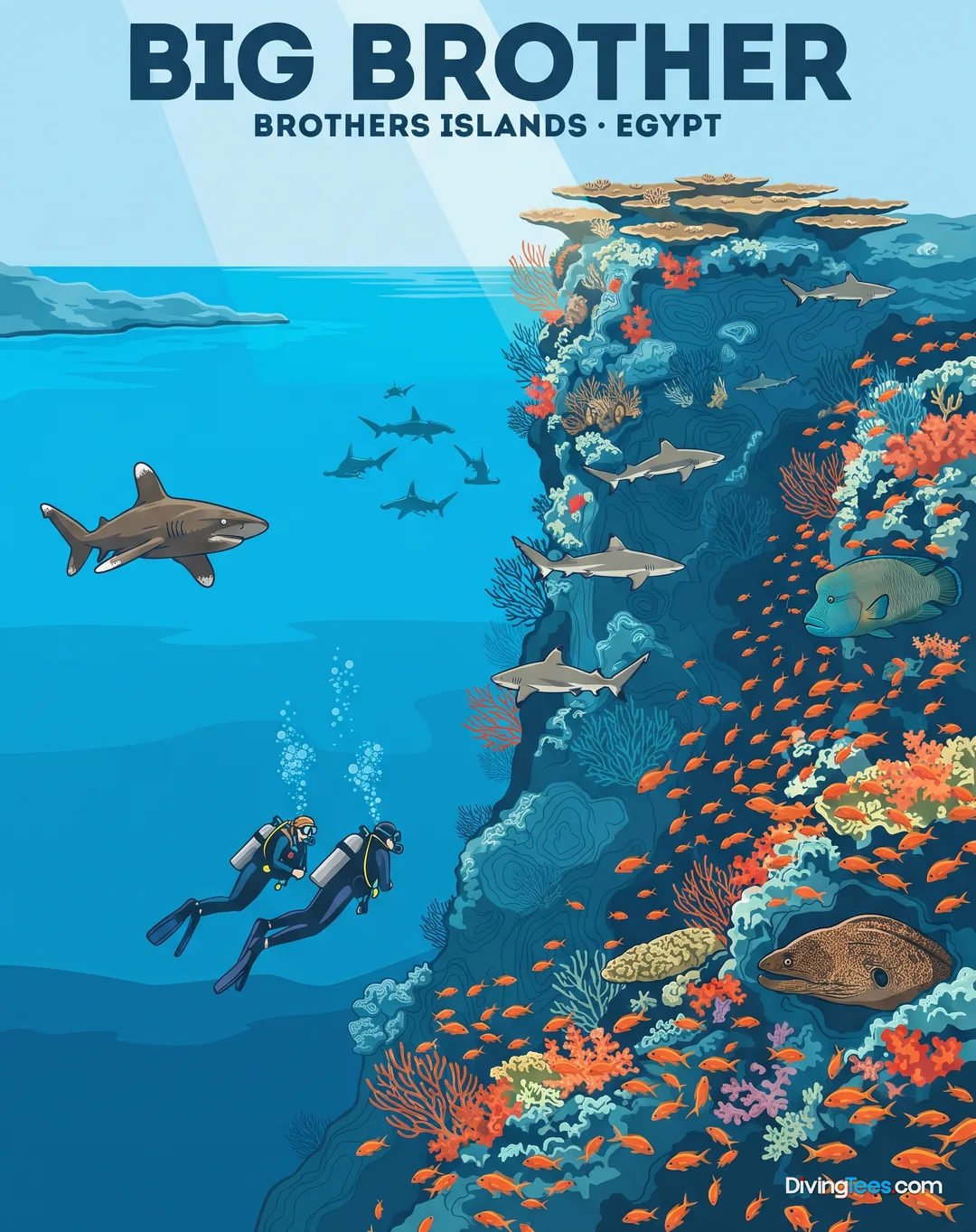
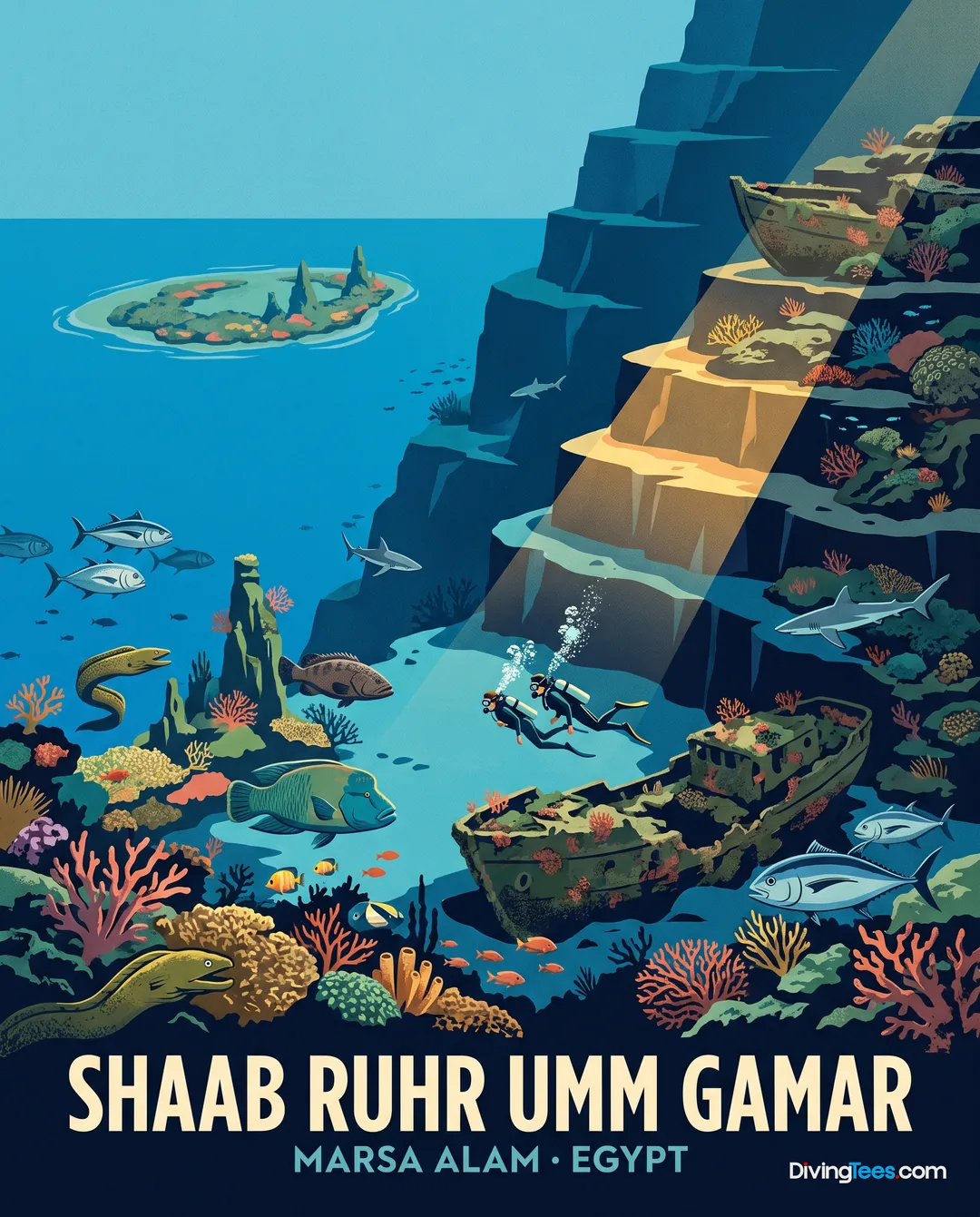
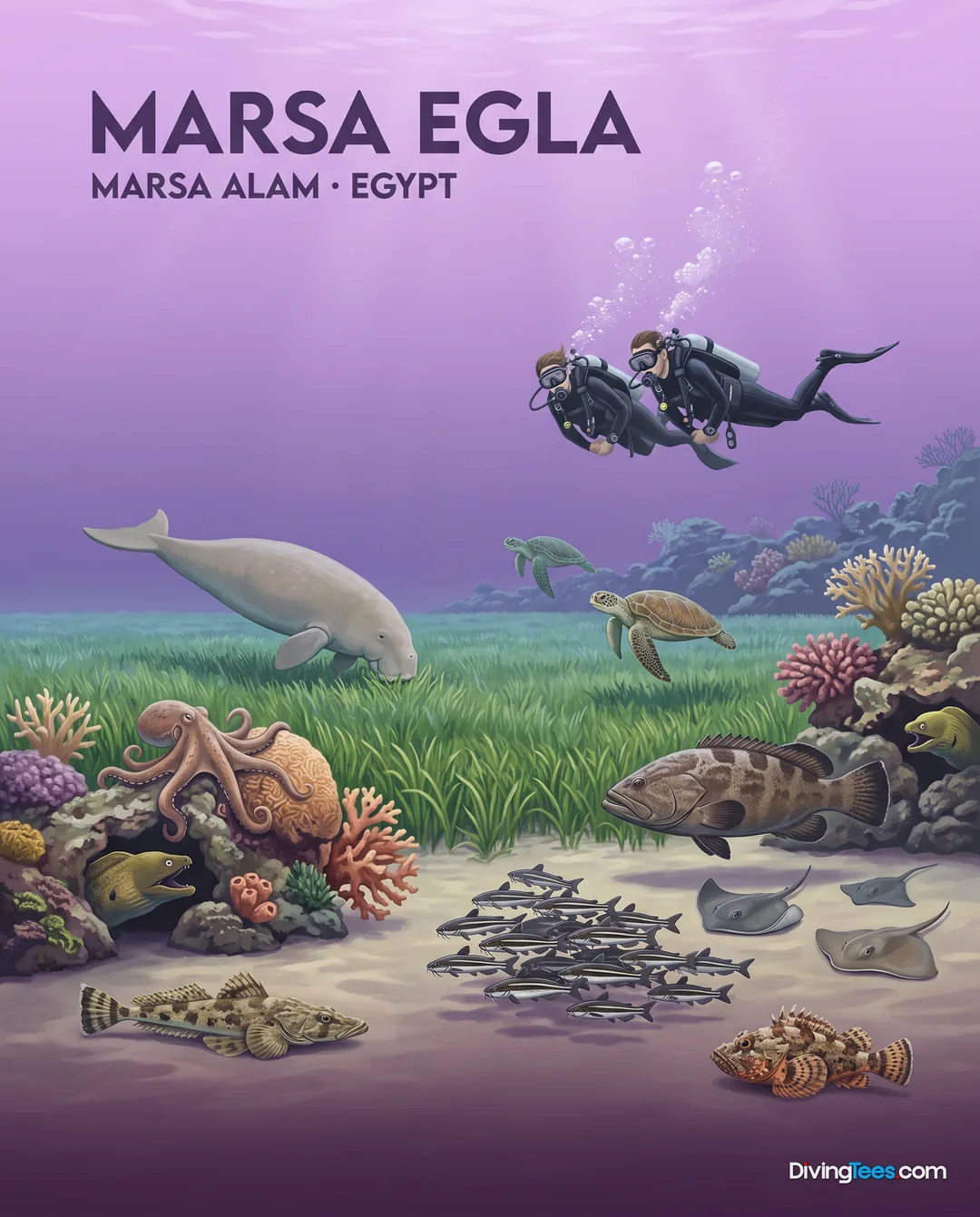
The two principal routes are eight days and seven nights. North Wrecks, Ras Mohamed, Tiran and Brothers combines Abu Nuhas and its wrecks, the Thistlegorm, Ras Mohamed's walls and coral gardens, Tiran's four current-swept reefs, and the isolated Brothers Islands. Brothers, Daedalus and Elphinstone is the more offshore-focused choice: Big Brother reaches a maximum of -40m and brings dramatic walls, pelagics and two iconic wrecks; the Brothers Islands as a whole reach -85m, with steep reef faces, hard and soft corals and possible grey, hammerhead, silvertip and whitetip reef sharks. Daedalus reaches -40m, with a lighthouse, deep walls and repeated chances for pelagic encounters. Elphinstone reaches -60m, with steep walls and northern and southern plateaus where oceanic whitetips, hammerheads, grey sharks and manta rays may pass. Other recorded sites include Shaab Ruhr Umm Gamar, where an oval reef gives way to pinnacles and at least three wreck remains, and Marsa Egla, a bay with seagrass visited by dugongs and green turtles. Routes and dive sites remain subject to weather, conditions and the captain and guides.
Itineraries, dates and prices
Prices per person. Each month shows its lowest price: click a month, or pick an itinerary.
Next departures · 52 departuresfrom £990$1,323€1,182
November 2026
December 2026
See dates and prices
If you click these links and make a purchase on the partner site, DivingDeal may earn a commission, at no extra cost to you.
Dates and prices taken from Divebooker and liveaboard.com, updated 23 October 2026
What you’ll meet underwater
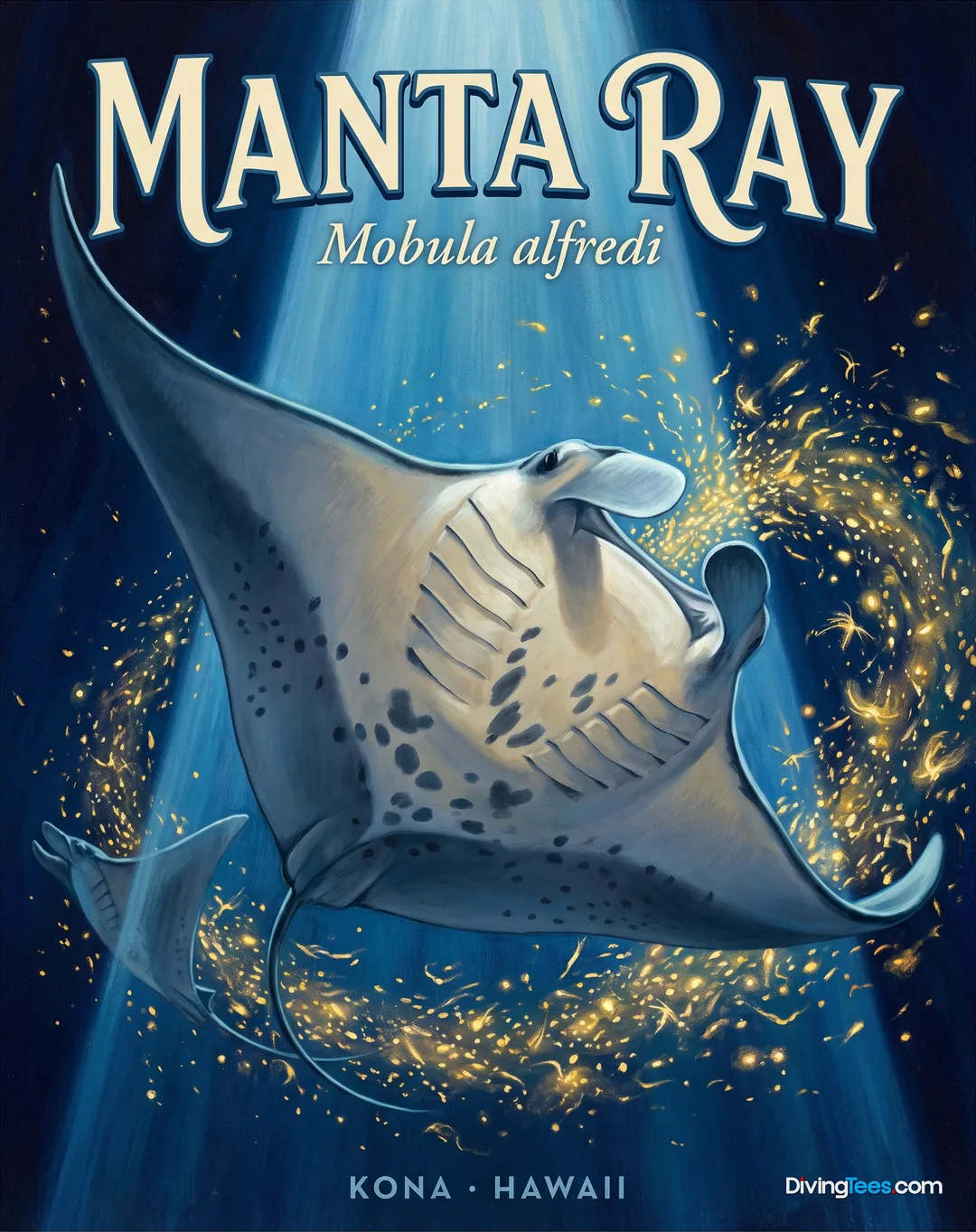
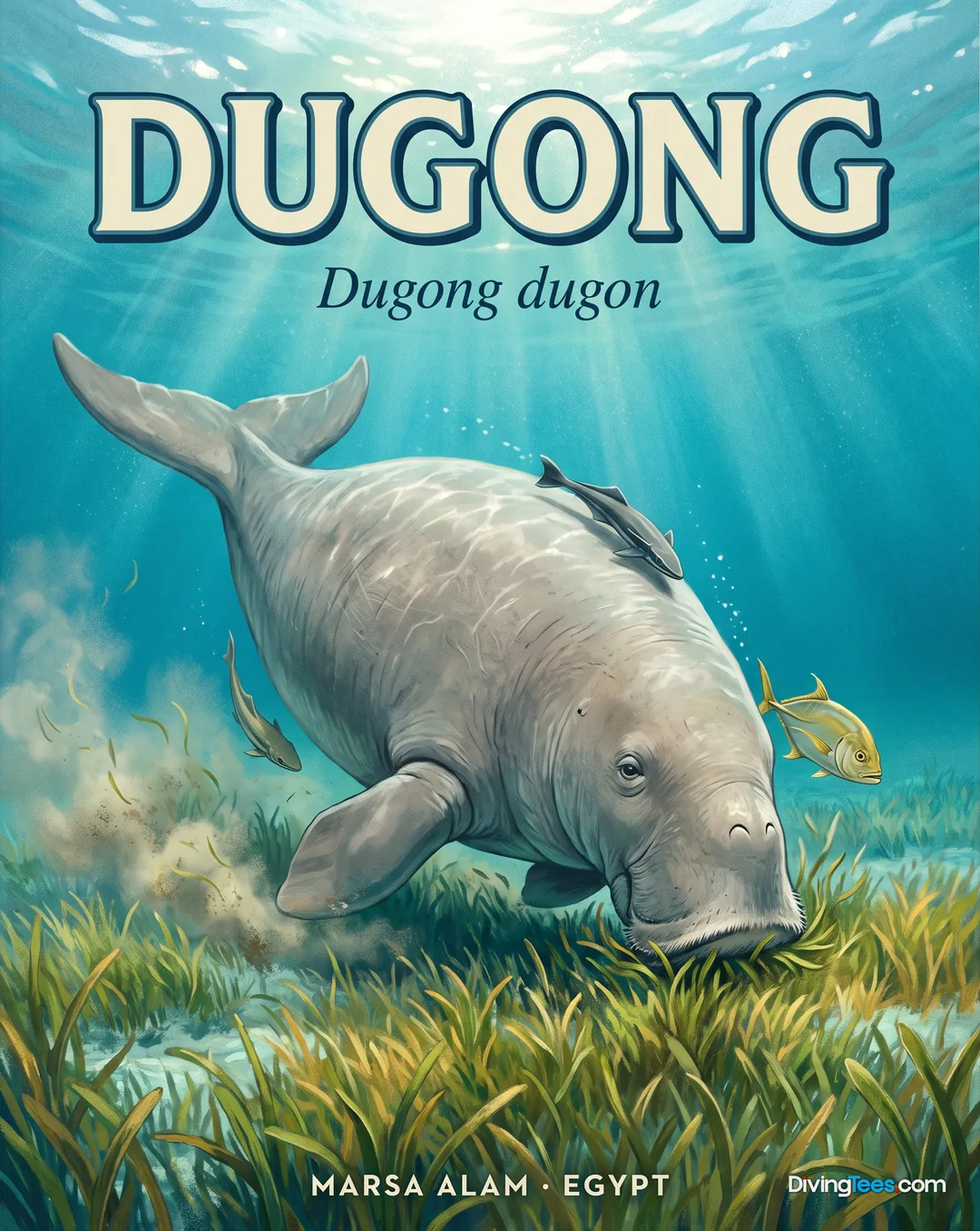
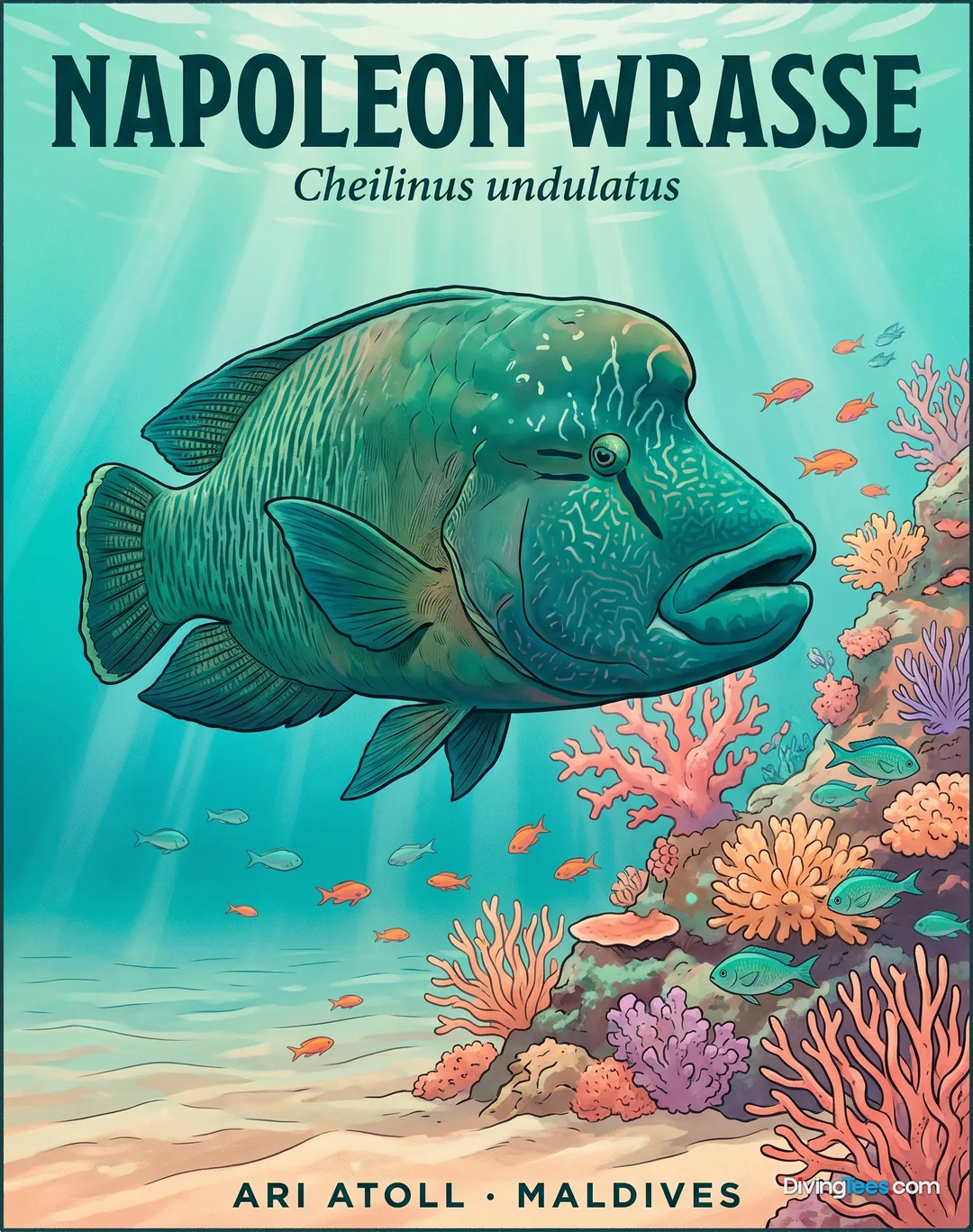
The recurring cast is classic Red Sea: turtles, barracuda, reef and grey reef sharks, tuna, hammerheads, dolphins, Napoleon wrasse, manta rays, anthias, jacks, soft corals, morays and snappers. Currents and offshore walls are the reason the larger animals appear on this route, but no encounter is guaranteed. The one-site details are what sharpen the itinerary. A dugong is recorded only at Marsa Egla, where seagrass provides its habitat; Shaab Ruhr Umm Gamar is the place associated with giant grouper; Brothers Islands is where white-tip reef sharks and anemones are specifically recorded. Elphinstone brings blacktip reef sharks, gorgonians and wrasse, while Daedalus is the site linked with bigeye trevally. Shaab Sabina's shallow coral garden has damselfish, and El Fanadir's cleaning station is known for sweetlips. At Shaab El Erg, spinner dolphins may pass the reef, and Ras Mohamed can produce batfish. Tiran has hammerheads in summer, alongside barracuda, trevally and tuna.

Who puts you in the water
The onboard crew speaks English and German, and the guides make the final call on whether a site and its conditions match a diver's experience. The minimum entry requirement is Open Water certification with at least 10 logged dives. Beginners can join, but they will not necessarily be able to dive every site; advanced training can be taken on board to make more of the itinerary accessible. Briefings are therefore important here, especially on the Brothers, Daedalus and Elphinstone route, where walls, currents and drop-offs demand more than basic buoyancy. A private dive guide can be arranged in advance for an additional charge. The group ratio, guide qualifications and recall system are not given. Emergency oxygen, first-aid kits, fire equipment, radios, radar, GPS and rescue boats are carried, and the crew is trained in first aid. That is a sensible safety base, but it does not remove the need to judge one's own limits.
The dive deck and the gear
The shaded dive deck is organised for repeated entries, with a dedicated platform, rinse tanks and a separate camera rinse. Divers can use DIN adapters, and sidemount diving is supported. Three tenders transfer divers between the boat and the reef, allowing the boat to stay away from the exact entry point while divers are taken to and collected from the site. The boat carries 12-litre tanks for free nitrox at 28–32% for certified divers. Air filling is handled by three compressors, including a Mattei nitrox compressor. Rental equipment is available. Outdoor hot-water showers, charging stations and a camera workspace cover the practical work of a dive week, from rinsing salt to drying gear and keeping batteries ready.
Between dives
Between dives, the best place is the shaded outdoor dive area or one of the upper decks, where wet kit can be left behind and the sea remains in view. The jacuzzi gives the surface interval a different use when the body wants warmth rather than another conversation. The air-conditioned salon is the fallback for heat, naps and the practical business of reviewing photographs. A dedicated photo area, camera rinse and charging stations support photographers without forcing every camera onto the dining table. There is also a library, audio-visual entertainment and a bar, but the boat does not need a timetable to fill every quiet hour. On a route that may include strong currents, walls and repeated offshore dives, an afternoon with no entry is valuable for more than sightseeing: it lets divers eat properly, dry equipment, sort images and arrive at the next site with some reserve left.
A day on board
A typical day is built around the water, not around a sightseeing schedule. The first briefing comes before the first dive, followed by a meal, a surface interval and another entry at the next site. Many days carry three dives; selected itinerary days add a fourth, sometimes as a night dive. On the Brothers, Daedalus and Elphinstone itinerary, the sequence can move from Big Brother's south side to the Numidia wreck, then Little Brother; later days repeat Daedalus sites before the boat reaches Elphinstone for north and south dives. The gaps are used for eating, sleeping, checking cameras and moving between reefs. A night dive changes the whole pace: torches replace the sun, and the wreck or reef becomes a different animal. Dinner closes the working part of the day, though the salon and deck remain available afterwards. The first night is spent aboard in New Marina, and the final return includes breakfast before check-out.
What you eat aboard
Meals are full board, with buffet and à la carte service, Western and local dishes, and options for vegetarian and vegan divers. Non-alcoholic drinks, tea, coffee and snacks are available throughout the day; beer, wine and cocktails are separate choices. Dining can move outdoors, which suits the gaps between dives when nobody wants to sit in a formal room wearing a damp T-shirt. A four-dive day creates a specific demand from the galley: breakfast has to be ready before the first entry, food must remain accessible between dives, and dinner needs to restore rather than delay the evening. Ocean Lovers is particularly well suited to divers who care about food as part of the trip, not merely as fuel. The high food score reflects that the table is one of the boat's stronger features, with enough range for a group that may include local-food enthusiasts, conservative eaters and guests with plant-based diets.
Nights at sea
The cabins are designed for recovery between dives rather than for pretending a liveaboard is a hotel on land. Air conditioning, a private bathroom, hot water and a standard window are provided, with sea views in the cabins designed around them. The choice runs from twin cabins on the lower deck to twin cabins and suites on the sundeck, panorama suites and suites on the upper deck. That gives couples and divers sharing with a buddy several ways to trade space and position. Daily cabin cleaning and separate cabin and deck towels remove some of the small chores that become irritating after repeated dives. The interior salon offers another air-conditioned place to sit when the cabin is too close, while the outdoor decks provide the light and horizon that a diver wants after surfacing. The practical gain is simple: the cabin is a clean, private place to sleep, not the only place to escape the noise of the day.
Twin Cabin Lower Deck
Twin Cabins Sundeck
Suite Cabins Sundeck
Panorama Suites
Suites Cabins Upper Deck
What to know before boarding
Ocean Lovers departs from New Marina Hurghada. Transfers to and from the boat are complimentary on embarkation and disembarkation days within Hurghada city, including Hurghada Airport and eligible hotels; transfers from areas outside the included zone may carry an additional charge. The airport meeting point is at the front of the arrival hall, where a sign with the boat's name identifies the driver; hotel pickups meet guests at reception. Arriving in Egypt the night before is the sensible choice, leaving room for flight delays before check-in begins from 16:00.
Deck plan
- Year built
- 2023
- Length
- 45 m
- Beam
- 9 m
- Maximum number of passengers
- 32
- Number of cabins
- 16
- Number of bathrooms
- 20
- Engines
- 2 doosan with 1000 hp
- Cruising speed
- 11 knots
- Tenders
- 3
- Website
- seabreeze-liveaboard.com ↗
Hello, I'm Marina, DivingDeal.com's AI assistant. I answer in detail about hotels, dive centres and liveaboards.
Thinking about the whole trip and the flights? Talk it over with Edith →
Marina is an AI. Some links are affiliate links: DivingDeal may earn a commission, at no extra cost to you. Bookings are made with the partner.