Liveaboards · Egypt
MY Blue — a modern Red Sea liveaboard built around serious diving
What makes this boat unique
- Completed in 2016, MY Blue is a 43-metre liveaboard for up to 24 divers, with 12 en-suite cabins.
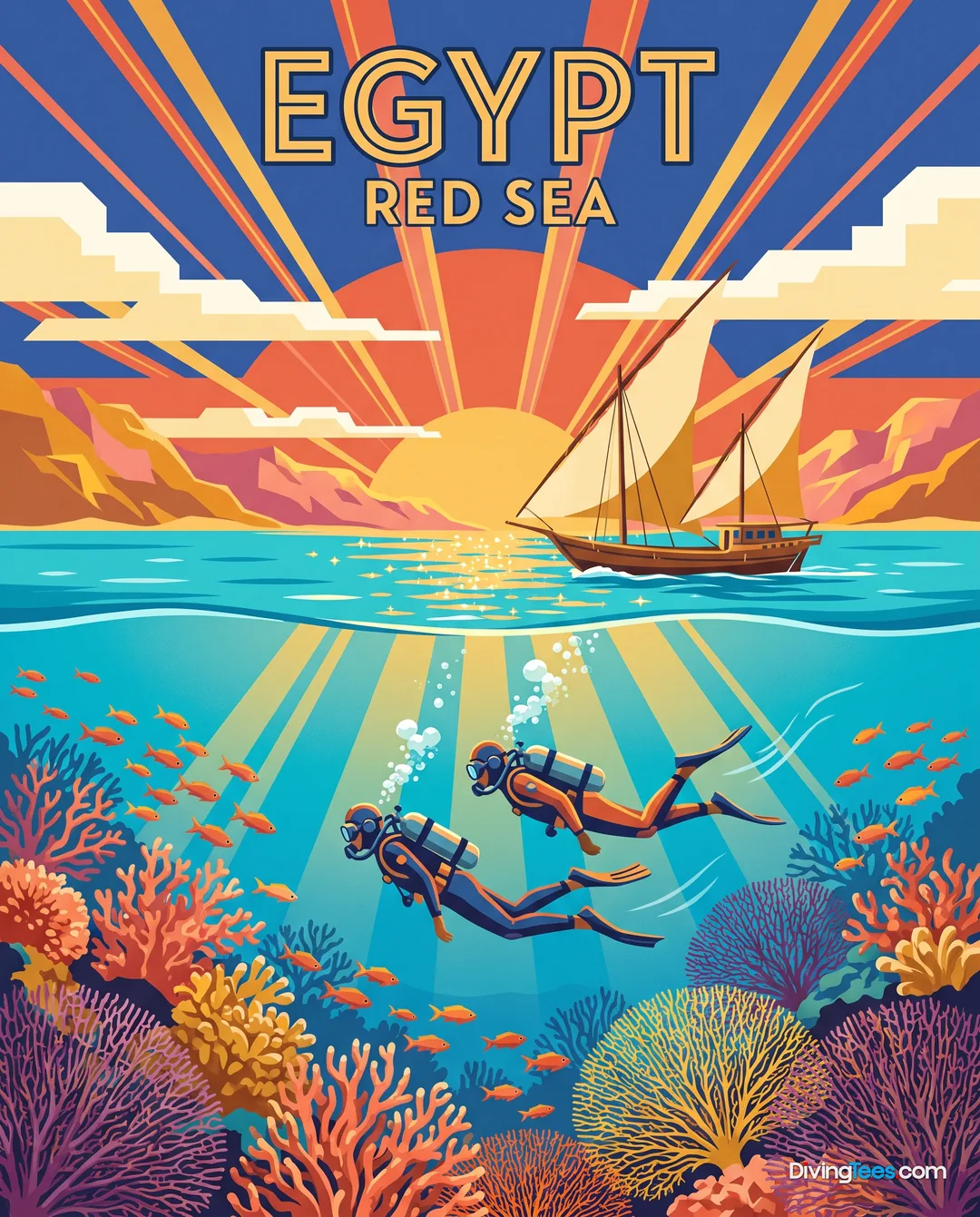
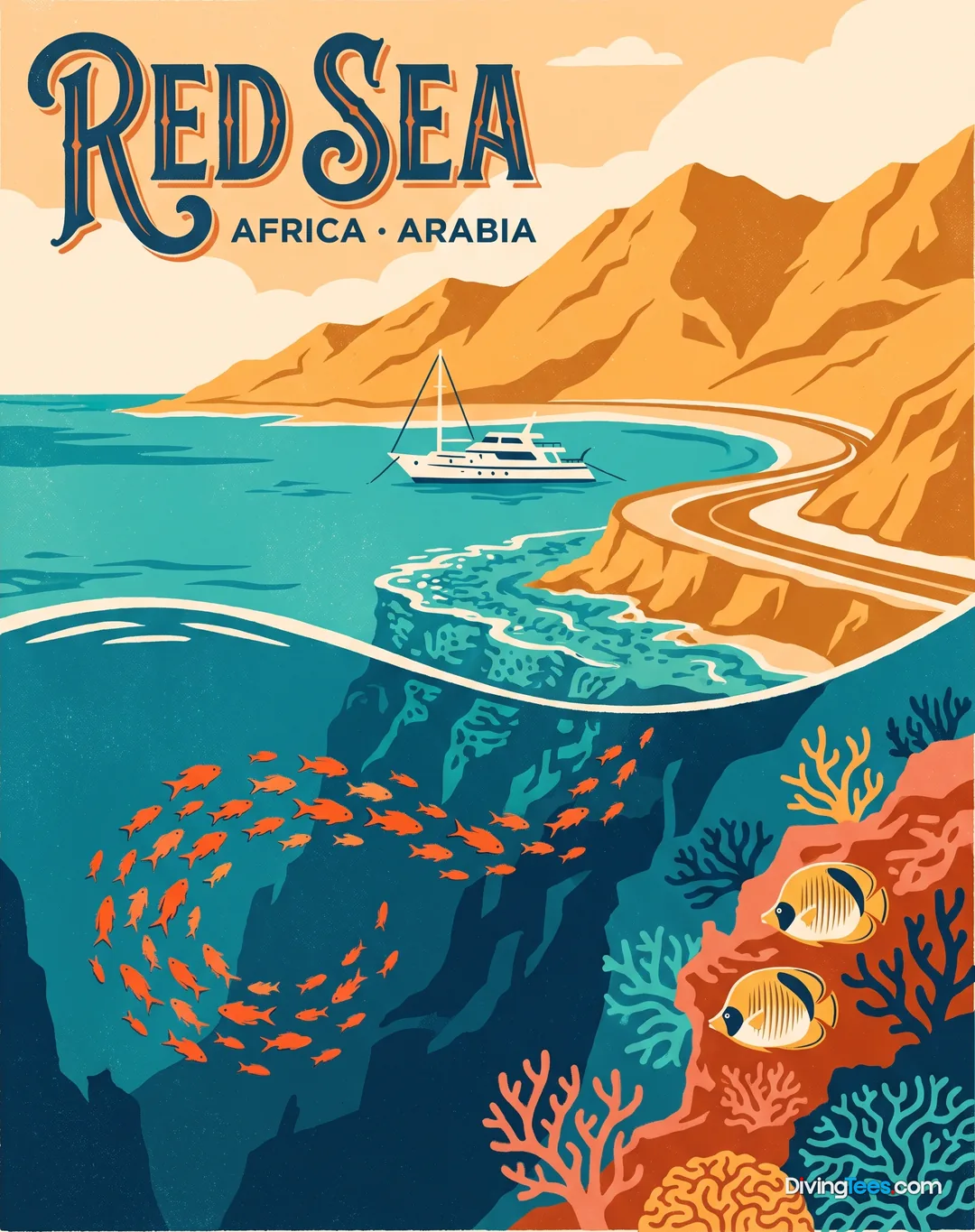
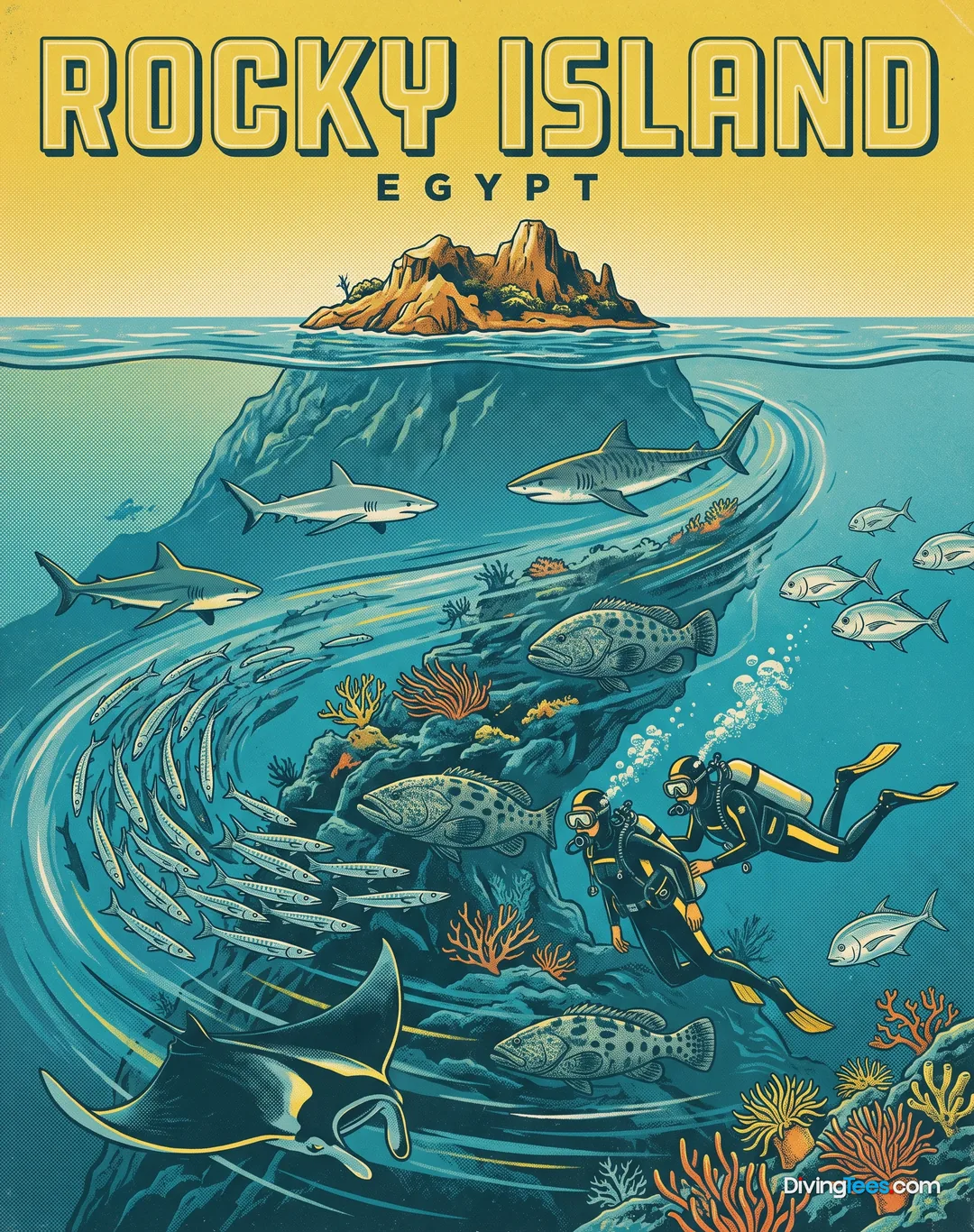
- The boat runs Red Sea routes from Hurghada and Port Ghalib, including Brothers, Daedalus, Elphinstone, St. Johns, Fury Shoals, Rocky Island and Zabargad.
- Its dive setup includes free nitrox, rebreather support, sidemount diving, a large camera station and two six-metre tenders with 85 hp outboards.
- Sea-view cabins are available on the upper deck, while the master cabin is on the main deck and lower-deck cabins have portholes.
- English- and German-speaking crew support the diving and life on board.
For subtitles in English: start the video firstthen click the gearat the top right of the video, select “Subtitles/CC”, then “Auto-translate” and choose “English”.
The invitation
MY Blue is for divers who want the Red Sea's remote reefs without accepting a stripped-down expedition boat. The design is modern, the cabin choice is unusually broad, and the dive deck has been planned for people carrying cameras, rebreathers or sidemount equipment rather than only a standard recreational setup. The important point is the access: this boat can take you from the northern reefs to the Marine Parks and the deep south, where day boats cannot follow. Come aboard for walls, current, pelagics and long days in the water, then return to a proper cabin, hot water and a shaded place to sort a camera or dry out. It suits divers who judge a liveaboard by the time between dives as carefully as the reef itself.
Boarding
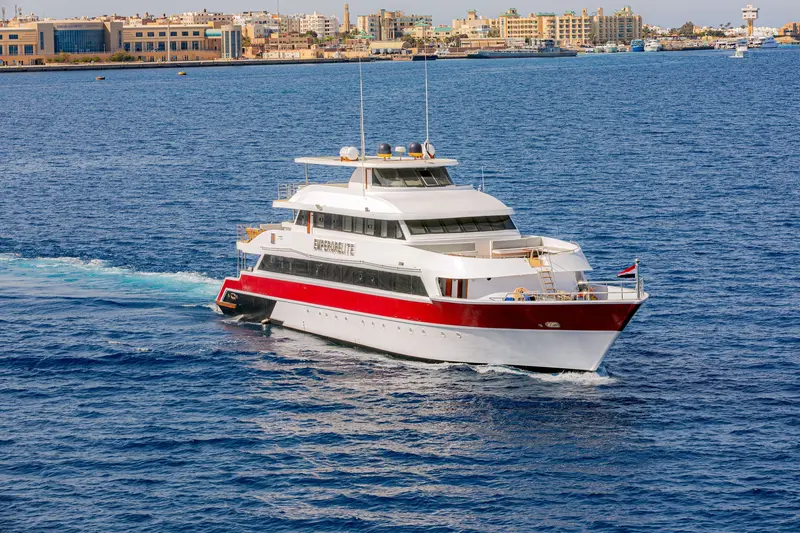
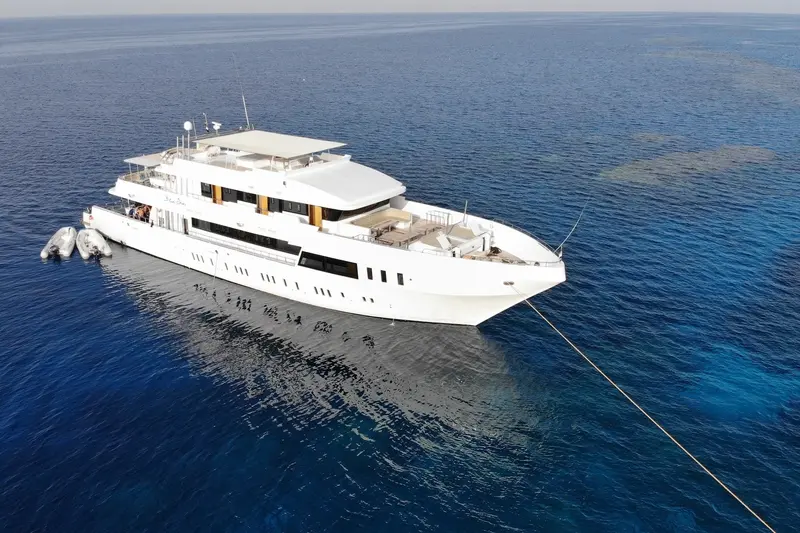
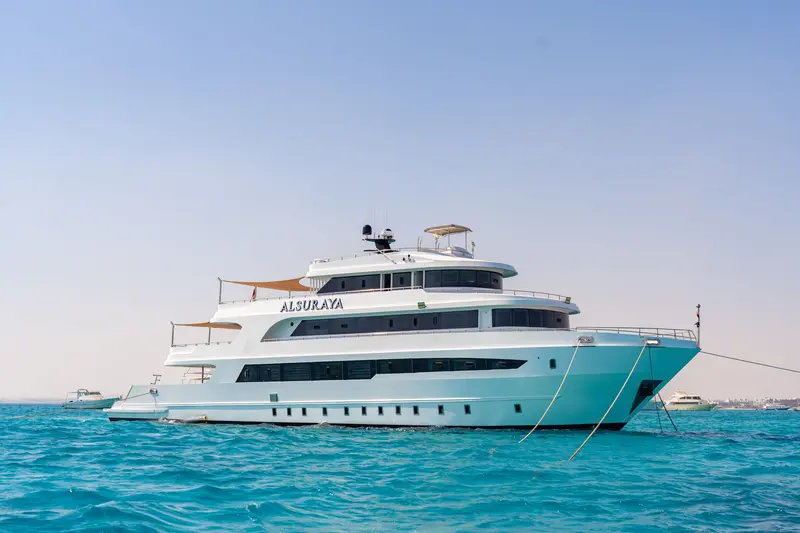
From the dock, MY Blue presents as a large, clean-lined yacht rather than an old working coaster. Its wide hull and modern finish suggest space before anyone has opened a cabin door. Once aboard, the layout feels deliberate: the salon, outside areas and dive deck are connected without forcing wet divers through the living spaces. The boat was built for this job, so the machinery, compressors and support systems are part of a working dive platform rather than an afterthought. There is a clear change of pace between the bright open decks and the air-conditioned interior. At the dock, the crew may still be cleaning, loading and preparing the boat; boarding is not the moment to expect a hotel check-in. The first impression is functional comfort, with diving at the centre.
The atmosphere on board
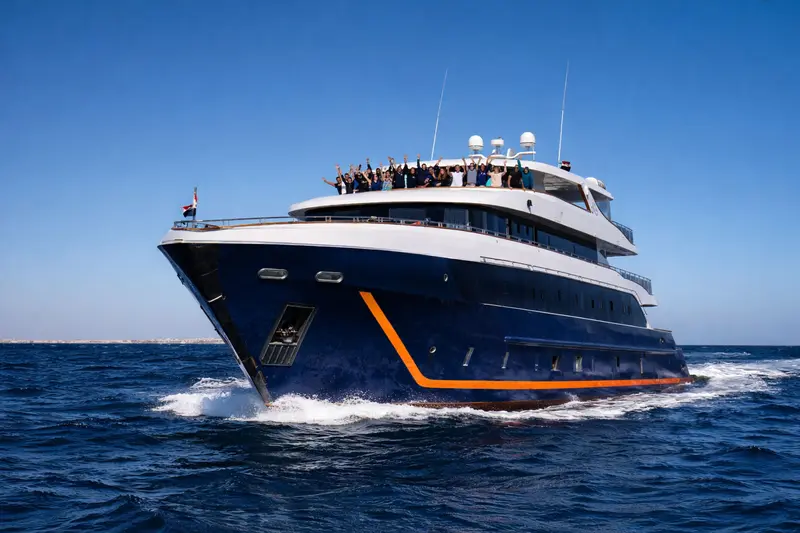
The atmosphere is shaped by a crew that stays close to the diving rather than disappearing into a service corridor. Guides give the evening orientation, explain the boat and safety procedures, then return to the dive deck for briefings and entries. Divers with fewer logged dives are placed in a small group with experienced divers or a guide, which keeps the support practical instead of ceremonial. After the water, the shared table does most of the social work: stories from the last reef, cameras passed around, and route questions answered before dinner. The crew speaks English and German, and the feedback pattern is clear: the people and the food leave a stronger impression than the hull alone. That is a fair description of MY Blue. It is a modern platform, but the week is remembered through the way the crew runs it.
The sites you’ll dive
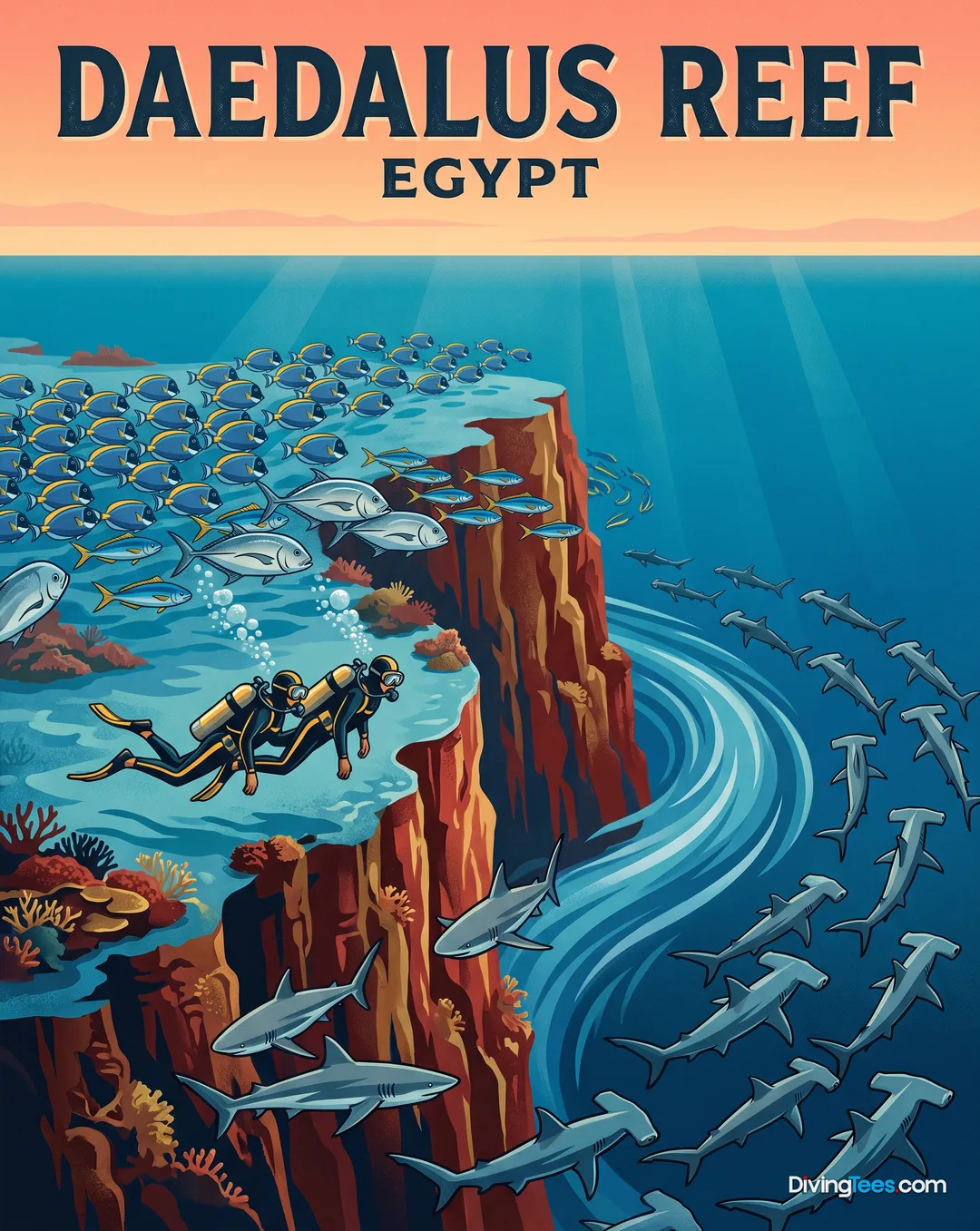
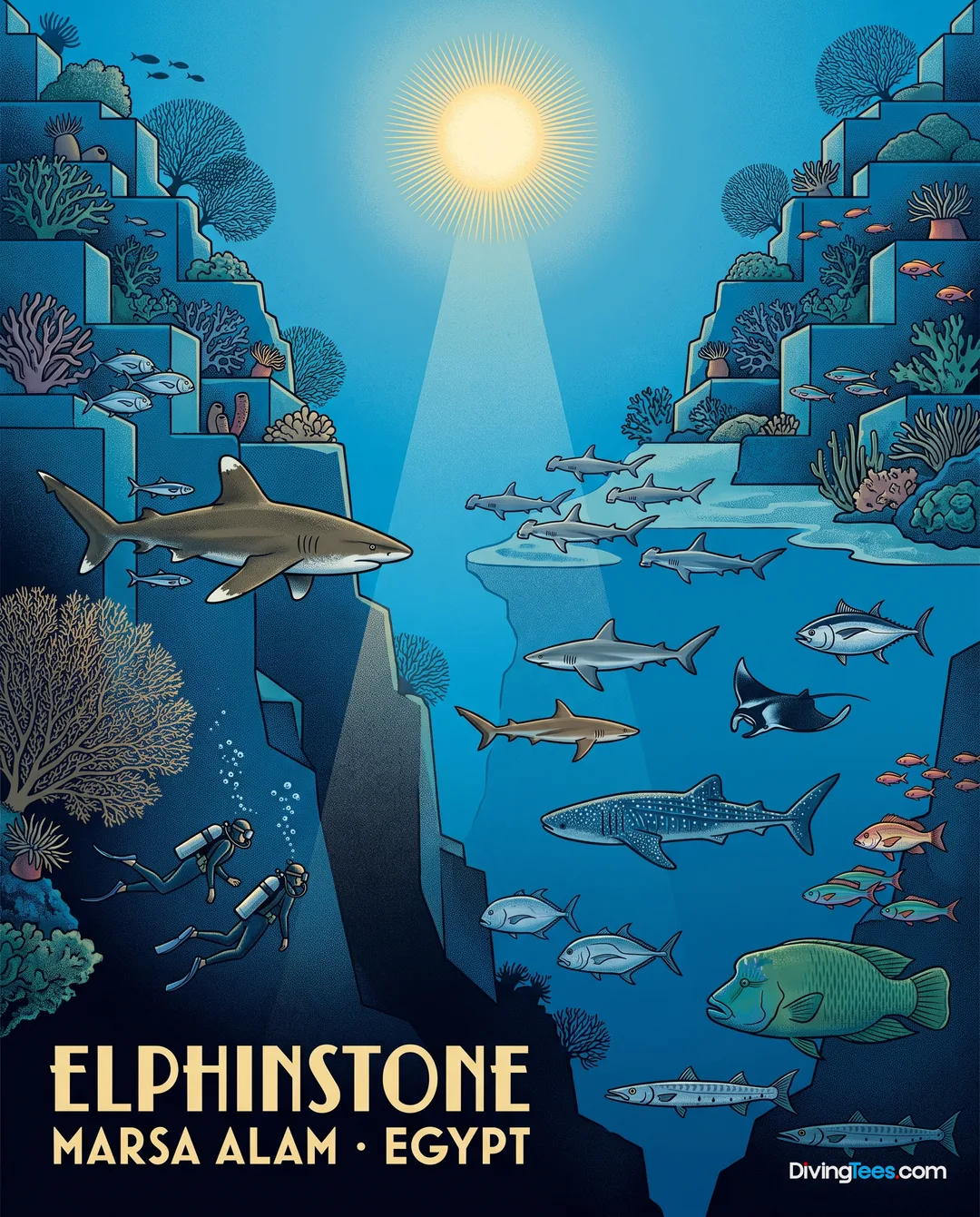
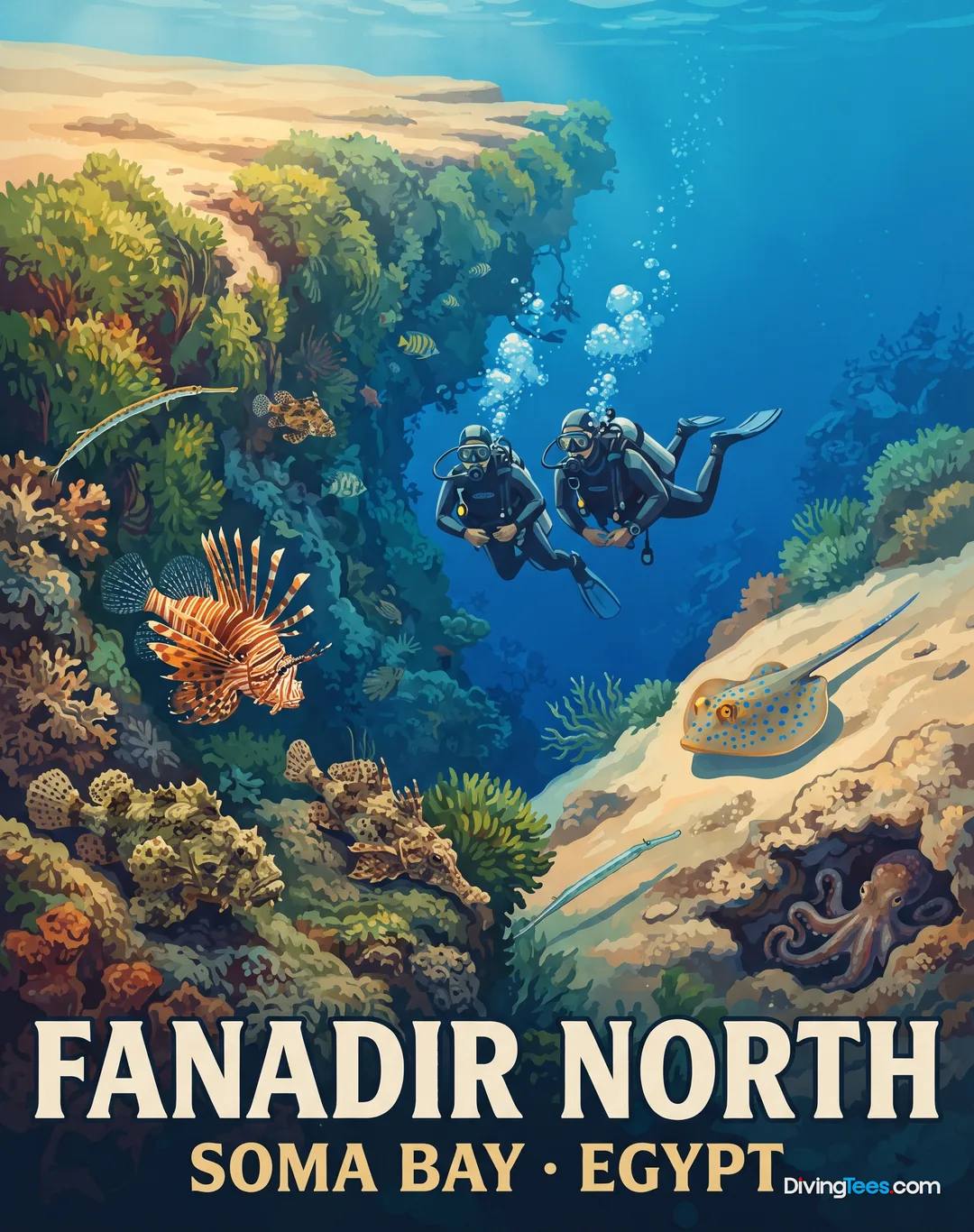
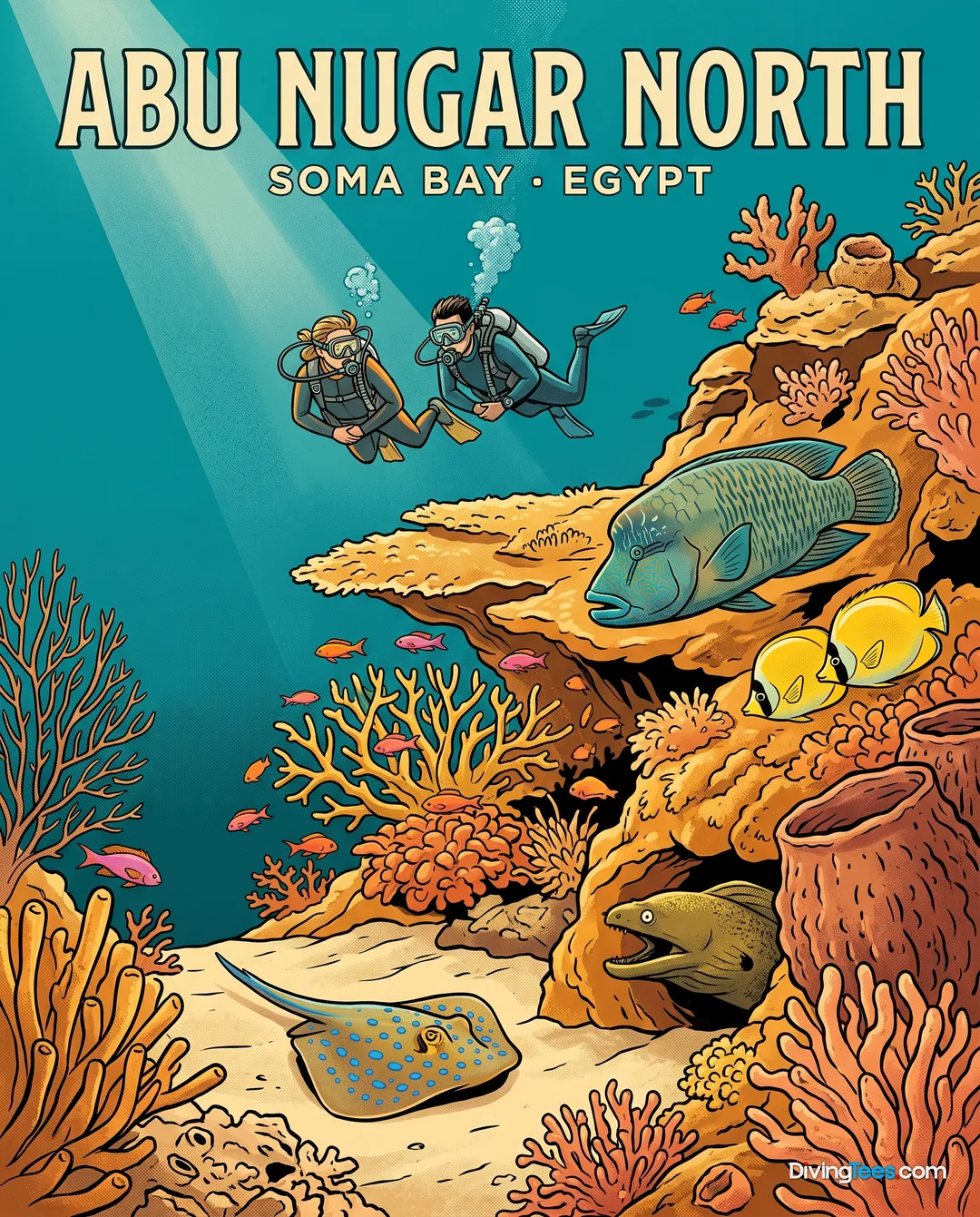
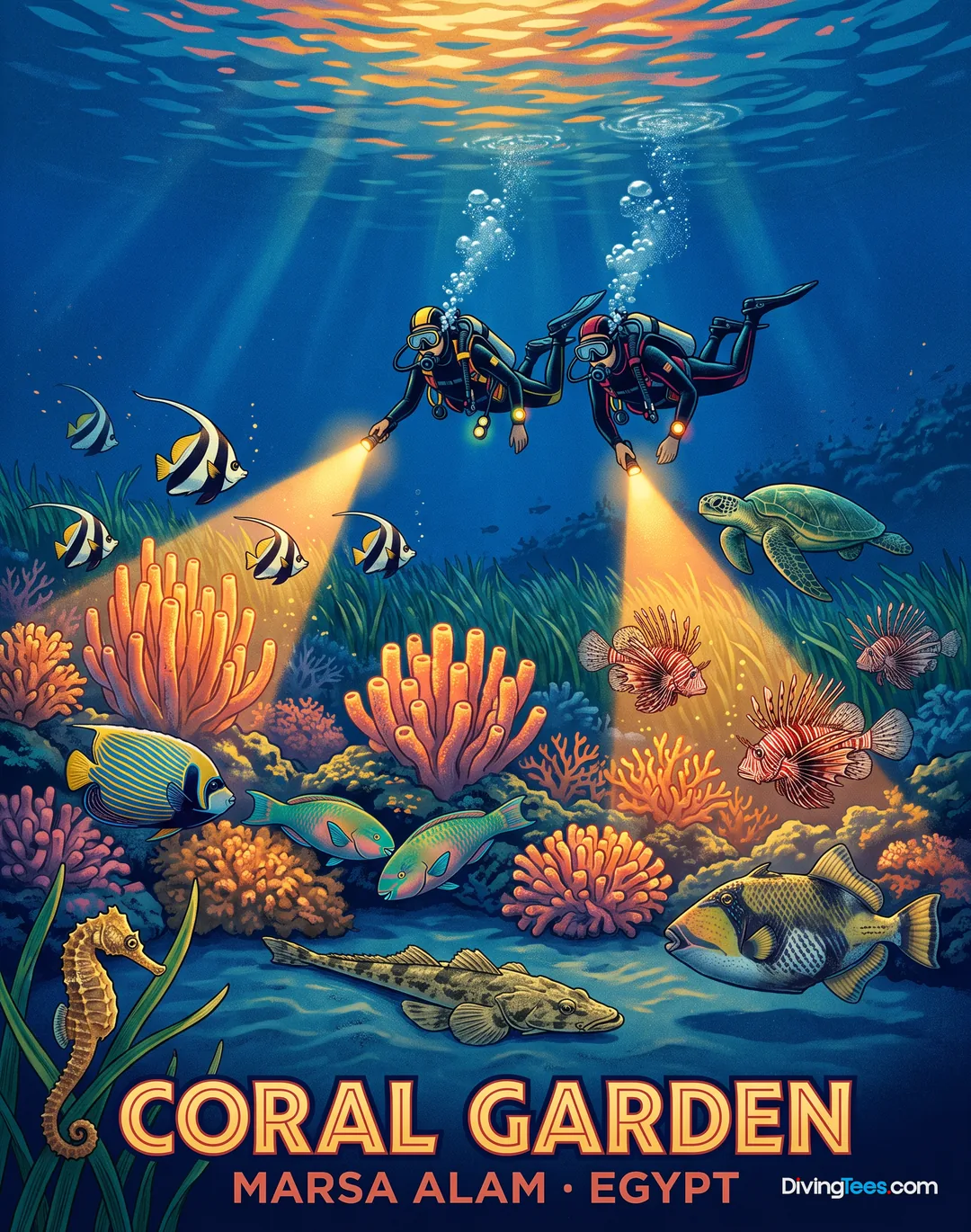
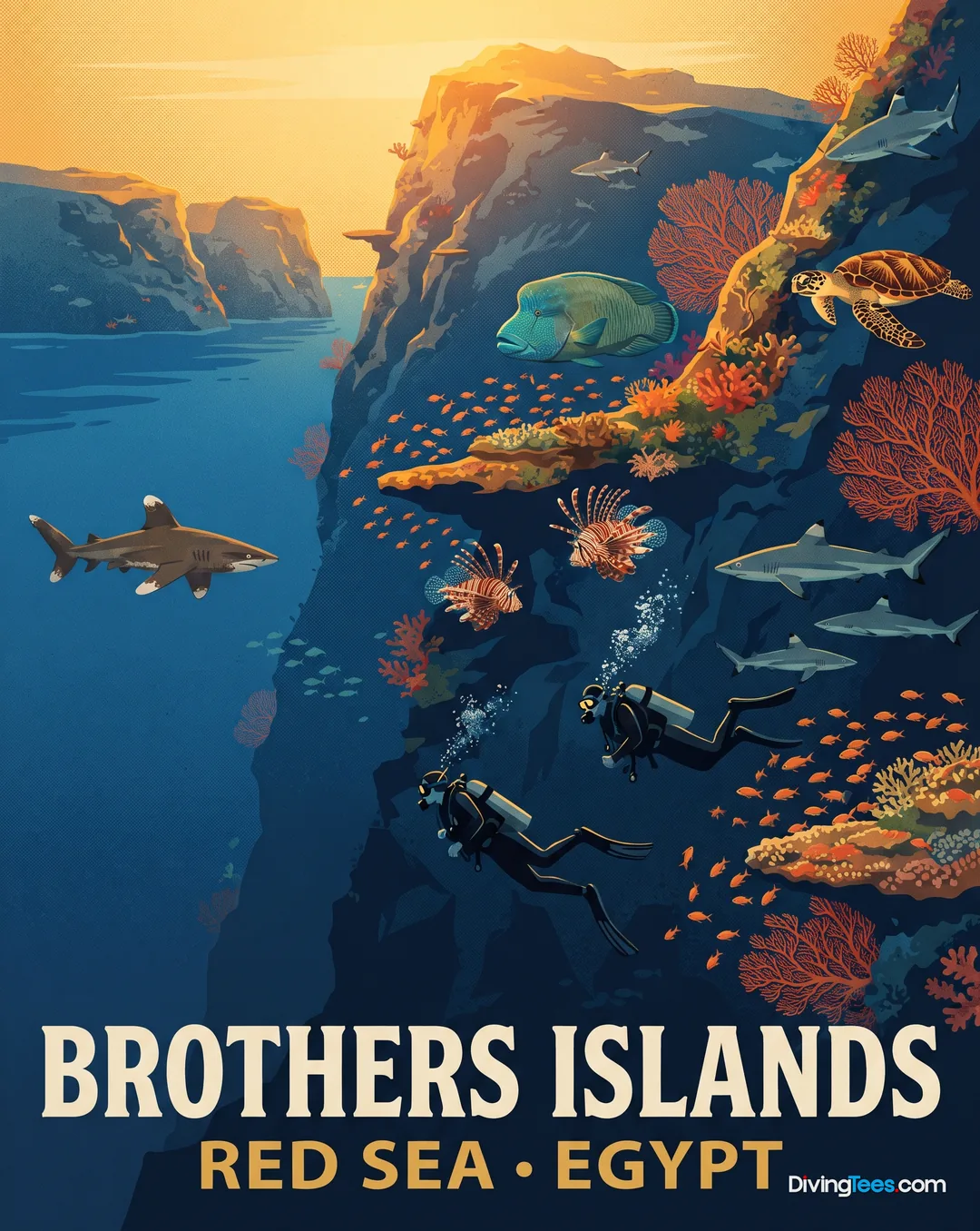
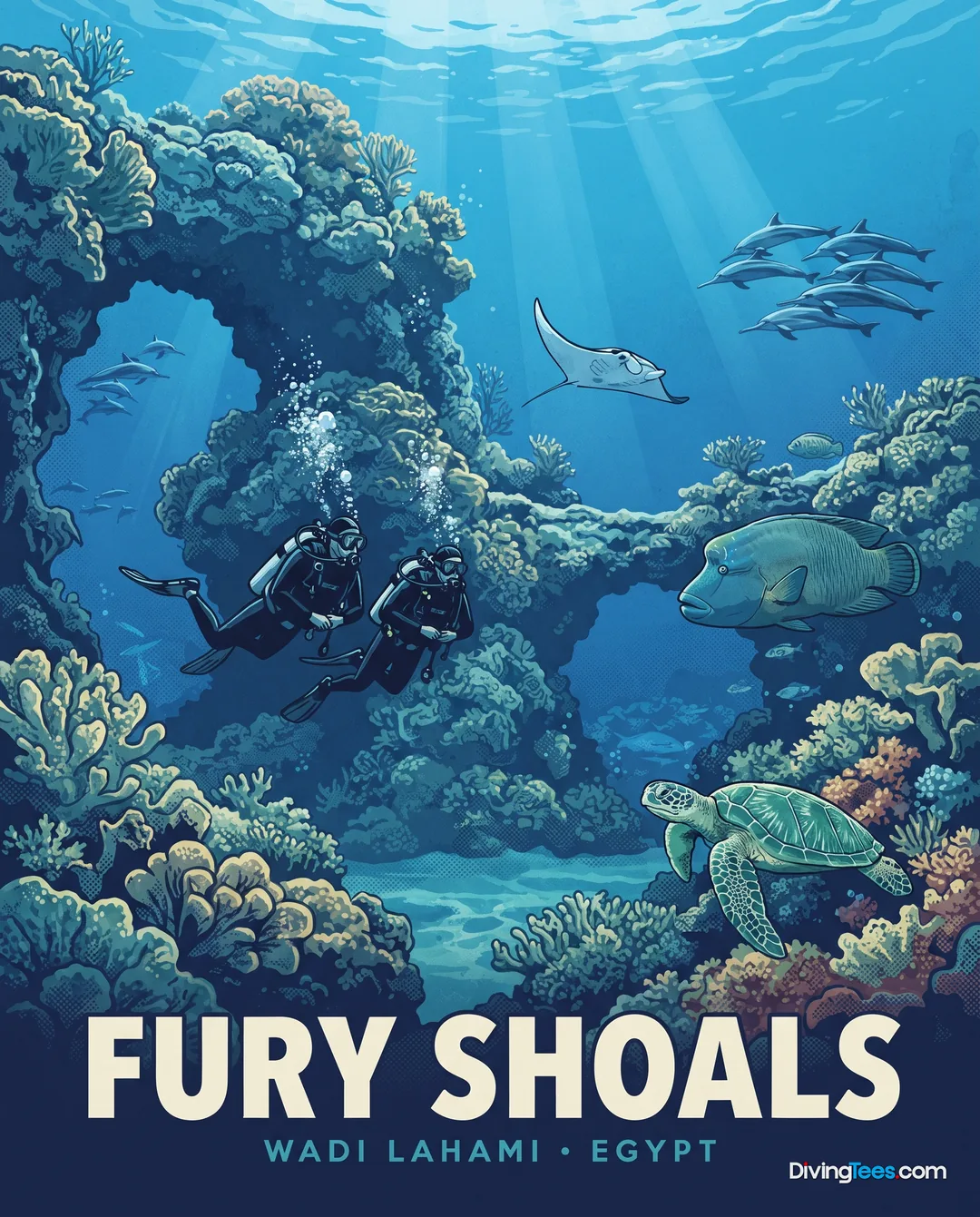
The recorded routes run for eight days and seven nights, linking Hurghada with Hurghada or Port Ghalib, or starting and ending in Port Ghalib. Northern itineraries include North & Turkia and North & Brothers; the long offshore routes include Brothers, Daedalus and Elphinstone, Daedalus with Rocky Island and Zabargad, St. Johns, and Daedalus & Fury Shoal. Elphinstone is the wall dive: its remote reef drops to a maximum of -60m and can bring oceanic whitetips, hammerheads and grey reef sharks into view. Fanadir North offers a vegetated wall to -30m, with stonefish, scorpionfish and lionfish hidden in the reef. Gotha Abu Nugar North stays shallow at a maximum of -9m, a coral garden for close inspection. Brothers Islands reach -85m, with isolated oceanic walls and pelagic encounters. Daedalus has dramatic walls to -40m and a reputation for hammerheads. Fury Shoals trades sheer walls for hard-coral canyons, while Zabargad combines strong current, coral towers, nesting turtles and a remote wreck. Weather and diver experience shape the final sequence.
Itineraries, dates and prices
Prices per person. Each month shows its lowest price: click a month, or pick an itinerary.
Next departures · 46 departuresfrom £996$1,332€1,190
November 2026
December 2026
See dates and prices
If you click these links and make a purchase on the partner site, DivingDeal may earn a commission, at no extra cost to you.
Dates and prices taken from Divebooker and liveaboard.com, updated 21 October 2026
What you’ll meet underwater
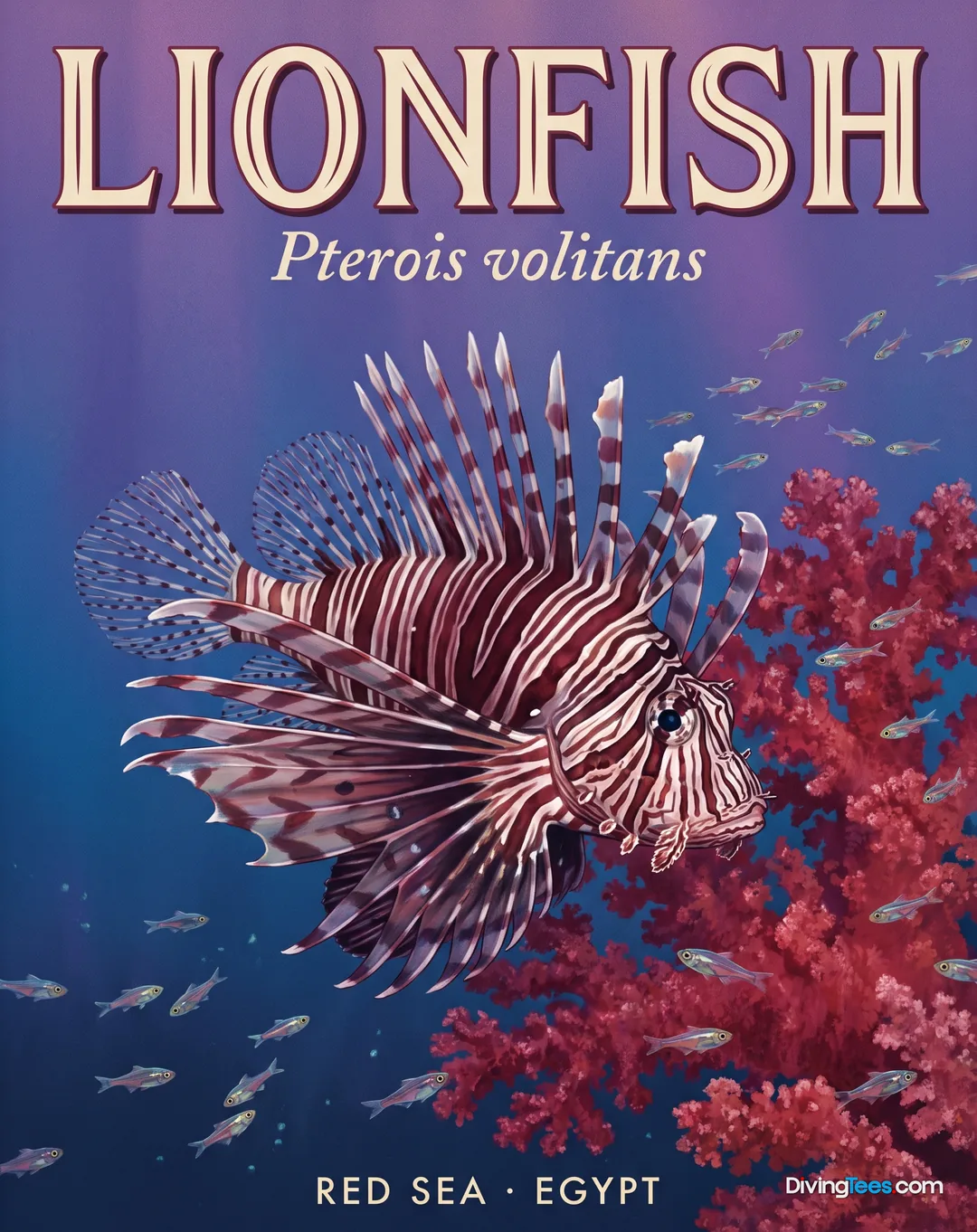
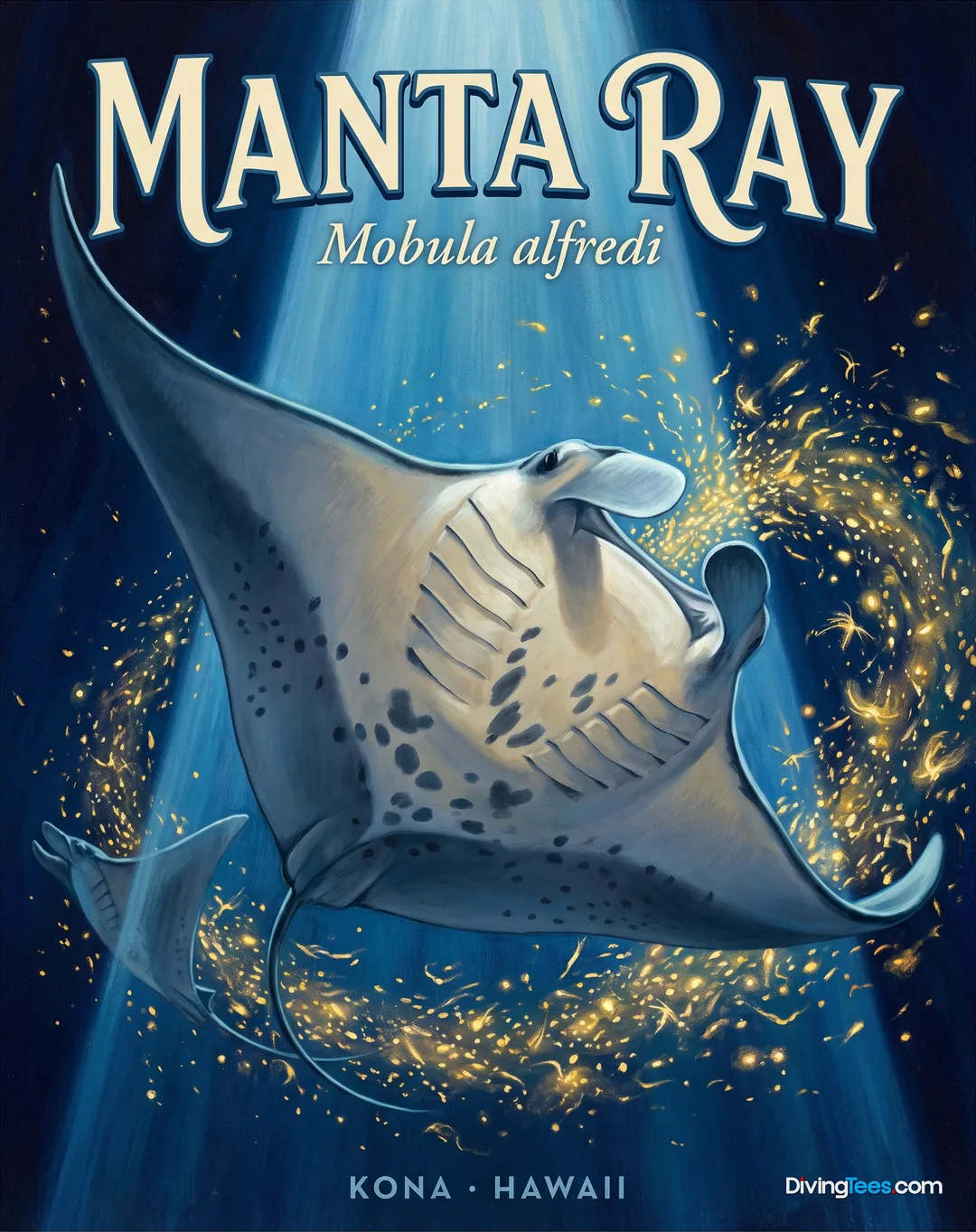
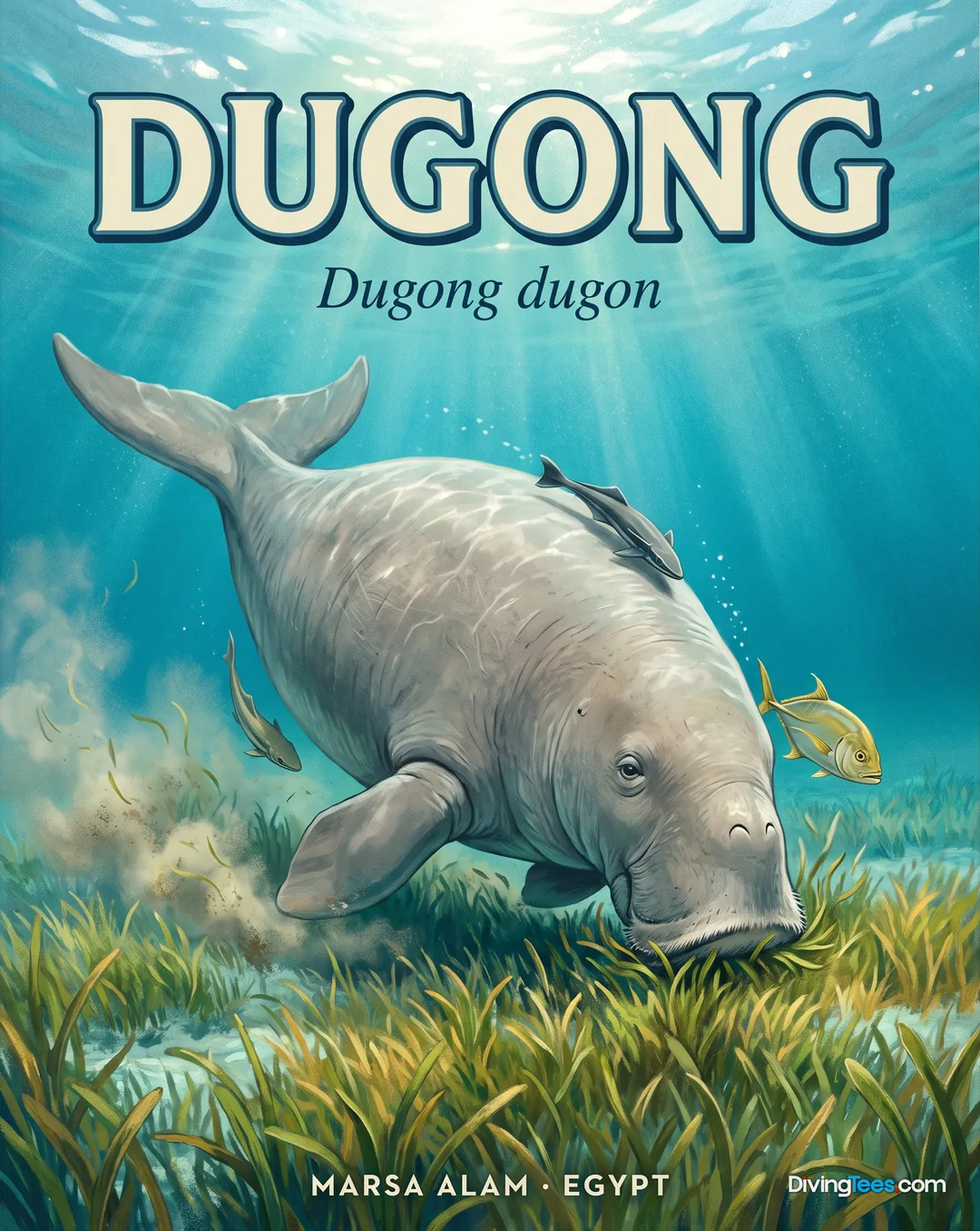
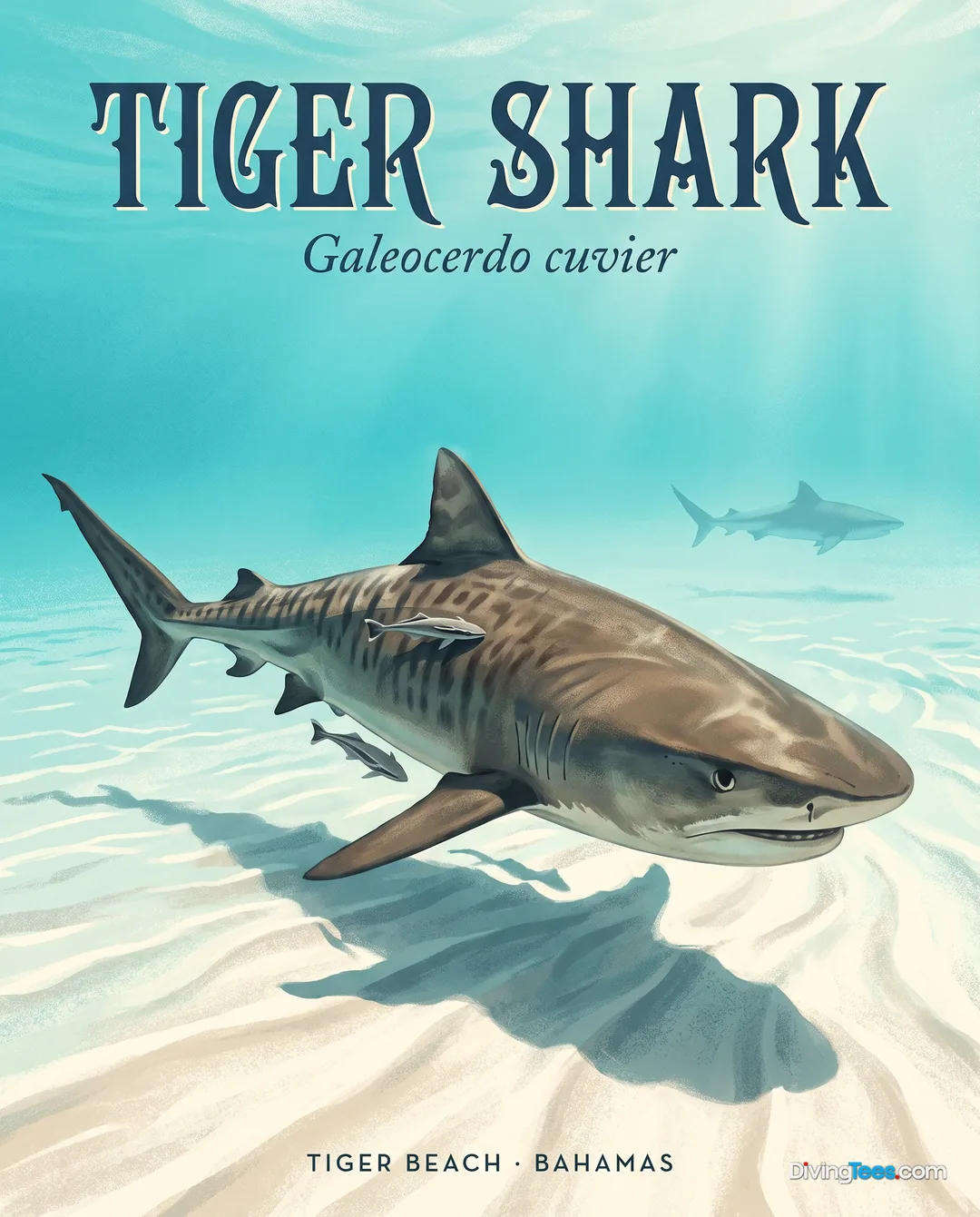
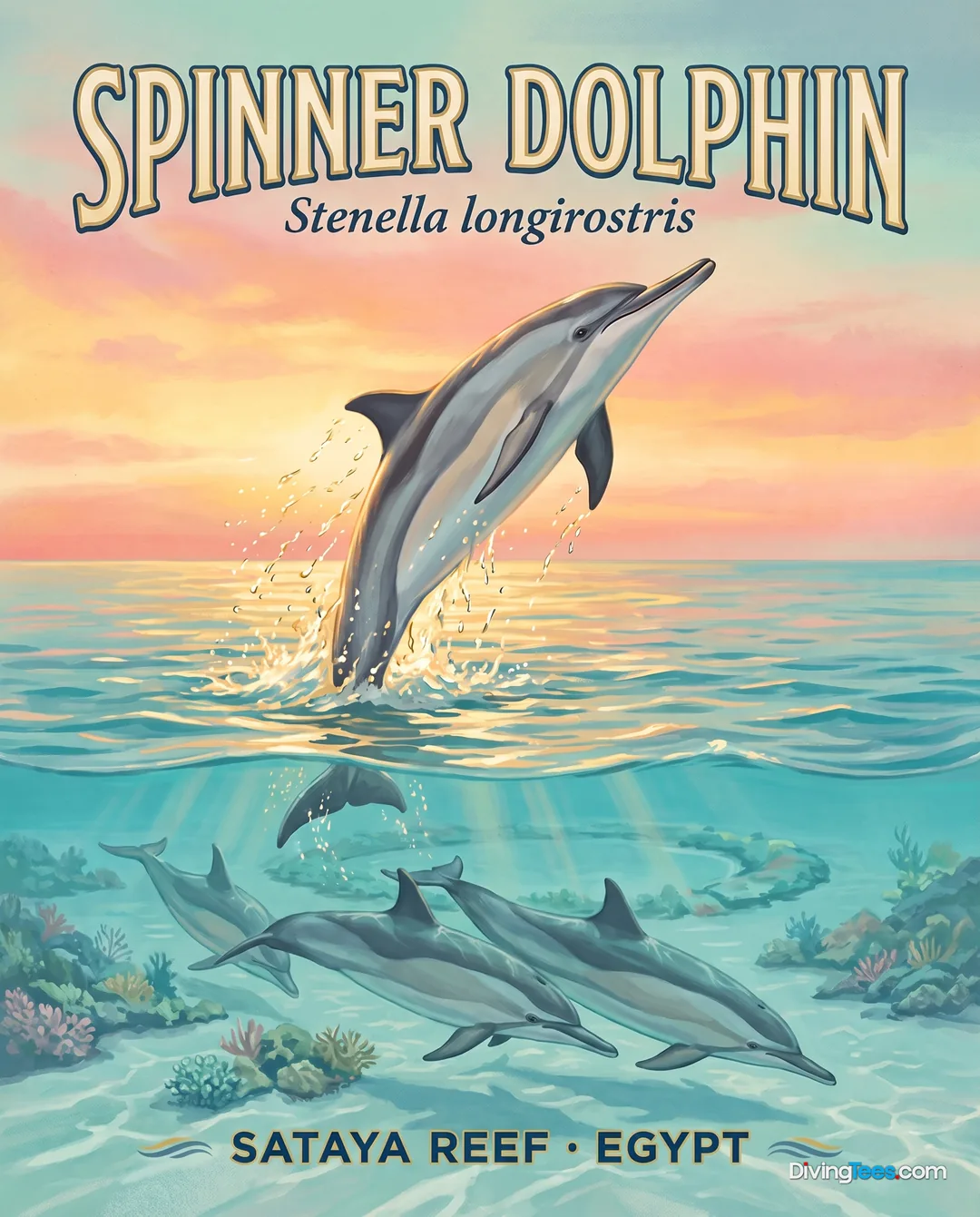
The route is built around animals that keep reappearing across different reefs: dolphins, manta rays and sea turtles are recorded at seven sites; reef sharks and hammerheads at six. Barracudas, grey reef sharks, soft corals, jacks and morays add movement to the walls and drop-offs, while anthias, hard corals and parrotfish fill the protected gardens. The sites then separate themselves by what may appear only there. Zabargad is the place to hope for a dugong. Shaab Ruhr Umm Gamar has the route's recorded giant grouper, among pinnacles and the remains of at least three wrecks. Elphinstone is the only listed site for blacktip and tiger sharks, as well as gorgonians and wrasses. Brothers Islands carry the recorded anemones; Fury Shoals the balistes; Daedalus the big-eye trevally; and El Fanadir the sweetlips at its cleaning-station habitat. At Shaab El Erg, glassfish and spinner dolphins give the reef a different kind of spectacle. None of these sightings is guaranteed, which is exactly why the current, the wall and the waiting matter.
Who puts you in the water
The dive guides handle the briefings and remain available underwater, while the crew supports entries, exits and the surface operation. Briefings are detailed enough for a buddy pair to explore independently rather than follow a guide's fins for the whole dive. Divers with fewer logged dives are placed in a small group with more experienced divers or a guide, and the Marine Park rules require one guide for no more than eight divers, with two guides on those trips. At least 50 logged dives are required for Brothers Islands, Daedalus, Rocky Island and Zabargad; strong current, depth and drift conditions still matter more than a certificate alone. Night diving is prohibited in the Marine Parks. English and German are spoken on board. Oxygen, first-aid equipment, fire systems and marine safety equipment are carried, and the boat has a trained first-aid crew. The guide can restrict a dive when experience or conditions do not match the site.
The dive deck and the gear
The dive deck is built for more than a standard jacket-and-camera setup. The boat provides twelve-litre aluminium tanks with DIN valves, with INT adapters available; fifteen-litre steel tanks can be arranged for an extra charge. Nitrox is free for certified divers, normally blended as EAN32 through a membrane system, and an analyser is on board. A nitrox course can be completed during the trip. Rebreather and sidemount divers are welcome, with filling support that includes high-pressure filling, a booster pump and storage cylinders. The large camera table has a freshwater rinse, while cameras also have a separate rinse facility. Two six-metre tenders with 85 hp outboards take divers to sites the main boat cannot approach directly and return them after the drift. Rental equipment, computers and lights are available by prior arrangement. Bring an SMB, computer, lamp and the small spare parts that can end a week when left at home.
Between dives
Between dives, the shaded dive area is the natural base: wet gear stays close, cameras can be checked, and the next entry is never far away. When the sun is welcome, the terrace and open decks give space to spread out without turning the salon into a drying room. The air-conditioned interior salon is the retreat after a current-heavy dive, with a library, audio-visual entertainment and room to sit without talking. Photographers have a dedicated camera area and separate camera rinse water, so a housing does not have to share the general rinse tank. A day without a dive is still possible as part of the route, but the boat's real luxury is more specific than that: the quiet gap between dives has somewhere to go.
A day on board
A diving day starts before the first meal if an early-morning dive is planned. The first briefing comes before the entry, then the boat's kitchen and deck take over as divers return, rinse gear and eat. Breakfast follows that first water time; later dives divide the day into another surface interval, lunch and an afternoon descent. On a full schedule, the boat supports three to four dives a day, with fewer dives on the final day and a possible night dive where local rules allow it. Marine Park routes reduce the daily total and prohibit night diving. Between entries, the boat may move to the next reef, or sit quietly while cameras are serviced and wet suits hang ready. Dinner closes the working part of the day, but the evening briefing is when tomorrow's wall, current or tender entry becomes real.
What you eat aboard
The galley works to the rhythm of diving: three buffet meals a day, with snacks available between them. Breakfast follows the first return to the boat, lunch fills the gap after the middle dives, and dinner arrives when the last serious work of the day is done. Soft drinks, water, tea and coffee are included, while beer and selected wines are available on board. A buffet is practical here because divers do not all surface hungry at the same moment. It lets an early riser eat without holding up the group and gives the crew a straightforward way to keep food moving through a long dive day. The food is one of the boat's strongest points in passenger feedback, but the useful detail is simpler: there is something substantial after the water and something ready when the surface interval has made everyone hungry again.
Nights at sea
The cabin categories cover the lower deck, upper-deck sea-view cabins and the main-deck master cabin. Every cabin has private bathroom facilities and individual air conditioning; the lower-deck cabins use portholes, while the sea-view cabins open the night to the Red Sea outside. The lower cabins have separate beds, and the upper deck includes both twin and double-bed arrangements. Storage, a television and a hairdryer are provided in the cabins. That matters after four dives, when a dry bunk, a cool room and a private shower are worth more than decorative luxury. Outside, the boat gives nights a second setting: a shaded terrace for a last drink, an open deck for stars and an interior salon when the wind rises. The sea is close enough to remain part of the room.
Twin Lower Deck
Double Sea View Upper Deck
Twin Sea View Upper Deck
Master Main Deck
Bow Lower Deck
What to know before boarding
Hurghada departures return to Hurghada on the northern routes, while Port Ghalib is used for St. Johns, Daedalus, Rocky, Zabargad and several deep-south itineraries. Airport transfers to the boat are included from Hurghada or Marsa Alam according to the departure port, and a Blue Planet guide meets arriving passengers at the airport before leading them to the air-conditioned transfer. Arrival at Marsa Alam is the practical choice for Port Ghalib; Hurghada transfers are much longer. Arriving the night before is sensible, especially when a flight delay would otherwise threaten the boat's departure.
- Year built
- 2016
- Length
- 43 m
- Beam
- 9 m
- Maximum number of passengers
- 24
- Number of cabins
- 12
- Number of bathrooms
- 12
- Engines
- 2 × MAN V12 110 hp @ 2100CC 2100rmp
- Tenders
- 2 × 6.2 m with 85 hp outboard
- Website
- blueplanet-liveaboards.com ↗
Hello, I'm Marina, DivingDeal.com's AI assistant. I answer in detail about hotels, dive centres and liveaboards.
Thinking about the whole trip and the flights? Talk it over with Edith →
Marina is an AI. Some links are affiliate links: DivingDeal may earn a commission, at no extra cost to you. Bookings are made with the partner.