Liveaboards · Egypt
Ghazala Explorer — a bright, diver-built Red Sea liveaboard for serious route variety
Deal on this boat
Per person
£1,227$1,640€1,465 £925$1,237€1,105
Discount calculated by us, against the boat's usual price for a trip of the same length.
See all discounted dates ↓What makes this boat unique
- Built in 2021, Ghazala Explorer combines a modern interior with north and south Red Sea itineraries.
- Two RIBs carry divers to sites away from the main boat, while diving is also possible from the main platform.
- The dive setup includes free nitrox, aluminium 12-litre tanks, DIN adapters, camera rinsing and charging stations.
- Eight-day, seven-night trips run from Hurghada to Hurghada, with routes including Brothers, Daedalus, Elphinstone, North & Brothers and North & Safaga.
For subtitles in English: start the video firstthen click the gearat the top right of the video, select “Subtitles/CC”, then “Auto-translate” and choose “English”.
The invitation
Ghazala Explorer is for divers who want the Red Sea to stay at the centre of the trip. The boat is modern and bright, but its real purpose is practical: reach the offshore reefs, keep the diving organised, and give the group enough room to recover between entries. The choice of routes is the main reason to look at her. One week can be built around Brothers, Daedalus and Elphinstone; another can mix the SS Thistlegorm and Abu Nuhas wrecks with Ras Mohammed and the Brothers Islands; North & Safaga adds Panorama Reef and Abu Kafan to that wreck-and-reef combination. Two RIBs open up sites that are awkward to reach from a liveaboard's main platform. The result suits divers who want four-dive days when the itinerary and authorities allow them, free nitrox, and a crew that keeps the practical side moving without turning the boat into a floating resort.
Boarding
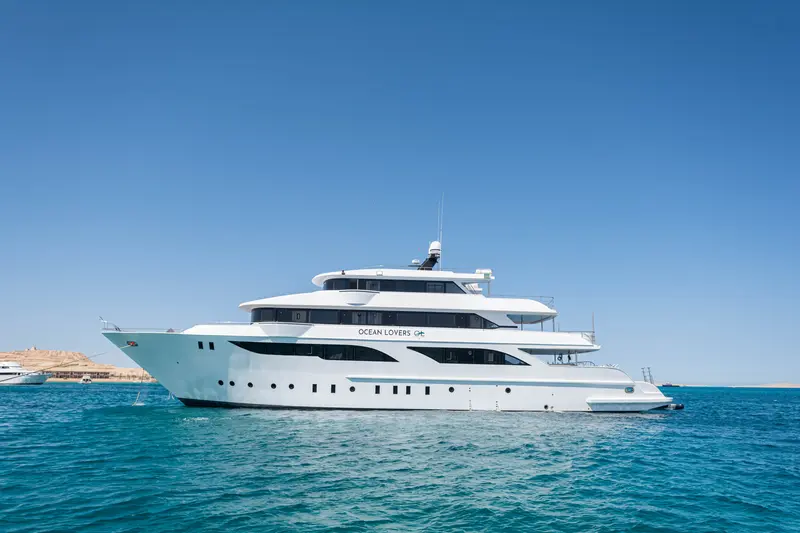
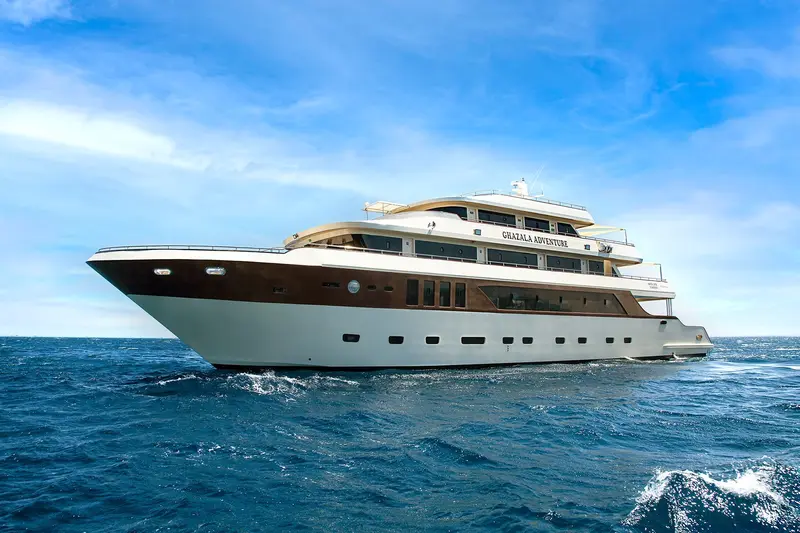
From the dock, Ghazala Explorer presents as a clean, modern steel-hull yacht rather than an old safari boat carrying years of repairs on its paintwork. She was completed in 2021, and the design still feels directed at divers: the route from cabin to dive area is straightforward, indoor spaces are bright, and the outdoor decks leave room to spread out after a dive. Once aboard, the soundscape is the useful kind—compressors filling tanks, engines working in the background, and the movement of people preparing for the next entry. A welcome briefing covers the cabins, shared areas and safety procedures before the equipment settles into its assigned place. Shoes are stored at boarding, smoking stays in designated outdoor areas, and the boat keeps separate areas for dining, socialising, sunbathing and dive preparation. It feels planned rather than improvised.
The atmosphere on board
Ghazala Explorer carries up to 24 guests, but the week is shaped less by that number than by how the crew keeps the boat functioning around it. Dive guides help with planning and equipment, the deck team supports entries and exits, and the two RIBs keep the main boat from becoming the only place where a diver can start or finish a dive. English, German and Spanish are spoken among the crew and guides. Evenings tend to grow out of the day rather than being programmed: food, footage, a drink at the bar, and the usual exchange of what was seen on the last dive. The boat's strongest reported scores are for food, value and diving, while boat and crew both score 9.6. That balance says something useful: the vessel is modern and comfortable, but the lasting impression is meant to come from the people and the diving rather than decoration alone.
The sites you’ll dive
The route choice decides the character of the week. Brothers, Daedalus and Elphinstone is an eight-day, seven-night offshore run built around steep walls, remote reefs and pelagic possibilities: Brothers reaches a maximum of -85m, while Elphinstone's walls descend to -60m. North & Brothers adds the SS Thistlegorm, Abu Nuhas and Ras Mohammed, joining wartime wrecks to current-swept reefs and the two Brothers wrecks, Aida and Numidia. North & Safaga brings in Panorama Reef and Abu Kafan, where walls and current create the chance of larger fish, before calmer reef and wreck dives farther north. The verified site list also includes Abu Kafan, with its towering walls and swift currents; Fanadir North to -30m; Shaab Claude to -22m, with labyrinthine passages and reef sharks; Shaab Ruhr Umm Gamar to -40m, where an oval reef gives way to pinnacles and at least three wreck remains; and Shaab Hamdallah to -20m, draped in soft corals and gorgonians. Shallower sites such as Shaab Sabina, to -14m, and Gotha Abu Nugar North, to -9m, add coral gardens and time for close observation.
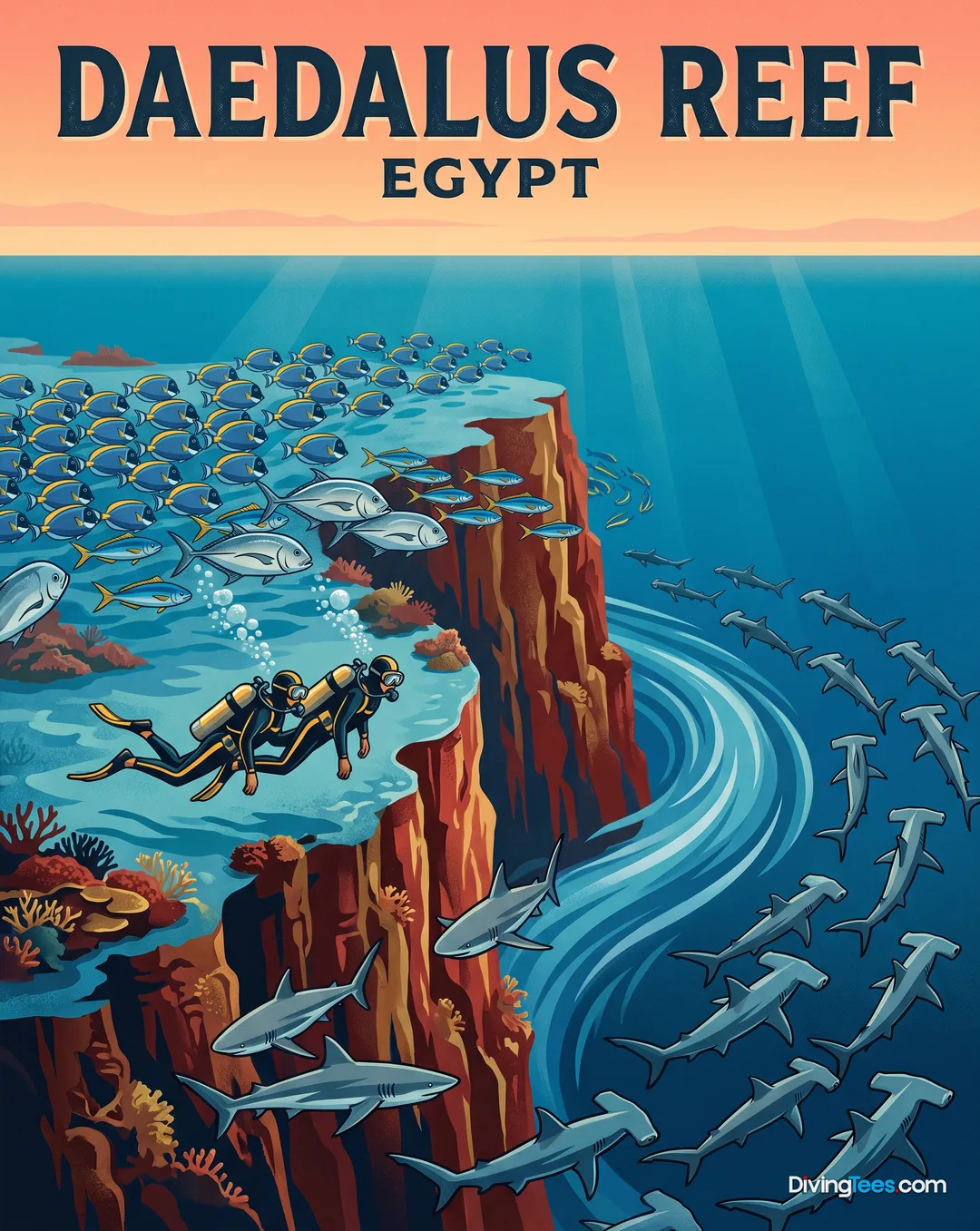
Daedalus →
Max. depth · 40 m
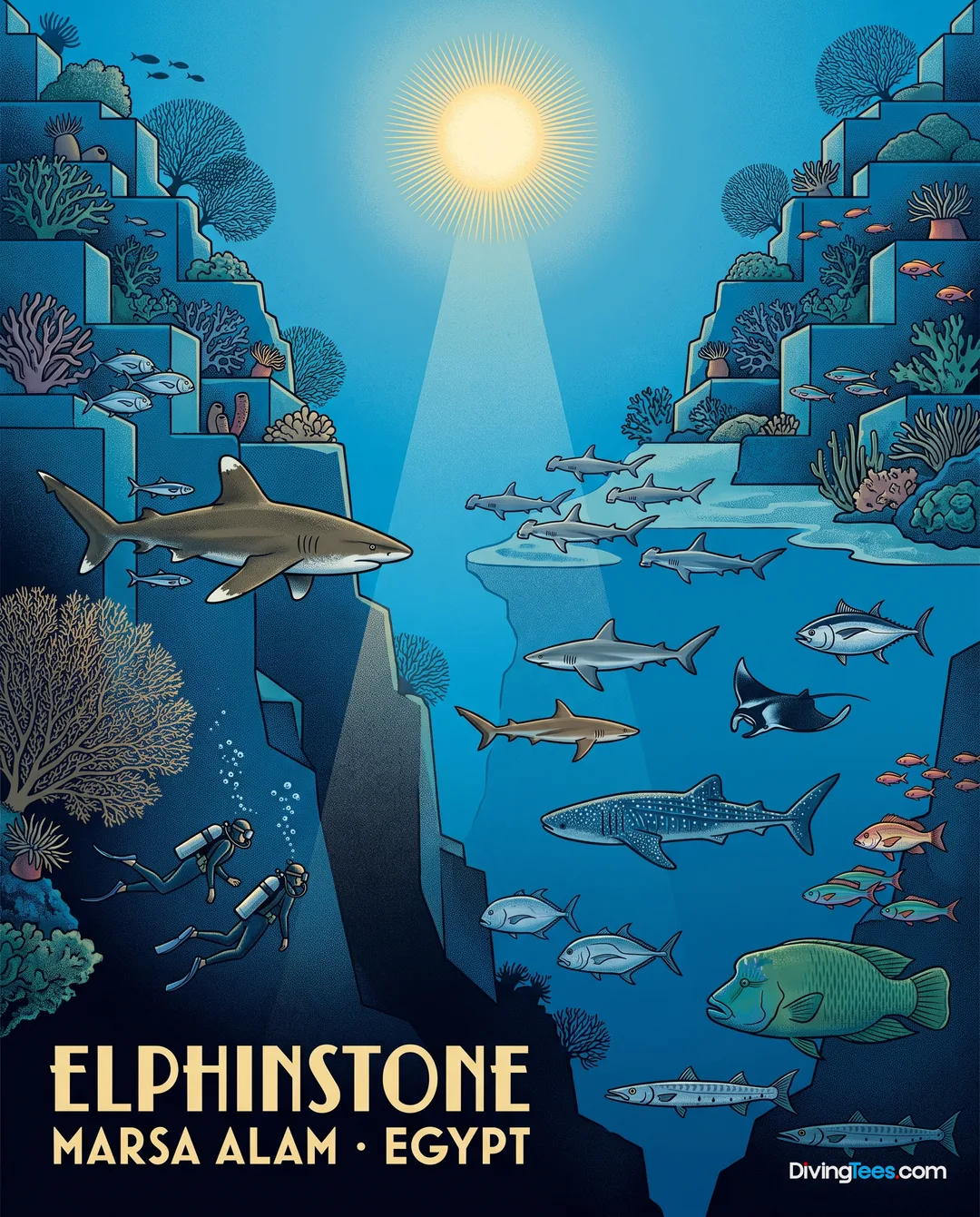
Elphinstone →
Max. depth · 60 m
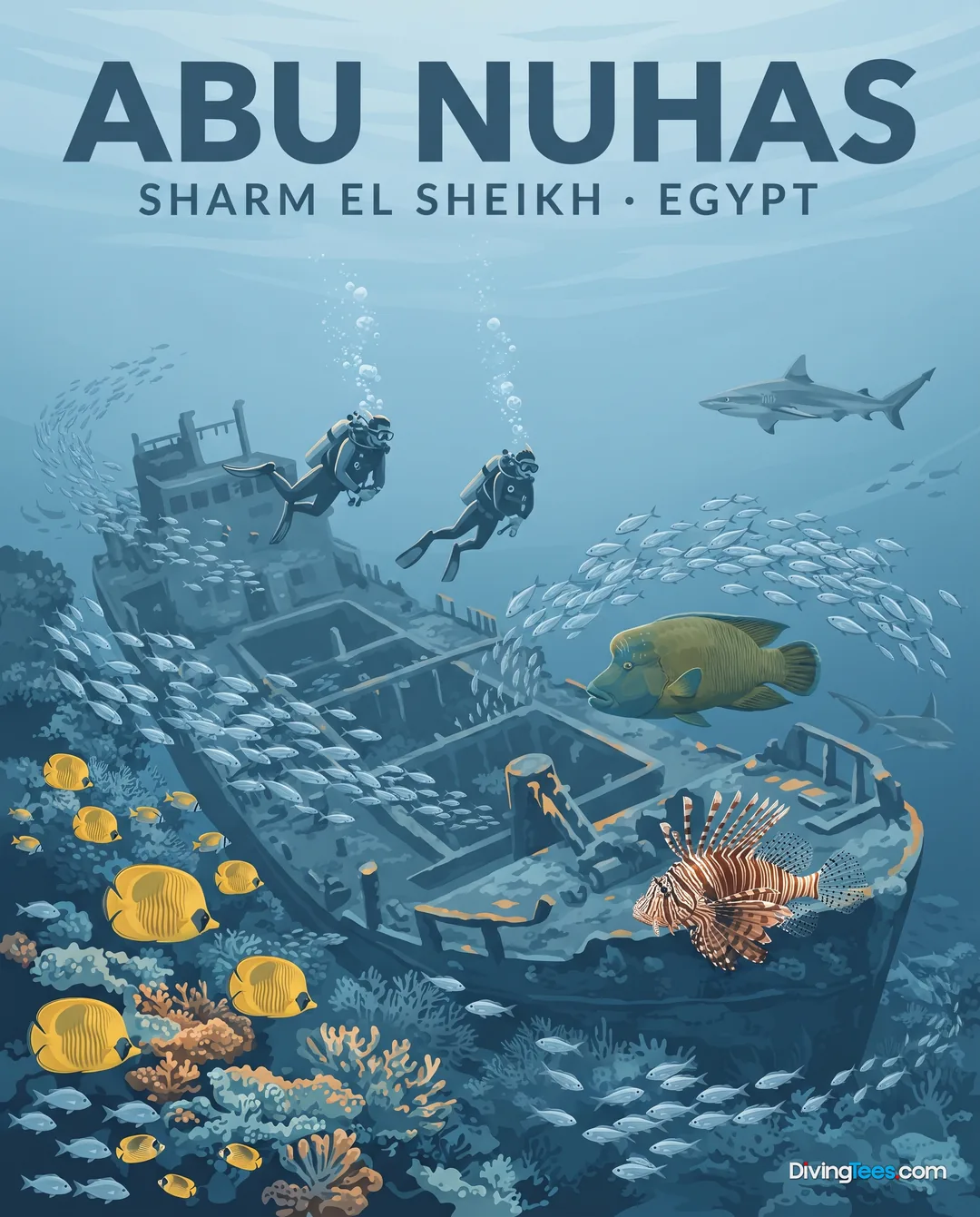
Abu Nuhas →
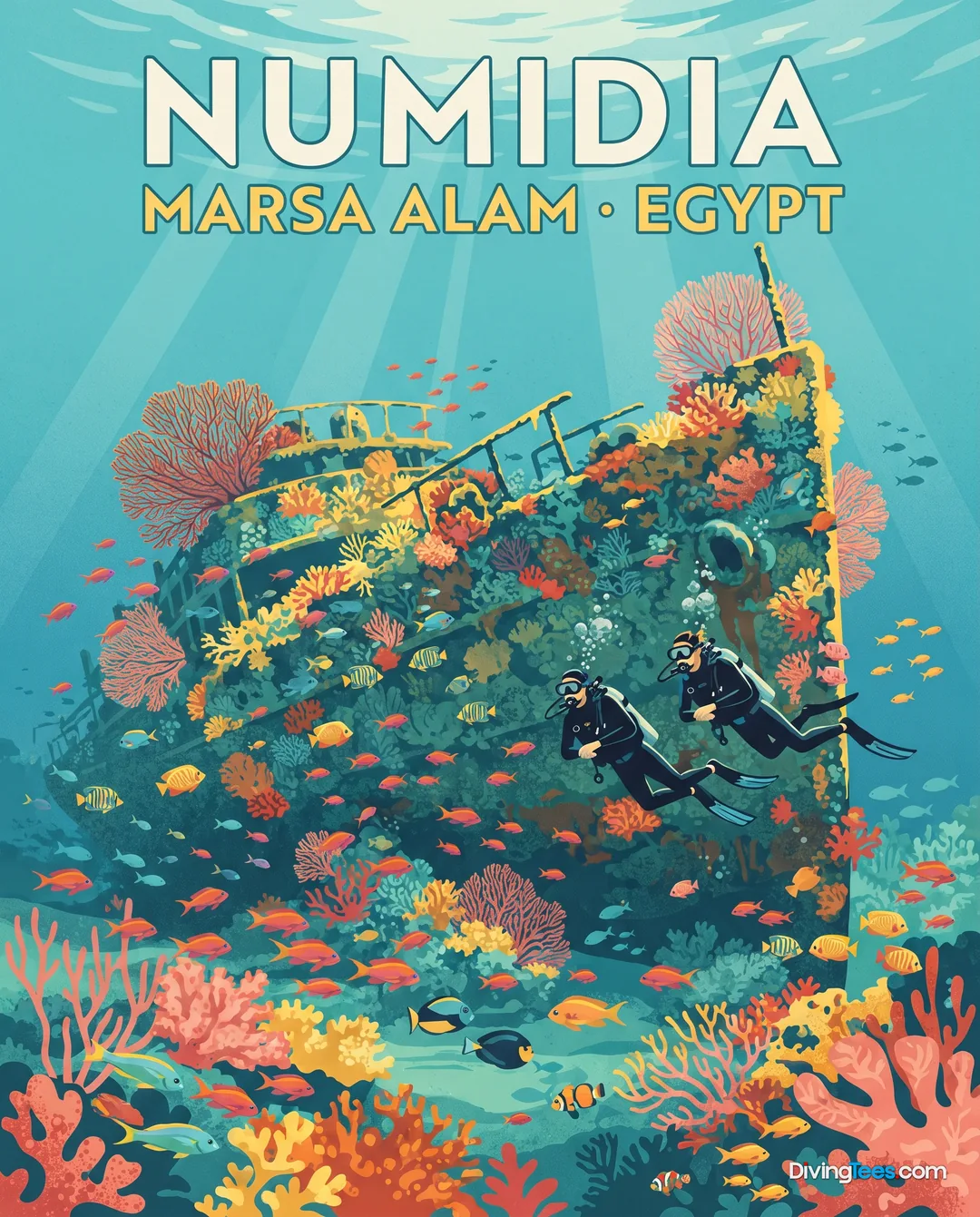
Numidia →
Max. depth · 80 m
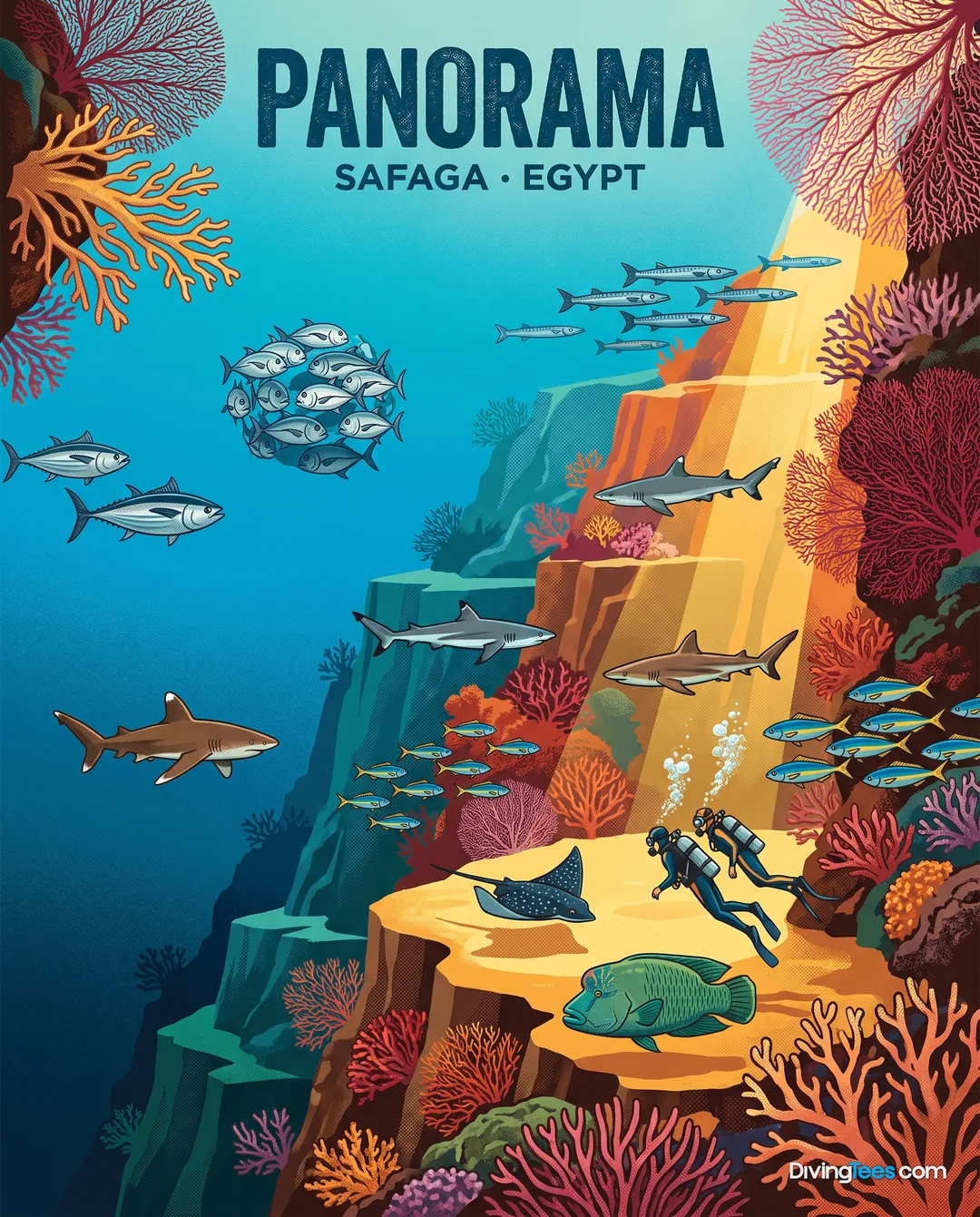
Panorama →
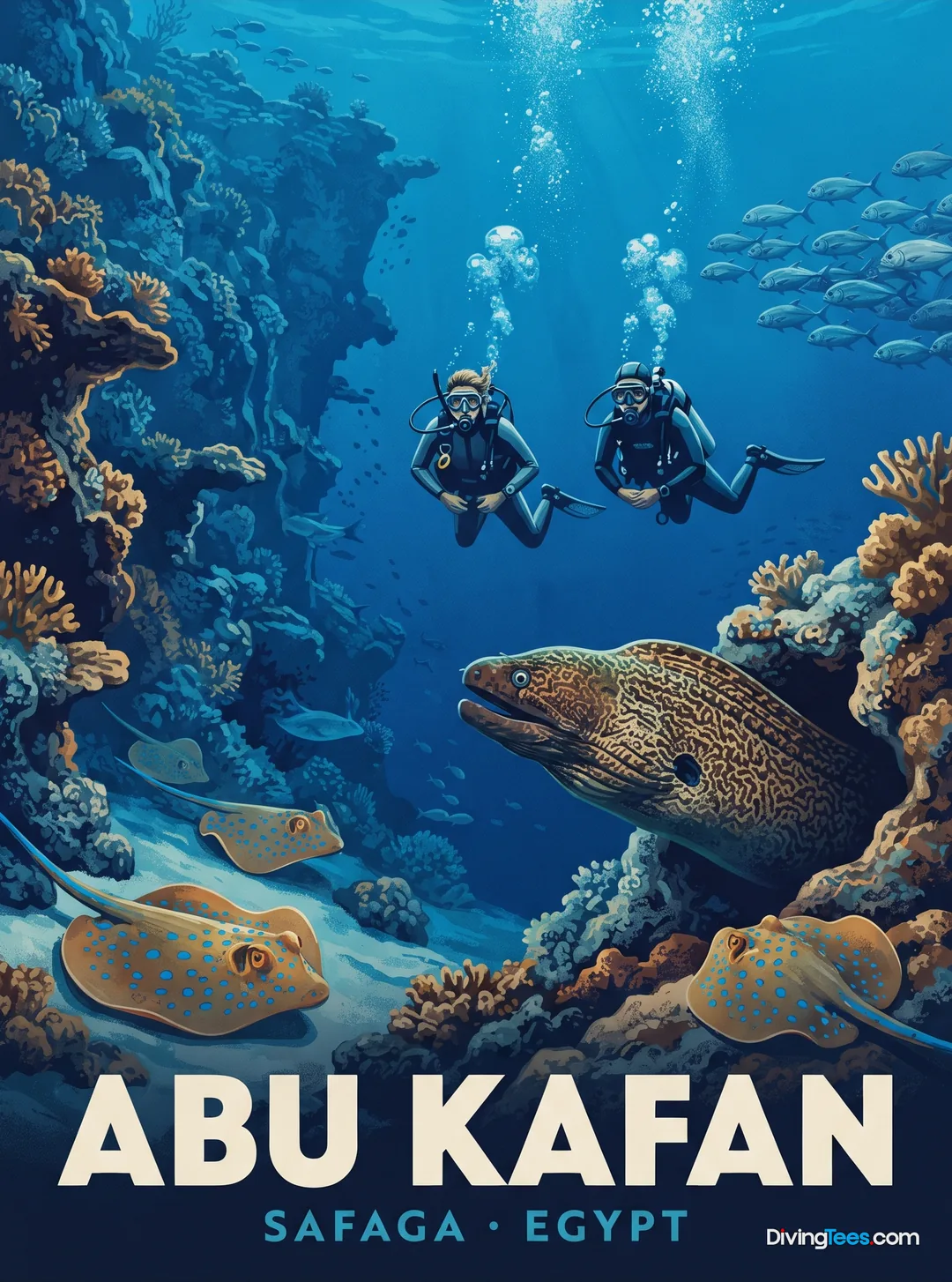
Abu Kafan →
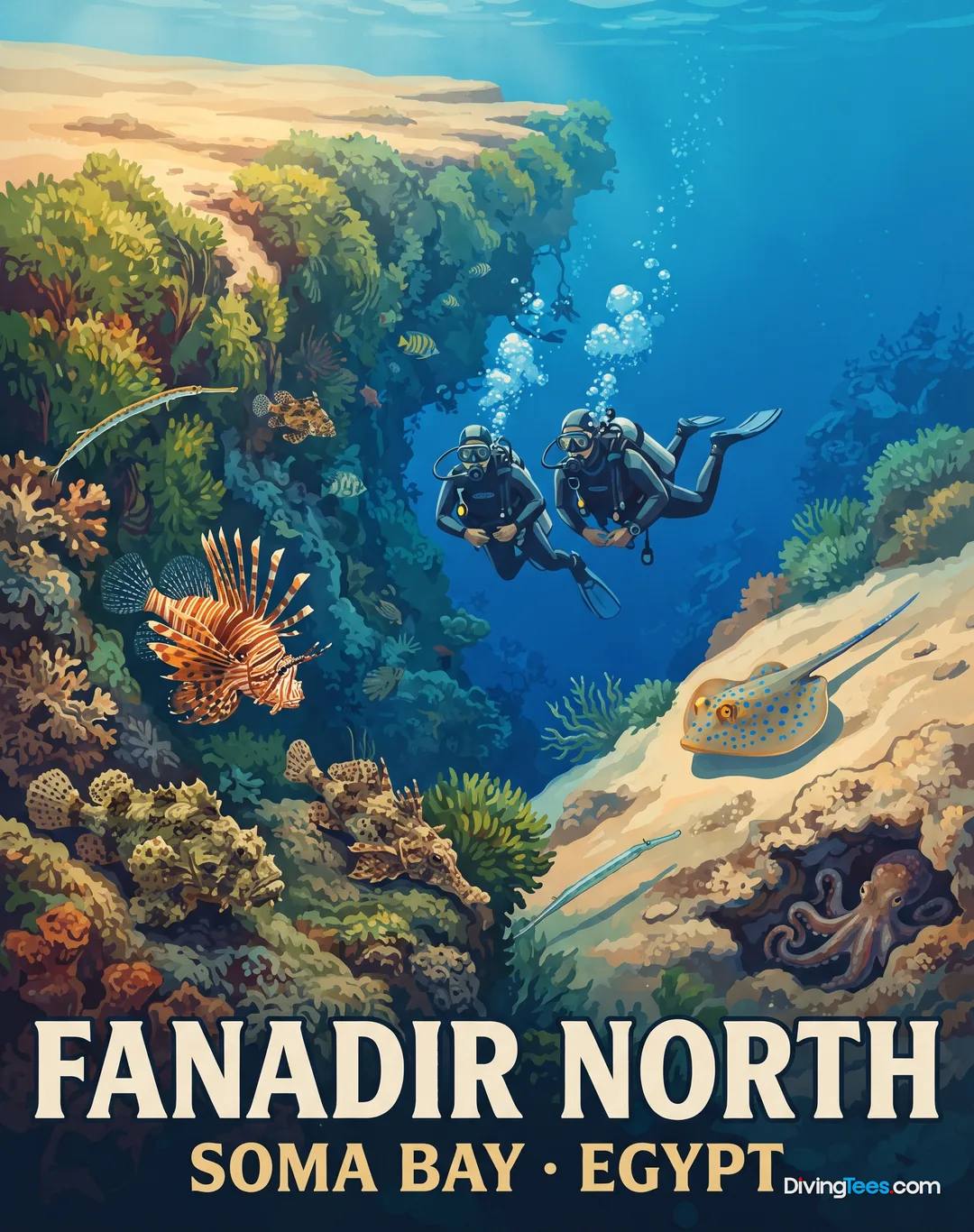
Fanadir North →
Max. depth · 30 m
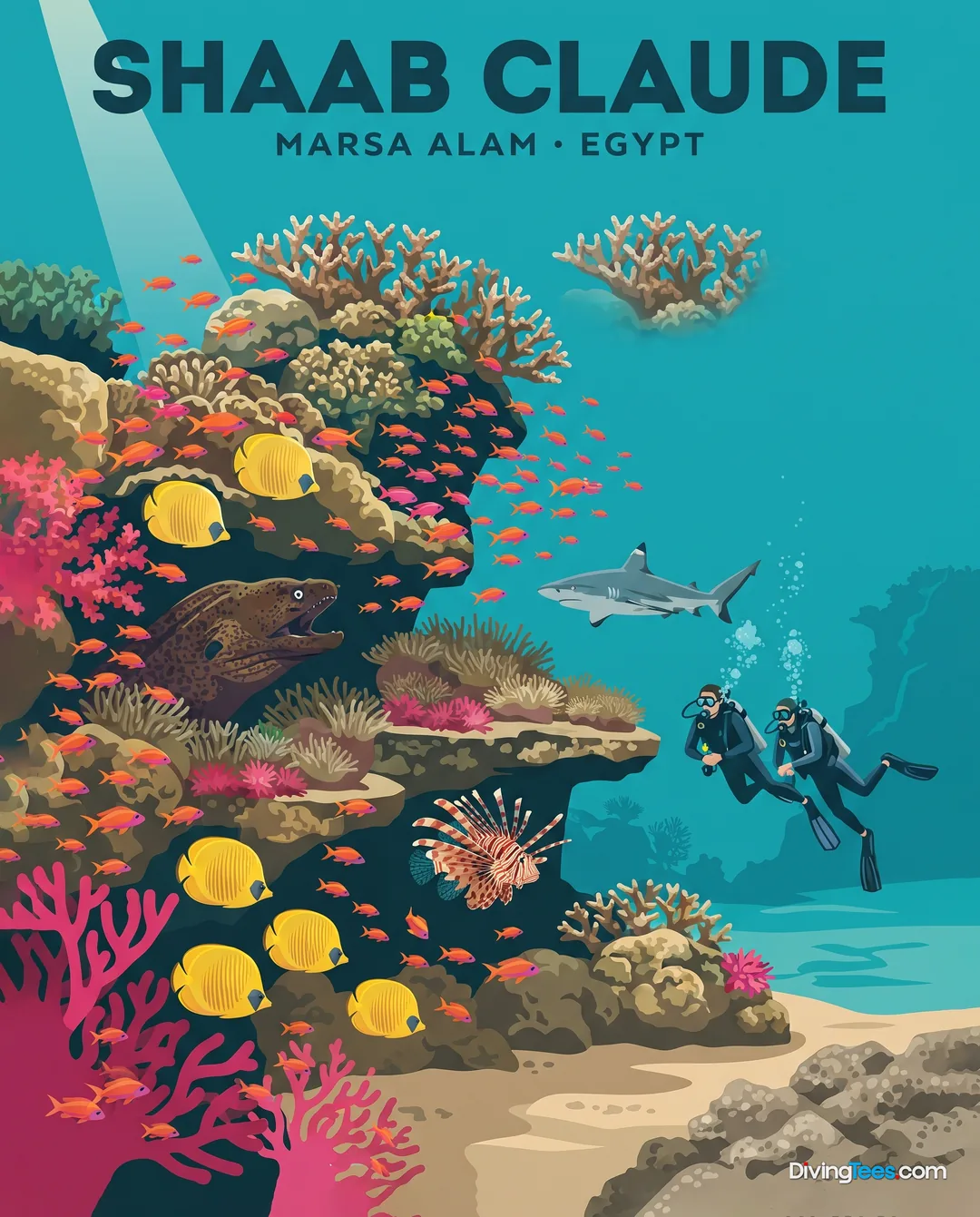
Shaab Claude →
Max. depth · 22 m
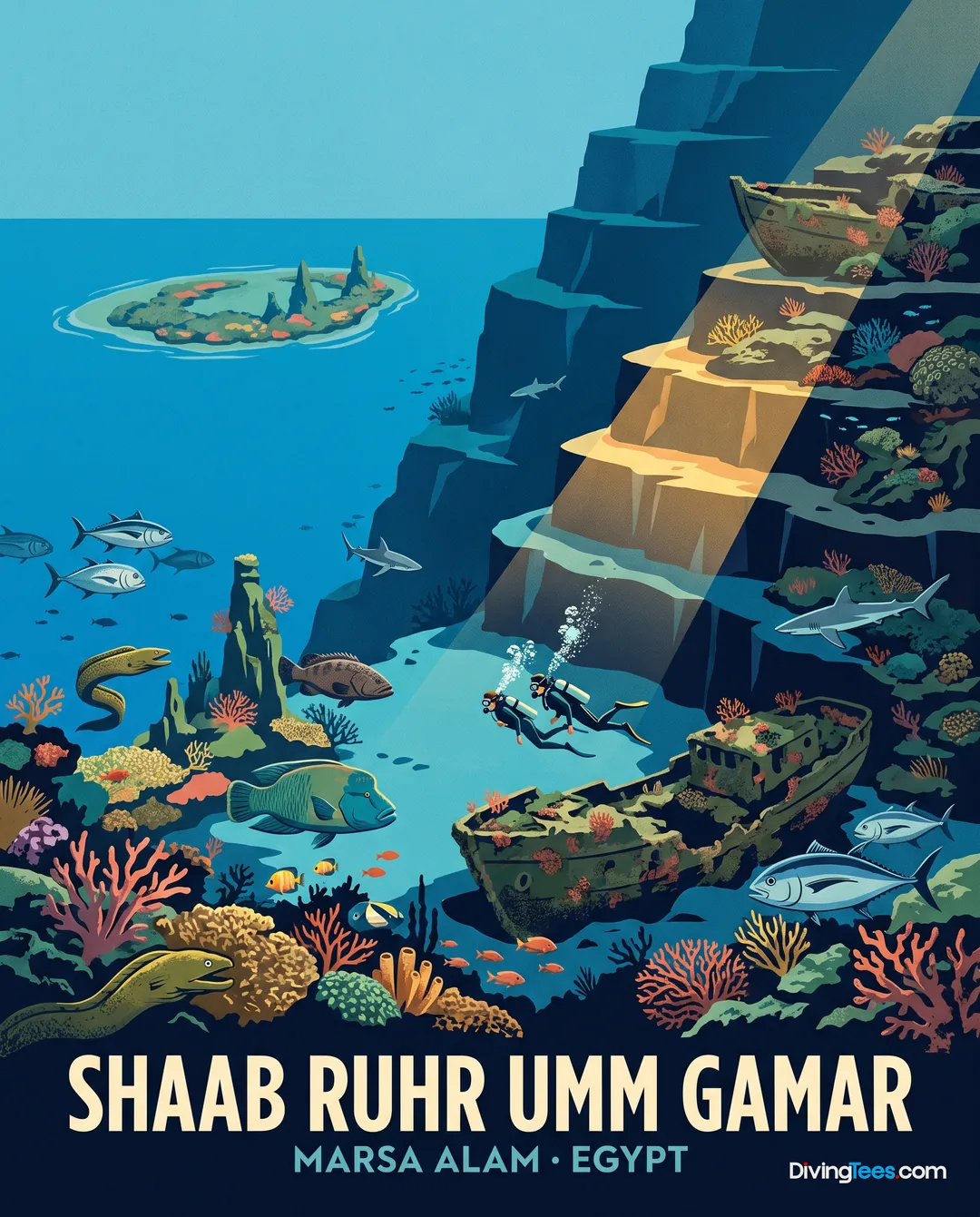
Shaab Ruhr Umm Gamar →
Max. depth · 40 m
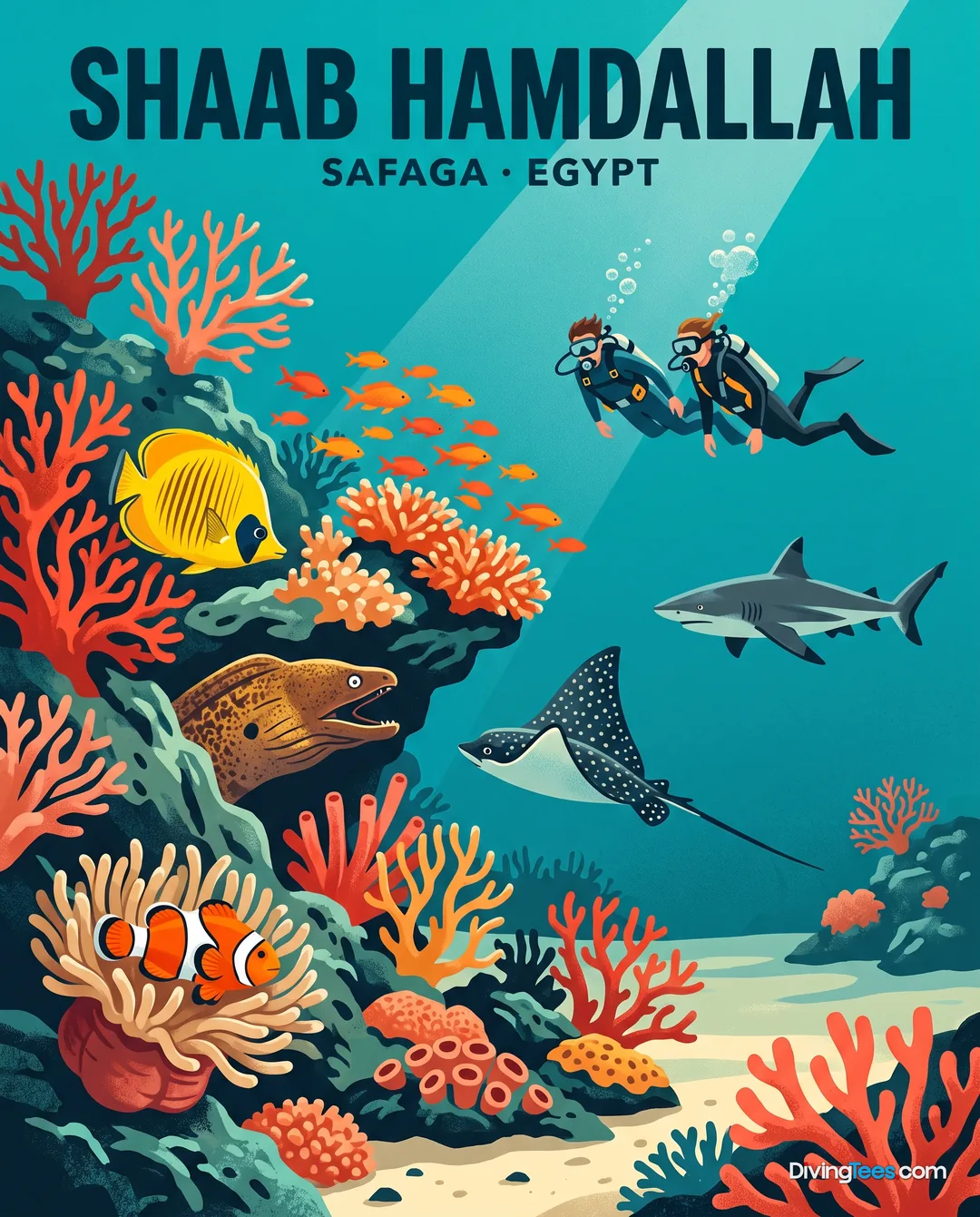
Shaab Hamdallah →
Max. depth · 20 m
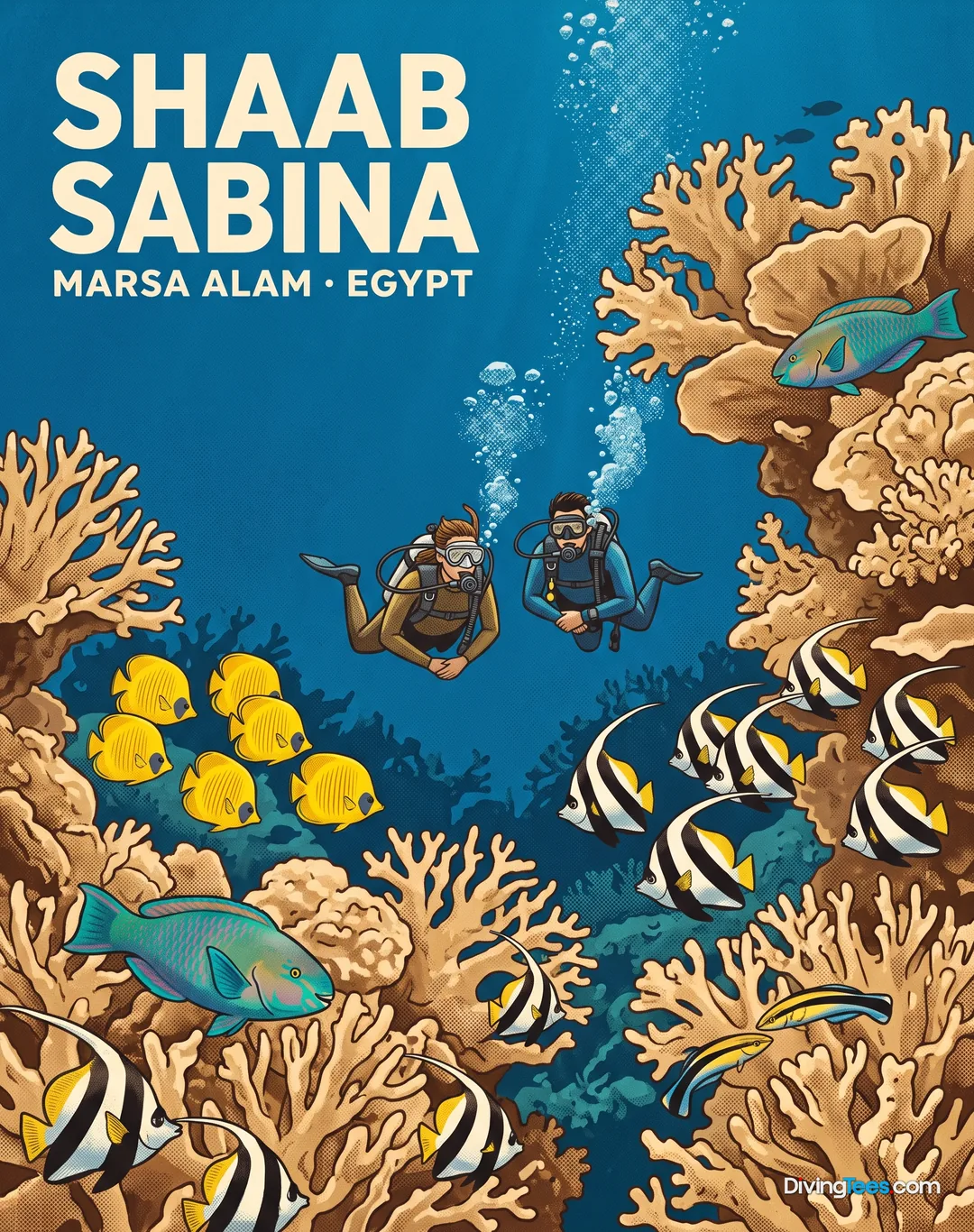
Shaab Sabina →
Max. depth · 14 m
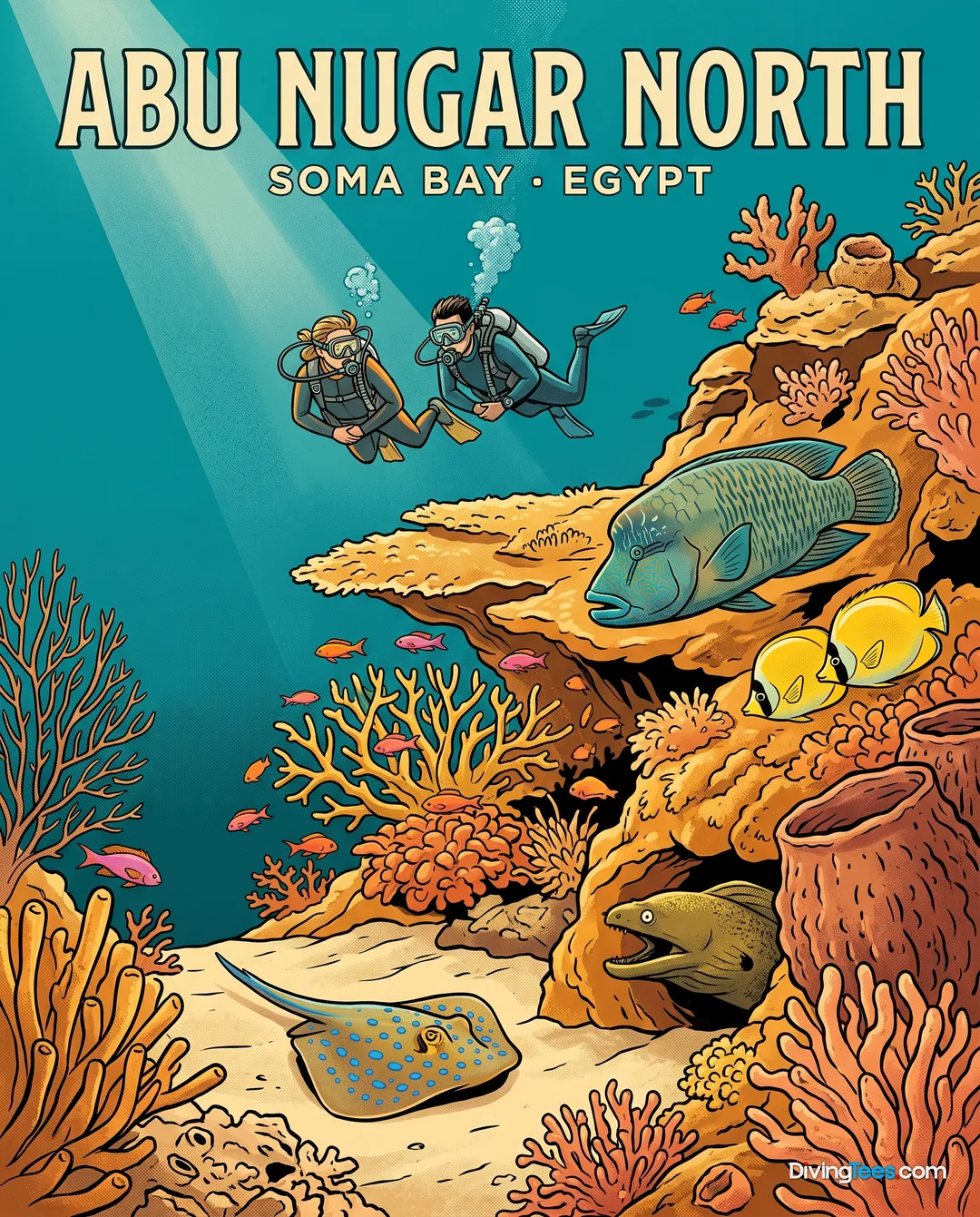
Gotha Abu Nugar North →
Max. depth · 9 m
Itineraries, dates and prices
Prices per person. Each month shows its lowest price: click a month, or pick an itinerary.
Next departures · 45 departuresfrom £925$1,237€1,105
November 2026
December 2026
Green dot: a discounted departure that month. Discount calculated by us, against the boat's usual price for a trip of the same length.
See dates and prices
If you click these links and make a purchase on the partner site, DivingDeal may earn a commission, at no extra cost to you.
Dates and prices taken from Divebooker and liveaboard.com, updated 26 October 2026
What you’ll meet underwater
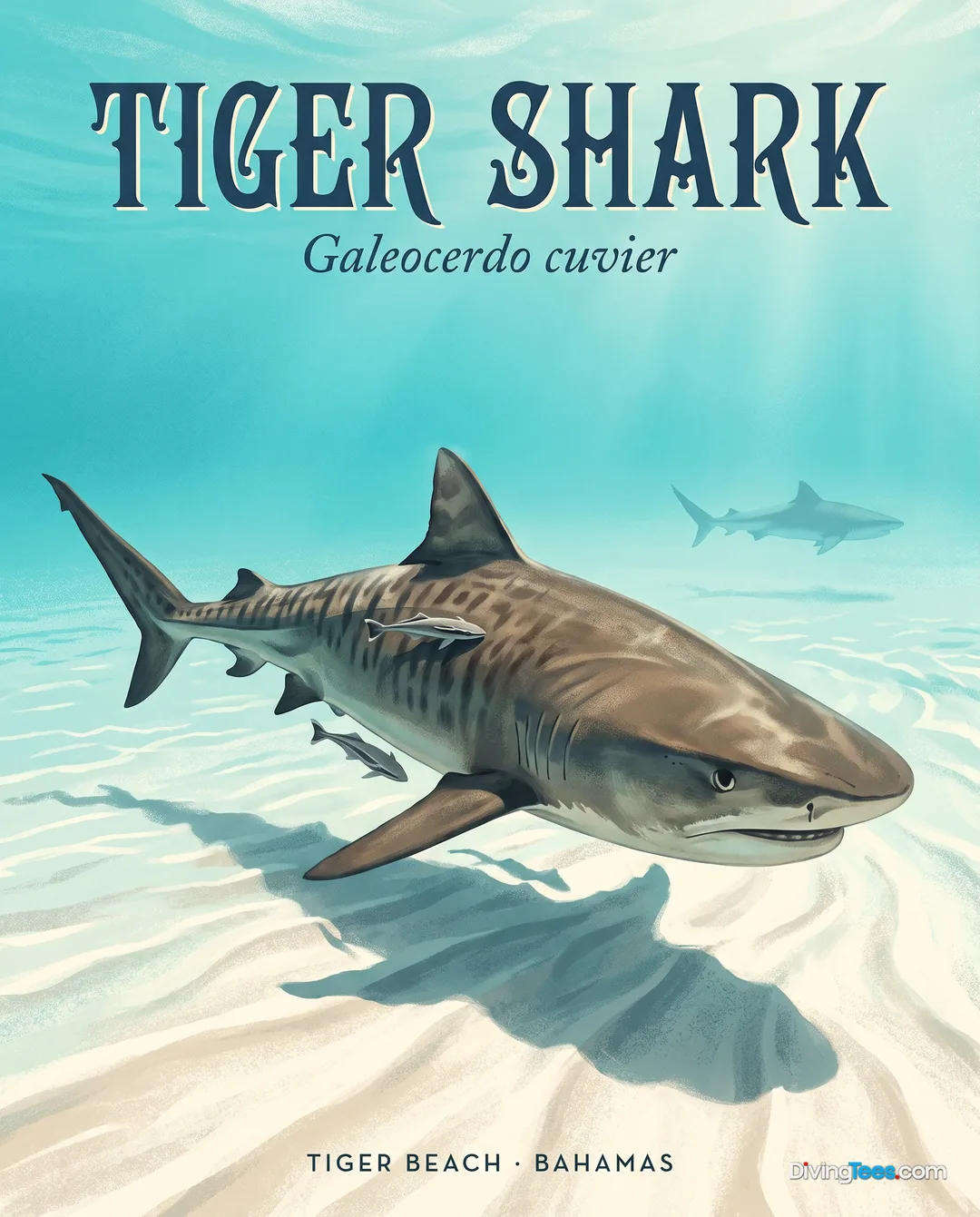
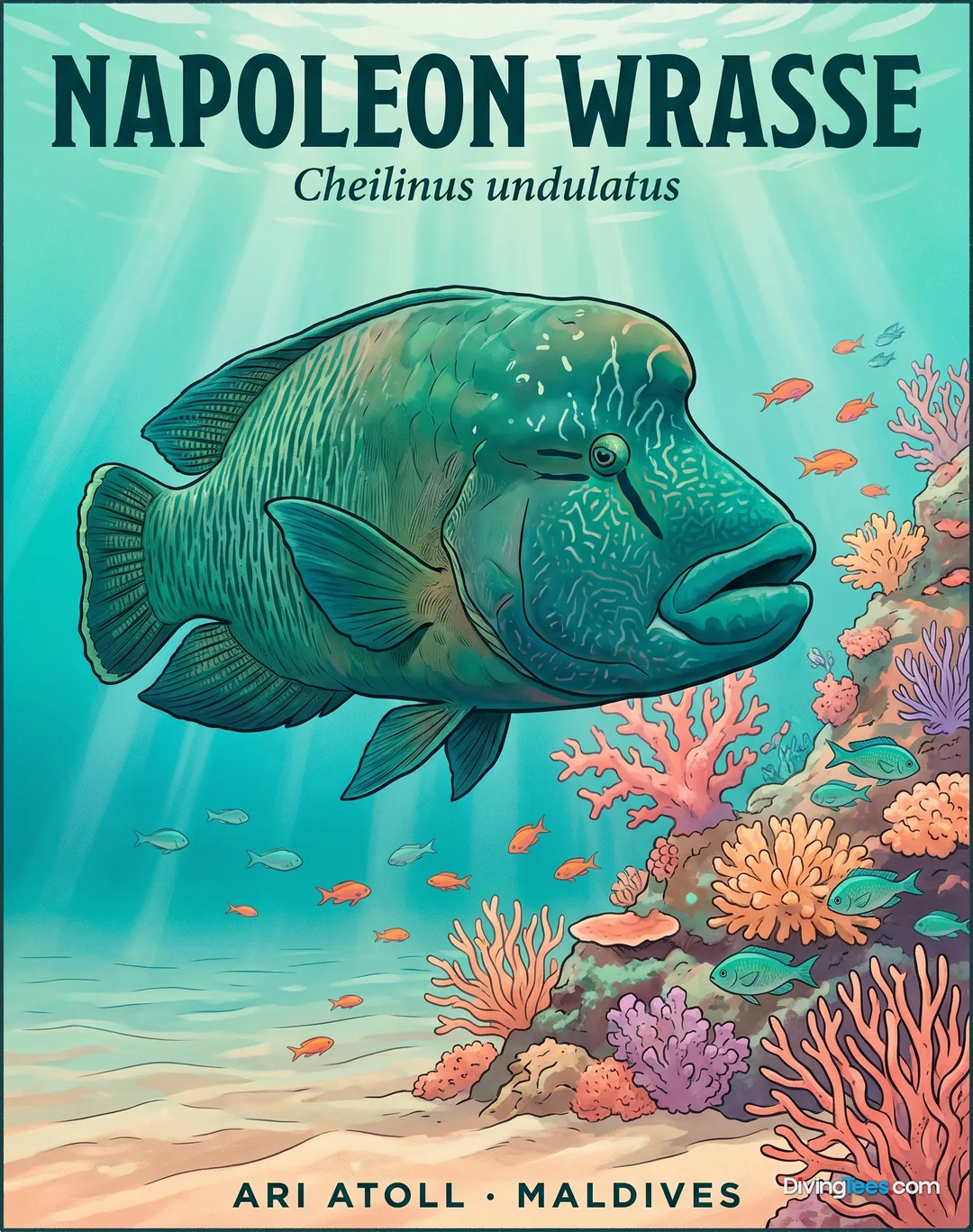
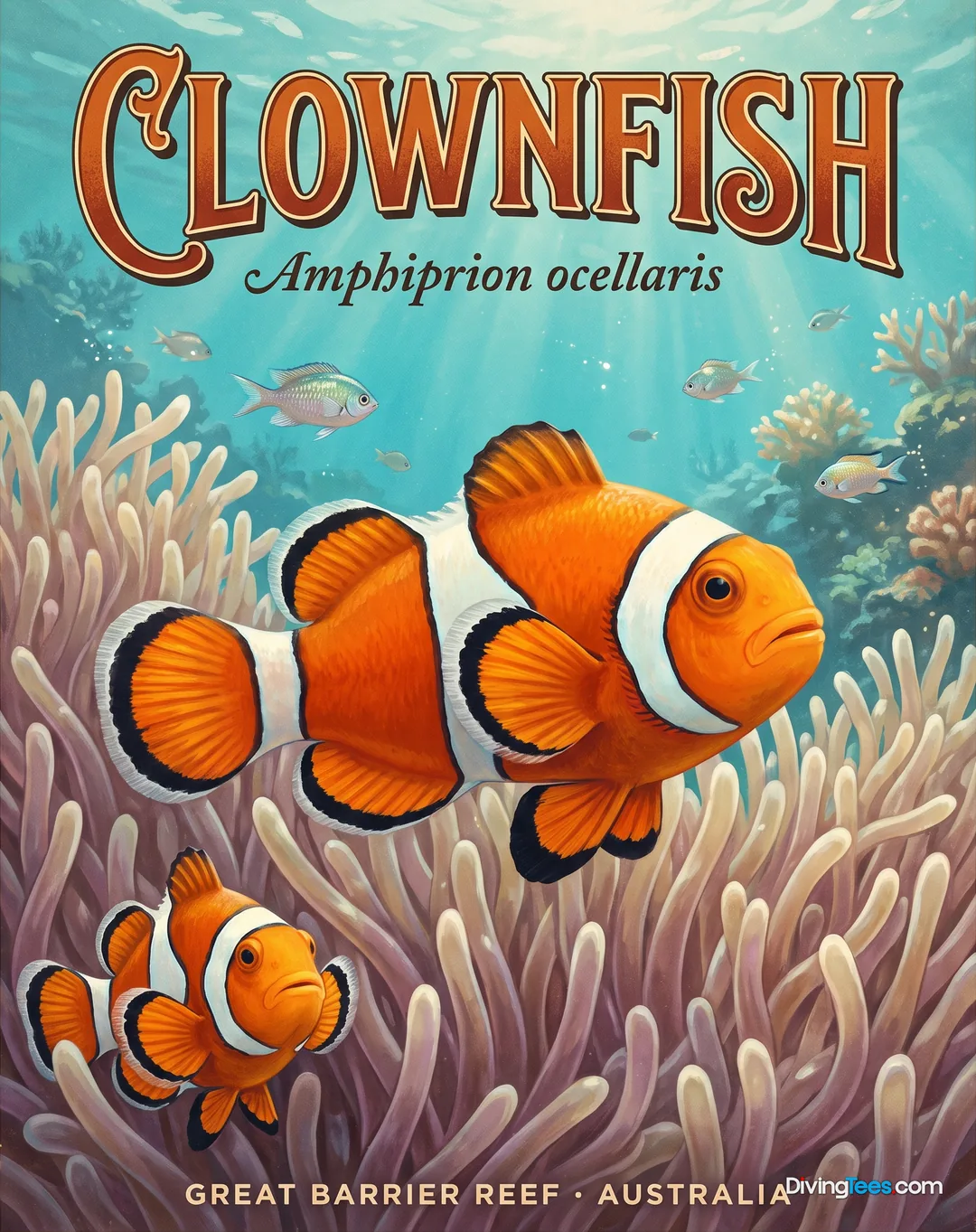
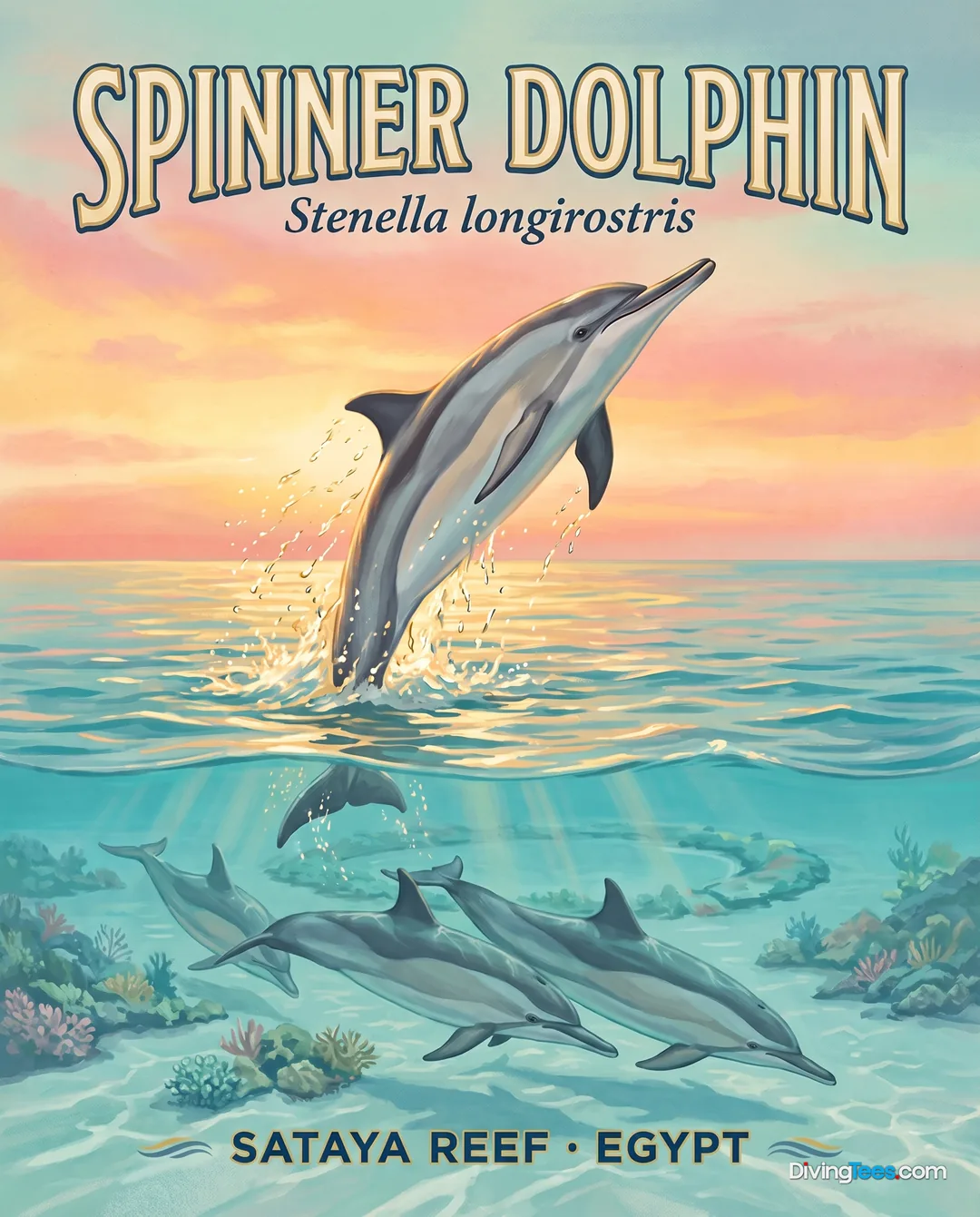
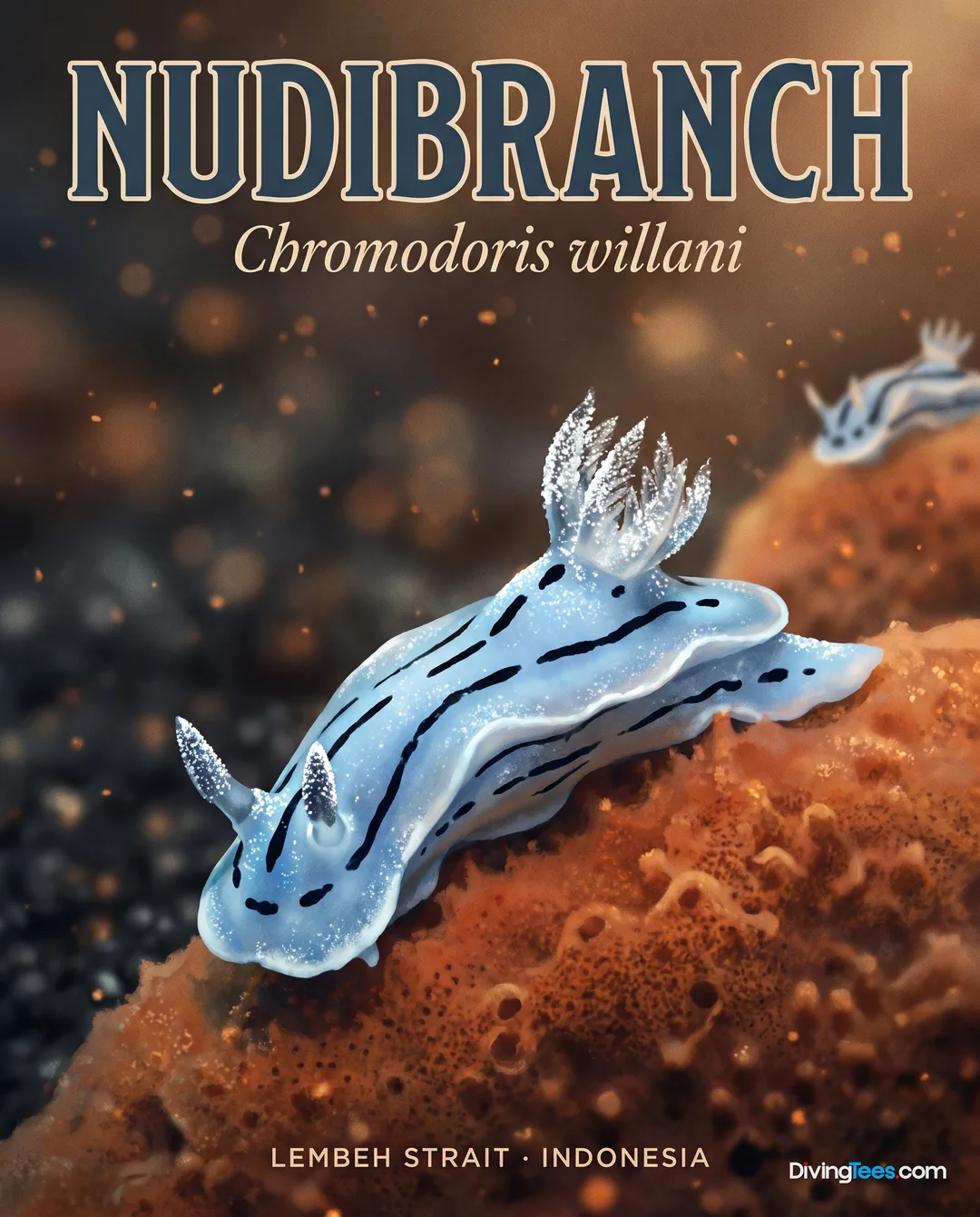
Turtles, barracuda, reef sharks, grey reef sharks, tuna, morays, anthias, soft corals, jacks, butterflyfish, scorpionfish and snappers form the recurring Red Sea cast. The interesting encounters are tied to place. Elphinstone is the site for the oceanic whitetip, blacktip shark, tiger shark, fusilier and labrid recorded there; its exposed walls and blue water are the reason divers watch away from the reef. Shaab Ruhr Umm Gamar is the only listed site for groupers and giant groupers, with tuna, jacks, Napoleon wrasse and turtles moving across the reef and its wreck-strewn plateau. El Fanadir has gaterins among its morays, stonefish and scorpionfish, while Shaab Claude is the place for reef sharks and clownfish around the coral passages. Shaab El Erg can bring spinner dolphins, and it is the only listed site for nudibranchs and glassfish. Gamul Soraya's compact reef carries schooling fish and the route's recorded batfish. Sightings remain conditions-dependent, especially for sharks and dolphins.
Who puts you in the water
Three dive guides or instructors work with the guests, with a maximum ratio of eight divers to one guide. Briefings cover the site, boat procedures and the points that affect the dive; groups are then organised around certification, experience and conditions rather than forced into one profile. Advanced Open Water certification or a Deep Dive speciality is required for routes such as Brothers, Daedalus and Elphinstone, and those courses can be completed onboard through PADI or SSI. For southern Egyptian and Sudan itineraries, at least 30 logged dives is strongly recommended, with the latest dive within six months of departure. Instructors are available both for new divers and for certified divers continuing their training. The boat carries oxygen and first-aid kits, and the guides can remove a diver from a dive or alter the route when experience, certification or conditions make that necessary.
The dive deck and the gear
The main dive platform is shaded and has a fixed station for each diver's tank and equipment for the trip. The boat carries 24 aluminium 12-litre tanks, with DIN adapters, and two Bauer compressors. Nitrox is available free of charge; a nitrox certification course is an optional extra, and PADI and SSI courses can run onboard. Divers can use the main boat for entries or transfer to either of the two RIBs, powered by one 100-horsepower Yamaha and one 40-horsepower Yamaha. The tenders collect divers where they surface, which is useful on walls and current-affected sites. Back on deck, rinse tanks, a separate camera rinse and charging stations cover the basics for photographers. Sidemount diving is supported, and rental equipment is available. The setup is built around repeated dives: tanks stay assigned, gear has a place, and the tender system removes much of the surface-water shuffling.
Between dives
Between dives, the best places are the shaded dive deck and the open decks above it. Divers can stay close to their equipment after a surface interval, then move upstairs for sun, sea air or a view of the reef approach. The indoor lounges are air-conditioned, with a bar, library, board games and audio-visual entertainment for the hours when the heat or a long crossing makes shade preferable. A dedicated photo area, camera rinse and charging stations give photographers somewhere to work instead of turning a cabin into a drying room. The boat also welcomes non-divers and snorkellers, so a surface interval does not have to mean sitting beside a stack of tanks. The useful luxury is choice: remain near the dive platform, find a quiet corner inside, or let the passage between sites do the resting.
A day on board
The day is organised around the diving, not a clock printed on the wall. The first briefing comes before the first entry, and on the main days the programme allows three or four dives, including a night dive when the authorities permit it. Between entries, tanks are refilled, food lands, and the shaded deck becomes the place for drying gear, checking cameras or simply staying horizontal. The RIBs take divers to the site and return to the point where they surface, while the main boat moves when the itinerary calls for a longer crossing. The evening meal follows the final dive, then the boat settles into the quieter part of the day: footage, conversation, the bar or an air-conditioned lounge. On the final diving day, no more than two dives are planned before the return to port. The last night is followed by a trip debrief and checkout.
What you eat aboard
Three planned meals arrive through the day as open buffets, with Western cooking, vegetarian and vegan choices, and attention to most declared food allergies. Snacks remain available between dives, which matters more than a long menu when the day includes repeated entries and surface intervals. Water, tea and coffee are included; beer and wine are available separately. Meals are served in a dedicated dining area, and a beach barbecue can form part of an itinerary when the route allows it. The table is less about lingering over a formal service than restoring energy quickly, eating enough before the next briefing, and finding something workable after a long dive. Quality is a clear strength here: the food score is the highest of the boat's reported criteria, at 9.9. That is exactly where a liveaboard earns its keep after several days offshore.
Nights at sea
The cabins are air-conditioned and have private bathrooms, with twin cabins on the lower and upper decks and convertible suites higher up. Panoramic cabin windows and sea views matter most when the boat is moving between sites: daylight reaches the room, and the outside world remains close without requiring a trip upstairs. Individual air-conditioning controls let each diver deal with the Red Sea heat on their own terms. At night, the boat gives a more enclosed kind of quiet—water and machinery replace the sounds of a hotel, while the cabin stays private behind its ensuite door. Towels for the cabin, deck and beach are provided, and the cabin towels are changed once during the trip. The practical limit is simple: this is a dive boat, so storage and floor space are arranged around equipment rather than luggage. Pack accordingly.
Twin Cabins - Lower Deck
Single Cabin - Lower Deck
Twin Cabins - Upper Deck
Twin Bed Convertible Suite - Upper Deck
Convertible Suite - Top Deck
What to know before boarding
Trips depart from and return to Hurghada, with some itineraries using Port Ghalib. Airport and hotel transfers are included, with Hurghada airport to Hurghada port taking around 15 minutes, Hurghada airport to Port Ghalib around three hours, and Marsa Alam airport to Port Ghalib around 15 minutes. Arriving the night before is sensible, especially for departures from Port Ghalib.
Deck plan
- Year built
- 2021
- Length
- 37 m
- Beam
- 8.2 m
- Maximum number of passengers
- 24
- Number of cabins
- 13
- Number of bathrooms
- 14
- Engines
- 2 × MAN 1100 hp
- Cruising speed
- 11 knots
- Tenders
- 2
- Website
- oceantribefleet.com ↗
Hello, I'm Marina, DivingDeal.com's AI assistant. I answer in detail about hotels, dive centres and liveaboards.
Thinking about the whole trip and the flights? Talk it over with Edith →
Marina is an AI. Some links are affiliate links: DivingDeal may earn a commission, at no extra cost to you. Bookings are made with the partner.