Liveaboards · Egypt
Dune Longara — a spacious Red Sea dive boat built around long days underwater
What makes this boat unique
- Dune Longara carries up to 30 guests in air-conditioned cabins with private bathrooms and large glazed windows.
- Its shaded dive area has a platform, charging stations, DIN adapters, free nitrox for certified divers and space for technical diving.
- The route can reach northern reefs, Fury Shoals, Daedalus, Rocky, Zabargad and St John’s on seven-night trips, with an eleven-night Ultra South itinerary also available.
- A Jacuzzi, spa, massage service, indoor lounge, bar and shaded relaxation areas make the hours between dives easier to spend.
- Vegetarian and vegan meals are available alongside local and Western cooking, with full board, snacks and non-alcoholic drinks included.
For subtitles in English: start the video firstthen click the gearat the top right of the video, select “Subtitles/CC”, then “Auto-translate” and choose “English”.
The invitation
Dune Longara makes sense for divers who want Egypt’s Red Sea range without giving up the comforts that matter after a demanding day in current. The boat is set up for serious diving, including nitrox, sidemount and technical profiles, but it also welcomes snorkellers and non-diving companions. The stronger reason to choose it is the choice of itineraries: northern reefs and shark country from Safaga, or longer southern runs from Port Ghalib towards Fury Shoals, Daedalus, Rocky, Zabargad and St John’s. There is enough room to spread out on deck, enough indoor space to get out of the heat, and enough cabin choice to make a week at sea feel manageable rather than compressed.
Boarding
The first impression is of a modern Egyptian liveaboard arranged for groups rather than for a handful of divers. Cabins and shared areas are fully air-conditioned, while the upper spaces open onto a terrace and sun deck for the light and heat of the Red Sea. Inside, the boat gives divers an indoor lounge, dining space, bar and photo area instead of forcing every hour outdoors. Movement between the cabin, saloon and dive platform is straightforward, and the shaded dive area keeps equipment work out of the direct sun. The overall character is less expedition vessel than comfortable working dive boat: it is built to move a full group through several days of diving, then give them somewhere cool to sit when the kit is put away.
The atmosphere on board
Dune Longara is large enough to host a varied group: divers, snorkellers, families and people who want the Red Sea without spending every hour in a wetsuit. The crew speaks English, and the working side of the trip is helped by a dive area with room to set up and store accessories rather than a narrow strip of deck where every bag becomes an obstacle. Evenings can stay informal: dinner, a drink at the bar, a debrief in the lounge or time outside on the relaxation deck. The boat’s appeal is the balance. It gives the crew the space to run a full departure while giving guests somewhere to disappear for a while when the last dive is over.
The sites you’ll dive
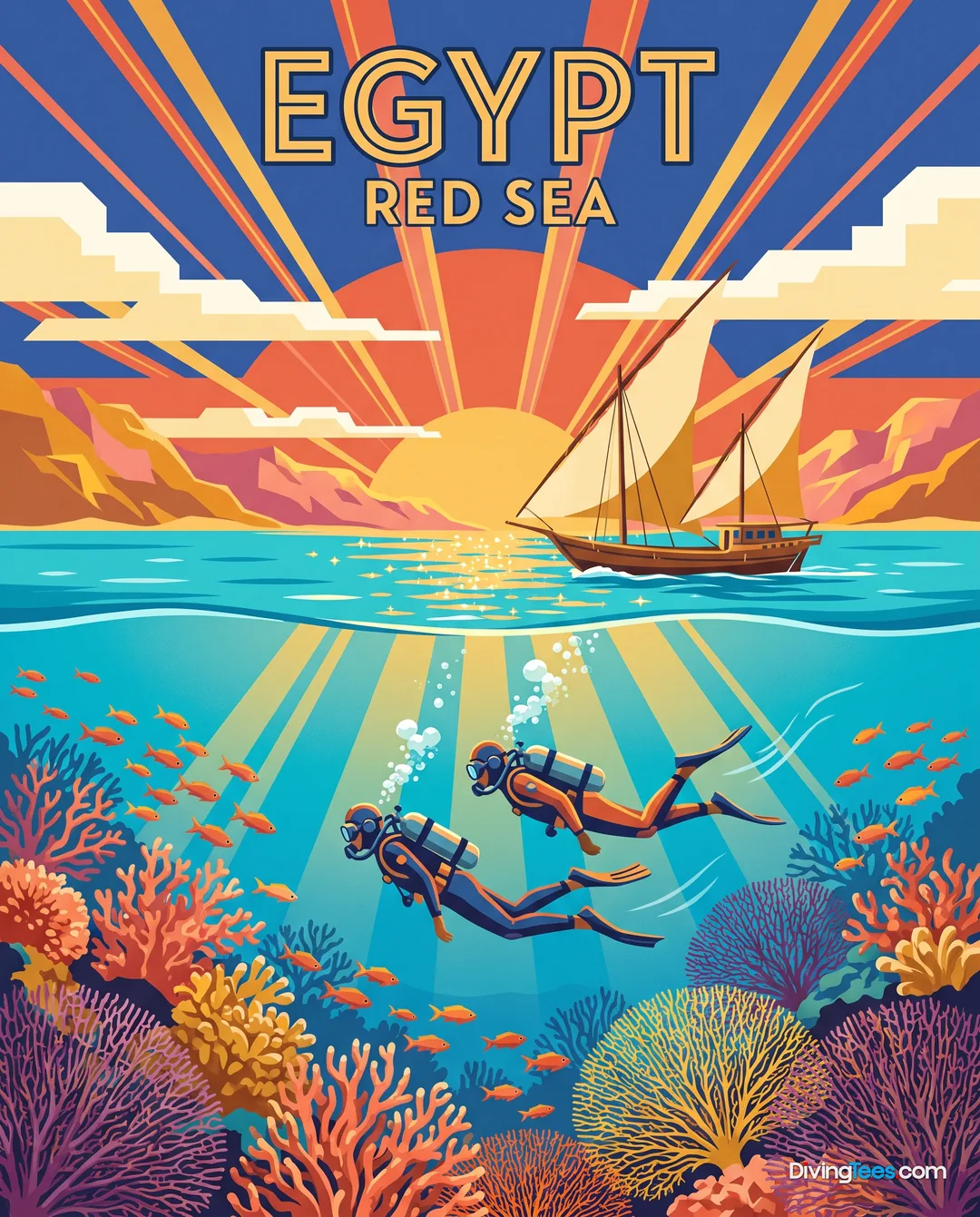
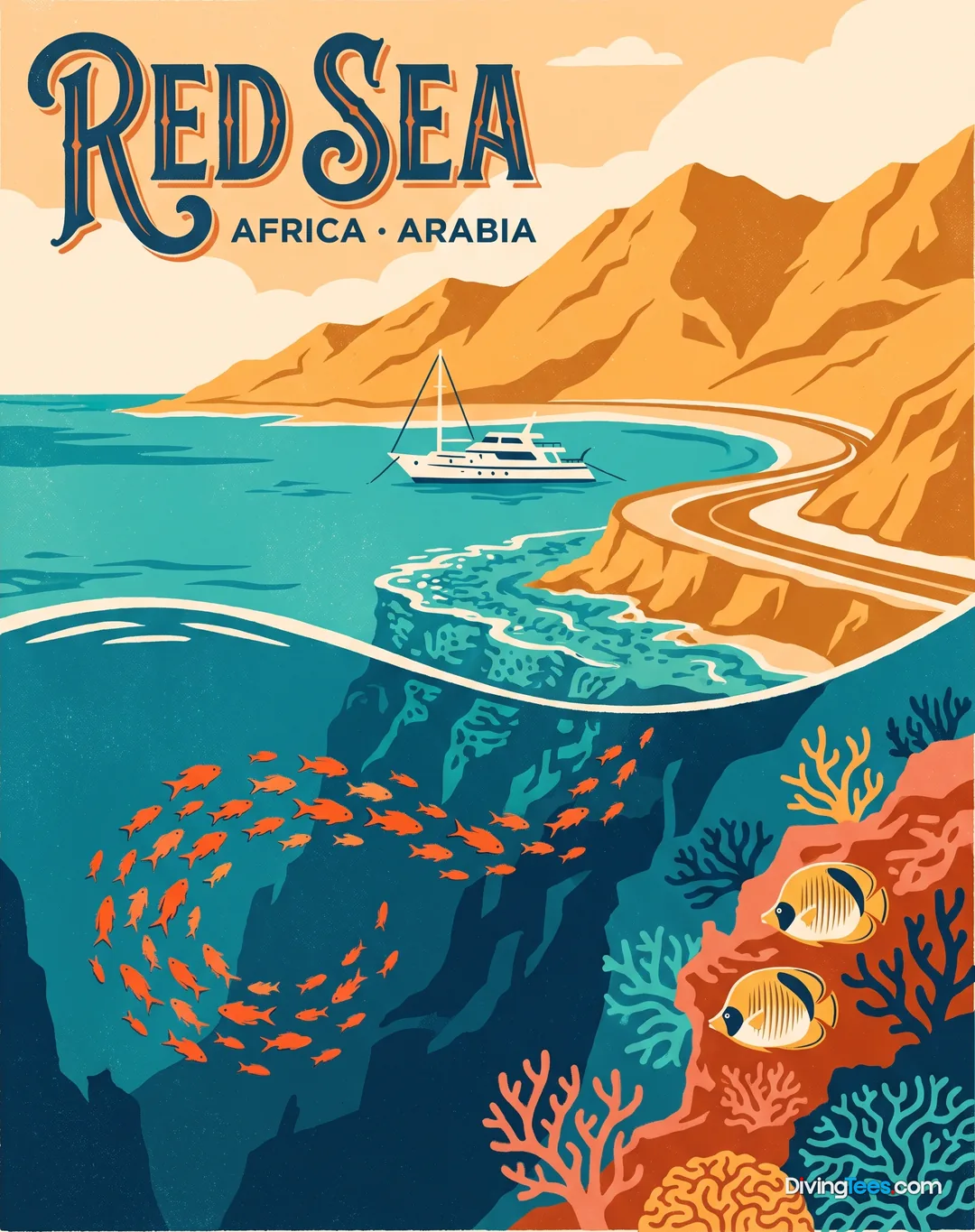
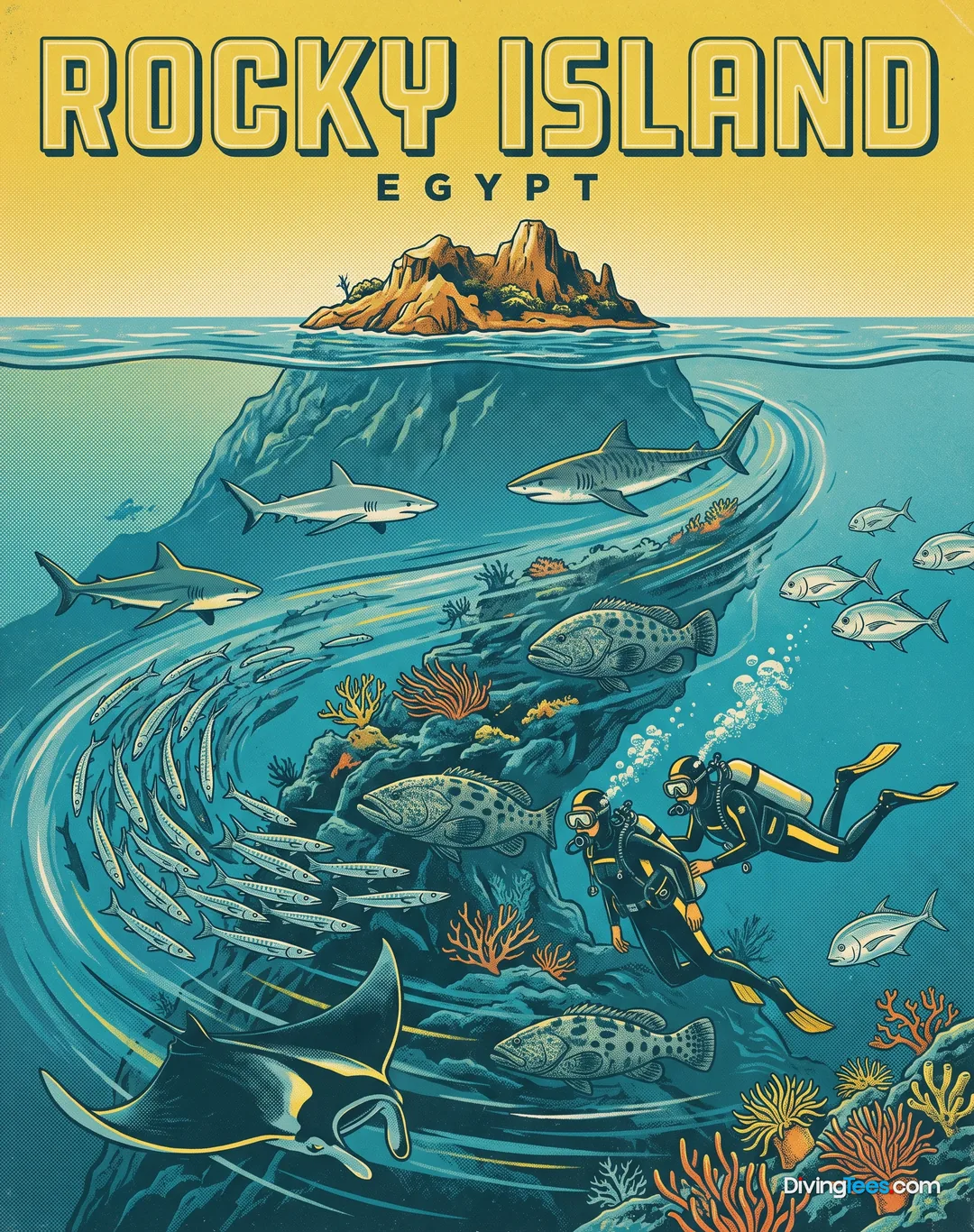
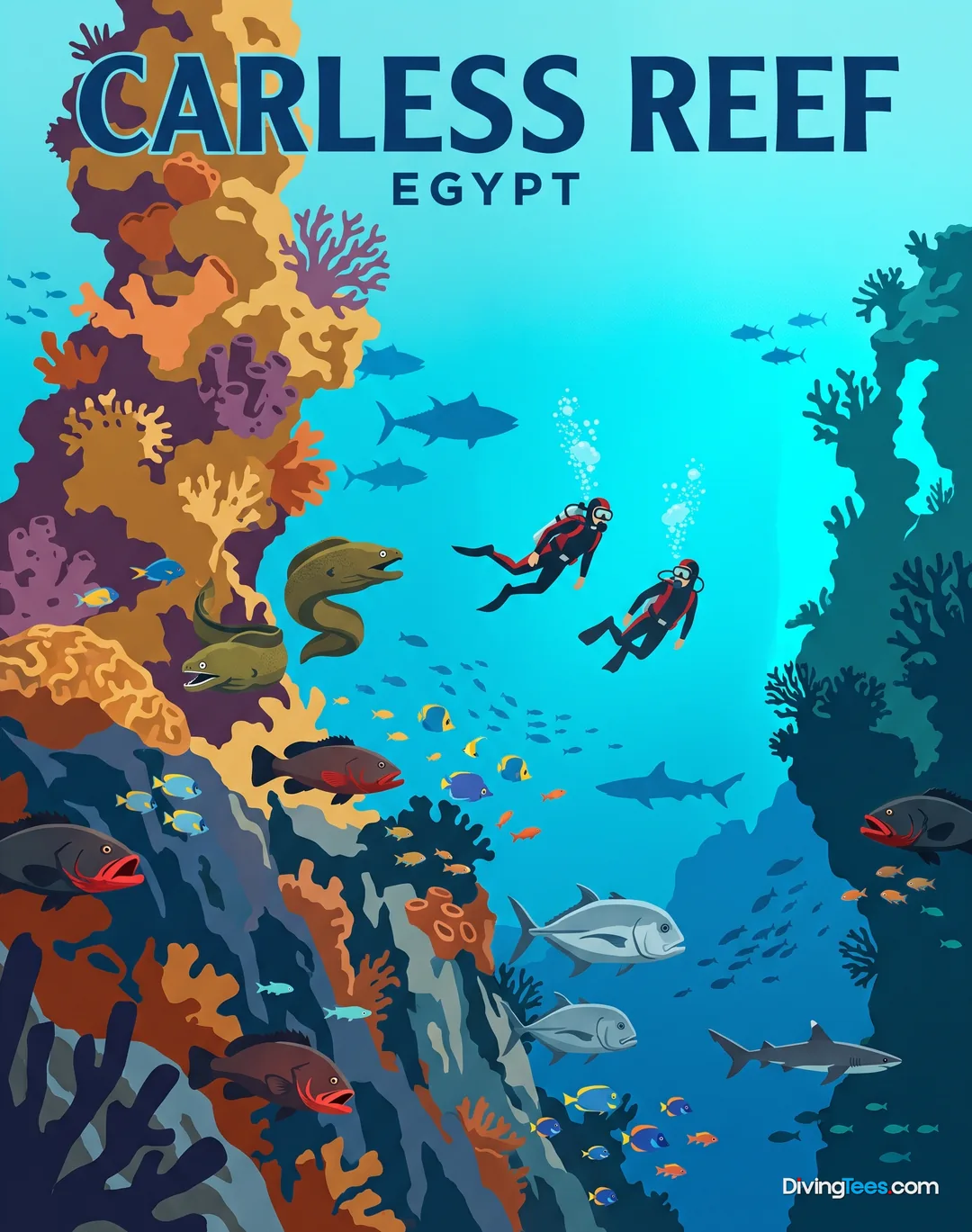
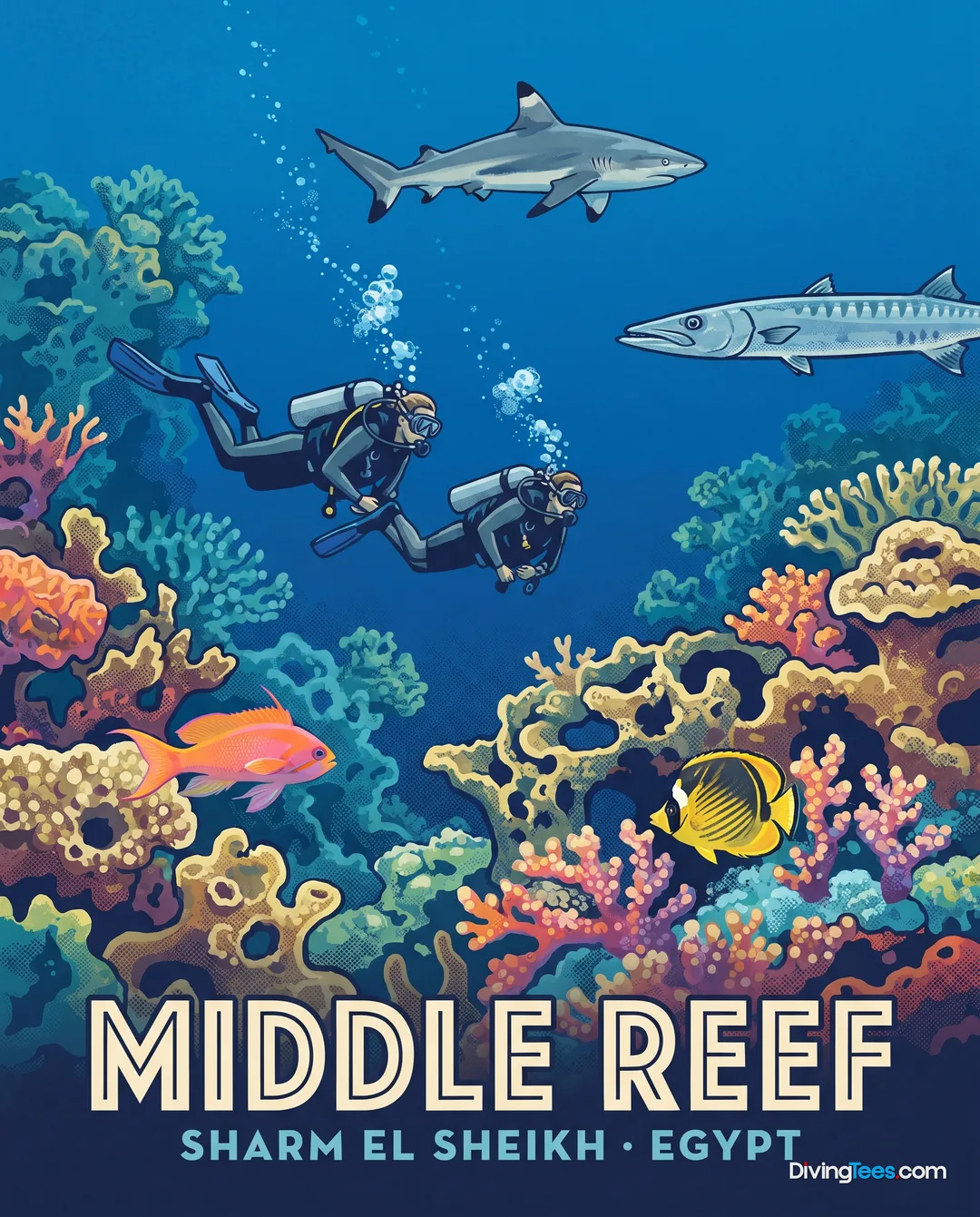
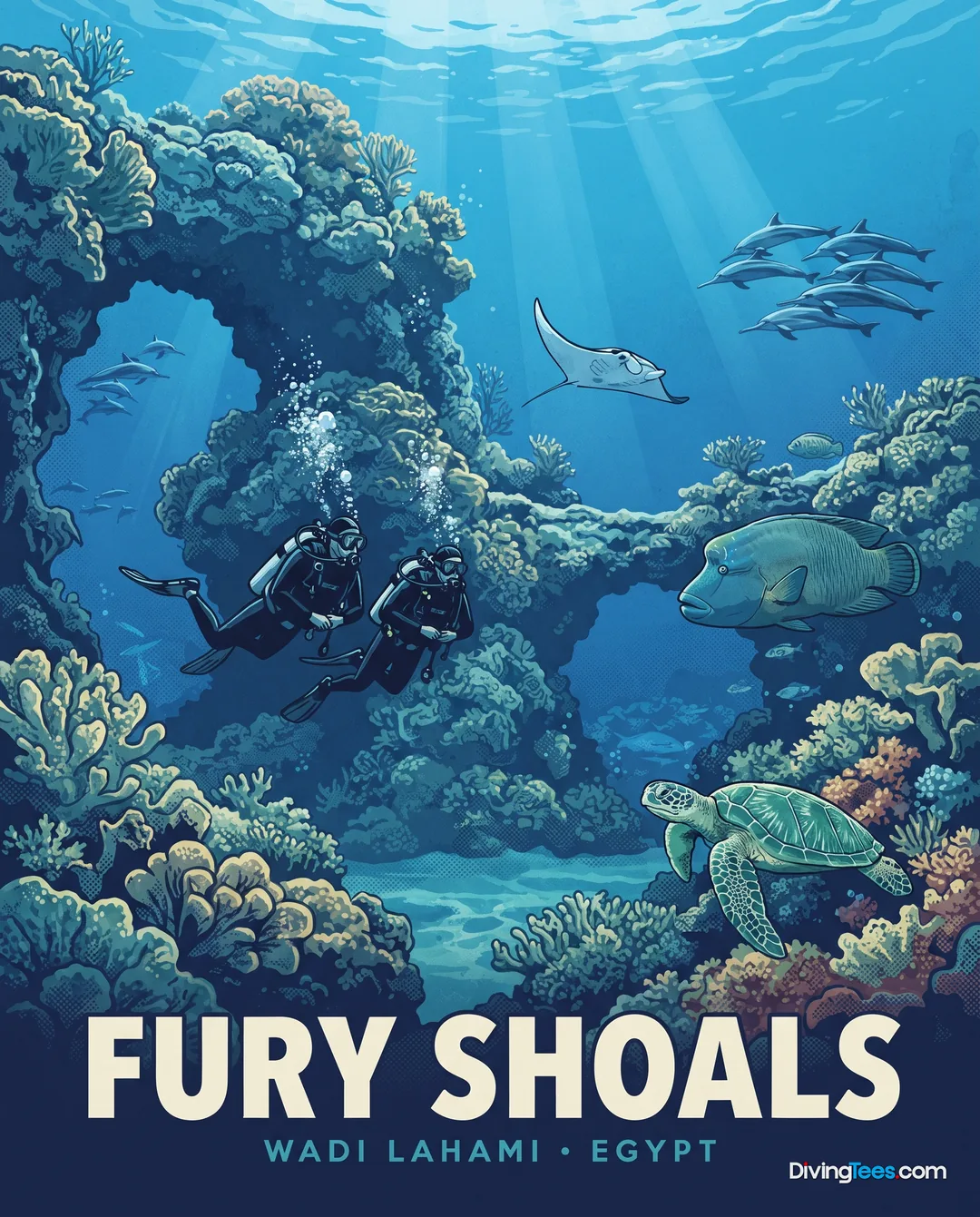
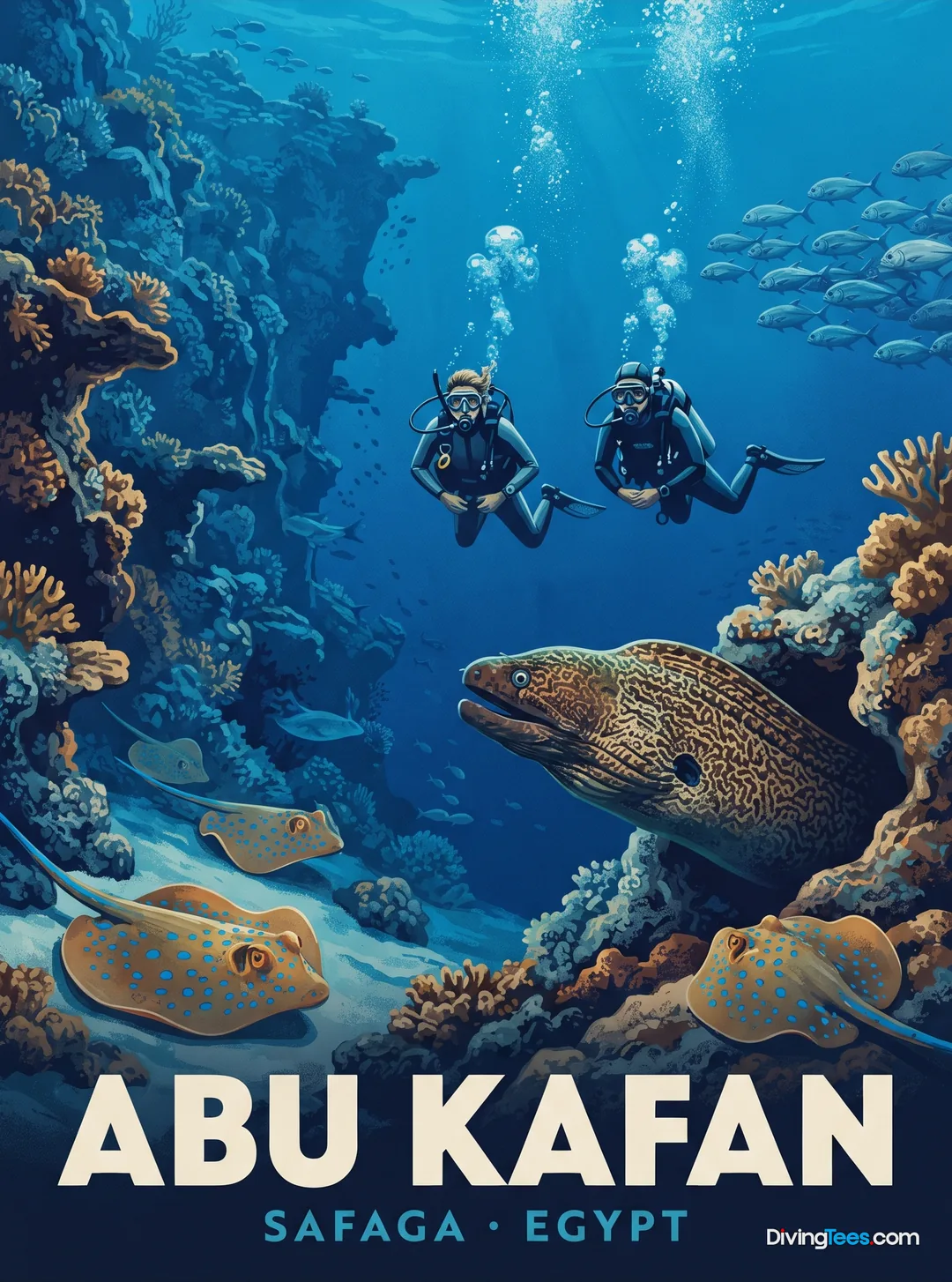
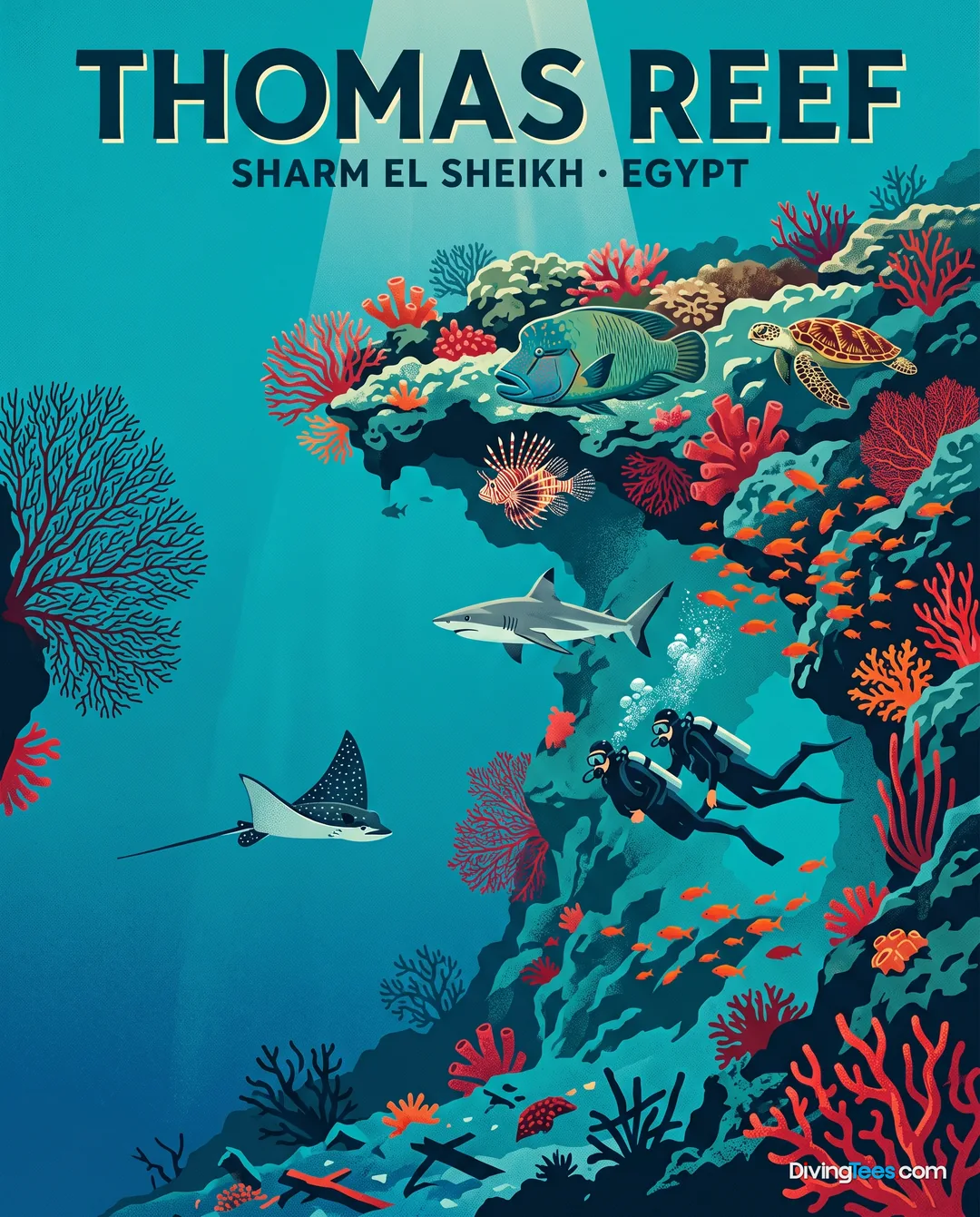
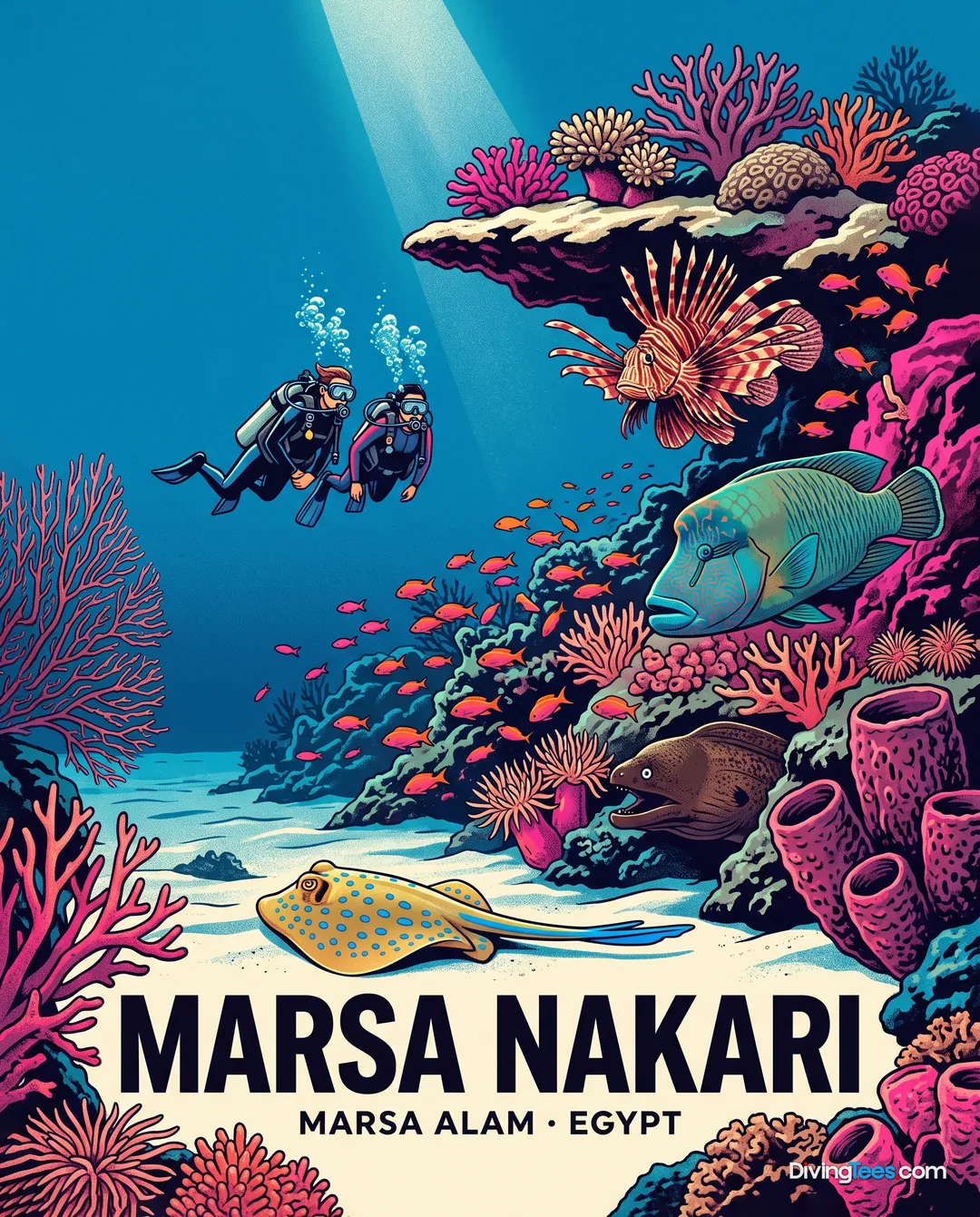
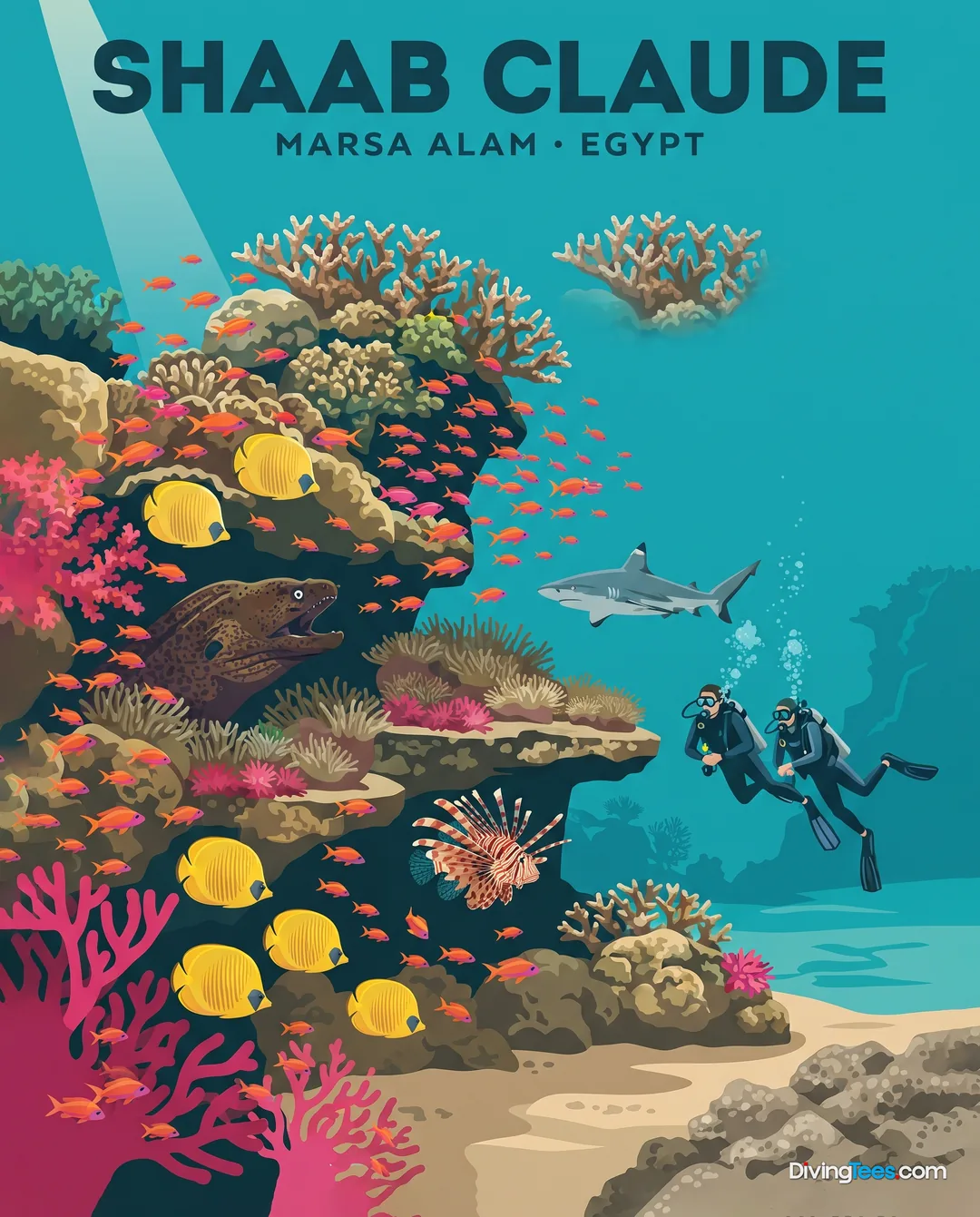
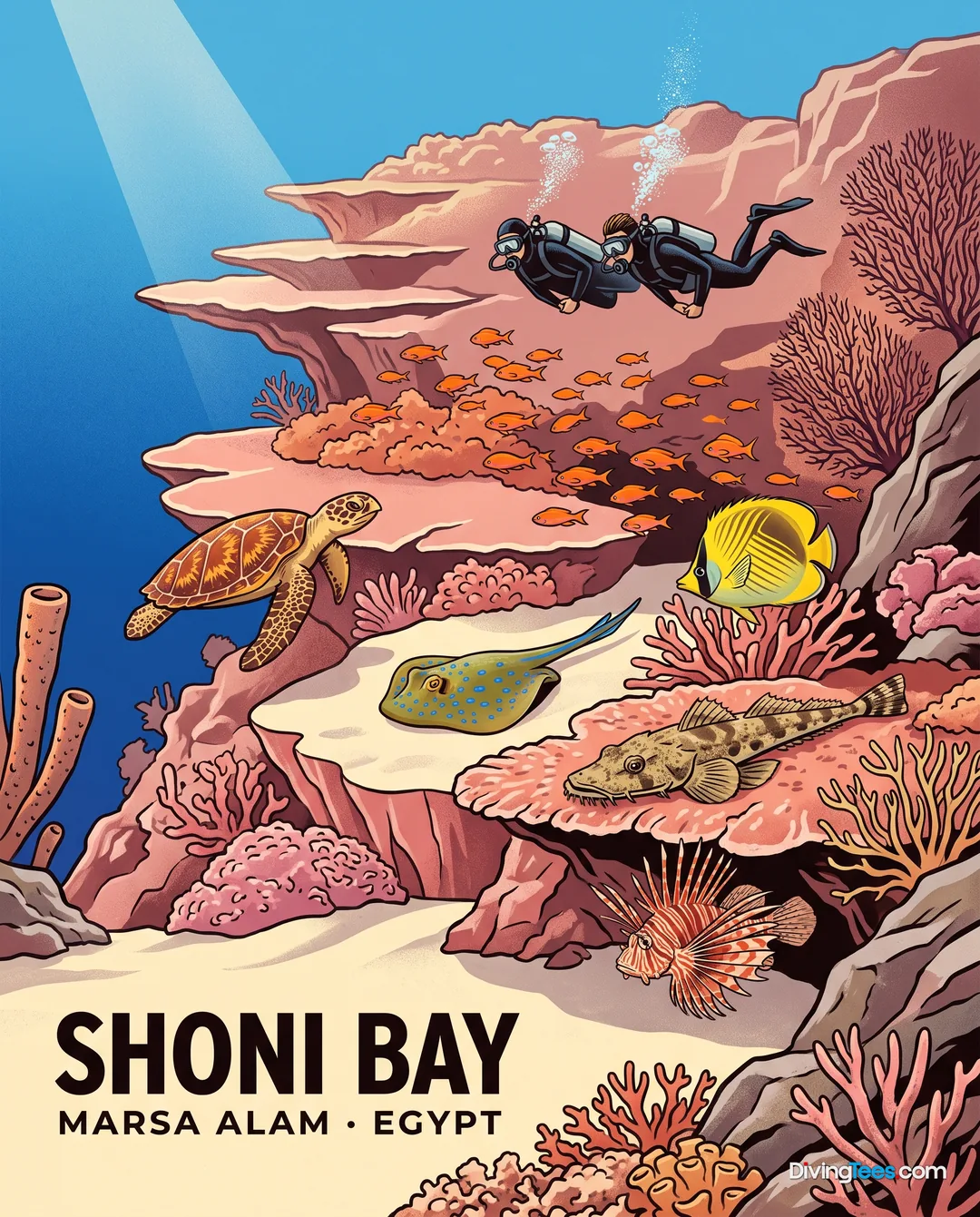
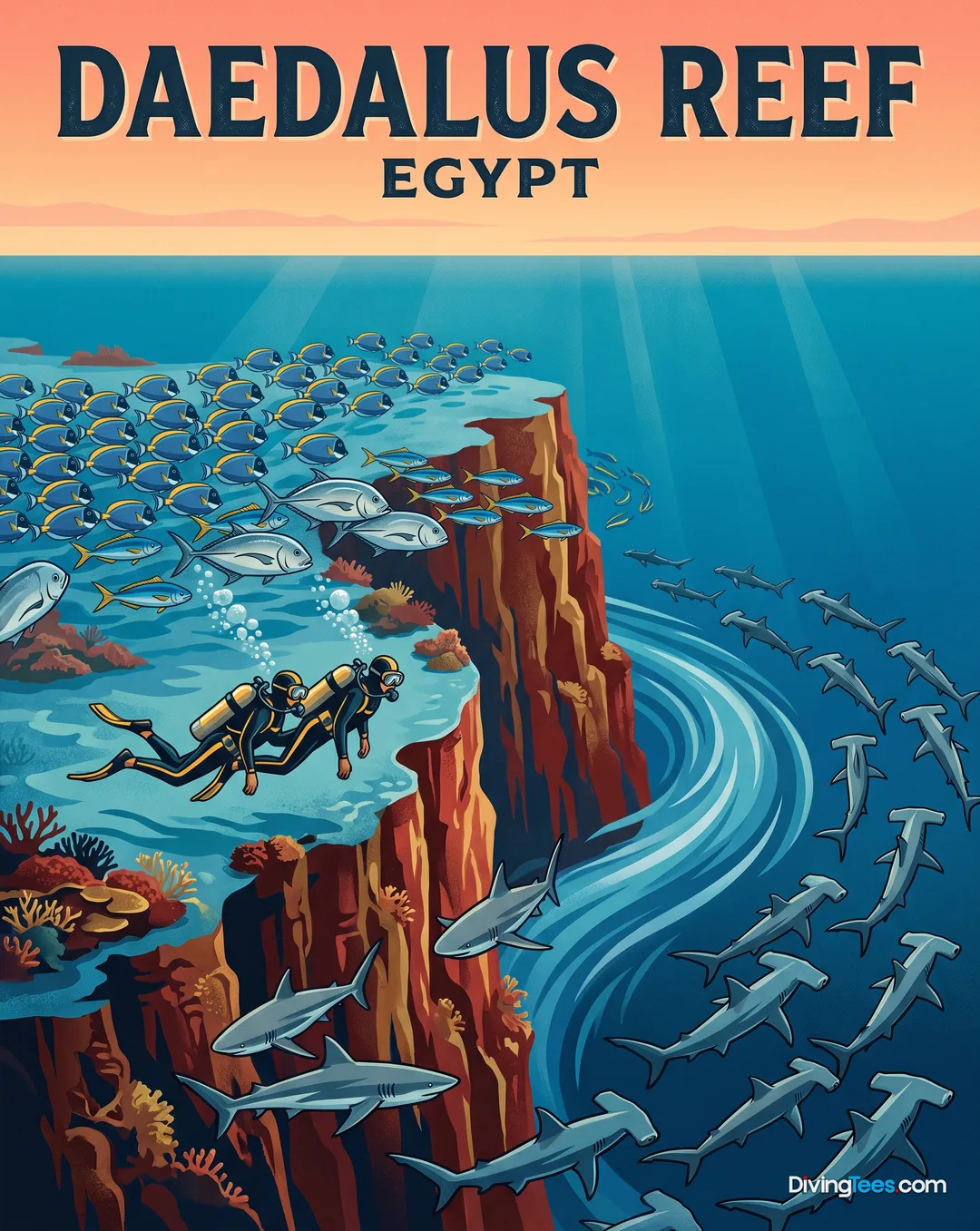
The itineraries run for seven nights and eight days, with departures from Safaga or Port Ghalib depending on the route; the Ultra South Reef Elba programme extends to eleven days and ten nights. Northern trips include North Brothers, North Dahab Tiran and North Ras Mohammed. The reef sites give the route its range: Rocky Island is a current-swept place for barracudas, oceanic whitetips, hammerheads and manta rays; Carless Reef reaches -40m and is known for giant morays swimming free in the blue above reef and drop-offs; and Middle Reef combines hard-coral formations with the possibility of grey reef sharks. In the south, Fury Shoals is a huge hard-coral complex cut by canyons. Abu Kafan brings walls and swift currents, while Thomas Reef drops to -90m, with soft corals and a gorgonian forest on its deep walls. For more sheltered profiles, Marsa Nakari House Reef reaches -30m, Shaab Claude -22m, and House Reef and Housereef Shoni Bay reach -40m and -30m respectively. Golden Triangle, Mixed South, Fury Shoals Dolphin Trip and Saint John’s Reef itineraries extend the choice towards Daedalus, Rocky, Zabargad and St John’s.
What you’ll meet underwater
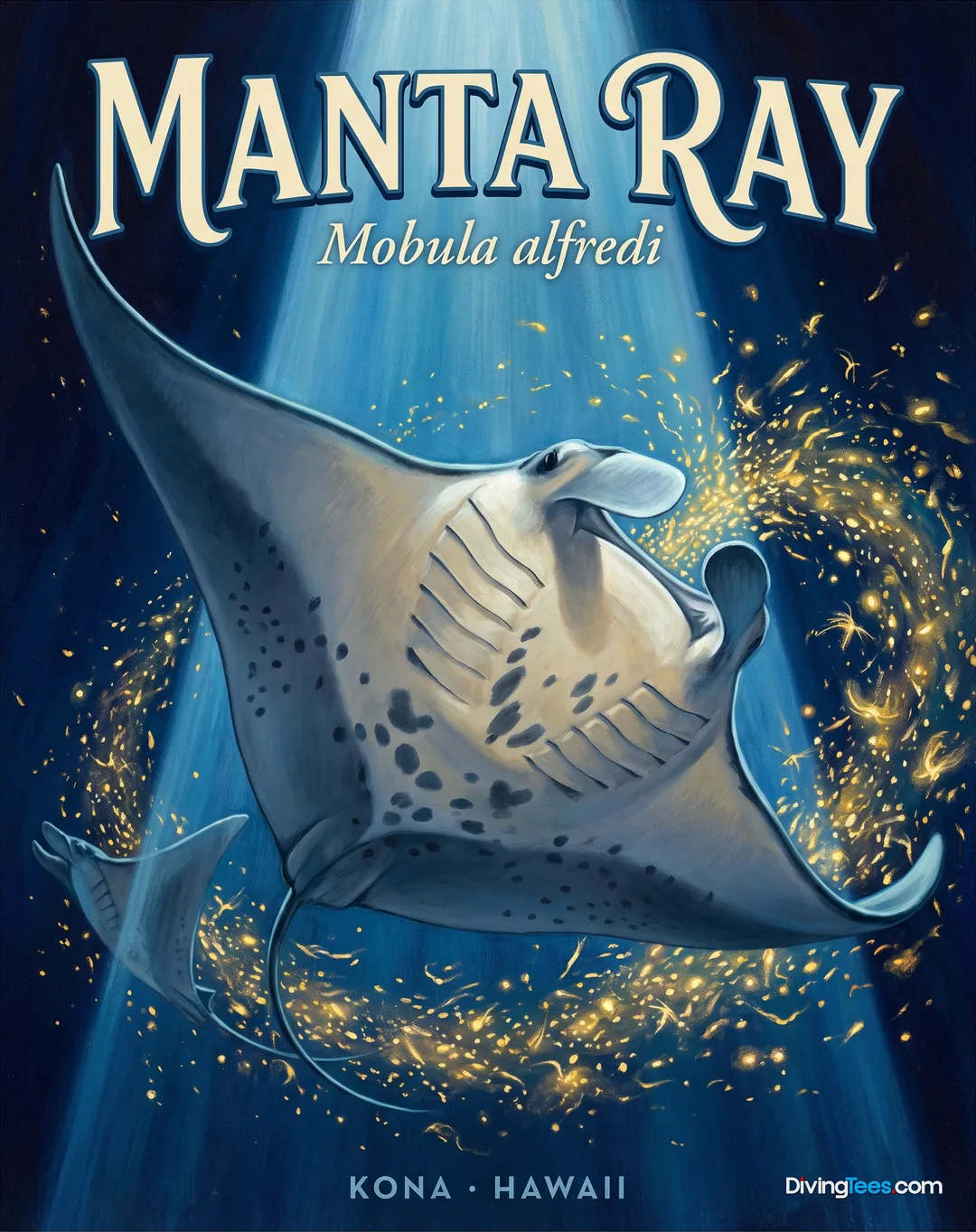
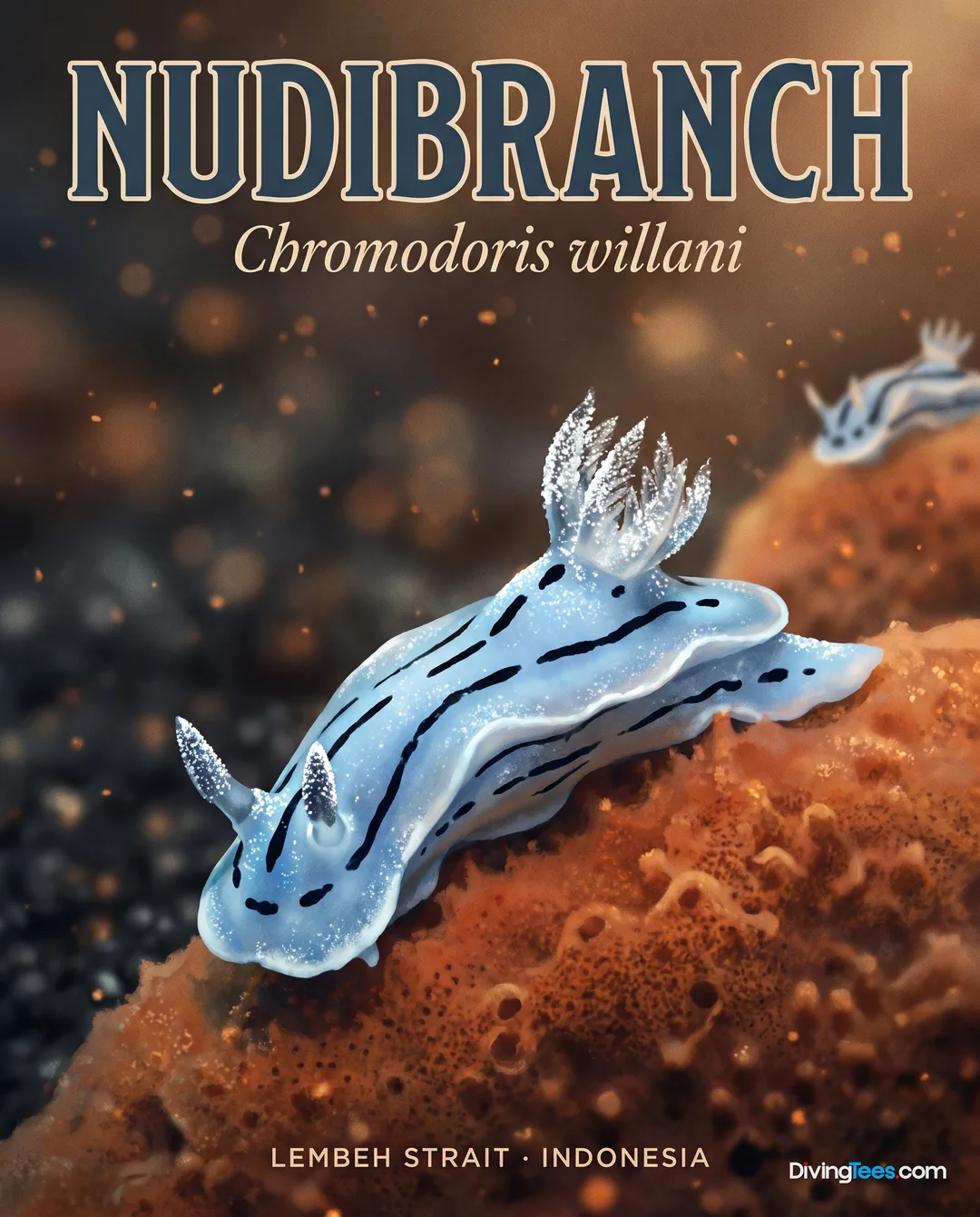
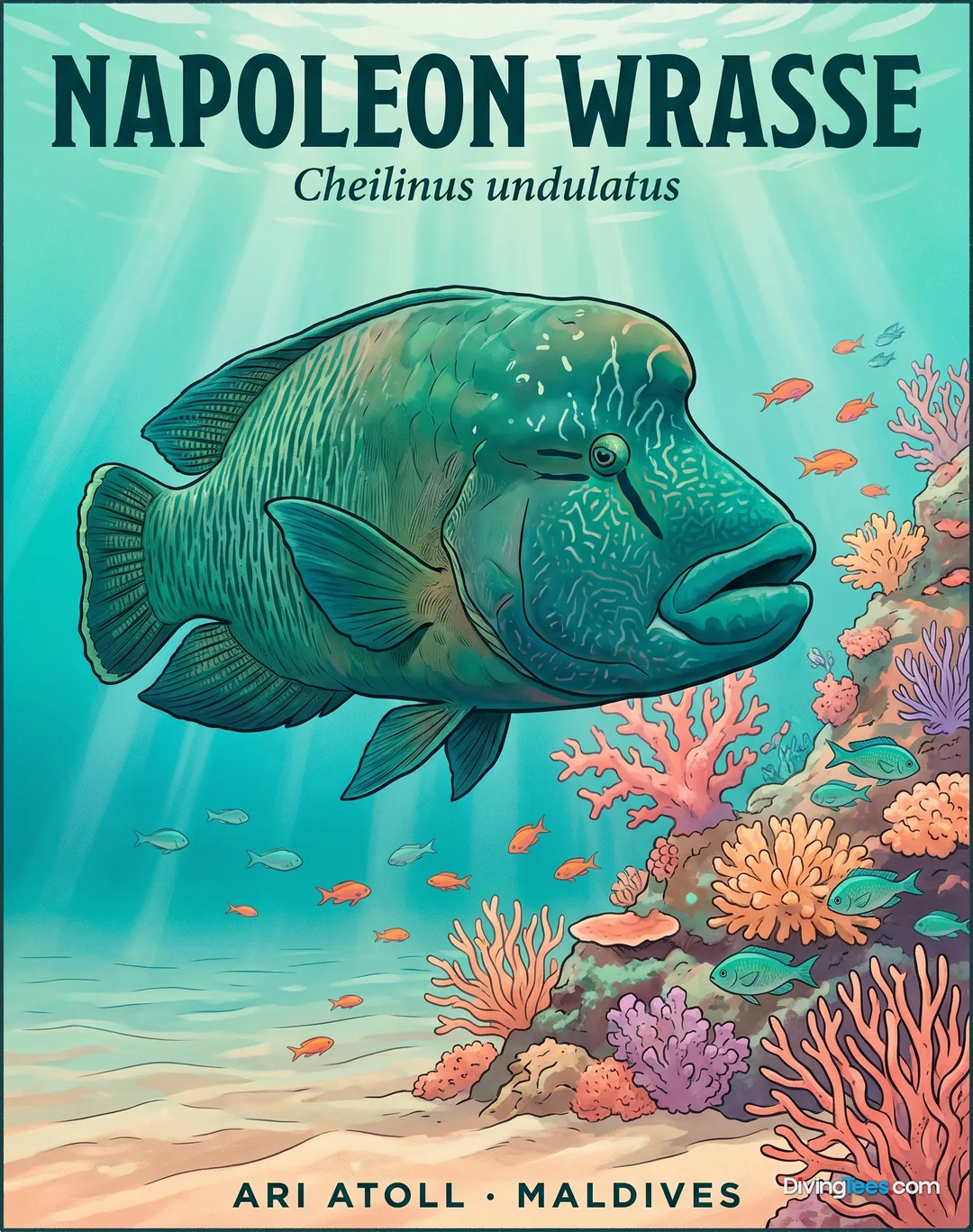
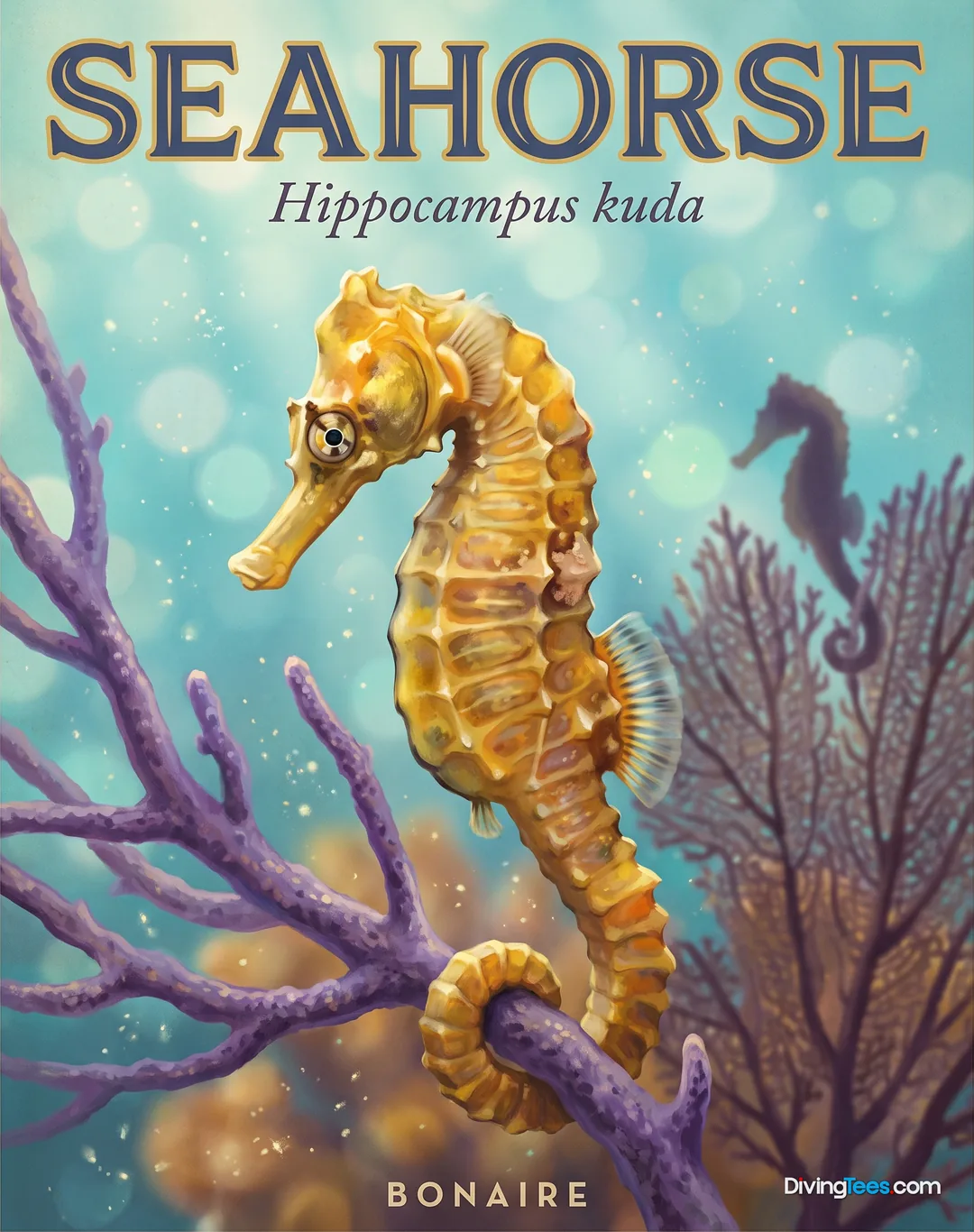
The recurring cast is substantial: reef sharks, giant morays, sea turtles, barracudas, nudibranchs, reef whitetips, hammerheads, dolphins, napoleon wrasse, groupers, trevallies, manta rays, anthias, soft corals and octopus are recorded across several sites on the route. Currents and walls are part of the attraction, because they can bring pelagic fish and sharks into view rather than leaving the diver only with a close-up reef search. The site-specific animals are what give individual stops their purpose. Middle Reef is the place listed for grey reef sharks; Gordon Reef for garden eels and crocodilefish; House Reef for seahorses and rays; Fury Shoals for coachmen butterflyfish; and Marsa Nakari South Reef for shrimp and ghost pipefish. Housereef Shoni Bay is the recorded site for fusiliers, while Woodhouse Reef is where giant puffers are noted. None of these encounters is promised, but the route is built around giving divers repeated chances in very different habitats.
Who puts you in the water
Dune Longara’s crew speaks English, and the dive operation is supported by local and international staff. The boat carries professional dive guidance across its Red Sea itineraries, with briefings built around the site, current and route rather than a generic reef talk. Night dives are included, and the programme also accepts technical divers and sidemount divers. The information available for the boat does not give a guide-to-diver ratio, a minimum logged-dive requirement, instructor qualifications or the details of the emergency equipment and recall system, so those points should not be assumed from the boat’s recreational features. Divers choosing a current-exposed site should match the itinerary to their own experience and listen closely to the site briefing.
The dive deck and the gear
The dive deck is shaded and organised around a proper platform, with enough room for divers to set up equipment and keep accessories close at hand. Free nitrox is available to certified divers, and DIN adapters are carried on board. The diving system supports sidemount with one cylinder and technical diving, so the boat is not limited to a standard recreational configuration. A photo area and charging stations matter on a route where sharks, schooling fish and reef walls will keep cameras busy; the working kit can be rinsed and recharged without taking over the living spaces. Snorkelling equipment is included, while scuba rental equipment is available as an optional extra. Rebreathers can be accommodated on request.
Between dives
Between dives, the boat offers two useful kinds of space. The shaded dive area is where equipment and accessories can be left organised, while the terrace and sun deck are for lying out, watching the reef disappear astern or taking a break from the cabin. The air-conditioned salon is the better refuge when the heat builds, with a library, audio and video entertainment and a place to talk through the last dive without standing in full sun. A Jacuzzi and spa add a slower option, and massage is available on board as an extra. Stand-up paddle equipment and snorkelling gear give non-divers and surface intervals something to do when the boat is anchored.
A day on board
The day follows the familiar liveaboard order: the first briefing comes before the first dive, then food, rinsing and recovery before the next entry. Further dives are placed around the route and the conditions, with meals and snacks filling the gaps rather than interrupting them. On a site such as Rocky Island, Abu Kafan or Woodhouse Reef, the briefing prepares divers for current and the possibility of a drift; on a house reef, the pace can turn towards a slower search through coral and resident life. When the boat is underway, the deck becomes the observation point and the salon the cool refuge. Night dives are included, so the last water entry can change the reef completely before dinner and the return to the cabin.
What you eat aboard
Meals are full board and combine local and Western cooking, with vegetarian and vegan options available. The galley also caters for gluten-free preferences, and snacks remain available through the day rather than making divers wait for the next formal meal. Non-alcoholic drinks, tea and coffee are included; wine is served with dinner, while beer, cocktails and other alcoholic drinks are available separately. That arrangement suits a Red Sea schedule: divers can eat properly between water time, take something small when a full plate is too much, and sit down for dinner when the day’s diving is finished. The table is less about ceremony than recovery, with enough choice for a mixed group to keep eating well over a full week.
Nights at sea
The cabins are the practical part of the boat’s comfort. Standard Twin, Standard Single & Double, Superior, Deluxe Suite and Premium cabins are air-conditioned, non-smoking and fitted with private bathrooms; the glazed windows bring in more daylight than a small porthole. Cabins are positioned around the middle of the boat, with sea-view categories available, so the choice is mainly between space, position and the view rather than between bare and comfortable rooms. Daily housekeeping, cabin towels and hot-water showers keep the routine simple after saltwater and sun. Above, the sun deck and Jacuzzi offer a place to lie down or cool off, while the indoor lounge gives a quieter option when wind or heat makes the outside deck less appealing.
Standard Twin Cabin
Standard Single & Double Cabin
Superior Cabin
Deluxe (Suite) Cabin
Premium Cabin
What to know before boarding
Departures and returns use Safaga, Port Ghalib or Ras Galep according to the itinerary. Airport transfer is included; hotel transfer is an optional extra. The safest plan is to arrive the night before boarding, especially when the departure begins outside the airport area. The exact port should be checked against the selected route before travel.
Deck plan
- Maximum number of passengers
- 30
- Number of cabins
- 15
- Number of bathrooms
- 16
- Website
- liveaboard.dune-world.com ↗
Hello, I'm Marina, DivingDeal.com's AI assistant. I answer in detail about hotels, dive centres and liveaboards.

Thinking about the whole trip and the flights? Talk it over with Edith →
Marina is an AI. Some links are affiliate links: DivingDeal may earn a commission, at no extra cost to you. Bookings are made with the partner.