Liveaboards · Egypt
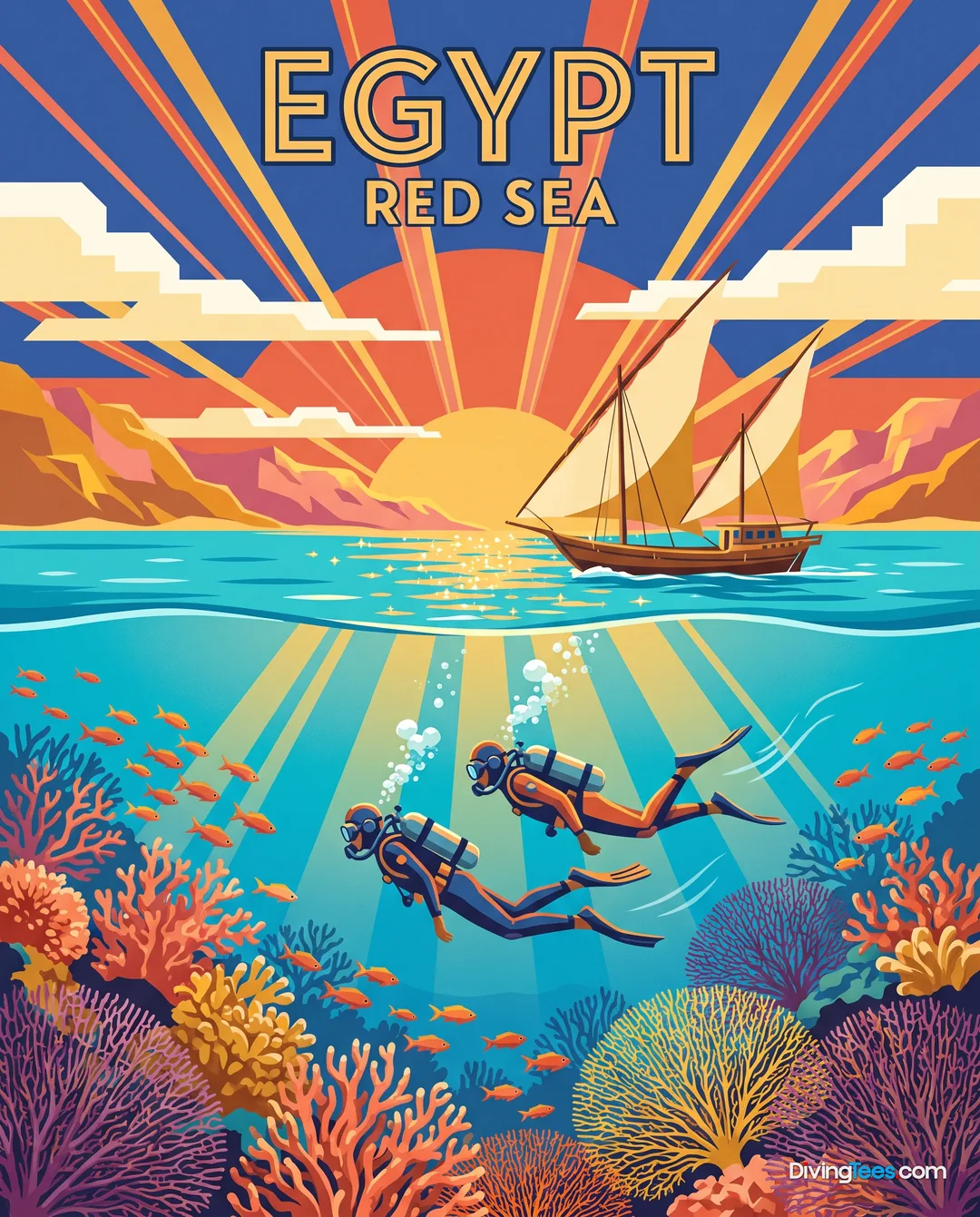
Sea Serpent Grand — a spacious, dive-first Red Sea liveaboard with serious technical capability
What makes this boat unique
- The 44-metre wooden boat was renovated in 2020 and 2024 and carries up to 28 divers in 14 en-suite cabins.
- Its water-level dive deck is built for efficient kitting up, with two 6.7-metre tenders powered by 85 HP Yamaha outboards.
- Free nitrox is available, alongside DIN adapters, rebreather support and helium/oxygen blending for technical diving.
- Recorded routes include North, Straits of Tiran and Dahab, North & Brothers, and Brothers, Daedalus & Elphinstone, all lasting 8 days and 7 nights.
- The strongest passenger feedback concerns the food, crew, cleanliness and safety organisation.
For subtitles in English: start the video firstthen click the gearat the top right of the video, select “Subtitles/CC”, then “Auto-translate” and choose “English”.
The invitation
Sea Serpent Grand suits divers who want the reach of a large Red Sea boat without giving up a dive deck designed around the work of diving. The reason to choose it is the combination: long northern and offshore routes, a water-level platform that can handle a full complement of divers, and a filling station prepared for nitrox, trimix, helium and oxygen. That matters if the trip is built around Brothers, Daedalus and Elphinstone rather than only easy coastal reefs. It also works for mixed groups. Non-divers and snorkelers are welcome, SSI courses run on board, and the cabins and common areas have been modernised without turning the boat into a floating resort detached from the diving.
Boarding
From the dock, Sea Serpent Grand presents as a substantial wooden liveaboard with four decks and broad working space rather than a compact safari boat. Teak decking gives the passages and dive areas a practical, non-slippery feel, while the hull redesign is intended to improve stability and speed on longer crossings. The 2020 and 2024 renovations show in the newer cabin style and the cleaner, more practical interior. Once aboard, movement is straightforward: the air-conditioned saloon sits at the centre of the boat, the upper levels open into shaded and sunny outdoor areas, and the dive deck is down at the waterline where the next dive begins.
The atmosphere on board
Sea Serpent Grand is large enough to absorb a full group without making the week feel anonymous. Passenger feedback consistently points to clean cabins, organised deck work, highly trained guides and a crew that handles requests without fuss. The crew's role is most visible in the small transitions: tanks ready, equipment moved, divers collected from the surface and meals appearing without turning the deck into a queue. A multilingual team speaks English, German, French, Spanish, Russian, Portuguese, Polish and Italian. In the evening, the air-conditioned saloon becomes the meeting point, while the bar and open decks give divers somewhere to talk through the day's sharks, wrecks and missed sightings.
The sites you’ll dive
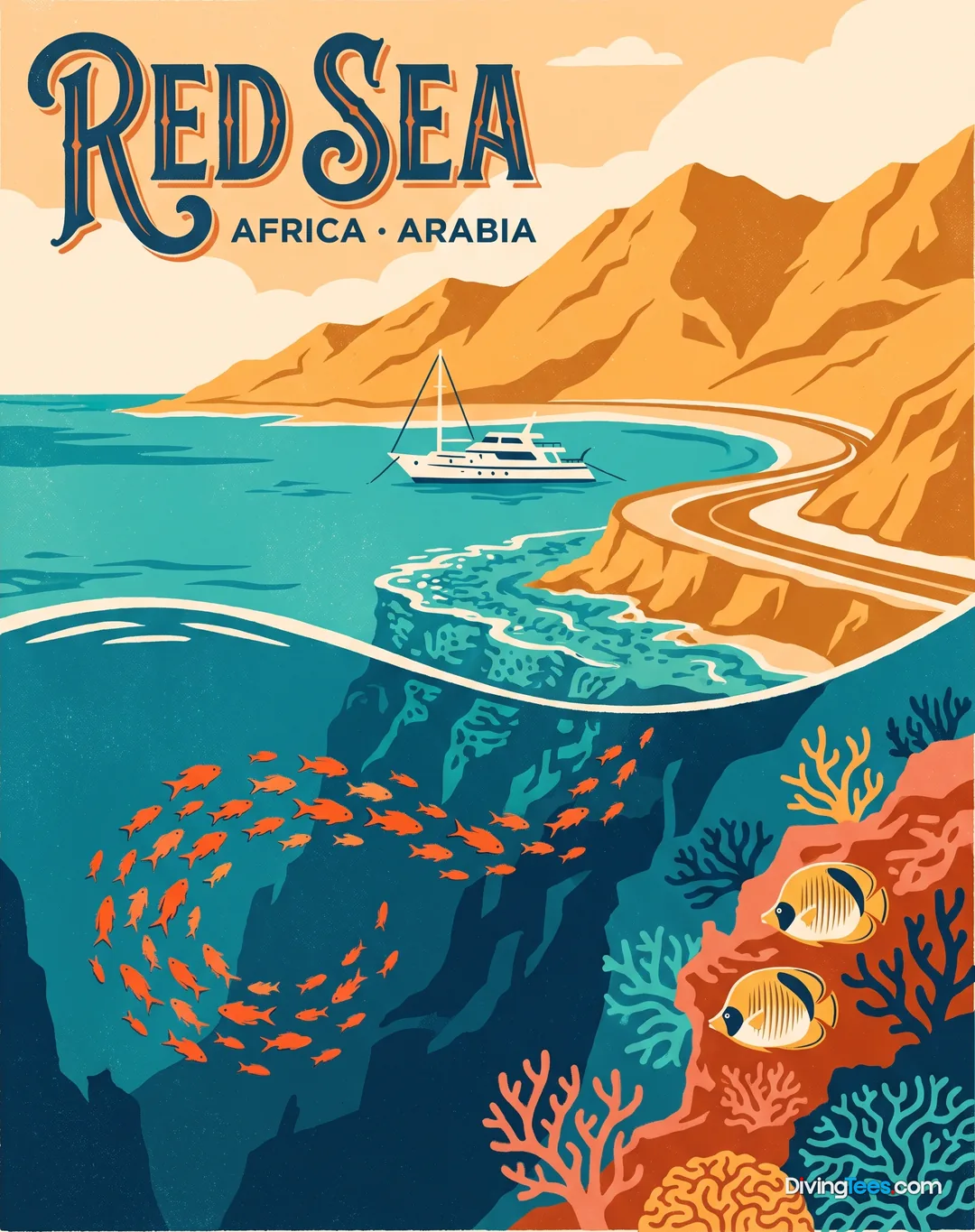
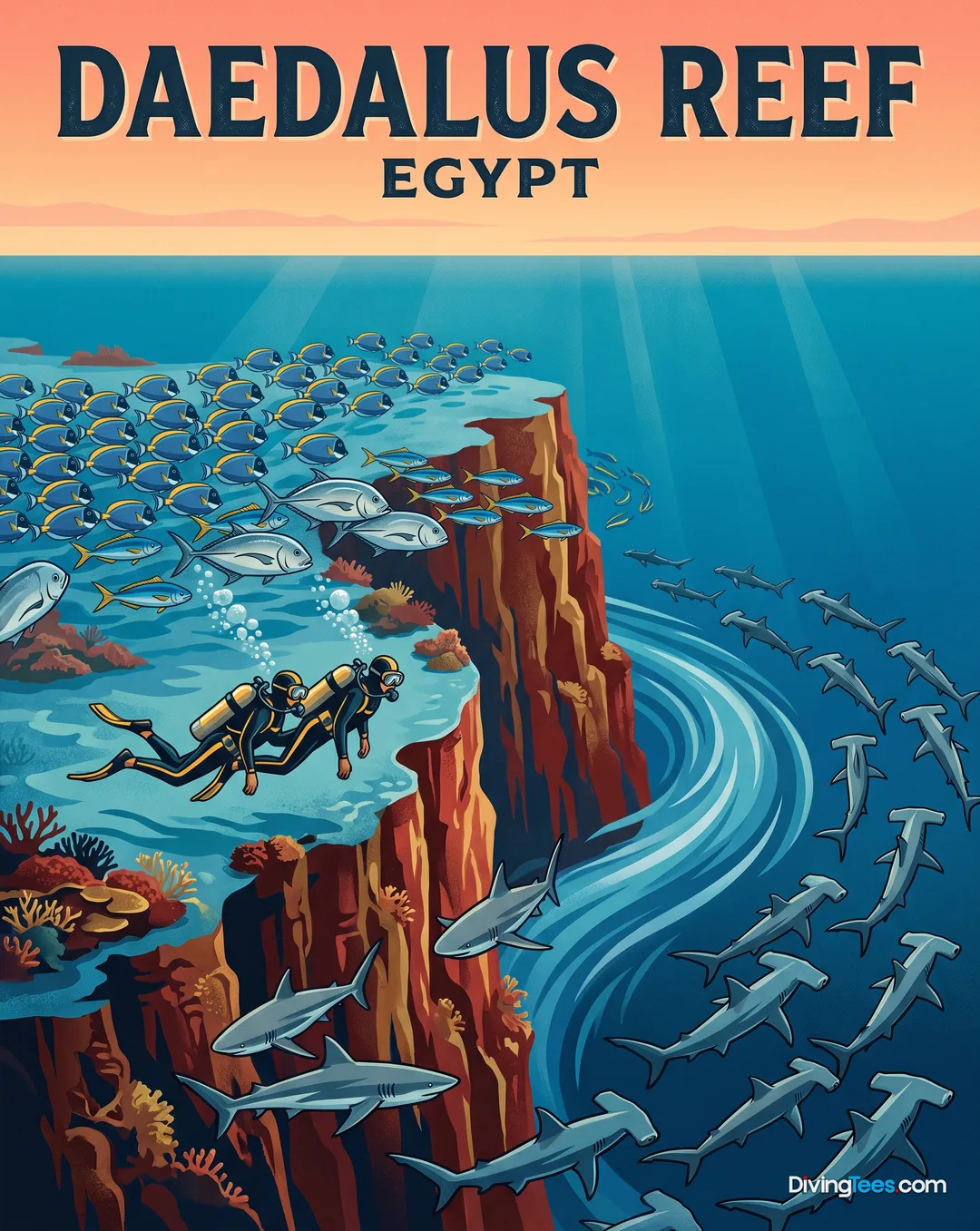
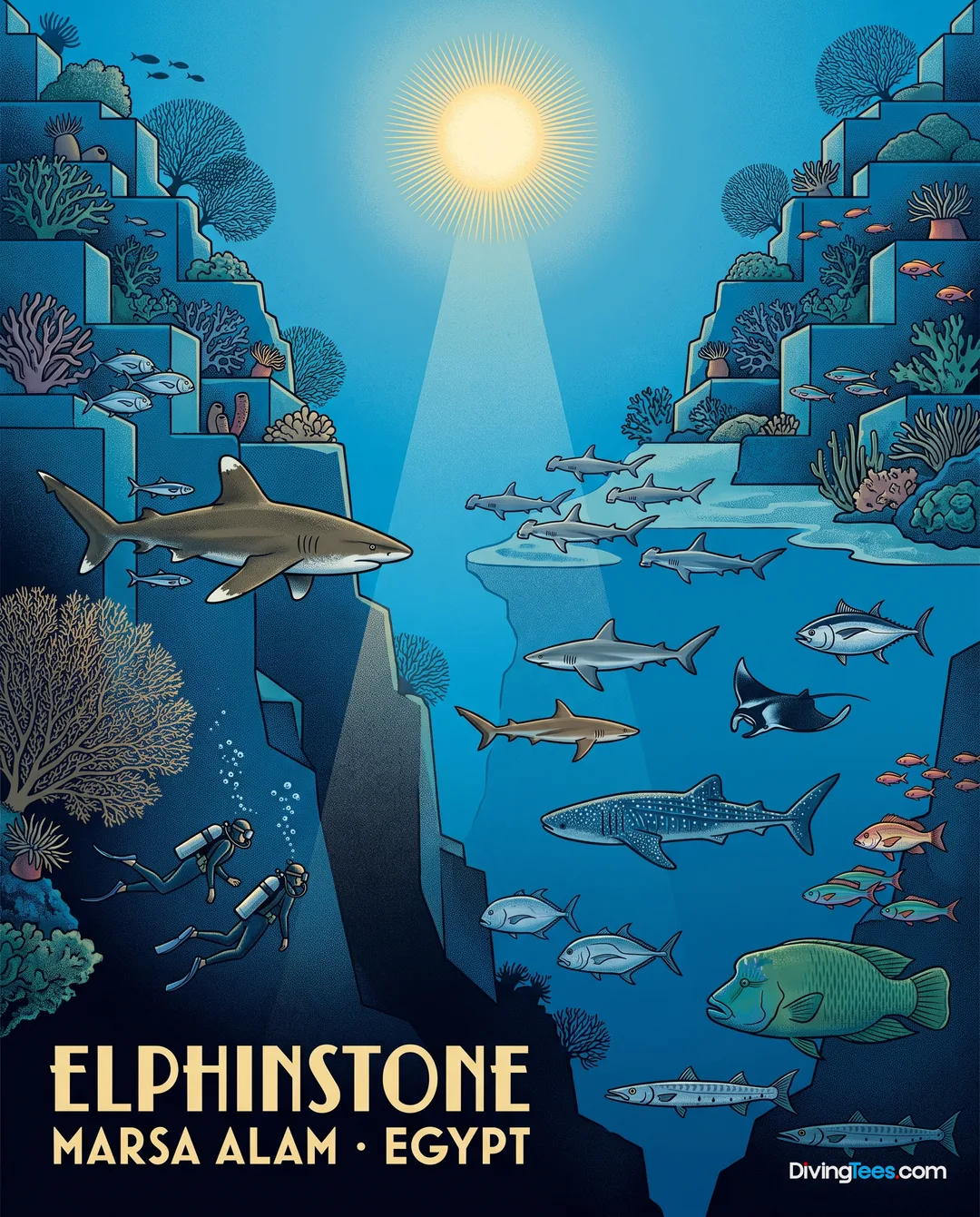
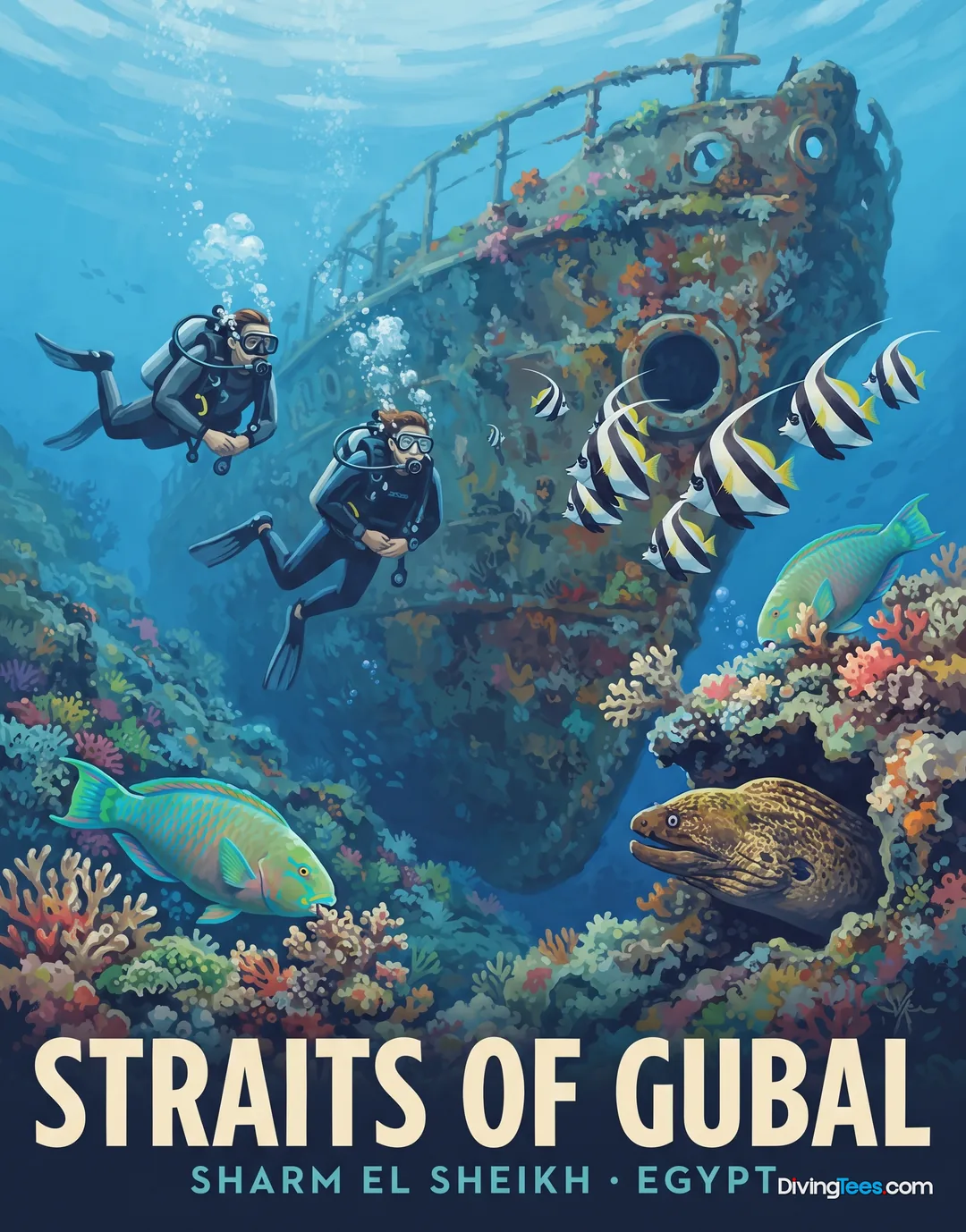
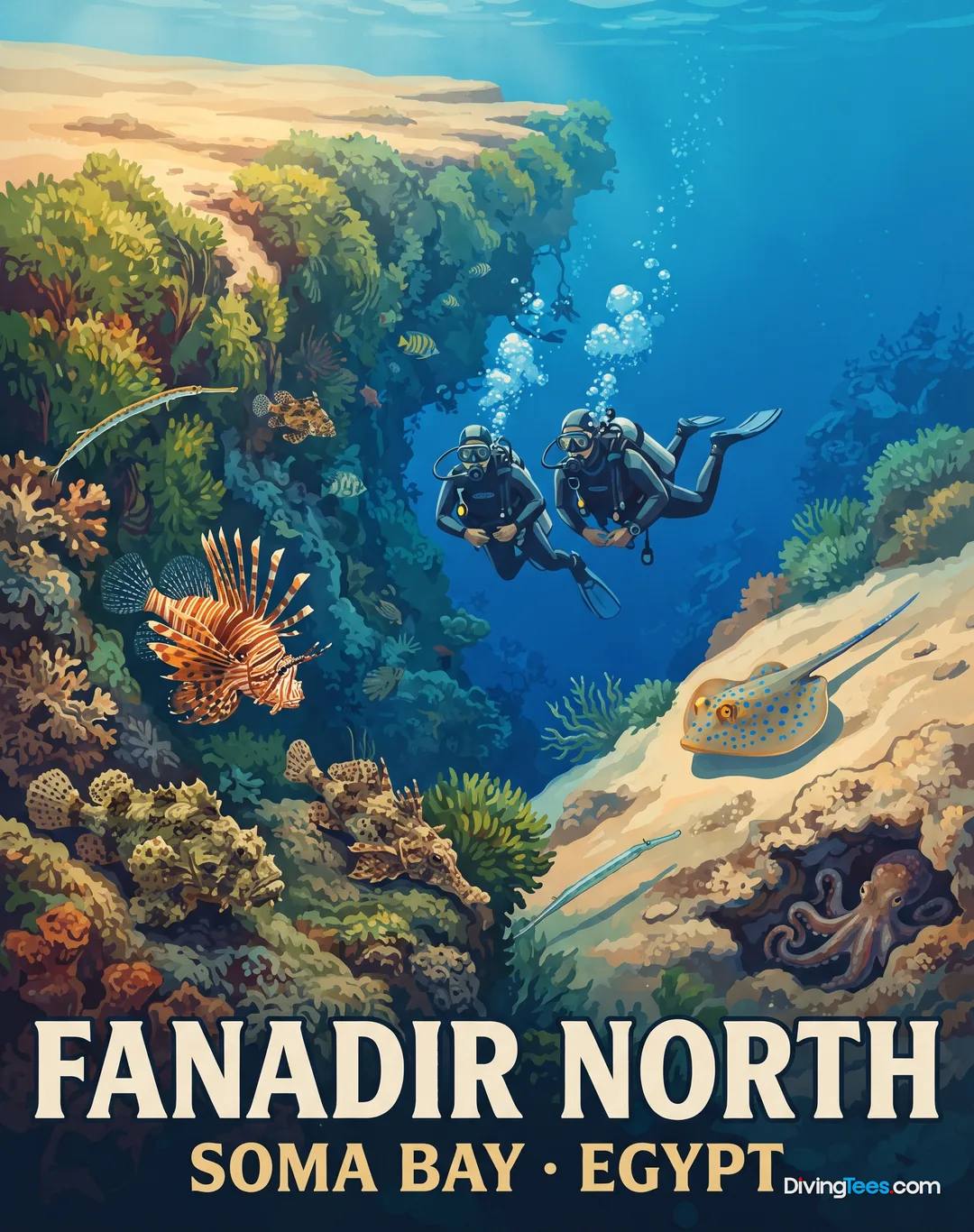
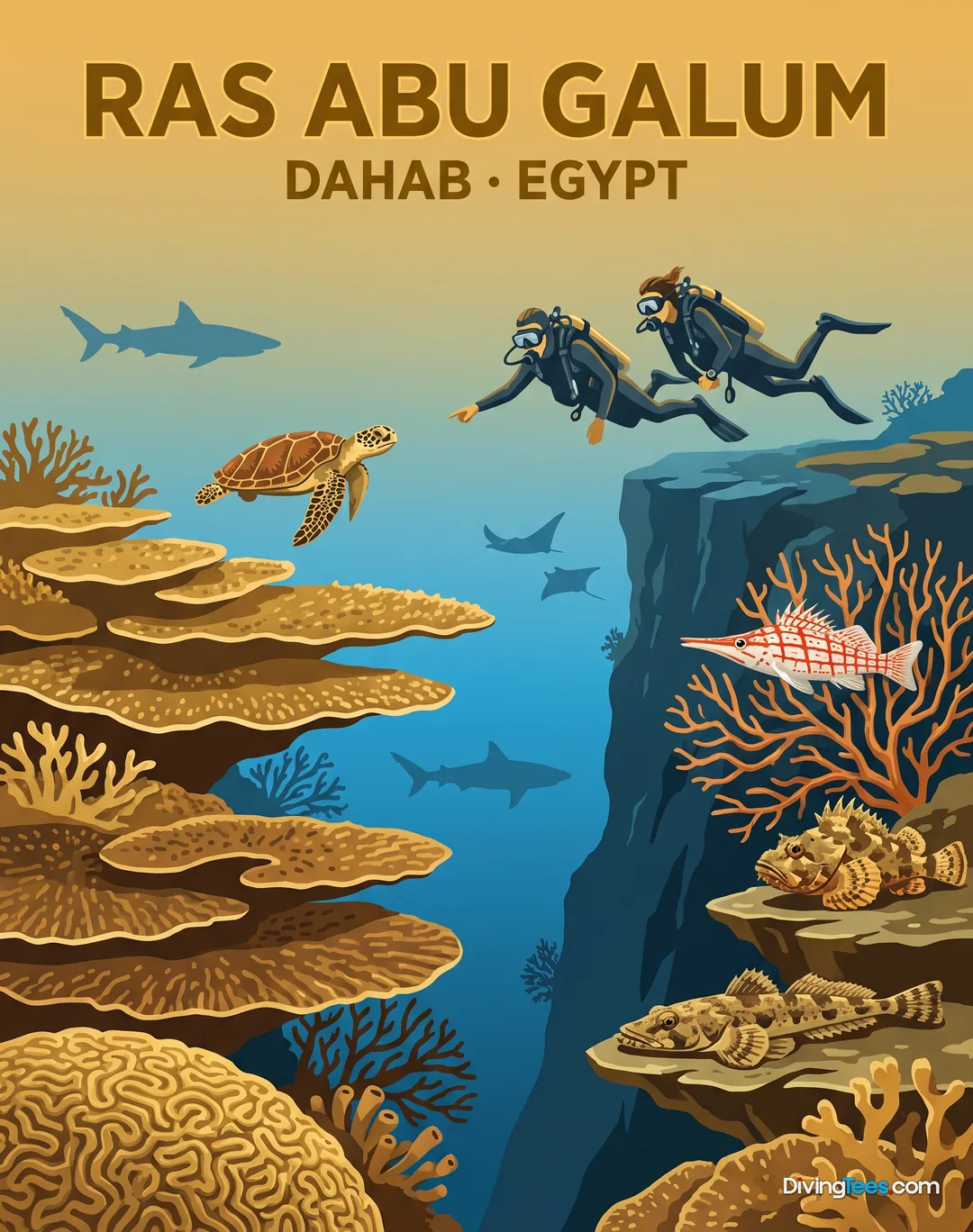
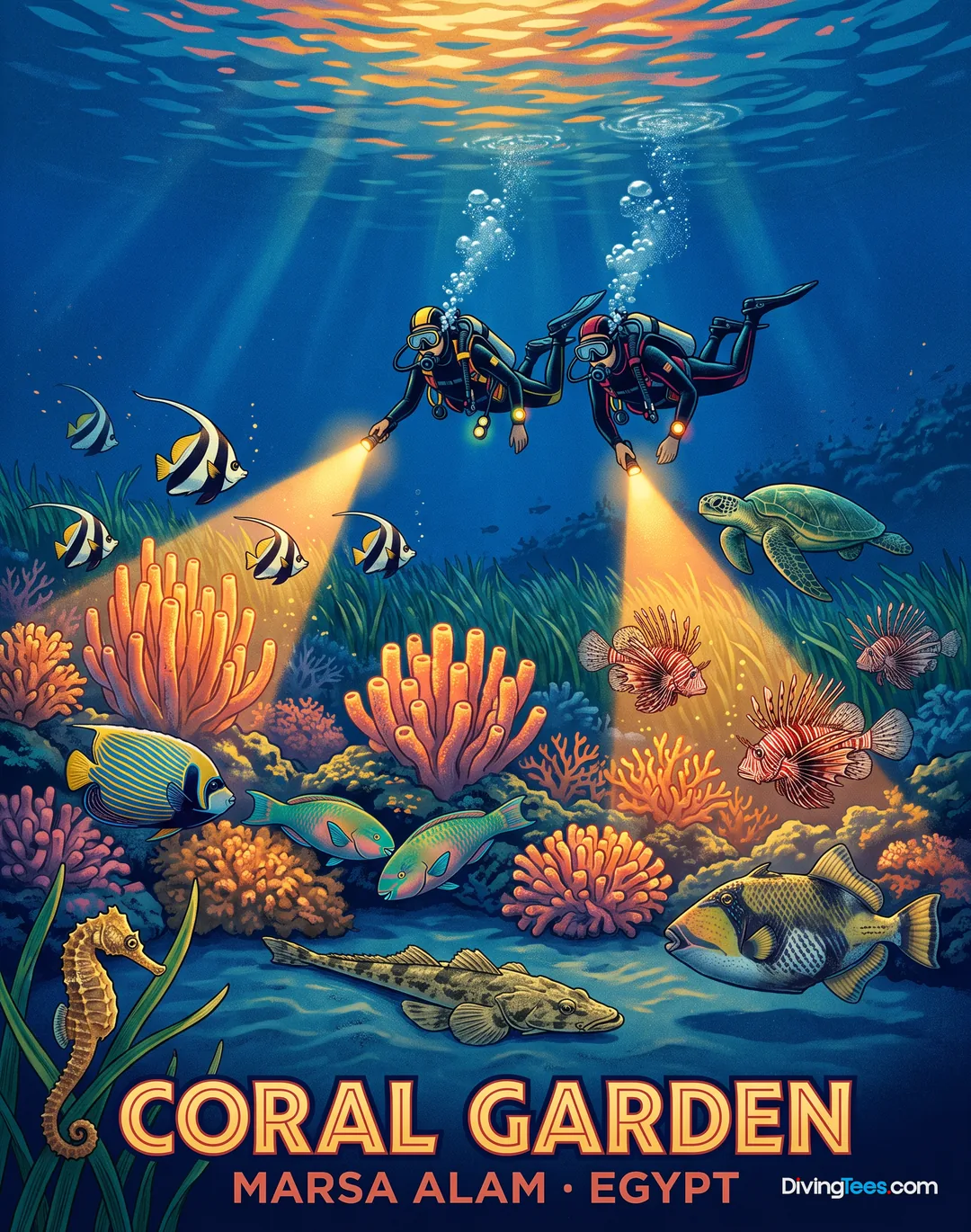
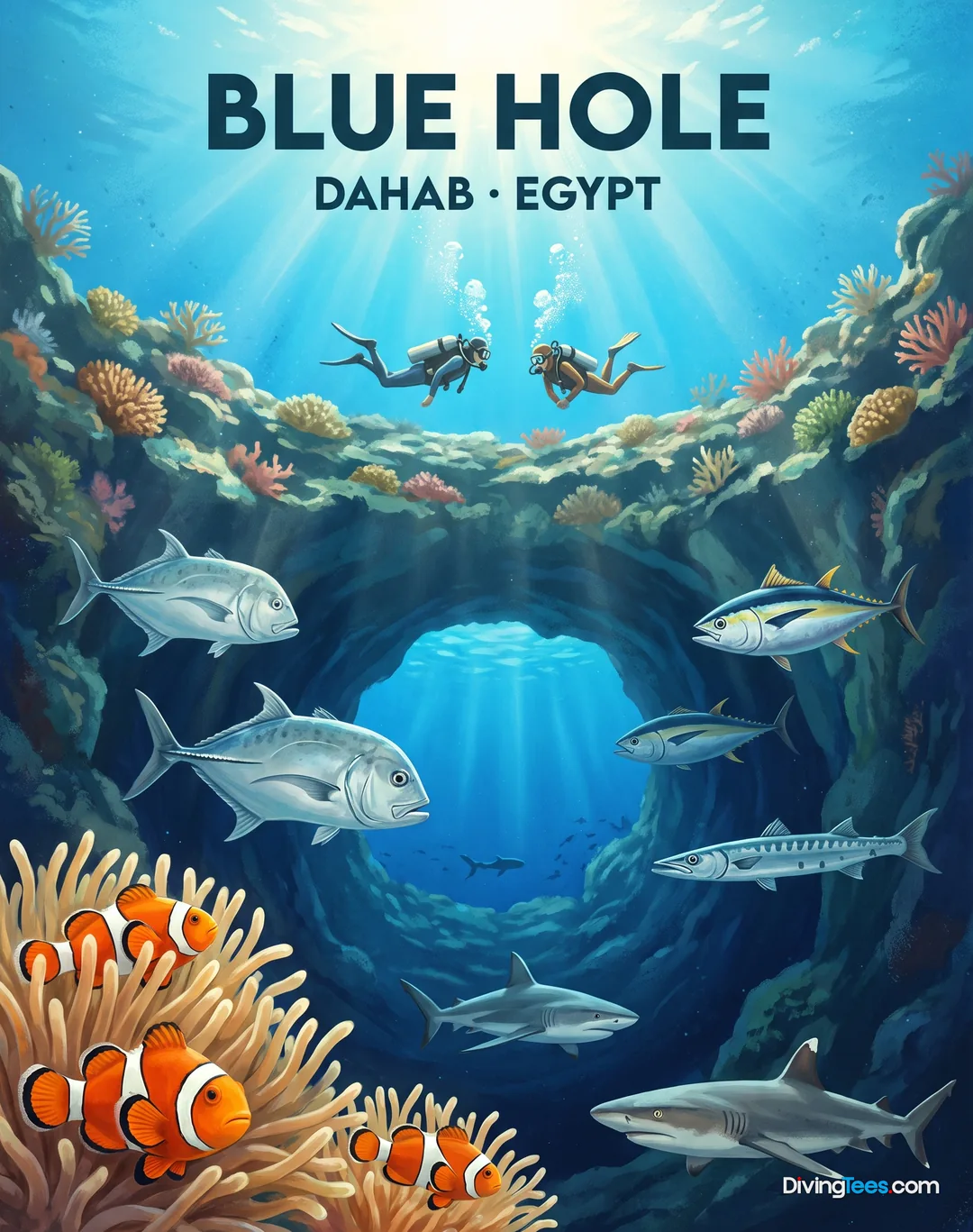
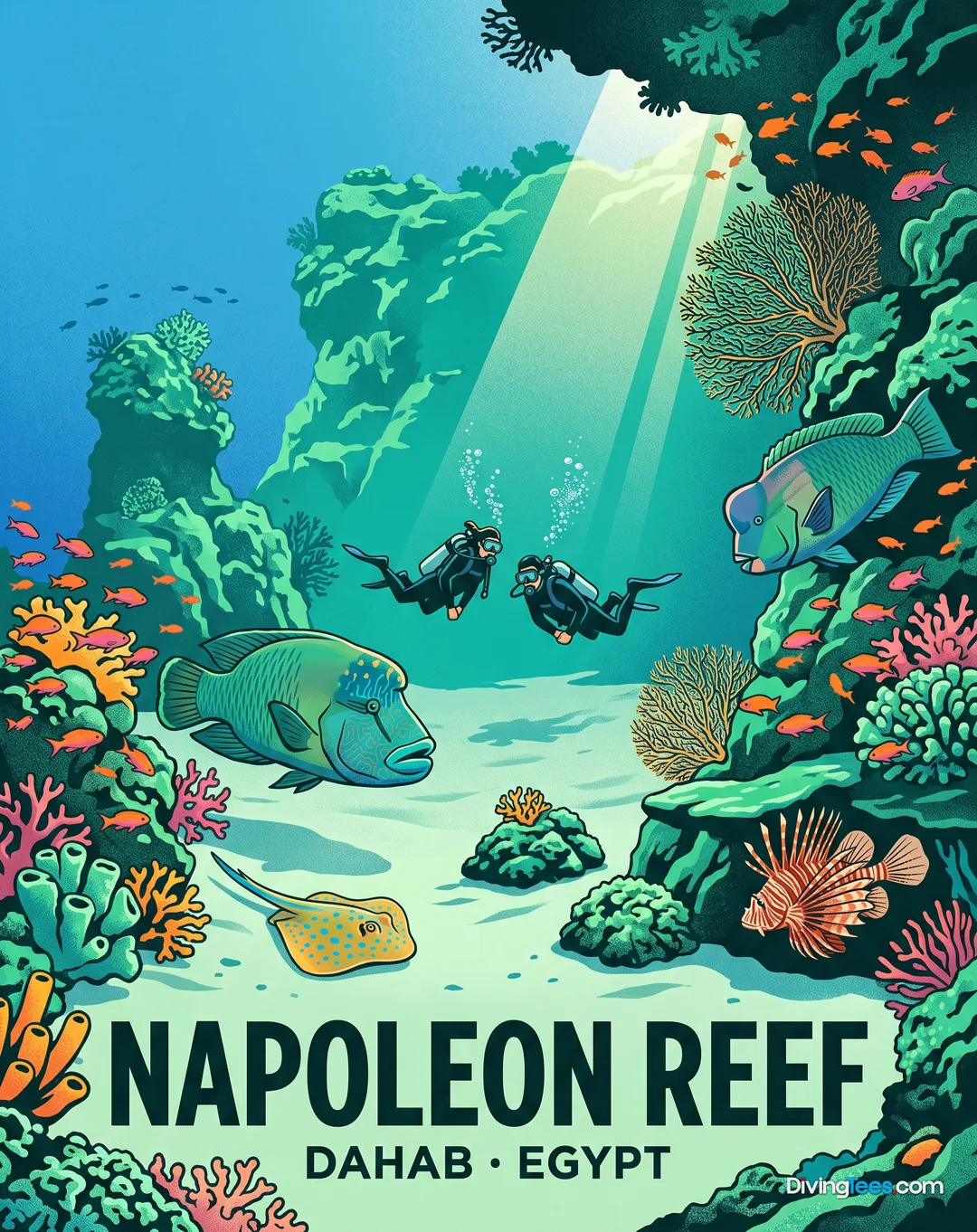
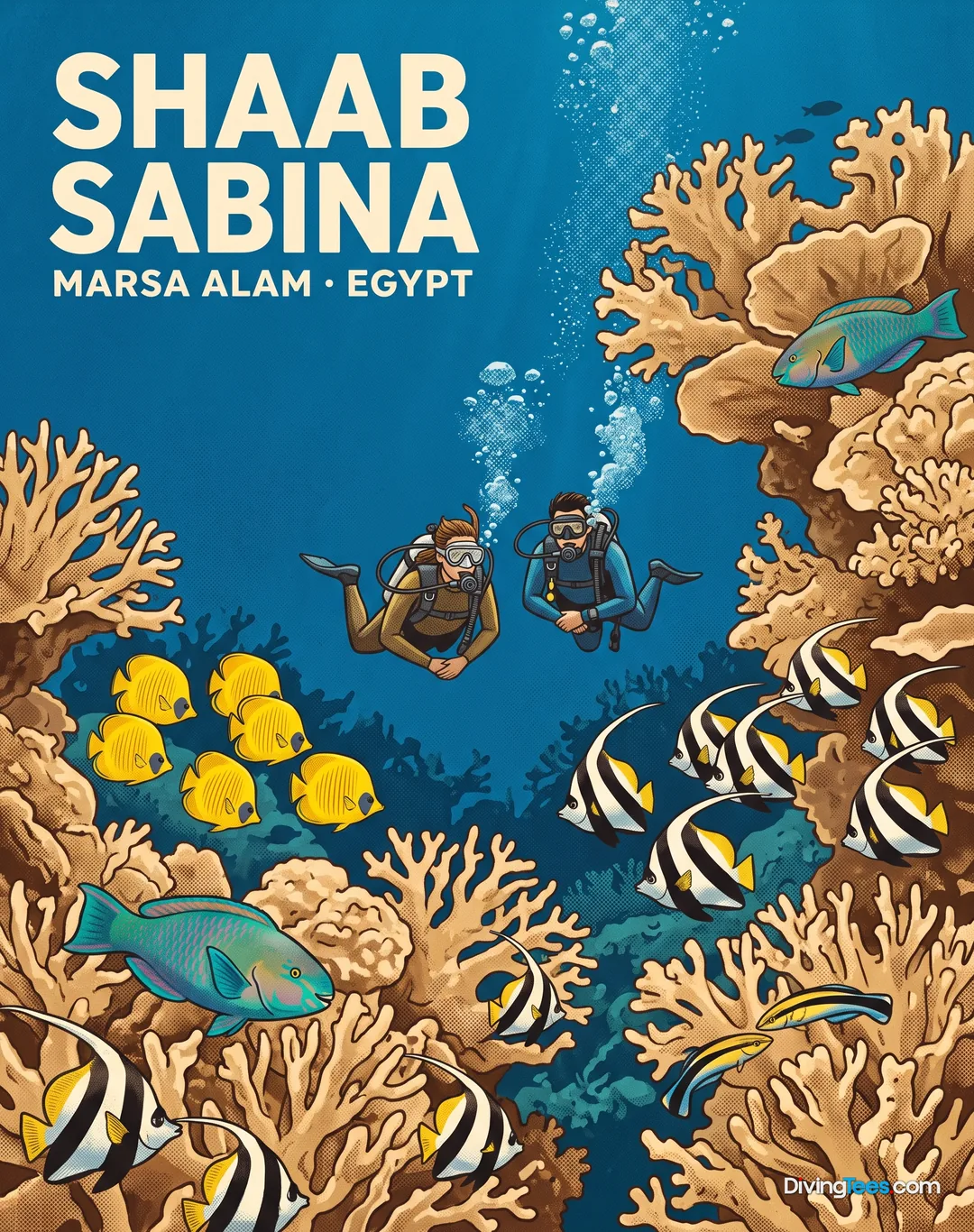
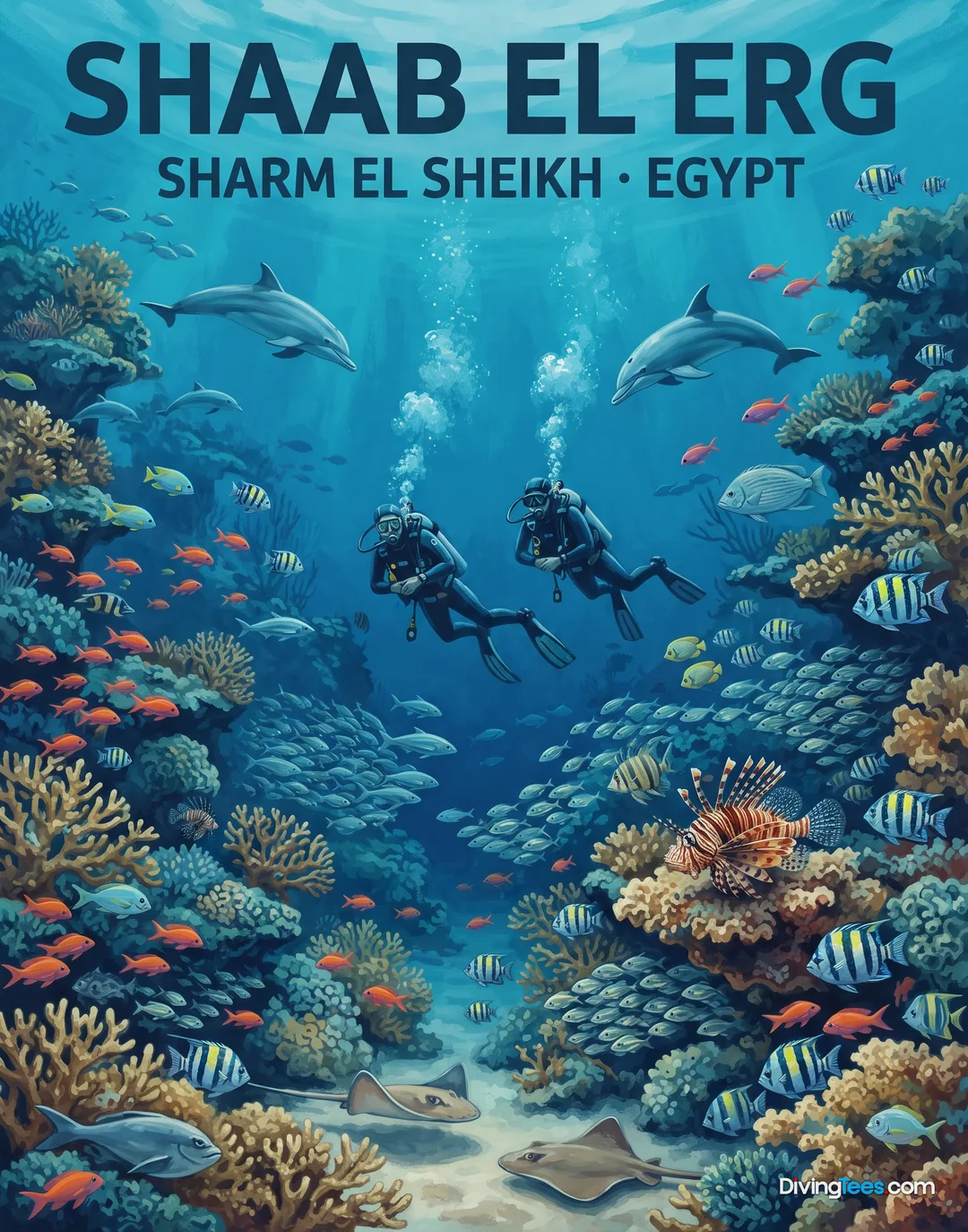
The route choices cover the Red Sea from wrecks and northern reefs to remote offshore walls. North, Straits of Tiran and Dahab trips run for 8 days and 7 nights, as do North & Brothers and Brothers, Daedalus & Elphinstone itineraries. On BDE, Brothers brings steep walls, wrecks and pelagic potential, Daedalus drops from its reef table toward deep water and Elphinstone finishes with walls known for sharks; the recorded maximum depths are 100 m, 200 m and -60m respectively. The northern and Dahab routes change the character of the week: the Straits of Gubal turn wrecks into artificial reefs, with a recorded maximum of -50m; Fanadir North offers a venomous-fish wall to -30m; Ras Abu Galum combines coral gardens and a deep wall to -80m; and Blue Hole reaches -130m, including technical passages. Napoleon Reef is a sheltered coral garden to -30m, while Shaab Sabina stays shallow at -14m. Shaab El Erg adds a chance of dolphins above a classic reef system.
What you’ll meet underwater
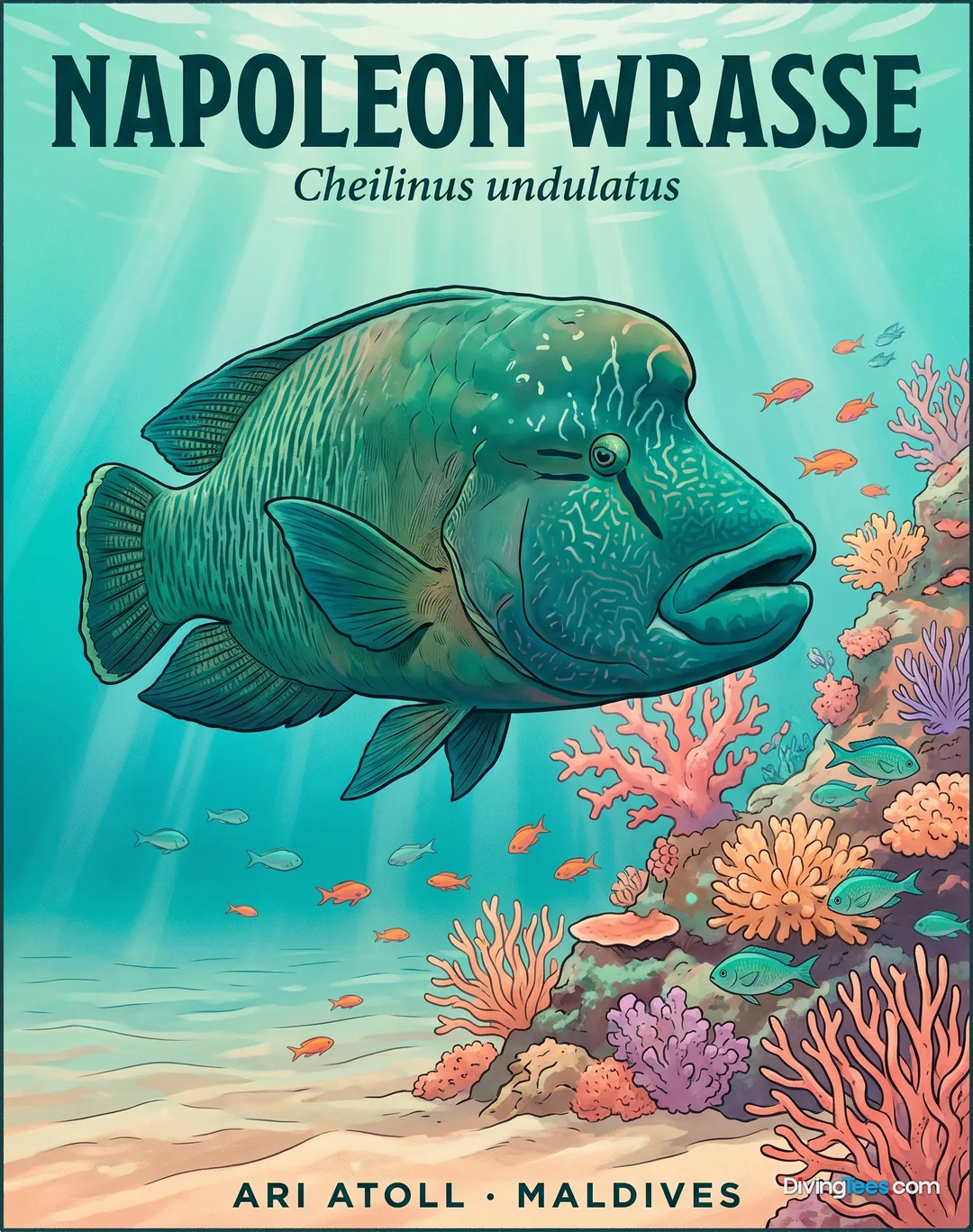
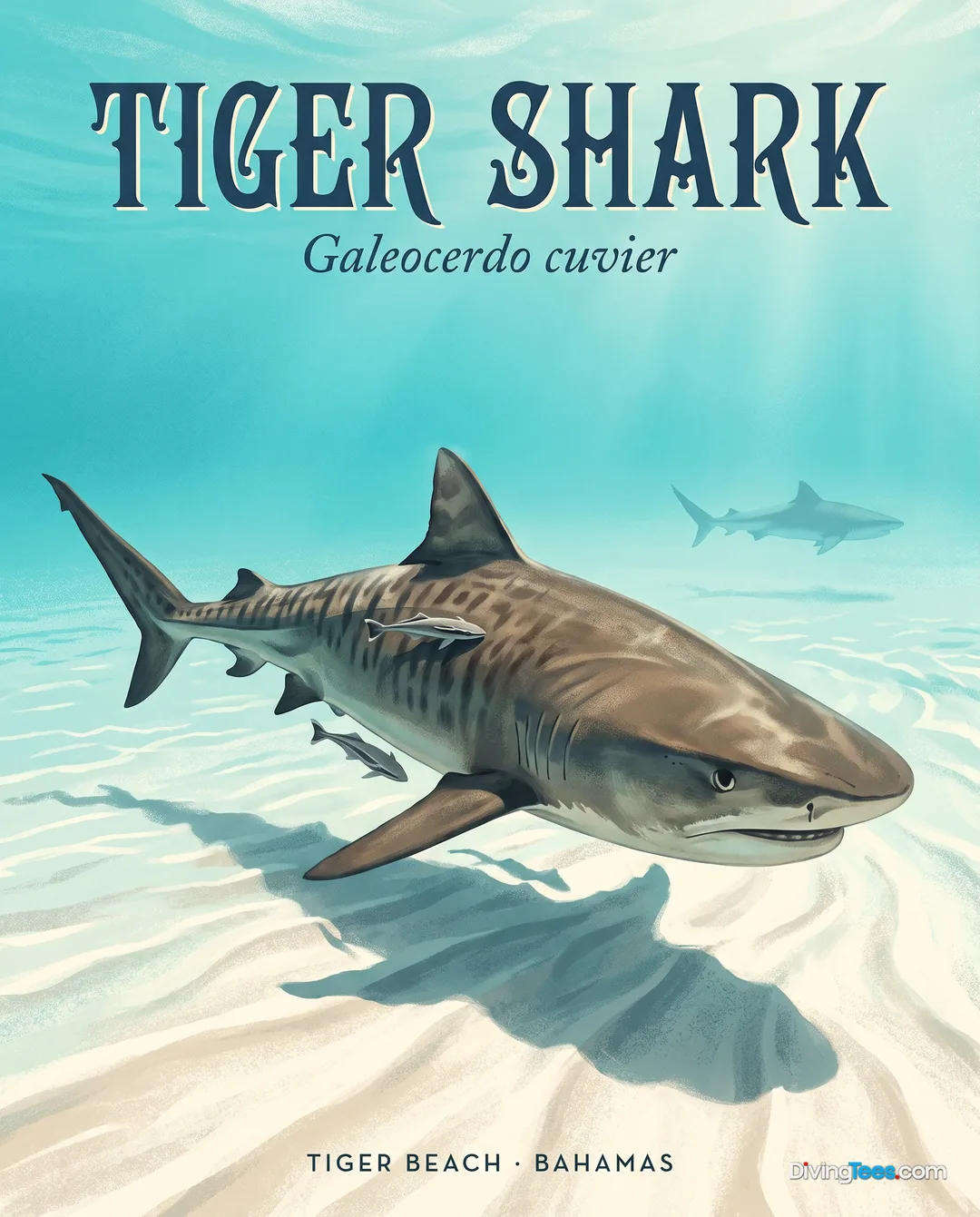
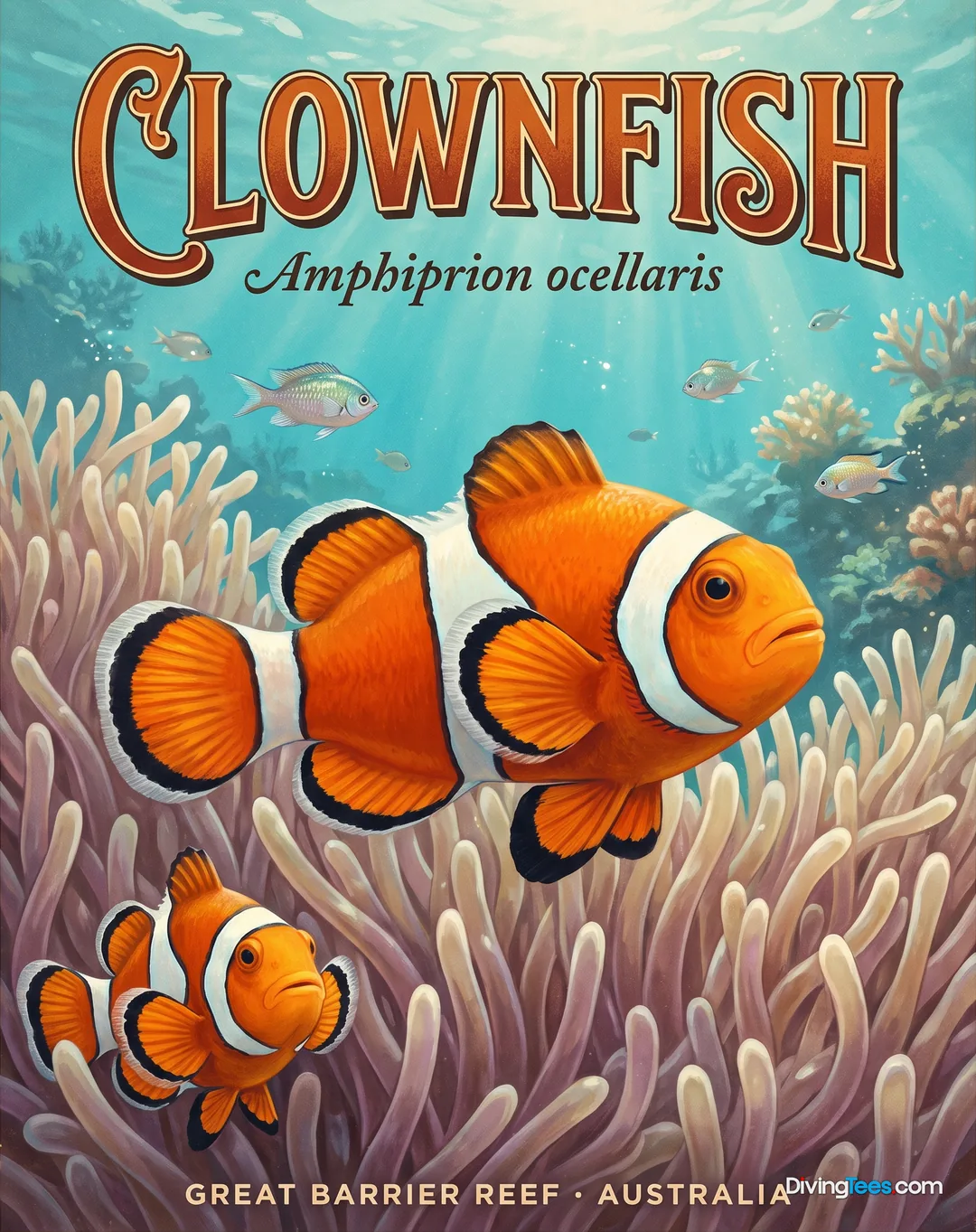
Across the route, the recurring cast is varied rather than built around one guaranteed encounter: barracuda and Napoleon wrasse appear on six recorded sites, turtles on six, morays on eight, and scorpionfish on six. Tunas, trevallies, groupers, reef sharks, grey reef sharks, anthias, snappers and both hard and soft corals fill out the walls and gardens. The site-specific reasons to go are sharper. Elphinstone is the place recorded for blacktip sharks and tiger sharks; Brothers Islands is the one associated with anemones and the broader shark encounter; Ras Abu Galum is where bigeye trevally is recorded; Blue Hole has clownfish and triggerfish; El Fanadir has frogfish and sweetlips; and Shaab El Erg is the only listed site for Chromodoris willani nudibranchs. Currents, depth, visibility and animal behaviour decide what actually appears in front of the mask.

Who puts you in the water
The dive team is multilingual and runs SSI training on board, including nitrox, deep diving and wreck diving specialties, as well as Advanced Open Water courses. Technical diving and rebreather diving are part of the boat's operating brief, not an afterthought. The required level and any logged-dive requirement depend on the itinerary and dive site; marine-park guides may restrict a dive or alter the route when conditions or experience demand it. A full safety briefing and fire drill take place during check-in, and the boat carries oxygen, first-aid equipment, an AED and trained first-aid crew. Divers are expected to bring a computer, SMB, snorkel, torch, alternate air source and the certification appropriate to their dives.
The dive deck and the gear
The dive deck is at water level and accommodates the full passenger capacity, which removes a long climb in and out of the water and leaves the tenders close to the platform. Two 6.7-metre tenders, each with an 85 HP Yamaha outboard, take divers to the reef and collect them after the dive. Tanks are prepared on the deck, with DIN adapters available; sidemount is supported with a single cylinder. Nitrox is included, and the boat also supports rebreathers and technical fills, including oxygen, trimix and helium/oxygen blending through a booster pump. Three compressors and two nitrox membranes support filling operations. There are shaded kitting-up areas, separate rinse tanks for cameras, general rinse tanks, charging stations and a dive platform. Rental equipment is available as an optional extra and should be arranged before sailing.
Between dives
Between dives, the boat gives a choice of shaded deck, open sun deck, air-conditioned saloon and a quieter corner with a book or camera. The camera station has charging points, a dedicated camera rinse and room to deal with wet equipment without spreading it across the dining area. Some passengers will sleep between dives; others will sit at the rail watching the tender return or stay on deck while the boat moves to the next reef. The space is generous for a 28-diver boat, but it is still shared space, so the best places change with the light, the weather and the stage of the day.
A day on board
A day starts before dawn, with the first briefing followed by the first descent while the reef is still quiet. Breakfast comes around the first dive, then the boat and tender teams reset the deck for the next entry. Most safaris offer three to four dives a day, with meals and snacks placed around the diving rather than the other way round. Between dives, divers sleep, work on cameras, sit in the shade or move upstairs while the boat shifts toward the next site. Afternoon diving follows the same practical pattern: briefing, kit-up, tender or platform entry, collection, rinse and food. Night dives are not permitted in marine parks, so the evening may instead end with dinner, a drink in the saloon and the briefing for the next morning.
What you eat aboard
Meals cover European and Egyptian cooking, local seafood and sushi, with buffet service, fresh bread and fruit, and vegetarian, vegan and gluten-free choices available. Food is one of the boat's clearest strengths: varied dishes are presented carefully, and the galley can adapt to individual dietary needs when informed in advance. Non-alcoholic drinks, tea, coffee, fresh juices, smoothies and all-day snacks keep the gaps between dives supplied; beer, wine and other alcoholic drinks are available separately. Outdoor dining depends on the weather. The table matters here because it is where a group refuels after a demanding dive, compares what appeared on the wall and gets ready to do it again.
Nights at sea
The cabins are arranged as Standard Twin Lower Deck, Double Bed Lower Deck, Standard Twin Upper Deck, Upper Deck Suite and Main Deck Suite. All have private bathrooms, air-conditioning, daily housekeeping, towels and the practical storage expected on a week-long safari; the suite and sea-view options give more room and more daylight. Panoramic windows make the outside cabins feel connected to the Red Sea rather than sealed into the hull. The saloon is air-conditioned for the hours when the sun is hard, while the upper decks provide the place to dry off and look out. At night, the boat is comfortable and clean, but it remains a working dive vessel: distant machinery, water movement and the activity of a full boat are part of the setting.
Standard Twin Lower Deck
Double Bed Lower Deck
Main Deck Suite
Standard Twin Upper Deck
Upper Deck Suite
What to know before boarding
The recorded Sea Serpent Grand departures run from Hurghada and return to Hurghada. Airport and hotel transfers are included, with a representative meeting arriving guests and assisting them to the boat; the exact transfer details are provided for the individual sailing. Check-in is not before 5 PM on the first day and check-out is by 10 AM on the last day. Arriving in Hurghada the night before is the sensible choice for an early or delayed flight connection.
What the boat does for the ocean
Sea Serpent Grand has sewage holding tanks and sewage treatment. Its 22,000-litre-per-day water maker reduces reliance on shore-supplied freshwater during the trip.
- Year built
- 2005
- Year renovated
- 2020 & 2024
- Length
- 44 m
- Beam
- 8.5 m
- Maximum number of passengers
- 28
- Number of cabins
- 14
- Number of bathrooms
- 16
- Engines
- 2 × 720 hp CAT
- Cruising speed
- 10 knots
- Tenders
- 2 × 65 hp Yamaha
- Website
- seaserpentfleet.com ↗
Hello, I'm Marina, DivingDeal.com's AI assistant. I answer in detail about hotels, dive centres and liveaboards.

Thinking about the whole trip and the flights? Talk it over with Edith →
Marina is an AI. Some links are affiliate links: DivingDeal may earn a commission, at no extra cost to you. Bookings are made with the partner.