Liveaboards · Egypt
Cyclone — a relaxed wooden Red Sea wreck boat
What makes this boat unique
- Cyclone is a 1998 wooden liveaboard with ten air-conditioned twin cabins and en-suite bathrooms.
- The boat carries up to 20 divers and operates Red Sea routes including Thistlegorm, Rosalie Moller and Abu Nuhas.
- Its dive deck has three K14 compressors, rinse tanks, warm-water showers, personal storage and charging stations.
- Nitrox and rental equipment are available as paid extras.
- A jacuzzi, shaded sun deck, open-air saloon and air-conditioned lounge give the boat an easygoing side between dives.
The invitation
Cyclone suits divers who want the northern Red Sea's famous wrecks without booking a highly technical platform or a large modern yacht. Its character is straightforward: a wooden boat, twin cabins, a practical dive deck and enough space to spend the quiet hours outside. The route can bring Thistlegorm, Rosalie Moller and Abu Nuhas into the week, while the boat keeps the pace relaxed, with three dives a day offered on its slower-style trips. That makes Cyclone a sensible choice for divers who want serious wreck diving but do not need a rebreather setup, a dedicated camera room or an elaborate luxury interior. The jacuzzi is useful after the last dive, not a substitute for the reason to board.
Boarding
Cyclone makes the impression of an established wooden Red Sea boat rather than a new steel vessel built around hotel-like spaces. The layout is made for a group of divers who spend much of the day moving between cabin, saloon and dive deck, with the open-air areas providing the natural place to watch the coastline disappear. The dive operation is central to the boat's design, while the indoor saloon gives everyone somewhere cool to sit between entries. It is a boat for sharing: twin cabins, shared diving routines and a maximum group size that remains manageable without pretending to be intimate. The appeal is practical comfort around the diving, not polished architectural novelty.
The atmosphere on board
Cyclone's atmosphere is built around a mixed group sharing twin cabins and a clearly practical dive routine. Passengers have found the cabins clean and the dining area workable even when the group is large, which matters more over a week than decorative detail. The boat welcomes solo divers through shared-cabin arrangements, so the social side is likely to form quickly around the dive deck and buffet table. Arabic- and English-speaking crew support the operation. In the evening, the air-conditioned saloon gives the group a place to review footage or watch entertainment, while the shaded deck and jacuzzi keep the conversation outside when the weather allows. Cyclone is best understood as a relaxed group boat, not a private retreat.
The sites you’ll dive
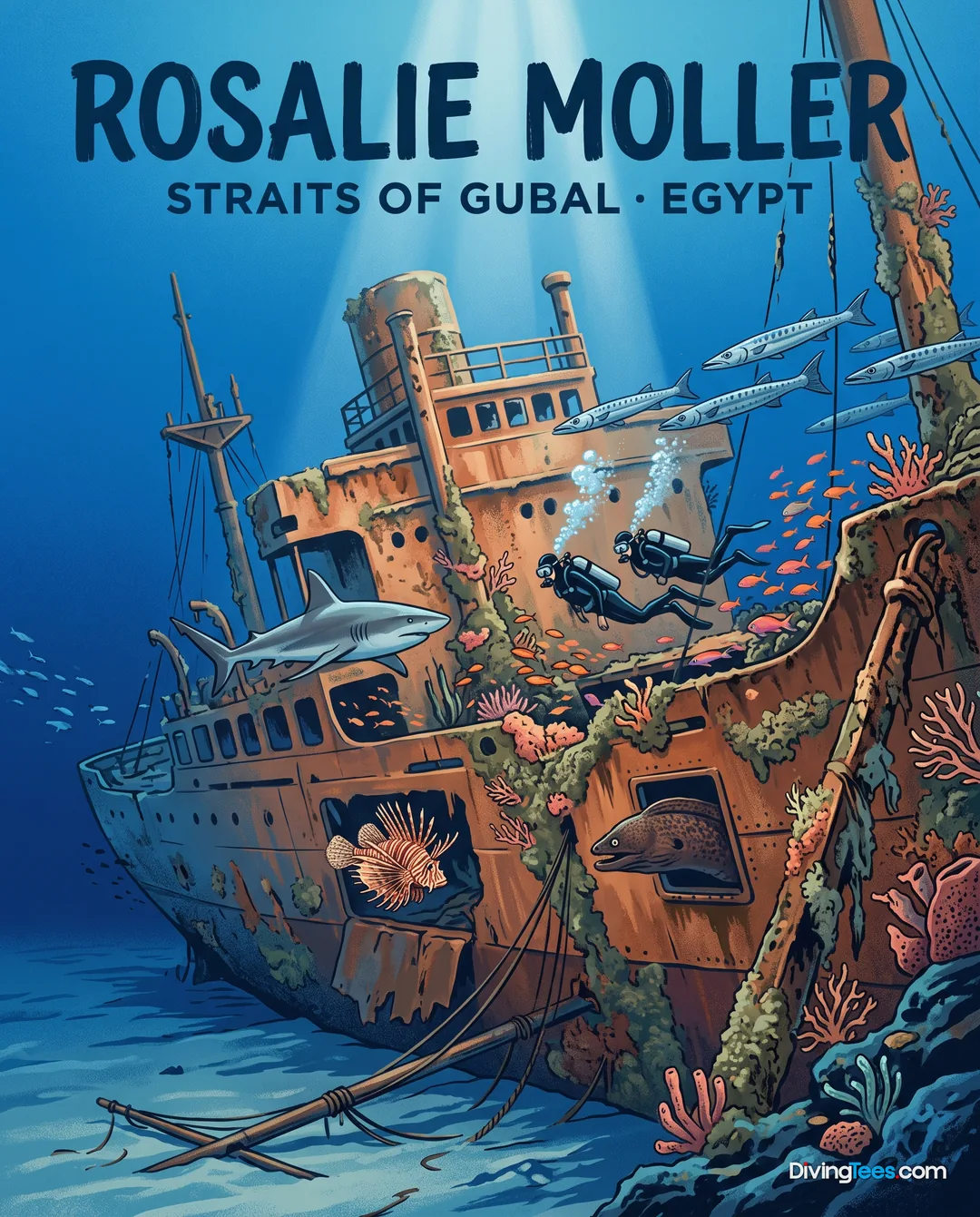
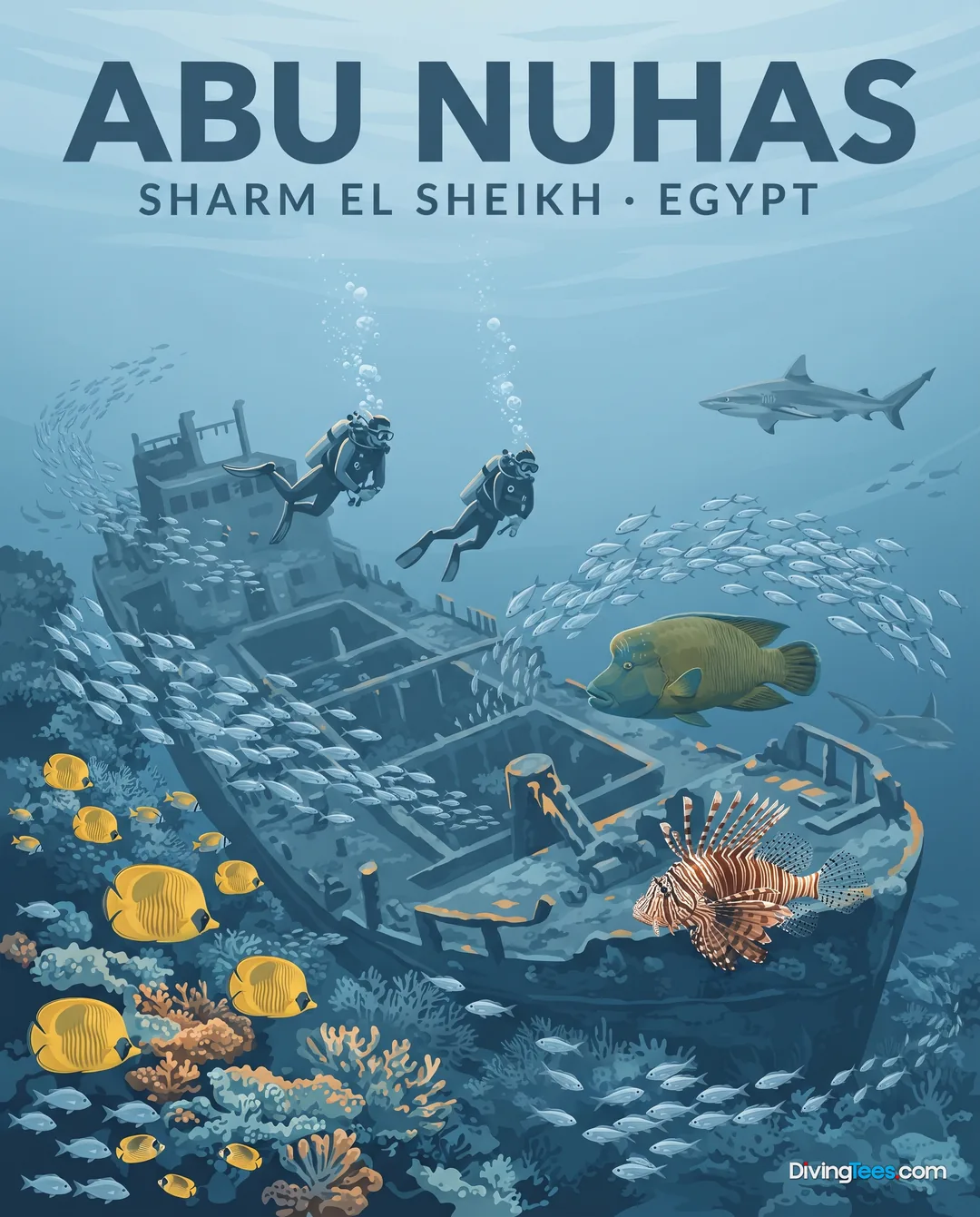
Cyclone is aimed at northern Red Sea routes where the wrecks are the reason to board. SS Thistlegorm is the headline site, with a night dive possible when conditions permit; Rosalie Moller and the wreck area of Abu Nuhas are also named among the route's attractions. Other published northern itineraries combine these wrecks with Ras Mohammed, the Straits of Tiran and reef sites around Sha'ab Ali, Sha'ab Mahmoud, Gubal and Shag Rock. No verified site write-ups or site depths are attached to this boat page, so depths and precise site-by-site profiles are not given here. Route length and the exact sequence depend on the booked itinerary rather than on Cyclone alone.
Who puts you in the water
The crew speaks Arabic and English and runs an organised diving operation from the dedicated dive deck. Briefings, equipment preparation and Zodiac transfers are handled as part of each dive cycle, with the tender collecting divers from the surface and returning them to the boat. The boat carries full safety equipment, including life jackets, emergency rafts, a stocked first-aid kit, fire alarms, extinguishers and emergency signalling devices. The published information does not give guide numbers, group ratios, instructor qualifications or a list of courses, so those details should not be assumed. Route requirements vary: the general Wrecks and Reefs itinerary accepts divers without a minimum certification or logged-dive requirement, while the more wreck-focused Get Wrecked route requires PADI Advanced Open Water or equivalent.
The dive deck and the gear
The dive deck is organised for repeated preparation, with personal storage, charging stations, rinse tanks, warm-water showers and rinse hosts to help keep equipment moving through the day. Three K14 compressors support the fills, and tanks are filled on board. Nitrox is available for certified divers as a paid extra; standard gear rental is also charged separately. DIN adaptors are carried, but the published specification does not identify tank volume or whether the cylinders are aluminium or steel. Diving is supported by two Zodiacs, one 5.5 metres and one 4.8 metres, which take divers to and from the sites. Cyclone is not presented as a technical-diving boat, so divers bringing twinsets, rebreathers or complex stage setups should choose a platform designed for that work instead.
Between dives
Between dives, Cyclone gives divers a choice between shade and open air. The shaded sun deck is the obvious place to dry off and watch the sea, while the jacuzzi offers a warmer, more deliberate pause after the equipment is stowed. The open-air saloon suits quieter conversations; the indoor saloon has air conditioning and entertainment for the hottest part of the day. Wi-Fi is free, though reception at sea cannot be assumed. This is downtime built around the next dive: rinse the mask, charge a light, eat something, then find a patch of shade before the next call to the deck.
A day on board
Cyclone offers a relaxed pattern of three dives per day on the trips described as its chilled-out weeks. The day is shaped by the order of diving rather than by a fixed clock: briefing, equipment check, Zodiac transfer, return to the deck, food, and a pause before the next entry. The buffet meals and all-day snacks fill the gaps without taking divers away from the operation for long. On a route that reaches Thistlegorm, a night dive may be offered if conditions permit. Between dives, the group moves between the shaded deck, the open-air saloon, the air-conditioned lounge and the jacuzzi. The boat is most appealing to divers who prefer a steady three-dive rhythm over a schedule built around maximum daily numbers.
What you eat aboard
Meals are served buffet style, with both Western and local food, snacks available throughout the day, and hot and cold soft drinks. Alcoholic drinks and spirits are available on board, and dietary restrictions can be catered for. The format fits a diving boat: divers can eat without turning every meal into a long formal sitting, then get back to drying equipment or preparing for the next briefing. The table matters because it is where the group compares the last dive, checks who saw what and works out the next buddy plan. After a wreck dive, a simple hot plate and a cold drink do more for the day than a grand dining room.
Nights at sea
The ten Twin Berth Cabins are air-conditioned and have en-suite bathrooms, twin beds and space for personal belongings. They are functional rooms for sleeping between dives rather than places to spend the afternoon. The wooden hull gives the boat a different feel from a steel liveaboard, while the air-conditioned cabin and indoor saloon provide relief when the deck is hot. Solo divers can join the shared-cabin arrangement, and private cabin booking is available at an extra cost. The important detail is the twin layout: Cyclone works naturally for friends, pairs and groups travelling together, but a solo traveller should decide early whether to share or pay for privacy.
Twin Berth Cabin
What to know before boarding
Northern Red Sea itineraries depart from Sharm el Sheikh or Hurghada, depending on the booked route, and the return port follows that itinerary. Transfer arrangements are tied to the booking details rather than being a feature of the boat itself. Arriving the night before is the sensible choice for either port, leaving the embarkation day clear if a flight or road transfer is delayed.
- Year built
- 1998
- Length
- 32 m
- Beam
- 7 m
- Maximum number of passengers
- 20
- Number of cabins
- 10
- Engines
- 2 × 450 hp Cummins
- Tenders
- 5.5 m and 4.8 m Zodiacs
- Website
- tornadomarinefleet.com ↗
Hello, I'm Marina, DivingDeal.com's AI assistant. I answer in detail about hotels, dive centres and liveaboards.

Thinking about the whole trip and the flights? Talk it over with Edith →
Marina is an AI. Some links are affiliate links: DivingDeal may earn a commission, at no extra cost to you. Bookings are made with the partner.